You probably do not like thinking about your own death, but you might be strangely fascinated by how other creatures face theirs. When you look closely at animals near the end of life, you start to see patterns that feel almost ritualistic: withdrawal, searching for certain places, or behaving in ways they never did before. It is tempting to think they are holding their own quiet funerals.
Scientists are very cautious about saying animals truly “know” they are going to die, because you cannot just ask a crow or a dolphin what it is feeling. What you can do is watch what they do. In a few species, you see repeatable, eerie behaviors that show awareness that something is very wrong, and sometimes a strange kind of preparation. You are about to walk through seven of the most striking cases.
1. Elephants: The Graveyard Walk and the Silent Vigil
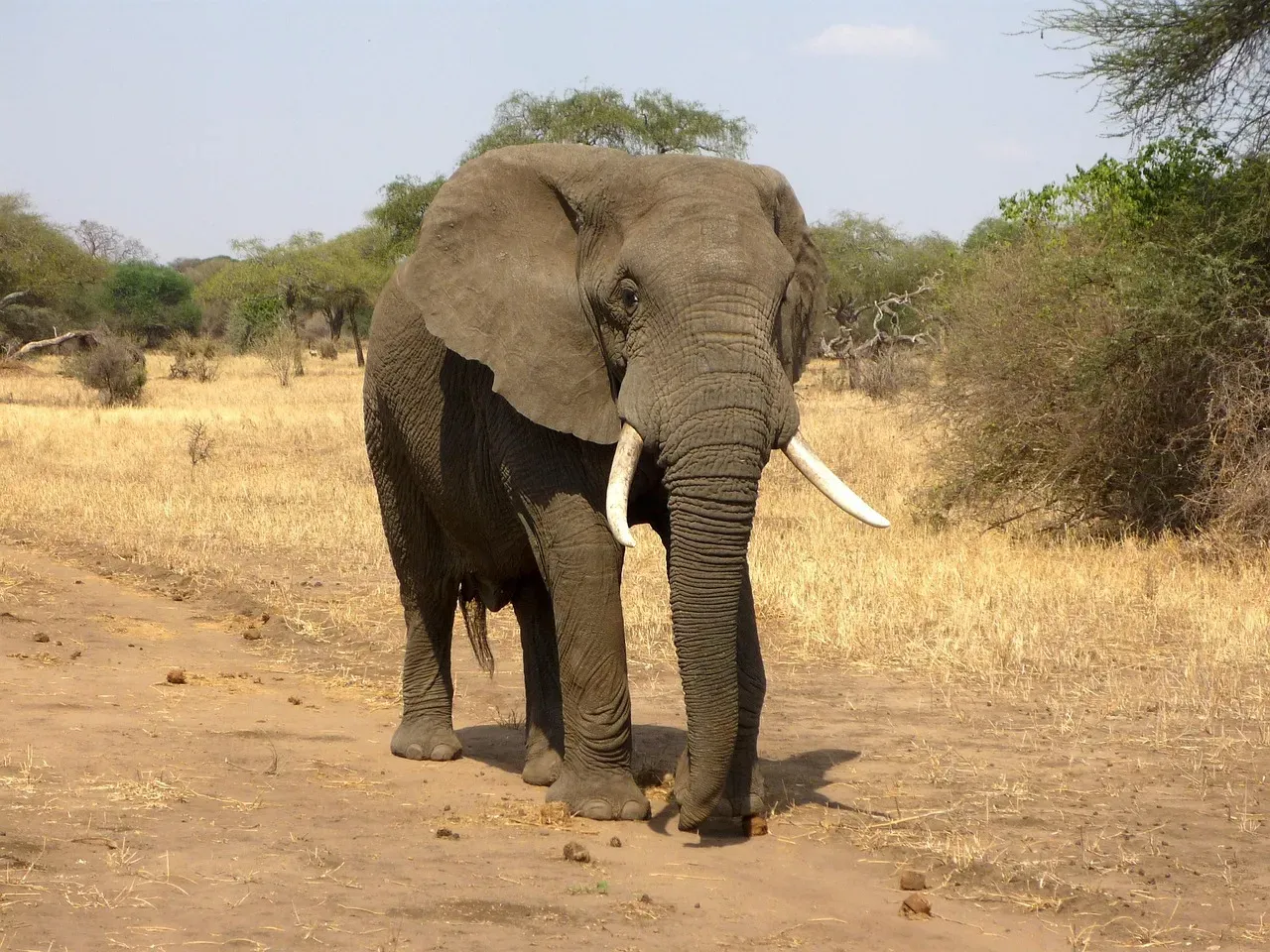
When an elephant is failing, you often see it slow down and fall behind the herd, as if it is quietly excusing itself from the group. If you were walking with them, you would notice that the others sometimes hover, touching the sick animal with trunks, then moving on while it lingers near trees or familiar paths. To your eyes, it looks heartbreakingly like someone choosing where they want to collapse. In some regions, dying or very old elephants have been seen heading toward areas where elephant bones already lie, feeding the legend of “elephant graveyards,” even though the reality is more scattered than the myth.
What will really unsettle you is how surviving elephants react when one finally dies. They often return to the body, touching the bones or skull with their trunks, standing in stillness for long stretches as if keeping watch. You might see them cover the corpse with leaves, branches, or soil, then visit again days or even years later, pausing over the remains longer than over other objects. Whether or not you call that a funeral, you are watching animals that seem to recognize death in their own kind and act with a kind of quiet, ritual care.
2. Dolphins and Whales: The Final Float and the Refusal to Let Go
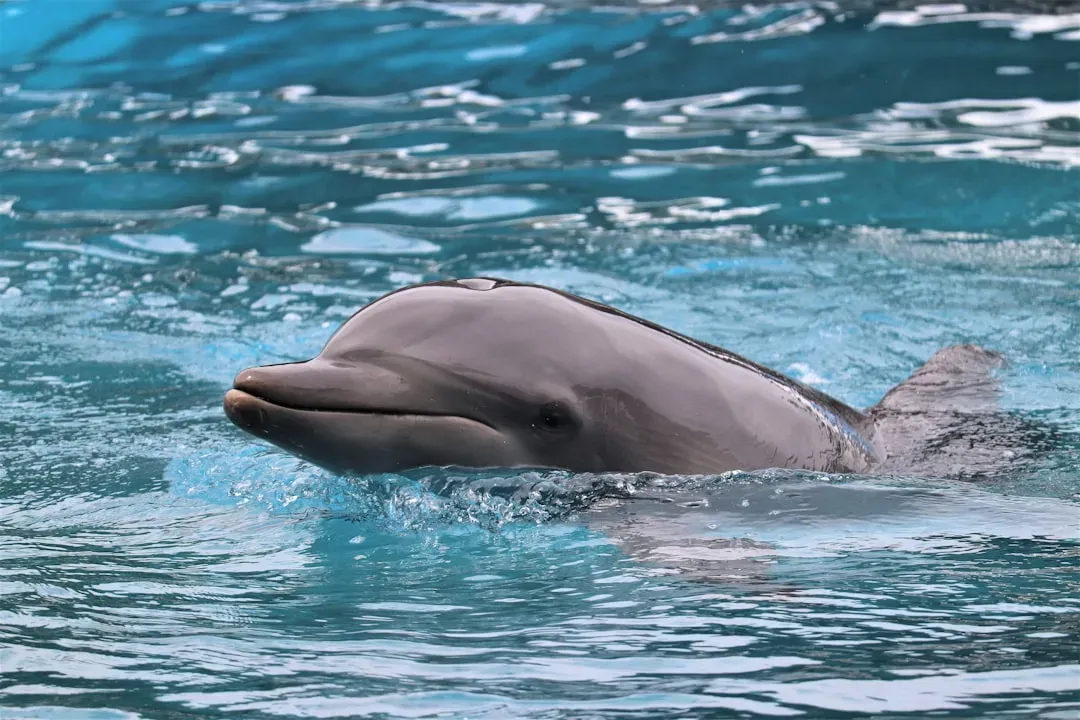
If you spent time on a boat among dolphins or whales, you would quickly learn that something is wrong when one animal starts hanging at the surface, breathing heavily, barely diving. Sometimes a sick individual will separate from the pod or just stop keeping up, and you feel the same dread you would feel watching a loved one slowly fall behind in a crowd. Yet the most haunting scenes come when a mother knows her calf is dying, or already dead, and still refuses to leave it.
Again and again, people have watched dolphins and whales push, nudge, or even lift the lifeless body of a calf to the surface, as if trying to help it breathe just one more time. If you were close enough, you would see the mother circling, staying for hours or days, ignoring food and the rest of the group. Other pod members sometimes linger nearby, creating a kind of moving guard of honor around the pair. You cannot claim to know what they are thinking, but the behavior reads, to a human eye, like a raw, stubborn refusal to accept death and a ritual of last contact.
3. Dogs: Withdrawal, Goodbyes, and the Search for a Quiet Corner

If you have ever loved a dog through its final days, you already know how strangely human those last hours can feel. Many dogs start to wander less, eat less, and then quietly slip away from their usual sleeping spot to hide under a bed, behind furniture, or in the darkest, coolest corner they can find. To you, it feels like they are trying not to trouble you, choosing a place where you will not easily see them suffer. In the wild, a canid doing this might be trying to avoid predators or protect the pack from disease; in your living room, it looks like a sad kind of courtesy.
Alongside the withdrawal, you sometimes see the opposite: sudden bursts of affection, a dog that insists on curling closer than ever, or making rounds of the household as if checking on everyone. You might notice them staring at you more often, following with slower steps, or giving up favorite games without a fight. None of this proves they understand death in an abstract way, but you are watching an animal that can feel its own body failing and is quietly changing its routines, sometimes in ways that look very much like last goodbyes.
4. Cats: The Vanishing Act and the “Perfect” Death Spot
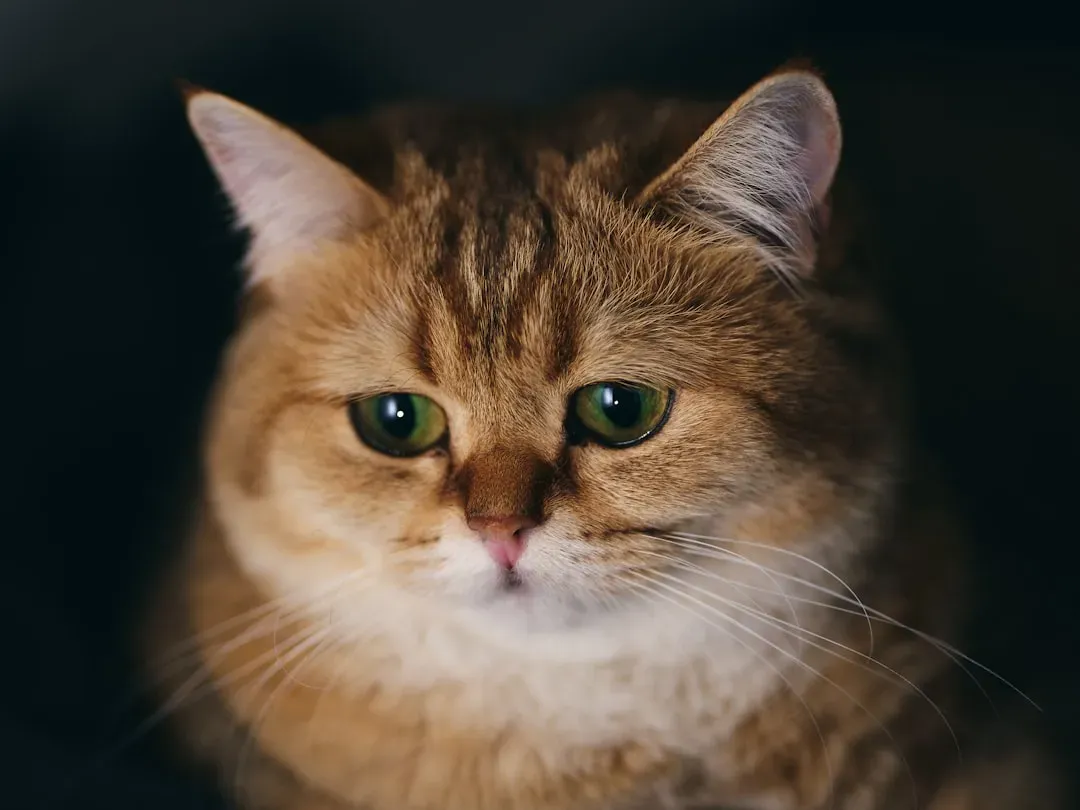
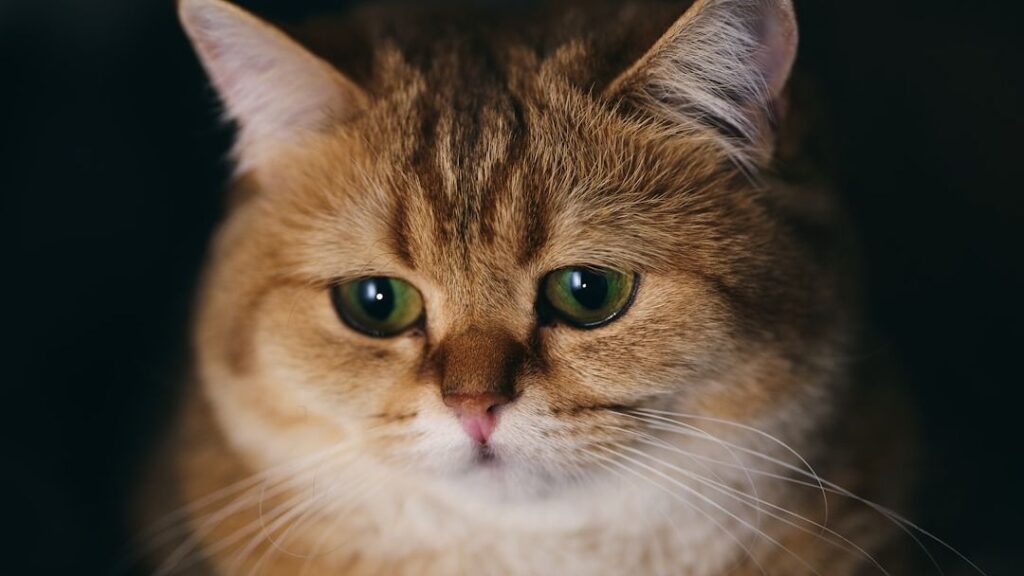
If you live with a cat, you know they already behave like tiny, secretive ghosts on a good day. Near death, that tendency can become extreme. Elderly or fatally ill cats frequently slip away to places you barely remember exist: the crawl space, the underside of a porch, the deepest corner of a closet. From your perspective, it looks like a deliberate disappearing act. In nature, that withdrawal likely helps them avoid attracting predators when they are weakest, but inside your home it feels shockingly like a conscious decision to die alone.
What may surprise you is how firm they can be about their chosen spot. You can carry a failing cat to a soft bed, but it may drag itself back to the cool tile, the cardboard box, or under the radiator, as if the location itself matters more than comfort. Some cats will refuse food and water but still make the effort to reach that specific place. When you see that, you are watching an ancient, instinctive ritual play out in your hallway: a quiet hunter choosing exactly where it will stop moving forever.
5. Ants and Bees: The Funeral Workers and the Self-Exile of the Dying
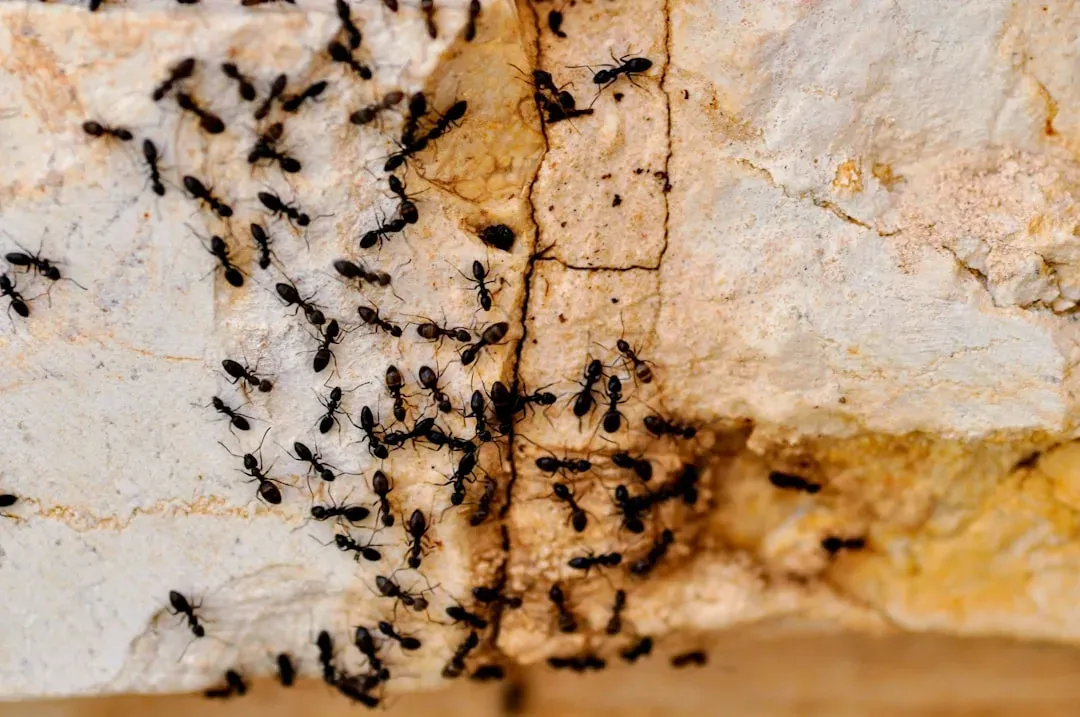
You might not expect creatures as small as ants or bees to care about death at all, but their societies run on ruthless, almost eerie efficiency. In many ant species, individuals that are sick or close to dying actually leave the nest on their own, walking away from the colony to die outside. If you watch closely, you see workers carry out bodies, dump them in special refuse areas, or remove anything that smells like decay. To you, it looks like a tiny, relentless funeral service whose main purpose is to protect the living.
Honeybees show a similar pattern. Guard and worker bees remove dead nest-mates from the hive, dropping them outside like miniature pallbearers that do not pause to grieve. Even more chilling, sick bees sometimes leave the hive voluntarily and never come back, especially when infected with certain parasites or viruses. You are seeing an instinct that behaves like a self-sacrificial ritual: the dying individual abandons the safety of the hive, reducing the risk of infecting the rest. It is not sentimental, but it is a very real system for managing death.
6. Ravens and Crows: The “Funeral” Gatherings Around the Dead
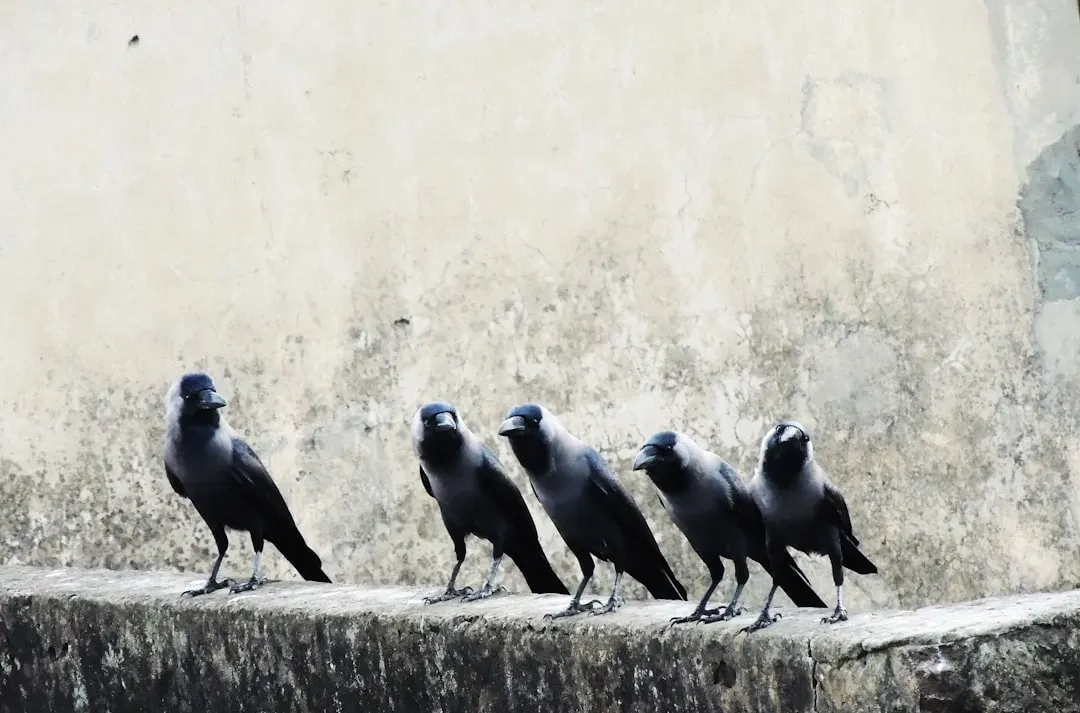
If you have ever seen a sudden, noisy group of crows screaming in a tree, you may have accidentally stumbled upon what researchers call a crow funeral. When one of these birds finds a dead crow, it often calls loudly, drawing in others from the area. Within minutes, you might see dozens gathered, all focused on the body. To you, it feels like a wake: loud, intense, and strangely solemn, even though the air is full of harsh calls rather than silence.
Studies suggest that these gatherings help crows learn about dangers in their environment, since many dead birds have been killed by predators or humans. Yet from your human perspective, the behavior still looks ritualistic. They do not just glance and leave; they stay, they watch, and the group’s attention is fixed on their dead companion. Afterward, they often avoid the exact spot for a time, as if marking it mentally as a place of death. You are witnessing intelligence dealing with mortality in a way that blurs the line between practical learning and something that looks like collective mourning.
7. Chimpanzees: Keeping Watch, Carrying Bodies, and the Long Goodbye
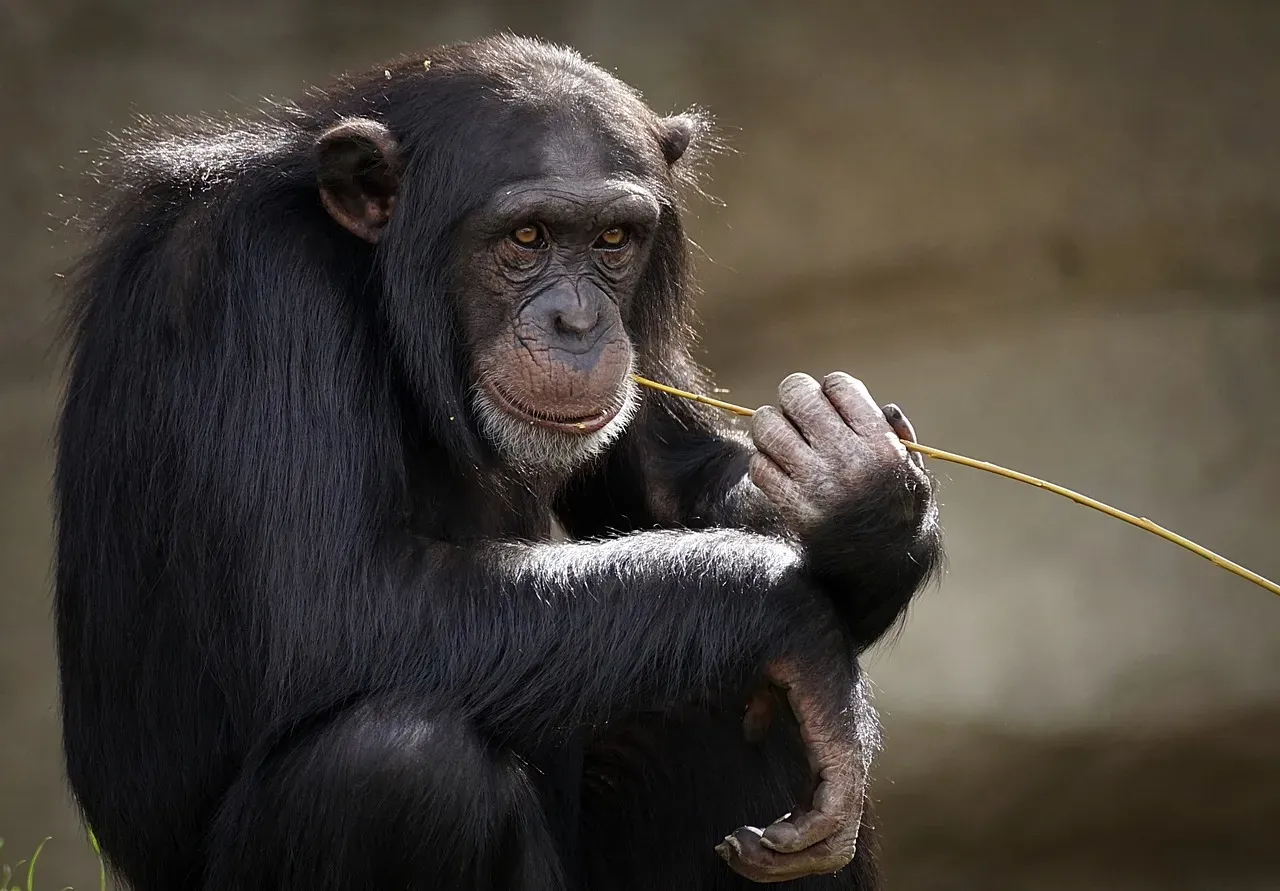
Among chimpanzees, your sense that animals can feel the weight of death gets harder to dismiss. When a chimp is dying, group members may sit close, groom it gently, or simply remain nearby in unusual quietness. In some documented cases, ailing chimps have withdrawn, moved less, and accepted or even sought touch from particular companions in ways that feel, to your eyes, like reaching for comfort. You are not just seeing random behavior; you are watching a social animal adjusting its relationships as one of its own fades.
What may affect you the most is how they treat bodies, especially infants. Mothers have been seen carrying dead babies for days or even weeks, grooming them and keeping them close, while other chimps look on or briefly touch the corpse. Adults sometimes gather around a dead group member, inspecting the body, sitting nearby, and then drifting away over time rather than all at once. To you, it looks uncannily like a drawn-out, bewildered goodbye. Even if you cannot fully translate their inner experience, the behavior strongly hints at awareness that something has ended and cannot be undone.
Conclusion: What These Rituals Say About You

When you step back and look at all these species together, a pattern starts to emerge. You see withdrawal to special places, extra closeness or contact with loved ones, group gatherings around the dead, and careful treatment of bodies. Whether it is a cat vanishing under the house, an elephant standing guard over bones, or bees hauling away their dead, you are watching life forms that do not treat death as just another random event. They respond to it in structured, repeatable ways that look a lot like rituals, even when the motive is survival.
For you, these behaviors are a kind of mirror. They remind you that the urge to prepare for the end, to protect others from your own weakness, or to stay near the body of someone you loved is not uniquely human. It runs through the animal world in different shades and intensities. The next time you see a pet grow strangely quiet or a flock of crows screaming over a fallen companion, you will know you are looking at more than chaos; you are seeing how other beings meet the same final mystery you will one day face. Did you expect their last acts to look this much like your own?