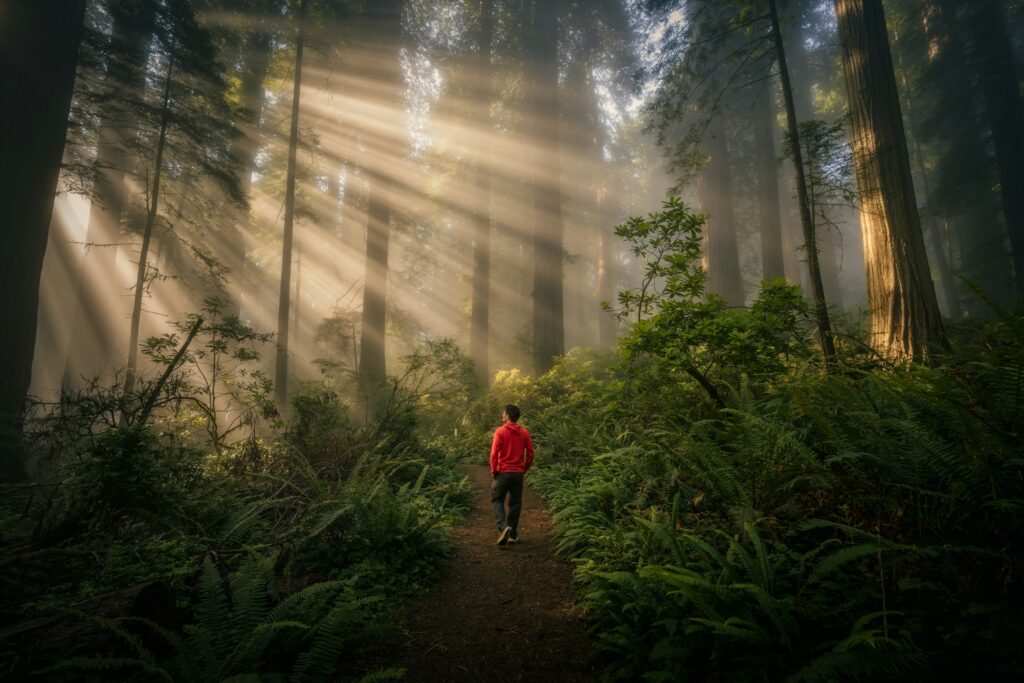

Have you ever stepped out of the city, walked into a forest or along a quiet beach, and suddenly felt like you finally exhaled for the first time in weeks? That strange sense of coming back to yourself is not just a poetic way of talking about trees and birdsong. Neuroscience is increasingly clear: your brain really does operate differently in natural environments than it does in cities, and the shift is not just about mood, it is about how core networks in the brain fire, recover, and reset.
We have built a world of concrete, glass, neon, and endless notifications, and then wondered why our minds feel frayed, shallow, and exhausted. Nature is not a luxury weekend escape; it is closer to required maintenance for the nervous system, the way sleep is. The wild twist is that the very things that define modern life – urban noise, artificial light, and round‑the‑clock connectivity – cannot, by their basic mechanisms, give you what a half hour with trees or open sky can. Let’s dig into what is actually happening under your skull when you go outside and why it feels like getting yourself back.
The Brain On Nature vs. The Brain On City: Two Different Operating Systems
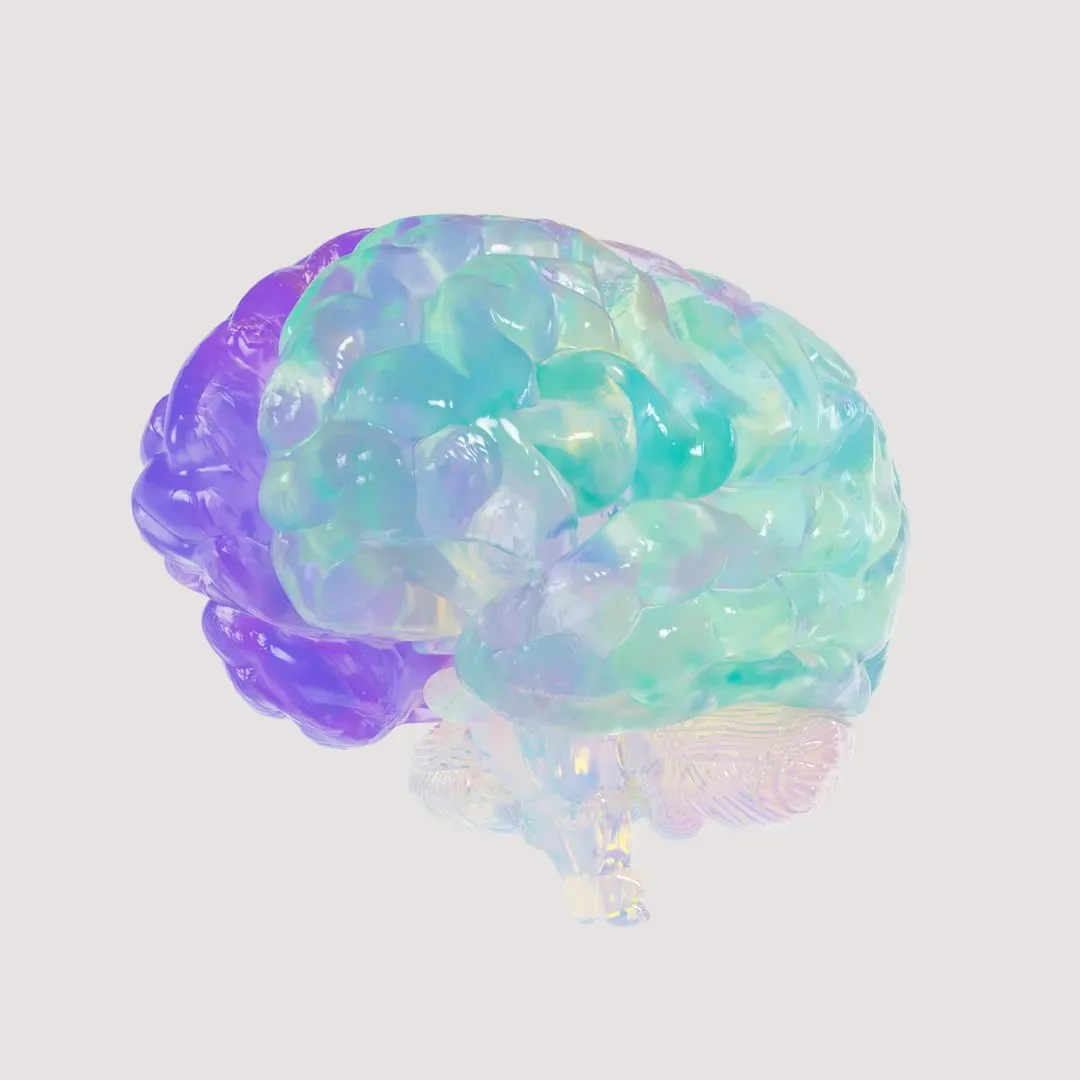
One of the most striking findings from brain imaging studies is how differently our neural networks behave in green spaces compared with busy streets. When people walk through natural environments, researchers often see reduced activity in brain regions linked with rumination and self‑critical looping, alongside more balanced activity in networks tied to attention and emotional regulation. In cities, by contrast, the brain is bombarded with unpredictable noise, movement, and social signals, which pushes attentional systems into overdrive and keeps stress‑related circuits humming at a low, constant burn.
Think of it like this: your urban brain is running dozens of apps at once, constantly scanning for honking cars, bikes, crowds, lights, and alerts. It is not just that this is tiring; it changes what feels normal. Over time, that hypervigilant, fragmented state can start to feel like your baseline. Step into a park or forest, and suddenly the system is allowed to close background tabs. The brain is still active, but it is operating more like a focused desktop than a panicked smartphone, and you experience that as spaciousness, clarity, and a sense that your real self has room to show up again.
Attention Fatigue And The “Soft Fascination” Of Trees, Water, And Sky

Modern life relentlessly hijacks what neuroscientists call top‑down attention – the effortful focus you use for work, driving, scrolling, and multitasking. Every notification, billboard, or sudden siren forces your prefrontal cortex to reorient, which slowly drains its resources. This leads to attention fatigue, where concentrating feels like pushing a boulder uphill and small frustrations hit harder than they should. Your brain is doing too much steering and not enough drifting.
Natural environments, in contrast, offer what psychologists sometimes describe as soft fascination. Moving water, leaves in the wind, clouds shifting overhead – they hold your attention enough to be interesting but not so intensely that they demand effort. This lets the executive parts of the brain rest and replenish while still being engaged in a gentle way. That quiet mental ease is why a walk by a river or through a stand of trees often leaves you feeling clearheaded in a way that an hour on your phone never does, no matter how many videos you binge.
The Default Mode Network: Why Nature Feels Like Coming Home To Yourself

There is a network in the brain often called the default mode network, which becomes active when you are not focused on a specific external task – when you daydream, reflect, or think about your own life and identity. Urban life tends to keep this network in a tug‑of‑war: sometimes overactive in self‑critical loops, sometimes drowned out by constant demands for outward attention. Neither extreme feels good; one traps you in overthinking, the other leaves you feeling oddly hollow and disconnected from your inner world.
Time in nature appears to help this network settle into a healthier rhythm. Instead of spiraling through worries or being completely shut down by external noise, it is given space to wander in a quieter, more constructive way. People often report that in green spaces they suddenly remember what actually matters to them, see problems in a new light, or feel reconnected to their values. That sense of being more like yourself is your default mode network getting to operate in its intended mode, not constantly shoved into stress or distraction by the city’s endless demands.
Stress Hormones, Heart Rhythms, And The Nervous System Reset

It is not all in your head in a metaphorical sense; it is also literally in your blood and heartbeat. Repeated exposure to urban stressors – sirens, traffic, social density, and the low‑grade pressure of being observed – keeps stress hormones like cortisol cycling at higher levels than they need to be. Over time, this wears on the cardiovascular system and leaves your nervous system tilted toward fight‑or‑flight, even when nothing is actually wrong in front of you. You feel tense, impatient, and oddly on edge.
Natural environments, even small ones like pocket parks or tree‑lined streets, tend to push the autonomic nervous system in the opposite direction. Measures such as heart rate variability, which reflect the balance between stress and recovery responses, often improve after time in nature, suggesting the body is shifting toward a more restorative state. You experience this as your shoulders dropping, your breathing deepening, and a subtle sense of safety that is hard to generate on command in a buzzing café or open‑plan office, no matter how many calming playlists you put on.
Artificial Light At Night: Why Screens Cannot Imitate Sunlight And Moonlight
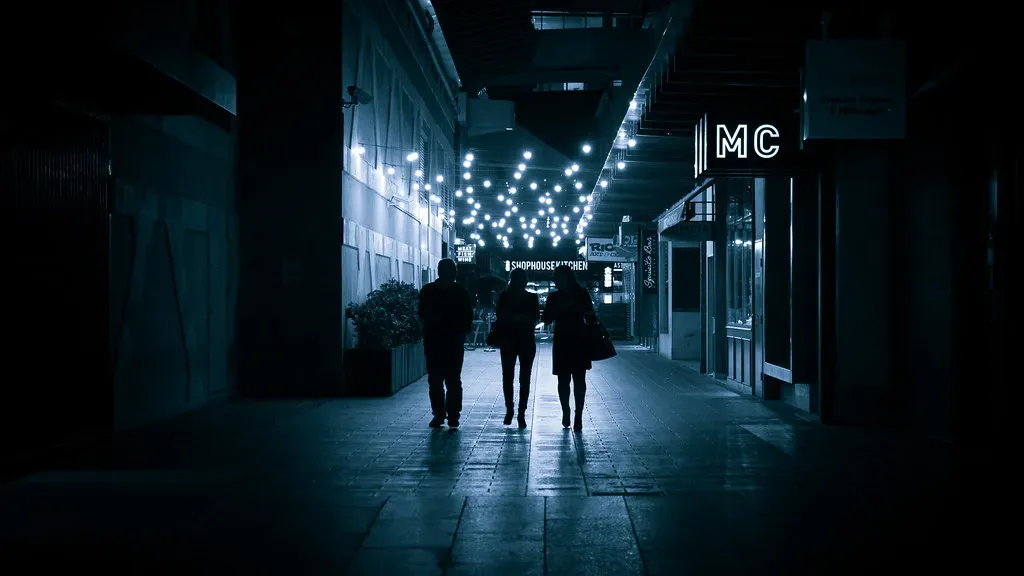
One of the most underappreciated ways nature resets the brain is through light. Your inner clock, anchored in a brain region that tracks night and day, depends on natural changes in brightness and color from sunrise to sunset to keep your sleep, hormones, and mood in sync. Urban life scrambles those signals with artificial light that often stays bright and blue‑heavy late into the evening. That pattern can delay the release of sleep hormones, shorten deep sleep, and subtly drag your mood and cognition downward over time.
Natural light does something technology literally cannot: it delivers a changing, full‑spectrum signal that matches what your clock evolved to expect. Morning sunlight, in particular, is like a daily reset button, telling the brain exactly what time it is and setting a timer for when you will feel sleepy later. No lamp, monitor, or phone, no matter how “warm” its setting, reproduces the precise intensity, timing, and pattern of sky light. You might dim your screens at night, but if you never step outside into real daylight, especially early in the day, your brain is missing critical calibration that only the natural world can provide.
Constant Connectivity vs. Solitude: The Social Brain Needs Quiet Too
The human brain is deeply social, but constant digital connection is not the same as healthy social contact. Every message, post, and status update is a tiny social puzzle your brain has to solve: what does this mean, how should I respond, how do I look? That keeps social evaluation circuits active far more than they were designed to be. Even when you think you are relaxing with your phone, a big part of your mind is scanning for approval, potential conflict, and comparison.
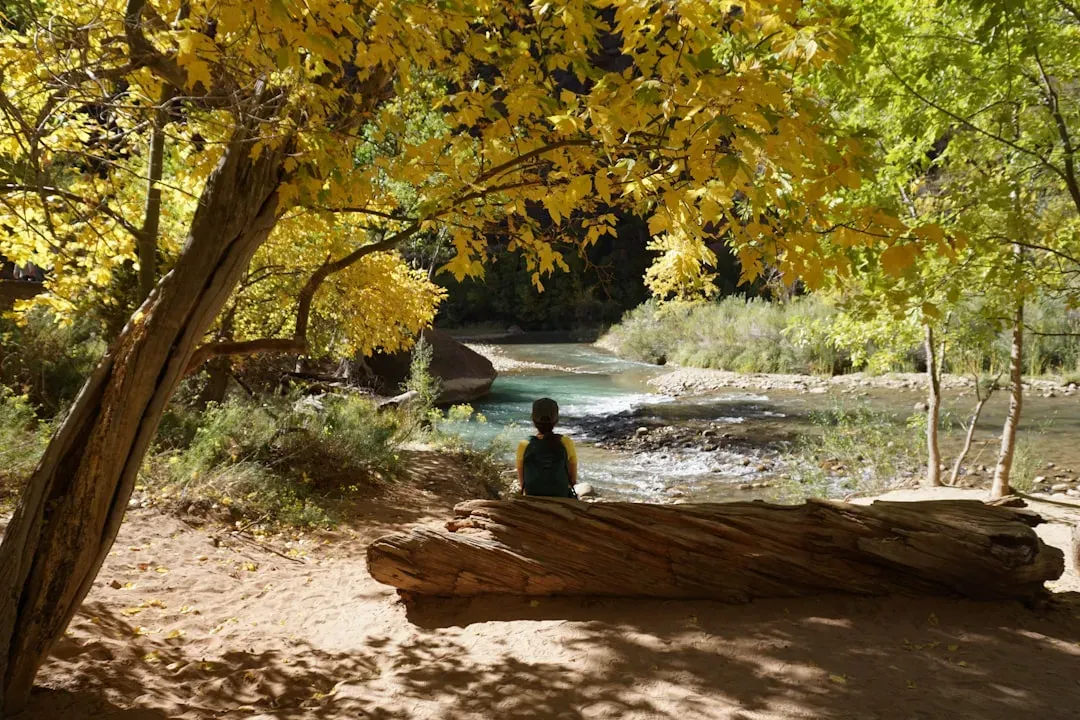
Nature, by contrast, offers a kind of solitude that does not feel lonely. Out on a trail, sitting under a tree, or just walking a quiet block with headphones off, the social brain gets a genuine pause from judgment and performance. You are allowed to exist without crafting an image or parsing other people’s reactions. This break lets emotional circuits cool down and rebuild resilience. That is one reason people so often report that time outdoors gives them courage to make changes or face hard truths – without the noise of constant feedback, your own voice becomes audible again.
Why Urban Design Alone Cannot Fully Replace Real Nature

Cities are starting to weave in more green roofs, urban forests, and pocket parks, which is absolutely a step in the right direction. But it is worth being honest about the limits of simulated nature or minimal greenery. A tree pushed into a concrete box between two roaring traffic lanes cannot give the brain the same full, multi‑sensory reset as a quiet path, a larger park, or a shoreline. Noise levels, air quality, and the sheer density of visual clutter still matter and still tax your neural systems.
At the same time, there is strong evidence that any genuine contact with living systems is better than none. Even views of trees from an apartment window, a regular walk through the greenest street in your neighborhood, or tending a few plants can meaningfully shift stress, attention, and mood. The key is that living environments follow biological patterns – movement, growth, variation – that your brain and body recognize. Urban noise, artificial light, and constant connectivity are built on mechanical, digital, and economic logics, not biological ones, and that is why they have no built‑in way to restore the cycles they disrupt.
Practical Brain Resets: How Much Nature, How Often, And What Really Counts
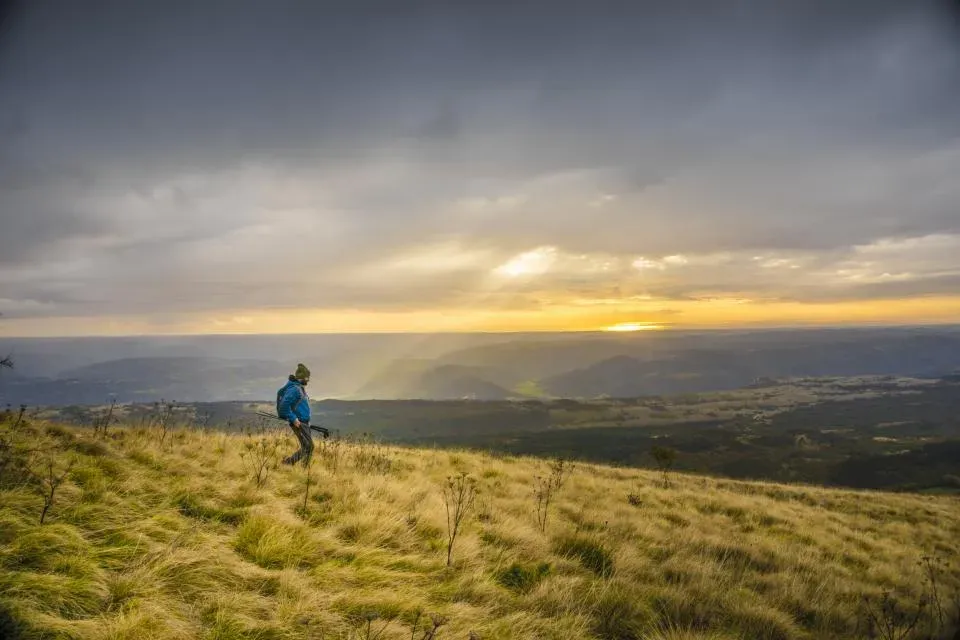
One encouraging thing about the research is how small the dose can be to start seeing changes. Regular, modest exposure – like a twenty to thirty minute walk in a park several times a week – can make a noticeable difference in mood, focus, and stress markers for many people. Longer or deeper immersions, such as a weekend hike or a few days near water or in the mountains, tend to produce stronger resets, but you do not have to wait for a perfect retreat to benefit. Your brain responds to patterns and habits much more than to once‑a‑year escapes.
The most important part is to let nature actually reach your nervous system. That means, at least for part of the time, leaving your phone in your pocket, taking out the earbuds, and letting your senses have the foreground. Notice the texture of bark, the sound of leaves, the pattern of light and shadow. It sounds almost trivial, but those details are precisely the inputs your brain evolved around. I have found that even a short walk around a scruffy city park, if I really pay attention, leaves me calmer and sharper than an hour indoors trying to squeeze out more productivity. The reset is not mystical; it is your brain finally getting the conditions it understands.
Conclusion: Nature Is Not A Luxury – It Is A Neural Non‑Negotiable
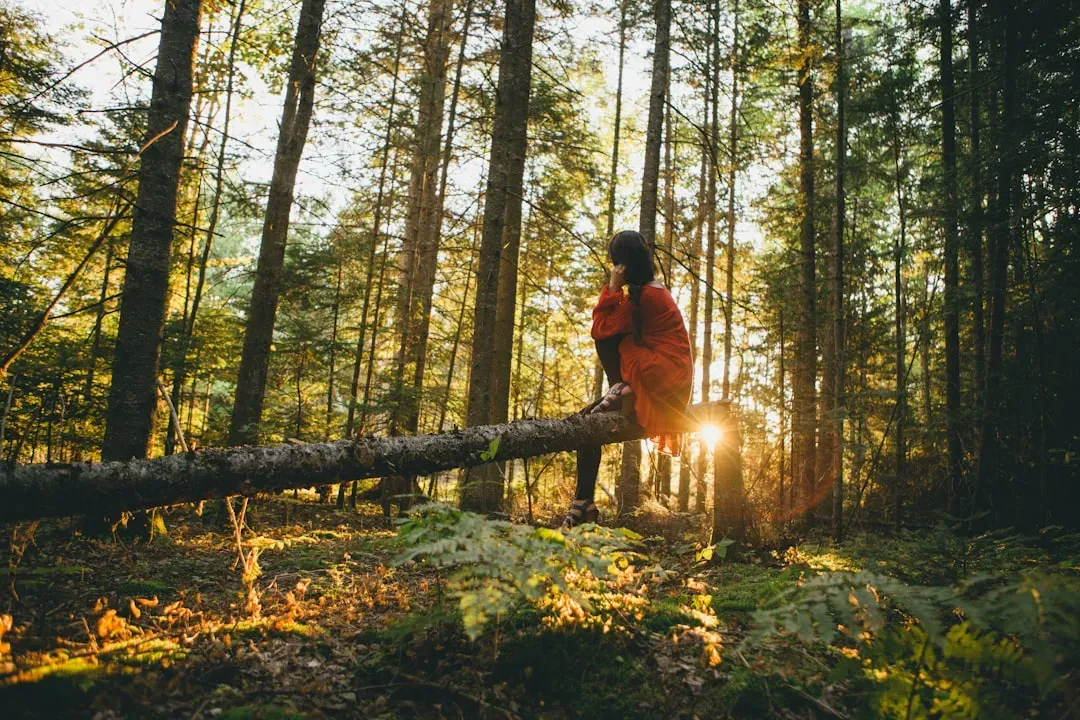
We like to tell ourselves that humans are infinitely adaptable, that we can thrive in glass towers under fluorescent lights, sleep next to glowing screens, and live our emotional lives inside tiny rectangles. The neuroscience does not fully agree. Yes, we can function in those conditions, sometimes impressively well, but the data and lived experience both point to the same truth: when you feel more like yourself after time in nature, that is not a poetic illusion. It is your brain dropping out of a strained, urban survival mode and returning to the patterns it was built for.
In my view, treating nature as optional self‑care – something you “fit in” when work and devices loosen their grip – is a collective mistake. It is closer to skipping sleep and then being surprised that everything feels harder and less meaningful. If we want clearer thinking, steadier moods, and a sense that our lives actually belong to us, we have to design our days, our cities, and our priorities around regular contact with real, living environments. The forests, rivers, parks, and patches of sky are not just scenery; they are part of the operating system your brain needs to run well. Knowing that, the real question becomes: what would your life look like if you started treating nature not as a treat, but as a requirement?