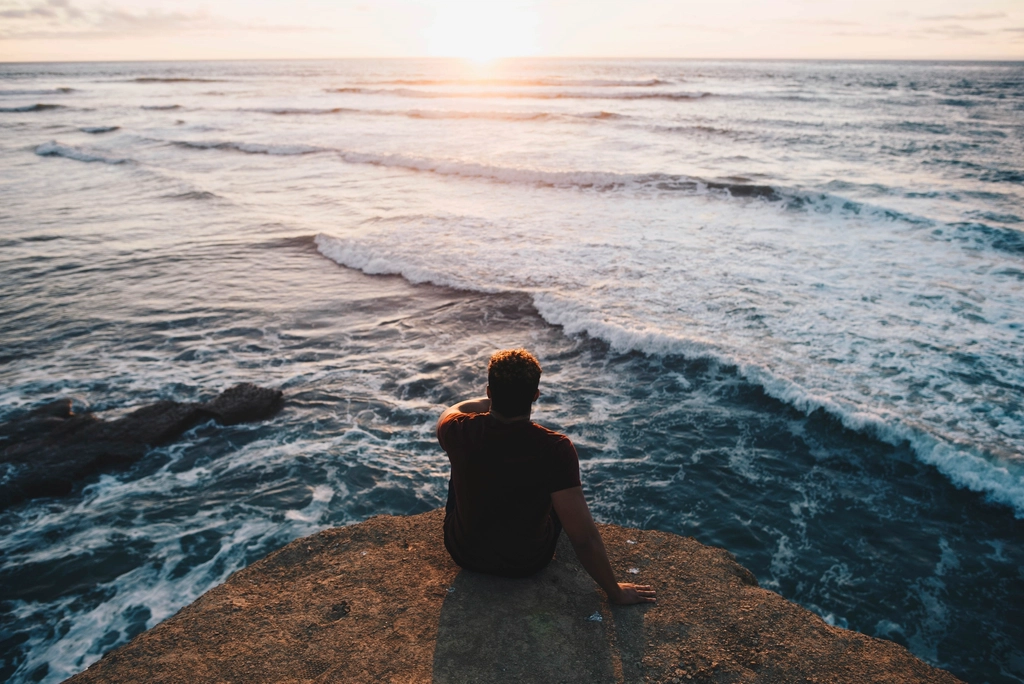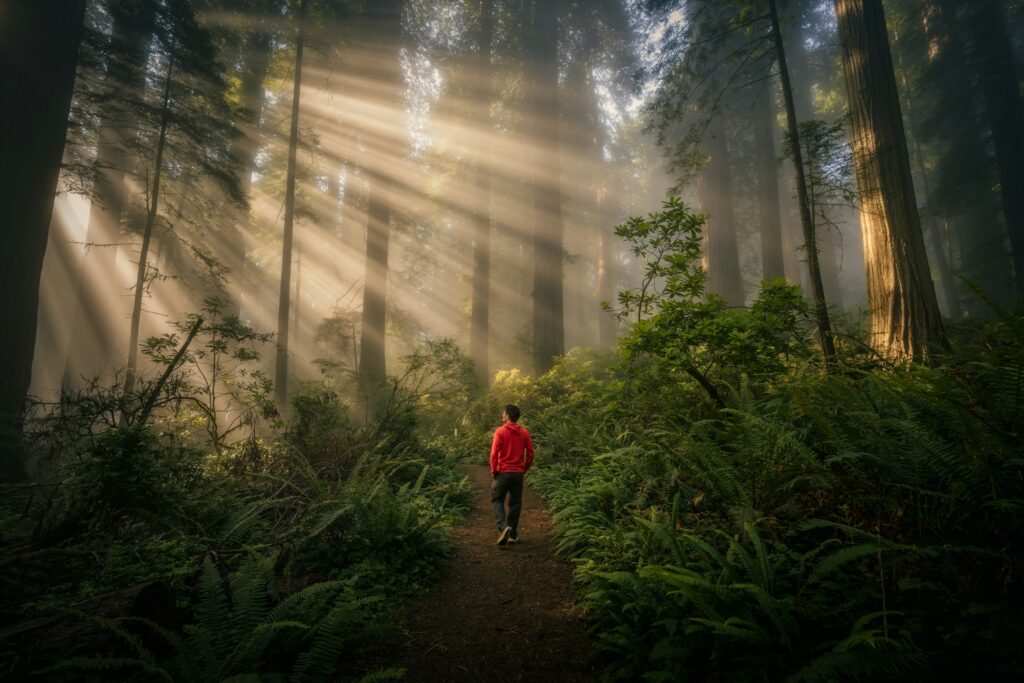

You probably have a gut sense that growing up with forests, fields, oceans, or mountains right outside your door did something to you. Maybe you notice it when you step onto a hiking trail and feel your nervous system drop a gear, or when a storm rolls in and you feel oddly calm instead of on edge. Neuroscientists are now finding that this is not just nostalgia or personality. Your early exposure to wild spaces appears to leave physical fingerprints in the brain that shape how you handle risk, stillness, and uncertainty well into old age. You do not have to be an extreme wilderness person to show these differences. Even modest, regular contact with nature during childhood seems to matter: playing by a creek, roaming a patch of trees behind an apartment block, or walking through a large park on your way to school. When you compare people who had those experiences with those who grew up mostly surrounded by roads, concrete, and indoor environments, you see consistent differences in stress regulation, attention, and emotional processing. In other words, your childhood landscape quietly trained your brain for the kind of world it assumed you would inhabit.
How Growing Up Around Wildness Literally Shapes Your Brain
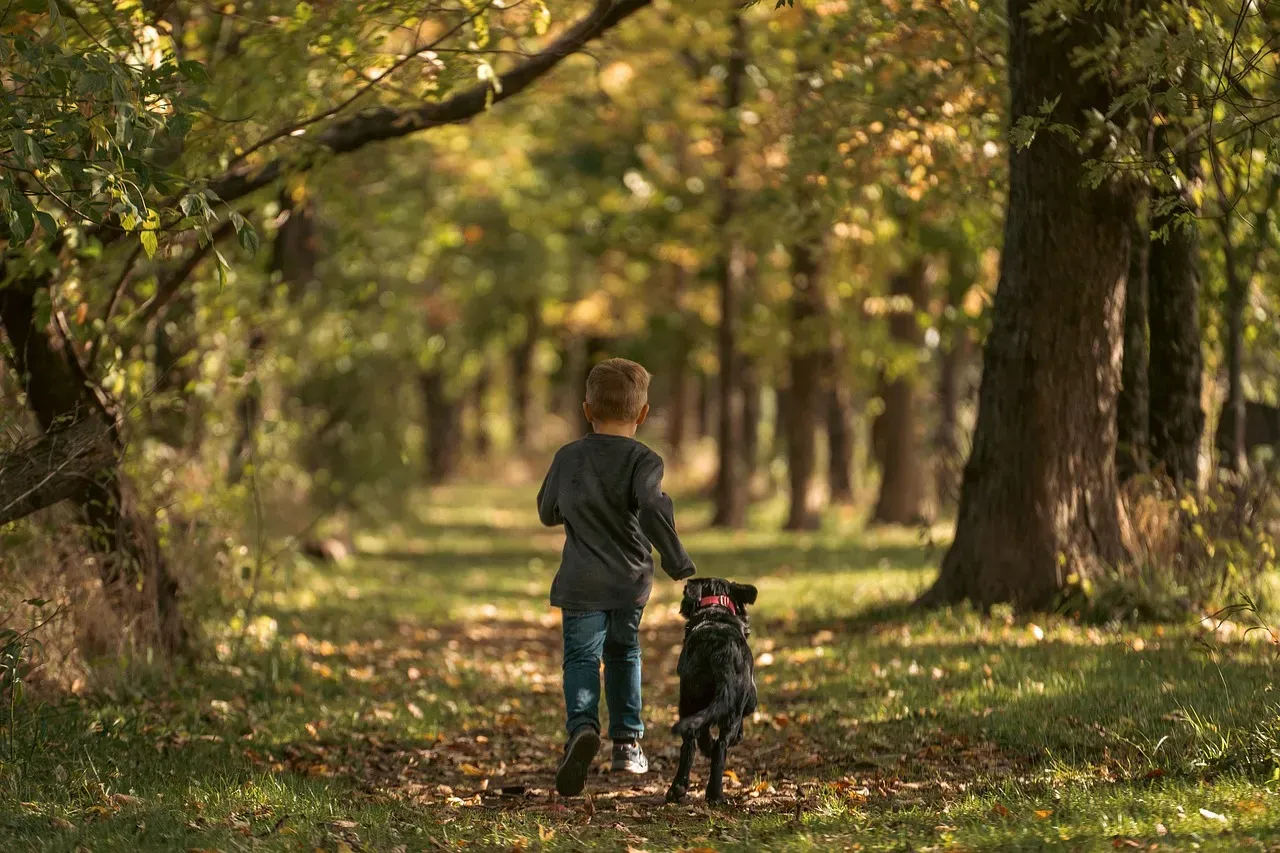
If you spent a lot of time in natural places as a kid, your brain likely learned to treat complex, changing environments as normal rather than threatening. Regions involved in processing threat and safety, like the amygdala and parts of the prefrontal cortex, seem to mature differently in people with richer nature exposure early in life. You can think of it as your brain building a more nuanced “threat filter,” better at distinguishing between true danger and harmless novelty. You also tend to see stronger or more efficient connections between areas that manage emotion and those that control attention and decision-making. That kind of wiring means you can notice a surge of anxiety or excitement, but you have more capacity to pause, assess, and respond thoughtfully. Over time, that becomes a quiet, internal habit: you do not automatically slam on the brakes in the face of the unknown, and you do not need everything to be perfectly predictable to feel safe enough to act.
Risk: Why You May Feel Calm Where Others Only Feel Exposed

If you grew up climbing trees, wandering trails, or swimming in open water, you practiced everyday risk in a very physical way. You learned, almost without noticing, to scan your surroundings, judge what felt too dangerous, and adjust. Neuroscience suggests that this kind of repeated, graded risk exposure tunes your brain’s reward and threat systems so that mild to moderate risk feels energizing instead of paralyzing. You still recognize danger, but your response is proportionate rather than all-or-nothing. By contrast, if your childhood risks were mostly social or digital – tests, grades, social media drama – your brain may have had fewer chances to calibrate itself against real-world, embodied risk. That can make any uncertainty feel like you are stepping off a cliff, even when the situation is actually manageable. This does not mean you are doomed; it means your nervous system was trained in a different arena. Understanding that difference helps you stop blaming yourself for being “too cautious” and instead start giving your brain the kinds of experiences that can slowly broaden its comfort zone.
Stillness: Why Natural Quiet Feels Different From Urban Silence
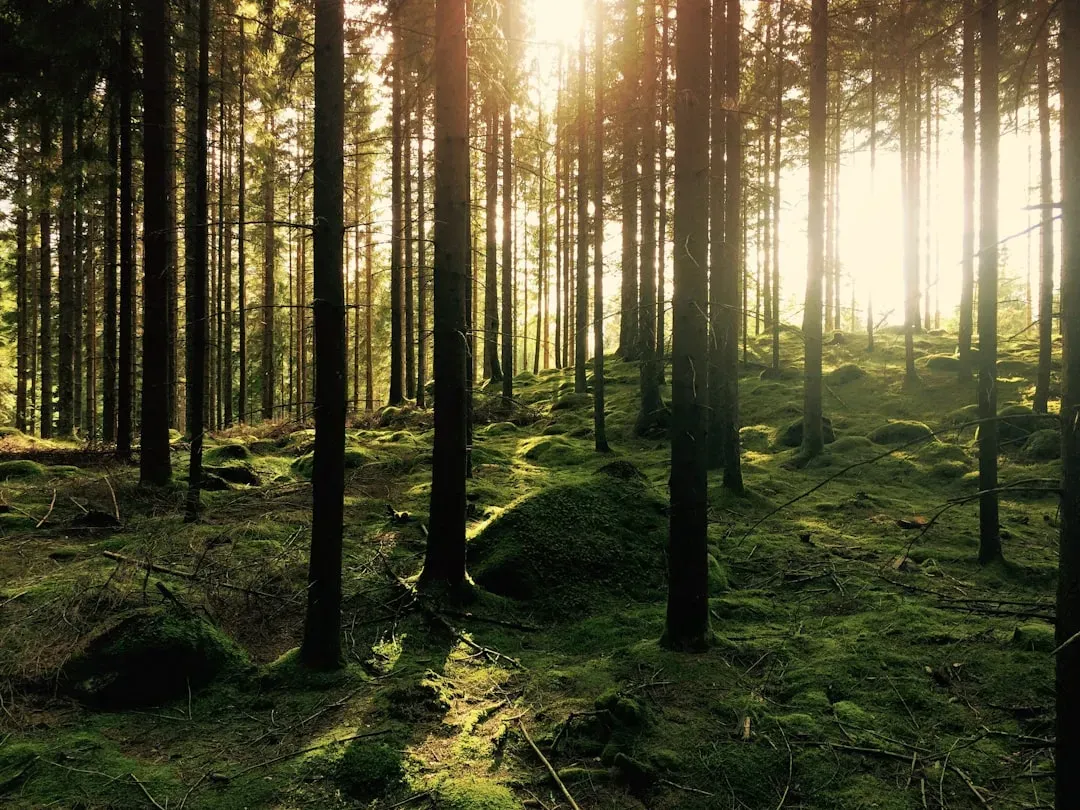
If you ever noticed that sitting quietly in a forest feels completely unlike sitting quietly in a silent office, your brain is picking up on something real. Natural stillness is not truly still; it is full of subtle, low-frequency sounds and gentle motion – leaves rustling, birds calling, distant water. Growing up with that kind of backdrop teaches your nervous system that calm does not mean nothing is happening. It means safe things are happening in a slow, predictable rhythm. In an urban or highly built environment, silence can feel eerie or unsafe because your brain has learned to expect constant noise. When everything suddenly goes quiet, your threat systems may stay on alert, waiting for the next siren, slam, or shout. If your childhood was mostly spent in that kind of soundscape, you might find traditional “stillness practices” oddly uncomfortable. People who grew up near wild spaces often adapt to stillness more easily because their brains have a long history of pairing quiet with safety and restoration instead of with impending disruption.
Uncertainty: Training Your Brain to Live With the Unknown
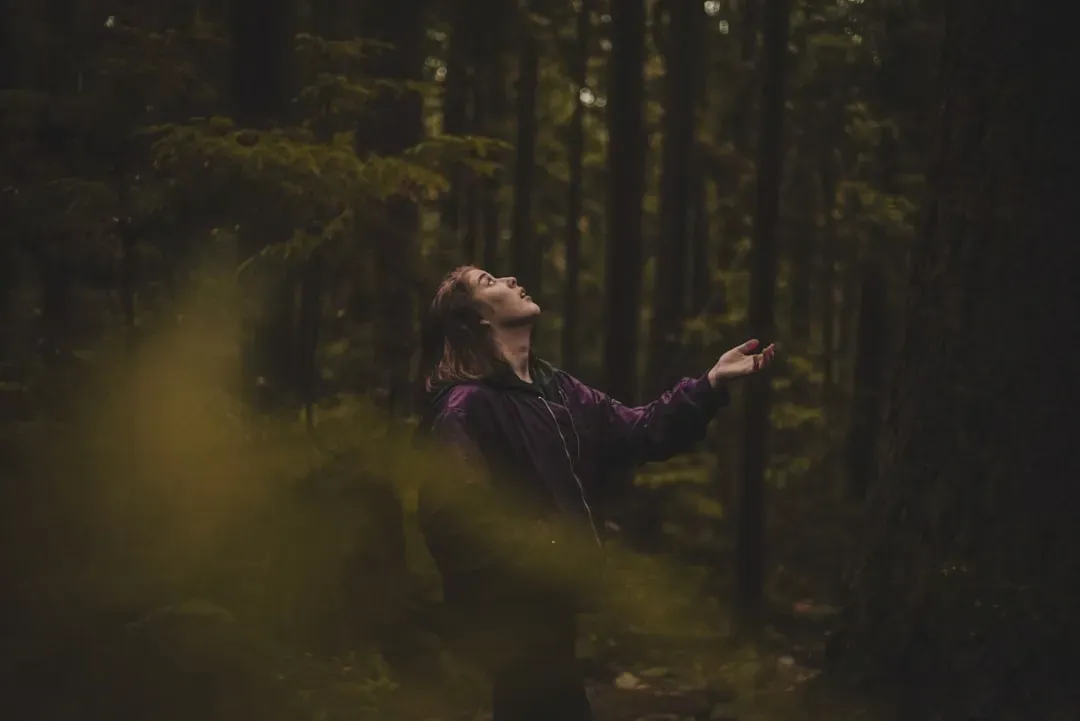
Wild places are full of uncertainty. Trails wash out, weather changes, animals appear and disappear, and you never fully control the outcome of an adventure. If you grew up with those realities, your brain had countless reps learning that uncertainty does not automatically equal disaster. The result tends to be a more flexible, resilient response in brain networks that handle prediction and error: when something unexpected happens, you adapt rather than collapse. If your early environment was highly controlled or heavily scheduled, even small deviations from the plan can trigger a big spike in stress. Your brain simply had fewer chances to learn that incomplete information can still be workable. Over the years, that can translate into hesitancy about travel, career shifts, relationships, or creative projects – anywhere the path is not fully mapped. The good news is that, just as a wilderness-raised brain was trained, your brain can be retrained too, step by step, by deliberately giving it safe doses of the unknown.
Why These Differences Persist Into Old Age
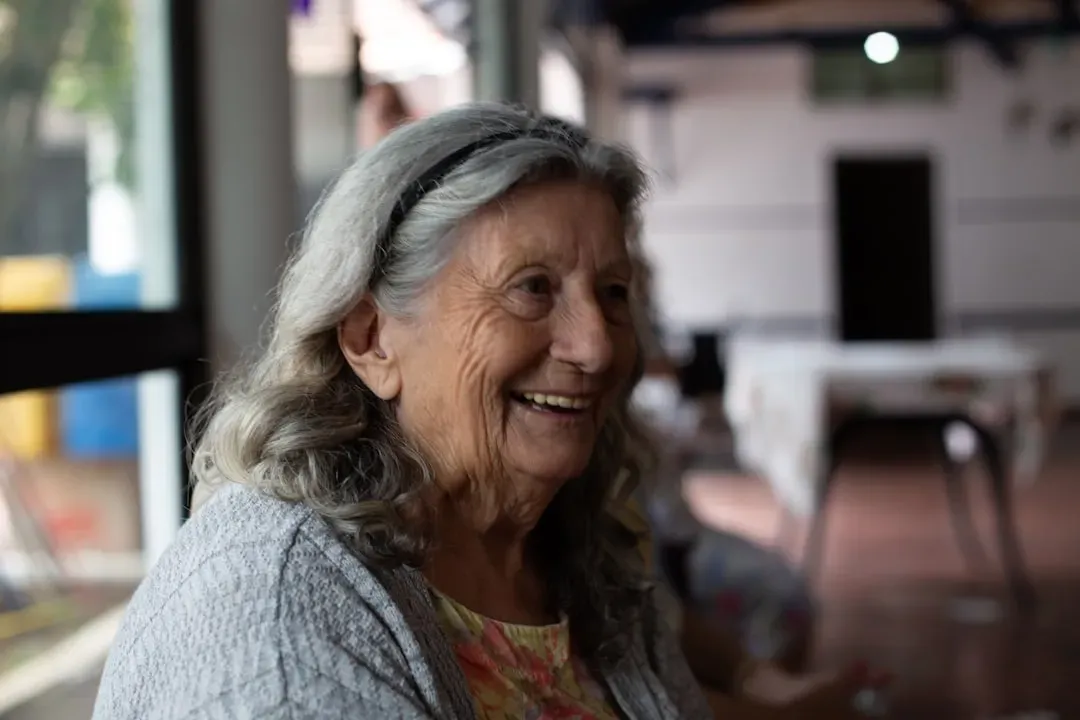
What you experienced in childhood does not just vanish when you hit adulthood. Experiences during sensitive periods of brain development can shape the architecture and connectivity of your nervous system in ways that remain visible even decades later. When researchers look at older adults, they often find that those who had more contact with nature early in life show different patterns in stress-related brain regions and tend to cope better with some of the emotional challenges of aging. That does not mean your fate is sealed at age ten. It does mean that the habits your brain built early – how fast it ramps up under pressure, how quickly it calms down, how it evaluates ambiguous situations – can become your default settings. If you were lucky enough to grow up near wild spaces, those defaults may tilt toward calm exploration. If you did not, your defaults may lean toward vigilance and caution. Either way, awareness gives you leverage: you can work with, rather than against, the neural patterns you carry into later life.
The Urban Childhood: What Happens When Nature Is Mostly Missing

If you grew up surrounded by concrete, traffic, and screens, you probably developed other strengths: rapid information processing, social agility, and a finely tuned sense of human signals. At the same time, your brain’s stress and attention systems had to work harder to filter constant noise, crowding, and visual clutter. That load can make you more reactive to additional uncertainty or risk, simply because your baseline is already elevated. You might notice that your idea of “relaxing” leans toward distraction – shows, scrolling, background noise – rather than toward stillness. Your nervous system learned early that constant stimulation is normal, even if exhausting. If nature mostly showed up as occasional day trips or manicured parks, your brain may not automatically recognize wildness as a safe place to downshift. That is not a moral failing; it is compatible with how you were wired by your environment. Once you see that, you can consciously add the kinds of experiences your childhood skipped.
If You Didn’t Grow Up Near Wild Spaces, What Can You Do Now?
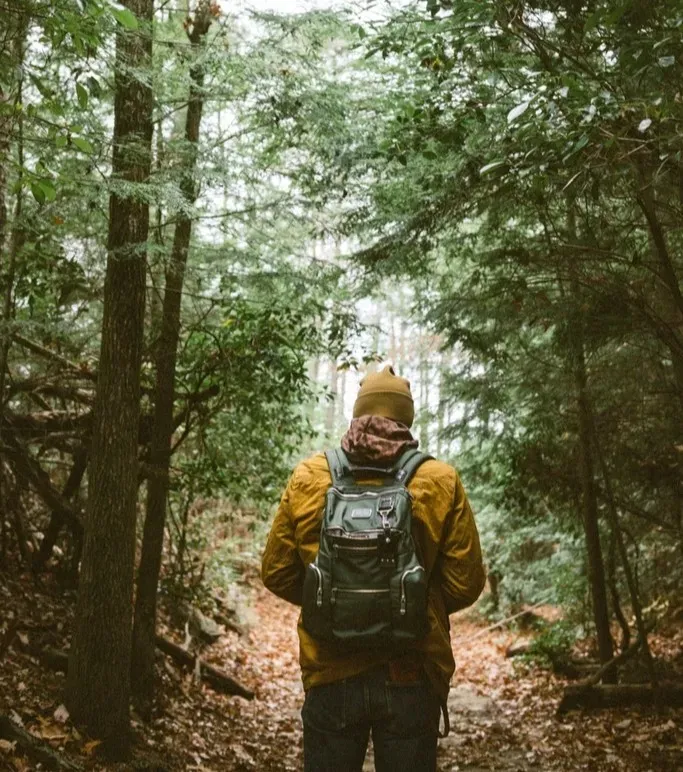
You cannot go back and rewrite your childhood, but you can absolutely start giving your brain the kind of input it missed. Regular, intentional time in any kind of green or blue space – a city park with untamed corners, a riverside path, a patch of scrubby trees – begins to teach your nervous system new associations. When you repeatedly feel your heart rate slow and your mind clear in those places, your brain quietly updates its sense of what is safe and restorative. You can also combine nature with small, manageable risks: taking a new trail, walking at dawn when the light is unfamiliar, or going on a solo hike within your skill level. Those experiences train your threat and reward systems to see uncertainty in a more nuanced way. Over months and years, that can shift how you respond not only to the outdoors but also to career changes, relationship transitions, and life’s inevitable curveballs. You are not trying to become someone else; you are giving your existing brain more tools.
Using Nature to Recalibrate Your Relationship With Risk and Stillness
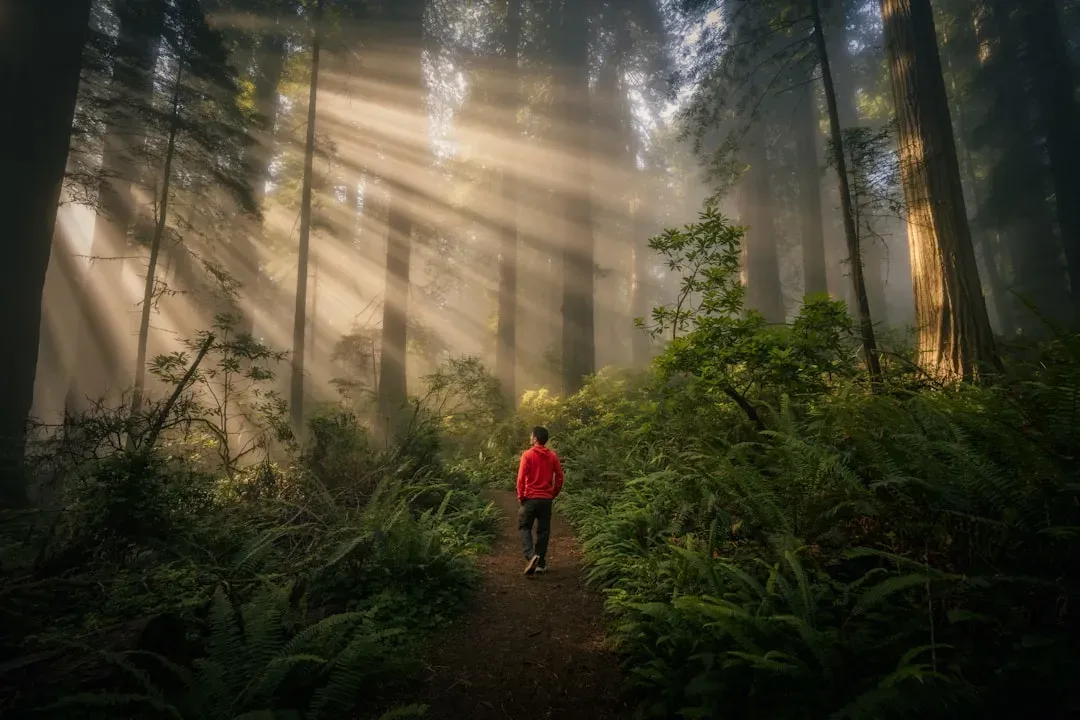
You can treat time in wild or semi-wild places as informal brain training rather than as a luxury escape. When you step onto a trail or sit by a lake, notice how your body reacts in the first few minutes. Are you impatient, scanning your phone, restless in the quiet? That is your nervous system showing you its current settings. If you stay a little longer than is comfortable, your brain slowly learns that nothing terrible happens in that in-between space. Over time, you may find that the same patience and tolerance for not-knowing shows up in other parts of your life. You might hold off sending that anxious email, wait a day before making a big decision, or allow a conversation to unfold without forcing a resolution. In that sense, wild spaces become a kind of lab for learning to coexist with uncertainty. You are not trying to erase your fear response; you are teaching it to be more precise, less broad-brush, and more in tune with reality.
Conclusion: Your Childhood Landscape Still Lives in Your Mind

The place where you grew up is not just a backdrop in old photos; it is woven into the structure and habits of your brain. If you had wild spaces nearby, your relationship with risk, stillness, and uncertainty was shaped by mud, wind, and unexpected trails. If you grew up mostly indoors or in dense urban settings, your brain learned different lessons about safety and control, and those lessons may still echo in how you live today. The most important thing is not whether you did or did not have that early wilderness, but what you choose to do with the brain you have now. By understanding how your environment sculpted your neural patterns, you gain the power to work with them, stretch them, and soften their edges. Wildness will always be out there, but it can also grow inside you, one small, intentional step into the unknown at a time. Knowing that, how do you want your brain’s story with risk and stillness to read from this point on?