Articles for tag: Consciousness, human mind, Neuroscience, psychology

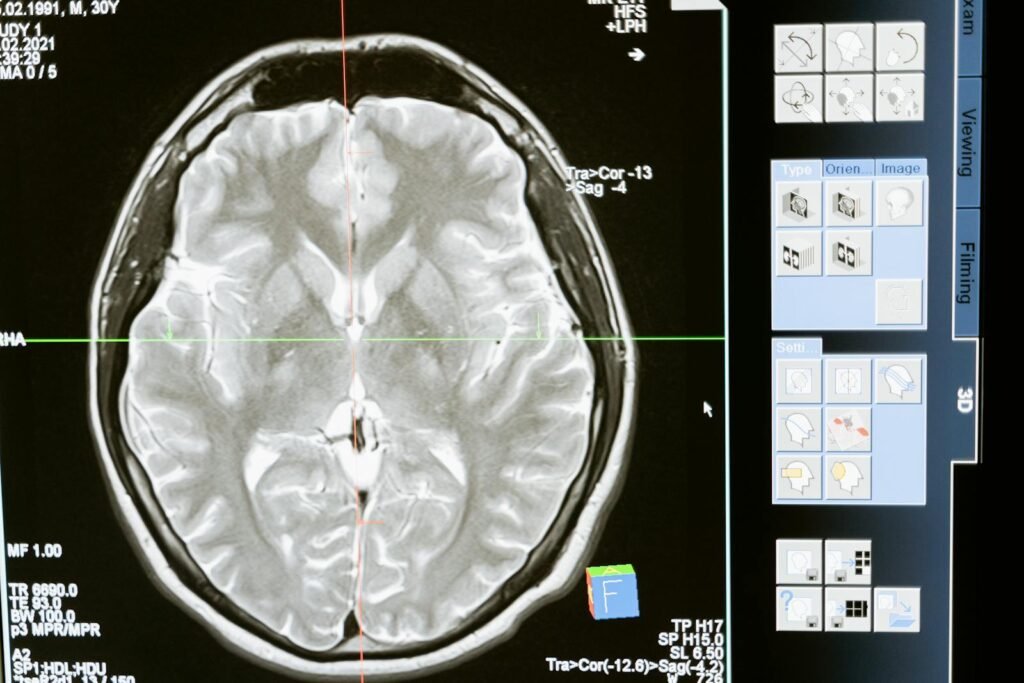
Intricate MRI brain scan displayed on a computer screen for medical analysis and diagnosis.

The Human Mind Holds Unexplored Realms Beyond Current Scientific Grasp

Suhail Ahmed

Walk into any neuroscience lab today and you’ll find dazzling brain scans, powerful algorithms, and researchers confident about synapses and circuits – but far less certain about the lived reality of a thought, a memory, or a sudden flash of insight. The gap between what we can measure in the brain and what we experience ...

Pavlov's dog

The Impact of Pavlov’s Dogs: How Classical Conditioning Has Shaped Psychology

Annette Uy

In the realm of psychological studies, the story of Pavlov’s dogs stands out as a cornerstone discovery that has significantly shaped our understanding of behavior. Ivan Pavlov, a Russian physiologist, stumbled upon classical conditioning around the turn of the 20th century while studying the digestive systems of dogs. This accidental discovery opened new avenues in ...

a close up of a human brain on a black background

The Brain Explains How – Not Why – We Exist

Suhail Ahmed

  The odd thing about modern neuroscience is that the more precisely it maps the brain, the less it seems able to answer the question people actually care about: why are we here at all. Brain scans can now trace how a decision forms, how a memory resurfaces, even how a burst of awe lights ...

person opening photo album displaying grayscale photos

Our Memory Is Not a Perfect Record: The Science of Remembering

Suhail Ahmed

  We like to think of memory as a mental video archive, faithfully storing everything we experience, ready to be replayed on demand. But the last few decades of neuroscience have demolished that comforting idea and replaced it with something far stranger, and far more unsettling. Our memories are not passive files; they are living ...

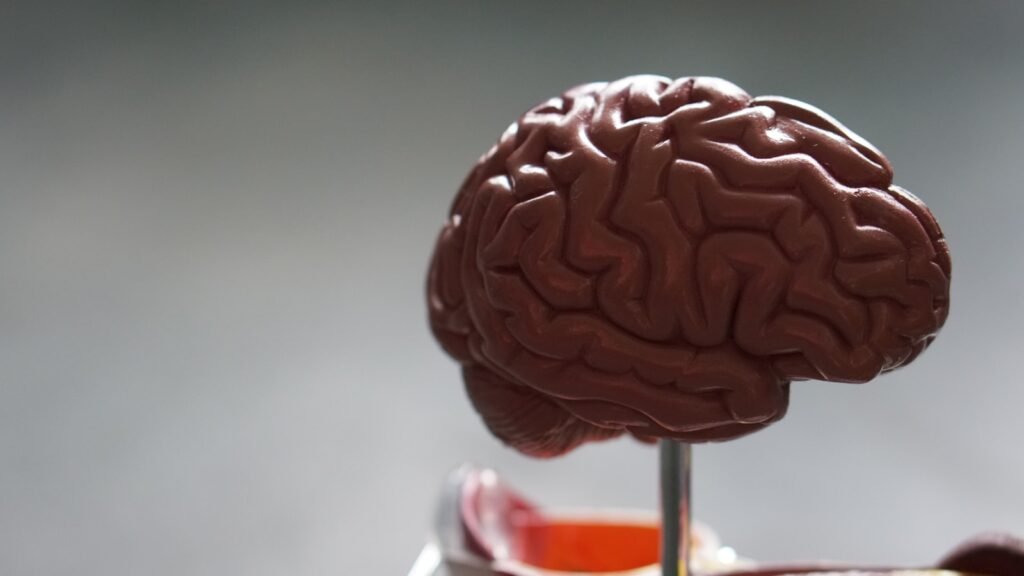
human brain toy

Our Brain Creates Our Reality: The Science Behind Perception

Suhail Ahmed

  Walk into a crowded city street and you feel certain you’re seeing the world as it truly is: the cars, the faces, the neon signs, the threat of that bike whizzing too close to the curb. Yet neuroscience is quietly, and sometimes uncomfortably, dismantling that confidence. What we experience as reality is not a ...

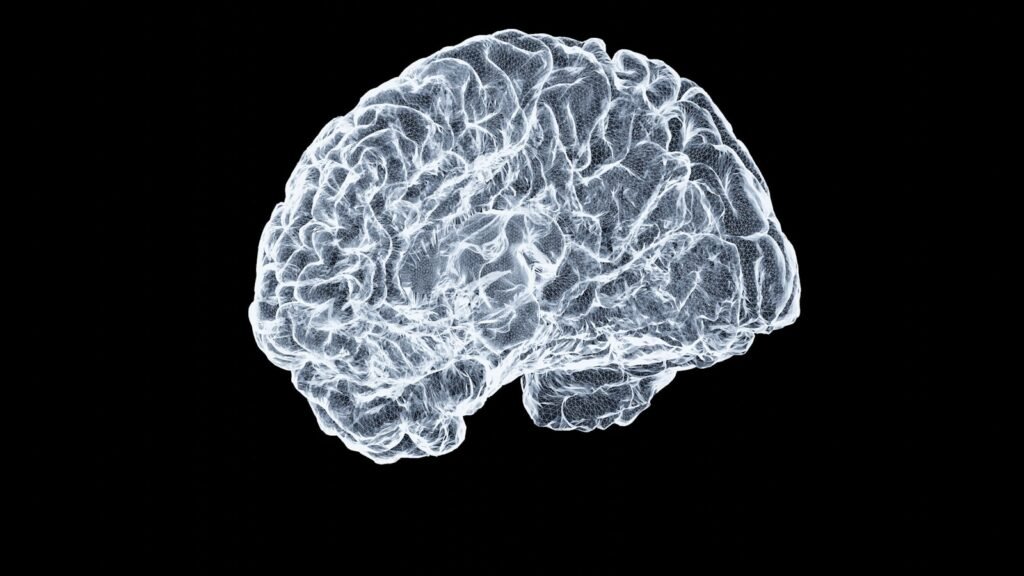
A computer generated image of a brain surrounded by wires

Our Brains Are Wired for Wonder, Science Reveals Why

Suhail Ahmed

  Some questions feel almost too big to ask, yet we keep asking them anyway: What is consciousness? Why do we stare at the night sky and feel small, yet somehow more alive? In labs around the world, neuroscientists are starting to show that curiosity is not just a personality quirk or a childhood phase, ...

silhouette of man illustration

Why Do We Resist Change, Even When It’s Good?

Suhail Ahmed

  We like to tell ourselves we’re adaptable, adventurous, open to new possibilities. Yet when a promising job offer appears, a healthy habit beckons, or a relationship needs a hard but honest conversation, many of us feel something closer to dread than excitement. Change, even the kind that looks objectively positive, can land in the ...

A black and white photo of a brain

12 Signs You’re Falling Into a Cognitive Bias Trap

Suhail Ahmed

  You probably like to think of yourself as a rational, data-driven person. Yet, from political arguments to financial decisions to late-night doomscrolling, your brain is quietly playing tricks on you in ways psychologists are still mapping out. Cognitive biases are not rare glitches; they are built-in shortcuts that helped our ancestors survive, but now ...

silhouette photo of people

Why Do We Judge Others So Quickly?:

Suhail Ahmed

  In the time it takes you to glance at a stranger on the subway or scroll past a face on social media, your brain has already formed an opinion. Safe or risky, kind or cold, competent or clueless – these snap judgments often feel automatic, and they usually happen long before you realize you’ve ...

grayscale photography of kids walking on road

What Makes Us Feel Empathy?

Suhail Ahmed

  Empathy can feel almost magical: your chest tightens when a stranger cries on the subway, or you flinch watching someone stub a toe in a video. But beneath that wave of shared feeling lies a fiercely active brain, shaped by evolution, culture, and experience to tune into the minds of others. For decades, scientists ...