Articles for tag: evolution, genetics

Primeval human exploring a cave.

A Look at Our Distant Past: How & When Mammals Evolved

Jan Otte

The story of mammalian evolution is a tale of transformation, adaptation, and survival against the odds. It begins over 300 million years ago during the Late Carboniferous period, when the first amniotes emerged. Amniotes are a group of vertebrates characterized by having an egg equipped with an amnion, allowing them to reproduce on land. This ...

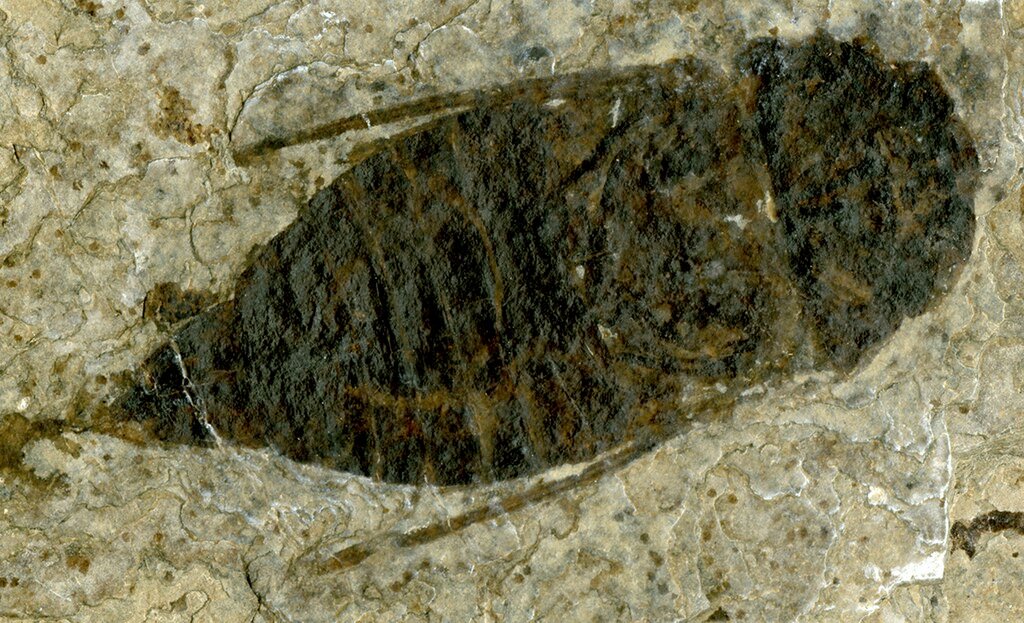
47-Million-Year-Old Cicada Fossil Discovery Stuns Scientists

Jan Otte

For the first time, a stunningly well-preserved fossil of a genuine cicada has been found at the Messel Pit in Germany, providing an unprecedented insight into the old world of these buzzing insects. The newly discovered species, Eoplatypleura messelensis, is 47 million years old and is one of the most ancient recorded ancestors of contemporary ...

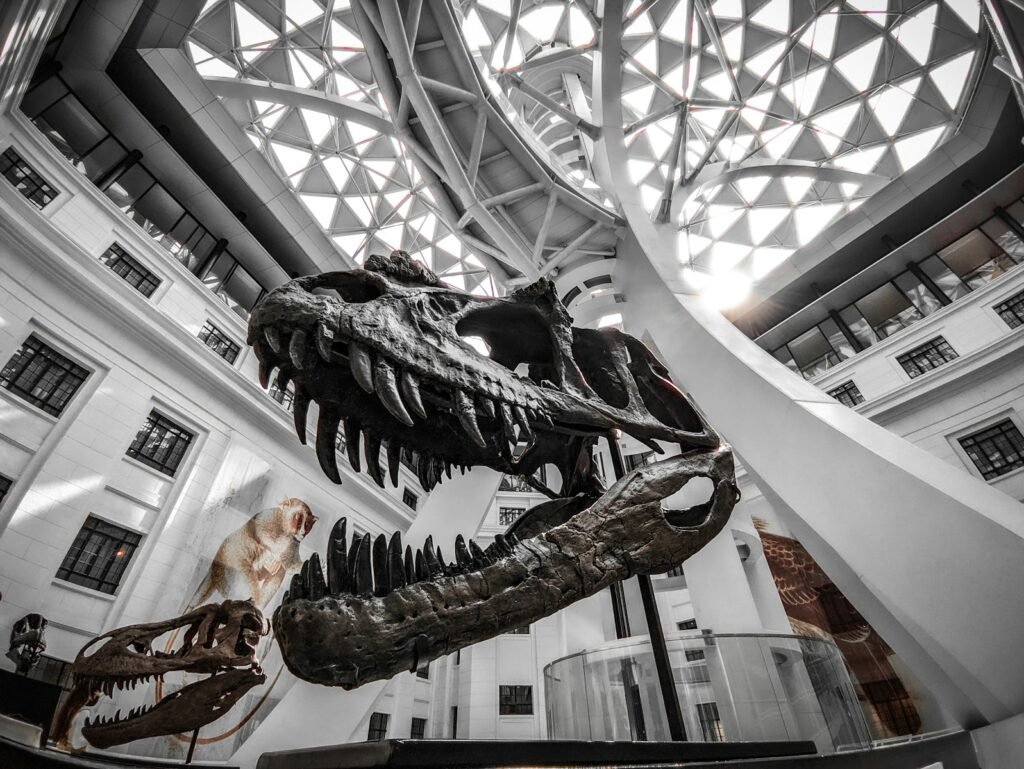
a dinosaur skeleton in a museum with a skylight

New Clues Suggest the Dinosaurs May Have Been Even Stranger Than We Imagined

Suhail Ahmed

  For more than a century, dinosaurs have lived a double life: Hollywood monsters on screen, carefully reconstructed animals in museum halls. Yet a wave of new discoveries is quietly ripping up even those careful reconstructions, revealing creatures that look less like the lizard titans we grew up with and more like surreal mashups from ...

Moth Opodiphthera helena

10 Animals That Evolved in Unbelievable Ways

Anna Lee

Evolution is a fascinating process that has sculpted the myriad forms of life we see on Earth today. While some evolutionary changes are subtle, others have led to the astonishing adaptations that leave us in awe. This article explores ten animals that have evolved in jaw-dropping ways, revealing how life can adapt to even the ...

Golden Monkey Eating

How Animals Use Tools to Solve Problems

Anna Lee

Tool use among animals has long fascinated scientists and the general public alike. The ability to use objects to achieve a goal has often been seen as a hallmark of advanced intelligence. This article delves into the intricate world of animals using tools, exploring how they solve problems in their environments. From birds to primates, ...

silhouette of person jumping on snow covered ground under starry night

Wild Study Suggests Human Intelligence Might Exist Because of Gravity

Suhail Ahmed

  Deep beneath your feet, far below the crust and the continents and the oceans, something may be quietly shaping the way you think. A new wave of research is exploring a wild idea: that Earth’s gravity and layered interior might not just support life, but help sculpt the very way brains evolve. Instead of ...

Detailed macro shot of a housefly standing on a vibrant red surface, highlighting intricate details.

The Art of Disguise: Blow Fly Larvae’s Survival Tactics in Termite Nests

Jan Otte

Scientists uncover how fly larvae use “Terminator” level mimicry to infiltrate and exploit termite societies, a biological heist 150 million years in the making. The Ultimate Infiltration: A Fly in Termite’s Clothing Deep within Moroccan termite mounds, researchers have discovered a masterclass in biological espionage: “This isn’t just mimicry, it’s a full identity theft operation,” ...

a large whale with its mouth open in the water

Shape Shifters of the Reef: The Surprising Evolution of Plankton Eaters

Suhail Ahmed

New research shatters the myth of the “perfect” plankton-feeding fish revealing an astonishing diversity of forms defying evolutionary expectations. The Myth of the Perfect Planktivore For decades, marine biologists believed plankton-eating reef fish all evolved toward the same ideal body shape: But a groundbreaking 2025 study analyzing 299 species across 12 fish families reveals a ...

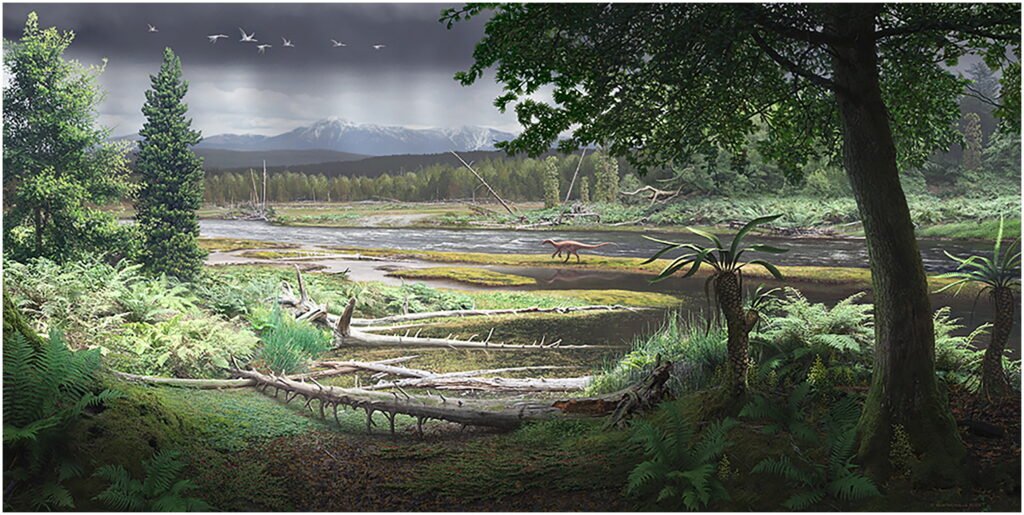
Down to Earth: The Silent Shift of Mammals Before the Dino Extinction

Suhail Ahmed

New research reveals mammals were abandoning trees millions of years before the asteroid hit changing everything we know about their survival. The Great Mammal Migration: From Trees to Terrain For decades, scientists believed mammals only flourished after dinosaurs went extinct. But a groundbreaking 2025 study analyzing fragmentary limb bones from Late Cretaceous mammals reveals a ...