Articles for tag: animal protection, big cats, biodiversity, conservation efforts, Endangered Species, habitat loss, Ocelots, South Texas ecology, Texas wildlife, wildlife conservation

Texas Ocelots on the Brink

Texas Ocelots on the Brink

Andrew Alpin

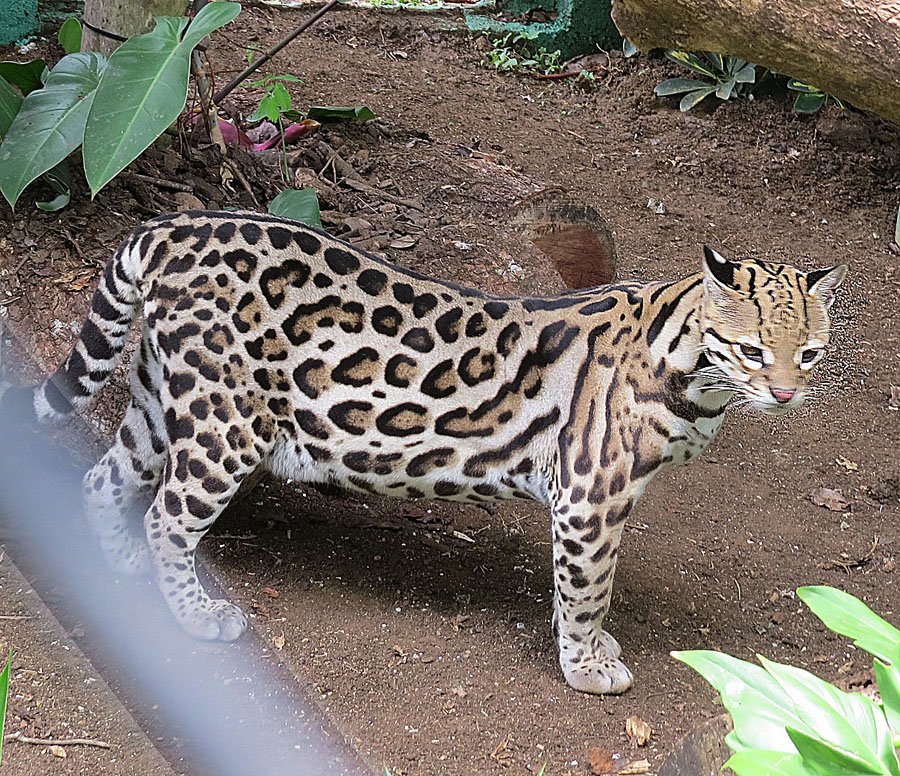
  Deep in the thorny brushlands of South Texas, a shadowy figure prowls through dense vegetation at dawn. With golden eyes scanning for prey and distinctive spotted coat shimmering in dappled sunlight, this is one of America’s last wild ocelots. Yet this magnificent cat faces an uncertain future, teetering on the edge of extinction in ...
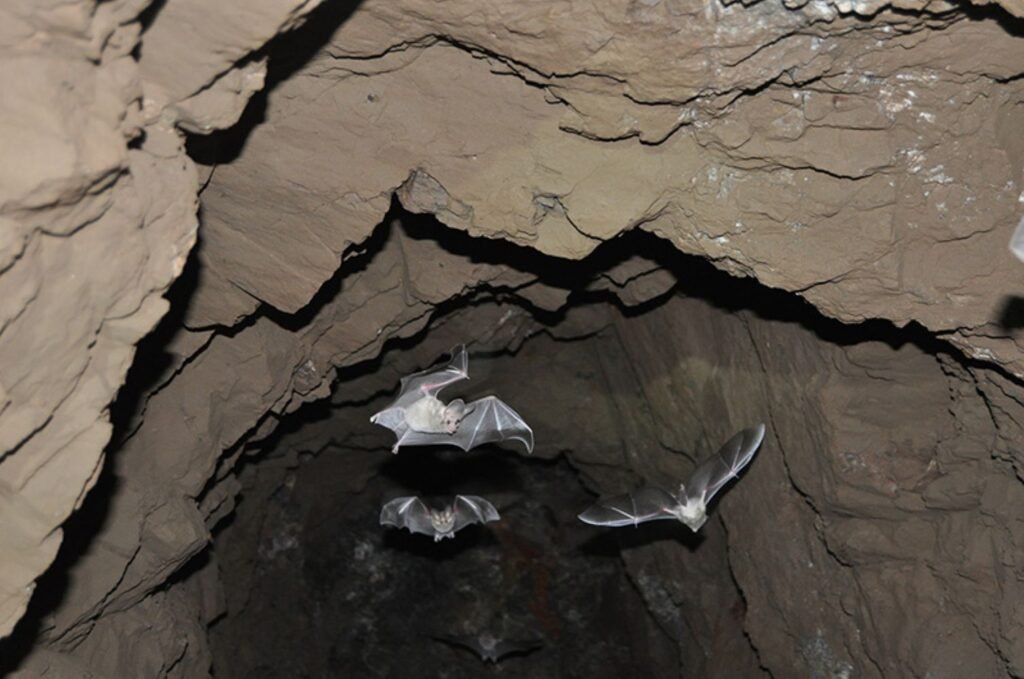
Oklahoma's Underground Bat Hotels

Oklahoma Bats Roost in Old Mines

Jan Otte

Deep beneath Oklahoma’s rolling hills, something fascinating is happening in abandoned coal and copper mines. These forgotten industrial spaces have become the unlikely sanctuaries for bat colonies across the state. The transformation of Oklahoma’s into critical wildlife habitat tells a story of adaptation, conservation, and ecological balance. These underground chambers now house some of the ...

West Virginia Hellbenders Get Help

Suhail Ahmed

The eastern hellbender — North America’s largest salamander — is finally making a comeback in the clear, cold waters of West Virginia. Once thought to be slipping silently toward extinction, these slimy yet endearing amphibians are now reappearing thanks to an ambitious series of stream restoration projects. Conservationists, biologists, and local communities have joined forces ...

From Near Extinction to Recovery Success

Florida’s Key Deer Face a New Challenge

Andrew Alpin

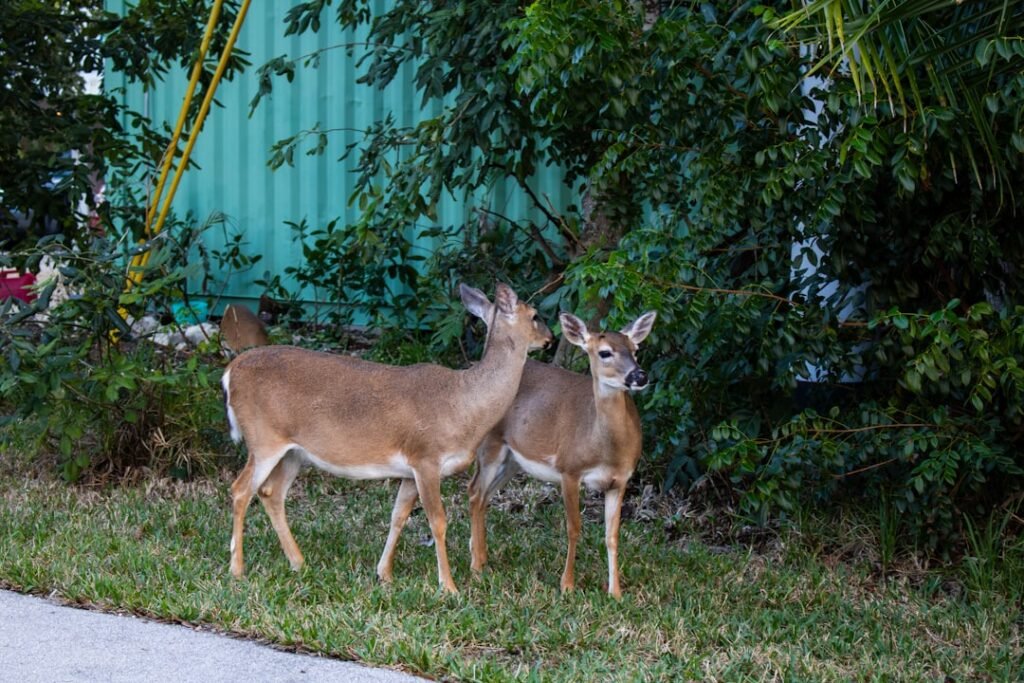
Picture this: you’re driving through the Florida Keys and suddenly spot a deer no bigger than a golden retriever standing at the roadside. These aren’t your typical mainland deer. The Key deer is the smallest deer species in North America. The deer live only in the low-lying Florida Keys. They are considered federally endangered, with ...

Pennsylvania's Bats Make a Comeback

Pennsylvania’s Bats Make a Comeback

Gargi Chakravorty

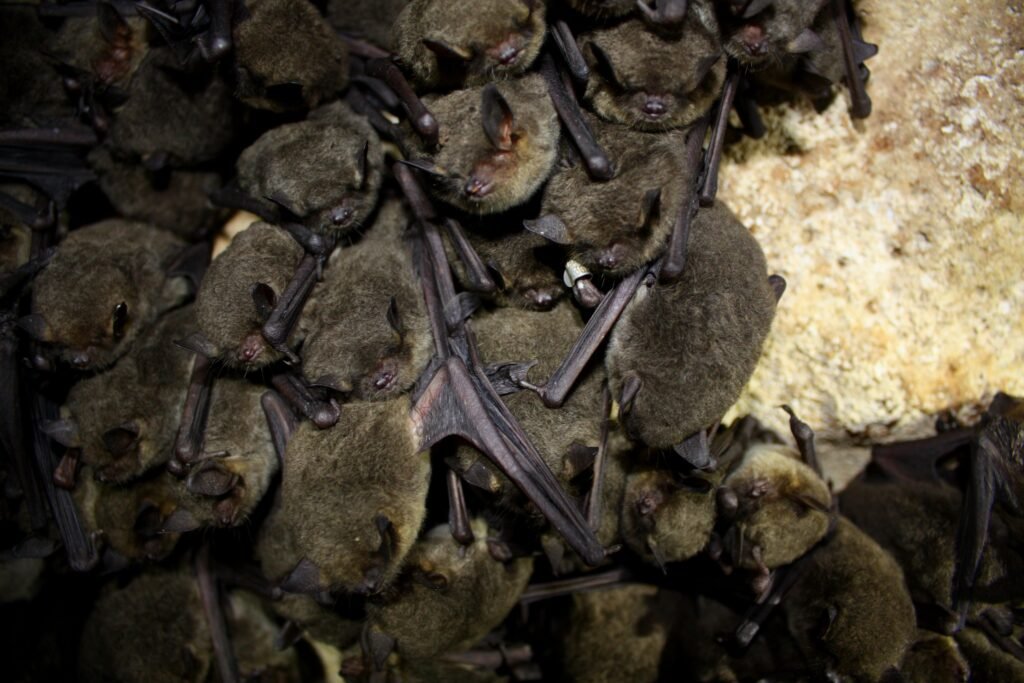
  After nearly two decades of devastating losses, Pennsylvania’s bat populations are showing remarkable signs of recovery. The story begins in 2006 when a mysterious white fungus started appearing on hibernating bats in caves across New York state. By 2009, this deadly disease had spread to Pennsylvania, triggering one of the most dramatic wildlife collapses ...

Modern Population Status and Distribution

Colorado Lynx Populations Rebound

Jan Otte

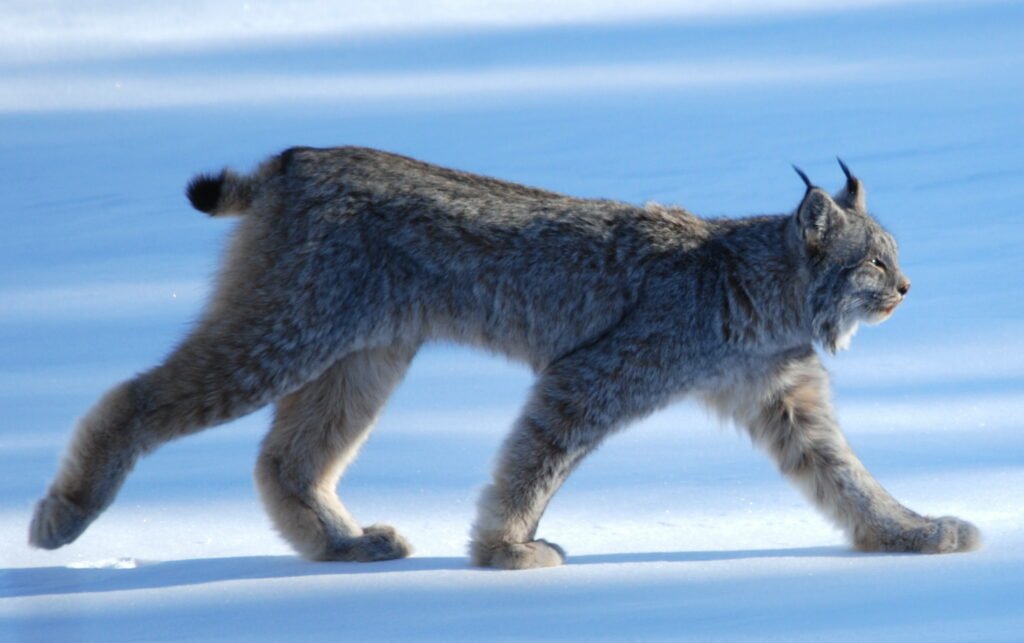
The ghostly shadows prowling through ‘s snowy mountain forests tell one of the most remarkable conservation stories of our time. After vanishing from the state’s wilderness for decades, the Canada lynx has made an extraordinary comeback that has wildlife biologists around the world taking notice. This isn’t just another feel-good wildlife story – it’s a ...

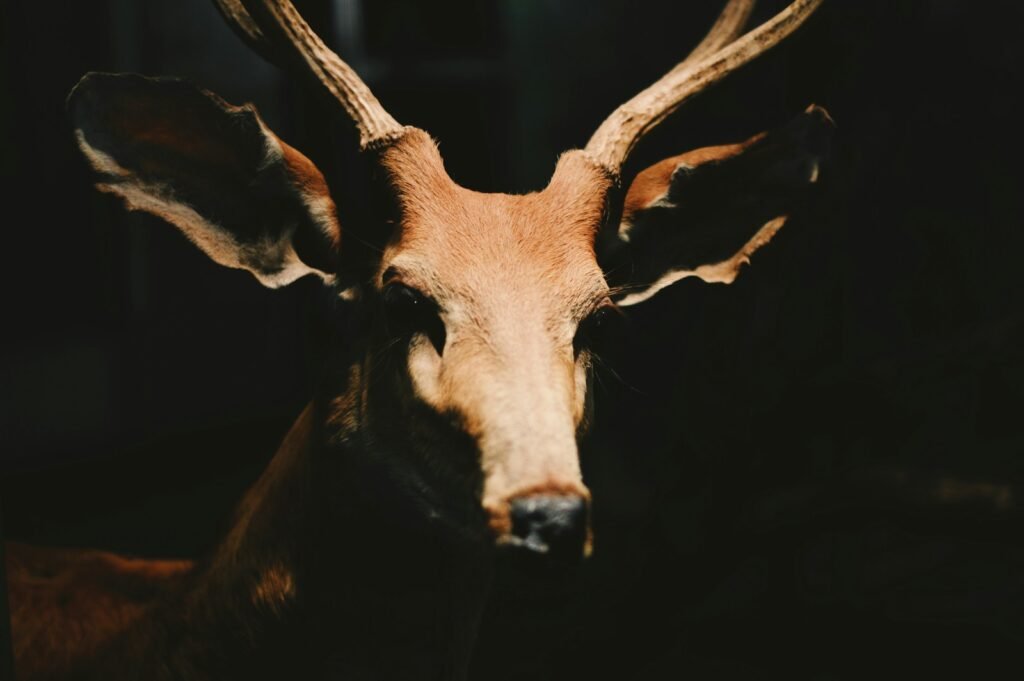
closeup photography of brown animal

How Each Zodiac Sign Would Act as an Endangered Species

Suhail Ahmed

When we imagine the zodiac as wildlife on the brink, familiar stars turn into field notes from a planet under pressure. This playful lens does more than entertain; it reveals patterns of risk, resilience, and recovery that echo across real habitats. Conservation is often a story of behavior meeting stress, from bold species colliding with ...

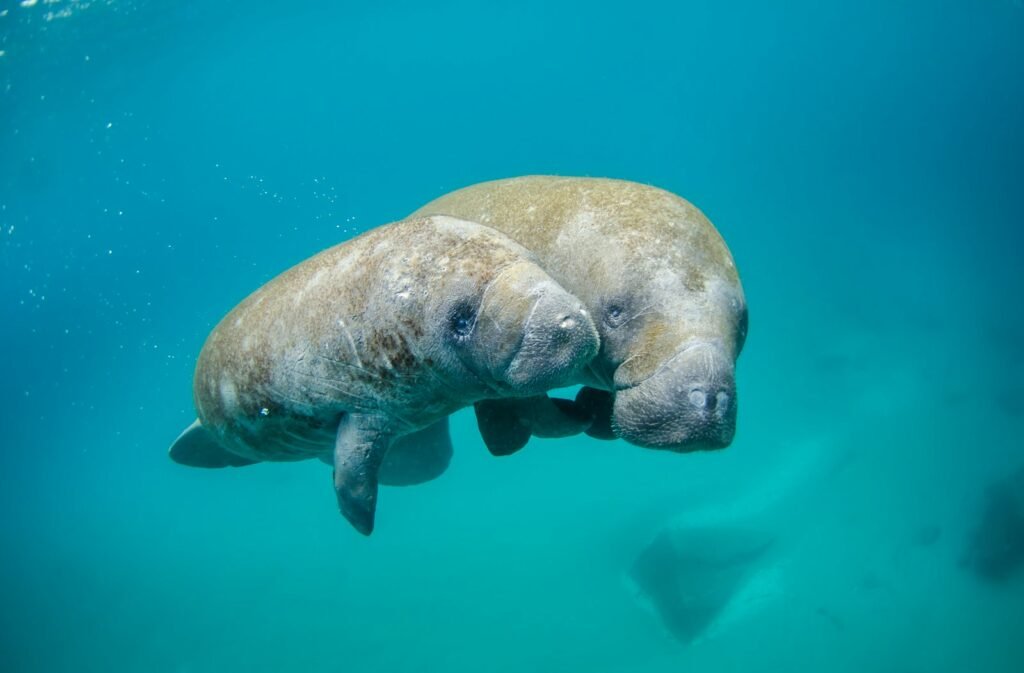
Mother manatee and calf swimming

How the Florida Manatee Became a Symbol of Marine Conservation

Suhail Ahmed

The Florida manatee didn’t ask to be famous. Yet over decades of peril and persistence, this slow‑moving herbivore has come to embody the fragile promise of coastal ecosystems and the power of public action. Once a local curiosity, it is now shorthand for clean water, science‑guided policy, and the messy, hopeful work of recovery. The ...

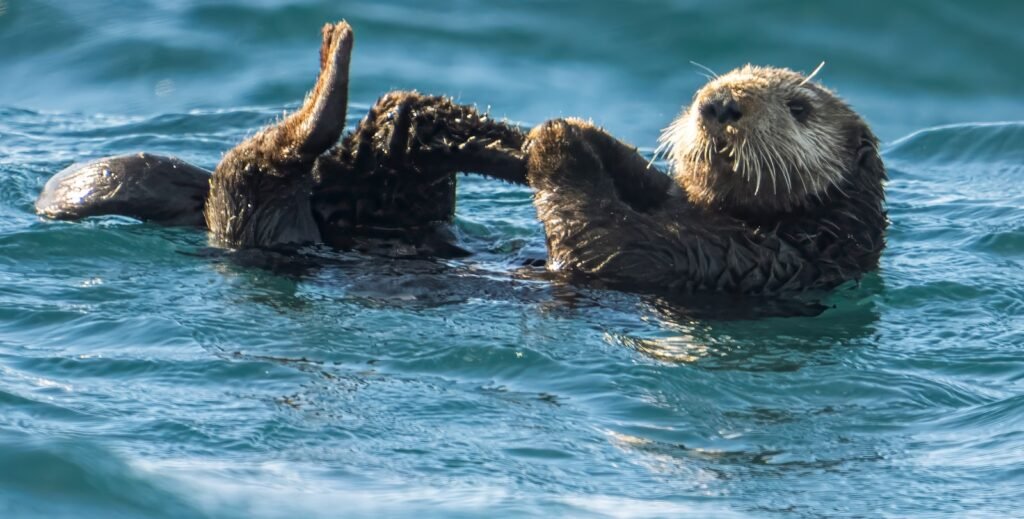
a couple of sea otters playing in the water

Could California Lose Its Sea Otters Forever?

Suhail Ahmed

California’s sea otters have always felt like a comeback story written in salt spray and stubbornness. Once nearly wiped out by the fur trade, they clawed back along a narrow sliver of the Central Coast, transforming bays and kelp forests as they went. But the plot has twisted again: bites from white sharks, warming seas, ...