
Imagine driving through the snow-blanketed forests of northern Sweden on a pitch-black winter night. Suddenly, a gentle, otherworldly glow emerges from the darkness—herds of reindeer, their antlers and bodies shimmering with an ethereal light. It sounds like something out of a fairytale, but this is a very real and urgent response to a deadly problem. Scientists and herders are working together on a remarkable solution: making Sweden’s reindeer glow in the dark to save them from being tragically struck by cars.
The Perilous Lives of Sweden’s Reindeer
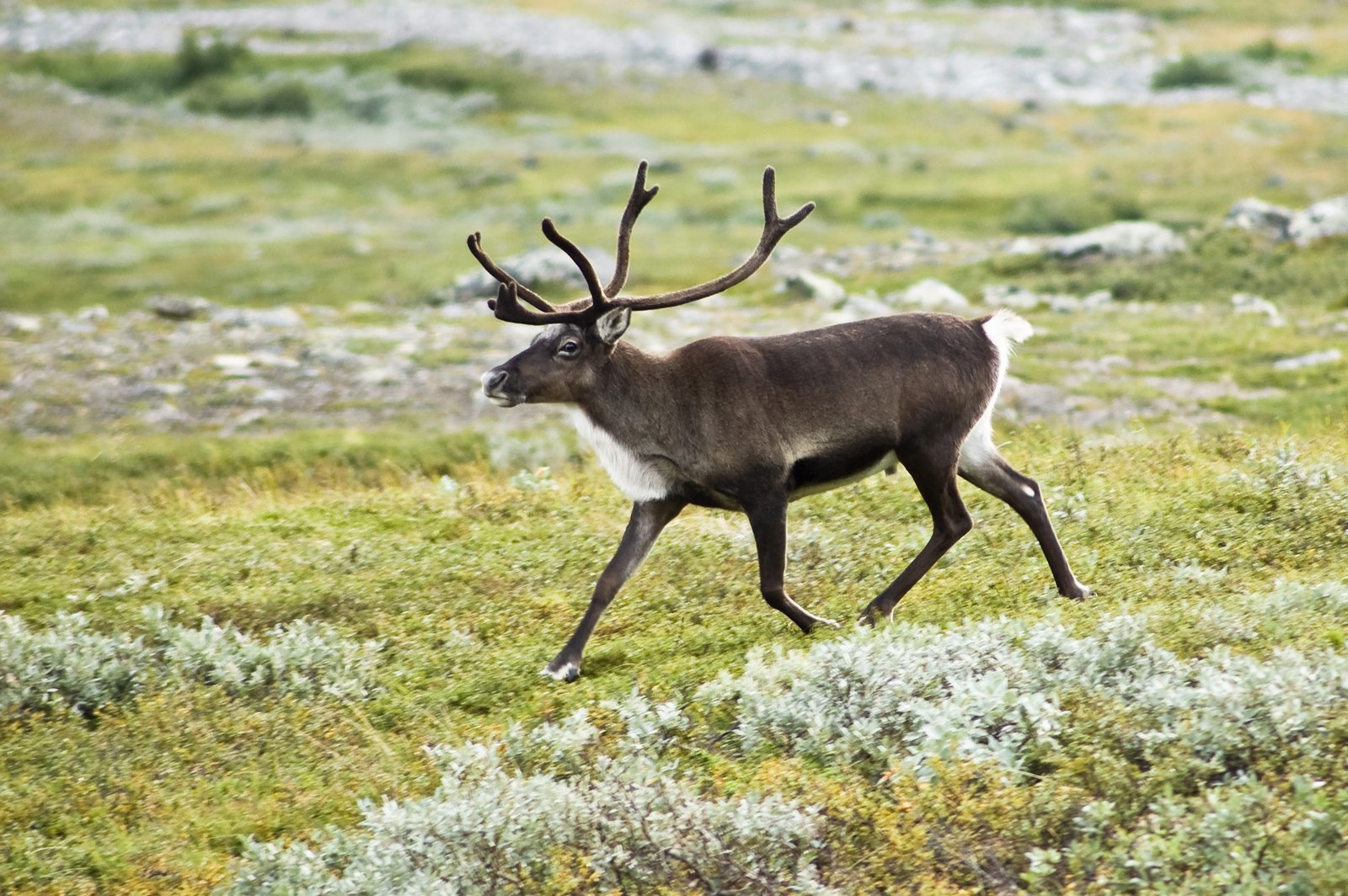
Reindeer are not just iconic symbols of the Arctic north; they are vital to the lives and culture of Sweden’s indigenous Sami people. Yet every winter, hundreds of these majestic animals are killed or severely injured by vehicles. The long, dark nights and endless stretches of poorly lit roads in northern Sweden make it nearly impossible for drivers to spot reindeer in time. For herders, each animal lost is not just a financial blow but a heart-wrenching loss of tradition and heritage. These accidents also put drivers at risk, turning a simple journey into a potential nightmare.
Why Are Reindeer So Hard to See?
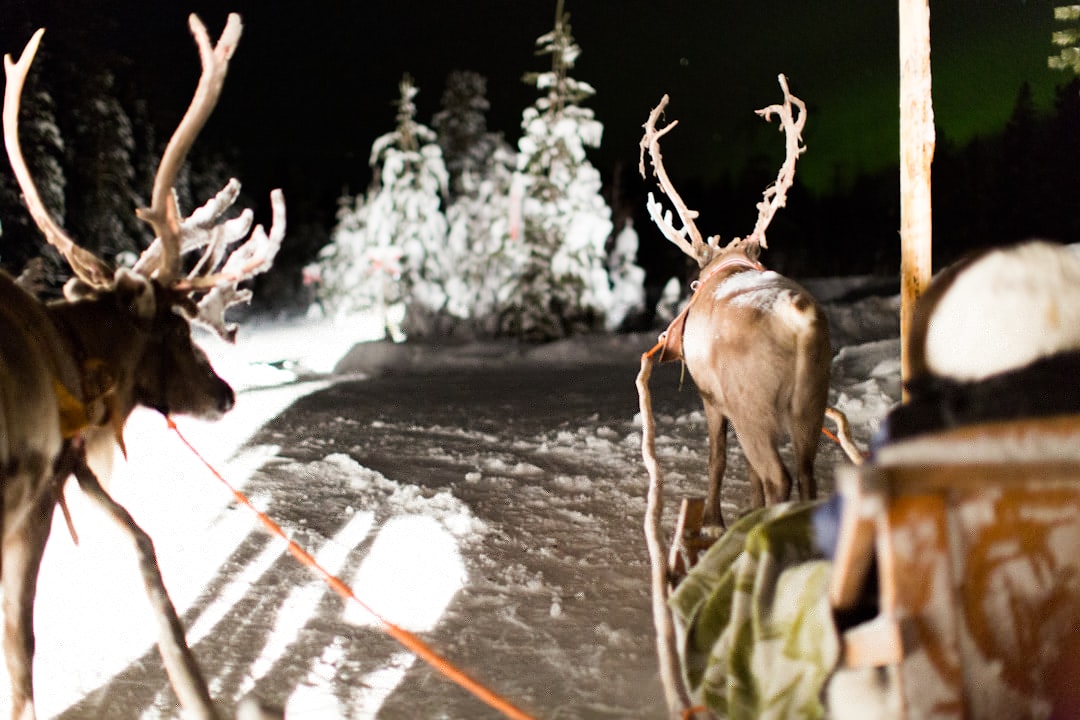
The Arctic winter brings almost perpetual darkness, with just a few hours of weak daylight each day. Reindeer, with their brownish-grey fur, blend almost invisibly into the snowy landscape and dark roadsides. On top of that, their natural instinct is to avoid artificial light, making them even less likely to be near illuminated areas. Car headlights, often diffused by snow or fog, can only illuminate so much, leaving precious little time for drivers to react. This makes the roads a dangerous place for both humans and animals, especially during peak migration periods.
The Science Behind Glowing Reindeer
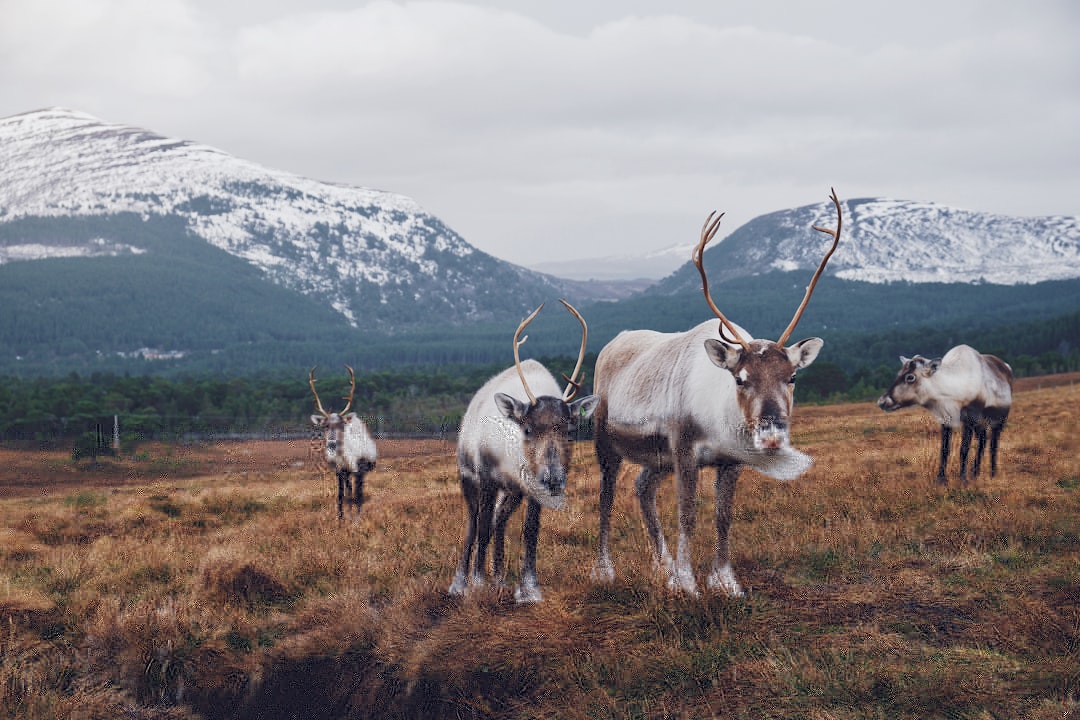
It may sound like science fiction, but the concept of glowing reindeer is grounded in real science. Researchers have experimented with special reflective paints and sprays that can be safely applied to reindeer fur and antlers. These coatings are designed to reflect car headlights, making the animals stand out vividly against the dark. The technology borrows from the same principles used in high-visibility safety gear for humans. When a car approaches, the reindeer seem to glow—giving drivers extra seconds to brake or swerve and avoid a collision.
How Reflective Technology Works
Reflective technology relies on tiny glass beads or microprisms embedded in paint or tape. When light hits these surfaces, it bounces back directly toward the source, creating an intense, eye-catching glow. For reindeer, this means that their antlers or fur, once treated with the special paint, will shine brightly in the beams of oncoming headlights. The effect is startling and immediate, making even a distant reindeer visible from hundreds of meters away. This simple yet effective method could mean the difference between life and death on Sweden’s icy highways.
The Role of the Sami Herders
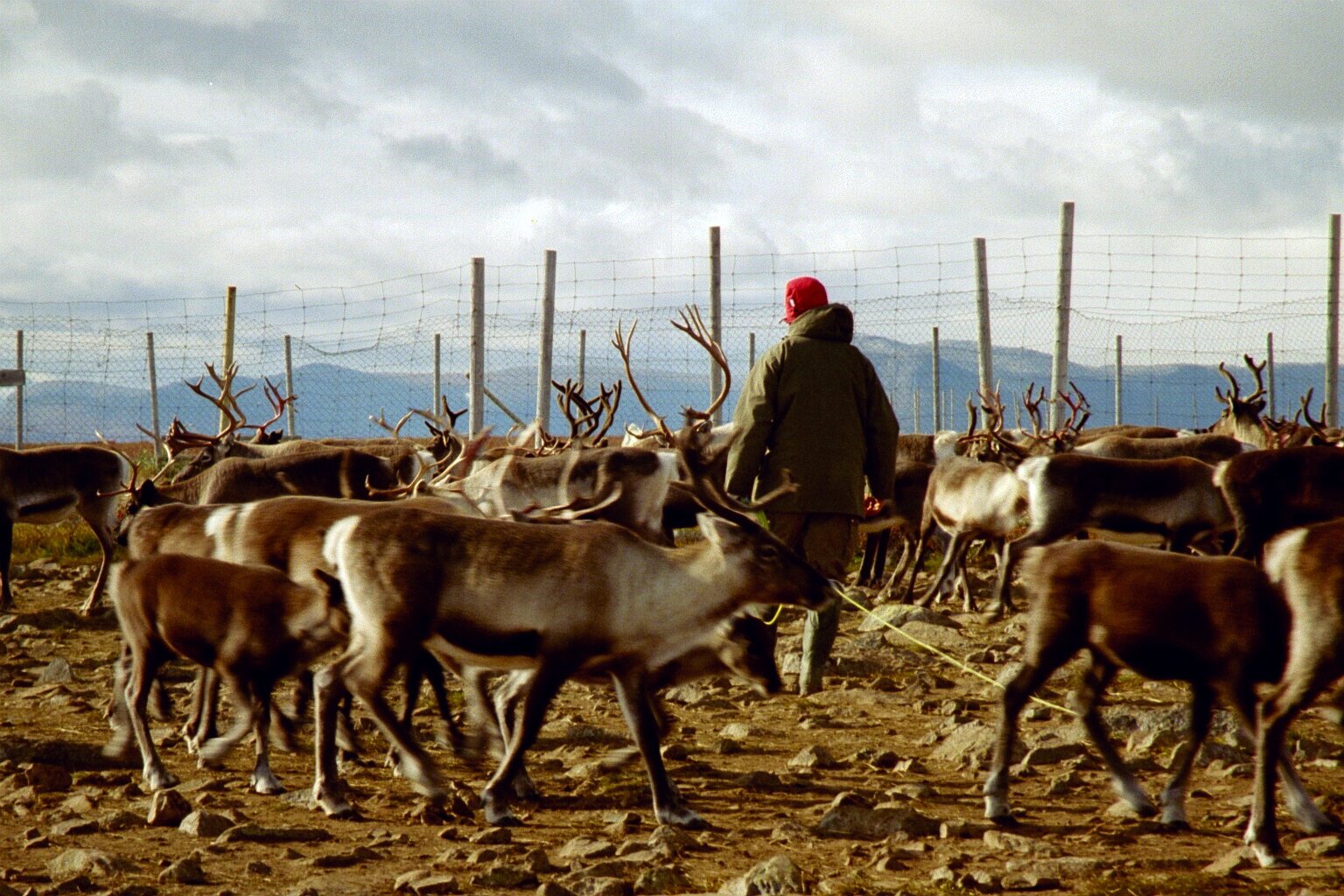
The Sami people, who have herded reindeer across Scandinavia for generations, are at the heart of this innovative project. They know their animals better than anyone, and their input has shaped the development of the glowing paint. Sami herders have worked closely with scientists to ensure that the paint is safe, non-toxic, and does not cause distress to the animals. They have also helped test different application methods, from brushing antlers to spraying patches on the fur. This partnership bridges ancient tradition with cutting-edge science, all in the name of protecting both reindeer and culture.
Environmental and Ethical Considerations
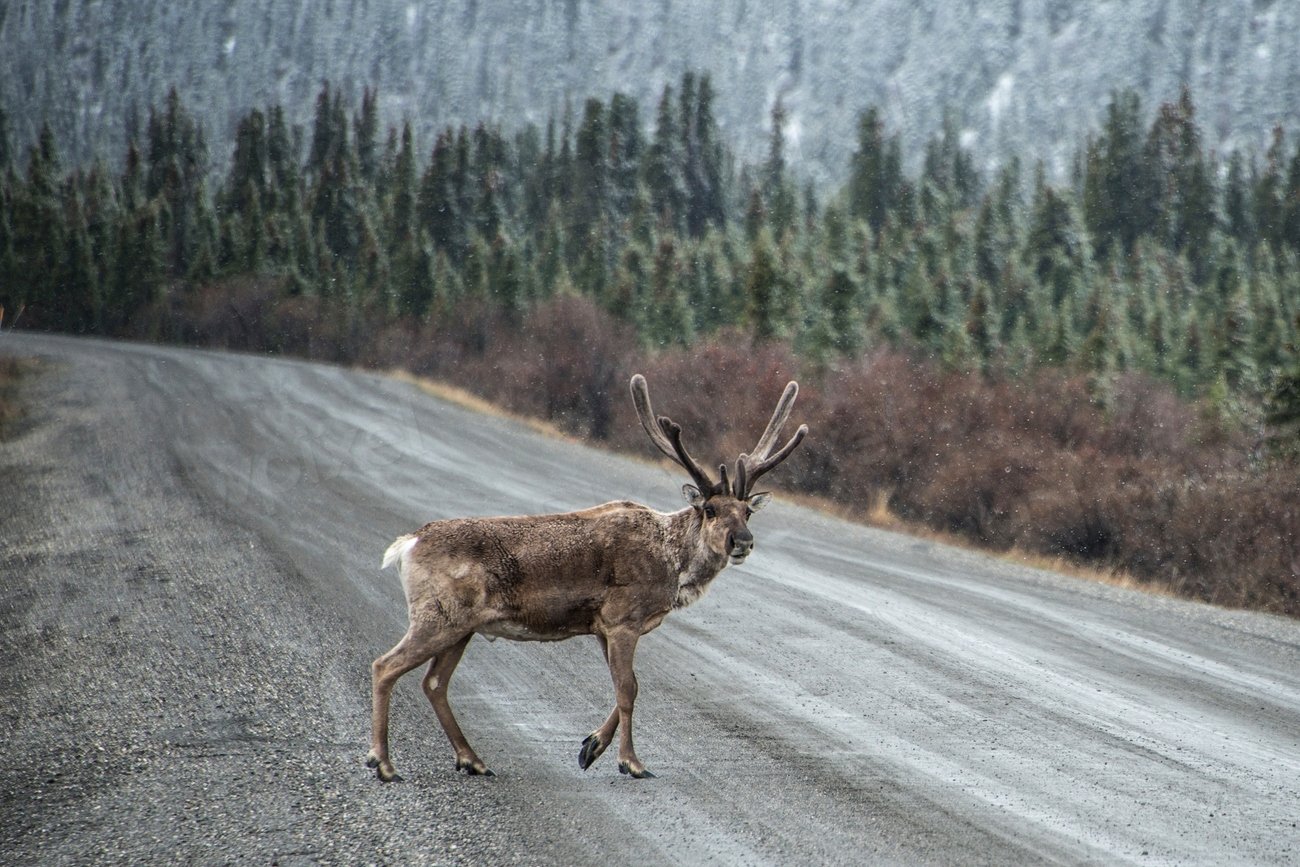
Any intervention in nature comes with important questions. What effect might reflective paint have on the reindeer’s health, behavior, and environment? Scientists have rigorously tested the substances to ensure they are harmless and temporary, washing off after a few weeks. Care is taken not to disrupt the reindeer’s natural behaviors or cause unnecessary stress. Ethical herding practices remain paramount, ensuring that the solution is sustainable and respectful. The goal is to minimize human impact while maximizing safety, not to change the animals, but to protect them.
Unexpected Challenges and Lessons Learned
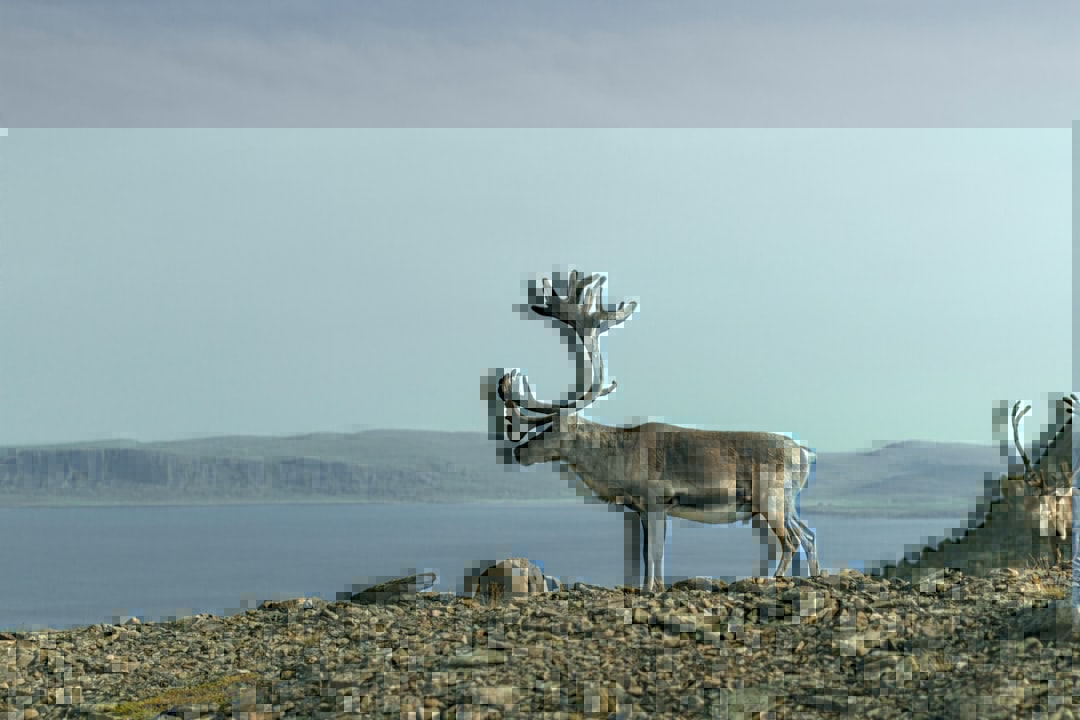
Applying reflective paint to wild or semi-wild animals is no easy feat. Some reindeer may be wary of humans and difficult to catch. Weather conditions, such as heavy snow or rain, can wash away the coating faster than expected. There’s also the challenge of covering enough animals to make a real difference, especially during peak migration times. Despite these hurdles, each successful application offers valuable data. Scientists and herders adapt and improve their methods with each season, learning how to work better with the animals and the unpredictable Arctic climate.
Community Reactions: From Skepticism to Hope
When the idea of glowing reindeer was first introduced, reactions ranged from disbelief to cautious optimism. Some locals worried about the animals’ welfare, while others doubted it would make a real difference. Over time, as accidents began to drop in treated areas, attitudes shifted. Stories of drivers narrowly avoiding collisions thanks to a sudden flash of glowing antlers spread quickly. The project has brought a sense of hope and unity to communities that have lost too many reindeer. It’s a reminder that even simple ideas can have a profound impact.
Potential for Global Inspiration

Sweden’s glowing reindeer project has caught the attention of wildlife experts and road safety advocates worldwide. Similar reflective methods are now being considered for other species and regions plagued by animal-vehicle collisions, from moose in Canada to kangaroos in Australia. The approach is inexpensive, humane, and easy to implement, making it a powerful example of how targeted innovation can save lives. The glowing reindeer of Sweden have become unexpected ambassadors for a new way of thinking about human-wildlife coexistence.
Looking Toward a Safer Future
As technology advances and knowledge grows, there’s hope that even more effective solutions can be found. Some researchers are exploring glow-in-the-dark materials that charge in sunlight, while others dream of smart collars that activate lights when animals approach roads. Every winter, new ideas are tested, and each success builds momentum. The glimmering reindeer are not just a symbol of survival, but of ongoing progress—a testament to human ingenuity and compassion in the face of nature’s challenges.
Sweden’s glowing reindeer are more than a quirky headline; they are a shining example of what is possible when tradition, science, and empathy come together. Their glow is a beacon of hope on dark winter roads—reminding us to look out for the wild, to innovate with care, and to never stop searching for solutions that let us all, human and animal, travel safely through the night.