Every time a new space telescope switches on or a mysterious radio blip hits the headlines, the same eerie question hangs in the air: if the universe is so big and so old, where is everybody? The silence is not just disappointing; it is unsettling. It suggests that something about reality is very different from what we naïvely expect.
Scientists have spent decades turning this cosmic unease into a serious research question, and the picture that’s emerging is far more disturbing than simple bad luck. The more we learn about planets, stars, and the brutal history of our own world, the more it looks like the universe might be booby-trapped against long‑lived, talkative civilizations. The reasons are not mystical; they are grounded in physics, biology, and statistics – and they hint that our window to speak to the cosmos might be painfully small.
The Great Filter: A Cosmic Wall Most Civilizations Never Cross
One of the most chilling scientific ideas about aliens has an almost boring name: the Great Filter. It is the notion that, somewhere between lifeless matter and galaxy‑spanning civilizations, there is at least one hurdle so hard that almost nobody ever makes it past. The silence we hear when we tune our radios to the stars might be the echo of almost every attempt at intelligent life slamming into that wall.
What makes the Great Filter so unnerving is that we do not know where it sits. It could be behind us, meaning that the jump from simple chemistry to complex, intelligent life is so freakishly rare that we are essentially alone. Or it could be ahead of us, meaning that civilizations like ours almost always self‑destruct before they can spread or send unambiguous signals. Either way, the idea turns the quiet sky into a piece of terrifying evidence: if the cosmos were full of thriving, advanced societies, the odds are high we would have noticed them by now.
Life Might Be Common, But Intelligence Could Be Shockingly Rare
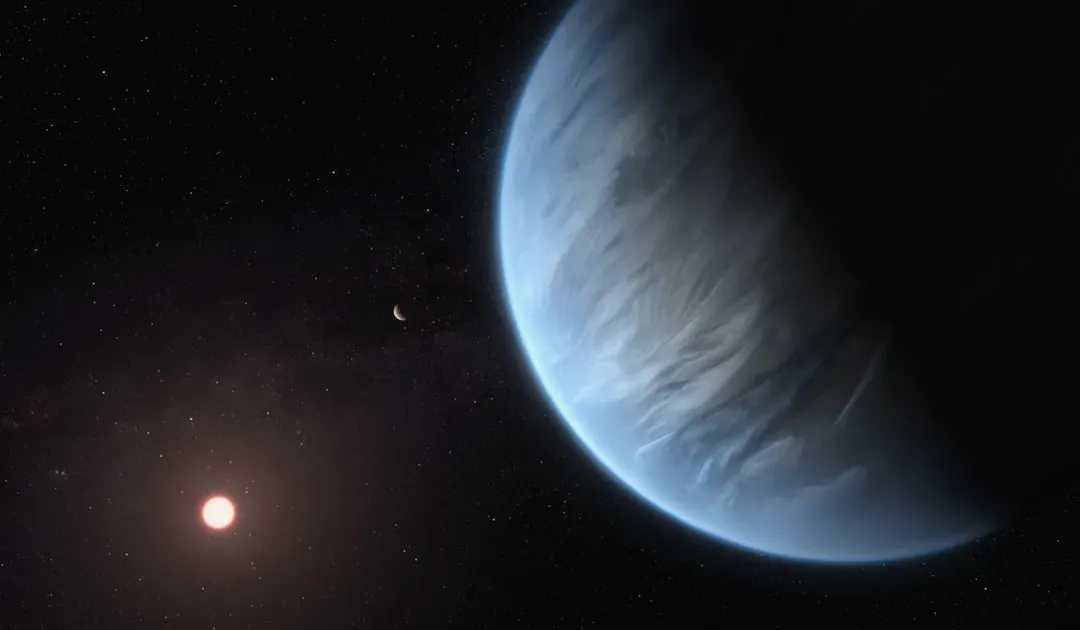
On one hand, recent discoveries of exoplanets are almost intoxicatingly optimistic. We now know there are vast numbers of Earth‑sized worlds orbiting distant stars, many sitting in so‑called habitable zones where liquid water could exist. From a distance, it is tempting to imagine these planets as blue marbles dotted with continents, oceans, and alien cities buzzing with technology.
Yet our own planet offers a sobering counterpoint. Life on Earth appears to have arisen fairly quickly after conditions stabilized, but for billions of years it remained microscopic and simple. Complex multicellular life is a late development, and tool‑using intelligence is even more recent – confined to a thin sliver of geological time. That suggests the universe could be full of slime, bacteria, and exotic microbial ecosystems, while advanced civilizations are needle‑in‑a‑universe‑sized‑haystack rare. The silence, in that case, is not because life is absent, but because almost nothing out there has ever learned to build a radio.
Cosmic Death Traps: Supernovae, Asteroids, And Fragile Civilizations
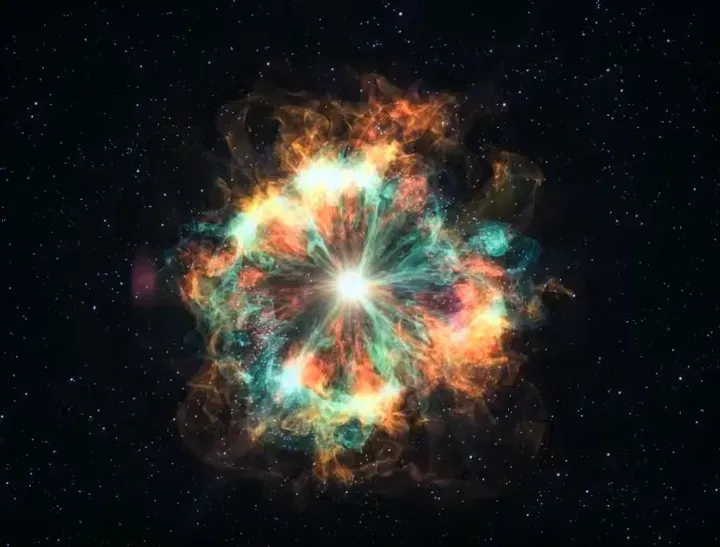
Even if intelligent life emerges, the universe is not exactly a safe neighborhood. Stars explode, gamma‑ray bursts sterilize regions of space, and planetary systems get jostled by gravitational chaos. Closer to home, we know Earth has been repeatedly punched by asteroid and comet impacts, some of which helped wipe out entire branches of life, including the non‑avian dinosaurs. Our planet’s history reads like a survival story written in craters and extinction layers.
From a scientific point of view, it is plausible that many civilizations never get the breathing room they need to develop long‑range communication or interstellar engineering. A single unlucky impact, a nearby stellar explosion, or a runaway greenhouse effect can slam the door on a species just as it begins to ask big questions. When you zoom out, the universe starts to look less like a welcoming stage for intelligent life and more like a firing range where only the luckiest and most resilient worlds get to keep evolving.
Self‑Destruction: The Most Terrifying Filter Might Be Ourselves
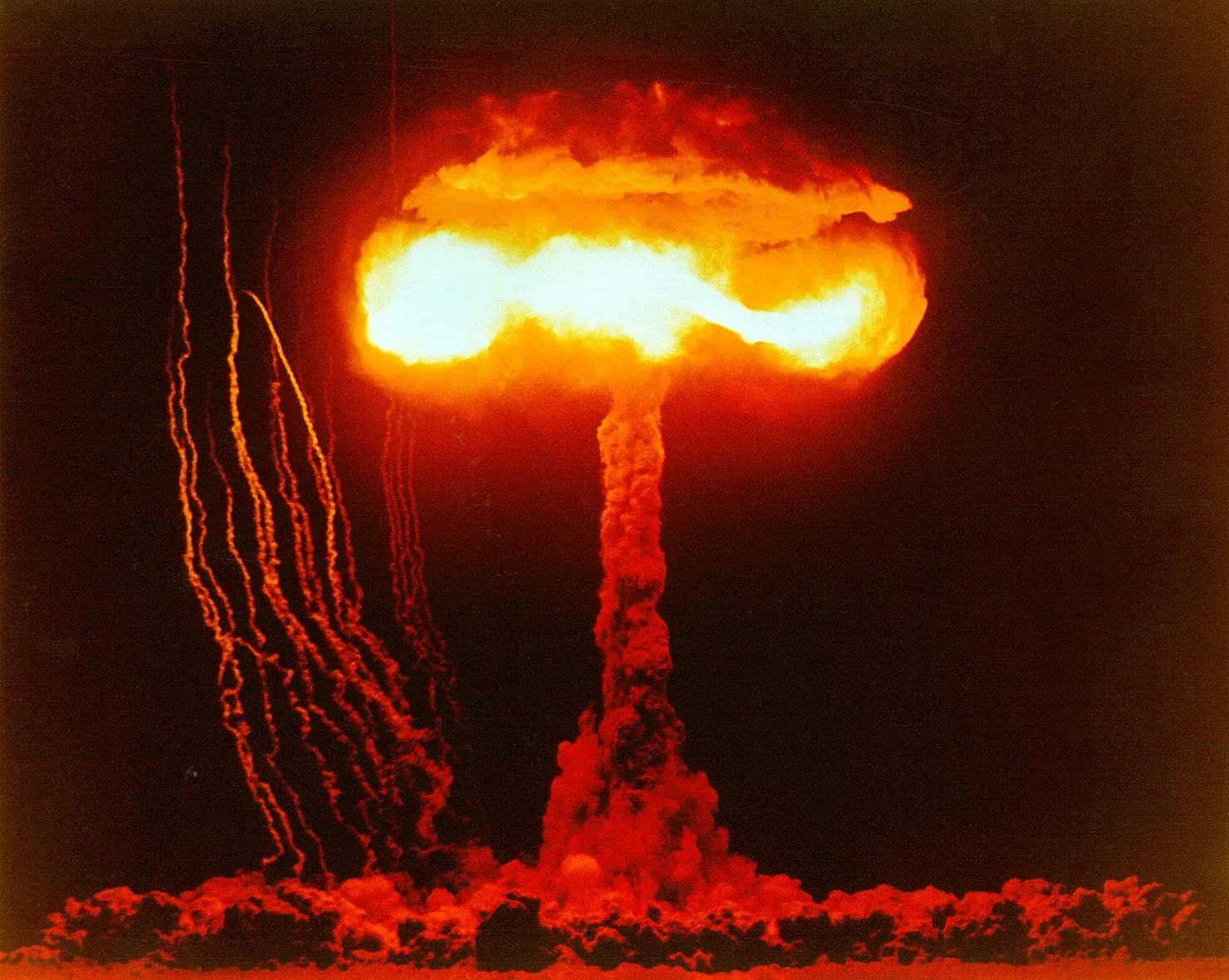
There is another possibility that hits much closer to home: maybe the most dangerous threat to a young civilization does not come from space at all, but from its own hands. Once a species develops advanced technology, it tends to gain the power to radically reshape – or completely ruin – its environment. Nuclear weapons, engineered pathogens, uncontrolled artificial intelligence, and ecological collapse are all examples of tools that can end the experiment as fast as it began.
From this angle, the absence of visible alien empires could be a graveyard signal. Civilizations might flare into existence, briefly mastering energy and communication, and then vanish under the weight of their own inventions before they have time to become long‑lived, stable, and obvious from light‑years away. I find this possibility deeply unsettling, because it quietly turns the Fermi paradox into a mirror. When we ask why we have not heard from anyone else, we may really be asking whether we are on track to survive our own technologies long enough to ever send a clear, lasting hello.
Signals May Be There – But We’re Not Listening The Right Way
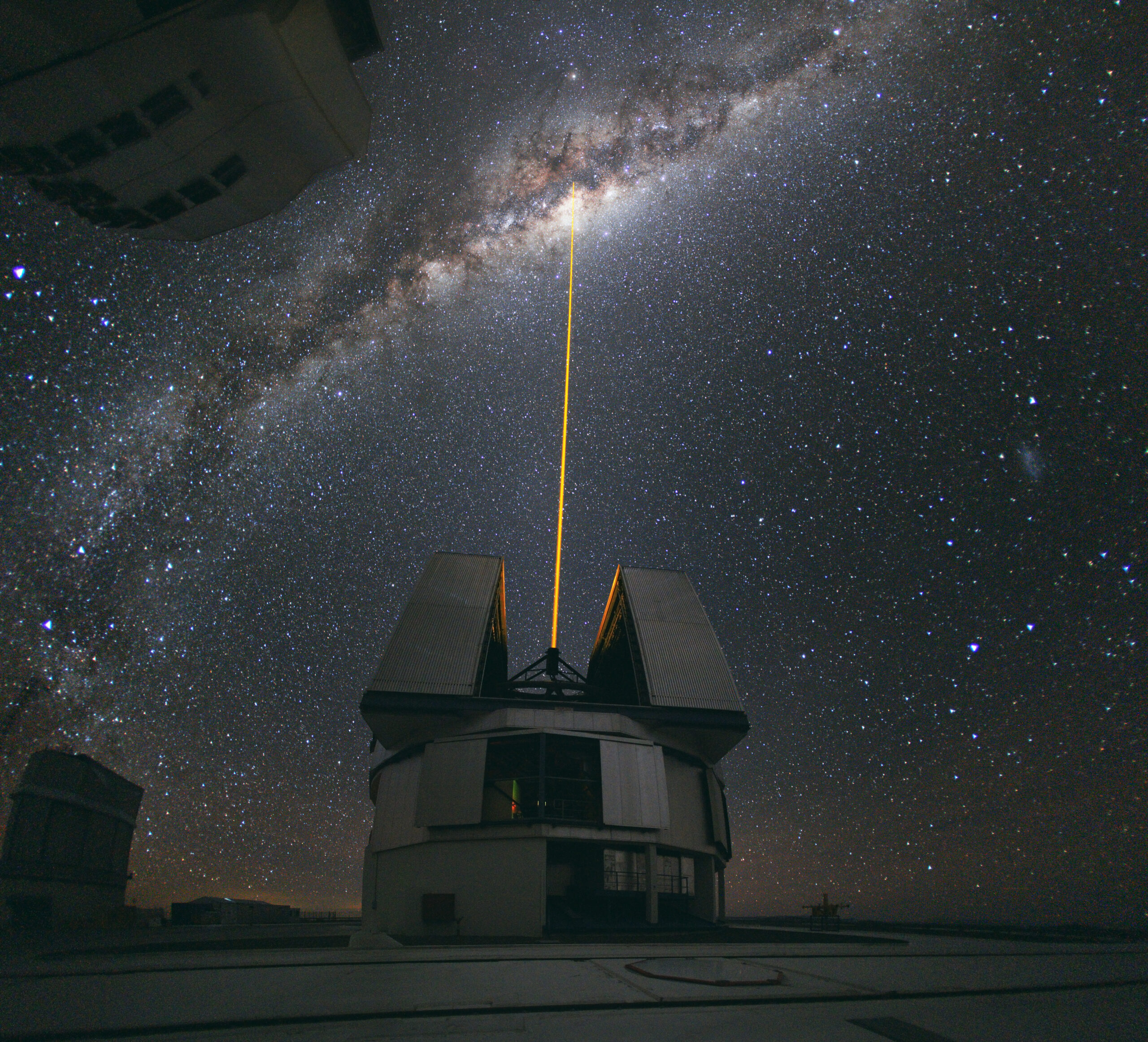
Of course, there is a less bleak, but still humbling, answer: maybe the universe is whispering, and we are using the wrong ears. Our searches have mostly focused on narrow bands of radio and, more recently, on laser signals and odd engineering signatures. But we have only been seriously listening for a few human lifetimes, and we are just beginning to understand what advanced communication might even look like on a cosmic scale.
If a civilization is thousands or millions of years ahead of us, it might use technologies that we would not recognize as communication at all. Imagine trying to explain fiber‑optic internet to someone from the Stone Age: they would not have the concepts, let alone the tools, to detect it. We could be surrounded by subtle, sophisticated channels of information encoded in ways we have not even thought to imagine. In that scenario, the chilling part is not that nobody is talking, but that we might be too primitive to notice the conversations happening right over our heads.
The Universe Is Vast, Our Search Is Tiny, And Time Is Working Against Us
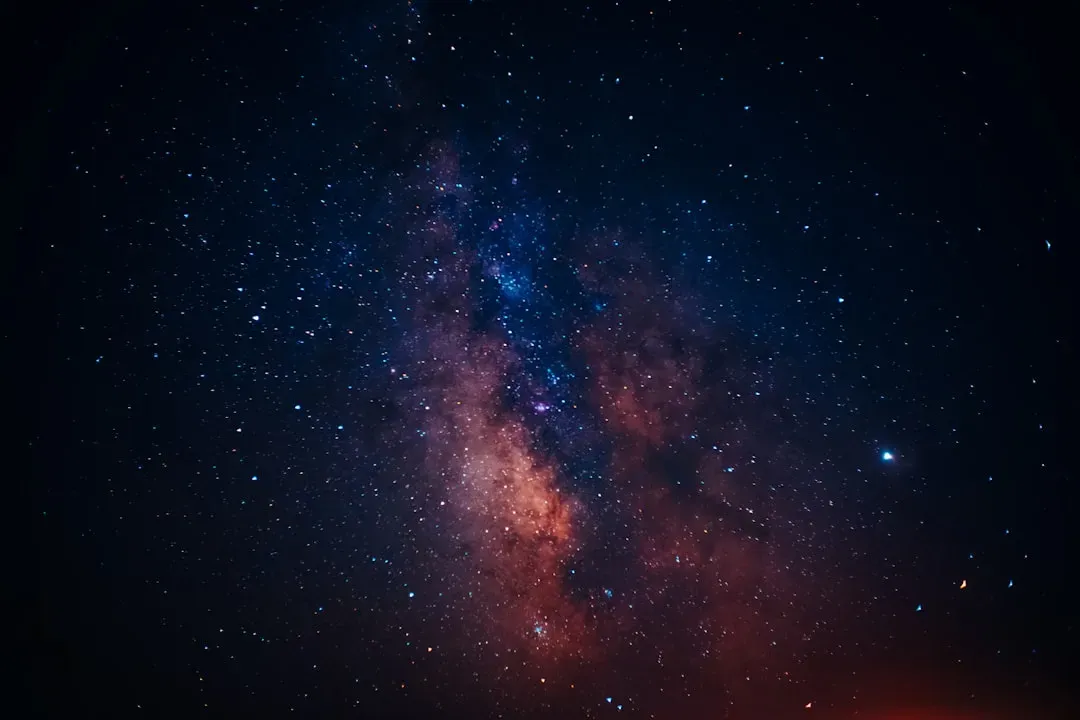
Another sobering truth is purely statistical. The Milky Way alone is sprawling beyond comprehension, and we have sampled only a minuscule fraction of it with any real sensitivity. It is like scanning a few grains of sand from an entire beach and declaring there are no seashells anywhere. The absence of contact so far may say more about the limits of our survey than the emptiness of the galaxy.
Timing makes everything even trickier. Civilizations might rise and fall on different schedules, flickering in and out over millions of years. Two intelligent species could exist in the same galaxy, even in the same region, and still miss each other entirely because their technological peaks never overlap. From this perspective, the universe does not have to be empty to feel lonely. It just has to be out of sync, with minds briefly lighting up and going dark long before their distant neighbors have even learned to look up.
Maybe Advanced Civilizations Are Hiding On Purpose
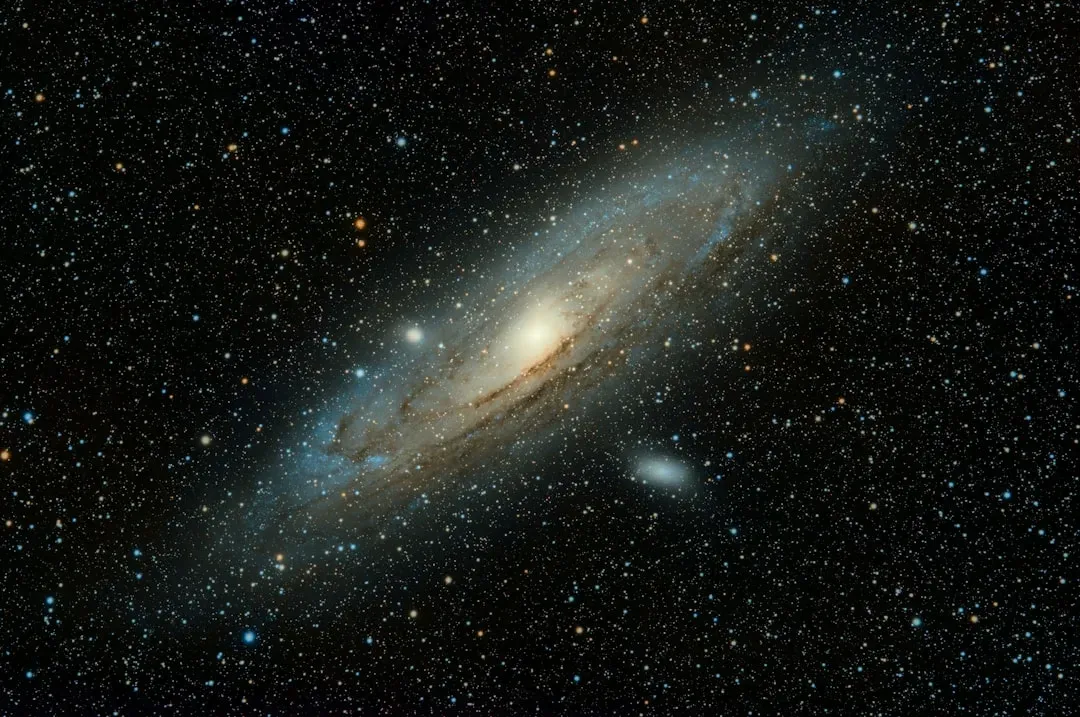
There is also a more paranoid interpretation that some researchers take seriously: what if advanced civilizations deliberately avoid broadcasting their presence? This idea is sometimes called the dark forest hypothesis – the universe as a place where revealing yourself is dangerous. If high‑level species suspect that there might be hostile or unpredictable neighbors out there, staying quiet, camouflaged, and locally focused could be a survival strategy, not an accident.
When I first came across this idea, it felt like science fiction. But the more you think about human history, the less far‑fetched it seems. On Earth, isolated groups often learn the hard way that exposure to a more advanced power can be catastrophic. If the same logic scales up to the cosmos, then our search strategy – shouting into the dark and hoping for a friendly reply – may be naïve. The silence would not mean emptiness; it would mean that anyone old and wise enough to survive has learned not to make noise.
What Our Lonely Sky Really Tells Us – And Why It Matters Now
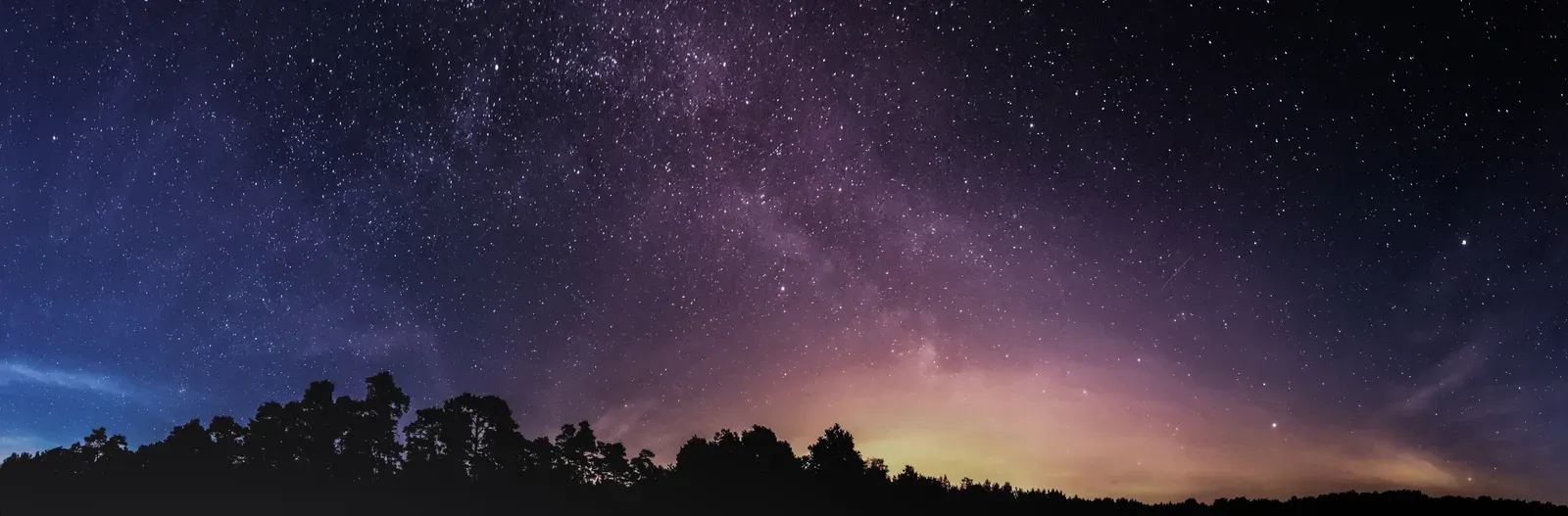
Putting all of this together, I lean toward a slightly uncomfortable conclusion: the silence is not simple, and it is not reassuring. It points to a universe where life may be moderately common, intelligence extremely rare, and long‑lived, openly visible civilizations rarer still. Somewhere between the first spark of chemistry and the dream of interstellar community, something is grinding most attempts into dust – whether that something is cosmic violence, self‑inflicted catastrophe, or a rational decision to hide.
But the most important part of this story is not out there; it is here. Our generation is the first with the tools to both destroy our global civilization and to begin reaching beyond our planet in a serious way. That makes the Fermi paradox less of a curiosity and more of a warning label. If we want to be the exception to whatever filter has silenced the rest, we have to treat survival, cooperation, and wisdom as technologies just as crucial as rockets or telescopes. In a universe that might be littered with failed attempts, the real question is not just why we have not heard from aliens yet, but whether we will manage to last long enough to become the kind of civilization someone else could one day finally hear.