Every time a new space telescope launches or a fresh dataset drops, we tend to act like the story of the cosmos is something only modern science can tell. But if you dig into some of the oldest surviving writings in human history, you find something quietly astonishing: people, thousands of years ago, watching the sky with such care that their words still line up with what we now confirm using precision optics, spacecraft, and high‑end math.
This is where the past feels uncomfortably smart. Ancient scribes, priests, scholars, and court astronomers tracked eclipses, planetary alignments, and even long‑period comets with a patience that puts most of us to shame. Modern instruments finally gave us the tools to test what they wrote, and in case after case, the old records hold up. Let’s walk through eight striking examples where ancient texts described astronomical events that science only fully verified many centuries later.
1. The Babylonian Astronomical Diaries and the Science of Planetary Motion
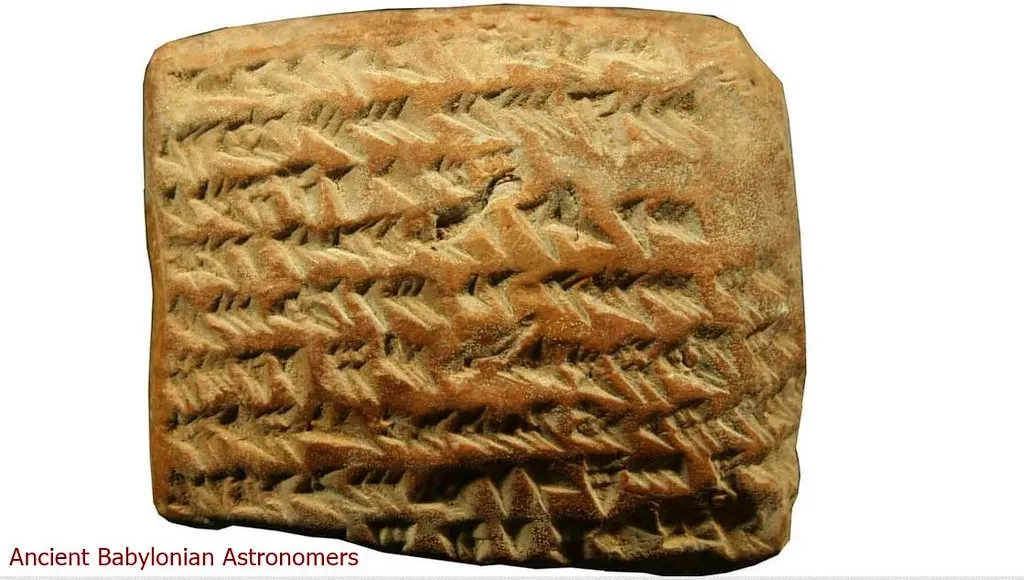
Imagine keeping a sky journal every night for centuries. That is essentially what Babylonian scholars did in the Astronomical Diaries, a series of clay tablets spanning roughly from the seventh to the first century BCE. These texts record lunar phases, planetary positions, eclipses, unusual phenomena, and even political and economic events alongside them, as if the sky and human life formed one continuous dataset.
For a long time, people saw these as impressive but primitive observations. Only with modern reconstructions of planetary orbits and precision dating software did researchers realize how remarkably accurate the recorded positions of planets like Jupiter and Venus actually are. When astronomers back‑calculate where these planets would have appeared on specific ancient dates, the clay tablet entries line up with a level of precision that suggests Babylonians had developed a surprisingly advanced, almost proto‑mathematical approach to orbital cycles.
2. The Venus Tablet of Ammisaduqa and Long‑Term Planetary Cycles
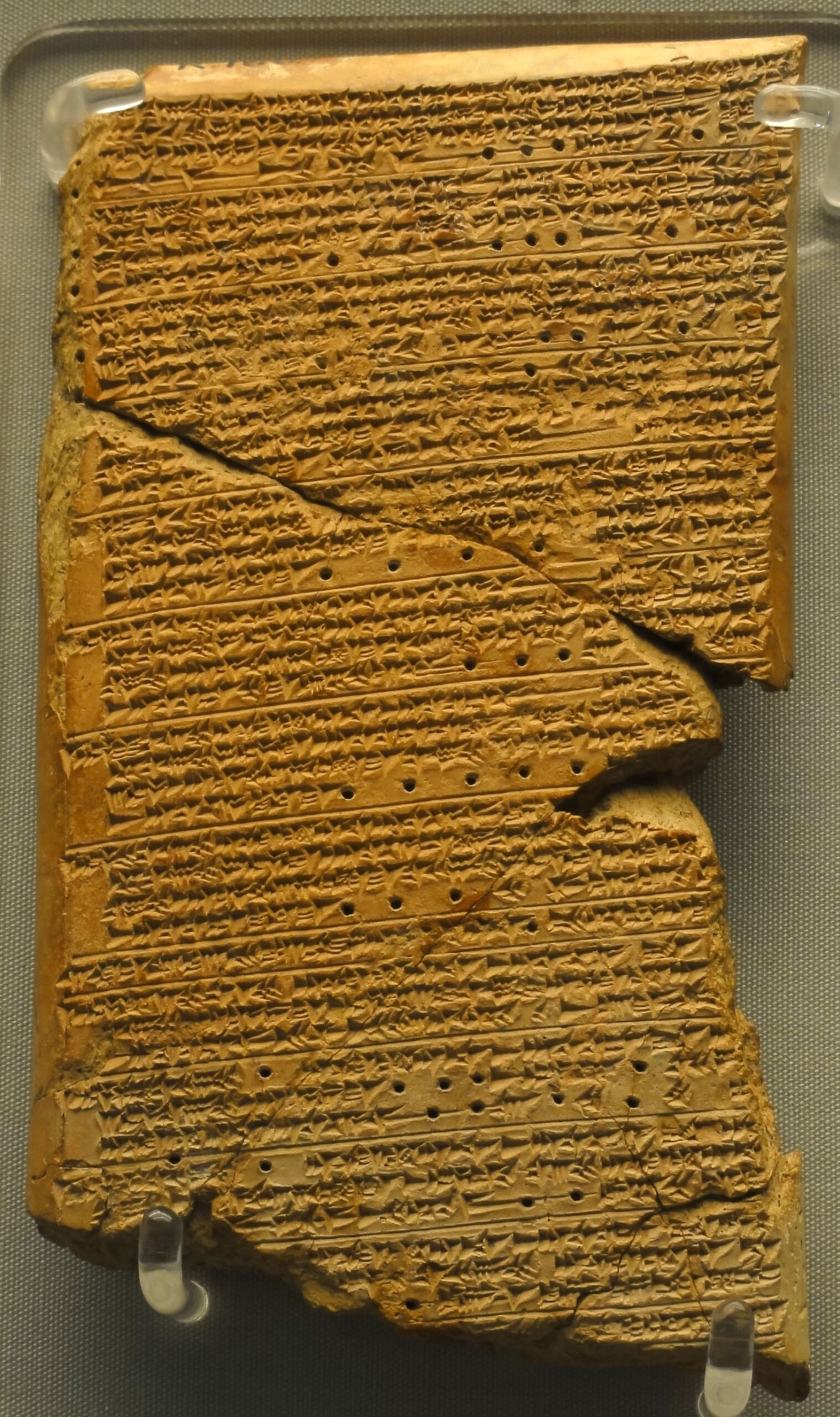
The Venus Tablet of Ammisaduqa, part of the Babylonian Enūma Anu Enlil series, reads at first like a repetitive weather report for a single planet: the first and last visibilities of Venus, its disappearances into solar glare, its reappearances before dawn or after sunset. Compiled around the second millennium BCE, it lists observations over many years, tied carefully to a king’s reign and to omens. For centuries, historians debated whether these records were partly legendary or heavily idealized, shaped more by astrology than astronomy.
Modern ephemerides and computational models changed that conversation. When scientists ran simulations of Venus’s motion backward in time and compared them to the tablet’s reported pattern of appearances and disappearances, they found a recognizable 8‑year cycle and plausible matches to real historical dates. That does not mean every line is perfect, but it does show these texts reflect systematic watching rather than random guessing. The idea that an ancient court was quietly tracking the complex dance of Venus across decades looks far less like myth and a lot more like data science done in wet clay.
3. Chinese Oracle Bones and the Earliest Recorded Solar Eclipses
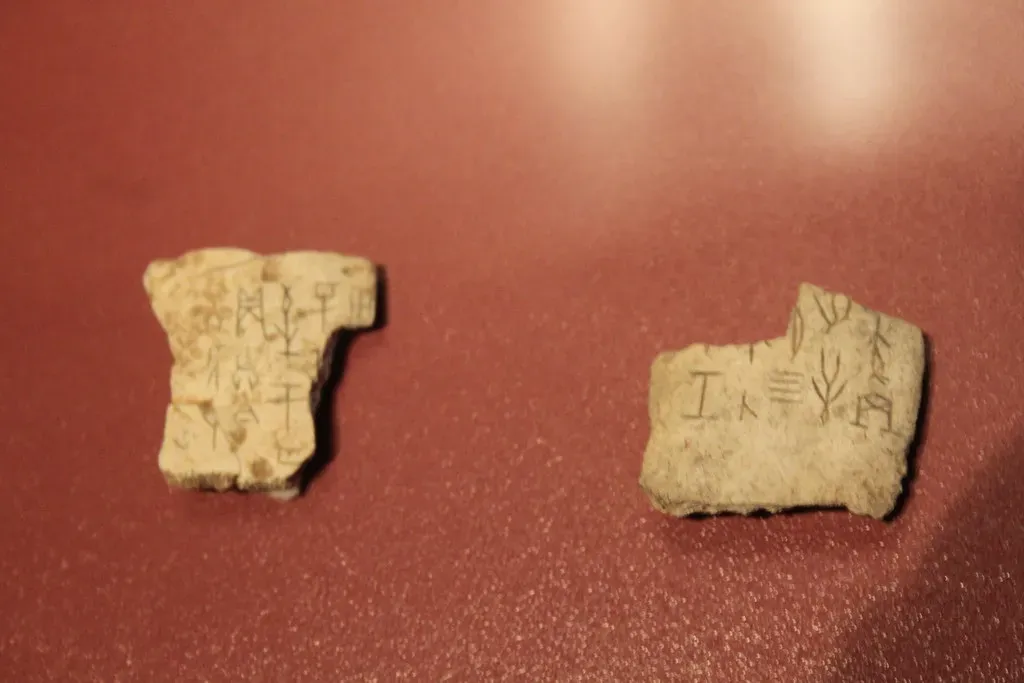
Some of the earliest written records from China are on oracle bones – turtle shells and animal scapulae used in divination during the late Shang dynasty, more than three thousand years ago. Among the cracks, inscriptions, and ritual questions, you find eerie references to the sun being “eaten” or darkened unexpectedly. For a long time, it was hard to know whether these lines described real eclipses or were symbolic, poetic language woven into ritual drama.
With the help of modern eclipse catalogs and precise celestial mechanics, researchers have gone back and mapped when total or near‑total solar eclipses would have been visible in northern China during that era. In several cases, the timing and direction described in the bone inscriptions match what the simulations say should have been seen. Suddenly, what looked like mystical imagery starts to look like an eyewitness report of the moon’s shadow racing across the land – a natural event woven directly into a king’s record of omens, now confirmed on astronomers’ laptops millennia later.
4. The Chinese Records of “Guest Stars” and the Supernova of 1054
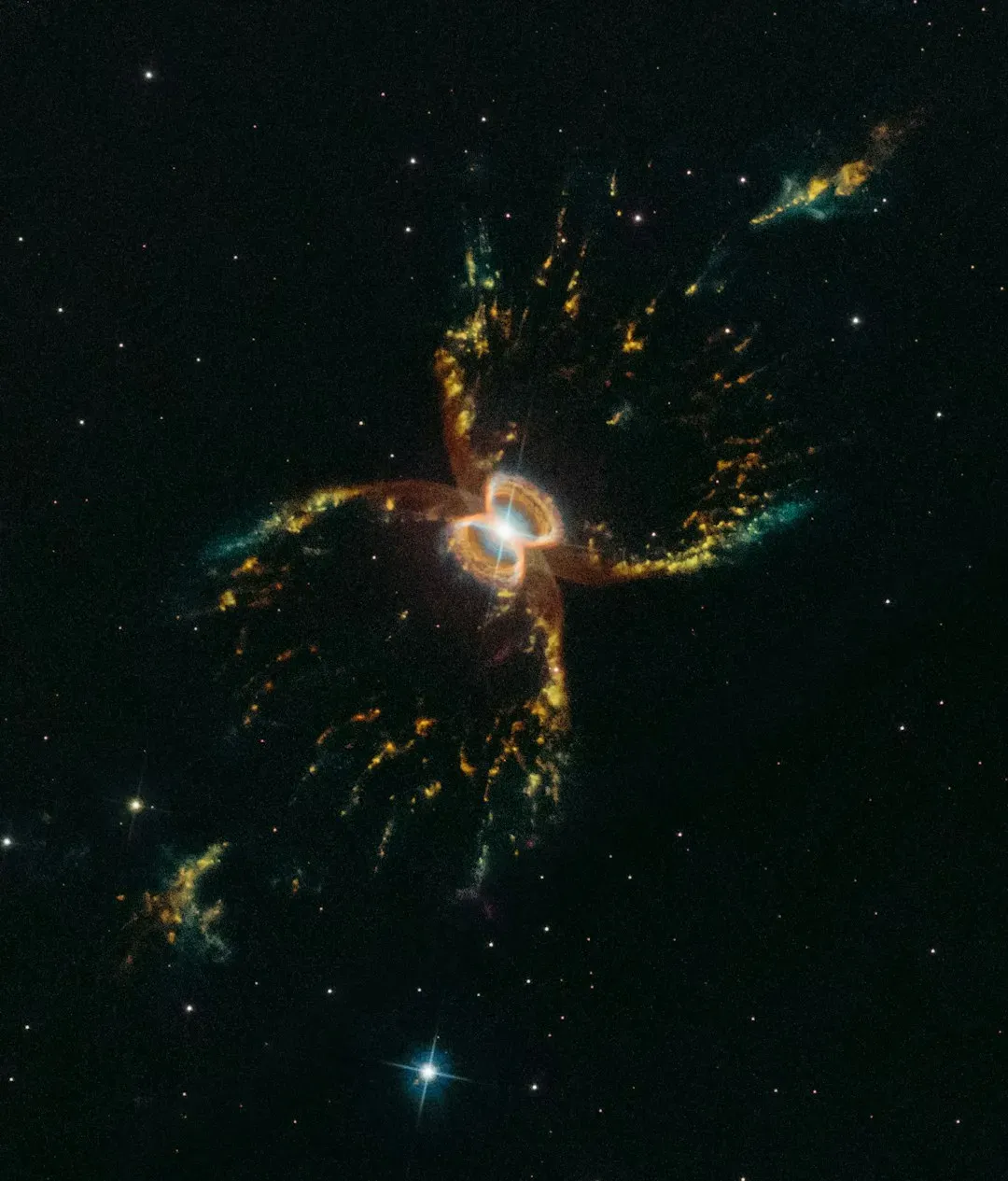
Chinese imperial astronomers were famously meticulous in reporting “guest stars,” sudden bright points that appeared where no star had been visible before. One of the most famous examples is the guest star documented in 1054 CE, described as bright enough to be seen in daylight for weeks. For a long time, modern astronomers suspected this might connect to a violent event in deep space, but they lacked the tools to prove exactly what kind.
Enter modern radio telescopes, X‑ray observatories, and detailed sky surveys. In the same region of the sky described in the Chinese sources sits the Crab Nebula, an expanding cloud of gas and dust powered by a rapidly spinning neutron star. Measurements of its expansion rate point back to an explosion roughly a thousand years ago, which lines up with the 1054 records. The combination of ancient text and modern physics essentially tied a scribbled imperial note to the corpse of a star more than six thousand light‑years away. It is a sharp reminder that even phenomena now studied with space telescopes were first noticed by someone just looking up from the ground.
5. The Greek Parapegmata and Seasonal Star Calendars
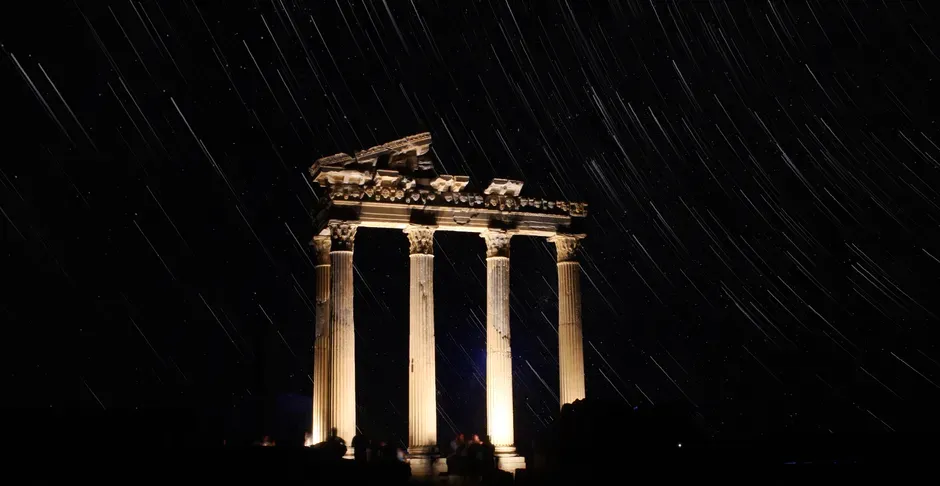
In ancient Greece, parapegmata were stone or wooden star calendars, often with tiny holes where pegs could be moved along dates to mark when certain stars would rise or set at dawn or dusk. Textual versions from figures like Euktemon or Meton list the heliacal risings and settings of bright stars and constellations, tying them to weather changes, agricultural tasks, and festivals. For centuries, these calendars were taken mainly as cultural curiosities, interesting but assumed to be imprecise.
When modern astronomers and historians ran detailed simulations of the ancient Greek sky, correcting for precession of Earth’s axis and local horizon conditions, they found that many of the recorded dates for events like the first morning appearance of Sirius or the Pleiades match quite well with what would actually have been visible. Even where there are offsets, they often fall within the window where atmospheric conditions would complicate first visibility. In other words, those “folk‑like” star calendars turn out to reflect careful empirical watching, with a level of observational reliability that only really became obvious once we could recreate their sky in software.
6. Indian Siddhāntic Texts and Planetary Periods
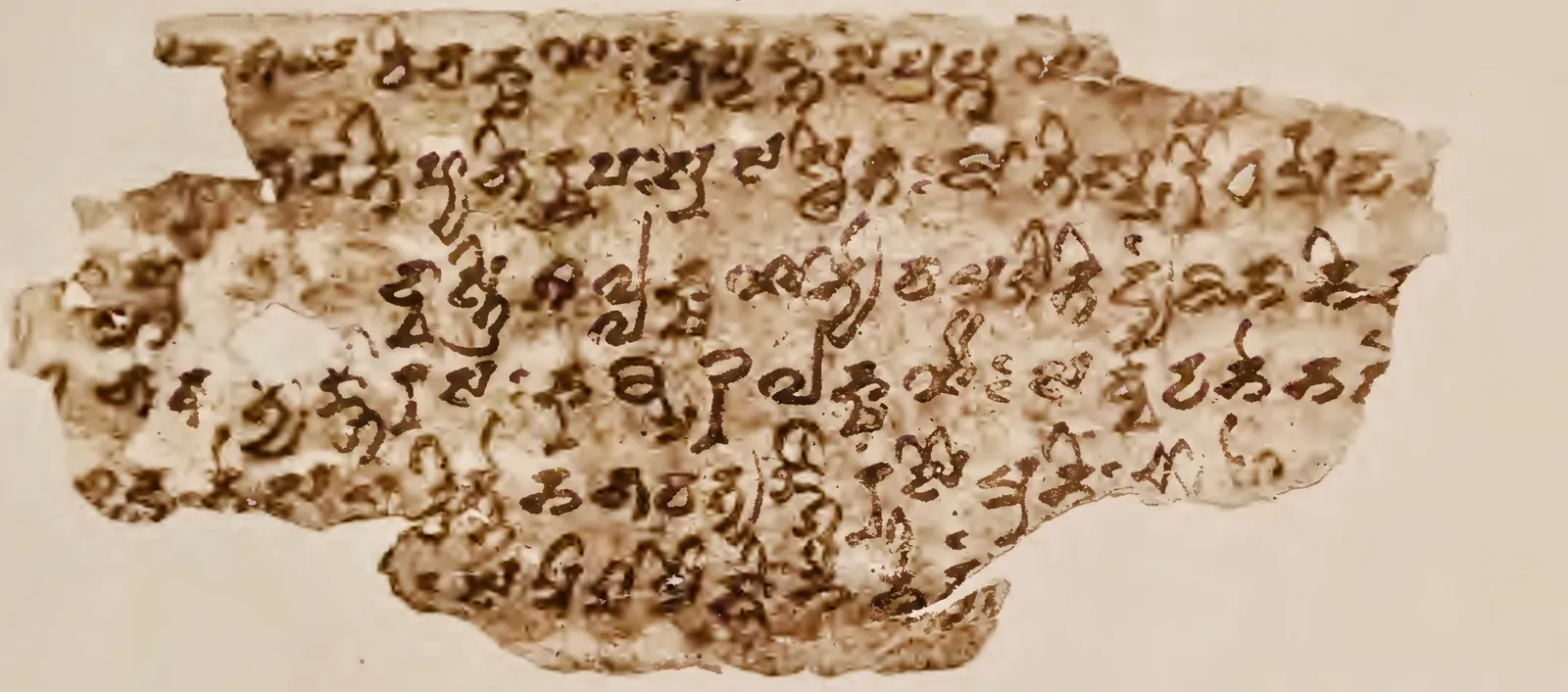
Classical Indian astronomical treatises, known as siddhāntas, include works like the Sūrya‑siddhānta and Āryabhaṭīya. These texts list detailed parameters for the motions of the sun, moon, and planets: orbital periods, distances expressed in their own units, and schemes for predicting eclipses and conjunctions. For many years, outside readers treated some of these numbers as near‑mythic or hopelessly geocentric, interesting philosophically but supposedly inferior to later European models.
Modern comparative analysis painted a more nuanced picture. When researchers convert the ancient units and compare the sidereal periods given for planets like Saturn, Jupiter, or Mars against values measured by contemporary instruments, the matches are remarkably close, often differing by only tiny fractions relative to the scale of the numbers involved. This does not mean every model was physically correct in a modern sense, but it does show that Indian astronomers were squeezing surprising accuracy out of naked‑eye observations and clever mathematical schemes. From the perspective of 2026, it feels less like a “primitive” system and more like an impressively tuned approximation that modern tools finally allow us to fully appreciate.
7. The Mayan Dresden Codex and Eclipse Prediction
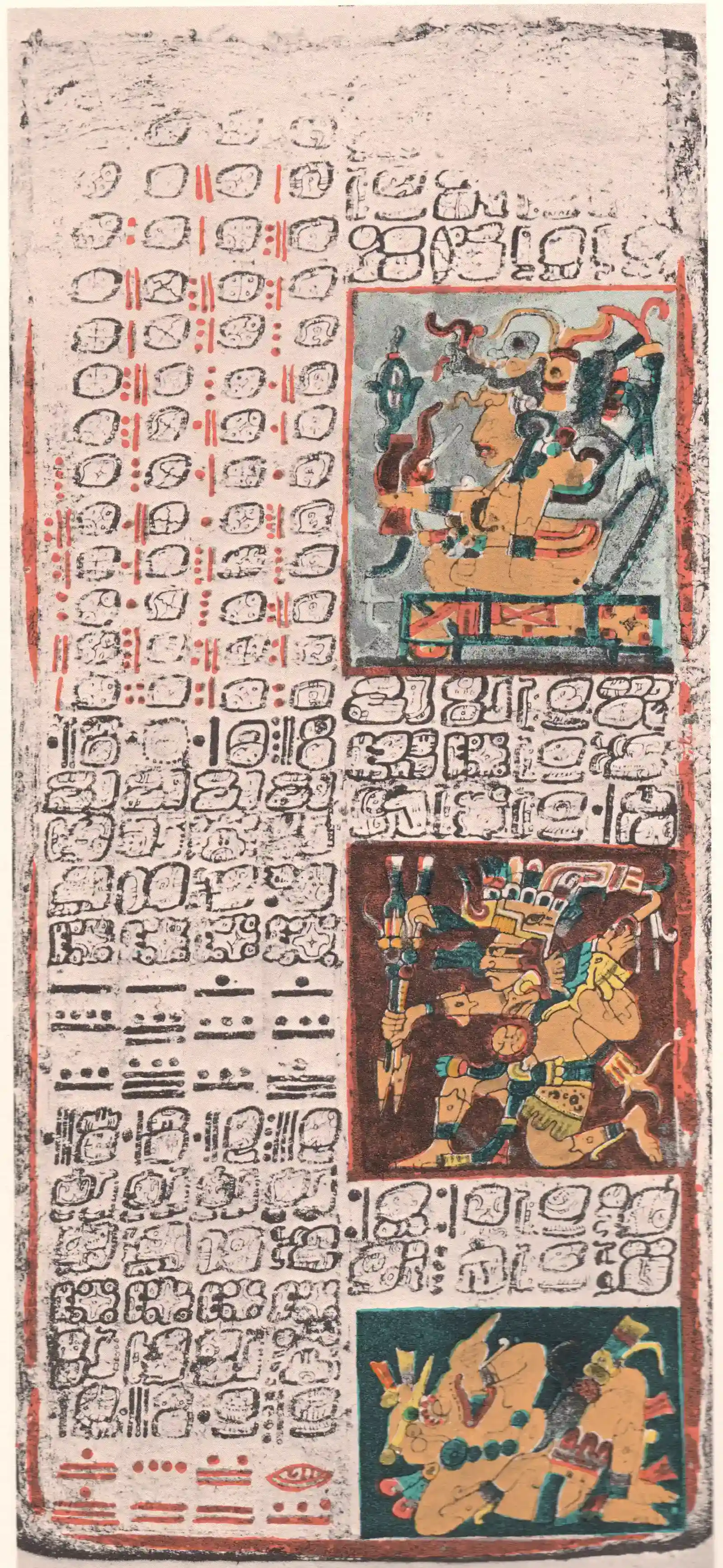
The Dresden Codex, one of the few surviving pre‑Columbian Maya books, includes elaborate astronomical tables that long puzzled scholars. Some pages track the cycles of Venus, while others clearly relate to eclipses. Written in a complex mix of glyphs and numbers, these tables were once dismissed by some as mainly ritual or divinatory – not “real” astronomy in the sense of predictive accuracy.
As modern researchers decoded the numerical patterns and compared them to the known cycles of the moon and eclipse seasons, a different story emerged. The eclipse table, for instance, tracks intervals that align with the roughly six‑month rhythm of when eclipses can occur, allowing priests to know windows of risk or opportunity for these dramatic events. When aligned with retro‑calculated eclipse paths, the structure of the table proves far too coherent to be random. Modern orbital mechanics essentially confirmed that the scribes behind the Dresden Codex had built a workable eclipse warning system using nothing but repeated observation and arithmetic, no telescopes in sight.
8. Medieval Islamic Star Catalogs and Stellar Positions
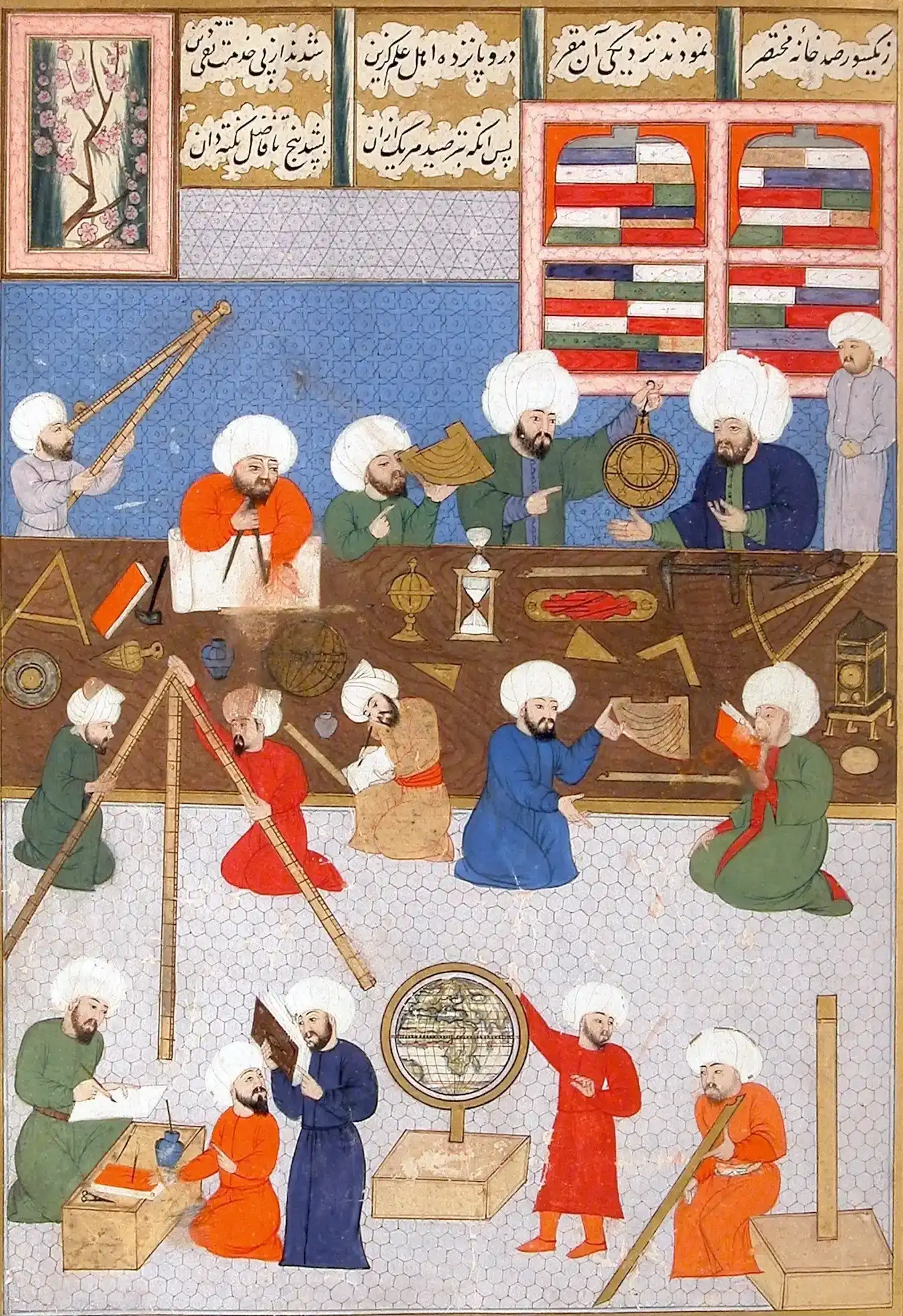
In the medieval Islamic world, observatories from Baghdad to Maragha to Samarkand produced star catalogs that updated and expanded on Greek sources. Texts associated with astronomers such as al‑Ṣūfī and the team at the Maragha observatory include corrected positions for hundreds of stars, with notes on brightness and subtle shifts in location. For a long time, these works were appreciated historically but not systematically checked in detail against what we now know from ultra‑precise space missions.
With the data from modern astrometry satellites, researchers have been able to backtrack star motions and compare today’s positions plus proper motions to where the stars would have appeared around the times those catalogs were compiled. In many cases, the ancient positions sit impressively close to the reconstructed values, especially considering the tools available then were limited to carefully crafted sighting instruments and the human eye. When high‑precision modern catalogs confirm that medieval observers nailed star locations to a fine degree, it undercuts any lazy narrative that serious, quantified science only started in early modern Europe.
Conclusion: Ancient Eyes, Modern Proof, and Why It Matters
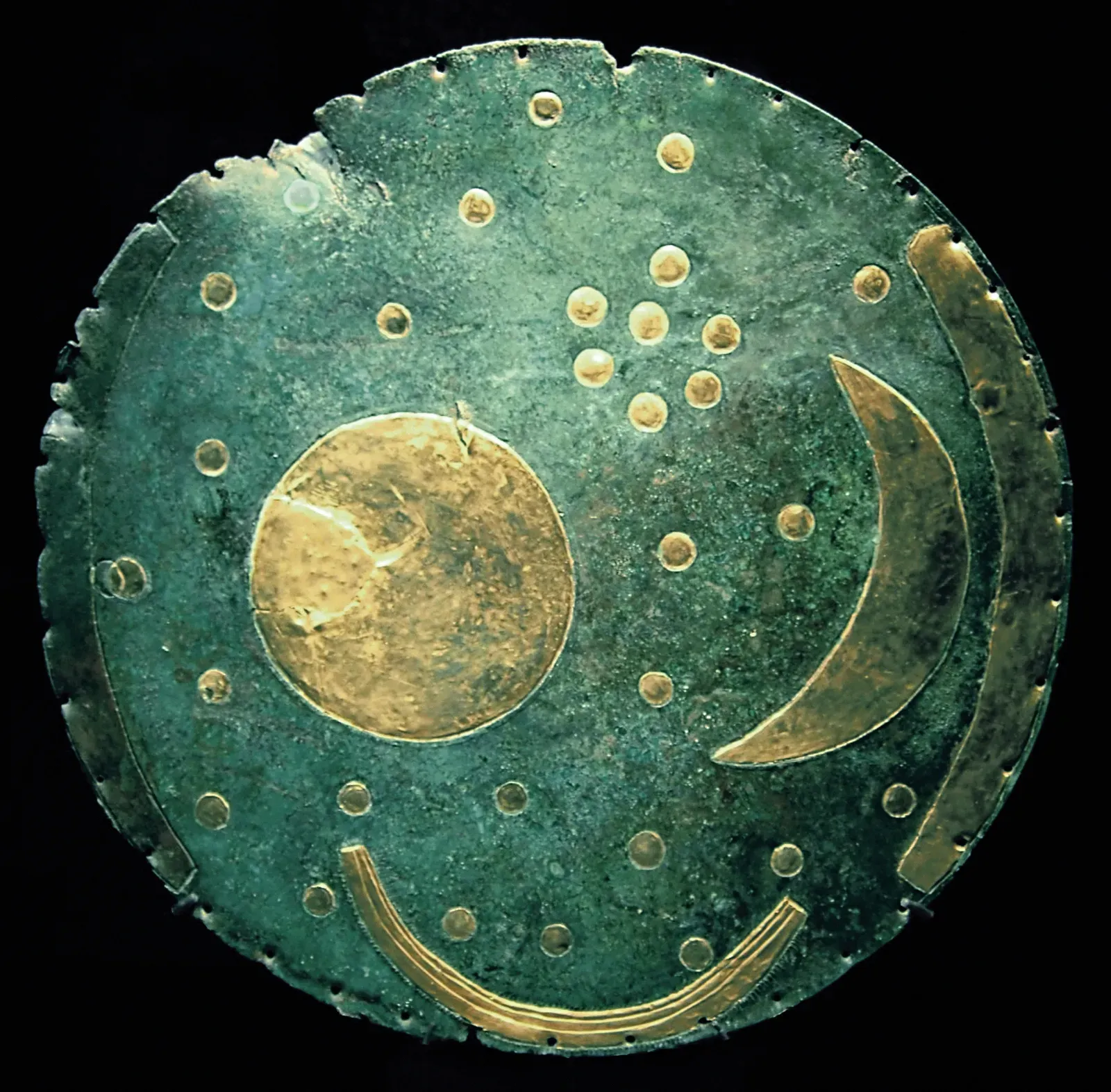
Looking at these eight examples side by side, it is hard not to feel a mix of respect and discomfort. Respect, because people with no electronics and no space probes still managed to track cycles and events that we now validate with planetary ephemerides, supernova remnants, and high‑resolution star maps. Discomfort, because it forces us to admit that we often underestimate ancient observers, waving away their texts as myth or superstition until modern instruments grudgingly prove them right on the core facts.
My own bias, if I am honest, used to lean heavily toward the idea that real astronomy began with telescopes. The more I read these old records, and the more I see how well they match retro‑calculated events, the more that story feels shallow. The impressive part of modern science is not that we finally replaced the ancients, but that we can now check their careful work in detail and often find it stunningly solid. Maybe the better question is not how much they got wrong, but how much patient sky‑watching we have lost in an era where an app can show us the stars in seconds. Next time you see a news alert about an eclipse or a supernova, it is worth asking yourself: how many centuries ago did someone already write it down, by hand, under the open sky?