If you have ever sat at a loved one’s bedside in an intensive care unit, you may have quietly wondered: at what exact moment do they stop being aware? Not just when the heart monitor flatlines, but the instant the “inner world” switches off. That question sounds almost philosophical, yet over the past decade brain researchers have been inching toward something astonishingly concrete: a measurable, neurological tipping point at which consciousness appears to end.
The picture is still incomplete and, honestly, a bit unsettling. But it is also strangely hopeful. As scientists track brainwaves during cardiac arrest, anesthesia, seizures, and deep coma, a recurring pattern has started to show up: a brief, intense, and highly organized burst of brain activity just before consciousness disappears for good. What is even more intriguing is that this pattern may also explain the eerie clarity and vivid experiences reported in some near-death experiences. Let’s break down what we actually know, what might be happening in those final conscious moments, and where the science is still very much up for debate.
The Brain Does Not Simply “Fade to Black”
Most people imagine death as a gradual dimming, like a light slowly turning down until the room goes dark. Neuroscience tells a more dramatic story. In many cases of cardiac arrest and catastrophic brain failure, the brain does not quietly drift into silence. Instead, there can be a sudden, sharp transition from a complex, conscious brain state to a highly synchronized, then rapidly collapsing pattern of activity that looks almost like an electrical storm.
In lab and clinical studies, when blood flow suddenly drops, brain activity first becomes unstable, then flips into a hyperactive state with large, coordinated waves sweeping across the cortex. Within seconds to minutes, that activity collapses and flattens out. This shift is so distinctive that some researchers treat it as the likely “moment” consciousness ends, at least in any way we would recognize from normal waking life. It is not a slow fade so much as a cliff edge you do not feel until you are already over it.
The Mysterious Surge: What Happens Right Before Consciousness Stops?
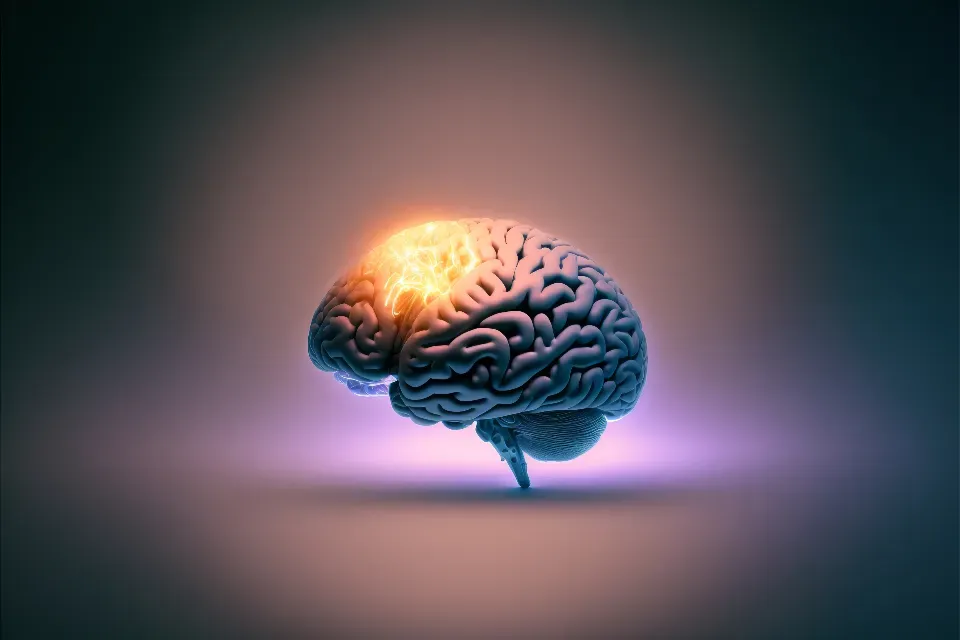
Here is the part that grabs headlines and keeps neuroscientists up at night: right before the brain goes dark, several studies have observed a brief but intense surge in organized brain activity. Instead of a dying organ flickering out, the brain can suddenly look, for a few seconds, surprisingly alive and highly coordinated, especially in regions associated with perception, memory, and awareness. It is as if the orchestra plays one last, incredibly synchronized chord before the instruments are put away forever.
This surge has been picked up in recordings from animals undergoing experimentally induced cardiac arrest, and in rare but striking EEG recordings from human patients who later died. The activity includes gamma oscillations, which are often linked to conscious processing and the integration of different types of information into a unified experience. That does not prove people are having vivid experiences in that moment, but it makes the idea hard to ignore. The timing is eerie: the surge tends to appear shortly after the heart stops, just before the brain’s energy reserves finally collapse.
Near-Death Experiences: A Brain Struggling to Stay Online?
When people are resuscitated after cardiac arrest, some report incredibly vivid experiences: tunnels, lights, life reviews, overwhelming feelings of peace, or a powerful sense of detachment from the body. For a long time, these stories were framed either as purely spiritual or written off as hallucinations with no solid link to measurable brain activity. Now, that pre-death surge has given scientists a possible bridge between subjective reports and objective data.
One leading hypothesis is that near-death experiences emerge as the brain briefly rallies into a hyper-organized, high-energy pattern while its physical support systems fail. In that short window, normal filters and constraints might break down, allowing unusual patterns of connectivity and memory retrieval. Think of it like a power surge running through a complicated circuit: for a moment, unlikely pathways light up and strange patterns emerge, then everything goes dark. That does not settle the spiritual debate, but it offers a plausible, brain-based account that fits both the timing and the emotional intensity of many of these experiences.
Anesthesia, Seizures, and the Boundary of Awareness

Interestingly, this research on death does not exist in a vacuum. Anesthesia studies show that when we lose consciousness under controlled conditions in an operating room, the brain also undergoes a sudden change in how different regions talk to one another. Instead of rich, flexible communication across distant networks, the brain falls into more limited, stereotyped patterns. The shift from “I am here and aware” to “nothingness” happens faster and more sharply than subjective memory suggests.
Certain types of seizures reveal something similar from another angle. During some generalized seizures, large parts of the brain become highly synchronized, but the person is completely unaware of their surroundings. The brain is electrically busy, yet subjectively offline. Comparing these states to near-death patterns helps researchers tease apart a crucial point: it is not just raw activity that matters for consciousness, but the kind of activity, the structure of communication, and the timing. The precise “moment” consciousness stops may be the point at which this structured, integrated communication collapses beyond recovery.
The Search for a Neurological “Cutoff Point”
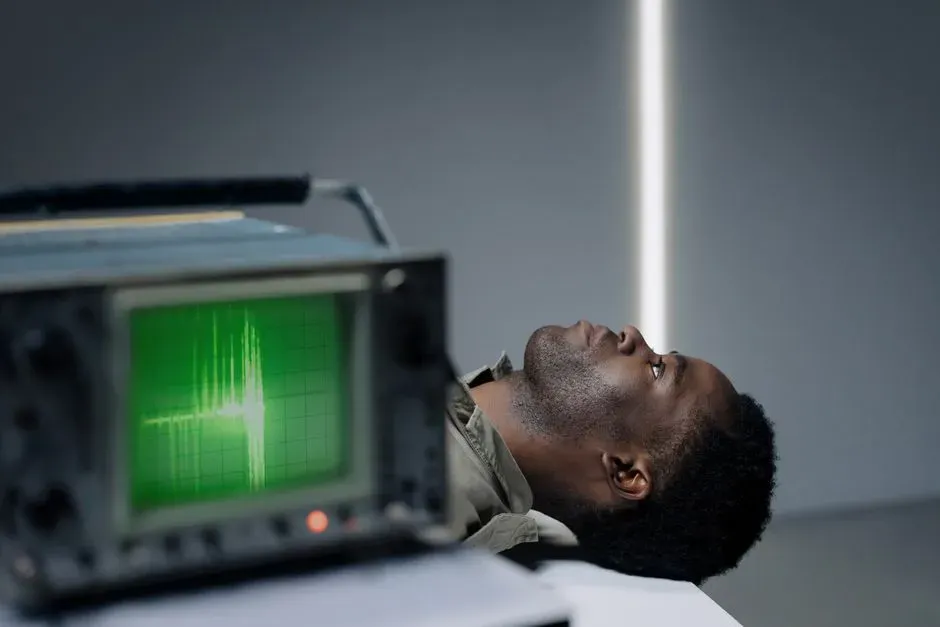
Scientists are still cautious about claiming they have found the single, exact millisecond when consciousness stops, because the brain is messy and people do not all die in identical ways. But they are narrowing in on a window defined by specific patterns: the loss of integrated communication between distant brain regions, the breakdown of certain high-frequency oscillations, and a shift into a state that no longer supports subjective experience. In practice, this often unfolds over tens of seconds to a few minutes, yet certain transitions within that period look like strong candidates for a real boundary.
Some research teams are trying to turn these patterns into objective markers that can be measured at the bedside. That might mean using EEG or other brain-monitoring tools to detect when the brain has passed a threshold where the return of meaningful consciousness is no longer biologically plausible. It is a sobering idea, but also an important one. If you can reliably identify that threshold, it could impact decisions about resuscitation efforts, organ donation timing, and even how we define death in medical and legal terms. Personally, I find it both reassuring and unsettling that the line might be more precise than our language has been.
Ethical and Emotional Stakes: Why This Moment Matters
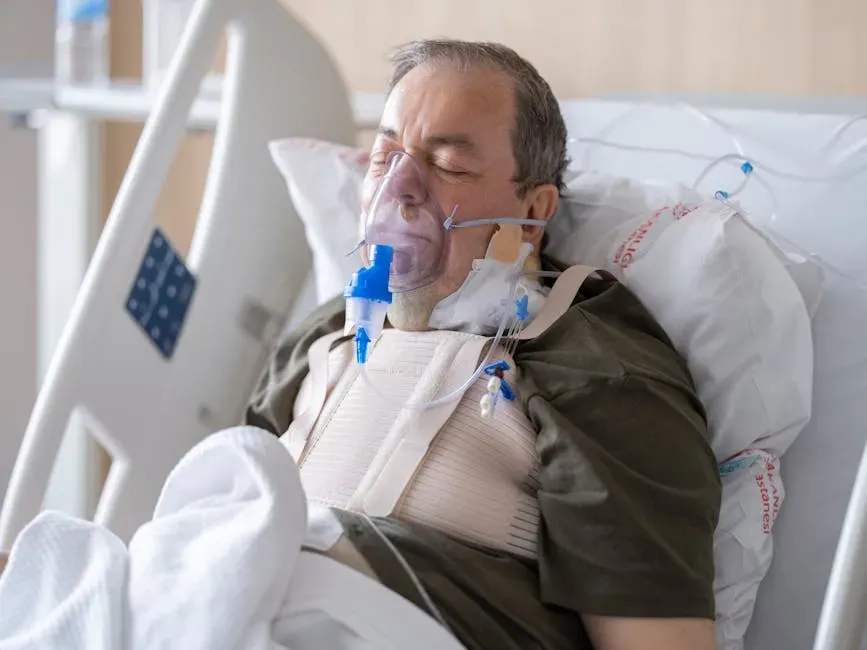
On paper, the discussion of neural oscillations and connectivity can seem cold and technical. In real life, it is anything but. Families agonize over when to withdraw life support, and doctors struggle to answer questions like whether a patient can still “hear” their loved ones. The idea that there might be a definable neurological cutoff – a point where awareness is truly gone – cuts straight into those fears and hopes. It offers a kind of clarity, but it also forces hard conversations about how much we want to know.
There is also a deeper emotional layer: what does it mean for our sense of self if our entire inner universe can vanish with a pattern change lasting just a few seconds? For some, that realization is terrifying, an almost brutal reminder of our biological fragility. For others, it is oddly comforting, suggesting that suffering at the end of life might be shorter and more limited in awareness than we fear. I tend to fall in the second camp; the idea that the conscious “you” might be gone before the worst physical breakdowns occur makes death feel slightly less cruel, even if the science is still evolving.
What We Still Do Not Know (And Why That Is Okay)
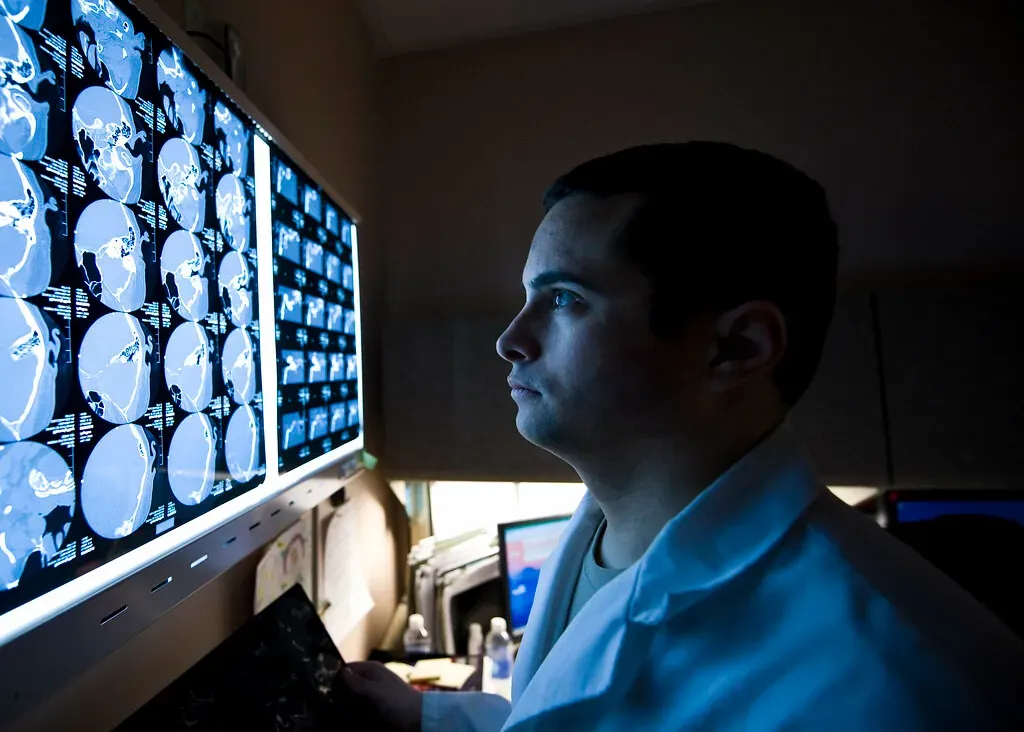
For all the attention-grabbing headlines, we are not at the point where scientists can point to a single brainwave and declare with total certainty: this is the exact instant consciousness ends. Different brains, different injuries, and different conditions complicate the picture. Some people in so-called disorders of consciousness can show hidden signs of awareness on brain scans even when they appear unresponsive. Others lose consciousness more abruptly. That variability is a big reason serious researchers stay careful with their claims.
There is also the simple fact that consciousness is not something we can directly measure; we infer it from behavior and brain activity patterns. So even if we can map the brain’s collapse very precisely, there will always be a gap between the data and the lived, subjective moment of “going dark.” To me, that gap is not a failure of science but a reminder of its limits. We are closing in on the neurological signature of the end of consciousness, but we are probably never going to experience that moment from the outside with the clarity that we crave – and maybe that is part of what keeps the mystery of being alive intact.
Conclusion: A Sharp Edge Between “Here” and “Gone”
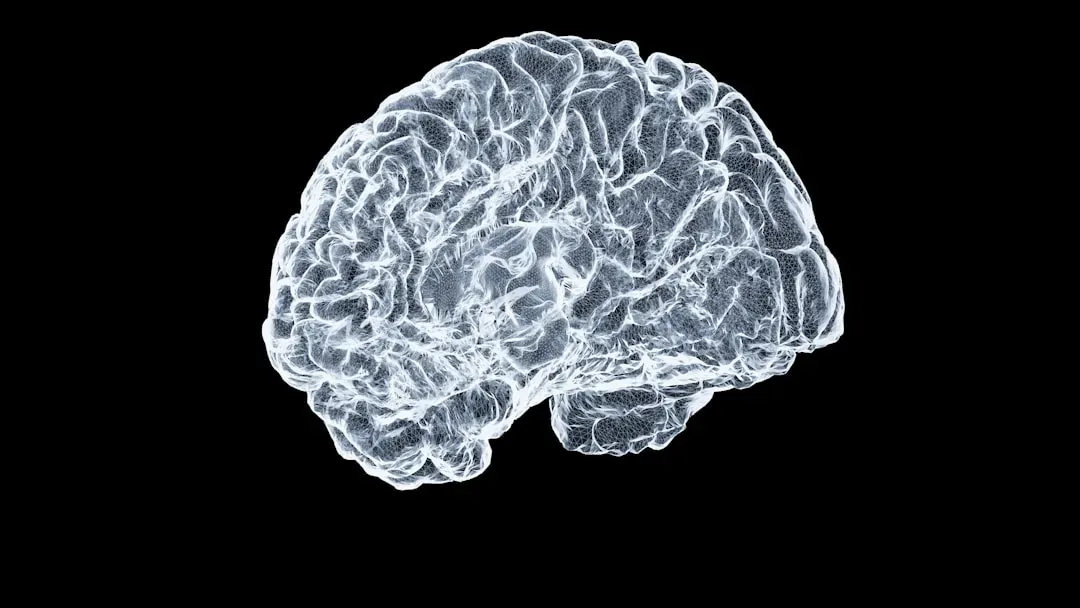
When you pull all of this together, a provocative picture emerges: human consciousness probably does not just drift away. It ends at a relatively sharp neurological edge, preceded by a brief, intense rearrangement of brain activity that might underlie some of the most powerful experiences people report near death. I think it is fair to say that scientists have not nailed down an exact universal timestamp, but they have captured the outlines of that tipping point far more clearly than most of us realize.
My own take is unapologetically opinionated: the more we understand this edge, the more honest and humane we can be about dying. It may turn out that the self we fear losing is already gone before the body’s final struggles, and that near the end, awareness is shorter, stranger, and more compressed than our stories suggest. That does not cheapen spiritual interpretations, but it does ground them in a brain that is still following its own rules even as it fails. And maybe the real question is not when exactly consciousness stops, but how we choose to live knowing that, one day, our own inner world will flip off in a matter of seconds – what would you do differently, if you kept that in mind a little more often?