
Every once in a while you hear a story that stops you in your tracks: someone in a car crash who later says their whole life flashed before their eyes, or a patient brought back after cardiac arrest describing childhood moments they had not thought about for decades. It sounds dramatic, almost cinematic, yet similar reports show up again and again. That raises a hauntingly simple question: why these memories, and why do they feel so incredibly vivid at the edge of life?
I remember sitting in a hospital waiting room years ago, listening to an older man explain how, during a sudden medical crisis, he could smell his mother’s kitchen as if he were standing there again, age seven, hands sticky with jam. He laughed about it, but his eyes were wet. That small story never left me, and it mirrors what many people quietly describe after near-death experiences: not abstract thoughts, but sharp, emotionally loaded fragments of their past. Let’s unpack what science, psychology, and a bit of honest human experience can tell us about why certain memories seem to burn brighter as life hangs in the balance.
The Brain Under Threat: Why Survival Mode Supercharges Memory
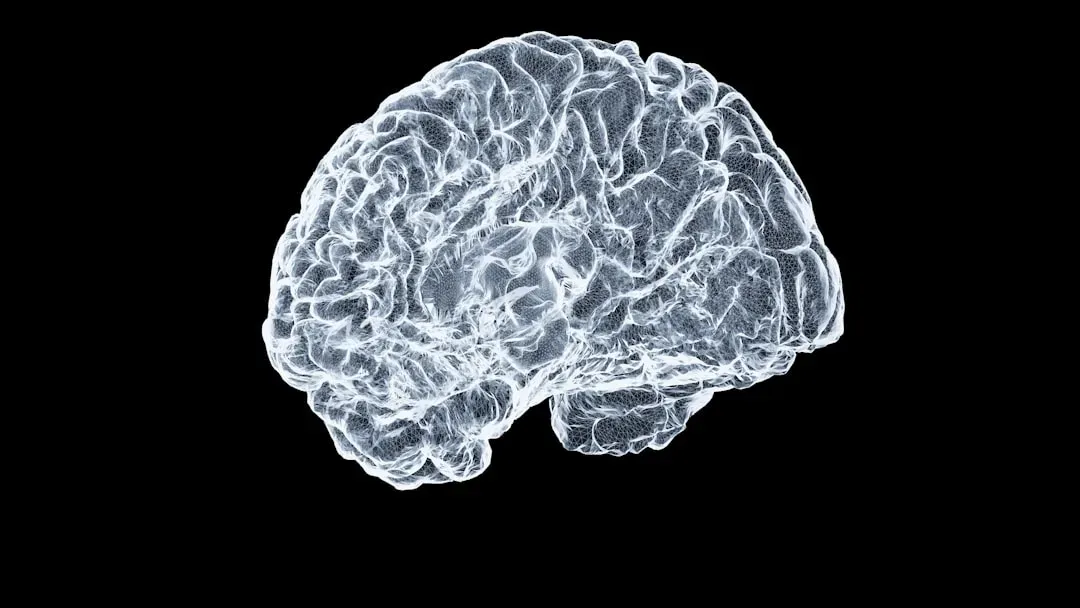
When the brain senses mortal danger, it does not stay calm and philosophical; it slams into survival mode. Heart rate spikes, stress hormones like adrenaline and noradrenaline surge, and ancient neural circuits kick in to decide what matters most, right now. In that storm, memory systems tied to emotional significance and danger become especially active, as if the brain is flipping through a rapid-access archive of what has kept you alive before. It is not polite, chronological remembering; it is triage.
This emergency state may help explain why some people describe time slowing down during accidents or medical crises. The brain is not literally changing time; it is changing the density and priority of what you notice and encode. The more intensely your attention narrows, the more certain details and memories can feel seared into awareness. Near death, the system built to help you survive a predator, a fall, or a fight suddenly has to face something far larger: the possibility that this might be the last moment it ever has to learn or act.
Emotional Hotspots: Why Childhood and Turning Points Come Rushing Back

One of the most striking patterns in near-death memories is how often they center on emotional hotspots: childhood scenes, first loves, moments of shame, turning points, unresolved conflicts. These are not random snapshots; they are chapters where your nervous system learned big lessons about who you are, who matters to you, and what is dangerous or safe. The brain tends to store rich, multi-sensory information around such events, making them more likely to stand out when the system is under extreme stress.
Think about your own life for a second: the first time you felt genuinely seen by someone, or the day everything went off the rails. Those memories are like landmarks on your internal map. When the brain faces a life-or-death threat, it seems to reach for these landmarks, maybe to evaluate what is at stake or to check, in a split second, whether there is anything left to fix or protect. That is one reason people often report not just scenes, but surges of regret, gratitude, or unfinished business tied to those intense memories.
Life Review or Brain Glitch? What Near-Death Research Actually Suggests
Popular culture loves the idea of a perfect, orderly “life review,” like a highlight reel played by some mysterious cosmic projector. Real reports are messier and more human than that. Some people do describe sweeping, panoramic reviews of many life events, but others recall only a handful of sharp scenes, or none at all. The common thread is not a complete biography; it is the intensity and emotional weight of the memories that do appear. That suggests the brain is not playing your whole story, only the parts it has tagged as heavily meaningful.
Researchers looking at near-death experiences have gathered many consistent themes, but the causes are still under active debate. Lack of oxygen, surges in brain activity right before or after cardiac arrest, neurotransmitter imbalances, and psychological factors all likely play a role. The honest answer is that we do not yet have a neat, single explanation, and anyone who claims otherwise is overselling the science. What we do know is that many people’s experiences are coherent, deeply felt, and often transformative, even when the underlying biology is still being pieced together.
The Role of the Amygdala and Hippocampus: Memory’s Emergency Team
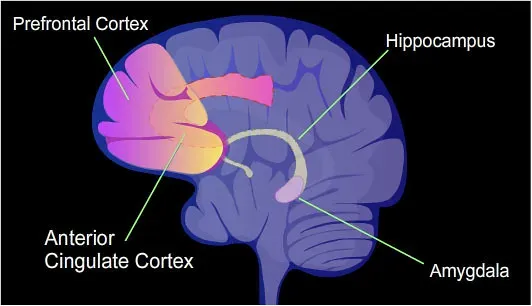
Two brain regions sit at the center of this puzzle: the amygdala and the hippocampus. The amygdala is heavily involved in detecting threat and tagging emotional significance, while the hippocampus helps form and organize new memories in context. Under extreme stress or fear, the amygdala becomes highly active and can amplify the encoding or retrieval of emotionally charged memories. That is one reason people remember where they were during a traumatic event with painful clarity, even years later.
Near death, when stress hormones flood the system, this amygdala–hippocampus partnership may light up particular old memories that were laid down with strong emotional tags. It is as if the brain is suddenly prioritizing files marked urgent, important, painful, or precious. Instead of calmly browsing the whole archive, it jumps straight to the folders labeled do not forget. This can make certain scenes feel unbelievably crisp and immediate, even if they had been quiet or buried in everyday life for decades.
Time Distortion and “Life Flashing Before Your Eyes”

The classic phrase about life flashing before your eyes is dramatic, but underneath it sits a genuinely weird and fascinating phenomenon: altered time perception. Under intense fear or shock, many people report that everything seems to move in slow motion, while their thoughts speed up. A second can feel stretched; tiny details stick out like they are under a spotlight. That kind of compression and expansion makes it easier to cram more thoughts and memories into a short physical window of time.
Instead of imagining a literal movie reel, it can help to think of a frantic mental collage. The brain, flooded with urgency, may sample many memories extremely quickly, focusing especially on ones that relate to danger, love, identity, and unfinished tasks. Later, when people try to describe this scrambled, high-speed experience in normal language, it comes out as a “life review” or a feeling that “everything” came back. In reality, it was probably a dense cluster of highly charged moments stitched together by a mind trying to make narrative sense of chaos.
Culture, Belief, and the Stories We Use to Make Sense of the Edge
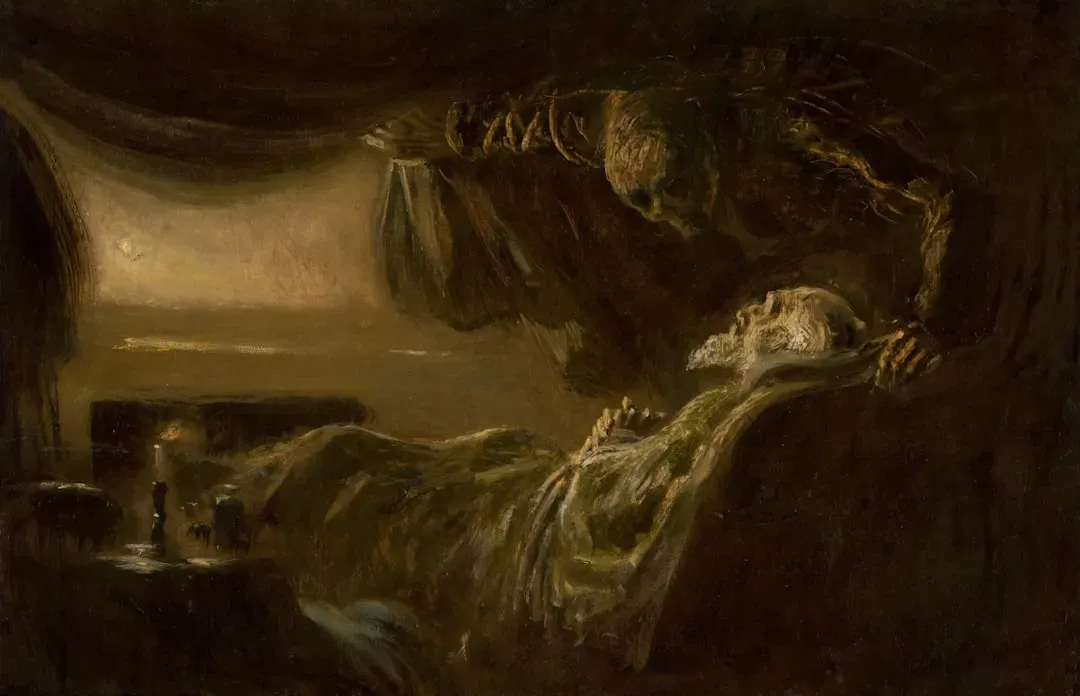
Not all near-death memories look the same, and culture plays a quiet but powerful role in shaping what people notice and how they interpret it. Someone raised on stories of judgment and moral accounting might frame their memories as being evaluated, while someone with a more secular mindset might talk about their brain quickly organizing what mattered. The raw ingredients – intense emotion, vivid memories, altered time, a sense of significance – can be similar, but the story we tell about them is heavily colored by what we have been taught to expect.
That does not make the experiences fake; it simply shows that the brain is both a biological organ and a storyteller. At the edge of life, it reaches for familiar narrative tools to make sense of overwhelming sensations. For some, that brings comfort; for others, it raises new questions about meaning and purpose. I think it is worth respecting both sides: the hard science that tries to map the circuitry, and the subjective, lived reality of people who walk up to the edge and then, somehow, make it back to tell us what it felt like.
What Intense Near-Death Memories Mean for How We Live Now

There is a slightly uncomfortable implication hiding in all this: if certain memories leap out near death because they are emotionally charged, unresolved, or central to our identity, then those are probably the same memories quietly shaping our choices right now. You do not need a car crash or a medical crisis to know which moments still have a grip on you; you can usually feel it in what you avoid, what you daydream about, and what still makes your stomach drop. The brain is constantly ranking and re-ranking experiences, even if we only notice the list when everything is on the line.
People who survive near-death events often report a shift in priorities afterward – more focus on relationships, less patience for trivial drama, a sharper sense of what actually matters. While not everyone has a dramatic transformation, the pattern shows up often enough that I take it seriously. To me, it suggests that those intense memories are not just odd brain glitches; they may be a kind of emotional audit, revealing in a few raw flashes what truly mattered all along. The uncomfortable question is why we wait for a crisis to pay attention to that list.
Opinionated Take: A Final Surge of Meaning, Not Just a Malfunction

My own view is that these intense near-death memories are not simply the brain failing; they are the brain doing what it has always done, turned up to maximum volume. Under threat, it races to pull together the most important data it can find: who you love, what you regret, what you learned, what you still wish you could change. You can call that a life review, a survival reflex, or a last-ditch attempt to make sense of existence. Whatever the label, it looks less like random static and more like a frantic, final surge of meaning-making.
We should be careful not to romanticize or weaponize these experiences, but we also should not shrug them off as meaningless noise. If the brain, at its most desperate, shines a spotlight on specific memories and themes, that says something about what it has been quietly tracking all along. Maybe the real value is not in trying to decode the exact mechanics at the edge of death, but in listening to what those stories are telling us about how we are living now. If your life did flash before your eyes tonight, which moments do you think would show up first – and are you okay with that list?