There is a strange, almost electric moment when you suddenly see the face of someone you loved who has died. Maybe it is a stranger on the street with the same walk, an old photo hidden in a drawer, or their name glowing unexpectedly on a screen. Your heart jumps first, before your mind catches up. For a split second, it feels like reality has cracked and they might still be here.
That moment is not just “in your head” in the casual sense. It is literally your brain firing up old maps of this person, replaying emotional memories, and trying to make sense of a world where they are gone but still deeply wired into your nervous system. When you understand what is happening in your brain during these encounters, some of that confusion and pain can start to feel a little less like madness and a little more like biology plus love.
Your Brain’s Face-Recognition System Fires Before Reality Sinks In
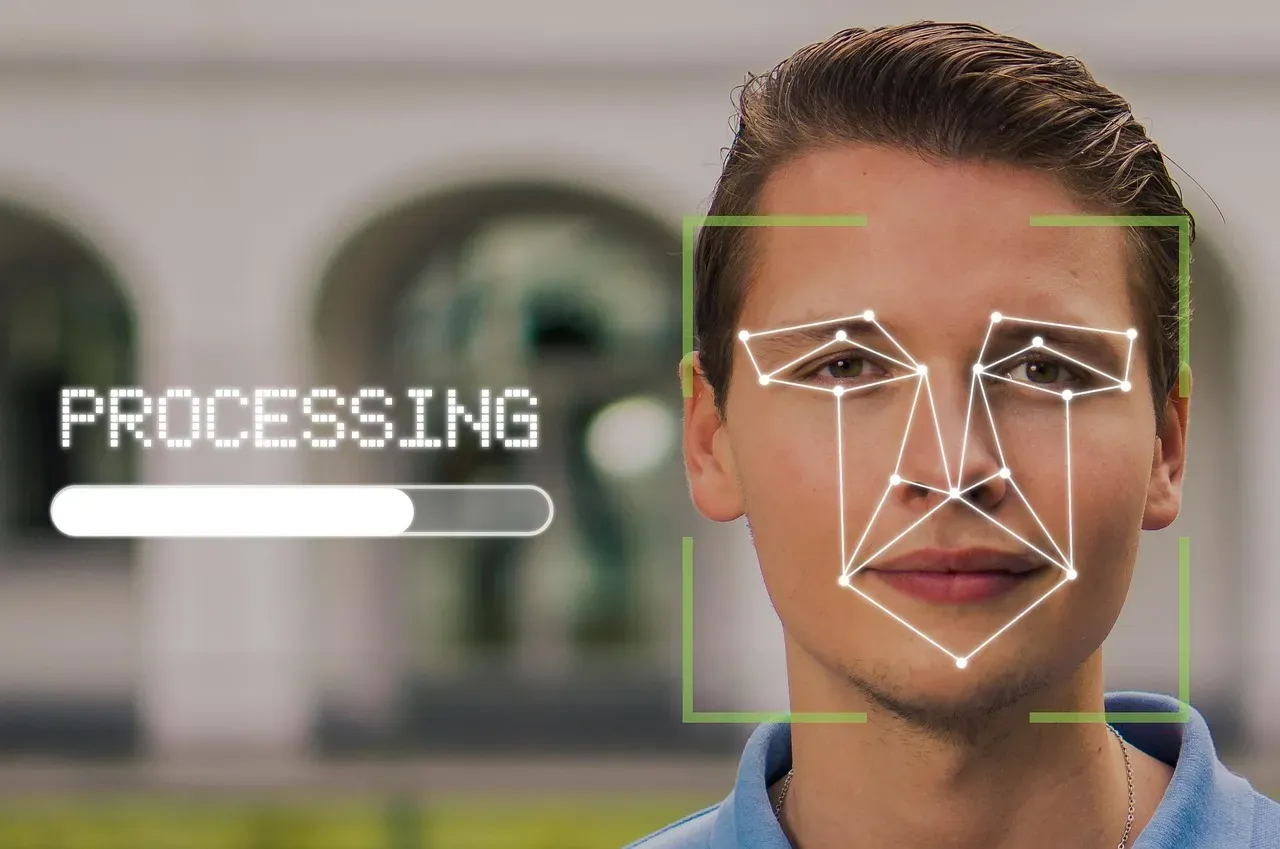
When you think you see someone you loved who has died, the first thing that reacts is your visual recognition network, not your logical mind. Areas in your temporal lobe that specialize in recognizing faces, especially a region called the fusiform face area, light up incredibly fast. You have trained these circuits over years to spot that exact face in crowds, in bad lighting, from the corner of your eye. They are so efficient that they sometimes react before there is time to check whether what you saw is even possible.
That is why, for an instant, you might feel absolutely sure it is them, even if they died months or years ago. Your brain is running on a kind of emotional auto-complete. It sees a shape, a profile, a gesture, and instantly fills in the rest with the person you lost. Only after this snap recognition do slower regions of your frontal cortex step in and correct the mistake, like a friend gently tapping you on the shoulder and reminding you what really happened.
Your Emotional Memory Network Replays the Love Like It Is Happening Now

Seeing someone who looks like your person does not just trigger visual areas. It also wakes up the emotional memory system buried deep in your brain, especially the amygdala and the hippocampus. These areas store not only facts about your loved one, but the emotional charge of your history together. A single glimpse can pull up the way their voice sounded, how their clothes smelled, or the feeling you had the last time you saw them.
Because your brain is built to prioritize emotional memories, these old feelings can rush in with surprising force. You might feel a wave of longing, shock, or even anger rise in your chest faster than you can explain it. From the inside, it can feel like grief has suddenly reset to day one, but what you are really experiencing is your memory network reactivating as if the past moment is happening in the present tense.
Your Stress and Threat Systems Briefly Act Like You Are in Danger

Grief is not only sadness; your brain also codes it as a kind of threat or loss of safety. When you suddenly think you have seen someone who died, your body often jolts the way it does when you narrowly avoid a car accident. Stress-related systems, including the hypothalamus and brainstem circuits that control heart rate and breathing, are ready to respond to anything that feels shocking or out of place.
This is why your heart might pound, your stomach might drop, or you might feel slightly dizzy or unreal for a few seconds. Your brain learned that this person was gone, filed it under the category of major life disturbance, and then, for a moment, it looks like that reality is being challenged. That mismatch between what you see and what you know can briefly register as a kind of alarm, even if there is no real danger at all.
Your Prediction System Struggles to Reconcile “They Are Gone” With “I See Them”

One of the most important things your brain does is predict what should happen next in your life. Once someone you love dies, your brain works hard to update its predictions: you stop expecting them to walk through the door, call your phone, or appear in old familiar places. This updating process involves networks in your frontal cortex and parietal regions that constantly compare what you expect with what actually happens.
When you suddenly see someone who looks exactly like them, this prediction system hits a glitch. On one side, you have a firmly learned fact: they are dead. On the other side, your senses insist they are right in front of you. For a brief instant, your brain holds both realities at once, and that conflict can feel surreal, disorienting, or even a bit supernatural. Eventually, the logical prediction model wins and you recognize the stranger, but the emotional echo of that clash can stay with you for hours.
Your Attachment Circuits Light Up as if the Bond Is Still Physically Real
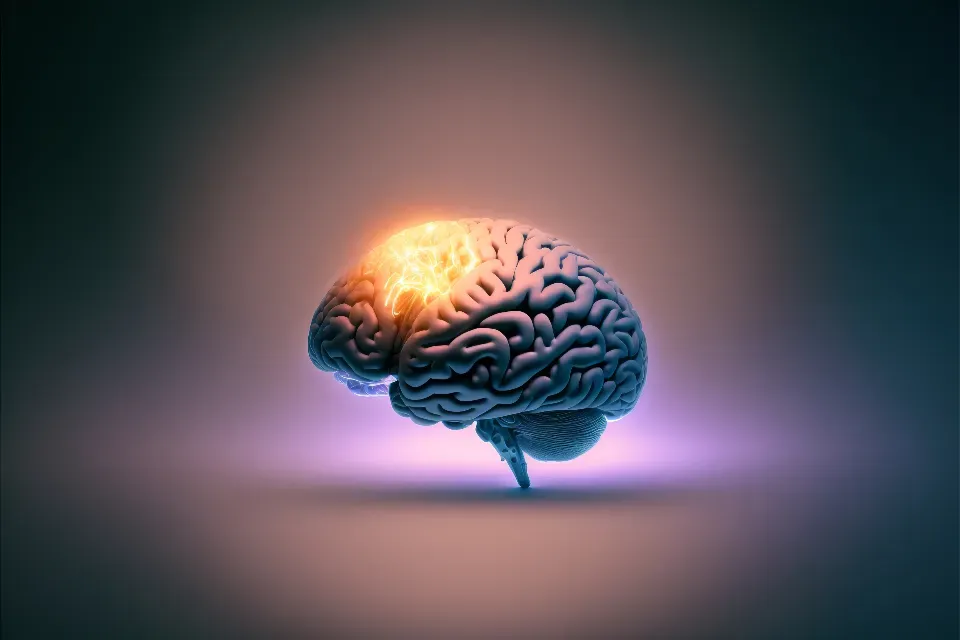
Love does not disappear when someone dies; the attachment circuitry in your brain that formed the bond is still very much alive. Areas involved in attachment and reward, such as parts of the striatum and orbitofrontal cortex, are wired to treat this person as a critical figure in your emotional world. The brain does not neatly file them under “former person”; it keeps treating them as relevant to your safety, comfort, and identity.
So when you think you have spotted them, those attachment circuits can flare up like a signal flare in the night. You might feel an urge to move toward them, call their name, or suddenly speak to them in your mind. Even once you realize your mistake, that glow of connection can linger. In a way, your brain is revealing something compassionate and honest about you: your system is still built to love them, even if your rational mind knows they are gone.
Your Brain Quietly Tries to Heal by Integrating the Shock Into Your Grief

As unsettling as these moments are, they can also be part of how your brain slowly adjusts to loss. Each time your brain misidentifies someone, corrects itself, and you survive the emotional surge, your prediction system is doing another round of learning. Over time, many people notice that these jolts happen less often or feel slightly less overwhelming. That is not a betrayal of your love; it is your nervous system slowly finding a new stable ground.
You may even find that these encounters eventually carry a bittersweet quality rather than pure pain. Your brain learns to hold two truths at once: this person is gone, and yet they continue to live in your circuits, your habits, your choices, and your memories. Every mistaken sighting becomes another thread in the fabric of your ongoing relationship with them, a relationship that has changed form but not vanished.
Conclusion: Your Brain Proves Your Love Was Real
The next time you think you see someone you loved who died, you can remember that you are not losing your mind. You are watching a very human brain do its best with an impossible task: adapting to a world where someone deeply woven into your neural wiring is no longer physically here. From the first flash of recognition to the ache in your chest and the eventual correction, every step of that process is a sign of how powerfully you were bonded.
In a strange way, these moments are evidence that love leaves a physical footprint in your brain that does not just disappear with a death certificate. Your cells remember, your circuits remember, and your sense of self remembers. It hurts, because it mattered. And as your brain slowly rewrites its maps, you get to decide how you want to carry that person forward in your life. What new shape will that love take for you now?