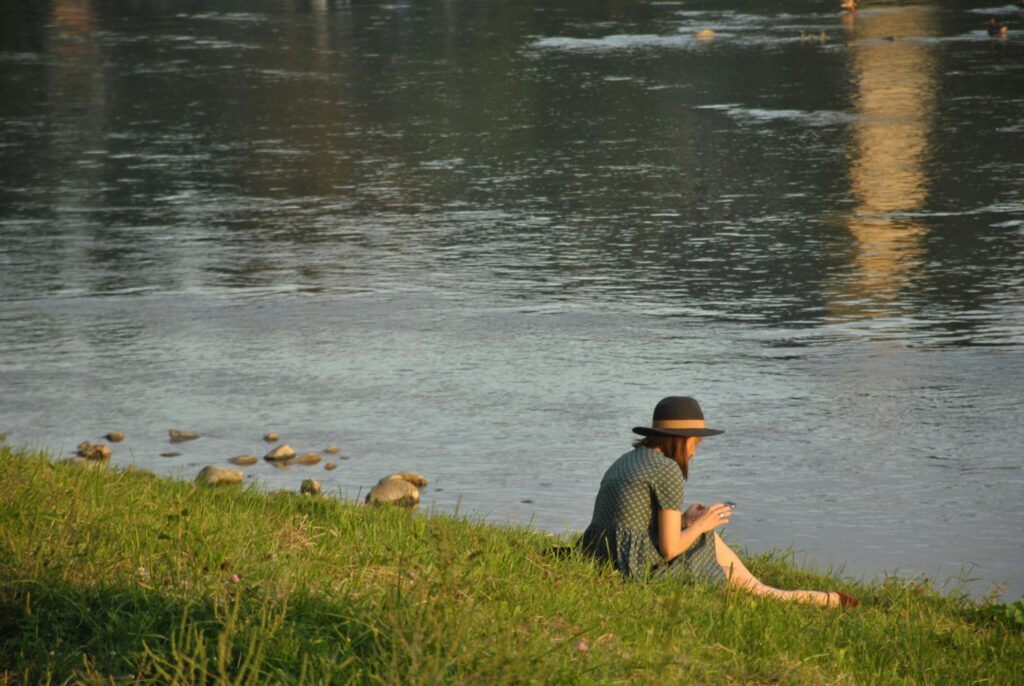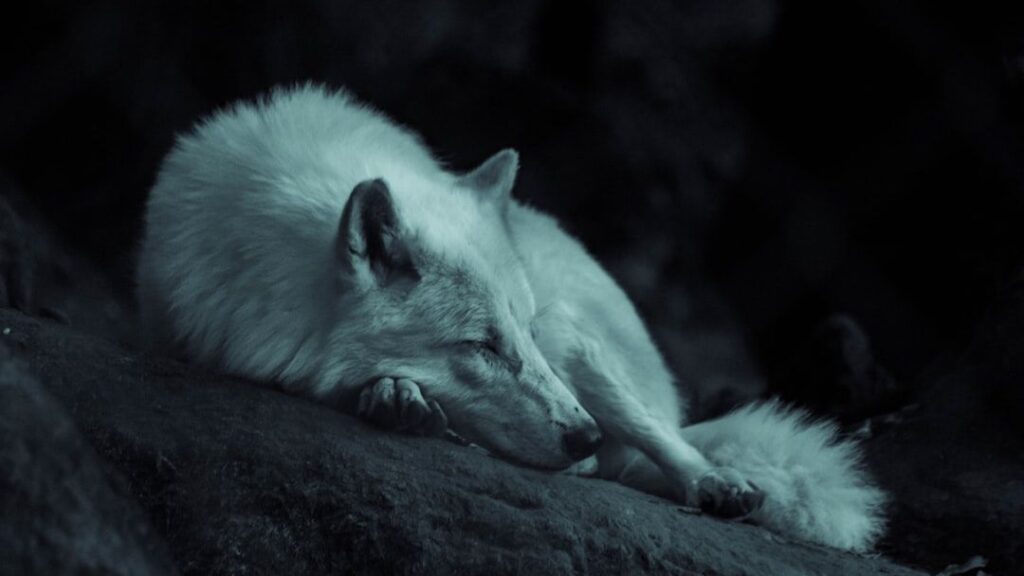

Imagine being pushed out of every group chat, ignored at work, and suddenly eating lunch alone every day. That jolt of loneliness you feel is not just emotional drama; it shows up in your body as real, measurable biological stress. Now picture the wild version of that: a wolf, separated or rejected from its pack, suddenly cut off from the social web that keeps it alive. Scientists studying wolves and other highly social animals are finding something both haunting and strangely comforting: the biology of social pain looks eerily similar across species.
In other words, when a lone wolf howls into the dark, its body may be going through changes that are surprisingly close to what happens to a human who feels left out, isolated, or abandoned. Hormones spike, stress systems kick into gear, and long-term health risks begin to creep in. That overlap between wild wolves and modern humans raises a provocative question: if social isolation can reshape the inner chemistry of a wolf, what does that say about what loneliness is doing to us?
The Social Life of Wolves: More Than a Pack of Hunters
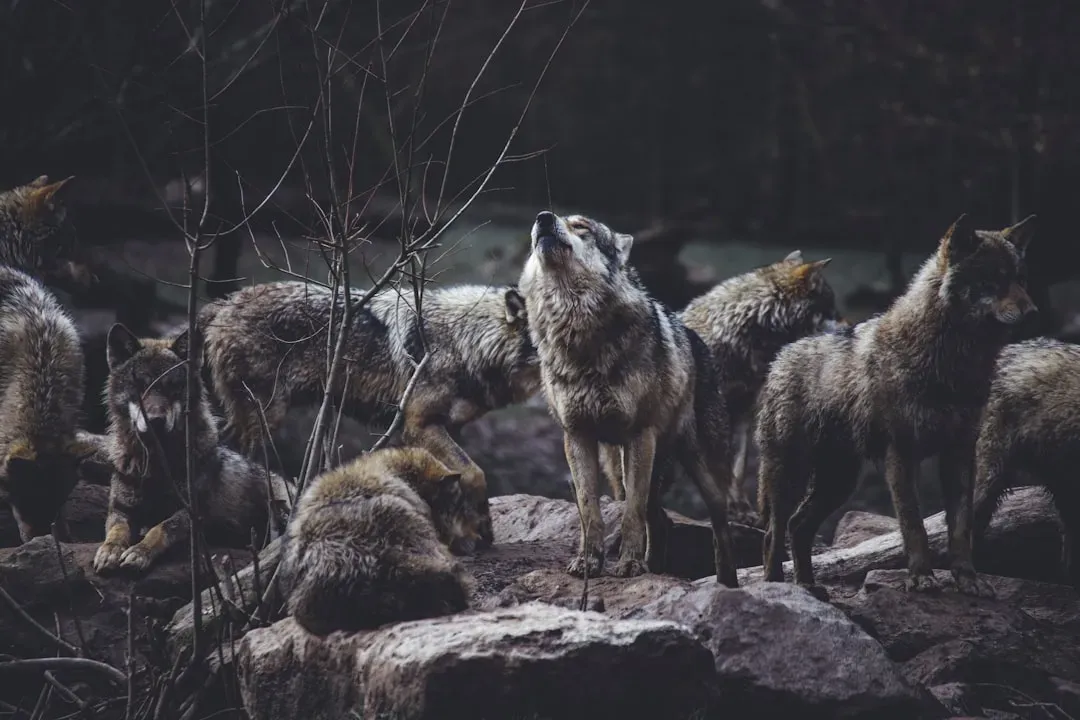
It is easy to think of wolves as ruthless predators, but in reality they are intensely social family animals. A typical pack is often built around a breeding pair and their offspring from several years, with complex roles like babysitters, hunters, and sentinels. Cooperation is not a nice extra; it is the backbone of survival. Pups rely fully on adults to feed them, adults rely on each other to hunt large prey, and the group relies on constant communication to defend territory.
Because of this tight-knit structure, being in a pack is not just a convenience for a wolf, it is almost everything. Inside that social network, a wolf has protection from rivals, shared warmth in winter, and a predictable access to food that no lone animal can easily match. The pack also offers something we might recognize in ourselves: social reassurance, grooming, play, and the familiarity of known companions. When that web is broken, it is not just geography that changes, it is the entire emotional and physiological context of that animal’s life.
When a Wolf Becomes a Lone Wolf: Rejection, Dispersal, and Loss
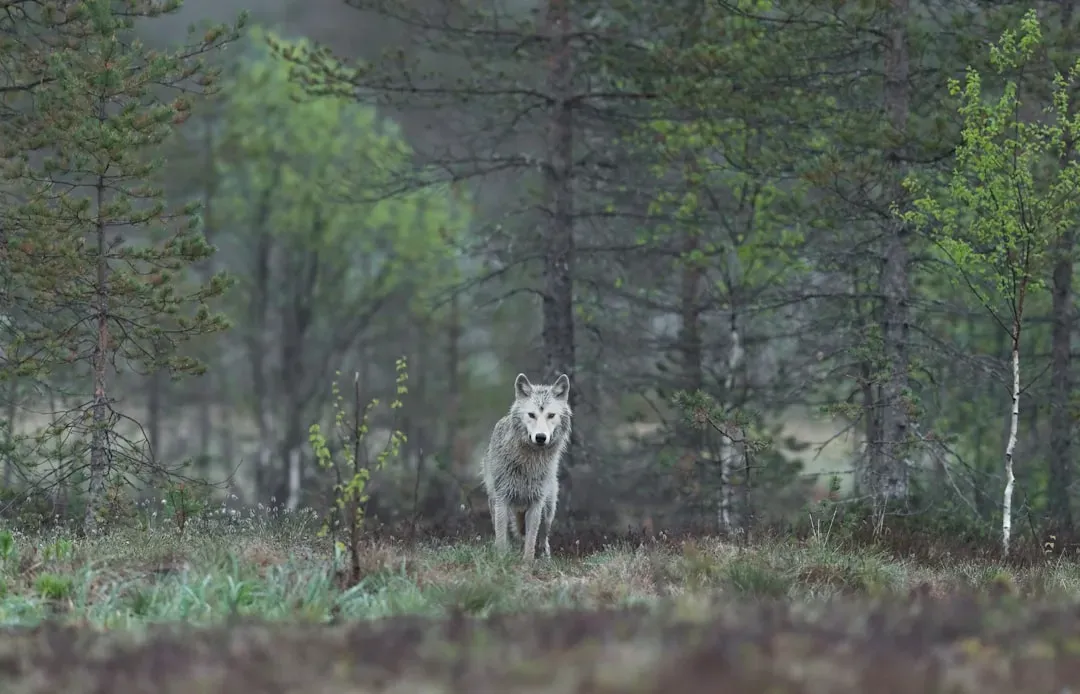
Not every wolf leaves its pack in the same way. Sometimes young wolves disperse on their own, pushed by natural instincts and subtle social pressures to go find a mate and start a new group. In other cases, conflict, defeat, or internal tension can lead to more abrupt, harsher forms of exclusion, where a wolf is essentially forced out. To an outside observer both situations may look similar, but the psychological and hormonal consequences can be very different.
In more peaceful dispersal, the underlying stress response might be relatively short-lived, more like the nerves you feel starting a new job or moving to a new city. But in harsh rejection, the animal can experience something closer to what humans describe as being ostracized: a sudden loss of social support, a rise in anxiety, and a longer period of unstable living. Out there alone, a wolf has to hunt smaller prey, travel more, and stay hyper-alert. Biologically, that means stress systems are activated more often and for longer stretches of time, especially in those first critical weeks and months.
The Stress Chemistry Behind Social Isolation in Wolves
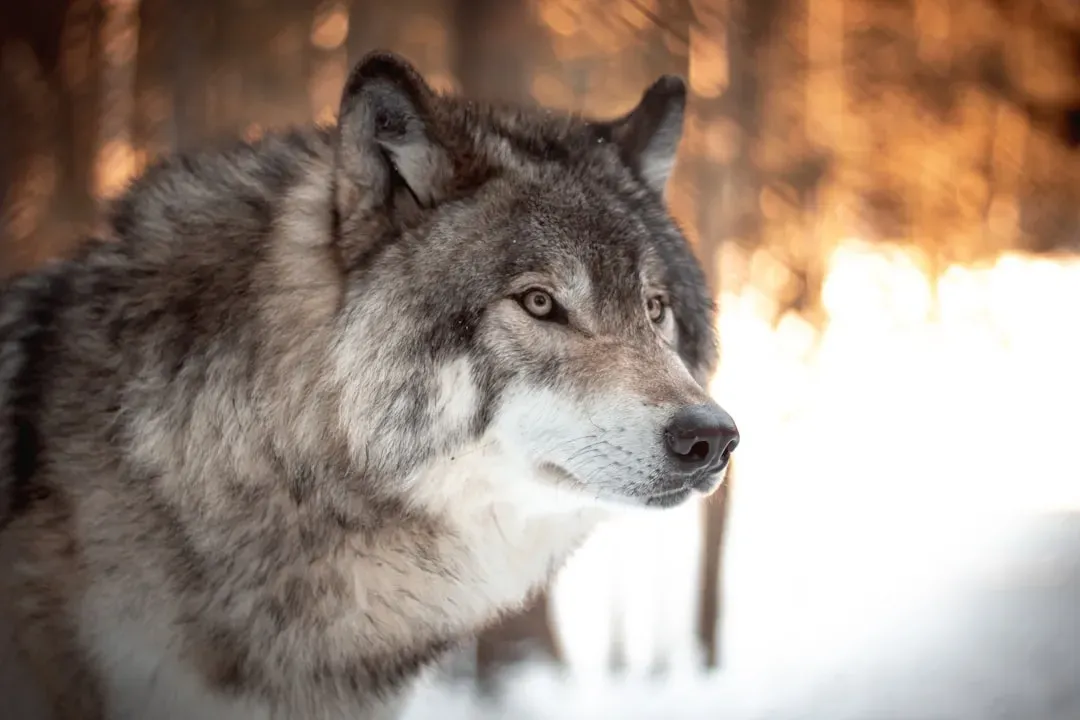
When a wolf is rejected or separated from its pack, one of the first systems to react is its hypothalamic–pituitary–adrenal (HPA) axis, the same core stress pathway humans rely on. This system controls the release of hormones like cortisol, which help the body respond to danger by sharpening attention, mobilizing energy, and temporarily changing how other systems function. Researchers studying wild and captive wolves have found that social disruption, such as changes in pack membership, loss of partners, or isolation, tends to be linked with elevated stress hormone levels.
This rise in hormones is not automatically harmful; in the short term, it helps a displaced wolf cope, travel further, and react quickly. The problem starts when isolation drags on, and those stress signals never really quiet down. Over time, chronically high stress hormones can weaken the immune system, affect reproduction, and interfere with normal behavior. You can think of it like driving a car with the engine constantly revving too high. It will run fast for a while, but eventually something starts to wear out.
How Wolf Stress Mirrors Human Loneliness in the Brain and Body
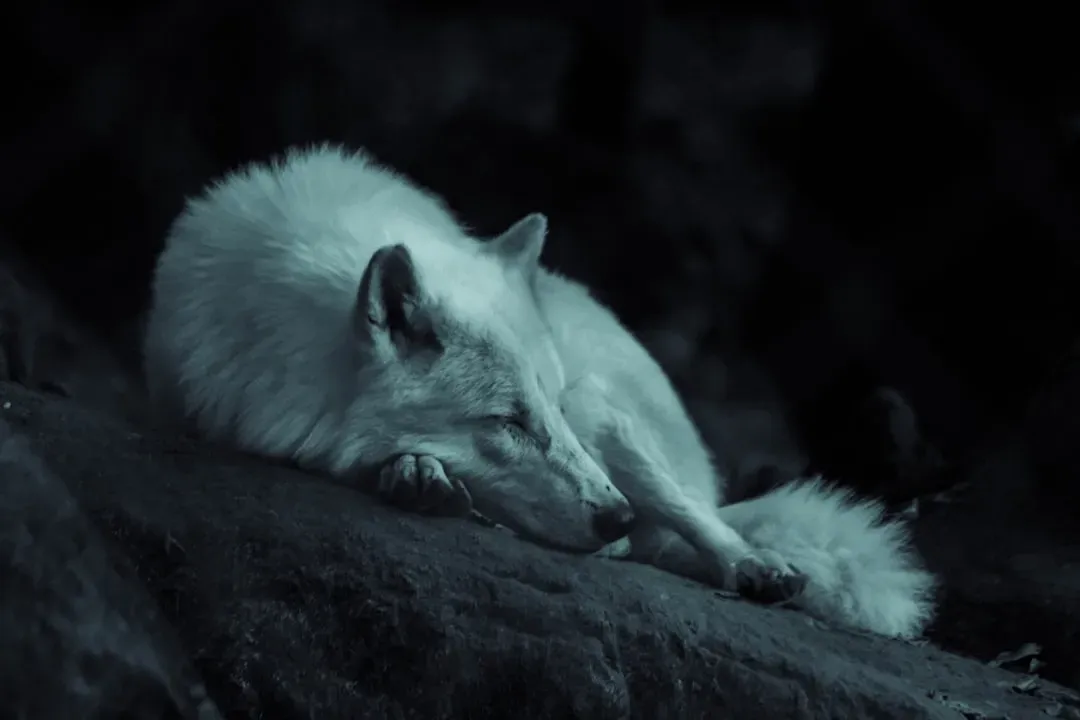
What makes this story powerful is not just that wolves get stressed, but that the pattern of that stress looks so much like what we see in isolated humans. In people, social isolation and chronic loneliness are associated with elevated stress hormones, disrupted sleep, higher inflammation, and increased risk of conditions like heart disease and depression. The basic circuitry that reacts to social threat in humans is deeply rooted in mammalian biology, and wolves share a substantial part of that ancient design.
When a wolf is cut off from its pack, the body essentially treats that social break as a survival threat, much like a human brain reacts when someone feels rejected by friends or refused by a community. In both species, stress hormones can alter appetite, dampen pleasure, and heighten vigilance, making it harder to relax and recover. The parallel is uncomfortable but revealing: social connection is not just a nice add-on for either wolves or humans. It is wired into our biology so strongly that losing it can make our bodies behave as if we are under attack.
Behavioral Signs: Anxious Wolves and Withdrawn Humans
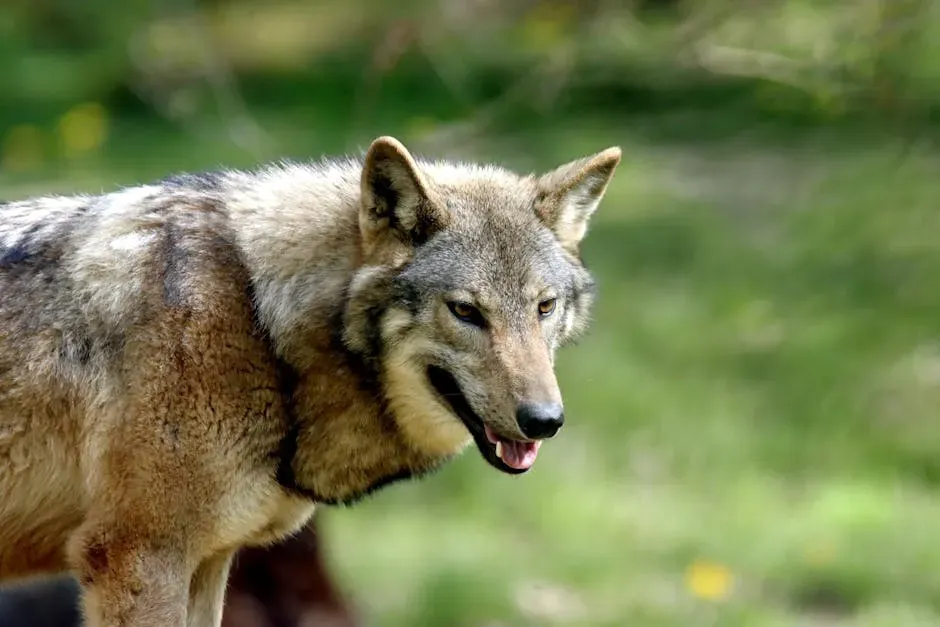
The chemistry of stress does not stay hidden in the bloodstream; it spills out into behavior. Wolves that lose their pack or are socially destabilized may become more restless, vocal, or cautious. Lone wolves often travel long distances, change their patterns of activity, and can appear more skittish around unfamiliar threats. Some may also show changes in grooming, feeding, or play, all subtle signs that their internal state has shifted.
Humans going through isolation or rejection show their own behavioral echoes. People who feel socially cut off may withdraw further, sleep at odd times, lose interest in hobbies, or cling to screens as a form of substituted connection. From the outside, a lonely person scrolling late at night and a lone wolf pacing under the trees might not look alike, but the underlying story is similar: the nervous system is searching for safety and contact, and struggling to find it. Those parallel patterns make it harder to dismiss loneliness as just a mood; it is closer to a long-lasting survival alarm.
Health Consequences: From Short-Term Stress to Long-Term Damage
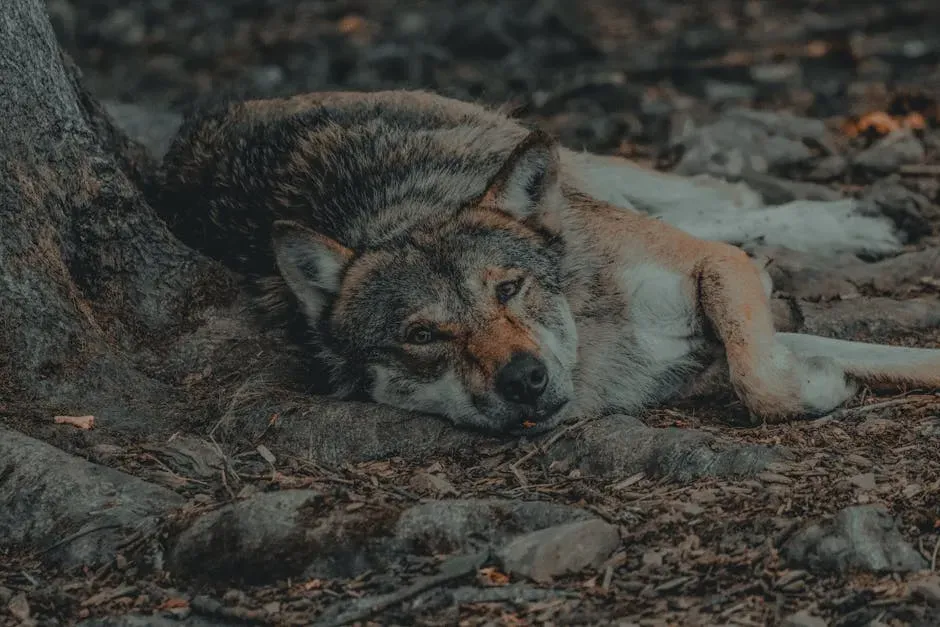
Short bursts of stress can be useful, but chronic stress is a different creature entirely. In wolves, prolonged social instability or isolation can contribute to reduced reproductive success, impaired immune responses, and vulnerability to disease. For an animal that already faces harsh winters, food scarcity, and territorial battles, carrying an extra burden of biological strain can be the difference between thriving and barely getting by. The wolf’s body is stuck living in a world it reads as unsafe, even long after the initial event of rejection.
Humans are not spared from this pattern. Long-term loneliness and social isolation have been linked to higher risks of cardiovascular problems, metabolic disorders, weakened immunity, and mental health challenges. The body seems to treat long-standing social disconnection as a kind of chronic threat, constantly nudging stress systems to stay switched on. That is part of why feeling rejected or chronically alone can be exhausting in a way that goes beyond emotion. Our biology is paying a price in the background, quietly and steadily.
Why Our Shared Biology With Wolves Should Change How We See Loneliness
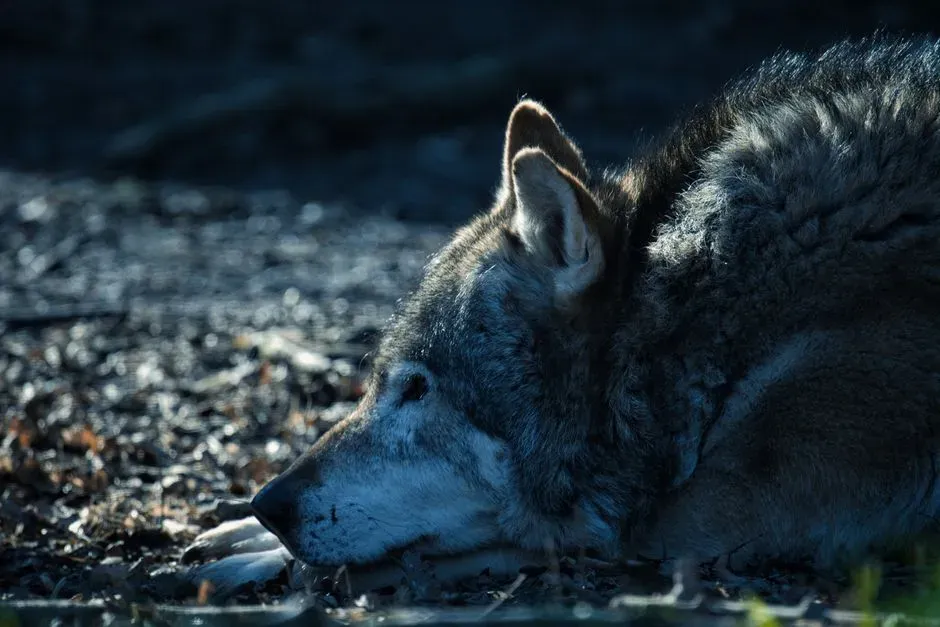
To me, the most striking part of all this research is what it says about the nature of connection itself. If wolves, living in forests and tundra, have stress responses to social rejection that look so similar to ours, then loneliness is not just a side effect of modern life or social media. It is a deep mammalian experience, carved into the nervous system long before there were office parties or group chats. Social bonds are not optional extras for animals like us and them; they are central survival tools.
This shared biology should make us rethink how casually we sometimes treat social exclusion, bullying, or prolonged isolation, whether in schools, workplaces, or communities. When someone is pushed out or left behind, their body may be reacting in ways similar to that lone wolf suddenly forced to fend for itself. Recognizing this does not magically fix loneliness, but it does make it harder to dismiss. Ignoring social pain starts to look less like toughness and more like neglecting a fundamental health need.
What Wolves Can Teach Us About Protecting Each Other
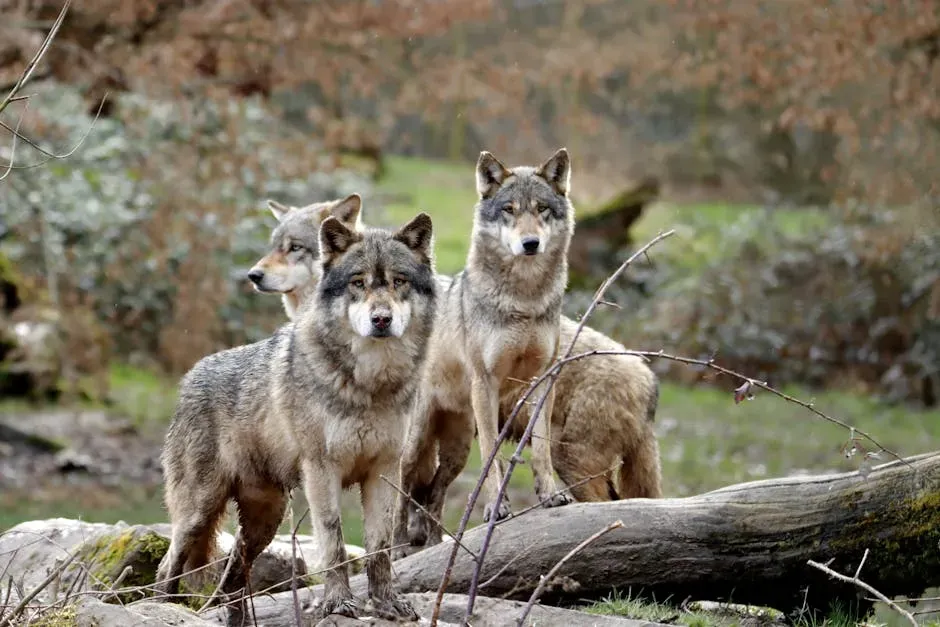
There is an odd comfort in knowing that our reactions to isolation are not a personal flaw but part of a shared animal story. Watching how wolves rely on their packs to raise young, hunt effectively, and survive hard seasons highlights how much strength lives in connection. When packs are stable and cooperative, individuals are healthier, safer, and more successful. That is not so different from the way supportive families, friend groups, or communities cushion humans against life’s shocks.
For us, the lesson is both simple and demanding: treating social bonds as serious health assets, not just soft extras, is a smart strategy. Checking in on the person who seems withdrawn, making time for real conversations, and building spaces where people are less likely to slip through the cracks is not just kindness, it is preventive care. If wolves pay a steep physiological price for being cast out, then so do we. Pretending otherwise might feel stoic, but it flies in the face of what our biology has been saying for a very long time.
Conclusion: The Lone Wolf Myth vs. The Cost of Being Alone
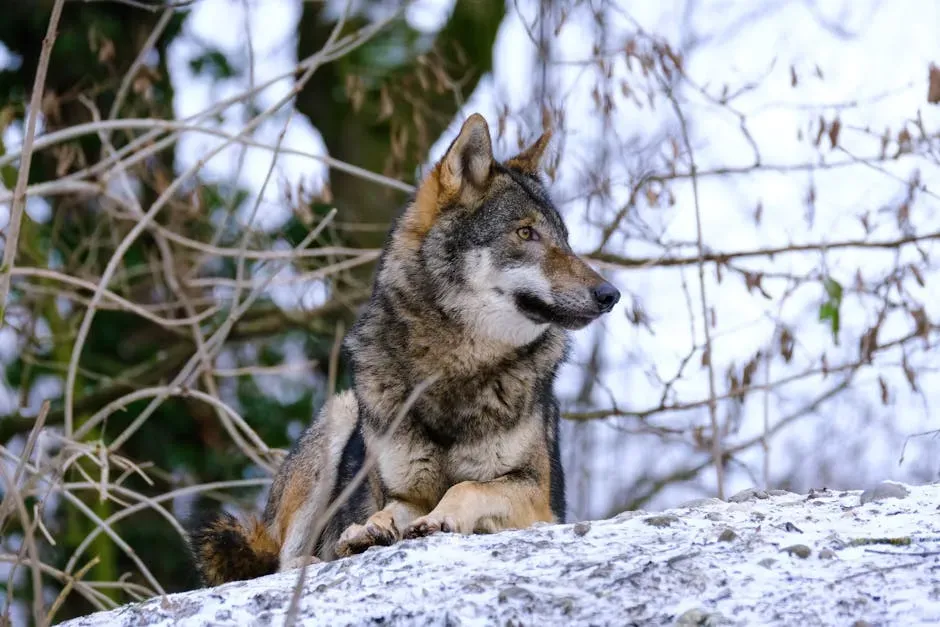
The romantic idea of the lone wolf wandering free across the wilderness has always sounded a bit heroic, but science paints a more sobering picture. A wolf separated or rejected from its pack is often not liberated; it is stressed, vulnerable, and fighting an uphill battle that its own hormones confirm. In a very real sense, its body is echoing the internal chaos humans feel in social isolation, from relentless stress signals to long-term health risks. That parallel blurs the line between wild animal and modern person in a way that is hard to ignore.
My own view is that we should finally retire the lone wolf as an ideal and admit that most of us, like them, are built for packs. Craving connection is not weakness; it is wiring. When a friend says they feel isolated or left out, the science suggests we should hear more than just words: we should hear a nervous system under strain, a body paying a cost. If wolves can teach us anything here, it is that real strength is less about going it alone and more about the courage to admit we actually need each other. Knowing that, the real question is: how often do we act like it truly matters?