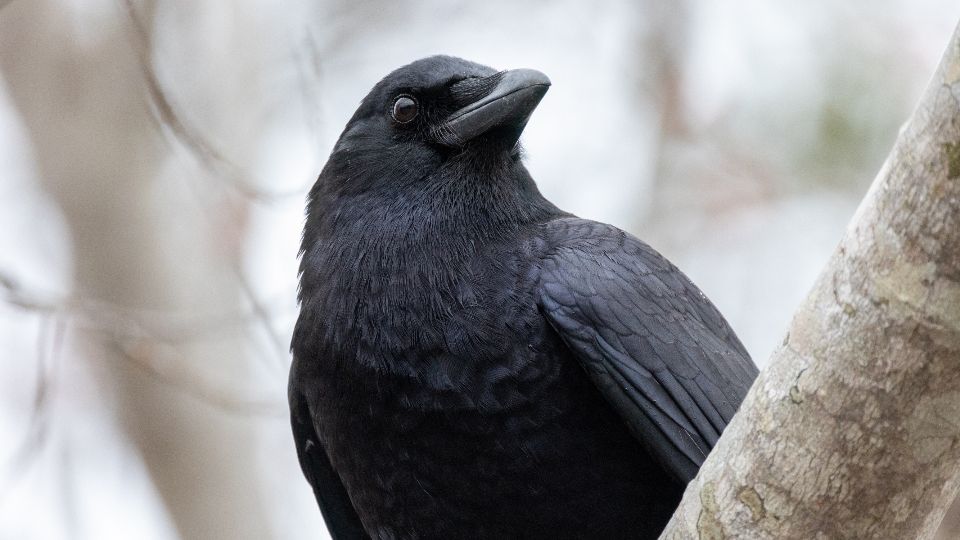

Imagine walking down the street, minding your own business, and a crow you have never seen in your life starts dive‑bombing your head like you owe it money. It feels personal, targeted, almost like payback for something you did years ago. Now here’s the unsettling twist: science suggests that in some cases, it actually might be payback – not from that crow, but from its parents.
Researchers studying wild crows have found evidence that these birds can remember specific human faces associated with danger or mistreatment for years, and that their offspring can react aggressively toward those same people, even if the youngsters have never seen the original incident. It is not telepathy or magic; it is learning, social transmission, and possibly something deeper about how brains, genes, and culture work together. Let’s unpack what we actually know – and what is still up in the air.
The Famous Experiments: How Scientists Discovered Crow Grudges
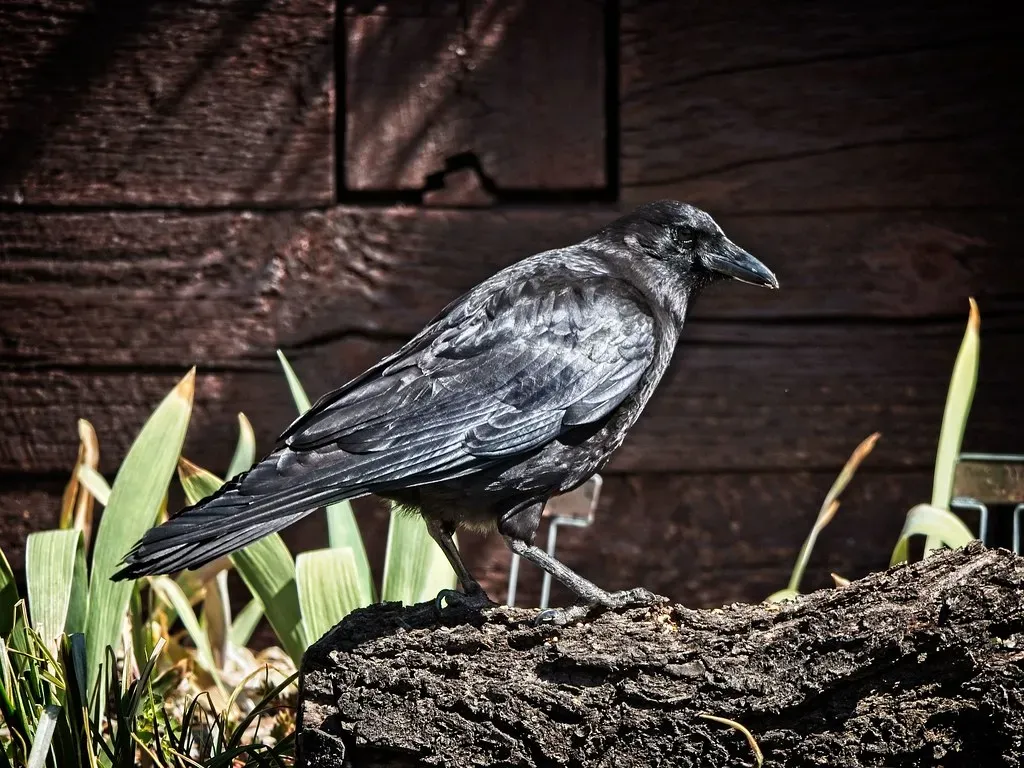
The story really took off when researchers began wearing distinctive masks while trapping and banding wild crows near urban campuses. The masked humans were, from the crow perspective, the villains: they captured, restrained, and fitted bands on the birds before releasing them. For the scientists, the mask was a clever control: it let them separate the crow’s response to one particular “face” from its response to humans in general.
What happened next was both hilarious and a little chilling. Long after the trapping ended, crows who had been caught started scolding and dive‑bombing anyone wearing that same mask, sometimes years later. Even more striking, other crows that were never trapped began joining in the mobbing. The anger at that masked “person” moved through the local crow community like gossip travels through a high school – fast, sticky, and very hard to shake.
Why Crows Care So Much About Specific Human Faces
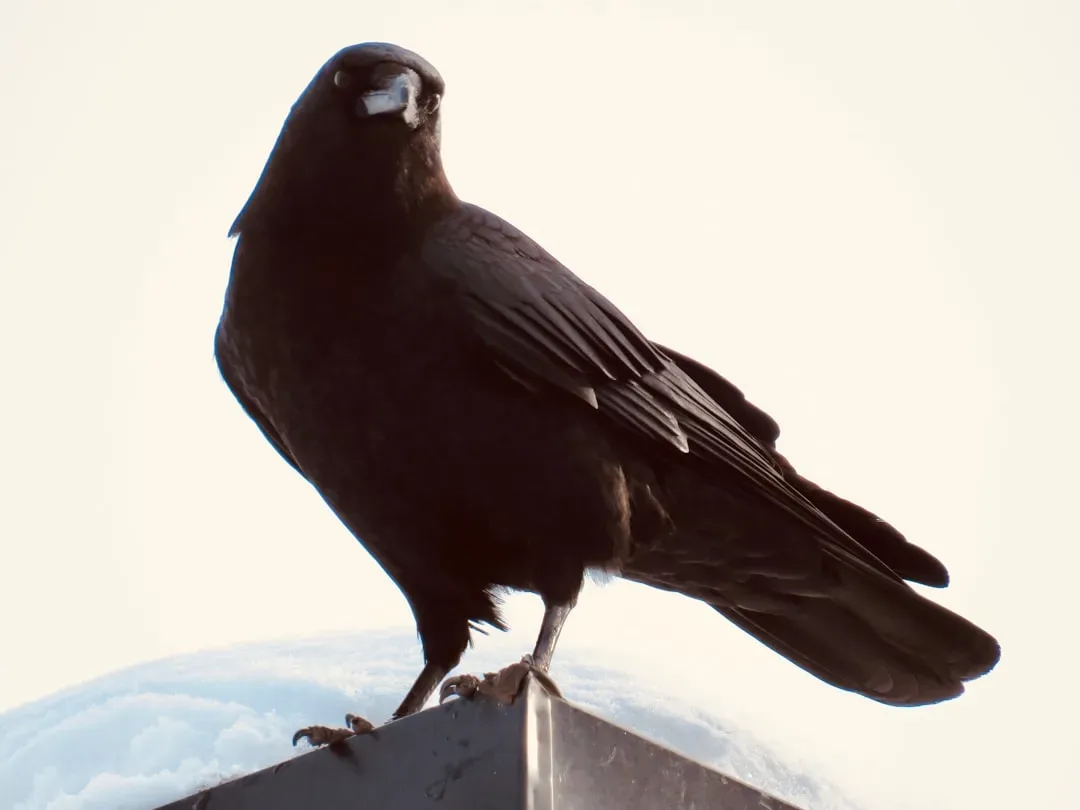
It is one thing to say animals are wary of people; it is another to say they can pick you out of a crowd. Crows and their relatives (like ravens and magpies) have unusually large brains for their body size, especially in regions linked with learning, problem‑solving, and social awareness. They do not just see “human”; they can distinguish your features, remember your behavior, and update their internal file on you over time.
In practice, this means that if you once harassed a crow, tried to knock down its nest, or even stood too close while its chicks were vulnerable, you might be mentally tagged as a threat. The next time you walk through their territory, that tag comes back online. From the crow’s perspective, singling out dangerous individuals saves time and energy: it does not have to treat every human like a mortal risk, only the ones that have proved themselves untrustworthy.
From Learned Grudges to Inherited Reactions: What’s Actually Being Passed On?
Here is where things get fascinating – and tricky. In some follow‑up observations, young crows that were still learning the ropes would react aggressively to the “dangerous” masked human even if they had never personally been trapped or harmed. At first glance, this looks like the parents somehow “handed down” a memory about that specific person to their offspring. That kind of direct memory transfer sounds almost like science fiction.
The more grounded explanation is powerful in its own way: parents are constantly teaching. When adults spot the masked “enemy,” they alarm call, posture, and sometimes attack. Young crows observe who gets that intense reaction, and they copy it. Over time, that response becomes automatic, so it can look inherited even though it is heavily learned. In other words, what is being passed down is not a literal memory, but a cultural script: when you see that kind of face, this is how we behave.
Animal Culture and Social Learning: Crows as Feathered Anthropologists
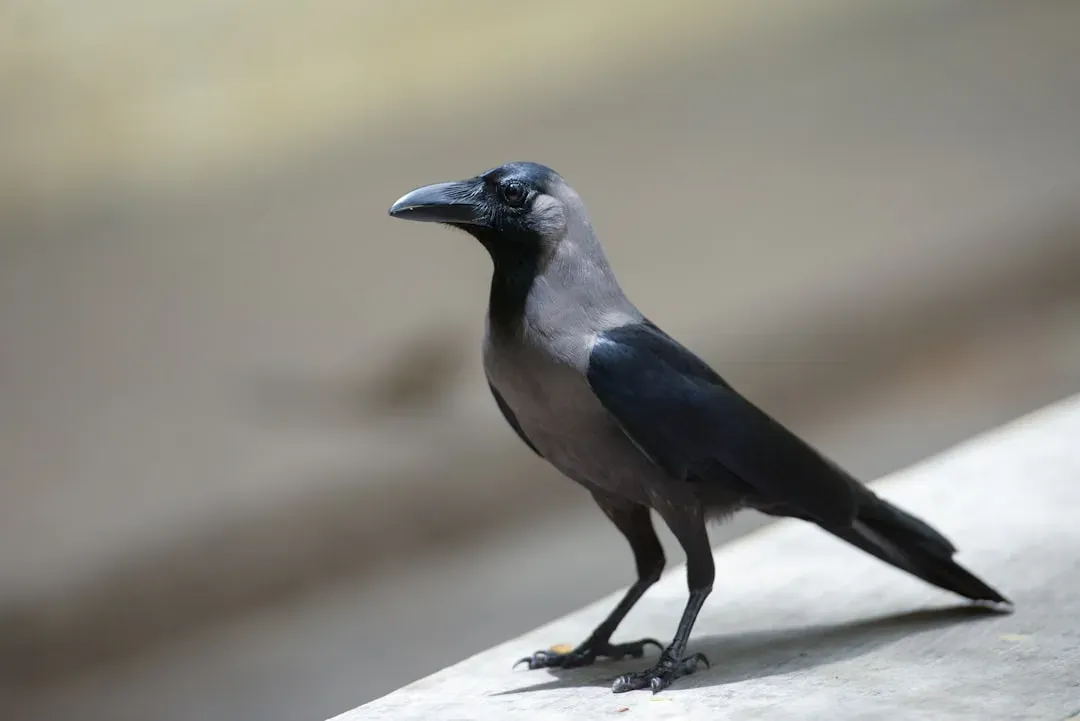
Biologists now talk a lot about animal culture – behaviors and traditions that are learned socially rather than built‑in from birth. We see this in whales with regional “dialects,” in chimpanzee groups that use different tools, and in birds that learn local song variations. Crows fit squarely into this picture. They watch each other closely, imitate what works, and pass on strategies that help them survive in a human‑dominated world.
Holding and sharing grudges fits this pattern. If one crow discovers a particular person is dangerous and successfully warns others, that knowledge spreads. The crow that first got trapped may be long gone, but the opinion of that specific human – “dangerous, avoid, attack” – can outlive the original event. It is not unlike family stories about a neighbor, a boss, or even a brand: one dramatic encounter becomes part of the group’s shared memory.
Could There Be a Biological or Epigenetic Twist?
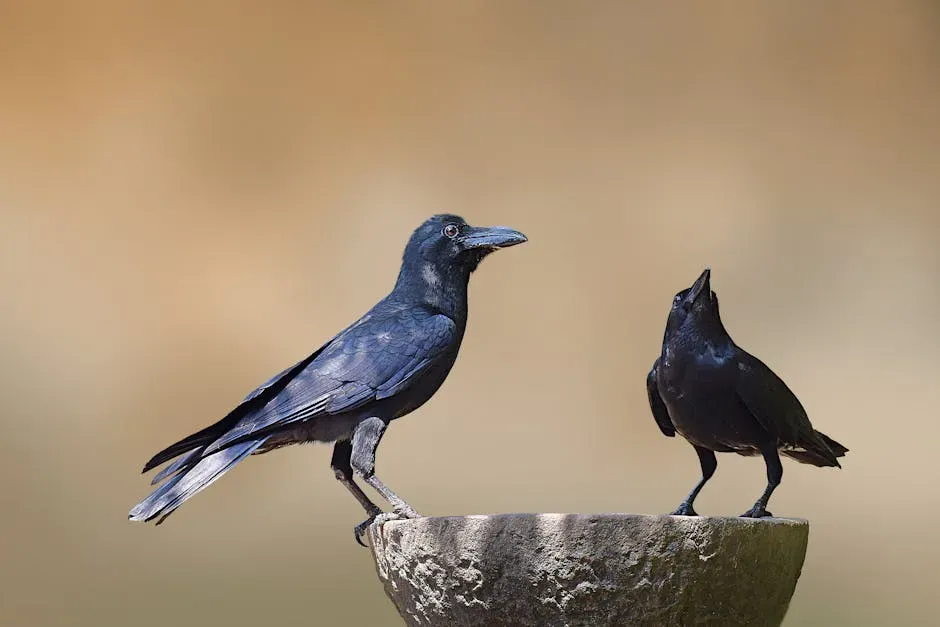
Whenever animals seem to “inherit” experience, people wonder about epigenetics – changes in how genes are switched on and off that can sometimes be influenced by stress, diet, or environment, and in a few documented cases can be passed to offspring. In theory, a crow that endures repeated human harassment might undergo stress‑related changes that affect the development or sensitivity of its chicks, perhaps making them more anxious or quick to react.
Right now, though, that idea is mostly a tempting hypothesis for crows. There is evidence in other animals that strong experiences in one generation can tweak stress systems in the next, but tying that specifically to recognition of individual human faces in young crows would require careful, long‑term experiments. For the moment, the safer claim is that we are seeing a potent mix of innate wariness, parental teaching, and community learning – not some mystical genetic download of a face‑specific grudge.
Why Urban Life Makes Crow Grudges Sharper and Smarter
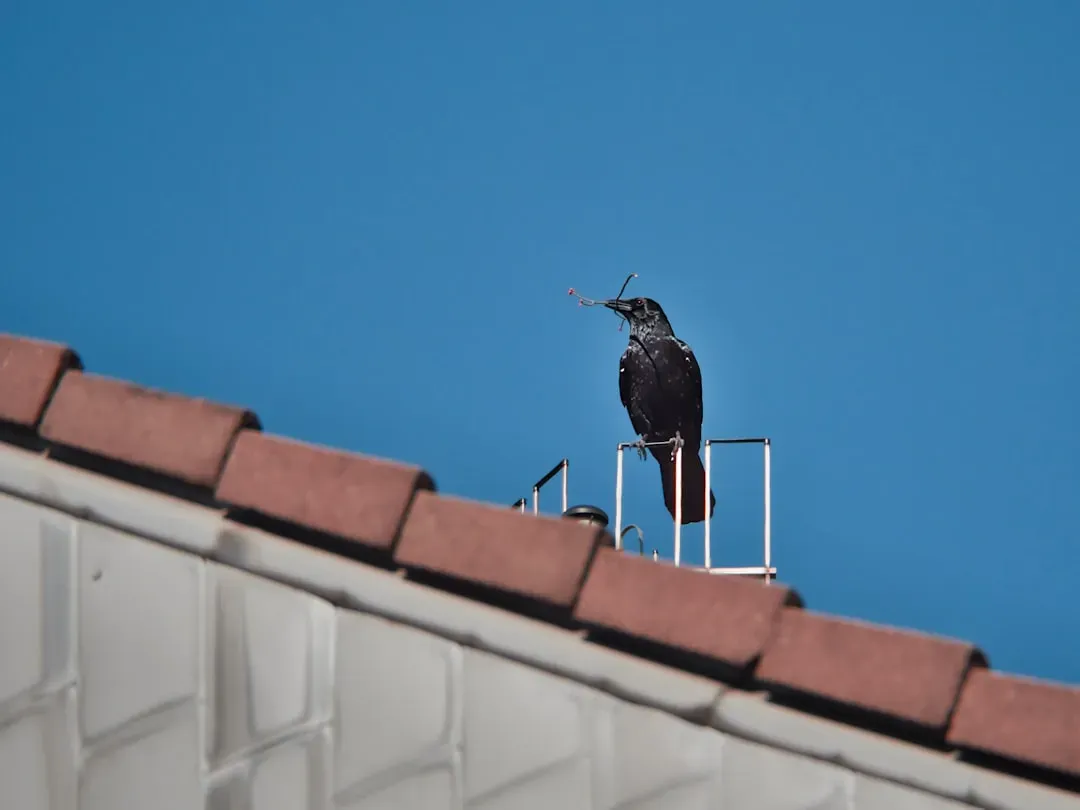
If you think about where these studies usually take place – campuses, parks, city edges – it makes sense that crows have become experts in human behavior. Urban and suburban environments are dense with people, cars, trash, noise, and unpredictable threats. Crows that can distinguish between the kind old woman who tosses peanuts and the teenager who throws rocks gain a very real survival edge.
Over generations, this kind of environment favors birds that are flexible, observant, and socially tuned in. The line between instinct and experience starts to blur: being good at reading humans becomes part of what a successful crow is. As more young birds grow up surrounded by adults who already treat certain humans or types of humans as dangerous, those attitudes get baked into the social fabric of the flock.
Personal Encounters: When You Realize a Crow Really Remembers You
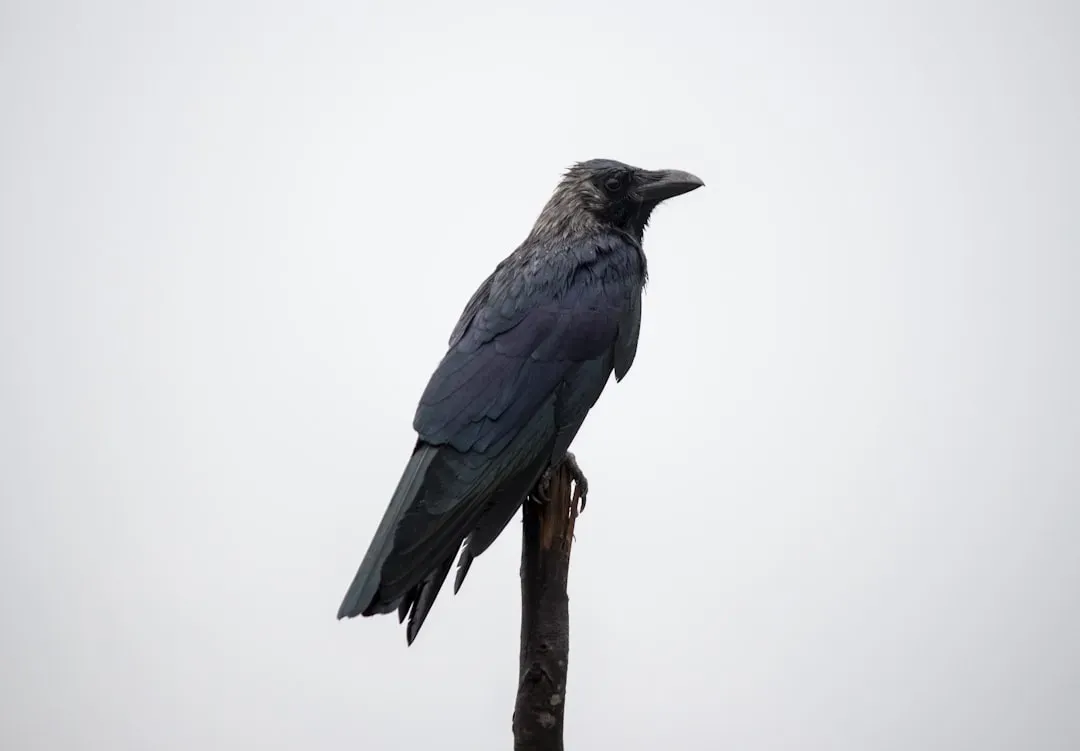
Ask around, and you will find people who are convinced the neighborhood crows know them personally. I once had a crow that would scream from a lamppost every time I cut through a particular alley, but ignored other pedestrians completely. I had not harmed it, but I had once stood near its nest a bit too long, and the parents were furious. After that, I was clearly on some kind of watch list, even when the chicks had long fledged.
Stories like that are technically anecdotal, but they line up neatly with what experiments suggest: crows notice faces, store that information, and can recruit others to respond to their judgments. Sometimes the reaction is positive – crows have been known to bring shiny “gifts” to people who regularly feed them – and sometimes it is a lifelong grudge. Either way, when you lock eyes with a crow, it is hard to shake the feeling that someone on the other side is taking notes.
What This Says About Intelligence, Memory, and Even Us
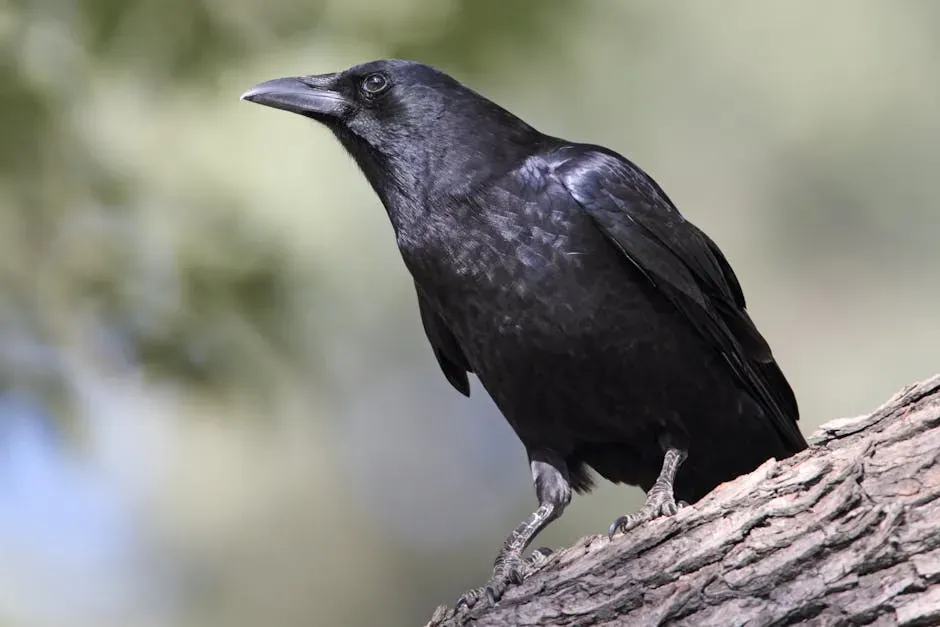
The idea of a bird “remembering” you and nudging its offspring to do the same hits a nerve because it blurs a line many people like to keep: the one between human minds and animal minds. We are used to dogs recognizing their owners or parrots learning words, but a wild crow, with no leash, no cage, and no paycheck in treats, building a shared narrative about who is dangerous feels uncomfortably close to our own storytelling instincts.
At the same time, this research is a reminder that intelligence does not come in just one shape. A crow’s brain is tiny compared with ours, yet packed with densely wired circuits that solve real‑world problems: where to find food, how to avoid predators, which humans to trust, and which to mob. If several generations of crows can effectively “remember” that a particular kind of human behavior is bad news, that is a kind of cultural memory, even if the underlying mechanism is very different from our own.
So, Are Crow Grudges Inherited Memories or Shared Stories? (My Take)
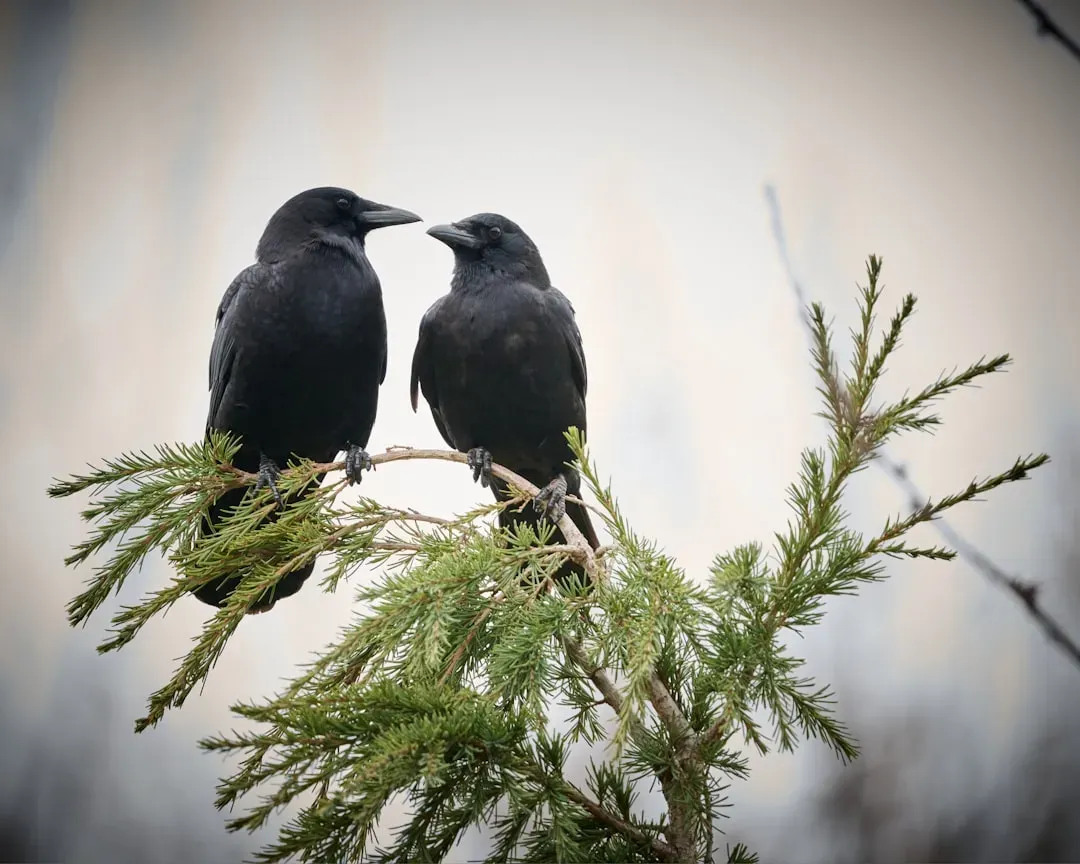
When you strip away the spooky vibe, the most convincing picture is that crow grudges are mostly shared stories, not inherited memories. Parents react strongly to a known threat, youngsters copy that reaction, and over time the whole neighborhood behaves as though they all personally suffered the same bad experience. From a distance, it can look like memories have crossed generations, but up close it is more like careful teaching and relentless social reinforcement.
Personally, I think that makes crows more impressive, not less. They are not just running on hard‑wired fear; they are observing, remembering, and broadcasting judgments about us. That means we are, in a weird way, characters in their mental world, with reputations that can outlive any single encounter. The next time you feel tempted to throw something at a noisy crow, you might want to reconsider. Do you really want your face becoming a villain story handed down from parent to chick on every rooftop in the neighborhood?