
Scientists and star-watchers rarely share a tent, yet a fresh conversation is emerging at the edge where symbolism meets observation. Astrology’s – an old idea about what the world first notices – nudges us to ask a modern question: what are the first, fast signals that shape behavior in the wild? Biologists already track boldness, exploration, and daily rhythm across species, while psychologists study instant snap judgments. The surprise is how neatly these worlds overlap when the focus shifts to first impressions and displays. Treat the not as proof, but as a metaphor that helps decode how animals, including us, announce ourselves to the world in the very first moments of contact.
The Hidden Clues
What if the most important message any creature sends is the first one, the one that lands before words and often before movement settles? In the sky, the rising sign is simply the zodiac constellation on the horizon at birth, a symbolic marker of the face we show first. In the field, the equivalent is a set of rapid cues – color patches, posture, orientation to light, and time-of-day activity – that other animals read instantly. Ethologists call these displays and signals, the shorthand alphabet of survival and courtship. Think of a cuttlefish blooming into a high-contrast pattern or a fence lizard snapping into a push-up posture; those are opening notes, not background music.
From Ancient Tools to Modern Science
Astrology grew from a pre-scientific sky map, useful for timing crops and rituals long before statistics and sensors. Today we replace constellations with GPS collars, accelerometers, automated cameras, and computational models that measure how creatures actually move and react. Where the rising sign imagines a public mask, behavioral science quantifies phenotypes – consistent traits like boldness or neophobia observable across contexts. The bridge between them is the idea of the first encounter: both frame the question of how identity meets environment in the opening seconds. By translating metaphor into measurement, researchers turn cosmic poetry into testable predictions about posture, timing, and display.
First Impressions, Real Signals
Humans make lightning-fast inferences from faces and movement, and many animals do something similar with coloration, gait, and stance. Thin-slice perception studies show that snap judgments often track stable patterns, even if they are imperfect and biased. In the wild, a bright badge on a bird’s chest, a tail flick in a deer, or the angle of a fish’s approach communicates intent and status before any close contact. Signaling theory explains why: quick cues reduce costly fights and wasted courtship when honest signals correlate with condition or motivation. If the rising sign is a story about first impressions, these signals are the hard evidence that first impressions can carry weight in .
Patterns in the Field

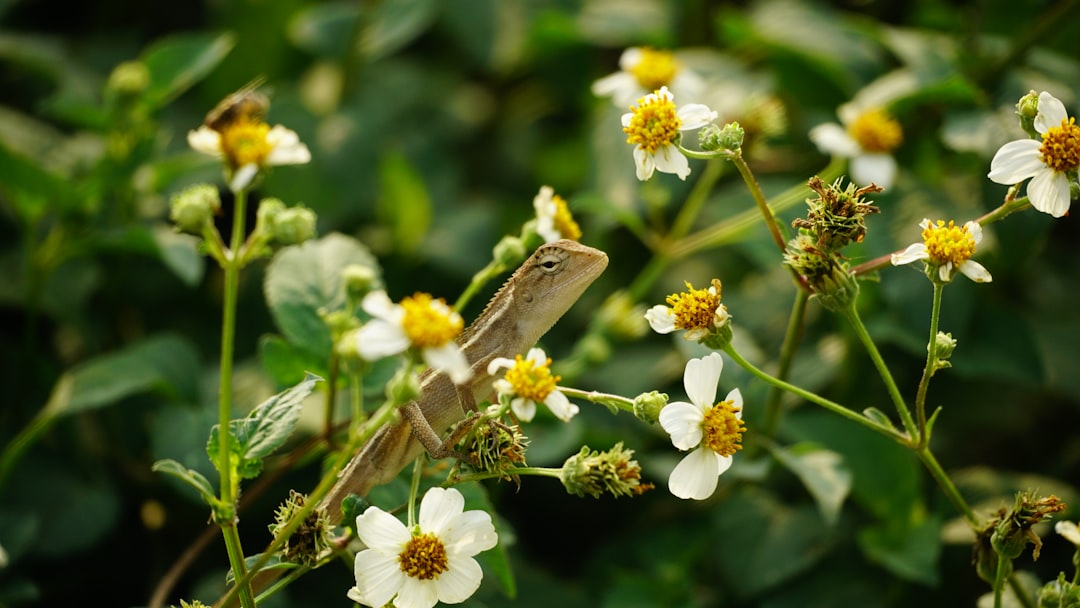
I remember crouching in scrub on a chilly dawn, watching a small anole lizard perform crisp head-bobs the moment sunlight hit the fence rail. Those first minutes looked like theater, but they were more like broadcasting: territory here, energy available, ready to deal. Similar dawn rituals show up across taxa, from songbirds testing notes to pollinators mapping early nectar routes. Many species operate on reliable chronotypes, with some individuals consistently active earlier or bolder at edge habitats. Those patterns resemble a “rising” style – an outward-facing rhythm that sets tone for the day – and they’re measurable with time-stamped observations and bio-logging data.
Why It Matters
First signals shape outcomes that matter for survival, reproduction, and cooperation, so understanding them improves everything from wildlife management to public health messaging. Classic personality tests try to infer who we are from lengthy questionnaires; field biology instead watches what creatures do in the opening moves of real interactions. That second approach uncovers reliable axes – bold versus cautious, exploratory versus site-faithful – that predict how individuals find food, evade predators, and form social ties. In conservation, recognizing these axes helps rangers choose release times and habitats tailored to an animal’s behavioral profile. In cities, it clarifies why some species thrive at dawn-lit edges and others avoid high-contrast, noisy corridors even when food looks plentiful.
Global Perspectives
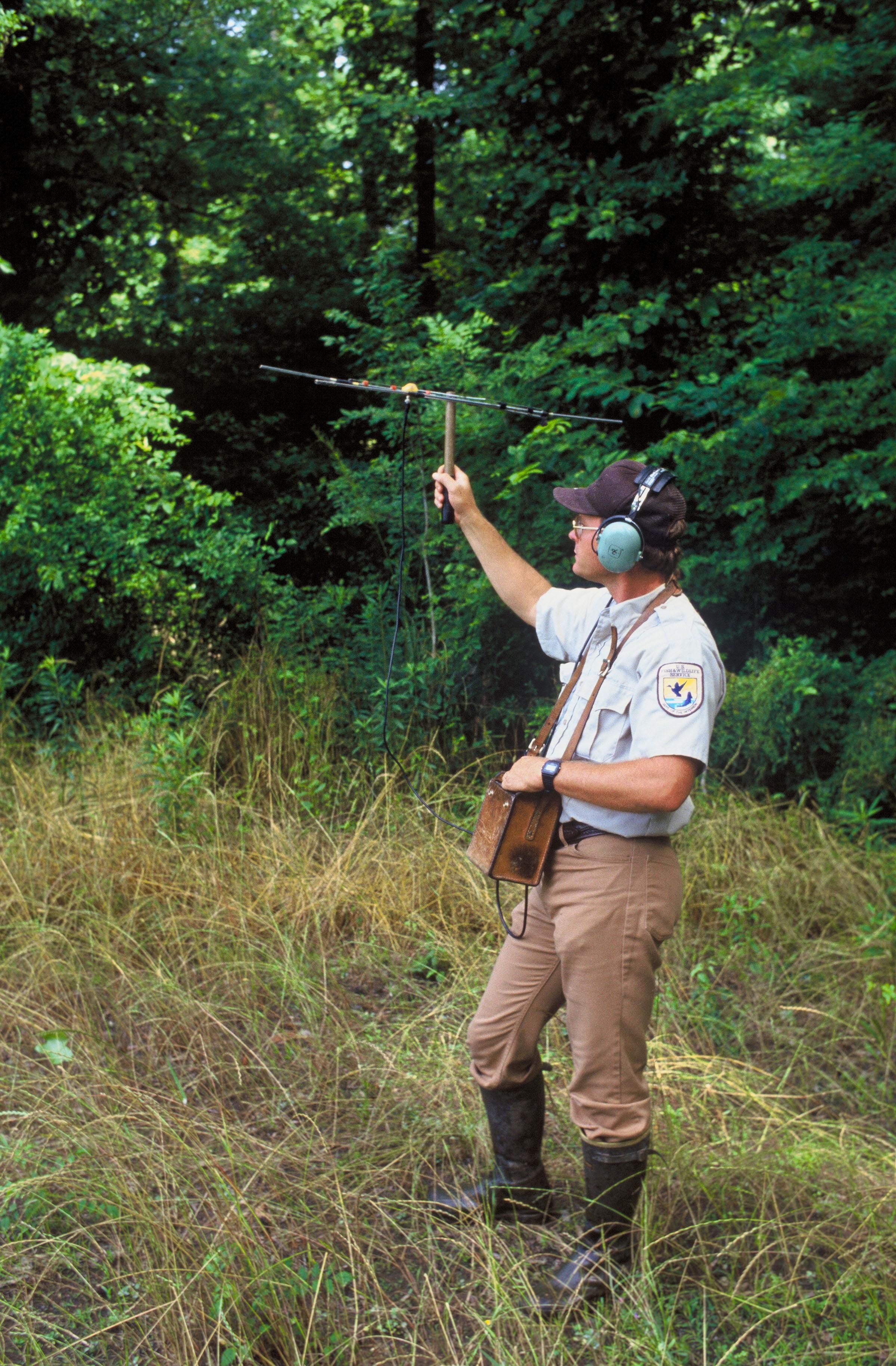
Around the world, traditional trackers read the body language of animals – ears forward, tail low, step cadence – long before a researcher’s notebook opens. Urban ecologists in fast-growing regions now add camera traps and acoustic arrays to those human skills, capturing the quick tells of foxes, macaques, or raccoons negotiating streetlight and traffic. Cross-cultural studies also reveal that people in different lighting and noise conditions make different snap judgments, a reminder that first impressions depend on context, not just the observer. Migratory routes shift with climate, altering the light and soundscapes that frame the very first moments of contact between species. This global lens keeps the metaphor honest: a “rising” signal is only as useful as the environment that allows it to be seen and understood.
Mechanisms Beneath the Mask
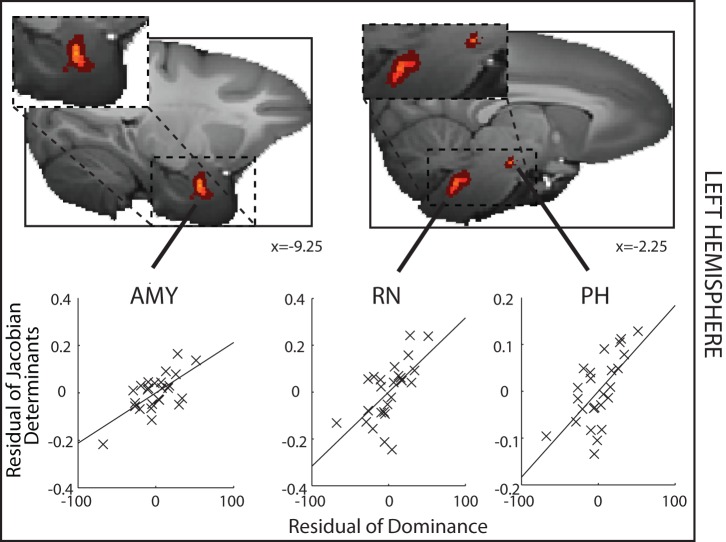
Signals feel theatrical, but under the hood they sit on physiology: hormones tuning vigilance, melanin and carotenoid pathways setting color, and neural circuits coupling attention to movement. Circadian clocks regulate when those systems peak, creating windows of readiness that look a lot like a daily persona. Learning then refines the show, as individuals discover which displays earn food, allies, or safety in a specific habitat. Over time, consistent payoffs sculpt stable behavioral tendencies that observers mistake for fixed identity. The science story here is less about destiny and more about feedback loops that turn early moments into long-term patterns.
The Future Landscape
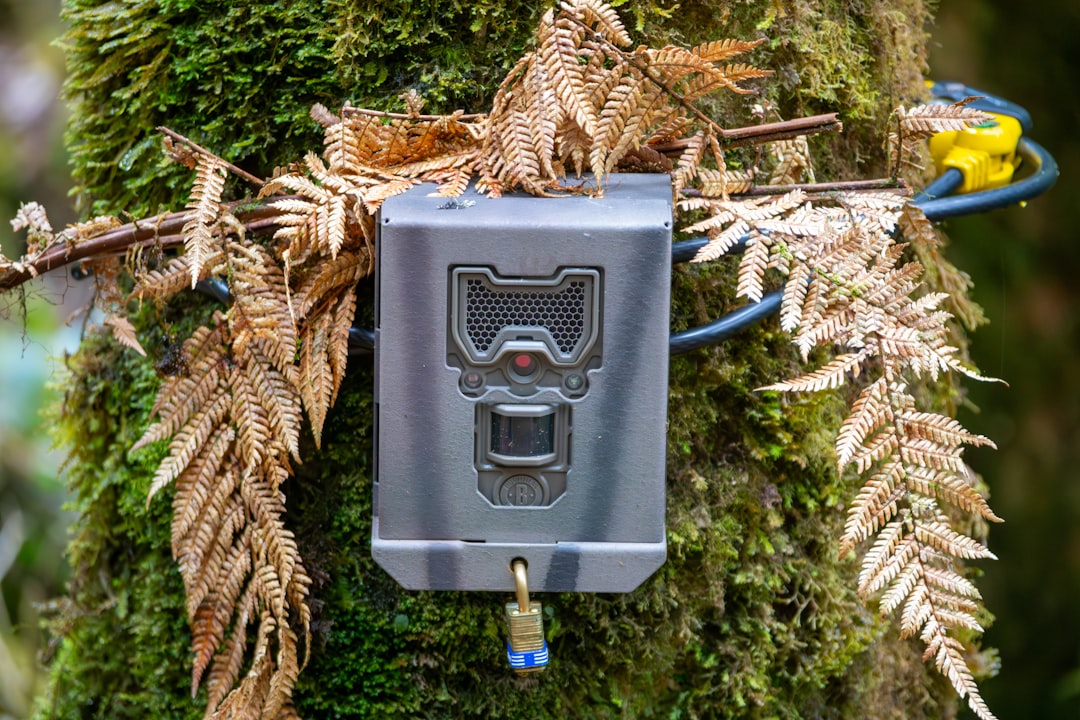
New tools are closing the gap between metaphor and measurement at startling speed. Low-cost biologgers track acceleration and heart rate, while computer vision recognizes posture and color shift frame by frame, even in messy field conditions. Machine learning can now link first-minute behaviors to later outcomes – who wins a contest, which corridor a herd chooses, whether a nest succeeds – without forcing the data into simple boxes. Experiments with programmable light and soundscapes test how changing dawn brightness or urban hum alters opening displays. As climate and cities redraw ecological stages, the first signals will likely change too, forcing managers to re-evaluate when and where animals show their “public face.”
Limits, Ethics, and Healthy Skepticism

Astrology remains a cultural language, not a scientific framework, and it shouldn’t be mistaken for evidence. The value here is heuristic: a rising-sign lens encourages sharper attention to beginnings, which are measurable and consequential. Scientists also must guard against bias, because snap judgments can reflect our expectations more than an animal’s truth. Ethical fieldwork means minimizing disturbance, validating models across sites and seasons, and reporting uncertainty plainly. When those guardrails hold, first-signal science becomes a practical tool rather than another story we tell ourselves.
Conclusion
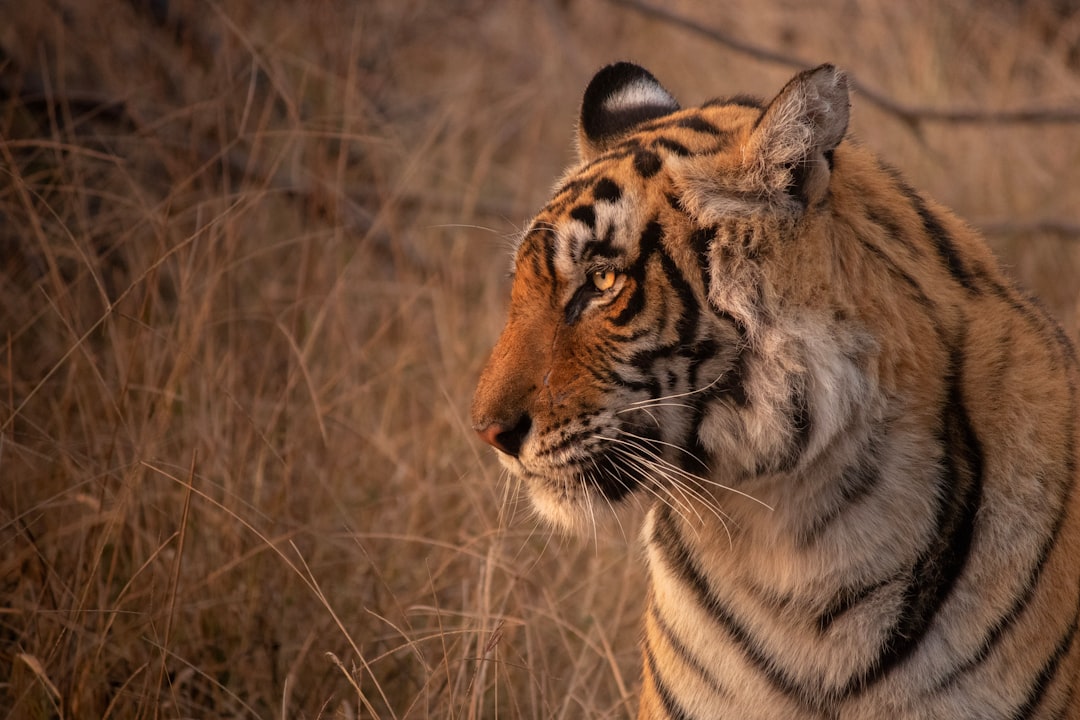
Start small and local: watch ten minutes of dawn behavior in your neighborhood – birds on a wire, squirrels on a fence – and note the first moves you see. Support urban wildlife projects that map light and noise so city plans protect the time windows creatures depend on. If you donate, look for programs that pair sensors with ethical protocols and open data so communities can actually use what’s learned. Teachers can fold first-impression experiments into class – timed observations, sketching postures, simple counts – turning metaphor into hands-on science. Keep the poetry, but back it with notebooks and numbers; after all, what’s your own daily “rising” signal saying right now?
Suhail Ahmed is a passionate digital professional and nature enthusiast with over 8 years of experience in content strategy, SEO, web development, and digital operations. Alongside his freelance journey, Suhail actively contributes to nature and wildlife platforms like Discover Wildlife, where he channels his curiosity for the planet into engaging, educational storytelling.
With a strong background in managing digital ecosystems — from ecommerce stores and WordPress websites to social media and automation — Suhail merges technical precision with creative insight. His content reflects a rare balance: SEO-friendly yet deeply human, data-informed yet emotionally resonant.
Driven by a love for discovery and storytelling, Suhail believes in using digital platforms to amplify causes that matter — especially those protecting Earth’s biodiversity and inspiring sustainable living. Whether he’s managing online projects or crafting wildlife content, his goal remains the same: to inform, inspire, and leave a positive digital footprint.