
You have probably joked that your dog gives you the same look you give your boss when someone else gets a bigger bonus. It turns out that comparison is not as far‑fetched as it sounds. When scientists carefully tested what dogs do when they see another dog getting a better payoff for the same task, the results were surprisingly familiar: many dogs simply stopped cooperating. In other words, your dog is not just a food‑motivated ball of fluff. You are living with an animal that reacts to unfair treatment in ways you once thought only humans or a few primates could. When you look more closely at the studies behind this, you start to see your dog’s sulks, side‑eye, and “I’m not doing that again” moments in a very different light.
Why Fairness in Dogs Was Once Considered Impossible
If you go back a couple of decades, you’ll notice that most scientists saw fairness as something that needed very advanced thinking. You were told that ideas like equal treatment, justice, or merit belonged firmly in the territory of humans, maybe with a few exceptions like great apes. Dogs, in that old view, were mostly seen as clever trick‑learners, not as partners weighing how they were treated compared with others. That older mindset focused heavily on simple conditioning: your dog sits, gets a treat, and repeats the behavior. Any hesitation or refusal was often brushed off as distraction, low motivation, or stubbornness. The idea that your dog might be refusing because it had noticed someone else getting a much better deal, and was quietly protesting, did not really make it into the mainstream scientific story yet.
How Scientists Actually Tested Dogs’ Sense of Fairness
To move beyond guesswork, researchers needed to put dogs into controlled situations that looked unfair from a human point of view and then see how they reacted. You can picture this like a strange but very organized training session: two dogs side by side, both asked to do the same simple task, such as giving a paw or touching a target. The twist is that one dog gets a much more valuable reward for the very same action. In many of these experiments, you see one dog being paid in dry kibble while the other one gets something far more exciting, such as sausage or cheese. You are then watching for one thing: does the “less rewarded” dog keep playing along, or does it eventually refuse? Over repeated trials, a clear pattern shows up in a lot of dogs: they start hesitating, turning away, or flat‑out stopping the task when they realize the other dog keeps scoring the jackpot for equal work.
Inequity Aversion: What That Fancy Term Means for You and Your Dog
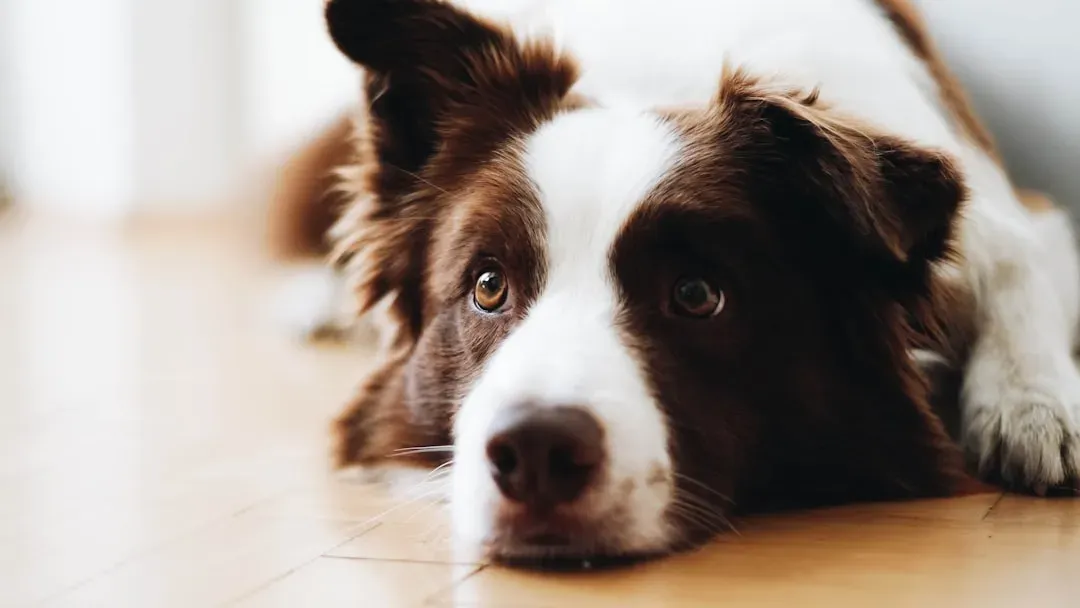
When researchers talk about “inequity aversion,” they are really describing something you know in your gut: the dislike of unfair deals. In this context, your dog is described as showing inequity aversion when it stops cooperating, or becomes visibly reluctant, after noticing that another dog is being treated better for the same effort. It is not just that the reward is small; what matters is the comparison. For you, that means your dog is not reacting only to the size of the treat. Your dog is reacting to the whole situation, including what the other dog is getting. It is a social reaction, not just a snack calculation. That is a powerful shift because it suggests your dog is tracking who gets what, rather than blindly repeating learned tricks in a vacuum.
What Experiments Reveal About Dogs That Walk Away
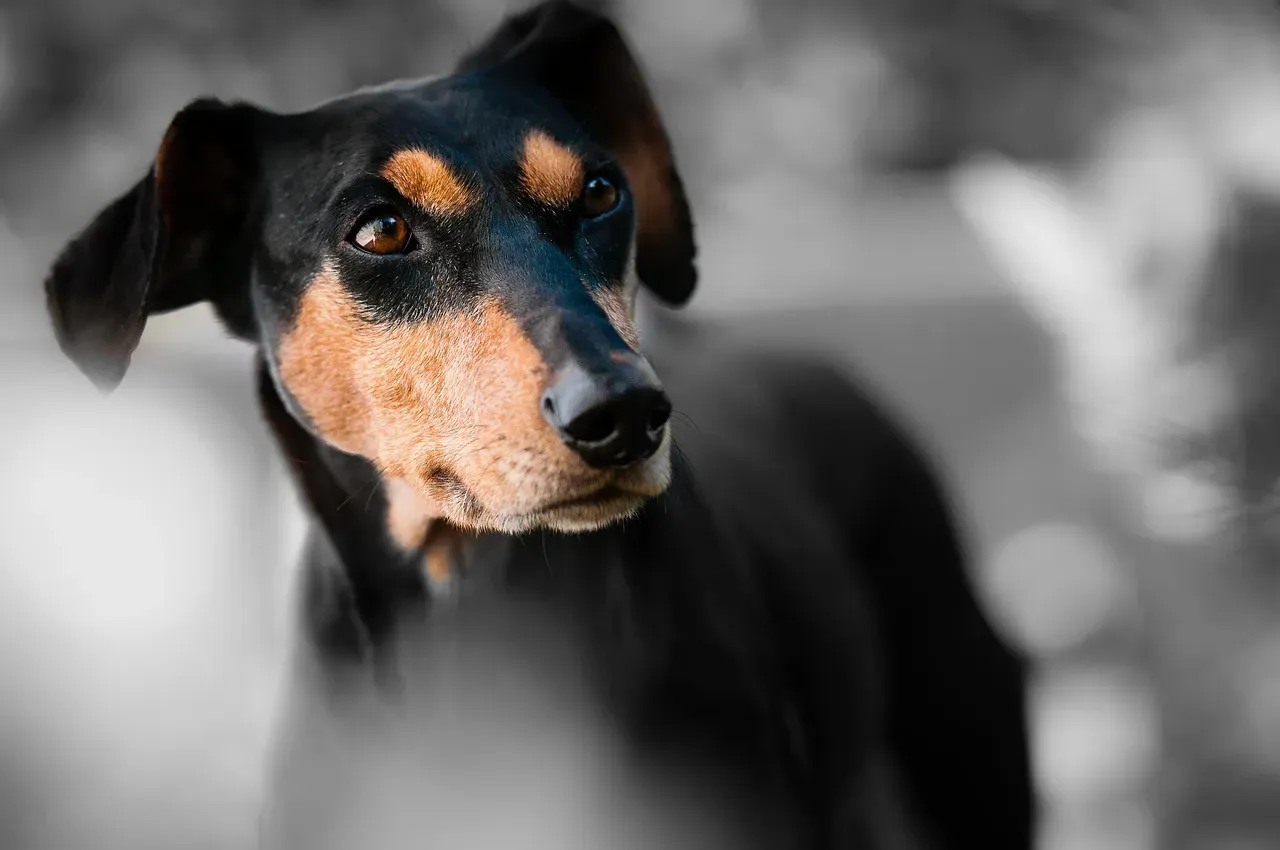
When you look closely at the data from these experiments, you see that many dogs are perfectly willing to keep working for low‑value treats when they are alone. They will give a paw again and again for plain kibble if nothing else is going on. The real change happens when a second dog enters the picture and starts earning something obviously better. At that point, your dog’s behavior often changes sharply. The less favored dog may slow down its responses, turn its head, show signs of stress like lip‑licking or yawning, or simply stop offering the trained behavior altogether. The key insight is this: the payoff itself has not changed. What has changed is your dog’s awareness that another dog is earning more for the exact same effort.
Why Sensitivity to Fairness Makes Sense for a Social Animal
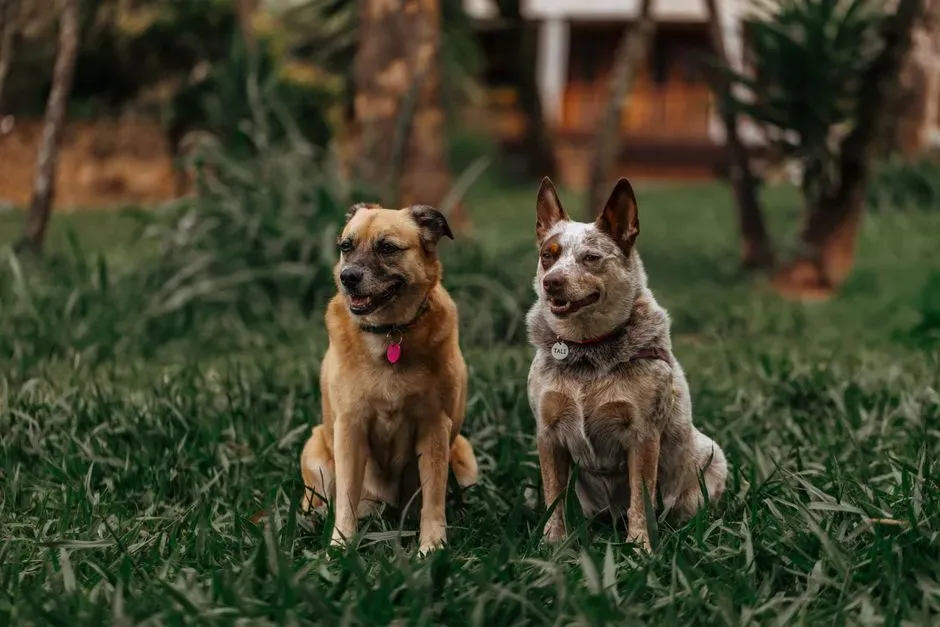
If you imagine a group of animals that hunt, guard, or raise young together, fairness stops being a luxury and starts becoming a survival tool. When you live in a group, consistently giving more to one member and less to others can damage cooperation. Your dog shares that social heritage: its ancestors survived by working together, not by endlessly accepting lopsided deals. This is why it makes sense that your dog keeps track of rewards and treatment, especially compared with other dogs in its “team.” If your dog repeatedly feels shortchanged, it may be less willing to engage, less eager to respond, or more prone to tension around resources. Sensitivity to inequity, in that light, helps maintain balance and loyalty inside a group, including your household.
What This Means for Multi‑Dog Homes and Training
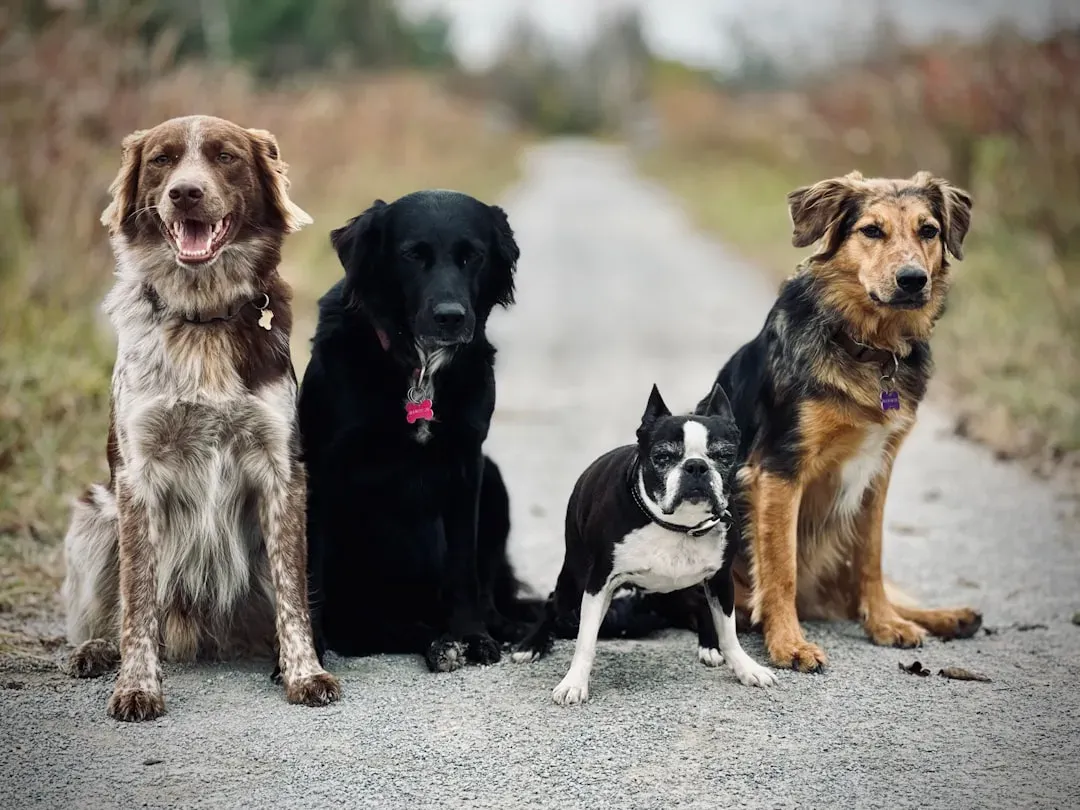
If you live with more than one dog, this research gives you a practical message: your dogs are watching how you hand out rewards. When one dog always gets the tastier treat, the longer cuddle, or the more exciting toy for the same basic behavior, the other dog does not just shrug and forget it. It may quietly start doing less, listening less, or guarding what it does get more tightly. You can use this knowledge to shape a calmer, more cooperative household. When you ask both dogs to sit, you can aim to reward them with roughly similar value, especially when they are doing essentially the same thing. That does not mean you must be robotically identical every single time, but if you keep the overall pattern fair, you make it easier for each dog to stay engaged and willing.
Recognizing Everyday “That’s Not Fair” Moments in Your Dog
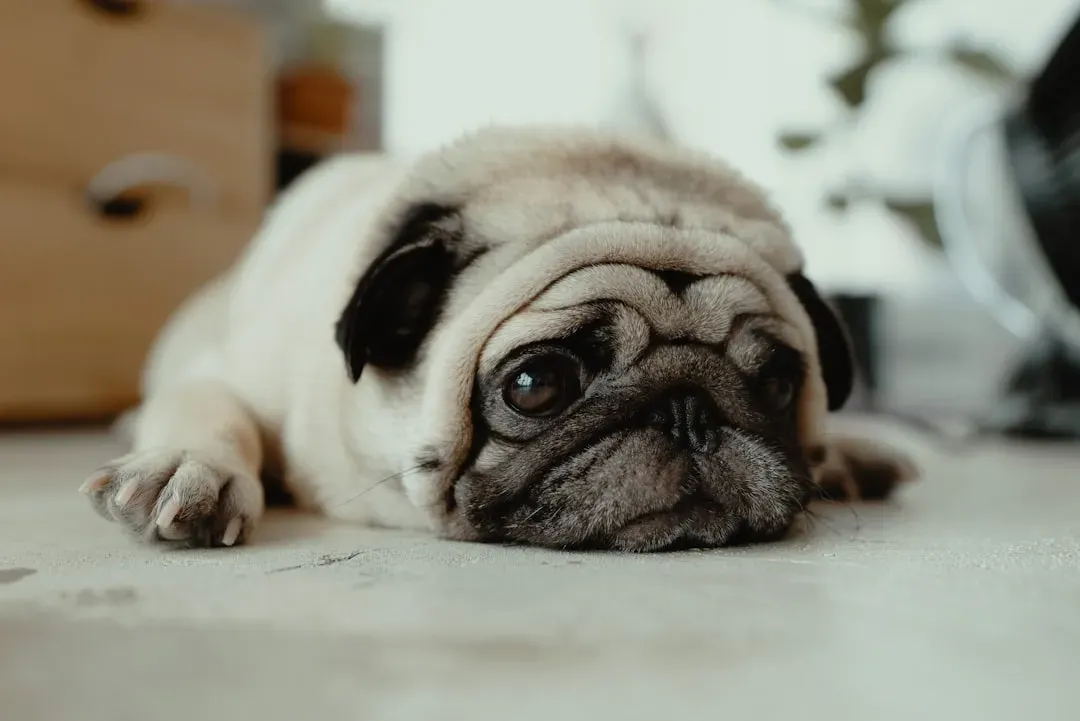
You may already be seeing little flashes of inequity aversion in daily life without having a name for it. Maybe you give your older dog a special chew while your younger one watches; when the younger dog gets handed a much plainer item, it sniffs it, looks at you, then walks away in what looks suspiciously like a protest. You might have dismissed that as fussiness, but your dog may simply be making a comparison. You can look for patterns: does your dog suddenly refuse a command it usually performs, right after watching another dog earn a much better treat for the same action? Does it start pushing in between you and another dog during petting time, or leaving a training session earlier than usual? Those little shifts are often your dog’s way of saying the arrangement does not feel balanced anymore.
Fairness, Emotion, and Your Relationship With Your Dog
Once you accept that your dog notices unfairness, your role starts to feel less like that of a vending machine and more like that of a manager of social expectations. Your dog is not just asking, “Do I get something?” It is also, in its own way, asking, “Do I get something that matches what others get for the same effort?” When you answer that question reasonably well, you reinforce trust. This does not mean you must panic about every tiny difference or never give one dog special treatment. Life with animals is naturally a bit uneven. But if your dog regularly experiences wildly unequal deals, especially around shared work and training, your bond can quietly fray. Keeping an eye on fairness helps you preserve that sense of being on the same team, not on opposite sides of the bargaining table.
How You Can Train With Fairness in Mind
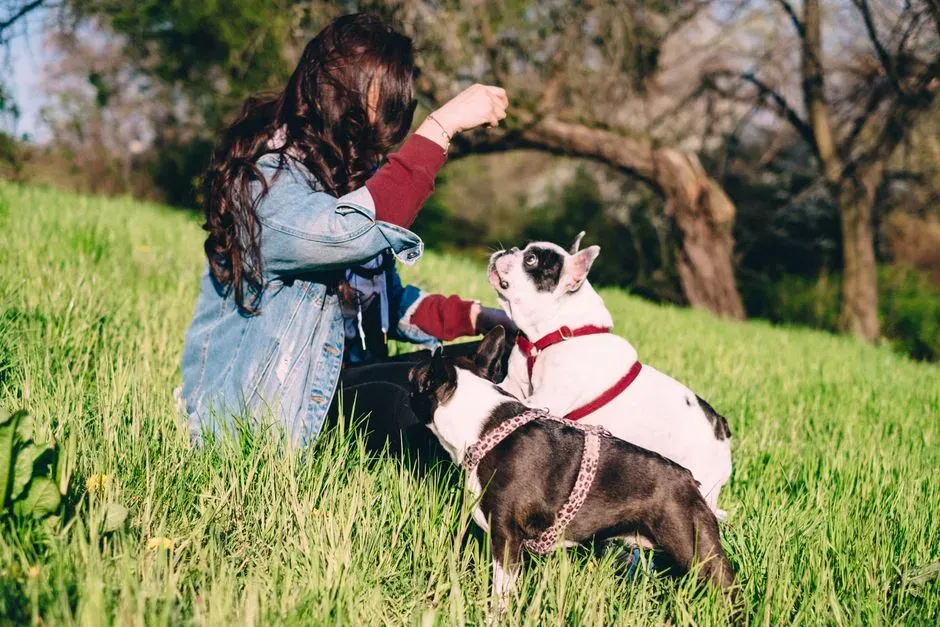
You can bring fairness directly into your training choices in simple ways. When you work with two dogs together, you can plan ahead so you have similar‑value rewards for both of them. If you decide one dog truly needs a more powerful reward for a harder behavior, you can separate training sessions, so no one is watching another dog get a “promotion” for the same basic job. You can also balance things across time. Maybe one dog has a medical diet and cannot have high‑value treats; in that case, you can make sure that dog gets extra play or affection at other moments, so it still experiences your attention as evenly shared. Fairness in practice is not about mathematical precision; it is about your dogs feeling that their effort is seen and valued in a way that makes sense.
What This Reveals About Canine Minds and the Way You See Them
When you realize that your dog reacts to unequal pay for equal work, you are forced to see its mind as more layered than you might have assumed. You are not dealing only with stimulus and response, but with memory, comparison, and emotional reactions to social situations. That is a big step toward viewing your dog less as a pet appliance and more as a partner navigating a shared life with you. This does not mean you should project every human concept of fairness directly onto your dog. Your dog is not secretly writing workplace complaints in its head. But it does mean you can respect that some of your dog’s refusals, sulks, or sudden lack of enthusiasm may come from a sense that the deal on the table is not worth it, especially when someone else is clearly getting better terms.
Conclusion: Living With an Animal That Notices the Deal
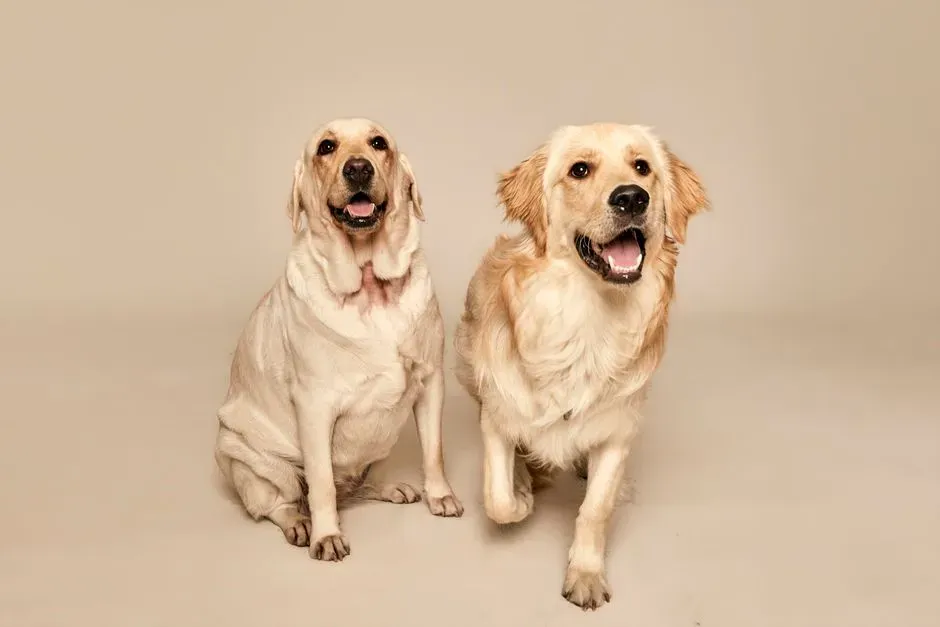
When research shows that dogs refuse to perform tasks once they see another dog earning a better reward for the same work, it is telling you something simple and profound at the same time. Your dog is not only capable of learning tricks; it also notices how the rewards are distributed, and it can push back, in its own quiet ways, when things feel off. Fairness, it turns out, is not just a human obsession. If you let that insight sink in, you start training, feeding, and sharing affection with a bit more awareness of balance, especially when more than one dog is involved. You are still in charge, but now you are leading a team that pays attention to how you treat each member. Next time your dog pauses, looks at another dog’s treat, and then looks back at you, what do you think it is really telling you?