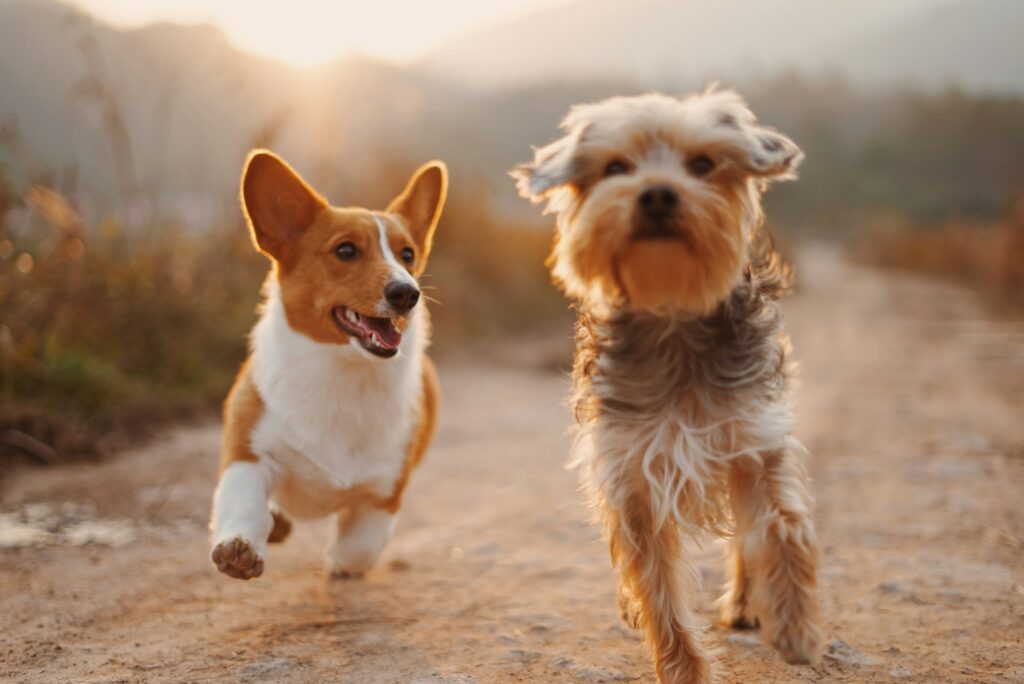

If you have ever watched your dog explode with joy at the sight of a ball or another friendly pup, you have probably wondered what is really going on under the surface. It turns out that those goofy zoomies and wrestling matches are not just entertainment; they are part of a powerful built‑in stress relief system that helps keep your dog’s body and brain in balance. Researchers have found that dogs who play often tend to show lower resting levels of cortisol, the main stress hormone, and that regular social play seems to help them cope with the ups and downs of everyday life.
What this means for you is surprisingly simple and deeply important: the way you structure your dog’s daily play is not just “nice to have,” it is part of their emotional hygiene. You are not only tossing a toy; you are shaping how your dog recovers from stress, handles frustration, and even how their body responds to challenges. When you start to see play as a biological safety valve instead of just a fun extra, your whole approach to walks, toys, and dog‑park time changes.
The Science Behind Play and Cortisol in Dogs
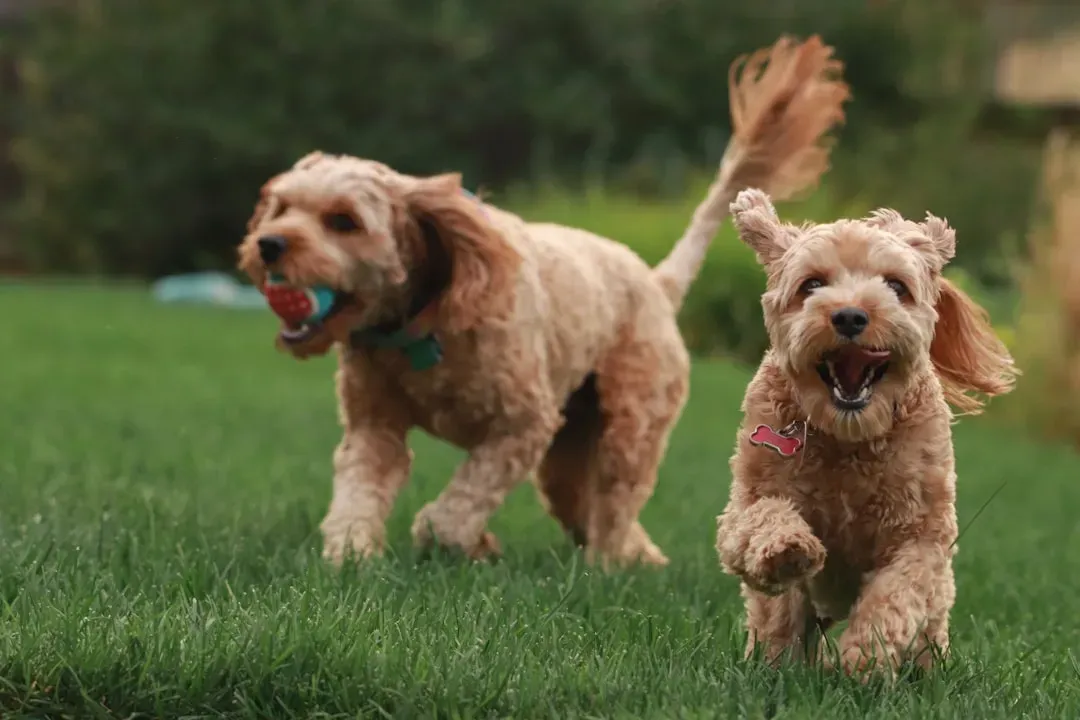
Cortisol is one of the key hormones your dog’s body releases in response to stress, and in healthy amounts it is useful: it helps them react, stay alert, and adapt. Problems start when cortisol stays elevated day after day, which can happen with chronic boredom, conflict in the home, lack of control, or painful medical conditions. Studies using saliva and blood samples show that dogs who engage in frequent, positive social play tend to have lower baseline cortisol compared with dogs who are more isolated or under‑stimulated.
What is especially interesting is that play does not simply “distract” a dog from stress; it appears to help the stress system reset. After a bout of energetic but friendly play, many dogs show a pattern where cortisol that might have risen briefly is followed by a drop, indicating recovery rather than continued arousal. In other words, short bursts of safe, joyful chaos can help your dog’s nervous system learn to come back to calm more efficiently, almost like practicing emotional resilience in a low‑risk setting.
Why Social Play Feels So Good to Your Dog
When your dog plays with you or another familiar dog, their brain is likely releasing a mix of feel‑good chemicals like endorphins and oxytocin, which are associated with pleasure, bonding, and a sense of safety. You can often see this in their loose body language, play bows, silly faces, and wiggly tails. This cocktail of positive neurochemicals works as a natural counterbalance to cortisol, making play one of the most emotionally rewarding and physiologically balancing activities in your dog’s day.
You might also notice that your dog looks to you during play, checking in with quick glances or returning to you after running off to chase something. That back‑and‑forth creates a “social safety net” where your dog feels secure enough to let loose but grounded enough to stay regulated. Over time, this pattern of safe, shared fun helps your dog associate you and other friendly dogs with comfort and stability, not just excitement, which is part of why well‑socialized, playful dogs often cope better with new environments and mild stressors.
How Play Acts as a Daily Stress Regulator
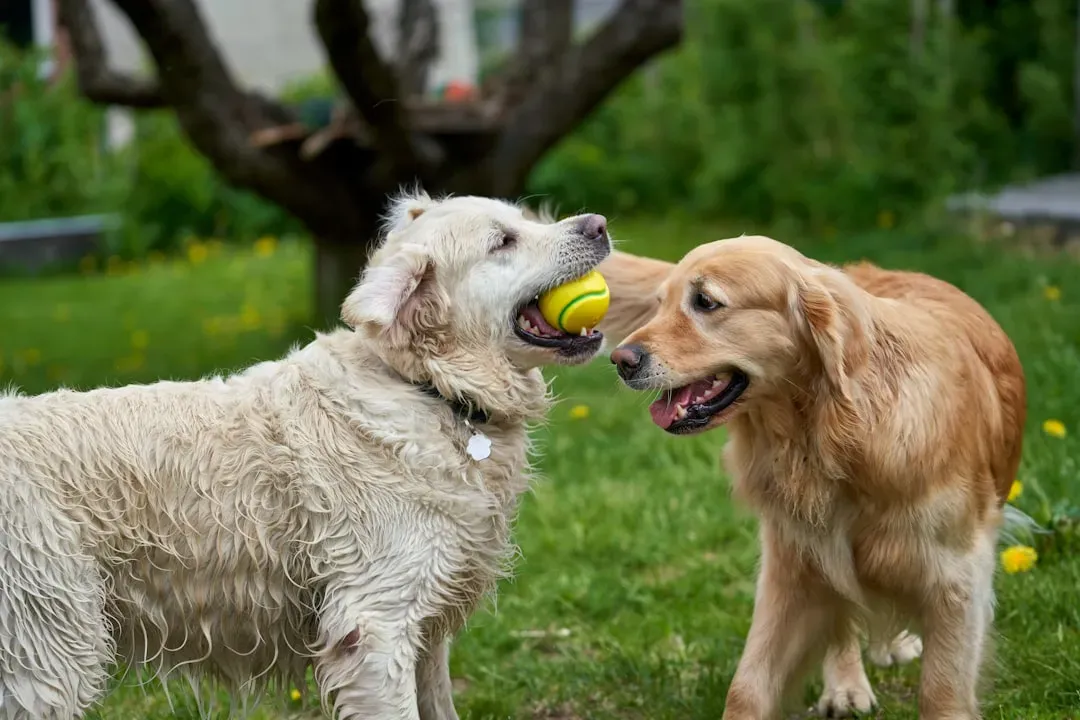
Think of your dog’s stress system like a pressure cooker: daily life constantly adds small amounts of pressure through loud noises, confusing situations, being left alone, or unexpected changes. If there is no valve to release that pressure, your dog may start to show tension in ways that look like reactivity, clinginess, or shutdown. Play functions as that valve, giving your dog a healthy outlet to burn off emotional steam and reset to a calmer baseline.
Regular play, especially social play, teaches your dog a rhythm of arousal and relaxation: they get excited, run, wrestle, chase, then settle, shake off, drink water, and rest. That full cycle helps their nervous system practice going up and then coming back down, instead of hovering in a half‑stressed state all day. When you build this rhythm into your routine, your dog is better equipped to bounce back from everyday challenges, whether that is a noisy delivery truck or an unexpected visitor at the door.
Signs Your Dog’s Play Is Actually Relieving Stress
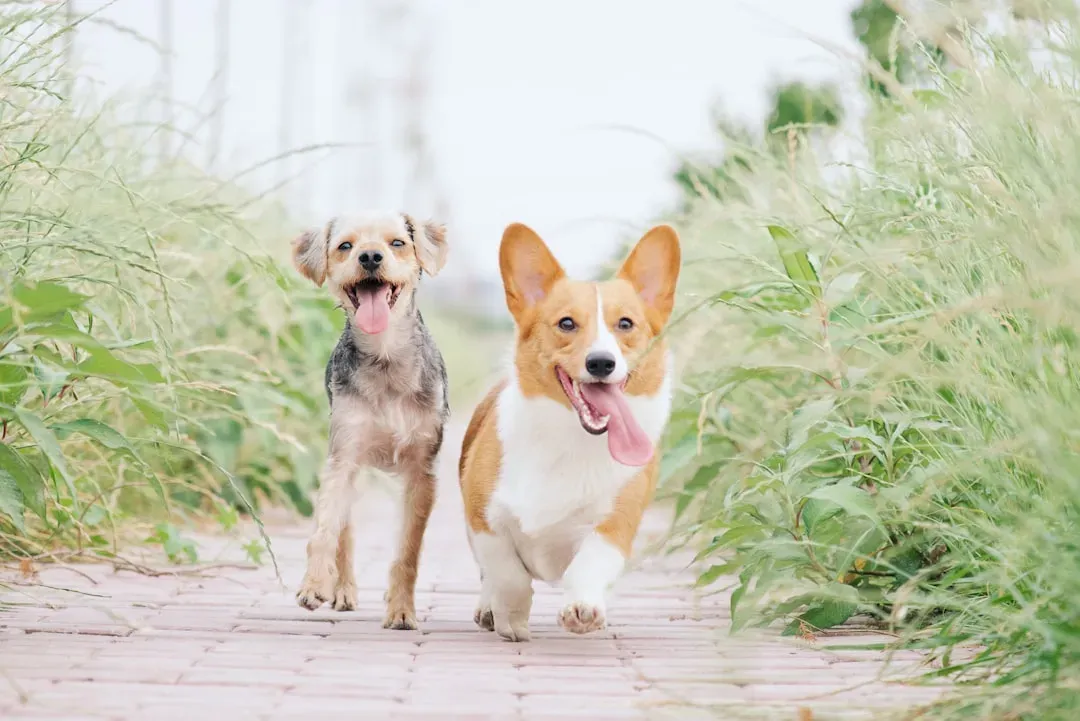
You can tell that play is working as a stress regulator for your dog by watching how they look during and after the fun. Look for loose, curved body posture, open mouth, soft eyes, and bouncy movements rather than stiff, locked‑on behavior. When your dog shakes off, stretches, or flops down comfortably after play, that is often a sign their body is moving from high arousal back to a relaxed state, which is exactly the shift you want for healthy cortisol regulation.
After a good play session, your dog should be able to rest or calmly move on to another activity, not stay wired and frantic. If you notice that your dog is more patient, less jumpy, or settles more easily later in the day after regular play, that is strong everyday evidence that the activity is working like a stress reset button. Over time, you may also see fewer stress‑related behaviors, such as excessive licking, pacing, or barking at every small noise, as your dog’s system learns to process and release tension more effectively.
Balancing Dog‑Dog Play and Dog‑Human Play
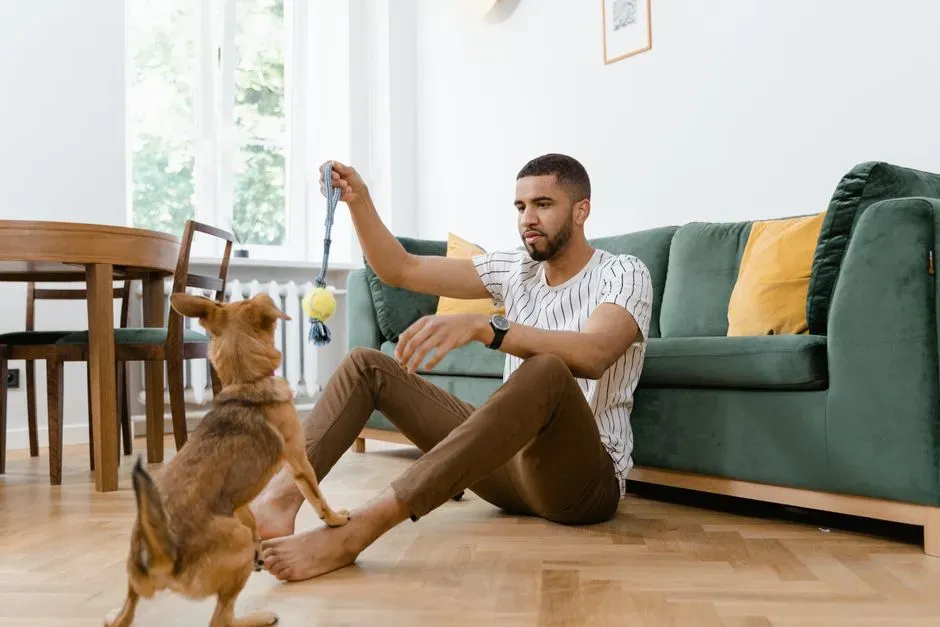
Both play with other dogs and play with you can help lower your dog’s stress, but they each offer slightly different benefits. Dog‑dog play lets your dog practice communication, body language, and bite control in a way humans simply cannot fully replicate. When it is a good match in size, style, and temperament, this kind of play can be deeply satisfying and release a lot of pent‑up physical and social energy.
On the other hand, play with you is where bonding and structure really shine. Tug games, fetch, hide‑and‑seek, or simple chase games with you at home or in the yard can be less chaotic and more predictable than crowded dog parks. This makes dog‑human play especially helpful for shy, reactive, or easily overwhelmed dogs who still need movement and fun but may not be ready for, or suited to, intense dog‑dog play. By blending both forms when appropriate, you give your dog a richer, more flexible toolkit for handling stress.
Designing Play Sessions That Truly Help Your Dog
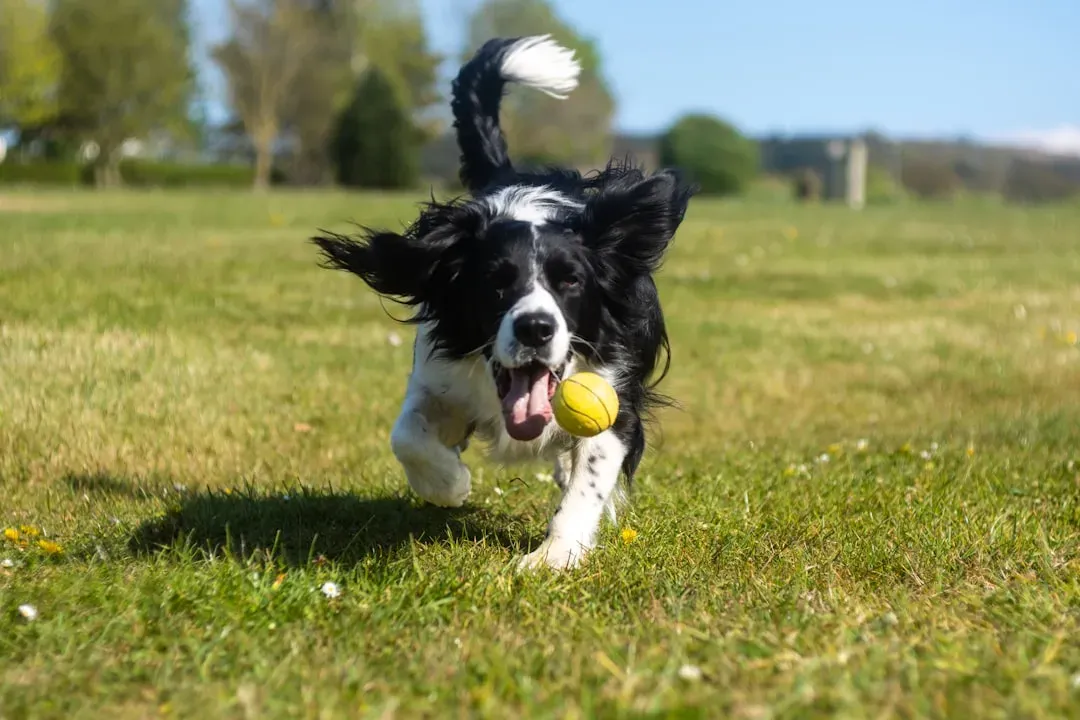
To make play genuinely stress‑relieving rather than overstimulating, you need to pay attention to intensity, duration, and your dog’s personality. Many dogs do best with several shorter sessions of focused play spread throughout the day, rather than one huge exhausting blowout that leaves them wired or sore. Watch for early signs that your dog is getting tired or mentally checked out, like slower responses, more frantic movements, or irritation toward other dogs, and end the session on a positive note before they tip over into overload.
It can help to sandwich high‑energy play between calm activities like sniffy walks, training simple cues, or quiet cuddling. That structure teaches your dog that arousal is not permanent; excitement can rise and fall within a safe, predictable routine. By making play part of a daily schedule instead of something that only happens on weekends or when you feel guilty, you create a more stable baseline for your dog’s stress system, which supports healthier cortisol patterns over the long term.
When Play Goes Wrong: Stress Signals You Shouldn’t Ignore
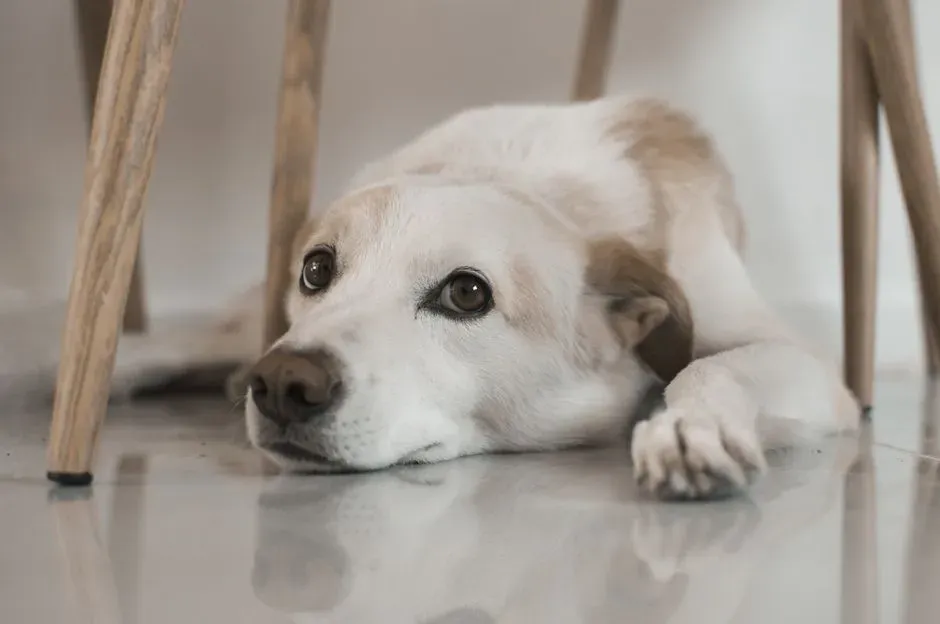
Not all play is automatically good for your dog’s stress levels, and sometimes what looks like fun on the surface is actually overwhelming. If you see stiff bodies, pinned ears, tucked tails, repeated attempts to escape, or one dog constantly chasing while the other never gets a turn to be the chaser, that interaction is probably not truly playful. In environments like busy dog parks, some dogs tolerate rough interactions because they have no way to opt out, which can actually drive cortisol and anxiety up instead of helping them relax.
You should also be cautious with play that becomes frantic or obsessive, such as endless ball throwing that your dog cannot seem to disengage from even when panting heavily. While a little obsession can look humorous, constantly pushing your dog past their physical or mental limits can blur the line between healthy arousal and chronic stress. Your role is to be the calm anchor who steps in, offers breaks, and protects your dog from situations where “play” is just stress in disguise.
Practical Ways to Add More Stress‑Relieving Play to Your Dog’s Life
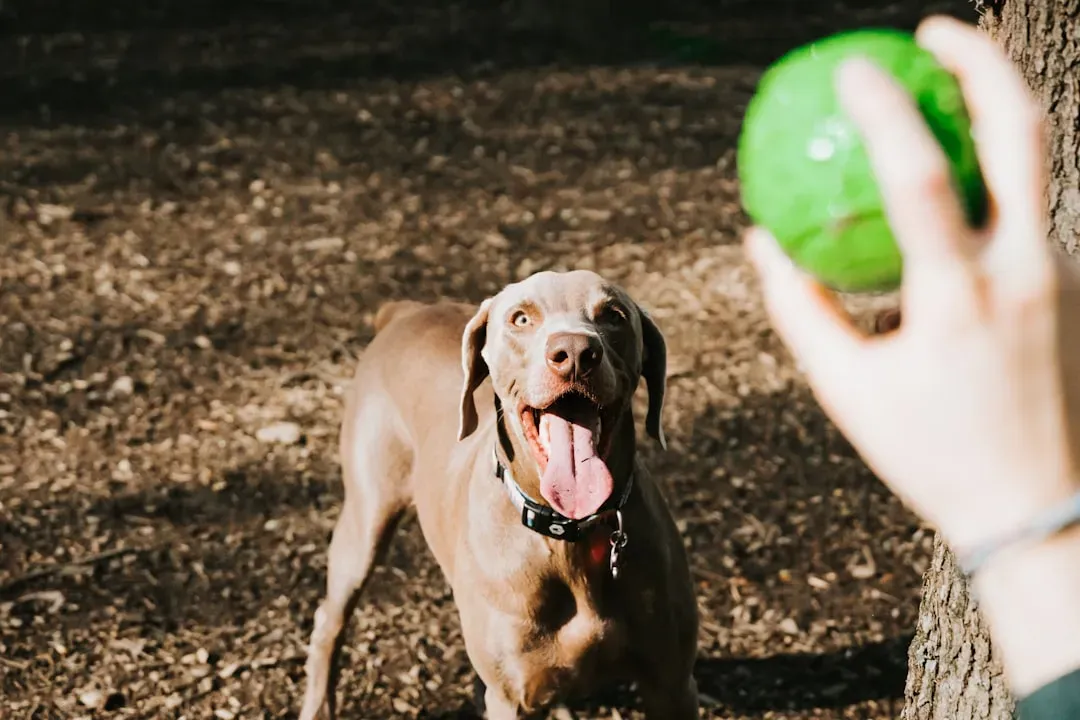
You do not need fancy toys or a perfect dog park to help your dog benefit from social play as a stress regulator. Simple games like tug with clear rules, fetch with built‑in pauses, or gentle wrestling on the floor at home can all support healthier stress responses when done consistently. You can also incorporate play into everyday routines, like a quick game of chase‑me on the way back from a walk or a short tug session before you leave the house, to help your dog feel more satisfied and less anxious.
If your dog enjoys other dogs and handles them well, you might set up small, controlled playdates with one or two well‑matched canine friends instead of relying solely on crowded public spaces. For dogs who are not comfortable with others, you can lean more on interactive toys, scent games, and structured play with you to provide the same kind of emotional outlet. The key is to treat play as a core part of your dog’s mental health care, not a luxury that only happens when you have extra time or energy.
Long‑Term Benefits: From Behavior to Overall Well‑Being
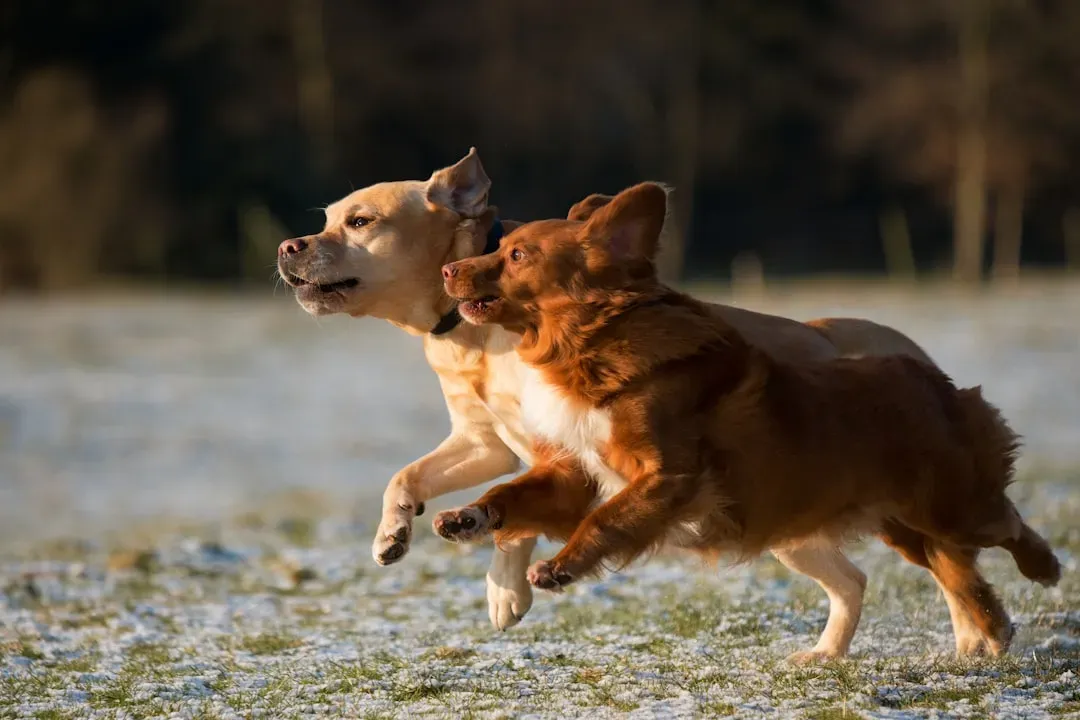
Over the long term, dogs who experience regular, positive social play often show more stable behavior and better adaptability to life’s small surprises. You may notice fewer outbursts, less tension on walks, and a generally more relaxed presence in your home. Because chronically high cortisol is linked to a range of health concerns in many species, including immune function and weight, supporting healthier baseline levels through play may also quietly support your dog’s physical well‑being over the years.
You might think of play as one piece of a larger wellness puzzle that includes good nutrition, medical care, rest, and mental enrichment. When you invest in all of these areas thoughtfully, your dog does not just look happier; they are truly more resilient from the inside out. That resilience is what lets your dog handle the loud thunderstorm, the new baby, or the move to a different home without falling apart, because their nervous system has rehearsed coming back to calm through hundreds of small, joyful play sessions with you.
Conclusion: Turning Everyday Play Into Lifelong Emotional Health
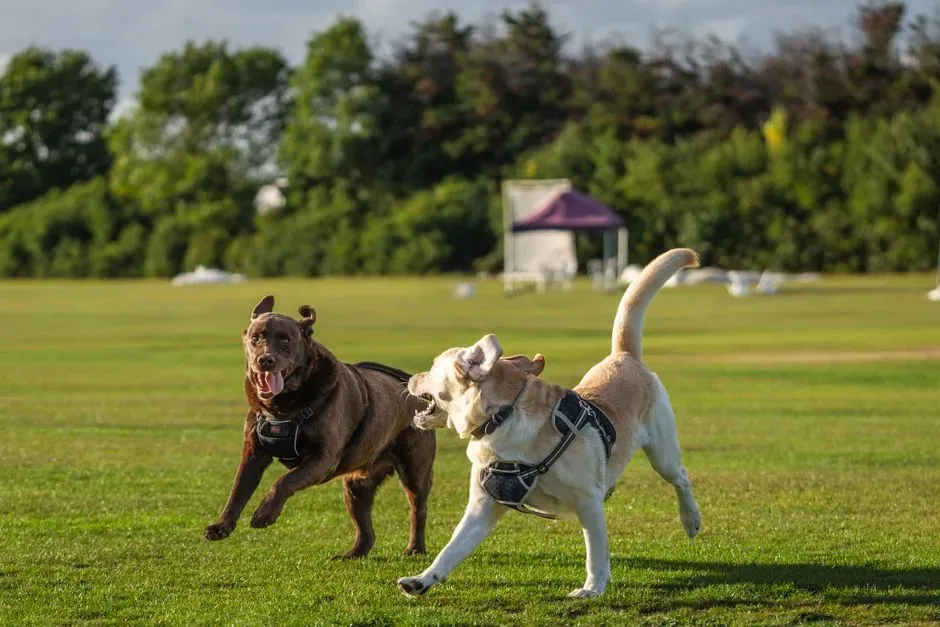
When you see play as your dog’s built‑in stress regulator instead of just a way to kill time, everything from a quick game of tug to a goofy romp with a familiar dog starts to look more meaningful. Those moments are not only lowering cortisol in the short term; they are teaching your dog how to ride the waves of arousal and safely come back to shore. You hold a lot of power in your hands every time you pick up a toy, step into the yard, or say your dog’s name with that playful tone they love.
If you start weaving intentional, positive play into your dog’s routine, you are essentially giving them daily practice at being calm, confident, and emotionally flexible. Over months and years, that practice becomes part of who they are: a dog whose body knows how to stress, recover, and return to balance. So next time your dog nudges you with a toy or bows in front of a canine friend, you might ask yourself: are you willing to say yes to five minutes of play that could quietly reshape their whole day?