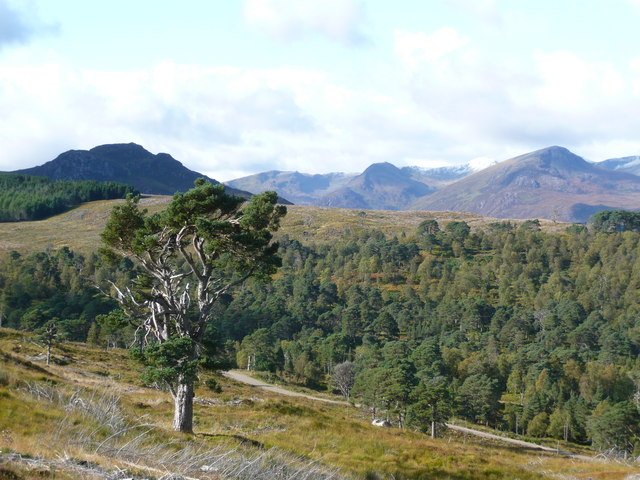

What if the forests you walked through were not just breathtaking, but healing? Imagine a world where ancient trees whisper stories of survival, and every leaf and root hides a remedy or a feast. In Aotearoa, New Zealand, such forests exist—teeming with unique plants like tī kōuka (cabbage tree) and guardians of rongoā Māori, the traditional healing knowledge. These edible forests are living libraries, quietly battling extinction, climate change, and the scars of colonization. Their revival is not just an ecological project; it’s a cultural renaissance, a movement that touches hearts, restores lands, and invites us all to imagine a future nourished by the wisdom of the past.
The Enchantment of Tī Kōuka: More Than a Cabbage Tree
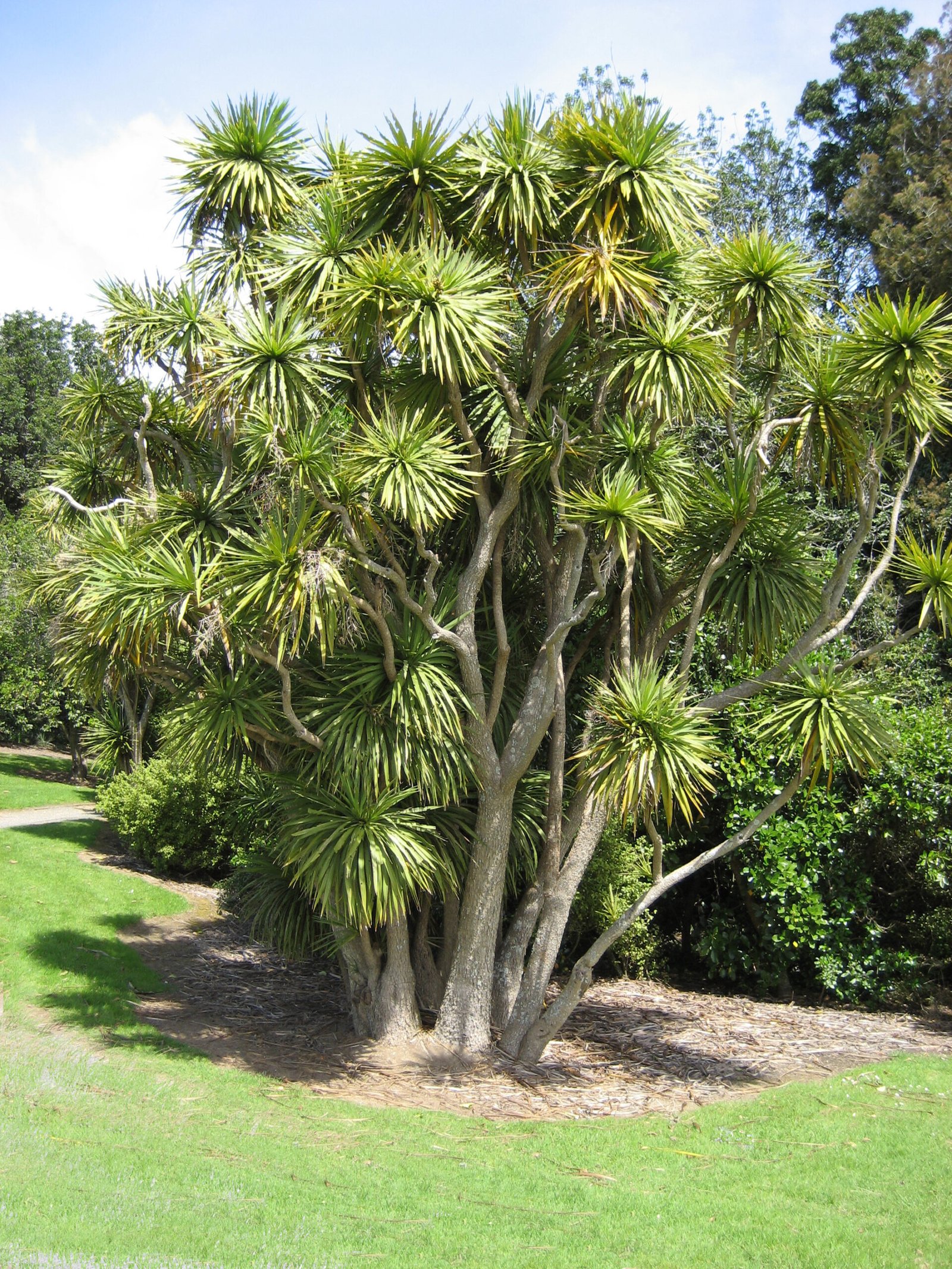
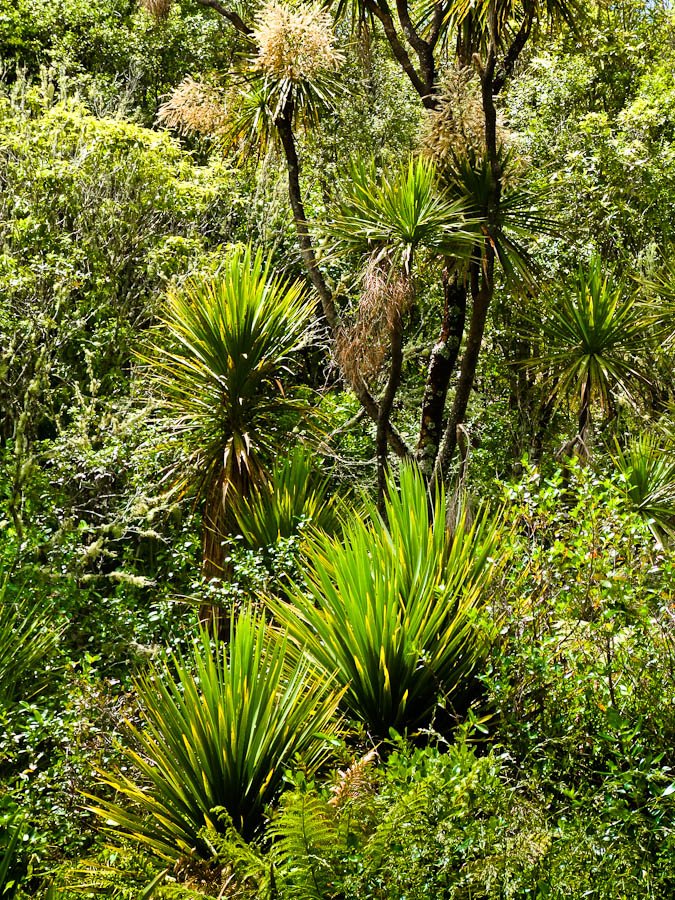
Tī kōuka, known to many as the cabbage tree, stands tall with its spiky leaves and dramatic silhouette, instantly recognizable in New Zealand’s landscape. But beyond its iconic look, tī kōuka is a lifeline—its roots run deep in Māori culture, both literally and metaphorically. The tree’s young shoots and roots were traditionally cooked and eaten, offering sustenance in harsh winters or during long journeys. Its tough, fibrous leaves became ropes, baskets, and even sandals, demonstrating how a single plant could provide for so many needs. Scientists have also uncovered the tree’s remarkable resilience, surviving droughts, fires, and floods, making it a symbol of hope in regeneration projects. Today, tī kōuka is cherished as both a food source and a living emblem of endurance, inviting us to see forests not just as scenery, but as community partners.
Rongoā Māori: Healing Wisdom Rooted in the Forest
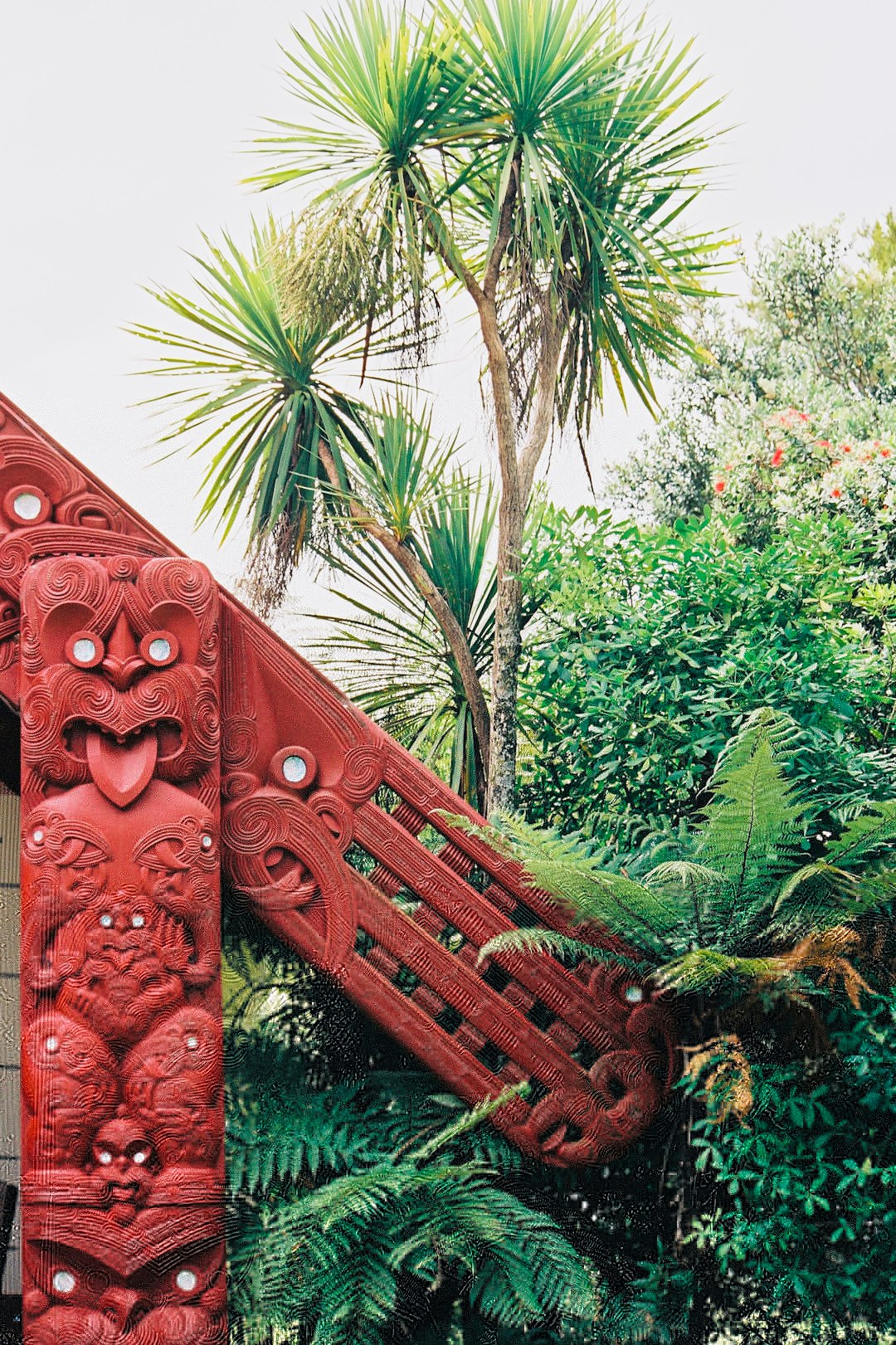
Rongoā Māori is the ancient art of healing, passed down through generations, weaving together knowledge of native plants, spiritual guidance, and deep respect for the land. In the heart of edible forests, rongoā thrives—each plant a potential remedy, each grove a sanctuary for wellbeing. Practitioners use the bark, leaves, and roots of tī kōuka and other endemic species to create balms, teas, and poultices that address ailments from wounds to fevers. This tradition is more than herbalism; it’s a holistic practice that honors the interconnectedness of body, mind, and ecosystem. As rongoā gains renewed recognition in modern health circles, its presence in regenerated forests takes on new urgency, bridging ancestral wisdom and contemporary science.
Endemic Edible Forests: Nature’s Gift to Aotearoa
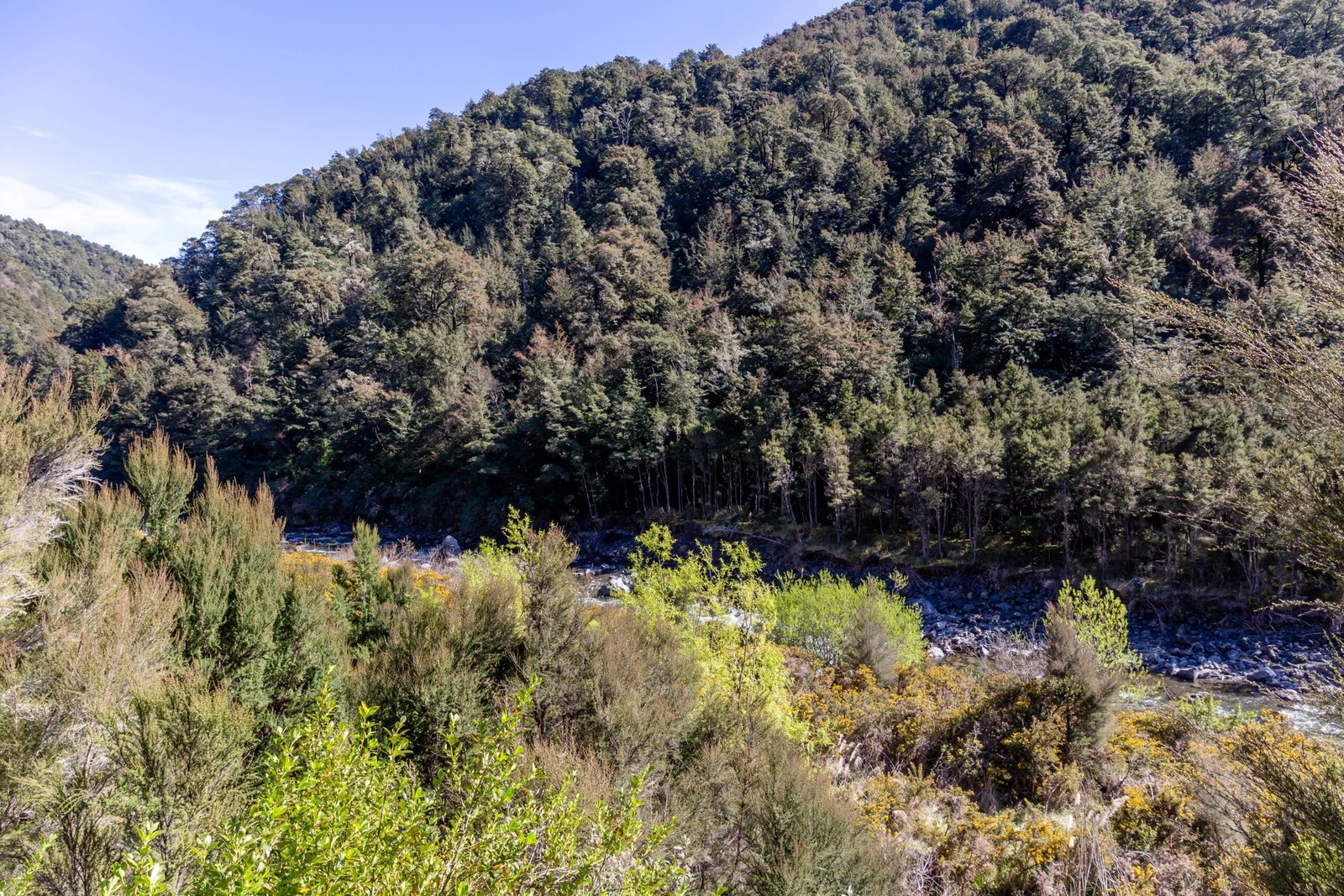
New Zealand’s edible forests are ecological treasures, filled with endemic species found nowhere else on Earth. From lush understories of kawakawa and horopito to towering kahikatea and rimu trees, these forests offer a buffet of flavors and medicines. Unlike monocultures or exotic plantations, endemic forests grow in intricate layers, supporting birds, insects, and fungi in a symphony of life. Scientists are now discovering that these diverse ecosystems capture more carbon, resist pests, and recover from storms faster than their introduced counterparts. For communities, these forests are places of gathering, learning, and celebration—a living pantry that feeds both body and soul.
The Crisis of Loss: What Happened to New Zealand’s Native Forests?
The story of New Zealand’s forests is one of both abundance and loss. Before human arrival, dense forests covered most of the land, echoing with birdsong and teeming with edible plants. The arrival of humans, first Māori and later European settlers, brought sweeping changes—land clearance for agriculture, introduction of invasive species, and logging for timber decimated vast tracts of native woodland. Today, less than a quarter of the original forest remains, and many endemic species teeter on the brink of extinction. The loss isn’t just ecological; it’s cultural, as traditional practices and foods fade along with their habitats. This stark reality has sparked a passionate movement to regenerate what has been lost.
Regeneration in Action: Community-Led Forest Revival

Across Aotearoa, communities are rolling up their sleeves, digging in the dirt, and replanting hope—one seedling at a time. These grassroots regeneration projects are fueled by a blend of scientific research and mātauranga Māori (Māori knowledge), aiming to restore not just trees, but whole ecosystems. Volunteers plant tī kōuka alongside other edible and medicinal natives, carefully selecting species to mimic natural forests. Schools, marae (tribal meeting grounds), and city parks are transforming into learning hubs, where children and elders alike share stories and skills. The sense of pride and connection is palpable; every new leaf is a small act of healing for land and people alike.
Science Meets Tradition: The Power of Collaboration
The most successful regeneration projects often arise where scientists and traditional knowledge holders work hand in hand. Botanists and ecologists bring insights into plant genetics, soil health, and climate resilience, while Māori elders offer generations of wisdom about the uses and significance of each species. This collaboration has led to surprising breakthroughs—like discovering that tī kōuka can purify water or that certain planting patterns reduce insect damage. By respecting both data and heritage, these partnerships are creating forests that are not only productive, but resilient and meaningful for all generations.
Edible Forests for Climate Resilience
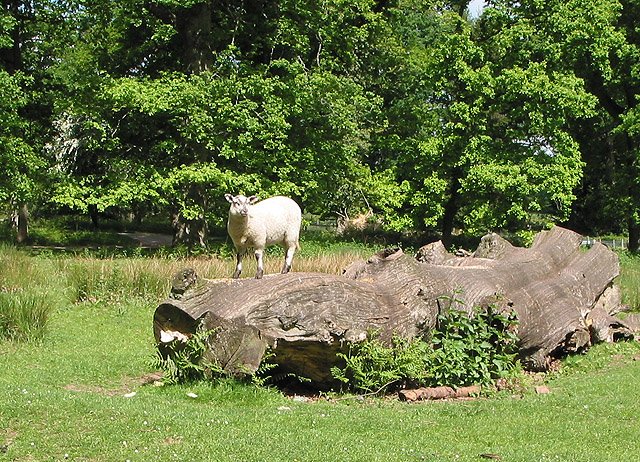
As the world faces ever more severe storms, droughts, and unpredictable seasons, edible forests in New Zealand are stepping up as unexpected heroes. Their deep-rooted trees stabilize soil, preventing landslides and floods, while dense canopies cool the local climate and provide shelter for birds and insects. The diversity of species means that if one crop fails, others can thrive, offering a safety net for food security. In times of crisis, these forests can be harvested sustainably, providing nutrition and medicine when conventional agriculture falters. Regenerating these ecosystems is not just about nostalgia; it’s a smart strategy for climate adaptation.
Rongoā in the Modern World: A Return to Roots
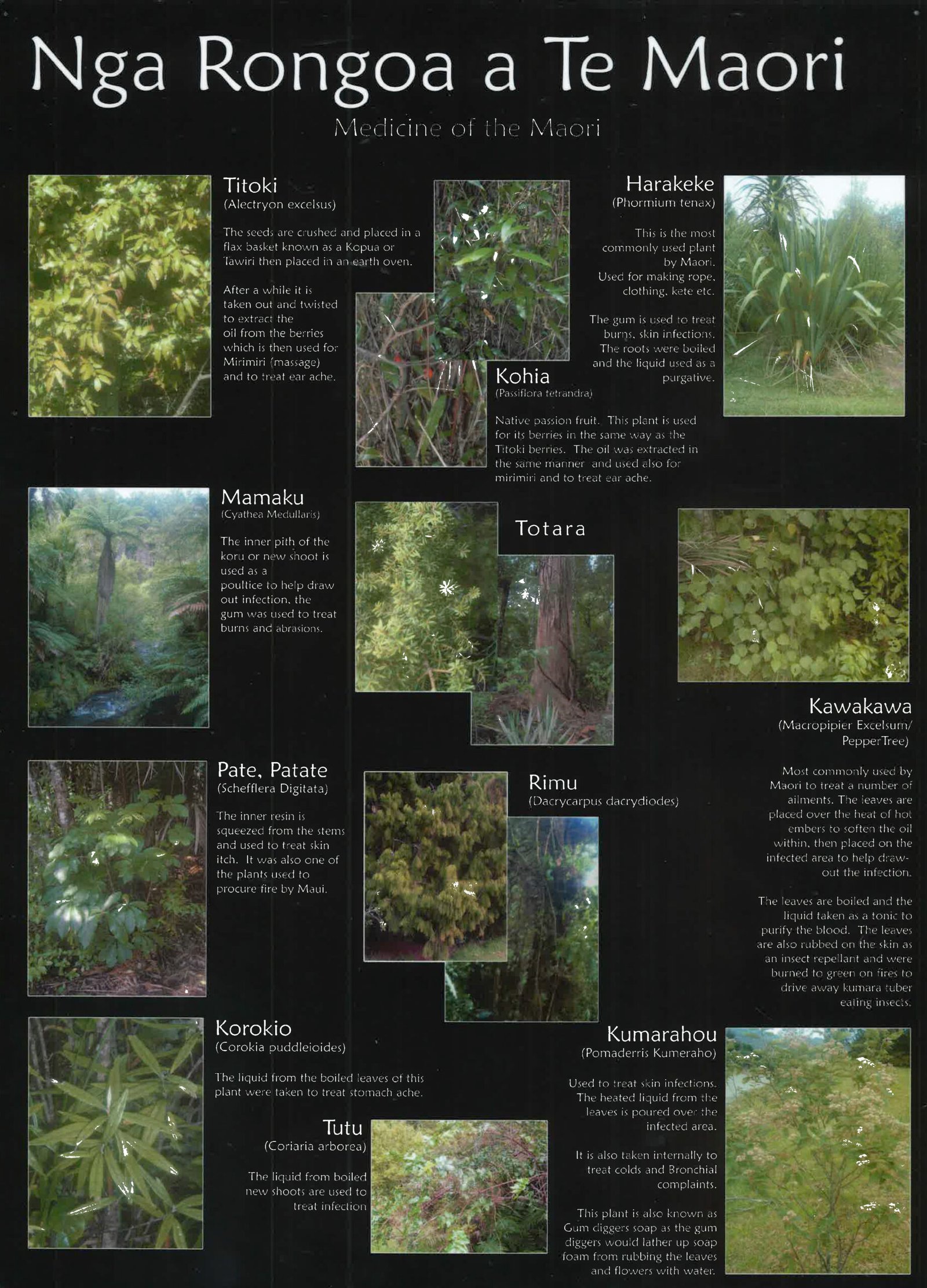
Despite decades of suppression, rongoā Māori is experiencing a renaissance, finding its place alongside modern healthcare. Clinics and wellness centers now offer rongoā treatments, and research is catching up, validating the anti-inflammatory and antimicrobial properties of many native plants. For many, using rongoā is an act of reclaiming identity and reconnecting with the land. The revival of edible forests ensures these plants remain accessible, wild, and potent, rather than relegated to museum shelves or dusty books. This movement is as much about healing communities as it is about healing bodies.
The Future of Tī Kōuka: Guardianship and Innovation
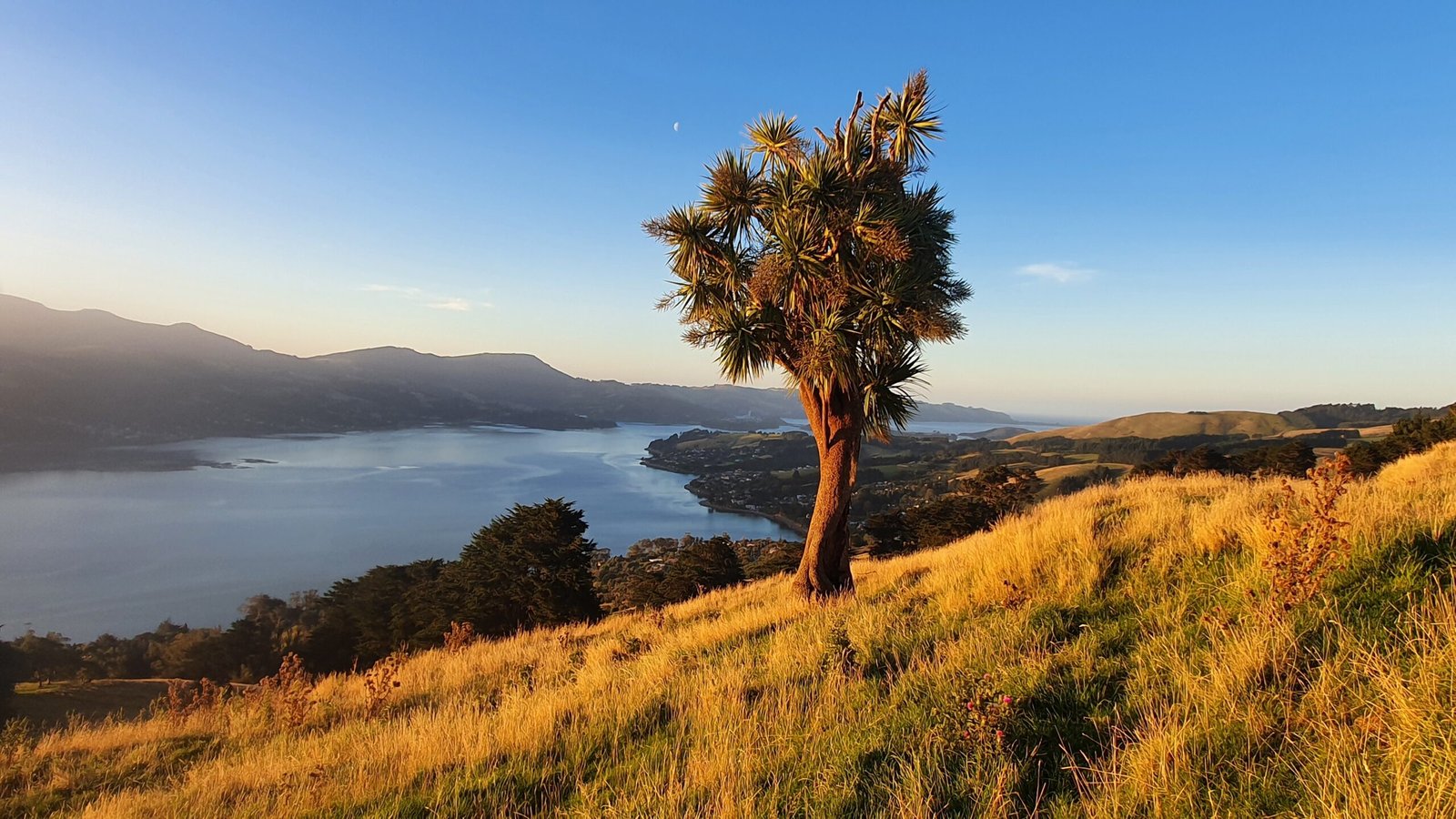
Looking ahead, tī kōuka stands as both a symbol and a challenge. Its ability to adapt, regenerate from root fragments, and survive in harsh environments inspires new approaches to ecological restoration. Scientists are experimenting with planting tī kōuka as natural fences, erosion controls, and even as biofilters in polluted waterways. Meanwhile, artists and storytellers celebrate the tree in song, sculpture, and dance, keeping its story alive for future generations. The journey is ongoing, but the vision is clear: a landscape where tī kōuka thrives, not as a relic, but as a vibrant member of a living, edible forest.
Education and Empowerment: Passing the Torch
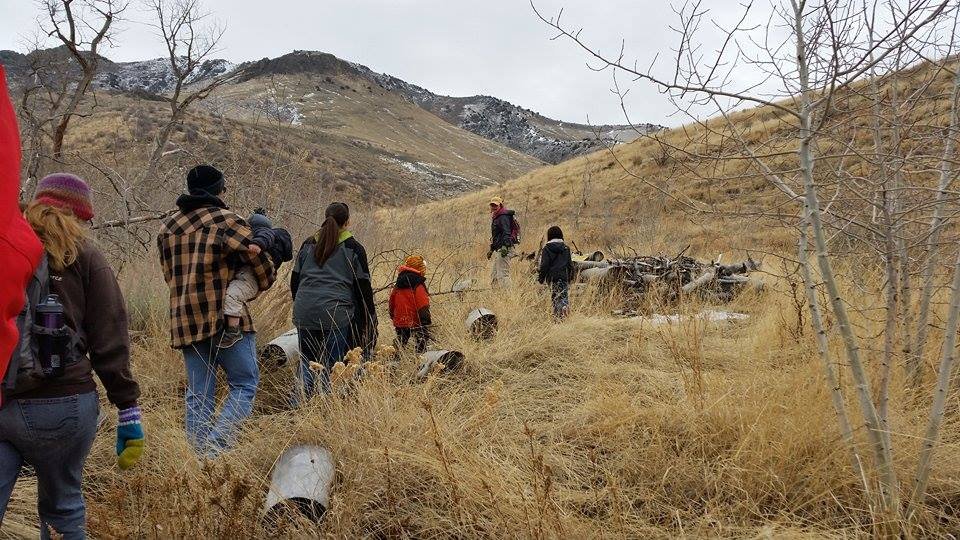
Regenerating edible forests is not just a job for experts; it’s a community adventure. Workshops, guided forest walks, and school gardens are sparking curiosity and pride in young and old alike. Elders teach plant identification and harvesting techniques, while scientists explain the magic of photosynthesis and soil microbes. This shared learning builds resilience, creativity, and a sense of belonging. As more New Zealanders reconnect with their edible forests, the knowledge and love for these places grow, ensuring that the wisdom of tī kōuka and rongoā will not be forgotten.
Key Takeaways and a Call to Wonder
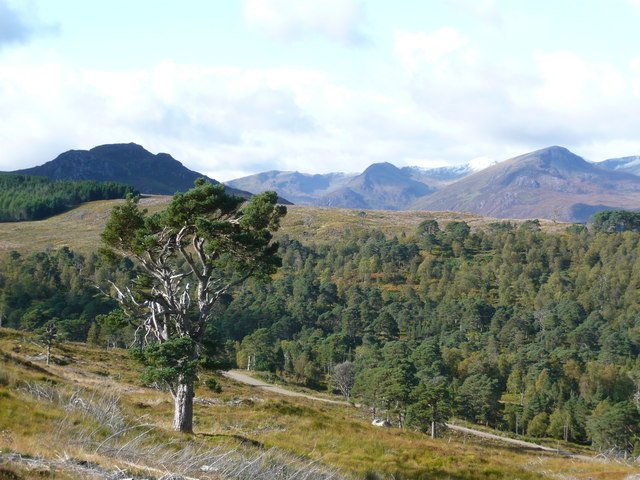
Regenerating tī kōuka and rongoā in New Zealand’s endemic edible forests is an act of hope, resilience, and rediscovery. These efforts safeguard biodiversity, nourish communities, and restore cultural pride, all while offering practical solutions for a changing climate. The intertwining of science and tradition creates new possibilities for healing both people and the planet. As the leaves of tī kōuka unfurl in the sun, we are reminded that every forest holds stories worth saving, and every act of regeneration shapes the legacy we leave behind. What stories might your own landscape be waiting to tell?