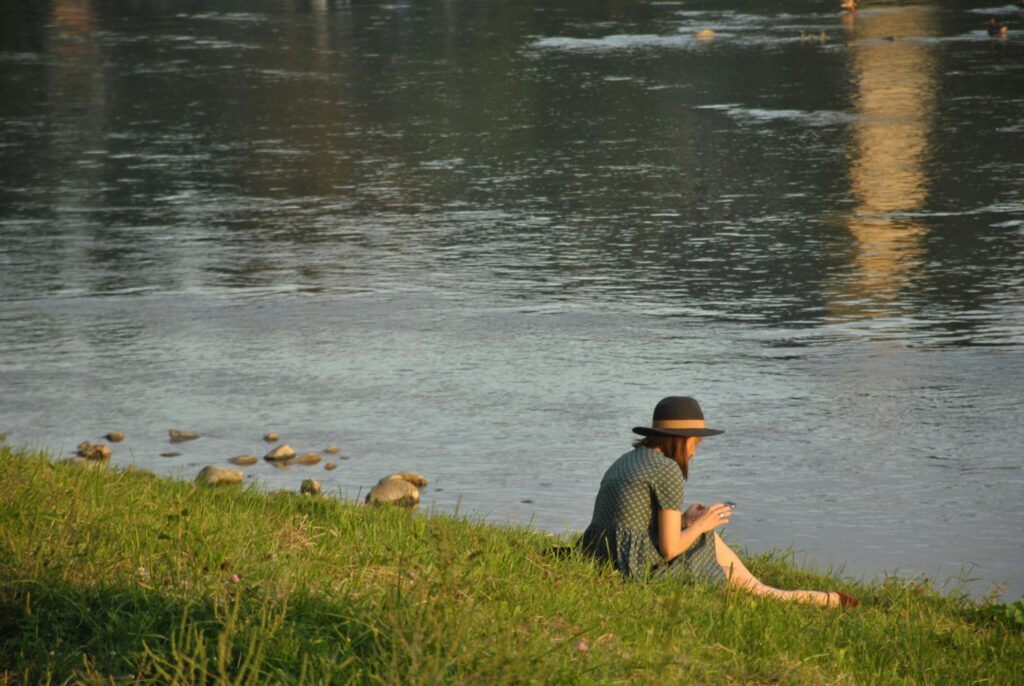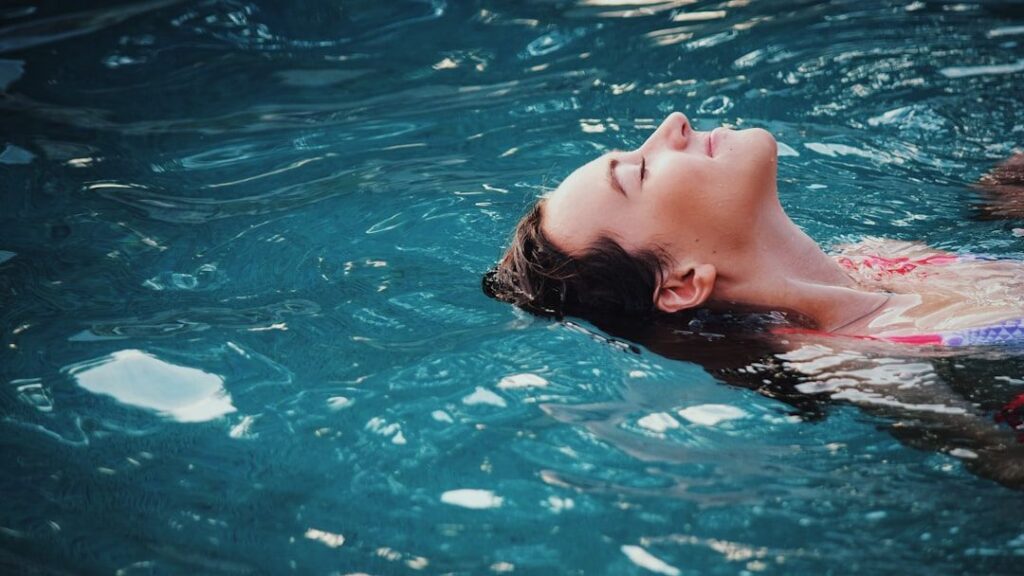

You know that feeling when you step onto a beach, hear the waves, and your whole body just exhales? Or when you sit by a lake or even scroll past a crystal-blue ocean photo and instantly feel calmer? That reaction is not random, and it is not just you being dramatic. Your brain and body are wired to respond to water in very specific ways that go back to the earliest days of human survival.
When you start to look at your love of oceans, lakes, rivers, and even long hot showers through the lens of evolution, it suddenly makes a lot more sense. Water has always meant safety, food, connection, and sometimes even power. So when you feel drawn to it, you are not being irrational; you are tapping into layers of ancient programming. Once you see how deep this goes, you may never look at your favorite beach spot or bathtub the same way again.
Water Meant Survival Long Before It Meant Vacation
Long before you associated water with beach resorts or infinity pools, your ancestors associated it with the most basic question of all: do you live, or do you die? Without reliable access to freshwater, early humans could not drink, cook, clean, or grow food. That means individuals who instinctively stayed close to water, or felt a pull toward it, were more likely to stay alive and pass on their genes. You carry those instincts in your nervous system, even if you now meet your water needs from a kitchen tap instead of a river.
When you feel unusually at ease near lakes and rivers, what you might actually be feeling is an old survival algorithm saying, “We are near resources. We are safer here.” In evolutionary terms, water meant stable food sources like fish, fertile land, and predictable migration routes. Your attraction is not just emotional; it is rooted in countless generations who learned the hard way that being far from water was a risky strategy. Your modern vacations are built on ancient survival patterns.
Your Brain Treats Blue Spaces Like a Natural Anti-Stress Switch
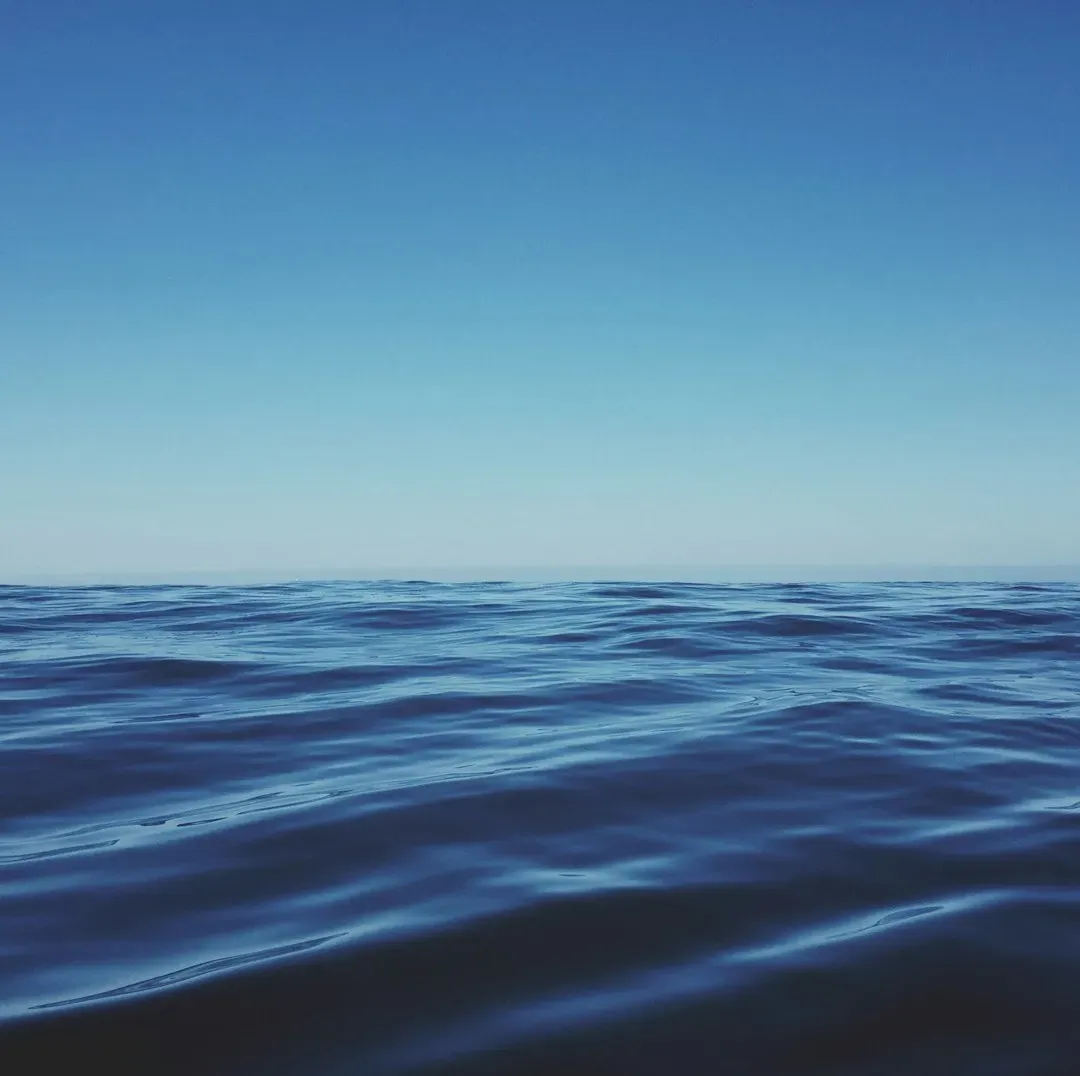
When you look at a calm body of water, your brain does not just see a pretty view; it quietly shifts into a different state. Activity in areas linked to stress and threat detection can dial down, while networks associated with reflection, daydreaming, and creativity often become more active. You may notice your thoughts slowing, your breathing softening, and your internal monologue turning from frantic to reflective. That is your nervous system responding to a predictable, gentle environment where nothing is jumping out at you.
Compared with chaotic city streets or cluttered rooms, a simple horizon of water and sky gives your brain far less sensory noise to manage. You are not constantly scanning for danger, traffic, or notifications. Instead, your attention can rest on slow waves, subtle ripples, or the play of light on the surface. This kind of visual simplicity is surprisingly powerful: it lets your mind recover from overload and shift into a restorative mode. You experience it as peace, but underneath, your evolved brain is simply confirming, “No immediate threat detected. You can relax.”
Your Senses Are Hardwired to Respond to Water’s Signals
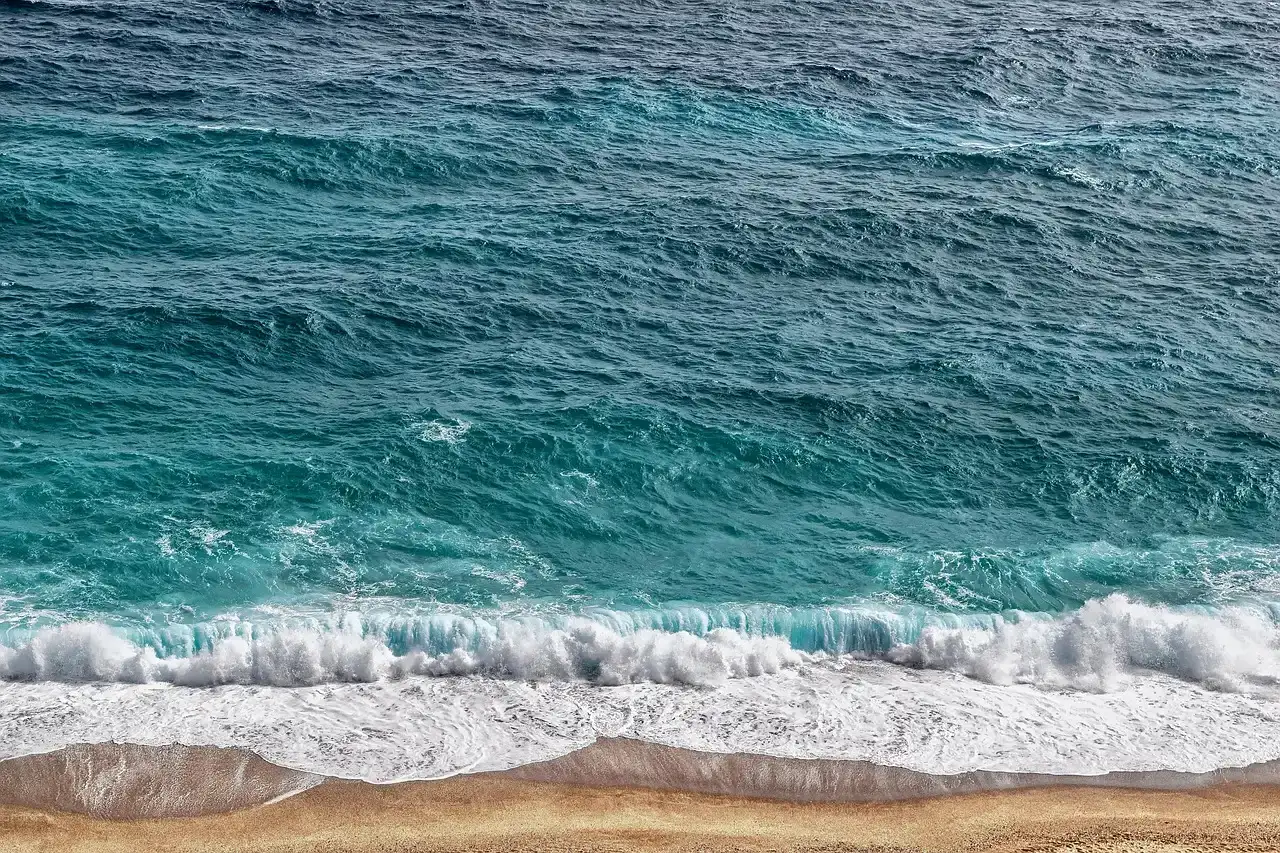
Think about how many senses water touches at once: the sound of waves or rain, the feel of mist on your skin, the sight of reflections, even the subtle smell of a lake or ocean. Over evolutionary time, each of these signals carried important information. The sound of flowing water, for example, typically indicated a source of drinking water, while the consistent rhythm of waves suggested a stable environment rather than sudden chaos. Your ears and eyes learned to treat these cues as signs of relative safety and opportunity.
Today, your senses still interpret those signals as calming or grounding, even if you are sitting in a waterfront café instead of hunting or gathering. The steady whoosh of the tide can feel like a reassuring heartbeat in the background of your awareness. Soft light on the surface of a lake can hold your gaze without overwhelming it, giving your attention a gentle place to land. Your sensory system has been tuned by evolution to register water as important and meaningful, so it is no surprise that a simple shoreline can feel like instant therapy.
Water Offered Food, Fertility, and a Future
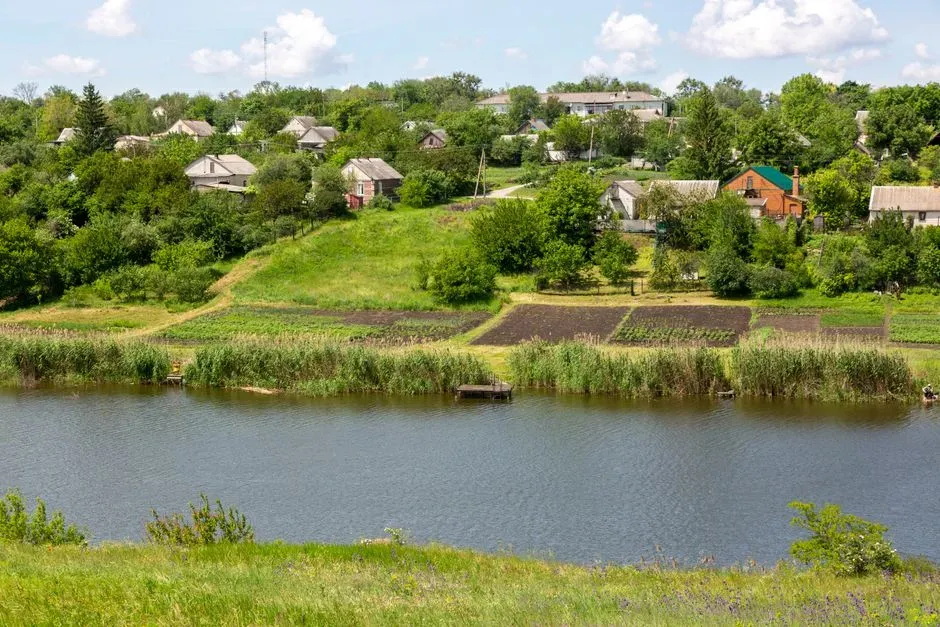
If you imagine yourself as an early human choosing where to settle, you can probably guess which locations would feel promising. Areas near rivers, lakes, or coasts did more than quench thirst; they offered fish, shellfish, and fertile land for growing plants. That meant more calories, more nutritional variety, and better chances of raising healthy children. When you feel drawn to live by the water or dream about a house with a sea view, you are echoing a very old logic: water means resources, and resources mean a future.
Over many generations, groups that picked water-rich environments tended to be more stable and better nourished. This did not just affect physical health; it also influenced social life, culture, and cooperation. Communities could stay rooted, build structures, and plan ahead rather than constantly wandering in search of the next drinkable source. Your romanticized image of a village on a riverbank or a town by the bay is not just aesthetic taste. It is a reflection of how deeply water has been linked with prosperity, fertility, and long-term security in the human story.
Rivers and Coasts Became Your Ancestors’ Highways
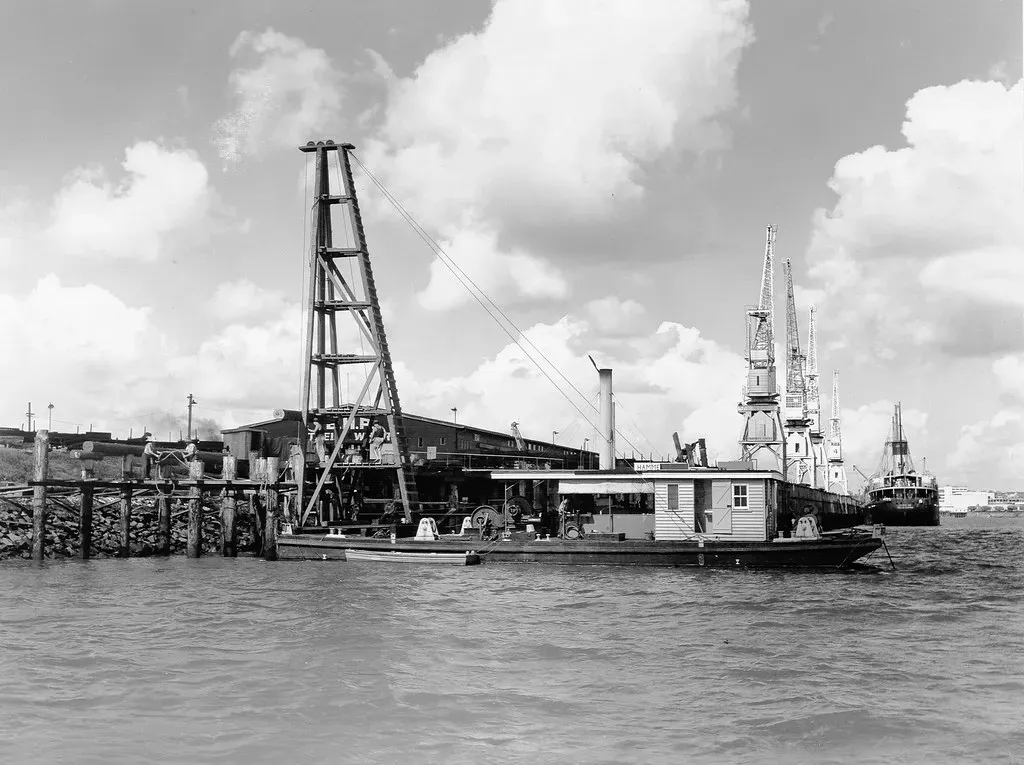
Before modern roads and planes existed, water was the original transportation network. Rivers, lakes, and coastlines were like highways your ancestors could use for trade, migration, and exploration. Settling near water did not just mean survival; it meant connection. Goods, stories, technologies, and even romantic partners could move more easily along waterways. When you feel energized by standing at a busy harbor or watching boats pass, you are sensing a very old association between water and movement.
That link between water and connection shaped human culture in ways you still feel today. Many major cities grew up along rivers and coasts precisely because those locations made travel and trade easier. You may experience these places as vibrant, diverse, and full of possibility. Deep down, your brain has learned that where there is water, there are people, ideas, and opportunities. Your attraction to a bustling waterfront or a lively harbor town is not random taste; it is an echo of how your species widened its world.
Immersion in Water Changes Your Body Chemistry
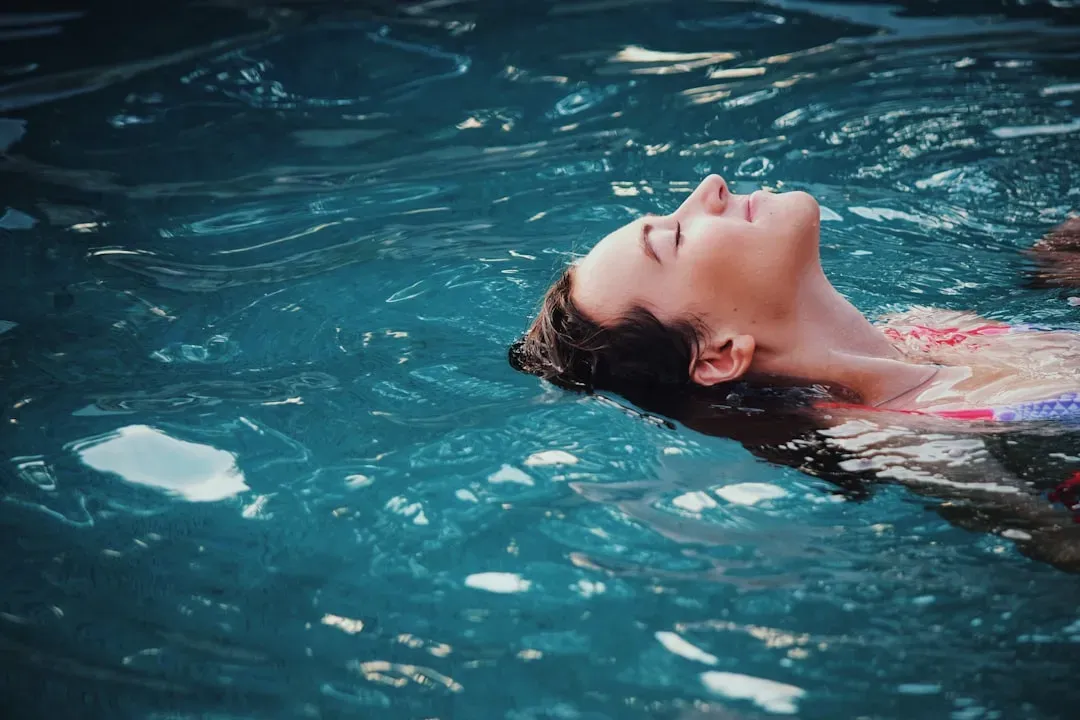
When you actually get into the water instead of just looking at it, your body goes through a series of subtle but powerful shifts. Immersion can change your heart rate, blood pressure, and breathing pattern. Cool water may trigger a mild stress response at first, but as you acclimate, your system often settles into a calmer rhythm. Warm water can relax your muscles, ease tension, and give your nervous system a clear signal that it is safe to let go. You feel this as a physical sigh of relief, but below the surface, complex biology is at work.
Buoyancy also gives your joints and spine a break, especially if you normally carry a lot of tension or pain. Floating or swimming redistributes the load your body usually bears, which can feel strangely freeing, almost like being temporarily weightless. That combination of reduced physical strain and soothing sensory input can reinforce your emotional bond with water. You learn, on a deep bodily level, that water is a place where you can reset, heal, and feel more at ease inside your own skin.
You Use Water to Regulate Emotion Without Even Realizing It
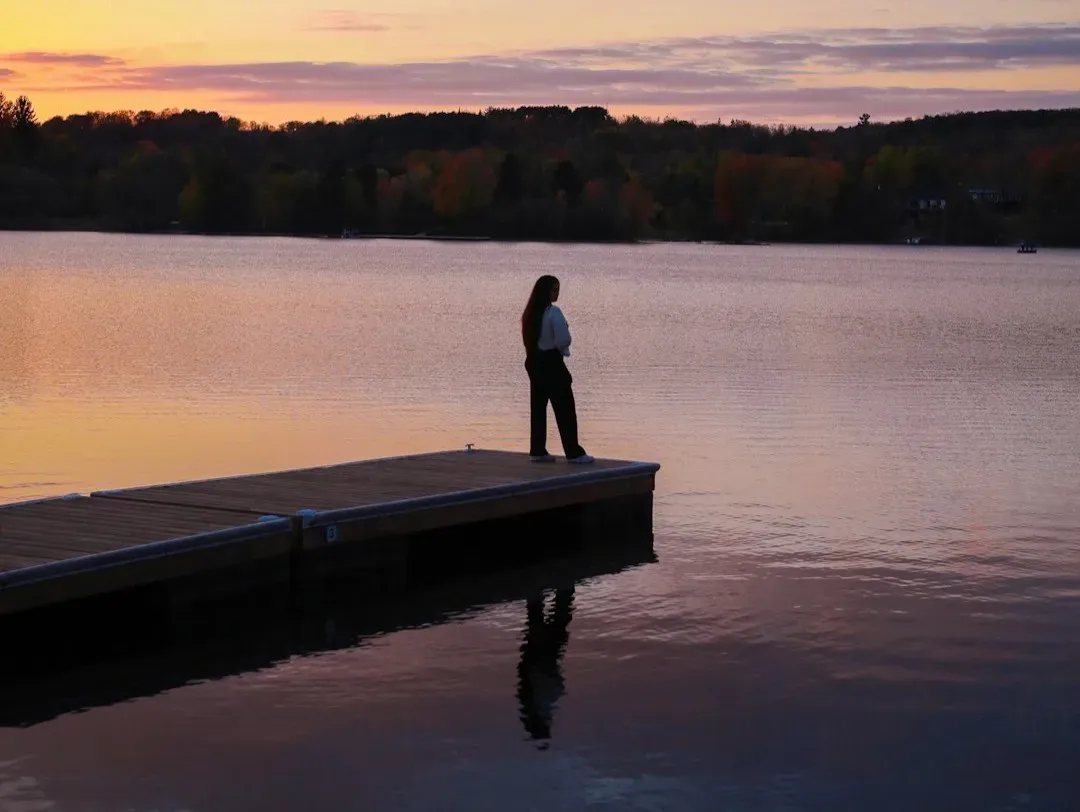
Think about how often you turn to water when you need to reset: a hot shower after a long day, a bath when you are overwhelmed, a walk by the river when your thoughts get too loud. You might describe these as habits or little rituals, but psychologically, they are forms of emotional regulation. Your brain has learned that water helps you shift states, from agitated to calmer or from scattered to more focused. You keep going back to it because, over time, your experience has confirmed what your biology already suspected.
Even small, everyday interactions with water can become anchors for your mood. Washing your hands, splashing your face, or standing under rainfall can all mark a transition from one emotional state to another. You may not think of these moments as profound, but they quietly reinforce your sense that water is a friend when you feel off balance. In a world full of digital distractions and constant noise, going back to something as simple and ancient as water can feel surprisingly grounding, like returning to an older, wiser part of yourself.
Your Imagination Turns Water into a Symbol of Change and Renewal
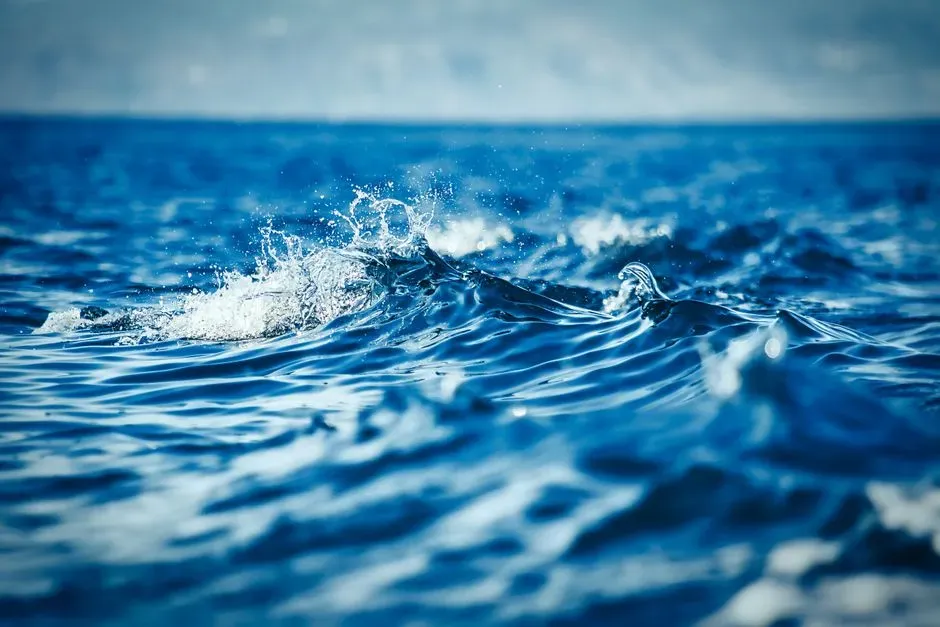
Beyond biology and survival, you also live in a world of meanings and symbols, and water sits at the center of many of them. You tend to associate it with cleansing, rebirth, and fresh starts, whether you are thinking about a new year, a new stage of life, or just a new day. This is not an accident. Water has always been tied to cycles: tides come and go, rivers flow and change course, rain falls and evaporates. When you look at water, you are not just seeing a substance; you are seeing movement and transformation.
On a personal level, you may use water images when you talk about your own emotional life. You describe feelings as waves, talk about drowning in work, or say you are trying to go with the flow. Those metaphors hint at how deeply water has soaked into your mental landscape. When you feel drawn to a waterfall or a stormy sea, part of that attraction might be symbolic: you see your own inner changes reflected in the shifting surface. Water gives you a moving mirror for your inner world, and that can be strangely comforting.
Modern Life Has Not Erased Ancient Instincts
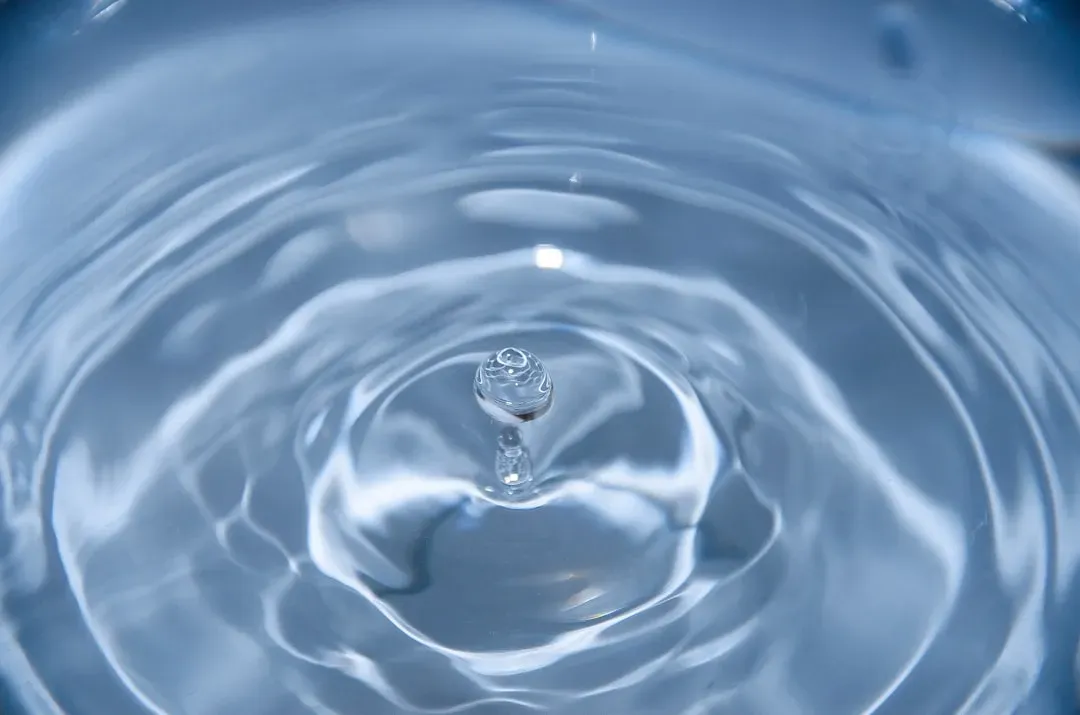
Even if you spend most of your time indoors, scrolling through screens and living far from the nearest coast, your nervous system has not forgotten what water meant for most of human history. You still experience thirst, you still rely on clean water every day, and your body still responds to its presence with deep familiarity. Urban planners and architects quietly acknowledge this when they design fountains, riverside parks, and waterfront developments that people naturally flock to. You may think you choose those spots for the view, but your instincts are steering you as well.
At the same time, you live in a world where natural water sources are under pressure from pollution, overuse, and climate change. Your deep attraction to water can become a kind of wake-up call: when you feel peaceful by a lake or thrilled by the ocean, you are also sensing something precious that needs protection. Your ancient love for water can guide your modern choices, from how you use resources at home to the places you support and fight for. In that way, your evolutionary wiring does not just explain your behavior; it can shape a wiser future.
Conclusion: Listening to What Your Attraction to Water Is Telling You
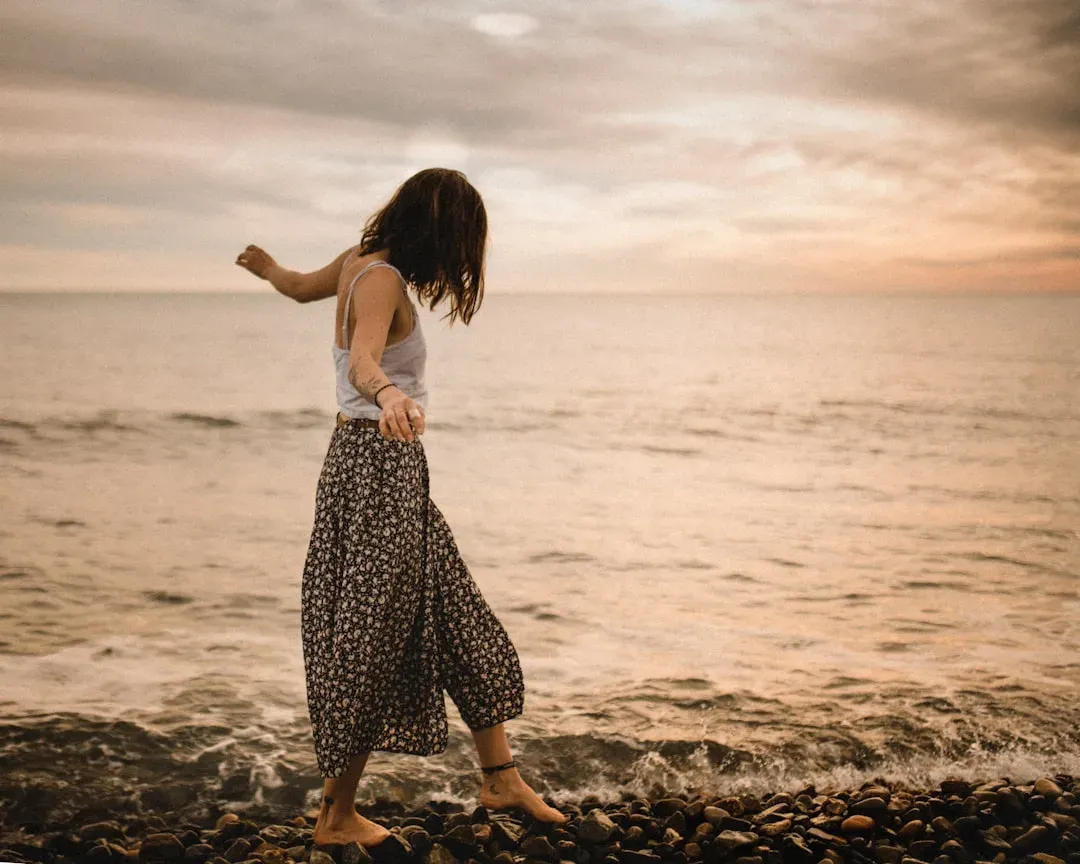
When you step back and look at all the threads woven into your love of water, a clear picture emerges. You are drawn to it because your ancestors survived by it, your senses are tuned to its signals, your brain relaxes in its presence, and your imagination sees itself reflected in its movement. What feels like a simple preference for beaches over mountains is, in reality, a layered response built over countless generations. You carry those stories in your bones every time you stand at the edge of a river or sink into a bath.
If you pay attention, your attraction to water can become more than just a vacation preference; it can be a guide. It can remind you to slow down when life speeds up, to seek environments that truly restore you, and to protect the natural systems that quietly keep you alive. The next time you find yourself staring at waves or lingering by a fountain for a few extra minutes, you might recognize that pull for what it really is: an ancient part of you waking up. Knowing that, how will you treat your next encounter with water?