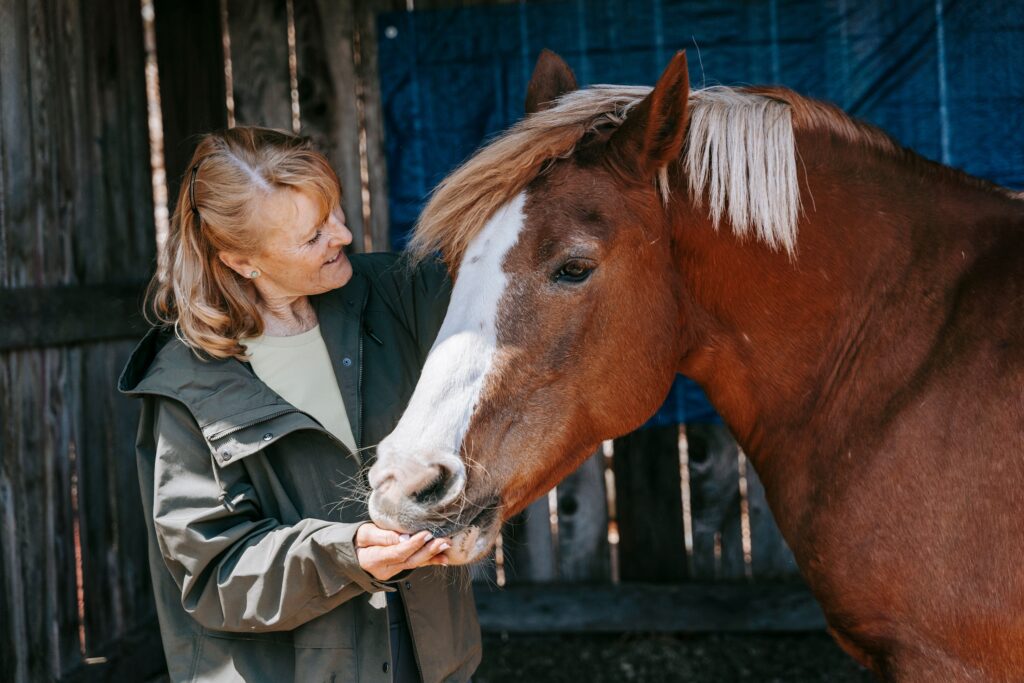

You probably know the scene already: a child breaks down in tears, and before you can even move, the family dog or cat is already there, pressing close, licking a hand, or curling gently against a shaking body. Nobody called them, nobody pointed or gave a cue, and yet the animal responds like a tiny furry therapist. You feel in your gut that something important is happening in that moment, but psychology goes a step further and calls it what it is: an empathic decision. When you look at this through the lens of science, it becomes even more fascinating. Your animal is not just reacting randomly; it is picking up on specific signals coming from the child, weighing what they mean, and then choosing a comforting action. You are watching a cross-species emotional connection unfold in real time, built on sound, smell, and social history. And once you see it that way, you never look at those quiet, tender moments in your living room the same again.
How Your Pet Actually Detects a Child’s Distress
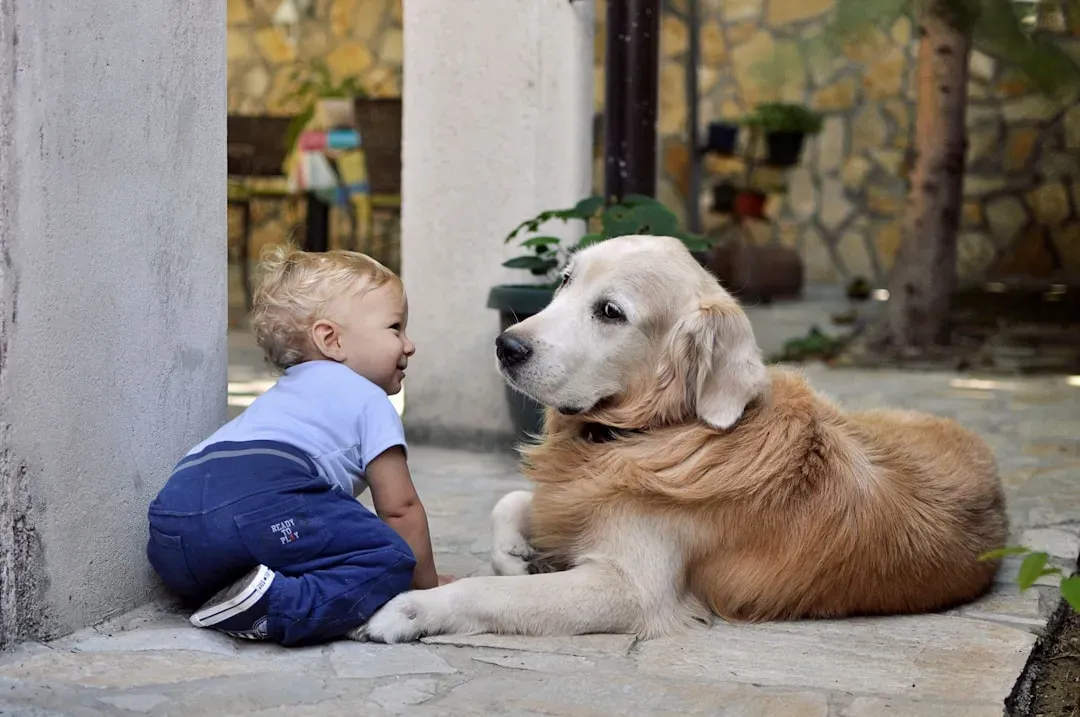
When your child cries, your pet isn’t just hearing “noise”; it is detecting a very particular acoustic pattern that stands out from everyday sound. Distress cries tend to be higher-pitched, more intense, and rhythmically different from normal chatter or excited squeals, and many domestic animals are remarkably tuned in to those differences. Over time, your dog or cat learns that this specific sound usually means something is wrong, and their body reacts before you’ve even stood up from the couch. But sound is only part of the story. A crying child’s body chemistry shifts in seconds, changing sweat composition and scent in tiny ways your pet’s nose can detect even if you can’t. Stress hormones influence odor, and animals that live closely with you start to associate certain smells with your child feeling upset, scared, or hurt. Put those acoustic and chemical clues together, and your pet is basically running a real-time emotional radar scan every time your child’s mood suddenly crashes.
Why Researchers Call That Response Empathic

When psychologists and animal behavior scientists call this response “empathic,” they’re pointing to something deeper than simple conditioning. Empathy, in this context, means your pet not only detects distress but is motivated to reduce it, approaching the crying child in a way that appears tailored to comfort, not just to get food, praise, or a toy. The animal is not just saying, “something is happening”; it is acting as if it understands that “something bad is happening to you.” You can see this in the choices your pet makes. Instead of running to the food bowl or to the door, it often goes straight to the child, slows its movements, lowers its body posture, or offers gentle physical contact. From a research perspective, that pattern looks less like a random habit and more like a decision to engage in what could reasonably be interpreted as emotional caregiving. That’s why the word empathic is not just sentimental language; it reflects a behavioral pattern that lines up with what, in humans, you’d also call empathy.
The Subtle Signals Your Own Body Sends to Animals
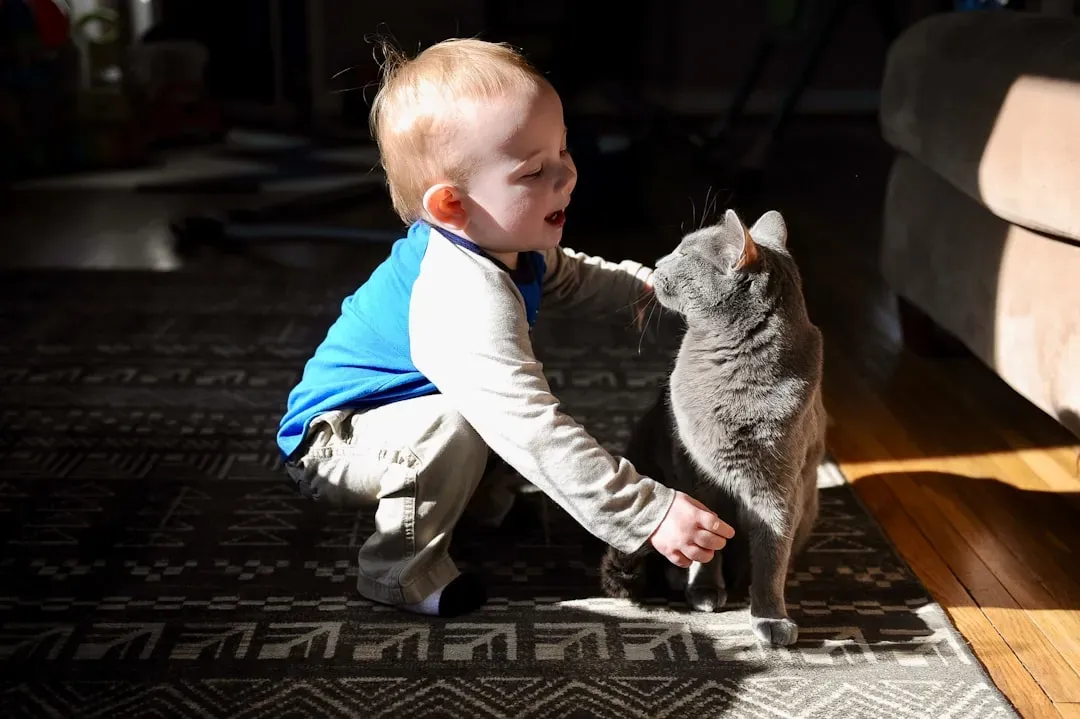
You might not realize how “loud” you are to an animal, even when you are completely silent. Your breathing rate, posture, and tiny shifts in muscle tension all send signals your pet can notice without conscious effort. To a dog or cat that sees you all day, every day, your baseline patterns become as familiar as a favorite route to the park, so any sudden spike in tension, trembling, or collapse into tears stands out like a flashing warning light. Your child’s face is another strong signal. Even very young animals in domestic settings can start to associate certain facial expressions with events: scrunched eyebrows and tears linked with pain, wide eyes and laughter with play. You probably can’t see every subtle micro-expression, but an animal that constantly watches you and your kids gets a steady stream of nonverbal information. Over time, that stream becomes a map, and whenever distress shows up on that map, your pet knows where to go and how to respond.
Why Some Pets Rush In While Others Hang Back
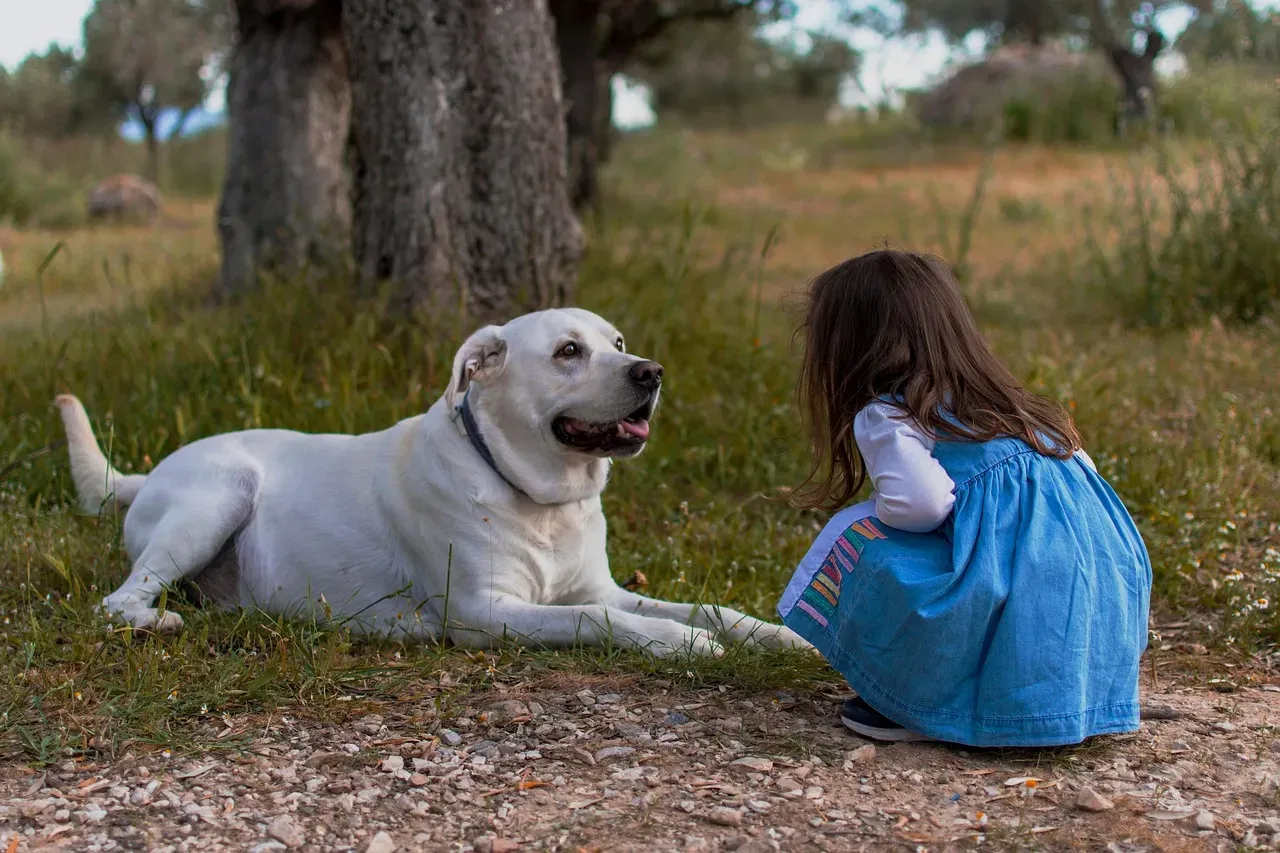
If you’ve ever noticed that one dog in a household is the “comforter” while another is more aloof, you’re seeing personality and past experience in action. Some animals are naturally more socially attentive; they track human movement, tone of voice, and facial expression more closely, so they pick up on distress faster and respond more boldly. Others notice it too but may be cautious, worried, or unsure what to do, so they hang back or offer comfort from a small distance. Your own behavior shapes this over time. When a pet approaches a crying child and the situation calms down, the animal experiences that as a kind of emotional reward: the noise stops, the tension reduces, and social contact increases. That pattern encourages the animal to repeat the behavior in the future. On the other hand, if the environment becomes loud, chaotic, or scary when a child cries, a more sensitive animal may learn to keep its distance. The decision to be empathic in action is always filtered through that personal history.
What This Means for Your Bond With Your Pet
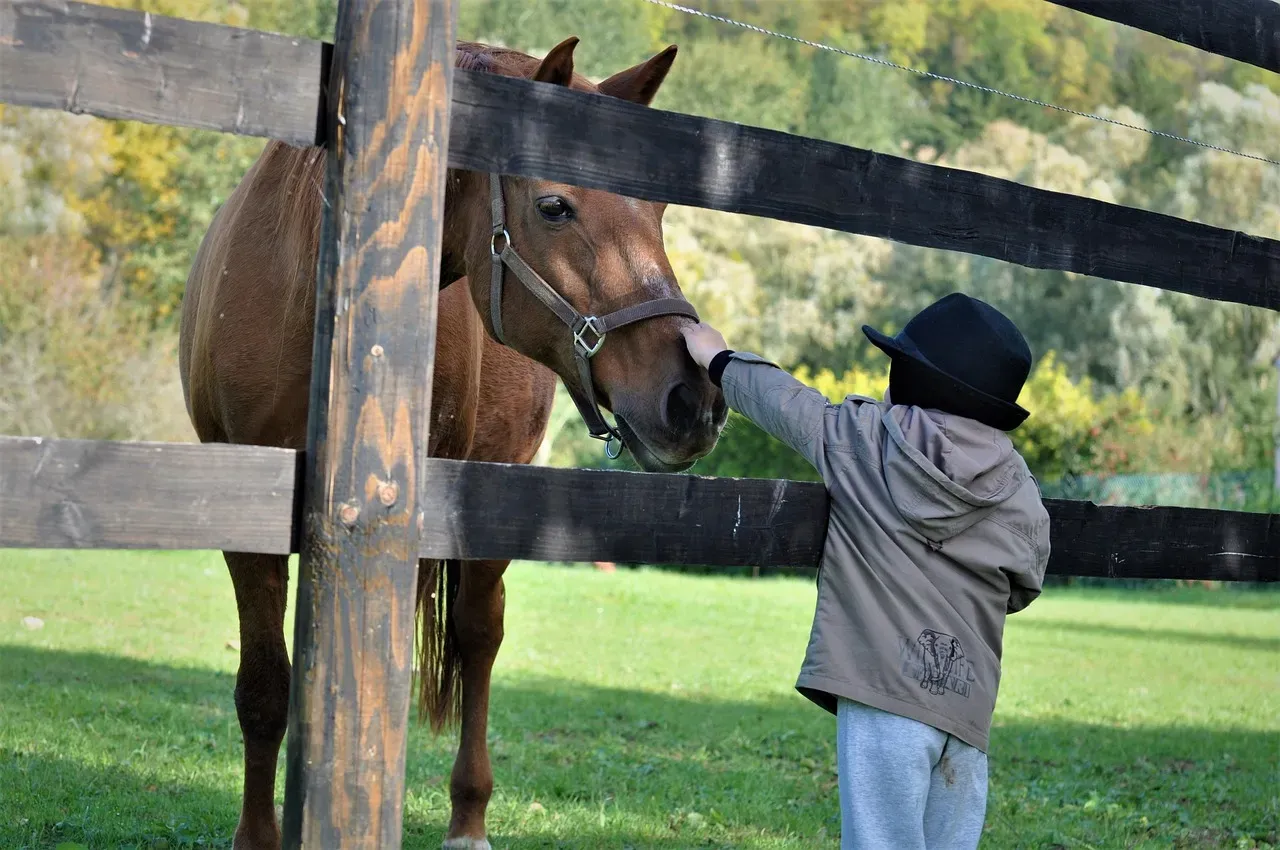
Once you understand that your pet’s comforting behavior is a real, decision-based response to perceived distress, your relationship with that animal can feel very different. You are not just a food dispenser or a door-opener; you are part of a shared emotional ecosystem where your moods actually matter to your animal. When your child cries and the dog or cat rushes over, you are watching a bond that was built day by day through thousands of tiny interactions. You also begin to see how much responsibility you carry in that bond. If you consistently respond kindly when your pet seeks contact or comfort, you reinforce the idea that emotional closeness is safe. That, in turn, makes it more likely your animal will step in during moments of distress, like a rough day at school or a scraped knee in the backyard. It’s a loop: your care teaches your pet to care, and your pet’s empathic decisions remind you that you’re living with a sentient being who is paying attention to your inner world.
How You Can Support and Encourage Empathic Behavior
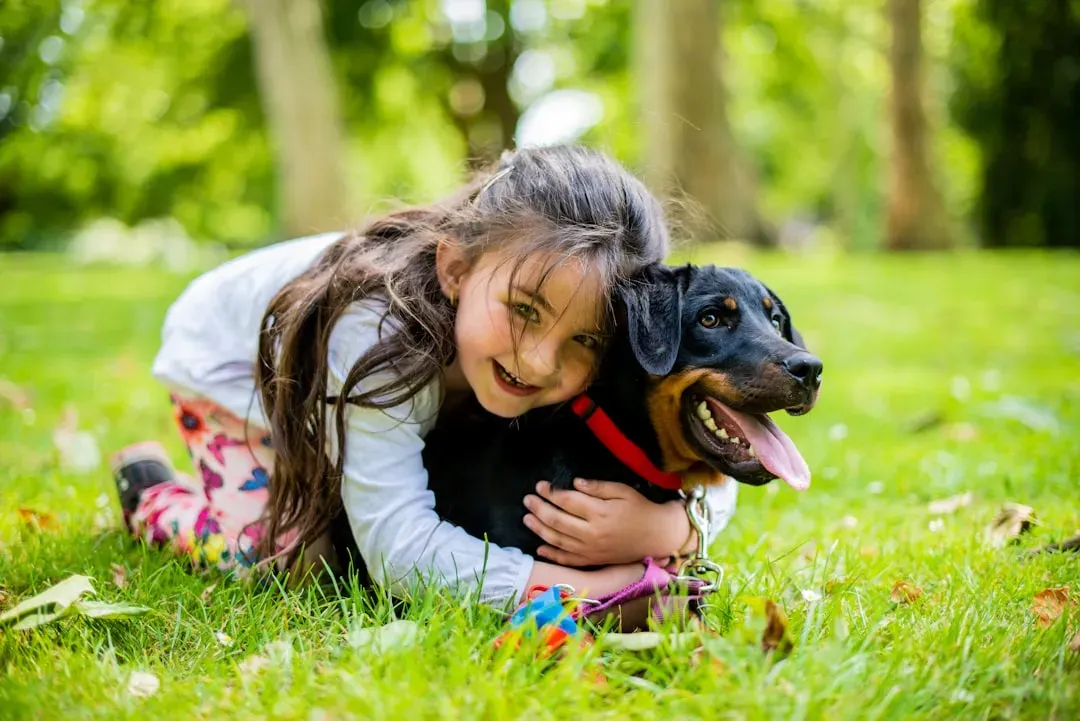
You don’t need to train your pet with complicated commands to support this kind of empathic response; you mostly need to notice it and reward it calmly. When your animal comes over to a crying child and behaves gently, you can quietly acknowledge that with a soft voice, a stroke, or later praise, without making the moment chaotic. That way, your animal links its soothing approach with a safe, predictable outcome rather than more stress. You can also create an overall home environment where emotional expression is allowed but not explosive whenever possible. If every episode of crying becomes a storm of shouting and frantic movement, a sensitive animal may interpret distress as something to escape, not something to comfort. By modeling calm support for your child, you show your pet that stepping in, staying close, and remaining composed is the right “choice” when distress signals appear.
When Empathic Reactions Might Be Misread or Overstated

It’s important for you to balance wonder with realism. Not every approach from a pet during a child’s crying spell is deep, complex empathy; sometimes the sound simply grabs attention, or the movement looks like play. An animal might come closer out of curiosity or even mild anxiety, not necessarily a clear intent to comfort, and it’s easy for you, as a loving owner, to read more into the behavior than the evidence supports. That does not mean you are imagining everything, only that you should stay grounded. The best way to interpret your pet’s behavior is to look for patterns over time, not one-off episodes. If your animal repeatedly approaches the distressed person, behaves more gently than usual, and seems to stay until the situation calms, that paints a more convincing picture of empathic decision-making than a single dramatic moment caught on video.
What This Reveals About You, Not Just Your Animal
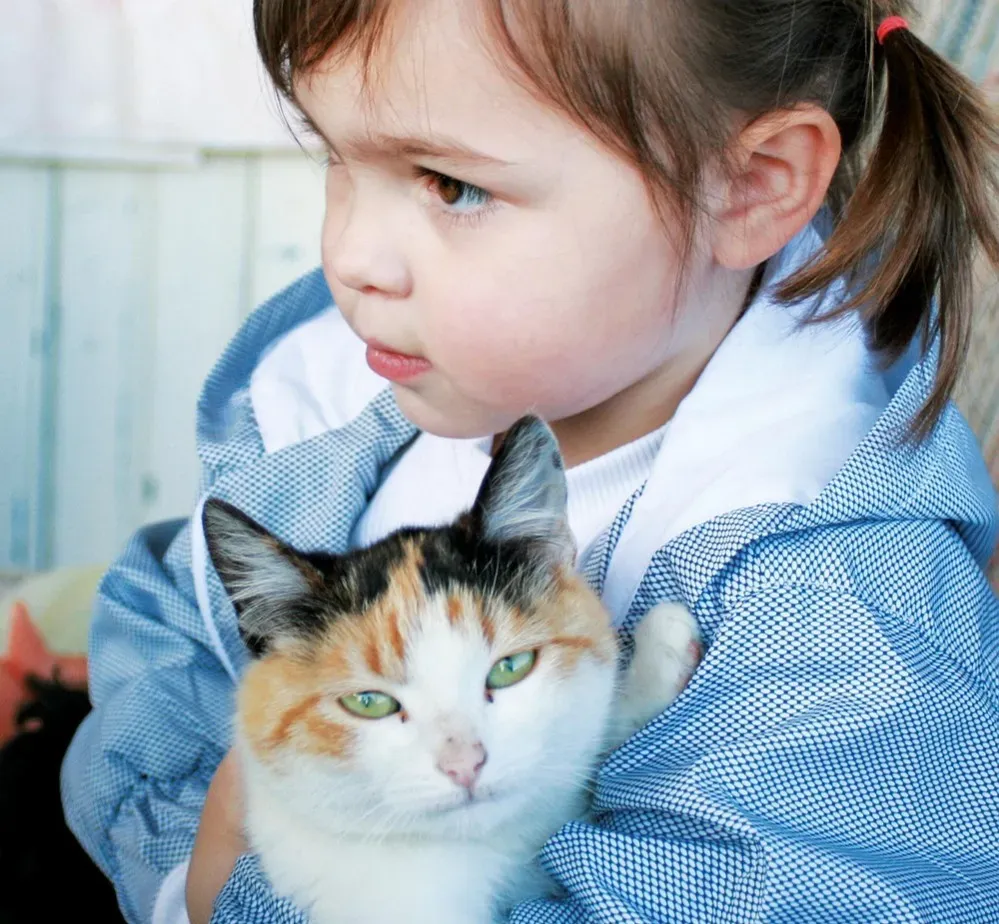
When you notice and care about your pet’s empathic behavior, you are also revealing something about yourself. You are willing to see an animal as an emotional partner, not just an accessory, and that mindset tends to deepen your own empathy in daily life. You start asking better questions about how your behavior, your stress, and your routines affect the beings who share your space, whether they walk on two legs or four. This can quietly change how you parent and how you handle your own hard days. Instead of brushing off your feelings or your child’s tears, you might recognize that everyone in the home is picking up on those invisible waves of tension. In a strange way, your pet’s empathic decision to comfort a crying child can act as a mirror, reminding you that sensitivity to distress is not a weakness – it is a social glue holding your small world together.
Conclusion: A Quiet Decision With Big Emotional Weight
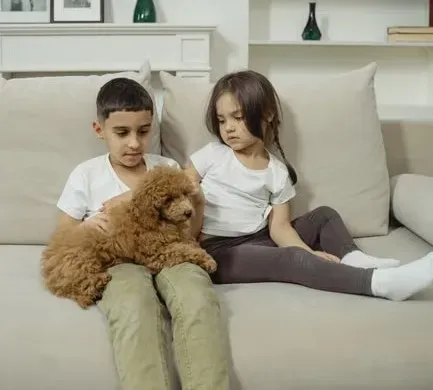
The next time your child cries and your pet appears at their side without being called, you can see that moment for what it truly is: a complex response built from acoustic cues, chemical signals, learned associations, and a real choice to engage. Whether you label it empathy, compassion, or simply deep attunement, it is not nothing; it is a meaningful action that reflects the powerful emotional ties domestic animals can form with the humans they live with. You do not need to romanticize animals into tiny humans to appreciate how remarkable that is. It is enough to recognize that another species heard distress, sensed emotional pain, and moved toward it instead of away. That simple decision – to approach, to comfort, to stay – might be one of the most quietly profound things that ever happens in your home. When you see it, will you ever be able to shrug it off as “just instinct” again?