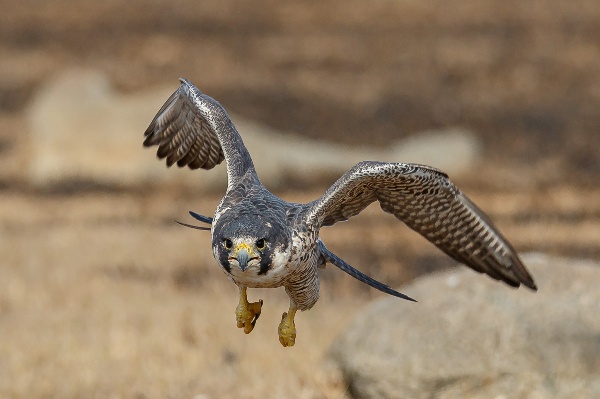

Think about it: long before humans trusted any written word, we trusted the flick of a deer’s ear, the stillness of a bird, the way a dog refused to cross a clearing. Our nervous systems were trained for thousands of generations to treat animal behavior as breaking news about the state of the world. That wiring did not vanish just because we invented alphabets and smartphones.
So when we tell stories about foxes and lions, cats and crows, it is not just because they are cute metaphors. It is because some deep, stubborn part of the brain still believes animals are the cleanest signal in a noisy world. In a time when human motives feel layered with performance and pretense, animal stories cut straight through, and our brains lean forward as if listening for survival instructions.
The Brain That Evolved as an Animal-Watching Machine
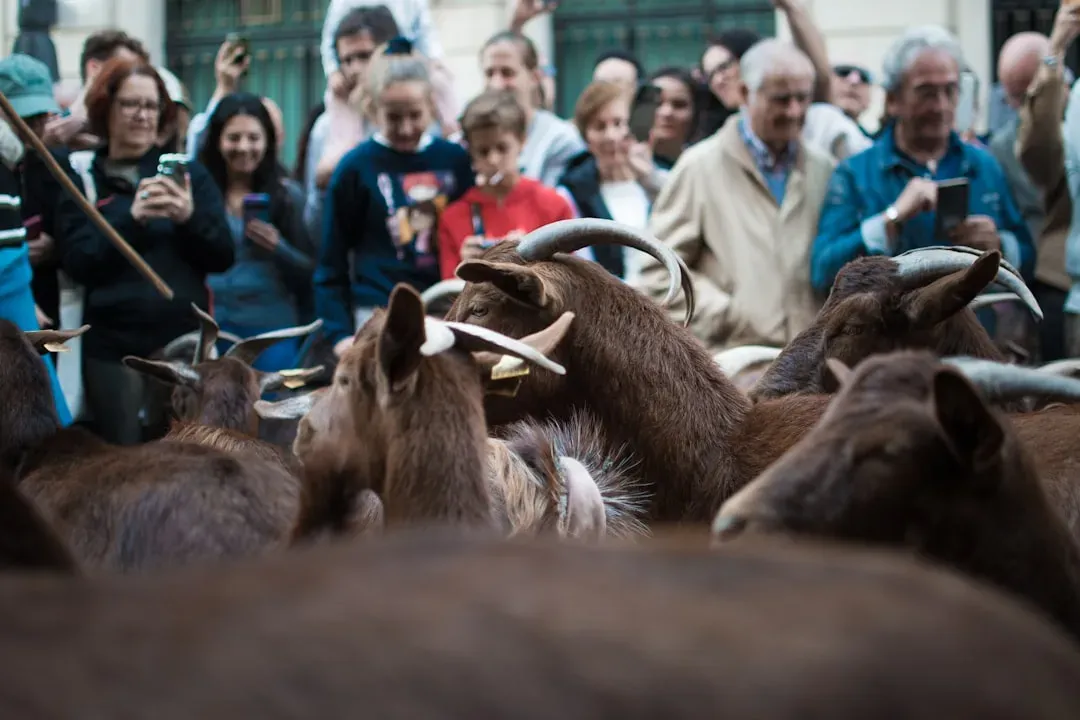
Imagine being a human before cities, before agriculture, before reliable shelter. You learned who survived by watching who watched the animals best: the person who noticed the birds going suddenly silent, or the monkeys moving to higher ground before a storm. Our sensory systems were not built around reading essays or contracts; they were built around reading movement, posture, and patterns in other creatures.
Modern neuroscience backs this up: large parts of our visual and attentional systems are tuned to detect biological motion, particularly the subtle changes in how living beings move and orient themselves. When an animal freezes or bolts, our nervous system reacts almost automatically, sometimes before we consciously notice what changed. In a very literal sense, the brain you are using to read this was sculpted by the demands of watching animals in order to stay alive.
Animals as High-Trust Signals in a Low-Trust World
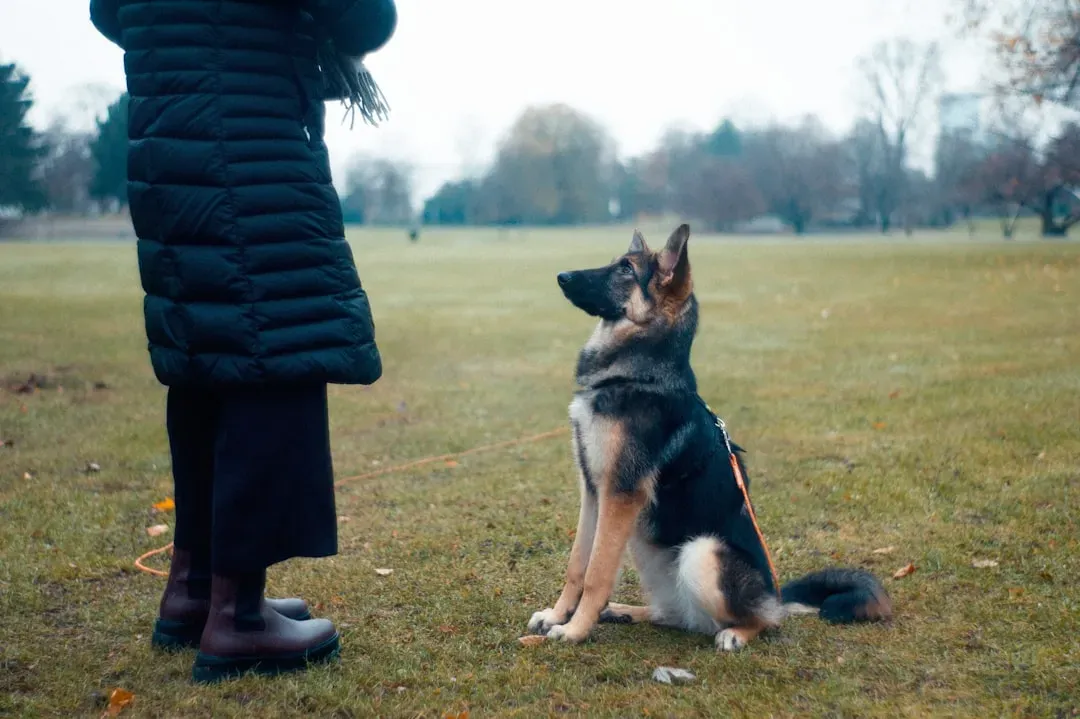
One of the most unsettling parts of human life is that people can lie. We can smile while resenting, promise while plotting, praise while competing. Animals, by comparison, seem gloriously straightforward. A dog that cowers, a cat that arches, a crow that keeps a wary distance – these behaviors feel unedited, like raw footage rather than an edited highlight reel.
Psychologists sometimes talk about humans as “hyper-social” and “hyper-sensitive to cheaters,” because our survival depends on knowing when someone is not what they seem. Animals give our brains a break from that constant evaluation. We treat their behavior as more honest and unfiltered, so when stories are told through animals, they slip more easily past our defenses. An anxious child might ignore a lecture about courage, but lean in completely when the same lesson arrives as a tale about a trembling rabbit that decides to stand its ground.
Why Animal Characters Feel Relatable Instead of Distant
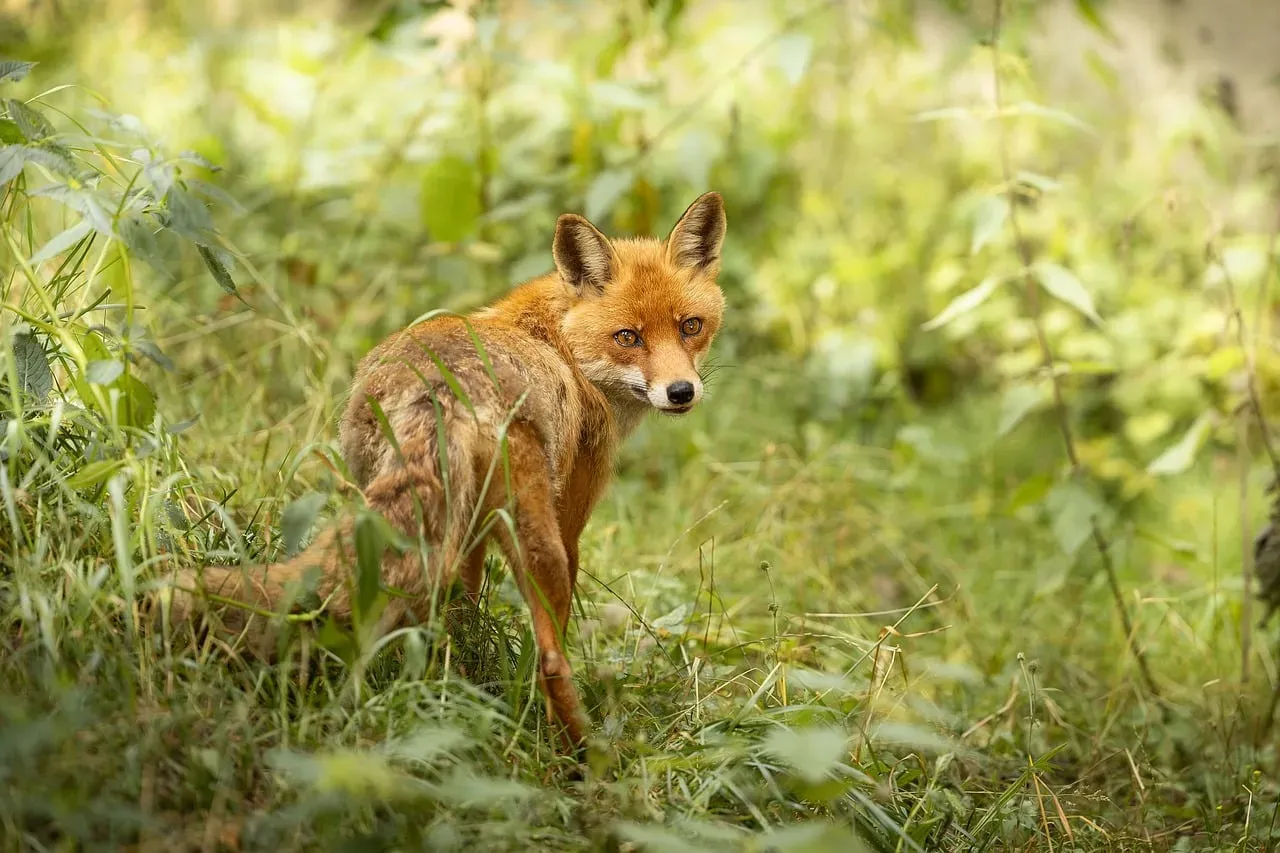
At first glance, it seems strange that people identify so strongly with animals that do not talk in real life. Yet in experiments and everyday observation, humans effortlessly project intentions and emotions onto animals. We see guilt in the way a dog avoids eye contact, or dignity in the way a cat refuses to be rushed. Our brains are biased to see minds everywhere, a tendency known as anthropomorphism, and animals are perfect blank canvases for this.
Because animals do not come with long verbal explanations, we fill in the gaps. That act of filling in is not a bug; it is the point. In doing it, we reveal our own fears and desires. A timid person might see a small bird as brave for even leaving the nest, while a thrill-seeker sees the same bird as cautious and hesitant. Animal stories gently lure us into seeing ourselves, while giving us the emotional safety of pretend distance.
Children’s Brains Know This Instinctively
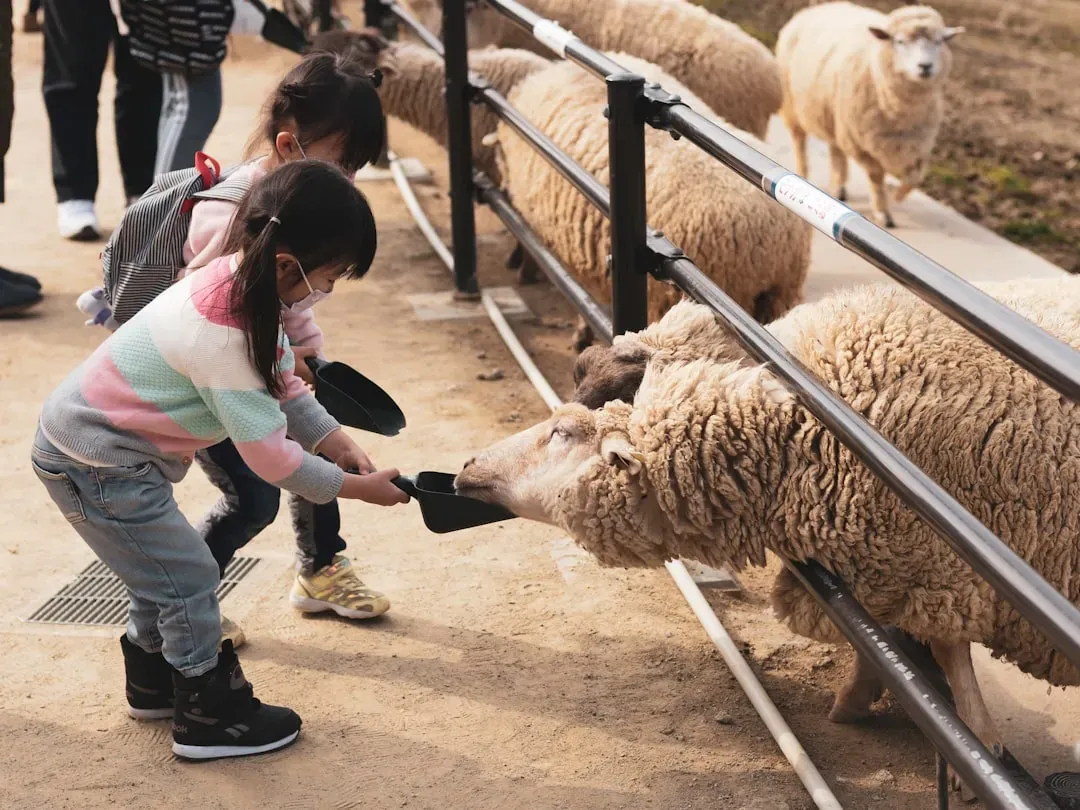
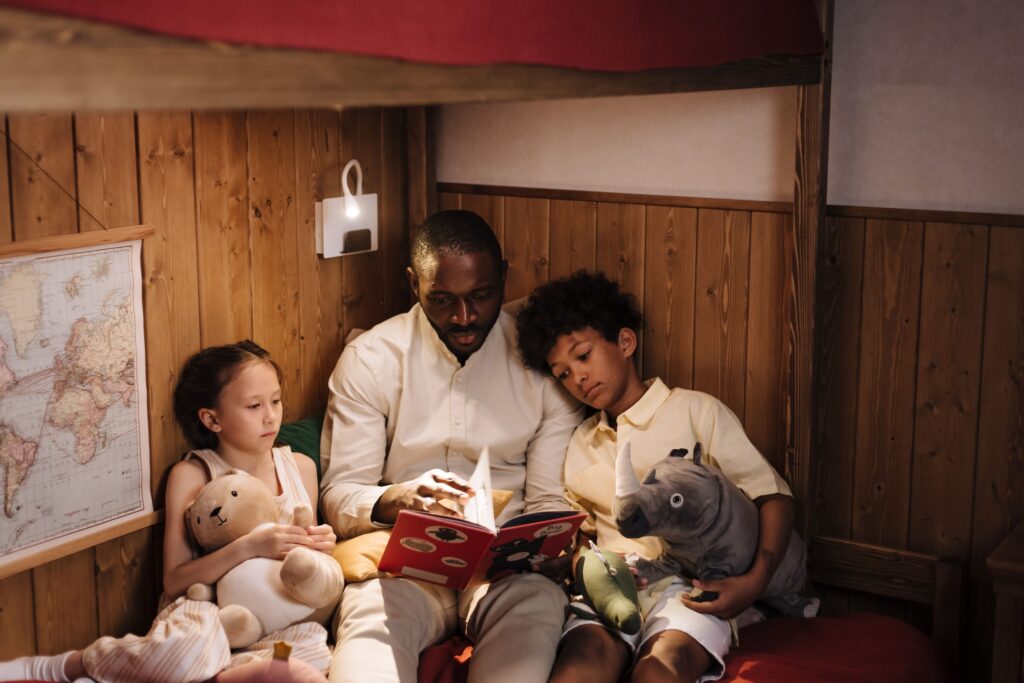
Spend time with kids and you notice how easily they accept animals as main characters. A talking mouse, a worried pig, a wise turtle – none of this feels odd to them. Developmental research shows that children pay special attention to agents that move on their own and respond to the environment, and animals sit right in that sweet spot between familiar and mysterious. They feel alive and knowable, but not as complicated or judgmental as adults.
When a story about a greedy bear or a loyal dog unfolds, children practice reading emotions, motives, and consequences in a simplified emotional arena. Their nervous systems, which evolved to watch animals for danger and opportunity, now rehearse social lessons through those same forms. It is as if evolution gave kids a training ground: learn how living things behave by watching creatures that are vivid but not overwhelming, and then slowly apply those skills to the much messier world of human relationships.
The Survival Brain Loves Patterns, and Animals Are Pure Pattern
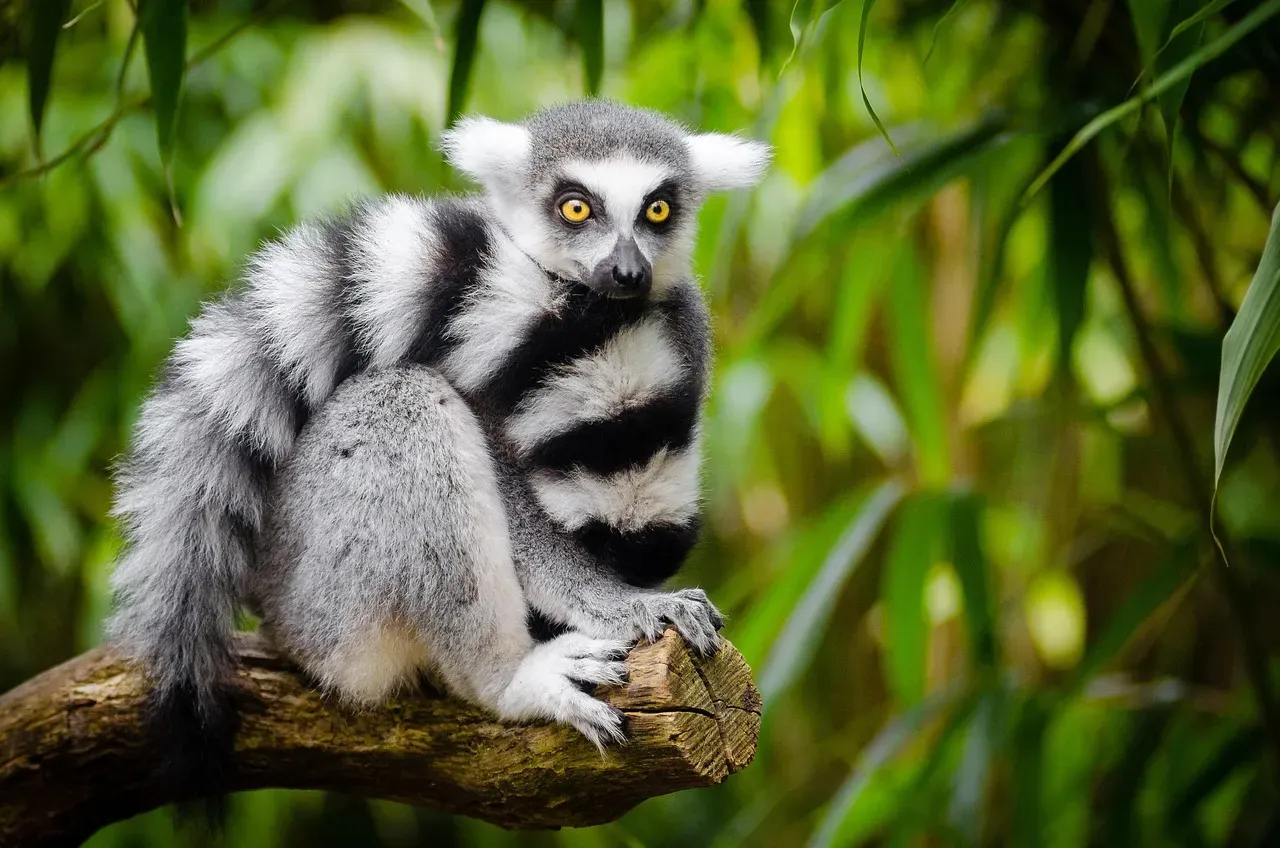
Our brains crave patterns because spotting patterns used to mean the difference between living and not living. If you noticed that wolves hunted at dusk, or that certain birds always called before a storm, you gained a quiet, powerful edge. Animals are walking patterns: routines of feeding, mating, hunting, and fleeing that repeat with enough consistency for a smart observer to exploit.
Storytelling taps straight into this. Animal tales exaggerate these patterns in ways that feel satisfying to the nervous system. The fox is always cunning, the lion always proud, the ant always diligent. Of course, real animals are more complicated, but the simplified patterns give the brain the same little jolt it gets from correctly predicting the next move in the wild. Every time the story confirms the pattern, we get a small, rewarding “I knew it” that keeps us engaged and makes the lesson stick.
How Animal Narratives Let Us Say the Unsayable About Humans
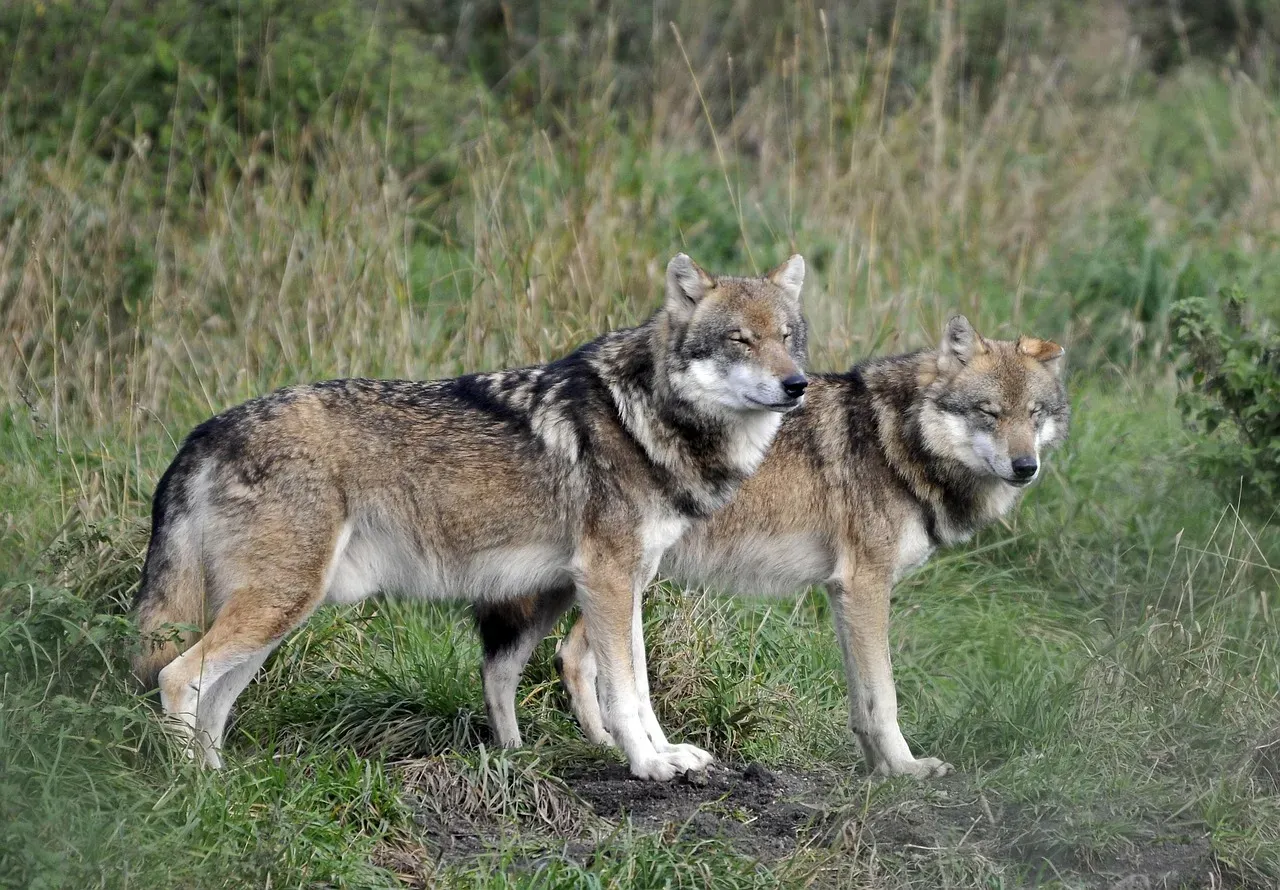
There are things we find hard to say about each other: cruelty in families, cowardice in leaders, selfishness in friends, or even our own petty impulses. Put those same traits into an animal and suddenly people can laugh, debate, and reflect without feeling personally attacked. A boastful rooster or a lazy lion gives us just enough distance to be honest.
I have felt this myself in conversations about power or betrayal; it is often easier to start with a story about a pack of wolves or a henhouse than about the office or the dinner table. On the surface, it sounds playful. Underneath, everyone knows the wolf is a stand-in for a boss, the chick for a vulnerable newbie, the vulture for someone who profits from others’ misfortune. Our animal-watching brain, always tuned for survival signals, uses these stories to test strategies in a safer, hypothetical space.
The Emotional Shortcuts Built Into Animal Imagery
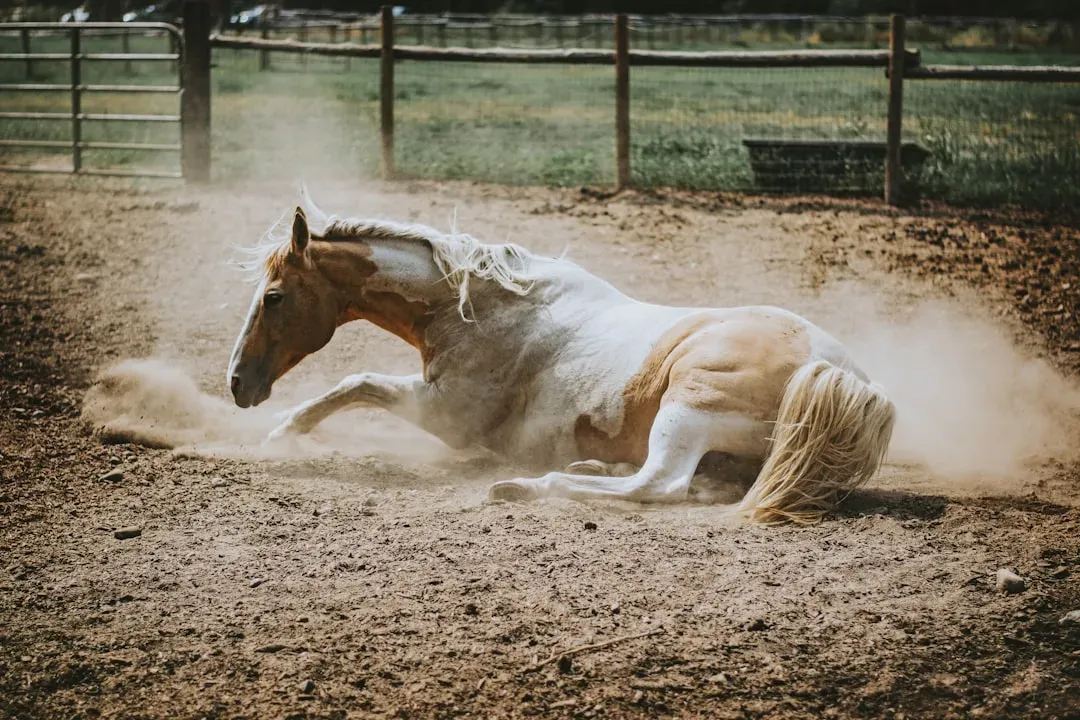
One reason animal storytelling refuses to die, even in an age of high-tech entertainment, is that animals carry emotional weight instantly. You do not need a long backstory to feel something about a wounded horse or a caged bird. Our nervous systems react to suffering, fear, and freedom in animals almost as quickly as they do in humans, sometimes even faster because there is less moral ambiguity to sort through.
That gives storytellers a powerful shortcut. A single image – a whale stranded on a beach, a dog waiting at a door, a flock of birds scattering from a single gunshot – can carry more psychological impact than pages of abstract explanation. The same brain that once tracked animal signals to avoid predators now uses those signals to process complex feelings about loss, loyalty, confinement, and escape. Animal stories are not childish decorations; they are emotional compression tools that our nervous systems are primed to decode.
Modern Media, Ancient Wiring: Why Animal Stories Still Dominate
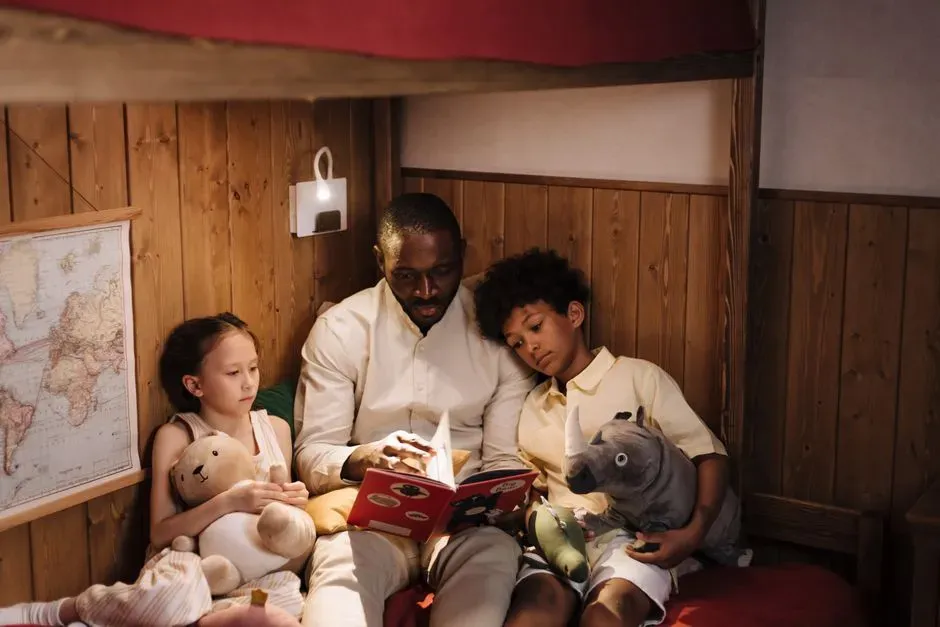
Look around modern culture and you see the old pattern wearing new clothes. Animated films about lions and clownfish, viral videos of raccoons and otters, social media accounts run “from the perspective” of pets – these are not random trends. They are our Stone Age brains expressing themselves through twenty-first century platforms. The medium has changed, but the underlying appetite has not.
In a world where human communication feels increasingly edited, filtered, and strategic, animals give us something that feels raw and unproduced. We trust a shaky video of a cat rescuing another animal, or a crow solving a puzzle, more than we trust a polished corporate message. Underneath that trust is the same ancient assumption: animals are broadcasting honest data about reality, and if we watch carefully, we will learn how to navigate our own lives better.
Conclusion: Animal Stories as the Brain’s Favorite Mirror
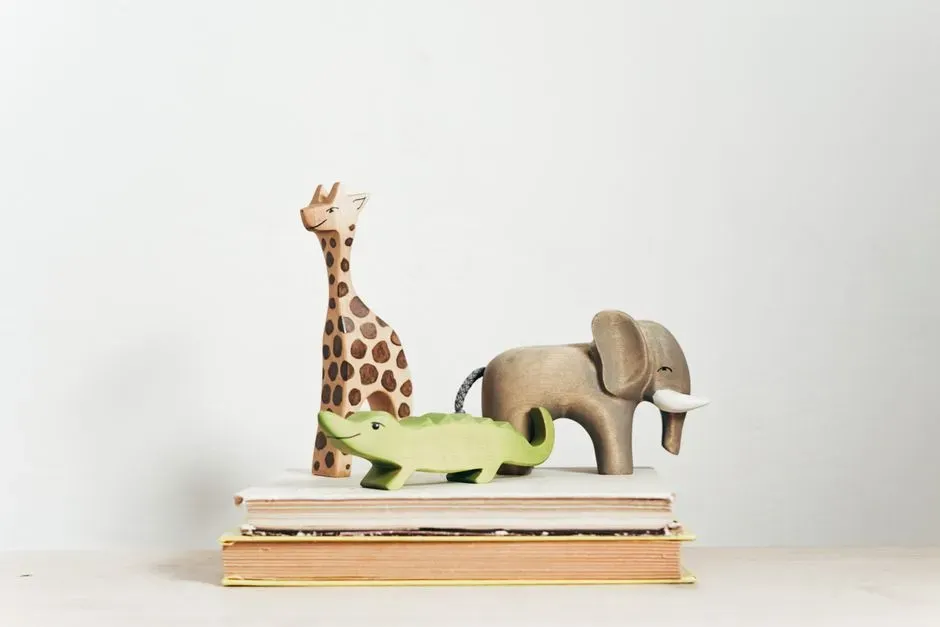
When you put all of this together, the picture is stark: stories about animals are not just symbolic ornaments or literary shortcuts. They are a direct expression of how the human brain grew up – on plains and in forests, scanning the movements of other creatures for hints about what would hurt us, help us, or keep us alive one more day. That survival brain never retired; it just found new jobs in art, film, children’s books, memes, and myths. In my view, ignoring that deep evolutionary wiring is why so many “serious” stories about humans alone sometimes feel strangely flat.
Animal narratives work because they let our oldest neural circuits do what they were built to do: read creatures, detect patterns, assign motives, and test survival strategies, all while pretending it is just entertainment. That is why a fox can reveal more about human cunning than a thousand essays, and a scared little bird can teach more about courage than a shelf of self-help. The animals in our stories are not decoration; they are mirrors that our brains still trust. The real question is not why we keep telling stories about animals – it is whether we are willing to admit how much of ourselves we see in them.