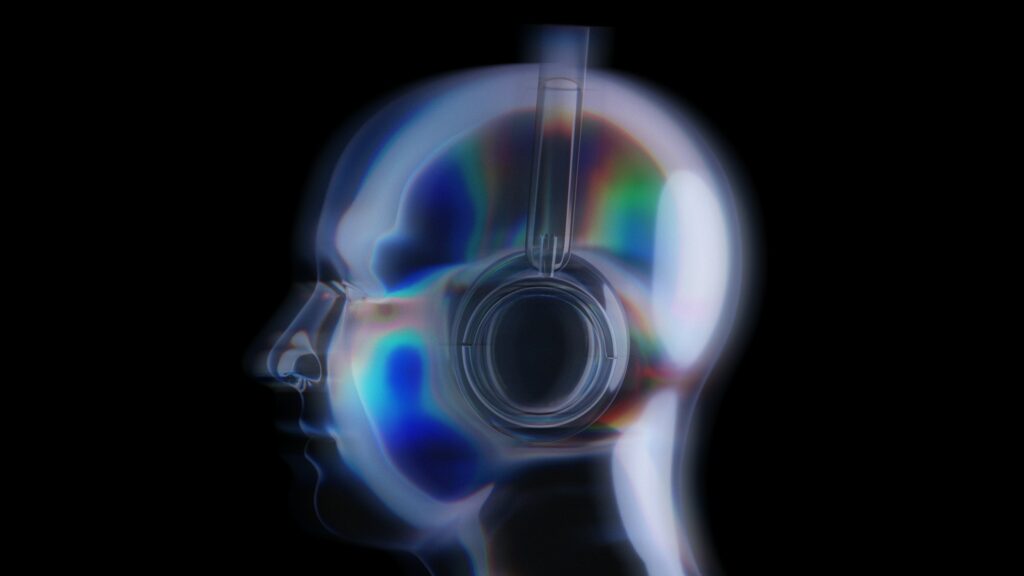

Imagine listening to your favorite song without speakers, headphones, or even humming a note – just by thinking of the melody, while a computer quietly recreates it from your brain activity. That sounds like something ripped from a sci‑fi show, but it is slowly becoming a serious line of research in neuroscience. In recent years, scientists have shown that they can decode elements of speech, images, and now even music directly from the brain using advanced recording techniques and artificial intelligence.
The latest work using surface electrodes placed on the brain’s surface suggests that melodies we simply imagine, not just listen to, leave a distinct electrical fingerprint that can be read and, at least in rough form, reconstructed. It is not perfect, and no one is building a flawless “mind‑to‑Spotify” link tomorrow, but the direction is clear and astonishing. Once you realize that a melody playing only in your head can be pulled back out into the world, it fundamentally changes how we think about mind, music, and machines.
From sci‑fi fantasy to measurable brain signals
For decades, the idea of reading music directly from the mind lived mostly in movies and science fiction novels. Real labs, by contrast, struggled just to decode very simple patterns like whether a person was looking at a face or a letter on a screen. Music is far richer: it unfolds over time, involves pitch, rhythm, timbre, and emotion, and often blends memories with imagination.
Yet as recording tools improved and machine learning models became more powerful, researchers began asking a bold question: if we can decode spoken words and basic sounds, why not melodies? Music is processed in multiple regions of the brain, from the auditory cortex to motor areas and higher‑order regions involved in memory and prediction. That complexity used to seem like a barrier; increasingly, scientists are turning it into an opportunity by exploiting the rich structure of musical brain activity.
What are surface electrode brain signals, really?
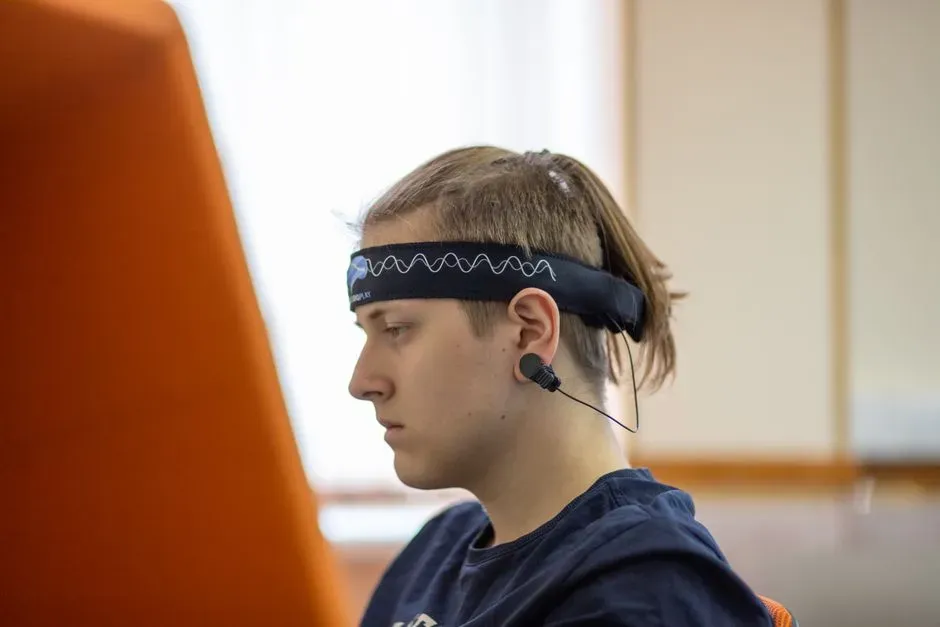
When people hear that scientists used “surface electrodes,” it is easy to imagine a simple cap of sensors on the scalp and call it a day. The reality, though, is much more precise and invasive. These recordings typically rely on electrodes placed directly on the brain’s surface beneath the skull, often in patients who already need neurosurgery for conditions such as epilepsy. This method is sometimes called electrocorticography, and it provides cleaner, higher‑resolution signals than noninvasive EEG.
Each electrode picks up tiny fluctuations in electrical activity from groups of neurons firing together. On their own, these signals look like messy squiggles. But when a person listens to, or silently imagines, a melody, patterns in those squiggles become time‑locked to the rhythm, pitch changes, and phrasing of the tune. The technology does not read individual thoughts the way a novel might describe them, but it does capture structured brain dynamics tied to specific musical features.
How the brain represents real versus imagined melodies
One of the most fascinating results from this kind of research is how similar the brain’s response can be when you imagine music compared with when you actually hear it. In many people, regions of the auditory cortex will respond during imagery in a way that echoes the response during real listening, although usually weaker and noisier. It is as if the brain is replaying a ghost version of the song using its internal sound system, even though no sound waves are hitting the ears.
At the same time, imagined melodies recruit more than just auditory areas. Motor regions that help you tap your foot, frontal areas that anticipate what note comes next, and memory circuits that store your favorite tracks all chime in. This distributed activity creates a unique neural signature for a specific melody. Decoding models try to map that signature back onto a representation of the music, such as its pitch sequence or acoustic features, so a computer can reconstruct something recognizably similar.
Decoding and reconstructing melodies: how it actually works
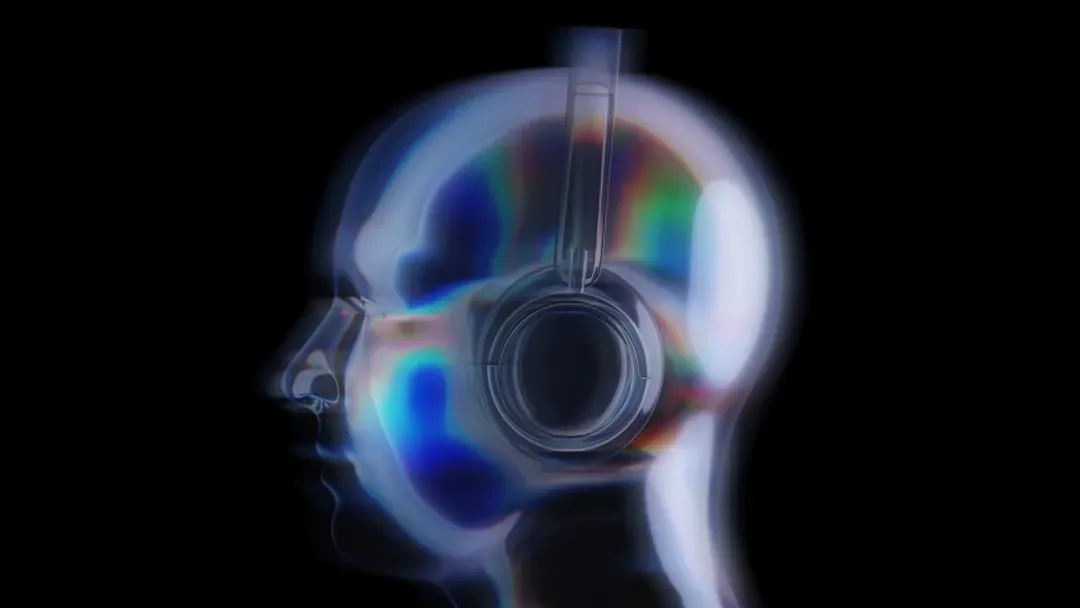
When people hear about “mind‑reading music,” it is tempting to assume the brain data is magically turned into a finished audio track. In practice, the process is more like solving a difficult puzzle with missing pieces. First, researchers collect brain signals while a participant listens to known melodies and, in some cases, silently imagines them. All of this data is carefully aligned with the timing of the music so that the model can learn which neural patterns go with which musical features.
Using machine learning, often some form of deep neural network, the system is then trained to predict either the acoustic waveform or an intermediate representation like spectrograms or pitch contours from the brain activity. Once trained, the model can be run in reverse: given fresh brain signals, it tries to generate the corresponding sound. The reconstructions today are usually rough, sometimes distorted, but often they preserve recognizable elements like rhythm and general melodic shape. That is enough to show the core idea works, even if it still sounds like a hazy bootleg of the song in your head.
Decoding imagined music can be even harder than decoding heard music, because the signal is weaker and more variable. The person’s attention, musical memory, and even mood can influence how consistently they imagine the tune. However, when participants are well trained and focused, the models can often distinguish between different imagined melodies and reconstruct approximate versions that match the intended pattern. That is a huge deal: it means the brain’s internal soundtrack is not just private noise, but a structured signal that computers can begin to read.
AI as the translator between brain waves and sound waves
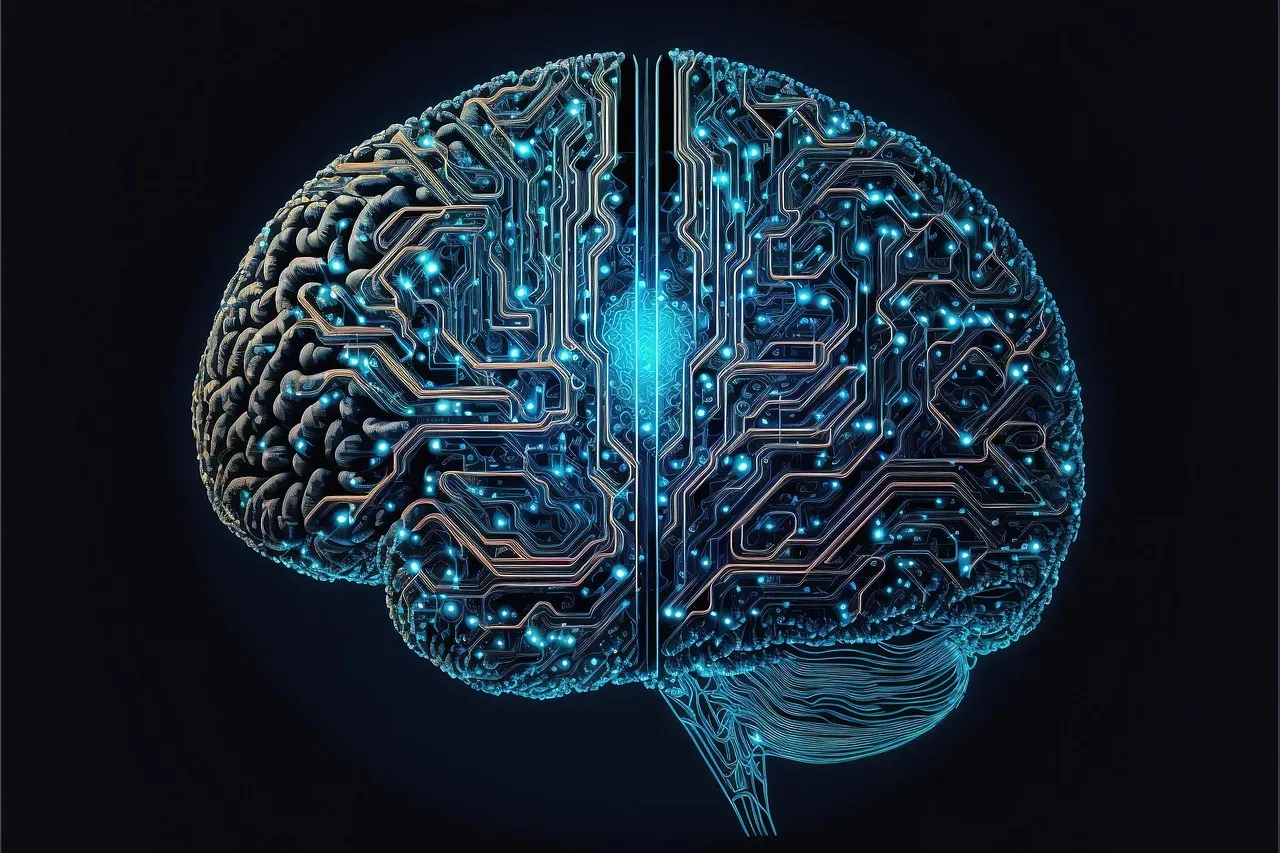
Without modern artificial intelligence, this entire field would likely still be stuck at decoding very simple beeps and tones. The patterns in surface electrode recordings are highly complex, distributed, and noisy. Traditional analysis methods struggle with such high‑dimensional data. Deep learning models, on the other hand, thrive on large, messy datasets where the relationships are not obvious to humans, especially when there is a rich structure like that found in music.
In these studies, AI models learn to act as translators between the language of neurons and the language of audio signals. Some architectures borrow ideas from speech recognition, while others use generative models similar to those behind modern music synthesis tools. The more data these systems are given, and the more carefully researchers tailor them to the quirks of each person’s brain, the better the reconstructions become. We are still far from a universal “brain‑to‑music” decoder, but the trajectory is clear: smarter models, more data, and better electrodes will keep pushing the limits of what can be heard from thought alone.
Potential uses: communication, creativity, and accessibility
One of the most powerful motivations behind decoding imagined melodies is not just curiosity; it is the possibility of new ways to communicate and create. For people who are unable to speak or move because of paralysis or severe neurological conditions, being able to express themselves through music could be life‑changing. Instead of pressing keys or moving their eyes, they might one day imagine a melody and have a system turn it into sound in real time, letting them compose or communicate through musical phrases.
Beyond clinical uses, there is a huge creative angle. Many musicians describe hearing fully formed ideas in their heads long before they can play or record them. A mature brain‑to‑melody interface could act as a sketchpad for those inner songs, capturing rough drafts directly from thought. Even non‑musicians might benefit; imagine music apps that adapt to your internal mood soundtrack or allow you to co‑create ambient pieces just by drifting through different mental states. It all sounds wild now, but early demonstrations of melody reconstruction show that the core principle is already being tested in real humans, not just in theory.
Limitations, risks, and why the hype needs a reality check
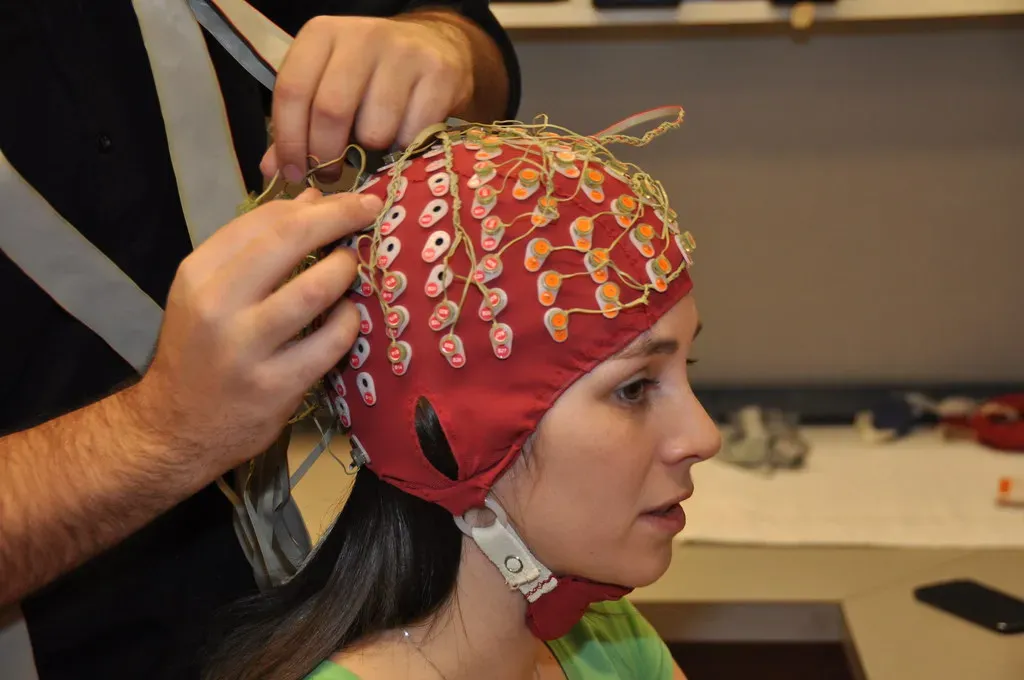
As exciting as this research is, it is important to keep our expectations anchored to what the data actually shows. The reconstructions are still far from crystal‑clear, and they usually require invasive electrodes placed directly on the brain. These are not tools that healthy people casually sign up for; they are done with patients who already need surgery and who volunteer to help advance science during that window. That limits how widely the technique can be used in the near term.
There are also serious questions about privacy and consent. If we can reconstruct melodies that people merely imagine, where do we draw the line on what is fair to decode? For now, the technology is fragile and highly cooperative: it needs active participation and specialized hardware. But if noninvasive recordings improve, we will need strong ethical guidelines to make sure brain‑based music decoding is only used with clear permission and for good reasons. Personally, I think we should be very wary of any attempt to commercialize mind‑reading tools before the public fully understands both the power and the limits of what these systems can actually do.
What this reveals about consciousness and the musical mind
Stepping back from the hardware and algorithms, there is something deeply philosophical about pulling a private melody out of the brain and turning it into sound. It suggests that our inner experiences, which feel so personal and ineffable, have a physical footprint that can be measured, modeled, and to some degree shared. When a computer reconstructs even a rough shadow of a tune that existed only in your head, it blurs the line between inner and outer worlds in a way that is hard to ignore.
To me, that is both thrilling and a little unsettling. On one hand, it supports the idea that conscious experiences like imagined music arise from concrete patterns of brain activity; on the other, it reminds us how much remains hidden. The reconstructions today are imperfect hints, like trying to recognize a song through a wall. Yet even those hints force us to rethink old assumptions about what is “private” in the mind. The fact that your silent humming can be traced, decoded, and played back says a lot about how tightly intertwined perception, imagination, and neural dynamics really are.
Conclusion: An astonishing step, but not a magic mind‑reader
My own view is that decoding imagined melodies from surface electrode signals is one of the most beautiful examples of what brain‑computer interfaces can do: it is technically sophisticated, scientifically rich, and emotionally resonant. At the same time, we need to resist the urge to crown this technology as a full‑blown mind‑reader. Right now, it is more like a grainy radio tuned to specific musical stations, needing invasive hardware, careful training, and a lot of algorithmic help. That is impressive, but it is a long way from effortlessly streaming every song in your head to the outside world.
If we treat this work as a fragile but groundbreaking proof of concept, rather than as a finished product, it opens up amazing possibilities without slipping into science‑fiction hype. It hints at future tools for people who cannot speak, new creative workflows for artists, and deeper insight into how the brain turns patterns of activity into the rich experience of music. It also forces us to confront tough questions about mental privacy long before the technology becomes ubiquitous. In a way, that might be the real melody here: a quiet but persistent reminder that our thoughts are both wonderfully physical and worth fiercely protecting. Did you expect brain‑decoded music to sound this promising and this complicated at the same time?