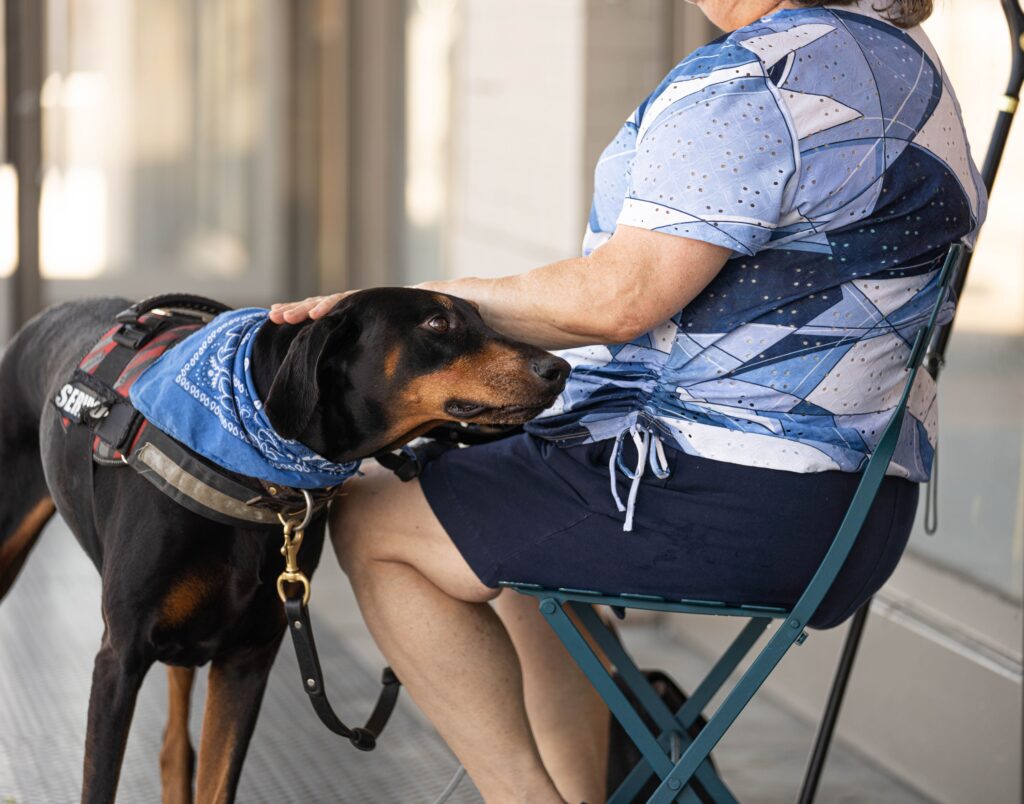

You probably already feel, deep in your gut, that losing a service animal is nothing like losing a piece of equipment or even like saying goodbye to a beloved pet. What you may not realize is that your brain agrees with you on a very literal, biological level: the circuits involved, the hormones released, and the way memories form around a service animal all look different from what happens with ordinary possessions, or even with many pets. When you understand what is actually going on in your nervous system, you stop asking why it hurts “so much” and start seeing that intense grief and even trauma responses are not overreactions. They are a predictable consequence of how your brain wires this relationship into your sense of safety, identity, and survival. In other words, you are not weak, dramatic, or “too attached” – you are human, and your brain has been doing exactly what it was built to do.
The Human–Service Animal Bond Lives in Your Survival Wiring

When you work with a service animal, your brain does not just file them under “nice companion.” Instead, you start to encode them in the deeper parts of your nervous system that deal with threat detection, safety, and survival. Think of the way a child clings to a trusted adult in a crowd: your brain gradually learns that this animal is the bridge between you and the world being navigable instead of dangerous. Over time, your service animal becomes part of the way your nervous system calculates risk. You cross streets differently, enter stores you once avoided, maybe ride public transport or go into medical spaces that used to send you into panic. Your brain learns a simple equation: with this animal, you survive and function; without them, the world shrinks and feels unsafe. That survival association is a huge reason why losing a service animal can feel like the floor just dropped out from under you.
Attachment Systems Treat a Service Animal Like a Core Relationship, Not an Object
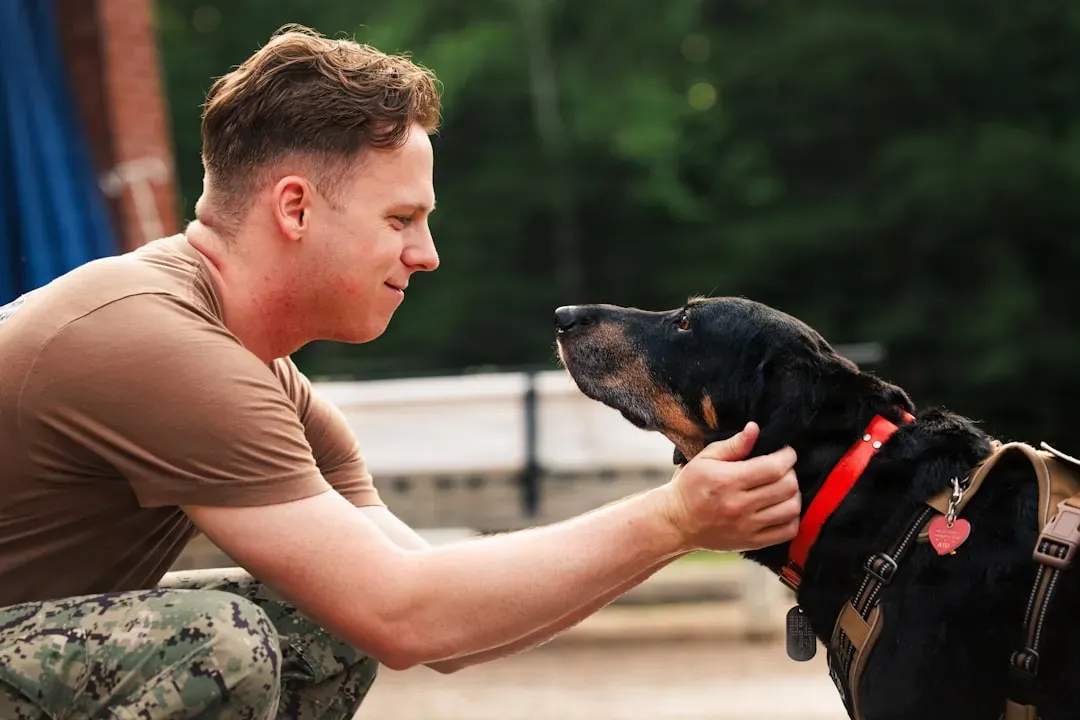
Your attachment system is the network in your brain that handles bonding, closeness, and separation distress. It is the same system that lights up around parents, partners, close friends, and for many people, animals. With a service animal, that attachment is turned up even higher because this relationship is woven into daily functioning, not just comfort or affection. Instead of being “just” a beloved companion, your service animal often becomes a primary attachment figure: someone you turn to for co-regulation when you are anxious, overwhelmed, in pain, or disoriented. You do not simply enjoy their presence; you rely on it. So when that bond is severed, your nervous system reacts less as if you misplaced something and more as if you were abruptly cut off from a key relationship that held you together.
Oxytocin, Cortisol, and the Chemistry of Safety
When you interact with a service animal you trust, your brain releases oxytocin, a hormone strongly linked to bonding and feelings of safety. At the same time, regular, predictable contact with your animal can help blunt spikes in stress hormones like cortisol and adrenaline. You might notice your breathing slow, your muscles soften, or your thoughts become less chaotic when your animal is right there doing their job. Now imagine suddenly losing that steady stream of calming input. Your body does not just feel sad; it may feel unregulated, jittery, constantly on edge. Without the daily oxytocin boosts and the reliable safety cues your animal provided, your stress system can stay stuck on high alert. That kind of physiological whiplash is not something you experience when you lose a phone, a car, or even most hobbies, which is why the loss hits in a completely different way.
Why Losing a Service Animal Can Trigger Trauma Responses

If you notice flashbacks, nightmares, panic attacks, or intense avoidance after losing a service animal, you might worry that you are “overreacting.” In reality, those reactions can look a lot like post-traumatic responses because, for your nervous system, that loss may feel like being thrown back into old danger. All the situations your animal helped you face safely may now feel unsafe again, and your brain starts sounding its internal alarms. You may also re-experience earlier traumatic experiences that the animal helped you buffer. For example, if your service animal supported you through medical emergencies, public meltdowns, or dissociative episodes, then their absence can pull those old memories back into raw focus. Instead of having a trusted partner there to soften those edges, your brain is left replaying what used to happen before you had that help, and that can absolutely look and feel like trauma.
Service Animals Become Extensions of Your Body and Mind
A key difference between a service animal and a typical pet is that your animal often functions as an externalized part of your body or cognition. Maybe they alert you to blood sugar changes, impending seizures, panic attacks, or sensory overload long before you consciously notice. In that sense, they operate like an extra sense or an early warning system your own nervous system cannot reliably provide. Because of this, your brain gradually incorporates the animal into how it predicts and manages the world. It is not just “I have a dog”; it is “I can walk down this street because my dog will pick up what I miss.” When that extension is ripped away, it can feel disturbingly similar to losing a limb or a sense. You are suddenly expected to move through the same world with less information, less support, and fewer built-in safeguards, which is profoundly destabilizing.
Dependency Is Functional, Not Weakness

You might have been told, implicitly or directly, that you are “too dependent” on your service animal. But from a psychological and neurological standpoint, this dependency is not a flaw; it is an adaptive way your brain and body use available tools to function in a world not designed for your needs. The animal fills in gaps in perception, regulation, mobility, or social navigation that your own system struggles to manage. Because that dependency is functional, the loss can pull out multiple support beams at once: emotional regulation, physical safety, social confidence, and basic daily structure. Feeling like you are suddenly back at the starting line is not a sign of failure; it is an accurate reflection of how many roles your animal actually played. When you see that clearly, your distress stops looking like “too much” and starts looking exactly proportionate to what was taken away.
Why This Grief Feels Different From Losing a Pet or Item

Losing a beloved pet is deeply painful, and that grief is real and valid. But with a service animal, the grief is often layered: you are not only grieving a friend, you are grieving a partner in your independence, a lifeline in crises, and sometimes the only presence that consistently understood your signals without judgment. That stack of losses creates a heavier emotional load than most people around you may realize. On top of that, you may experience what some psychologists call secondary loss: not just losing the animal, but losing the version of your life that existed with them. Maybe you stop going places, withdraw from people, or give up activities that once felt possible only because your animal was by your side. You are mourning not only who you lost but also the everyday life and future plans that were built around that bond.
Making Sense of Your Reactions Is Part of Healing

When you can name what is happening in your brain and body, you give yourself permission to grieve in a way that fits the reality of your loss. Instead of asking why you are not “over it yet,” you can start asking gentler, more useful questions, like what support your nervous system needs now that a major source of safety and regulation is gone. That shift alone can reduce self-blame and shame, which often make grief much harder to carry. You might find it helpful to explain these dynamics to people in your life so they understand that you did not just lose an animal, you lost part of your functional infrastructure. Framing your experience this way also helps you advocate for accommodations, mental health support, and patient timelines for adjustment. You are allowed to treat this like the major neurological and emotional event that it is, not as a minor setback.
Honoring the Bond and Rebuilding Your Sense of Safety
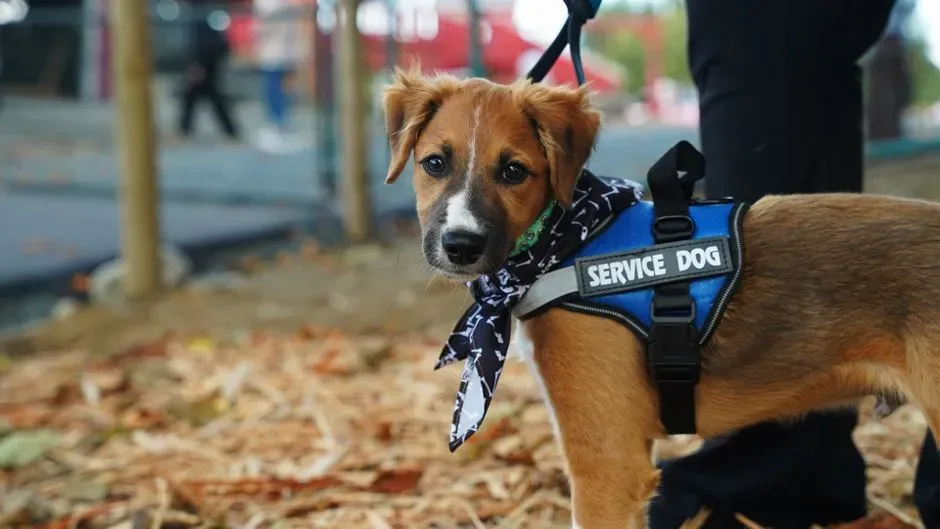
Healing after the loss of a service animal is not about pretending they were “just a dog” or “only a tool.” It is about honoring the full truth: your brain, heart, and life reorganized themselves around that partnership, and now you are slowly building new ways to feel safe and capable again. That might include therapy, peer support from others who have lost service animals, and, when or if you are ready, training or partnering with another animal. You are not replacing the one you lost; you are acknowledging that your nervous system genuinely functions better with the kind of partnership a service animal offers. In the meantime, you can experiment with smaller anchors of safety: routines, grounding techniques, supportive people, or assistive technology that covers at least pieces of what your animal once handled. It is not the same, and it is okay to say that out loud, but each small support helps your brain relearn that the world can become survivable again.
Conclusion: Your Pain Makes Sense, and So Does Your Love
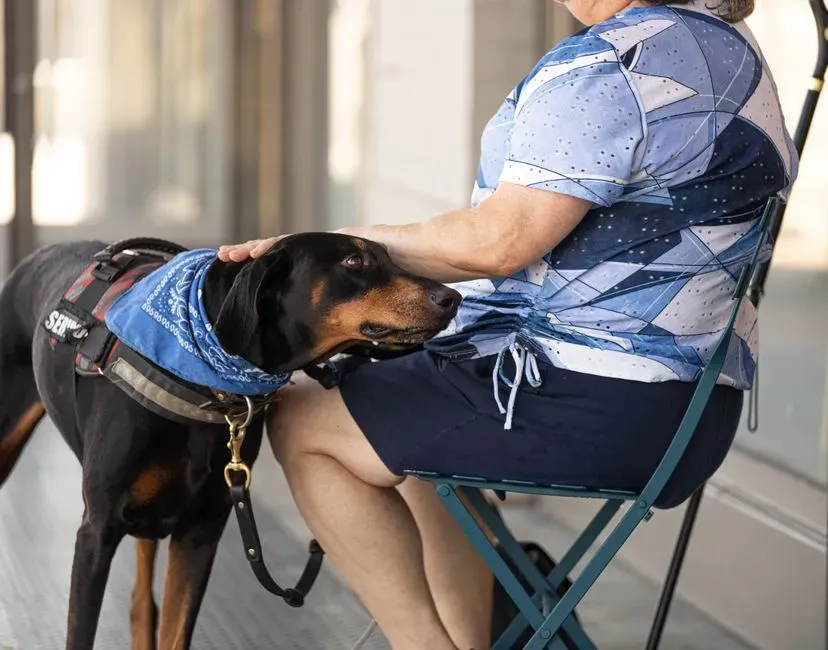
When you look at the science of attachment, hormones, and survival wiring, your grief over a service animal stops being a mystery and starts making deep, human sense. Your brain did what brains do when they find a reliable source of safety: it bonded fiercely, integrated that presence into how it navigates danger, and built a life around that partnership. Losing it is not a simple event; it is a seismic shift. If you are mourning a service animal now, or still feeling the echoes years later, you are not broken for hurting this much; you are showing just how profoundly that bond reshaped your nervous system and your life. The love that made that partnership possible is the same love that makes the loss so heavy – and it is also the part of you that can slowly, on your timeline, build new forms of safety and connection. Knowing that, how differently are you willing to treat your grief from this moment on?