

Think back to a time you genuinely felt afraid – a near car accident, a creepy noise in the dark, a medical scare, a moment your stomach dropped and your brain went into overdrive. You can probably recall way more detail than you ever could about last Tuesday’s perfectly normal afternoon. The curve of the road. The sound of the brakes. The exact words someone said. It sticks.
That’s not an accident, and it’s not a personal flaw. Your brain is wired to prioritize danger, and that wiring is ancient. In a world where taking one wrong step could mean getting poisoned, hunted, or exiled, remembering what went wrong was a survival skill, not a quirk. The strange part is how much that ancient wiring is still quietly running the show in your modern, supposedly safer life.
The Negativity Bias: Why “Bad” Burns Brighter in the Brain

Here’s a slightly uncomfortable truth: your brain pays more attention to bad stuff than to good stuff. Psychologists call this the negativity bias. A single cruel comment can overshadow twenty kind ones, and one scary flight can haunt you more than a hundred peaceful journeys. It feels unfair, but it is thoroughly human.
This bias shows up in memory too. Threatening, painful, or humiliating experiences tend to be recalled more vividly and more often than neutral or pleasant ones. It is as if your brain turns up the contrast on those moments, sharpening the colors and freezing the frames, so you will not miss the warning if something similar appears again. Remembering danger, in this sense, is your mind’s way of quietly whispering: never let this happen again.
Evolution’s Hand: How Fearful Memories Helped Our Ancestors Survive

Imagine living tens of thousands of years ago. No hospitals, no police, no streetlights, no second chances if you pushed your luck too far. In that world, failing to remember which plant made you sick, which river had crocodiles, or which path crossed a predator’s territory could be fatal. Forgetting was expensive; remembering was life insurance.
Across generations, individuals whose brains overlearned from danger – who remembered the snake, the cliff, the hostile neighboring group a little too well – would be more likely to survive and have children. Over time, that meant the human brain tilted toward caution. Our tendency to remember dangerous experiences better is not random; it is a psychological echo of a brutal environment where fear was a teacher, and forgetting could kill you.
How the Brain Stores Fear: Amygdala, Hippocampus, and the “Do Not Repeat” Tag
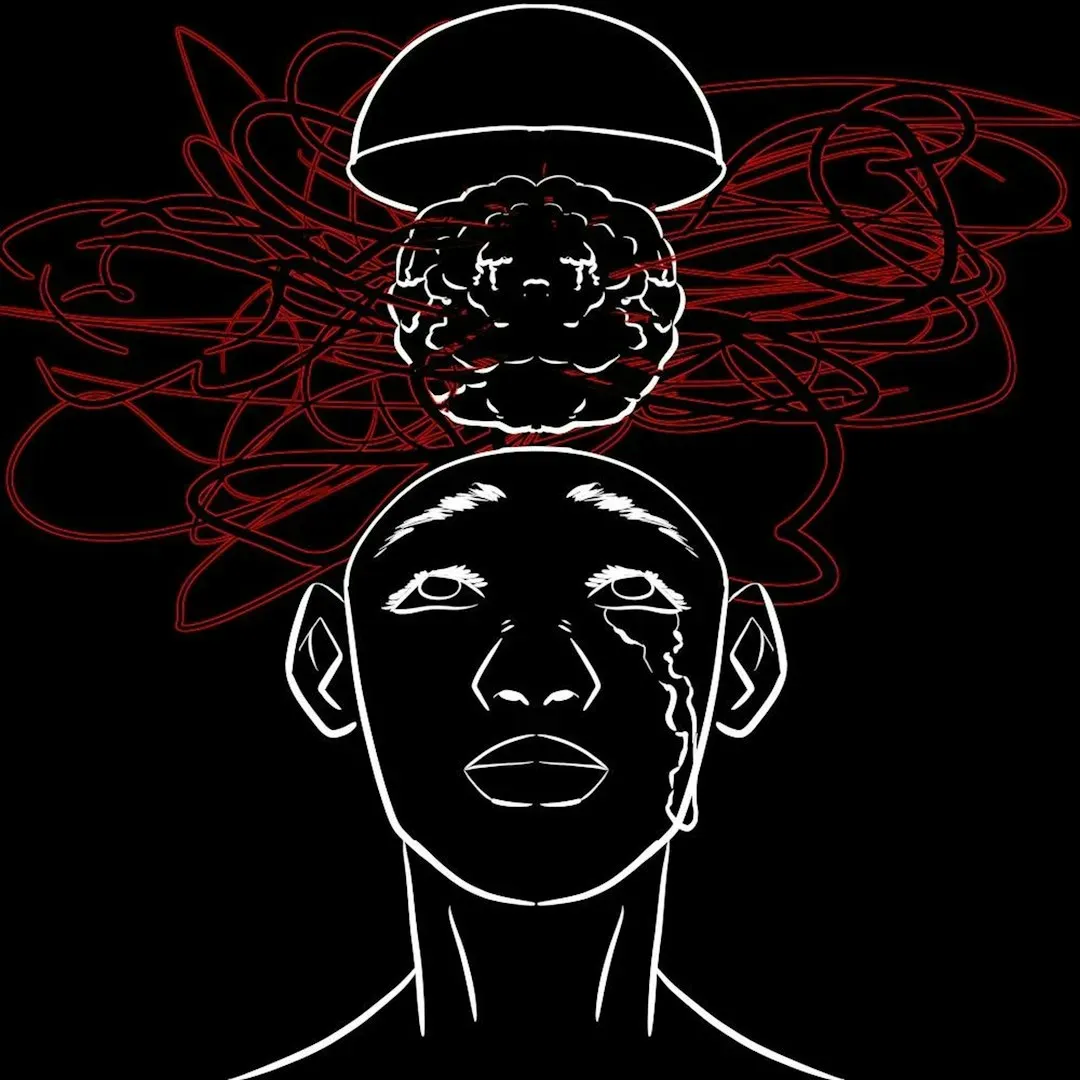
Under the hood, your brain uses a small, almond‑shaped structure called the amygdala to detect and respond to threat. When something feels dangerous, the amygdala fires up, triggering stress hormones like adrenaline and cortisol. At the same time, another region, the hippocampus, helps store the memory of what happened, where it happened, and in what sequence.
When these systems activate together, the memory of that event is often stamped with an emotional “do not repeat” tag. That is why people can recall specific details about a car crash, a breakup, or a medical emergency years later, even if they struggle to remember what they had for breakfast. The emotional surge does not just make you feel shaken in the moment; it strengthens the neural connections that make the memory easier to retrieve later.
Emotion Supercharges Memory: Why Fear Feels So Vivid

Not all emotions are equal when it comes to memory. Strong feelings in general help lock in memories, but fear and anxiety seem particularly powerful. When you are terrified, your body goes into survival mode: your heart races, your muscles tense, your senses feel sharper. That physiological storm is partly what makes the memory so sticky.
At the same time, your awareness narrows. You may not notice everything in the environment, but what you do notice can feel crystal clear later: the smell in the room, the sound in the background, the look on someone’s face. In a way, fear sharpens a spotlight on a few key elements so your memory can replay them as a warning later. The downside is that everyday joys rarely get that same level of emotional amplification.
Why Neutral and Happy Days Blur Together

Contrast that with your ordinary, uneventful days. Most of life is made up of small routines: commuting, working, answering messages, grabbing coffee, scrolling through your phone. These moments do not carry much emotional intensity, so your brain treats them as background noise. They fade quickly unless something special interrupts the pattern.
Even truly positive experiences can get shortchanged. A pleasant dinner, a relaxed walk, or an afternoon laughing with a friend often does not generate the same survival-level alarms as a threat. Your brain, shaped by ancestral dangers, is much more motivated to help you avoid harm than to help you savor joy. That is why a single frightening event can tower over a sea of gentle, happy memories.
Modern Life, Ancient Wiring: When Old Systems Misfire

The trouble is that our brains have not fully updated to the modern world. The amygdala reacts strongly not only to real physical threats, but also to things like harsh emails, social media drama, or public embarrassment. These are rarely life‑or‑death situations, yet your nervous system can respond as if they are, reinforcing them in memory just the same.
This is one reason anxiety can feel so persistent. Once your brain marks a situation as dangerous – public speaking, flying, dating, even checking your bank account – every bad experience in that area is stored in high definition. Meanwhile, the many times things go reasonably well do not leave as deep an imprint. It is like your mind runs a highlight reel of worst-case moments and quietly forgets the boring, safe ones.
When Survival Memory Turns Into Trauma

At the extreme end of this spectrum are traumatic memories. In some cases, the system that evolved to protect us becomes overwhelmed. Instead of a useful warning, the memory can feel like a trap your mind keeps falling back into uninvited. People may relive parts of a terrifying event in nightmares, flashbacks, or sudden body sensations that appear out of nowhere.
From an evolutionary perspective, trauma can be seen as the survival-learning system stuck on overdrive. The brain is trying so hard to make sure you never face that danger again that it replays the experience too often and too intensely. That does not mean someone is weak or broken; it means their brain took a very real threat so seriously that it etched it in deeper than usual, sometimes at a painful cost.
There is a hopeful side, though: the same brain that can overstore danger can also learn new safety. Through therapy, support, and time, people can gradually reshape how those memories are held, turning raw terror into something that no longer dominates daily life. The wiring is plastic, not fixed, even when it feels stubborn.
Can We Rebalance the Bias? Training the Brain to Notice Safety

We probably cannot erase the negativity bias entirely, and honestly, we might not want to. Remembering dangerous experiences really did help our ancestors stay alive, and those instincts still protect us from real harm. But we can nudge the system so it does not drown out everything else. One approach is deliberately paying more attention to moments of safety, competence, and connection.
When you pause to really absorb a good moment – a joke with a friend, a quiet cup of coffee, a small success at work – you give your brain a chance to encode it a bit more deeply. Some therapists even talk about “installing” positive experiences by staying with them for several extra breaths, almost like letting them soak in. It is not magical thinking; it is using the same emotion-memory link intentionally instead of leaving it entirely to fear.
Practical Ways to Live With a Danger‑Focused Brain

Knowing that your brain remembers danger better can change how you interpret your own thoughts. The fact that your mind keeps replaying something scary does not mean the world is constantly unsafe; it may just mean your internal alarm system is loud and persuasive. Sometimes I catch my own brain dragging up old embarrassing moments from years ago, and I have to laugh at how convinced it is that a forgotten mistake still matters.
Simple habits can help. Naming your fear out loud, talking it through with someone you trust, or writing about it can soften its grip by bringing in more parts of the brain than just the alarm networks. At the same time, consciously noticing when things go fine – the uneventful drive, the meeting that did not explode, the day your body felt okay – gives your memory more balanced material to work with. We cannot switch off the old survival circuitry, but we can stop letting it be the only voice in the room.
Conclusion: Our Brains Are Ancient – Our Choices Do Not Have to Be
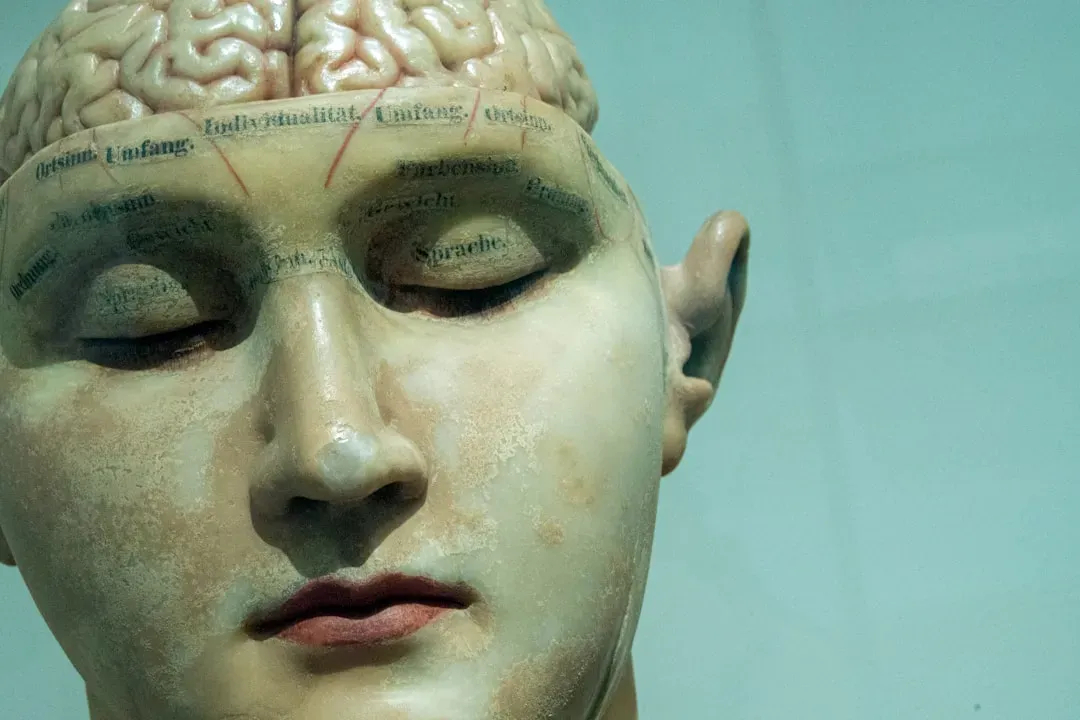
Humans remember dangerous experiences better because, for most of our history, forgetting them was deadly. Our ancestors needed a brain that overreacted to snakes and cliffs and hostile strangers, and we inherited that same protective machinery. The problem is that in a world full of emails, deadlines, and awkward social moments, that ancient system often tags modern stress as if it were a predator in the grass.
Personally, I do not think the goal is to “fix” this bias so we only remember the good. That would make us reckless. The more honest and useful goal is to understand our own wiring, respect what it is trying to do, and then deliberately add more balance. We can let fear teach us without letting it dominate the story of who we are and what our lives mean. If your brain is going to remember danger so clearly, why not also train it to remember the times you were safe, brave, and still here afterward – which do you want shaping your next move?