

You walk into a room and your eyes flick around almost automatically. You notice who is standing where, which faces feel friendly, where the exits are, and what seems just a little off. It happens so fast and so quietly you probably do not even register it as a process. Yet, according to decades of psychological and neuroscientific research, that instant scan is not just a habit; it is an ancient survival program running in the background of your mind.
You do this in a café, at work, in a friend’s living room, even on a video call as you size up faces on a screen. You are not being paranoid; you are being human. Once you understand how this threat-scanning system works, you can start to see your reactions in a completely new light: not as random anxiety, but as an old operating system doing its best to keep you alive in a world that has changed far faster than your brain has.
The Hidden “Security System” in Your Brain
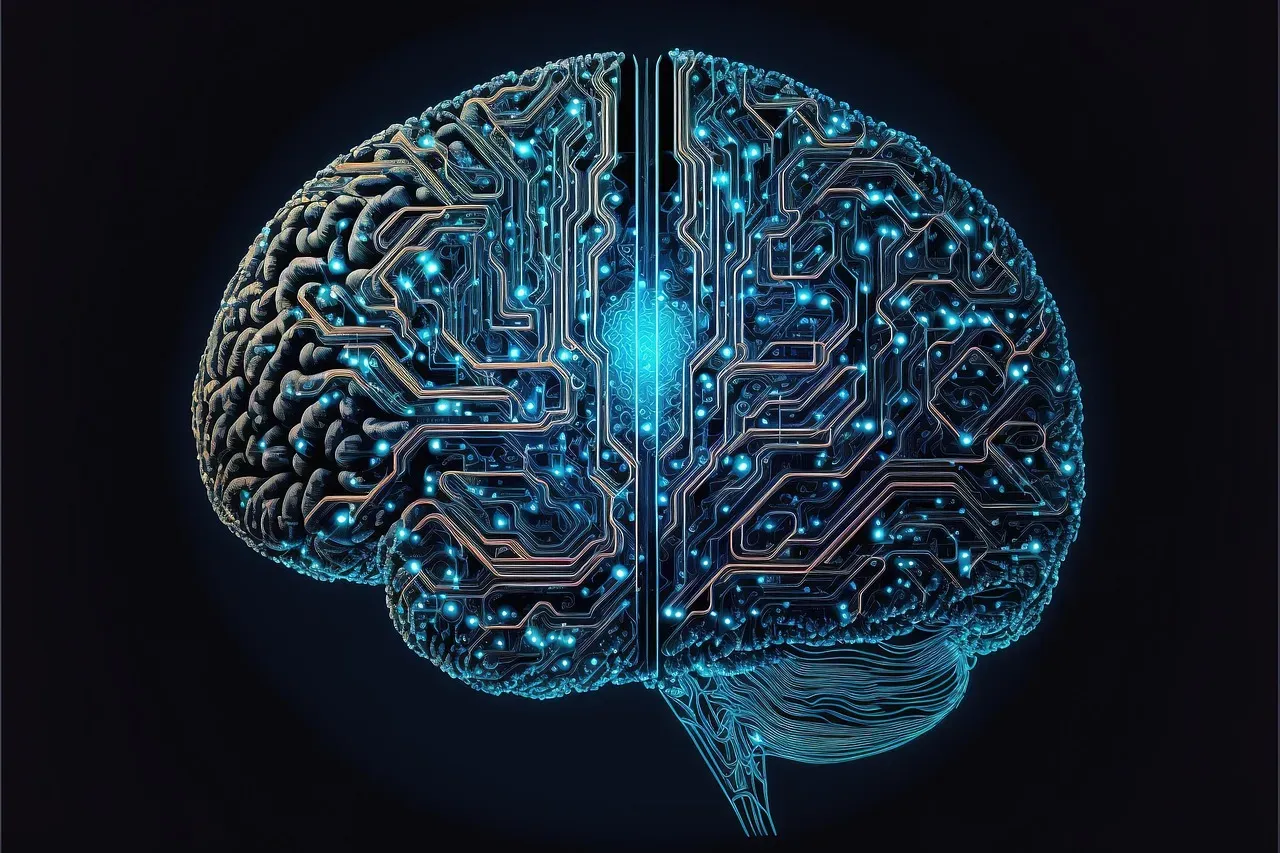
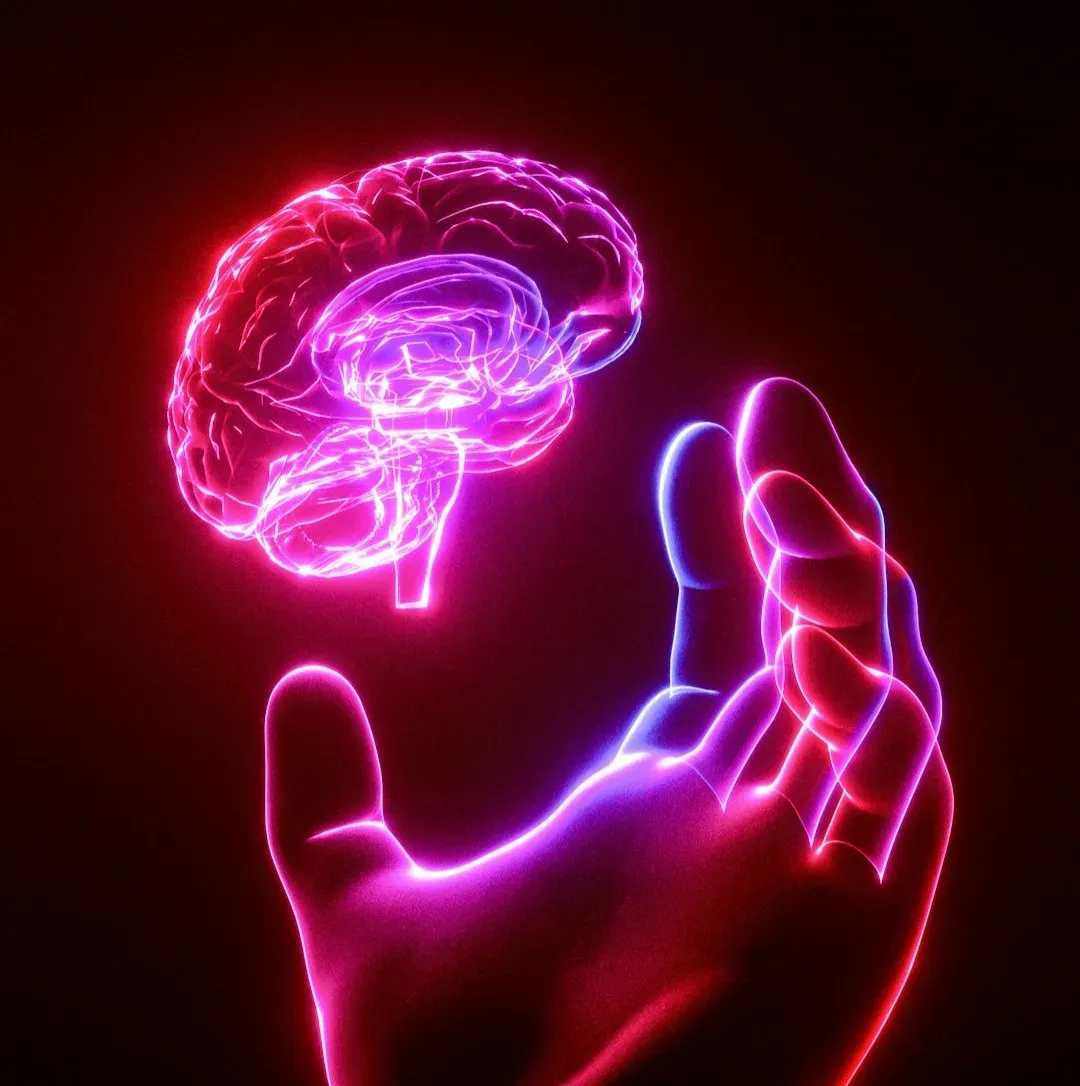
Deep in your brain, there is a small, almond-shaped structure called the amygdala that acts like your internal security guard. The amygdala constantly monitors sights, sounds, and even your own thoughts for anything that might signal danger, and it can trigger a reaction before you consciously know what you are reacting to. That is why you sometimes startle or tense up before you can even name what you just heard or saw.
When you enter a room, this system quietly kicks into gear. You scan faces to judge mood, you glance at body language, you notice loud voices or sudden movements, and you get a subtle feeling of ease or unease. You might call it intuition, but underneath, it is a fast pattern-matching process built from evolution and experience. Your brain would rather give you a few false alarms than miss the one time something is truly off, which is why your threat detector often feels a bit overcautious.
Why Your Ancestors Shaped Your Modern Anxiety
Your brain did not evolve in offices, coffee shops, or subway cars; it evolved in small groups facing predators, rival tribes, disease, and scarcity. In that world, noticing a small rustle in the grass or a tension between two group members could literally mean the difference between life and death. Being slightly jumpy and suspicious gave your ancestors a survival edge, and you have inherited that wiring whether you like it or not.
Because of that history, your brain is biased toward spotting threats more than rewards. You might remember a harsh comment at a meeting more vividly than three compliments, or fixate on one irritated face in a crowd of relaxed ones. This is not you being negative by choice; it is a built-in bias called a negativity bias that once kept your species alive. In the modern world, that same bias can show up as social anxiety, overthinking, or reading too much into minor signals that are not actually dangerous.
How You Instantly Read Faces and Body Language

When you glance around a room, you are not just seeing people; you are decoding an enormous stream of social information. Your brain is unusually good at reading faces, picking up micro-expressions, and tracking posture and movements, often outside of your awareness. You can tell if someone is irritated, bored, interested, or tense in a fraction of a second, and your body adjusts in response, even if you would struggle to explain what you just saw.
This matters because, for humans, other people have always been one of the biggest potential sources of danger or safety. A friendly face signaled protection and belonging; an angry or contemptuous face could mean rejection, conflict, or even violence. So, when you walk into a room, your brain ranks social cues very highly on its list of things to scan. You might find yourself steering away from one group and gravitating toward another without quite knowing why; your threat detector already made some judgments for you.
The Role of Context: How Your Brain Uses the “Setting” as a Clue
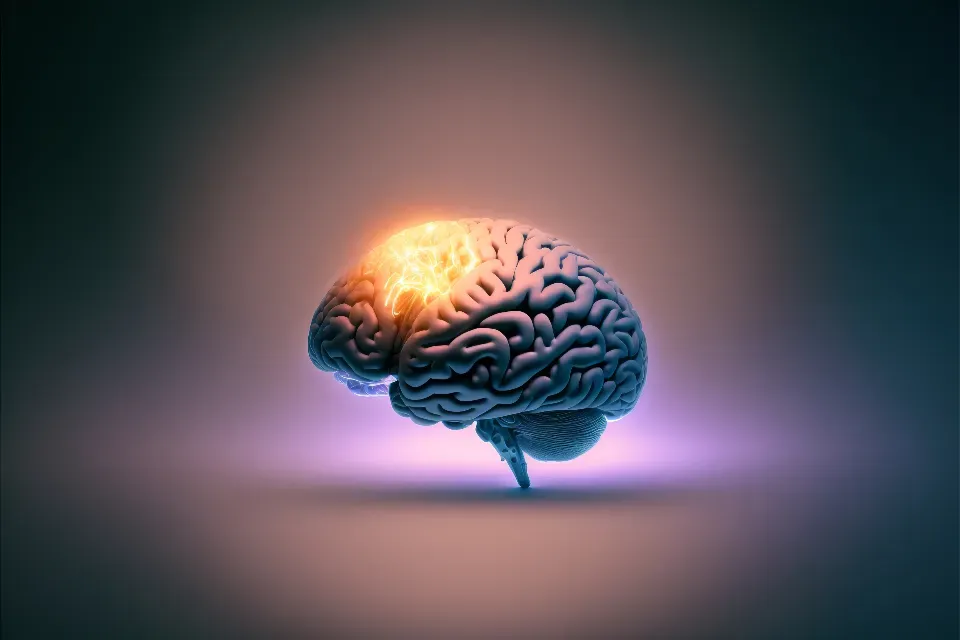
You do not scan a dim, crowded bar the same way you scan a quiet library or your own kitchen. Your brain uses context as a shortcut, pulling from your memories and expectations about each setting. If you have had bad experiences in similar places, your threat detector will be primed to look harder for danger there, even if nothing is actually wrong in the moment.
Context also shapes what your brain labels as a possible threat. In a workplace meeting, a disapproving glance from a manager might feel almost as intense as a raised voice would in a more physical situation. Your nervous system can react to financial risk, social rejection, or career damage as if these were physical threats, because in the environment your ancestors lived in, being rejected or excluded from the group really was a serious danger. Your body still treats those modern equivalents with that legacy seriousness.
Why You Notice Exits, Obstacles, and Escape Routes
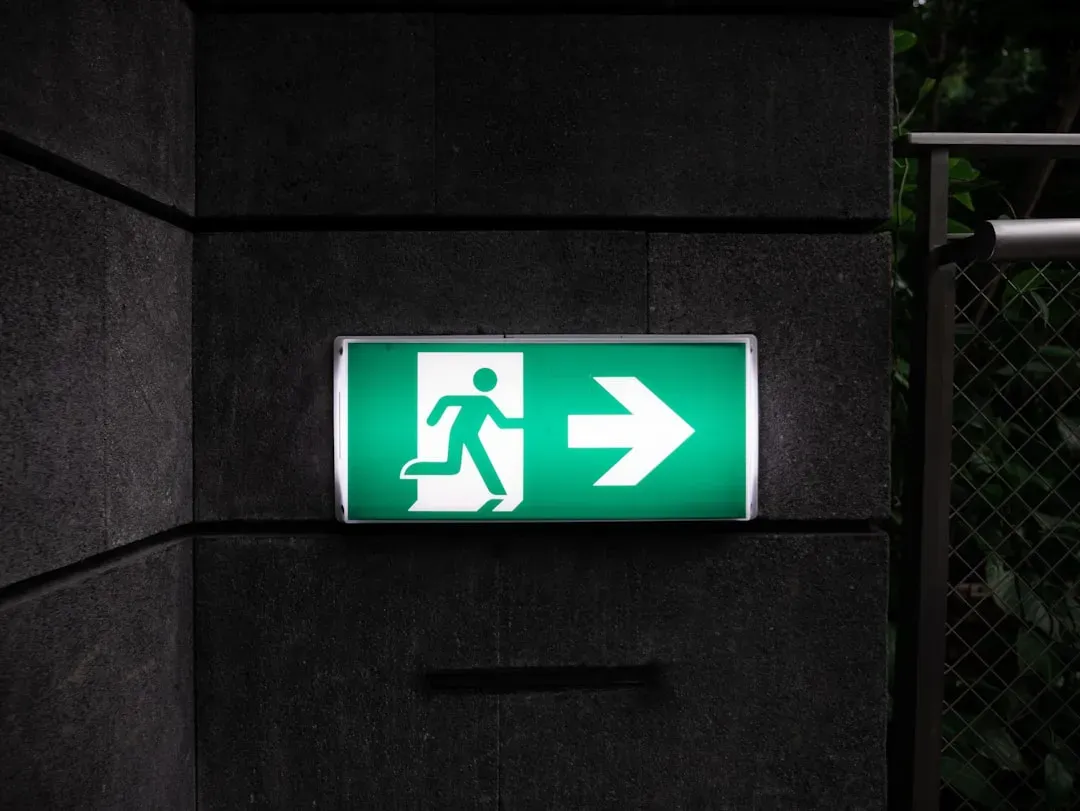
Have you ever realized, halfway through a party or a movie, that you already know where all the doors and windows are, who is blocking the aisle, and what objects you could trip over if you had to move quickly? You usually do not consciously sit down and plan an escape route, yet your mind quietly maps the space around you in just that way. This habit shows up even more strongly in people who have lived through frightening or chaotic situations.
From an evolutionary point of view, being able to quickly find shelter, hide, or run gave your ancestors an enormous advantage. Today, your nervous system still treats new or crowded spaces as potential obstacle courses you might need to navigate under pressure. That might be why you prefer certain seats in a restaurant, like facing the door or sitting with your back to a wall. You are not being weird or controlling; you are trying, often unconsciously, to feel that if something did happen, you would not be trapped.
When Normal Scanning Turns Into Chronic Hypervigilance

Threat scanning on its own is not a problem; it is just part of how your brain keeps you safe. It becomes an issue when the system gets stuck on high alert, and you start scanning every room, every face, and every sound as if danger is almost guaranteed. This kind of chronic hypervigilance often shows up after periods of trauma, long-term stress, or environments where threats really were frequent and unpredictable.
If that is your reality, you might notice you sit where you can see everyone, you track every tiny shift in tone, and you feel exhausted after simple social situations because you have been running a security sweep the entire time. Your body can end up living in a near-constant state of tension, with tight muscles, shallow breathing, and racing thoughts. In these cases, your brain is not broken; it is overprotective, applying an old survival strategy too broadly in a world that is, at least some of the time, safer than it used to be.
Building Environments That Feel Safer to Your Brain
You cannot rewire hundreds of thousands of years of evolution, but you can shape your environments so your brain does not have to work quite so hard. This might mean choosing seating that makes you feel less exposed, reducing clutter and noise where you live, or being intentional about who you spend time with. When your surroundings feel predictable and supportive, your threat scanner does not need to keep you on such a tight leash.
At the same time, you can introduce small, manageable doses of discomfort to teach your brain that not every unfamiliar room is a danger zone. Maybe you sit in a slightly different spot at your usual café, join a small group where you know at least one person, or attend a low-stakes event in a new place. By pairing these small challenges with moments of genuine safety and calm, you slowly convince your nervous system that the world holds more safe rooms than it once believed.
Conclusion: Living Wisely With an Ancient Alarm System

Once you realize you , a lot of your reactions start to make more sense. You can stop seeing yourself as overly sensitive or weird for noticing exits, moods, or subtle shifts in tone, and instead recognize that you are running ancient code in a modern world. That shift alone can soften the shame or self-criticism you might carry about feeling anxious or on guard.
You probably will not ever stop scanning completely, and you do not actually need to. The real power lies in becoming aware of when your threat detector is working overtime and learning how to reassure it with evidence, calm, and better environments. In that sense, you are not at war with your brain; you are learning to partner with it. The next time you walk into a room and feel yourself instantly taking everything in, you might quietly smile and think: the system is working. Now, how do you want to respond?