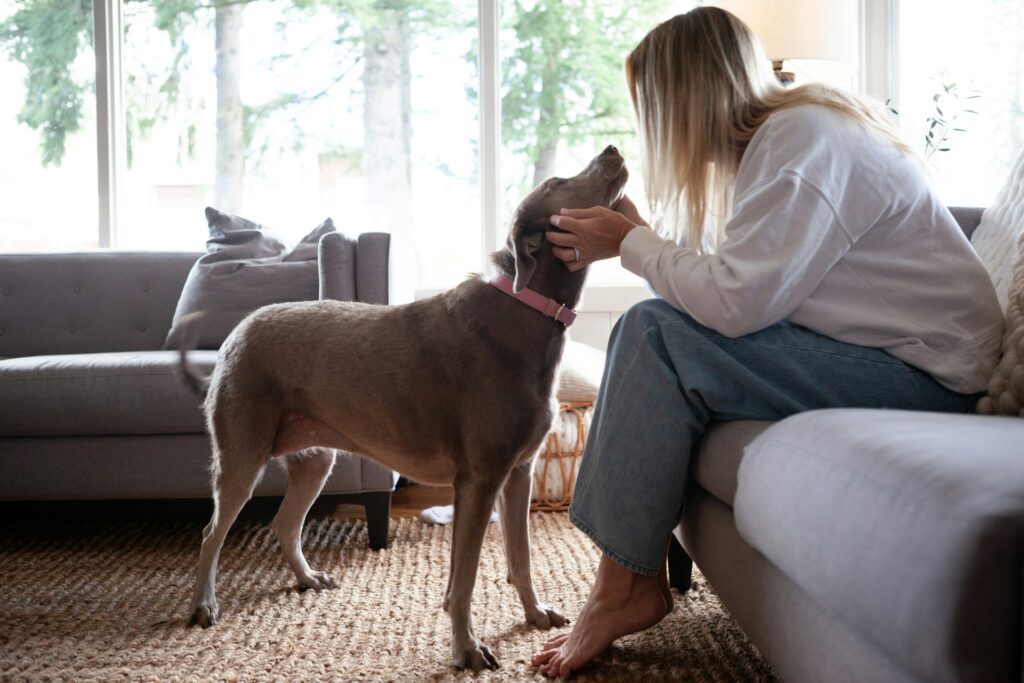

Dogs have a way of staring straight into our messy human hearts, especially when we cry. If you have ever sobbed on the couch and felt a wet nose nudge your hand, you already know it feels like more than coincidence. But here is the twist: growing research suggests dogs may not just notice that you are crying; they might actually tell the difference between you crying from deep sadness and you crying because you are overwhelmed with relief. That is a huge claim, and the truth is a bit more nuanced than the headline makes it sound. Psychologists and animal behavior researchers are piecing together a picture that is both scientific and emotional. Dogs are extraordinarily sensitive to our voices, faces, body posture, and even our smell, and they react differently depending on the emotional “package” we radiate. So, can they truly distinguish sadness from relief? The most responsible answer is that they seem to respond in meaningfully different ways to different emotional contexts, but we are still mapping exactly what they do and how. Let’s unpack what science actually shows, where it is still murky, and what your dog might be picking up on when your tears start to fall.
How Dogs Read Human Emotions: Beyond Simple Body Language

One of the most striking findings in modern dog research is that dogs do not just read one cue at a time; they blend facial expressions, tone of voice, and posture into a kind of emotional “profile.” Studies have shown that dogs look longer at faces that do not match the emotional tone of the voice, which suggests they notice when our expression and sound are out of sync. When you are crying from sadness, your voice usually becomes lower, slower, and more strained; when you cry from relief, there is often a fragile kind of laughter or a lighter tone mixed in, even if tears are flowing.
Dogs also pay attention to your movements. Someone who is crushed by sadness may move more slowly, curl inward, and avoid eye contact; someone crying from relief might still stand taller, gesture more broadly, or even reach toward others. To a dog, those are wildly different emotional landscapes. So when we say dogs can “distinguish” between types of crying, what seems most realistic is that they are picking up on an entire pattern of cues, not decoding some abstract human concept of “relief” versus “sadness” in the way we do, but still reacting in distinct ways.
The Role of Tone and Prosody When Humans Cry

If you mute the screen and only listen to audio of a person crying, you can still often tell whether it is a cry of grief or a cry of joy. Dogs live in that sound-first world far more than we do. Research has found that dogs react strongly to human vocalizations like laughter and crying, showing changes in heart rate and behavior when they hear emotionally charged sounds. Sad crying usually carries long, drawn-out sobs and a heavy, constrained tone, while crying from relief often breaks into shaky laughter, high-pitched exhalations, and a looser, more “open” sound.
Dogs are experts at prosody – the music of speech. Over time, they learn which sound patterns predict something bad, like arguments or someone leaving, and which signal safety, comfort, or a situation finally turning out okay. When your tears are layered over a calm or even slightly upbeat rhythm of speech, your dog may treat it as a different emotional category than when your voice drops and cracks from despair. That does not mean your dog “knows” the word relief, but it does mean they likely hear the difference and adjust their response accordingly.
Facial Expressions: What Your Dog Sees When You Sob
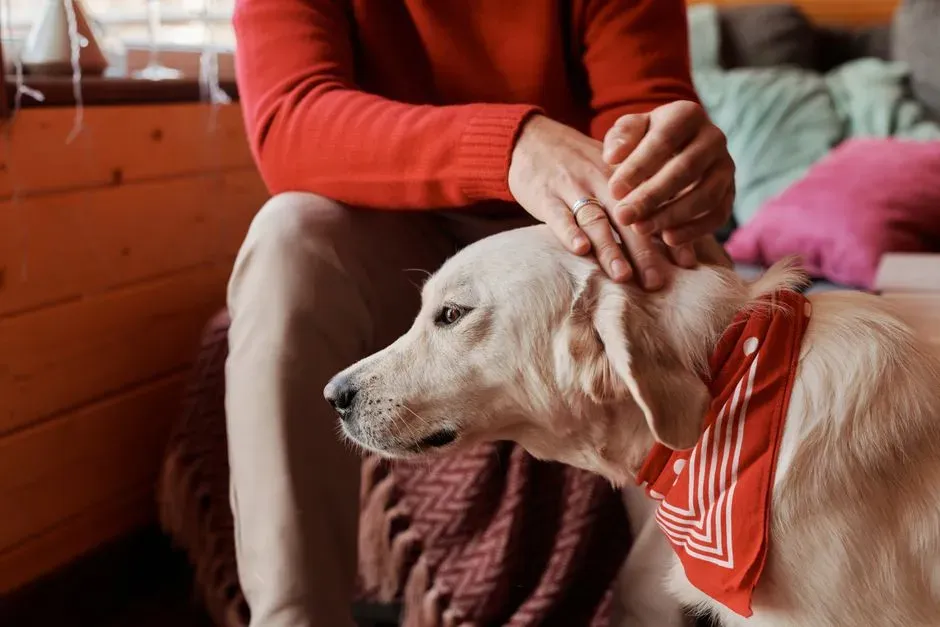
Humans underestimate how closely dogs watch our faces. Experiments using images of happy and angry faces show that dogs not only notice emotional expressions but tend to avoid those that look threatening or upset. Crying from sadness usually comes with downturned lips, tightened eyebrows, and an overall collapsed expression. Crying from relief, on the other hand, may still bring tears and red eyes, but the mouth may relax into almost a smile, the brows soften, and the whole face looks less pained and more released.
Dogs appear to use these tiny differences as part of a bigger emotional puzzle. In daily life, your dog has thousands of data points: how your face looked when you got bad news versus when you got good news, but were so overwhelmed you cried anyway. Over time, the dog may learn that one kind of tearful face predicts withdrawal and quiet, while the other predicts hugging, laughter, and movement. That learning history gives them a practical way to “distinguish” between the two emotional states without needing human-style emotional labels.
Body Odor and Stress Chemicals: Smelling Sadness Versus Relief

We tend to forget that we smell like our emotions. Under stress, humans release hormonal and chemical changes through sweat and possibly breath, and dogs are incredibly sensitive to these shifts. Studies have shown that dogs can differentiate body odors associated with human fear and happiness, reacting more anxiously when smelling fear-related samples. When you are crying from deep sadness and stress, your body may be saturated with stress hormones for a long stretch of time, and your odor profile reflects that ongoing strain.
Crying from relief is often preceded by intense stress but followed by a rapid physiological shift – your breathing slows, muscles release, and your body starts downshifting out of crisis mode. The scent that goes along with that transition may be meaningfully different from the scent of prolonged despair. It is very plausible that dogs notice those subtle chemical differences, using smell to track not just that you are emotional, but where you are in the arc from panic and sorrow to relative safety and calm.
Context Is Everything: How Dogs Use Situations to Interpret Your Tears

Imagine you fall to the floor crying after reading a message that something terrible has happened. Now imagine you collapse in tears after hearing that a surgery went well or a loved one is finally safe. Even if your face looks similar, the room feels different. People’s energy changes, the words they say, how they move, and the overall noise level create two very different worlds. Dogs are masters at reading context; they know the difference between a tense, silent house and a buzzing, relieved home where everyone is talking over each other and hugging.
In real life, dogs almost never interpret emotions based on tears alone. They integrate the entire scene: your emotional history that day, other people’s voices, the pace of activity, and even routines that follow. If crying from sadness usually leads to you going to bed early and withdrawing, and crying from relief usually leads to more movement, calls to friends, and an almost celebratory tone, your dog tracks those patterns. Over months and years, they come to anticipate different outcomes once they sense what “type” of emotional event is unfolding, which is probably the most realistic version of them distinguishing sadness from relief.
How Dogs Actually Respond: Comfort, Caution, and Excitement
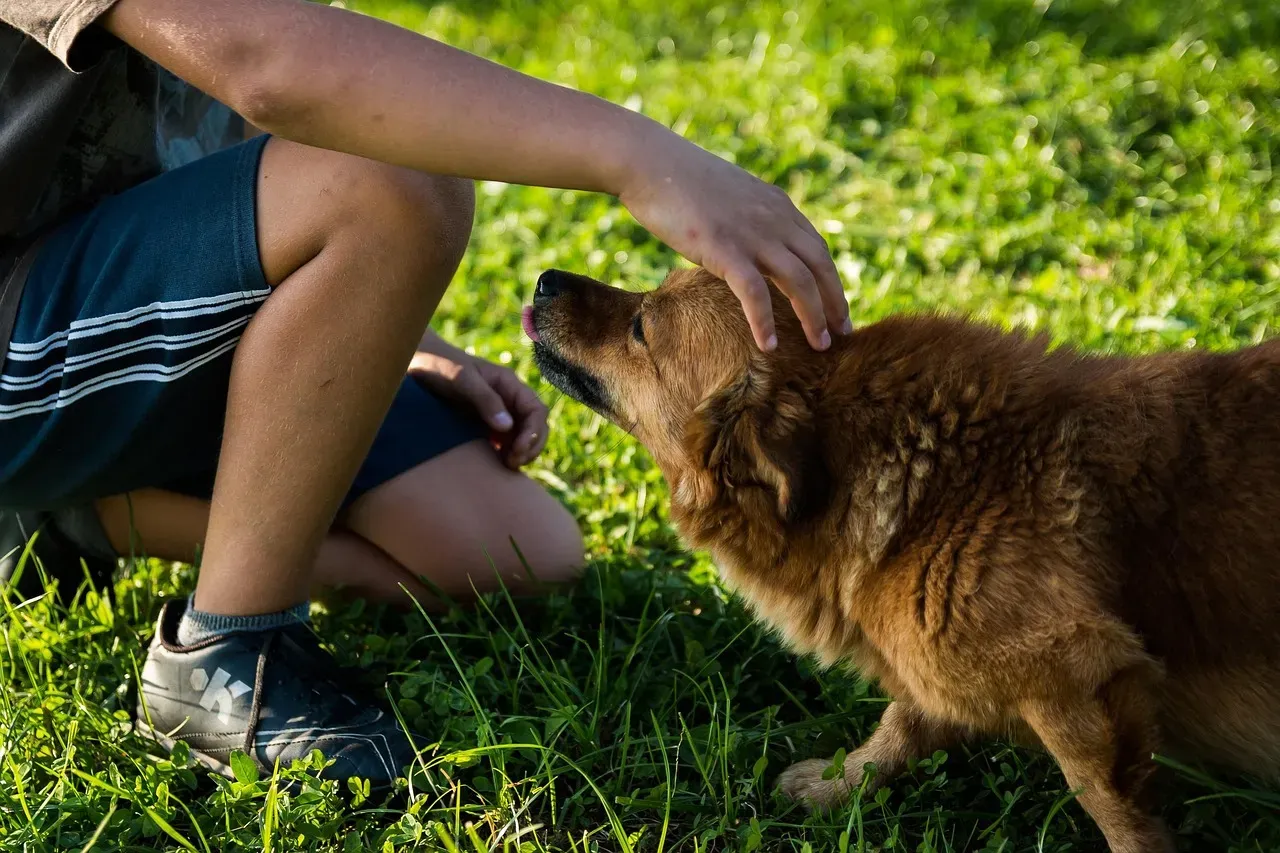
Perhaps the most emotional evidence comes from behavior. When owners cry sadly, many dogs approach slowly, lower their bodies, lick hands or faces, and stay close. It looks a lot like comforting behavior, and controlled studies have shown that dogs are more likely to approach a crying person than someone humming or speaking calmly, even when that person is a stranger. In everyday life, that often translates to the classic image of a dog quietly resting their head in your lap in moments of sorrow.
But when tears are mixed with relief, some dogs seem to respond not with quiet sympathy but with heightened energy – tail wagging, jumping, or playful nudges, as if they sense that something good just happened even if you are still crying. I have seen this in my own life: a dog that crawled into someone’s lap during a painful breakup, the same dog later bouncing around joyfully when the person cried from getting the job they had been terrified about. That pattern suggests dogs pick up that one version of crying is heavy and fragile, while the other is charged with positive energy and forward momentum.
Of course, not every dog responds in the same way. Some become distressed and anxious around any intense emotion, whether sad or relieved, and may pace, whine, or hide. Others are bold and intrusive, nudging into your space no matter what is going on. Personality, past experiences, and even breed tendencies can shape how clearly a dog’s behavior seems to “sort” your emotional states into different categories.
What Science Can Prove Versus What Dog Owners Feel
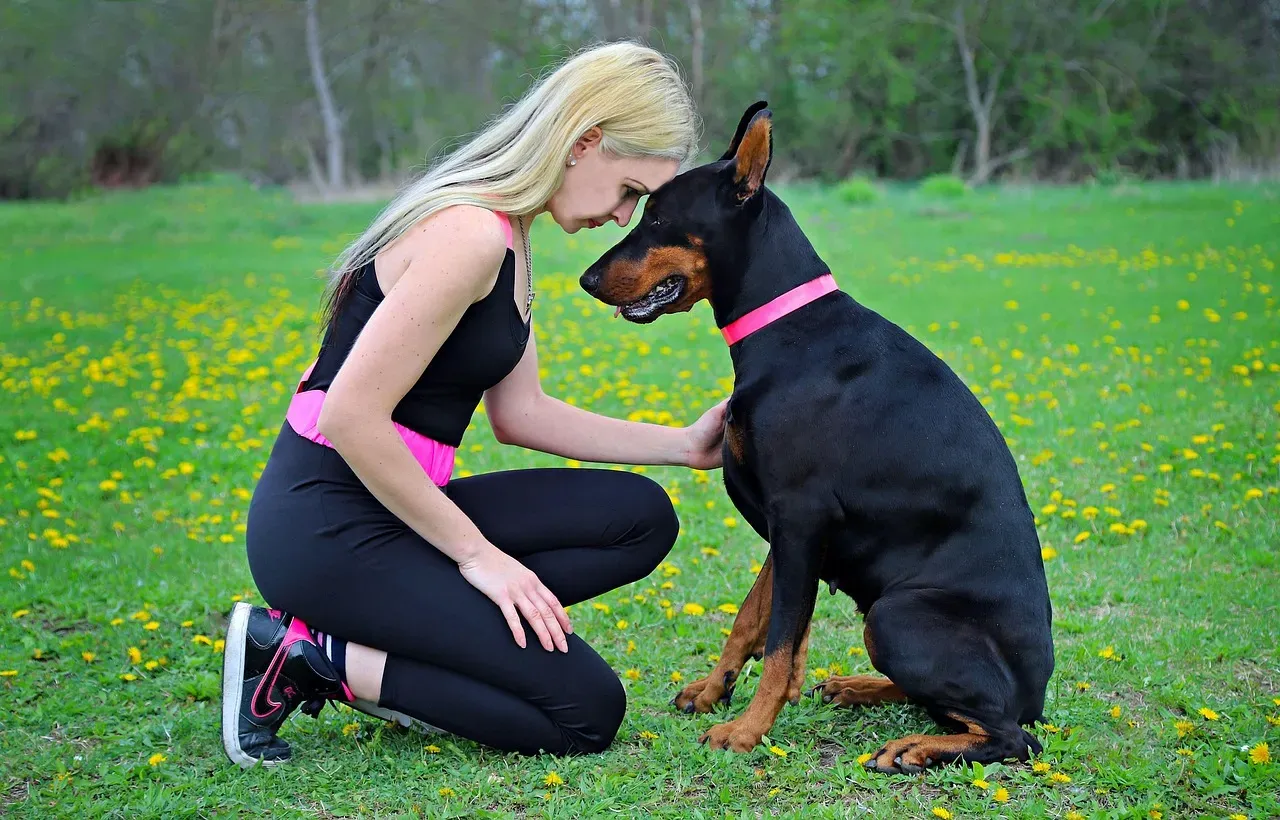
This is where we have to be brutally honest: current research does not yet offer a clean, simple experiment proving that dogs consciously label “sad crying” and “relieved crying” as separate emotional categories in the human sense. What it does show is that dogs discriminate between different emotional cues in sight, sound, and smell, and they respond to those differences in meaningful ways. That is a subtle but important distinction. Claims that dogs fully understand the complex human story behind tears can easily run ahead of the data.
At the same time, it would be silly to ignore the lived experience of millions of dog owners who see consistent, patterned responses from their pets. The most reasonable middle ground is this: dogs very likely distinguish between different emotional states that, in humans, we would call sadness and relief, but they do so through learned associations and sensory patterns rather than abstract emotional reasoning. In other words, your dog might not philosophize about your feelings, but they are astonishingly good at noticing which version of you just showed up.
How to Support Your Dog When You Are Emotional

Because dogs are so tuned in, our emotional storms can be stressful for them, especially if they feel helpless or confused. When you are crying from sadness, it can help to use a calm, gentle voice with your dog even if you cannot stop the tears. Simple actions like inviting them onto the couch, petting them slowly, or giving them a familiar cue such as asking for a sit can reassure them that the world is still at least partly under control. That stability matters, especially for sensitive or anxious dogs.
When you are crying from relief and your energy swings quickly from panic to excitement, try to notice how your dog is reacting. Some will happily ride the emotional roller coaster with you, dancing around and soaking up the joy. Others might get overstimulated or uncertain, so giving them a clear signal – like kneeling down, making steady eye contact, and using a consistent phrase of reassurance – can anchor them. The more predictable you are in how you include your dog during emotional moments, the easier it is for them to interpret your tears, whatever the cause.
Conclusion: A Humble Take on What Dogs Really Understand
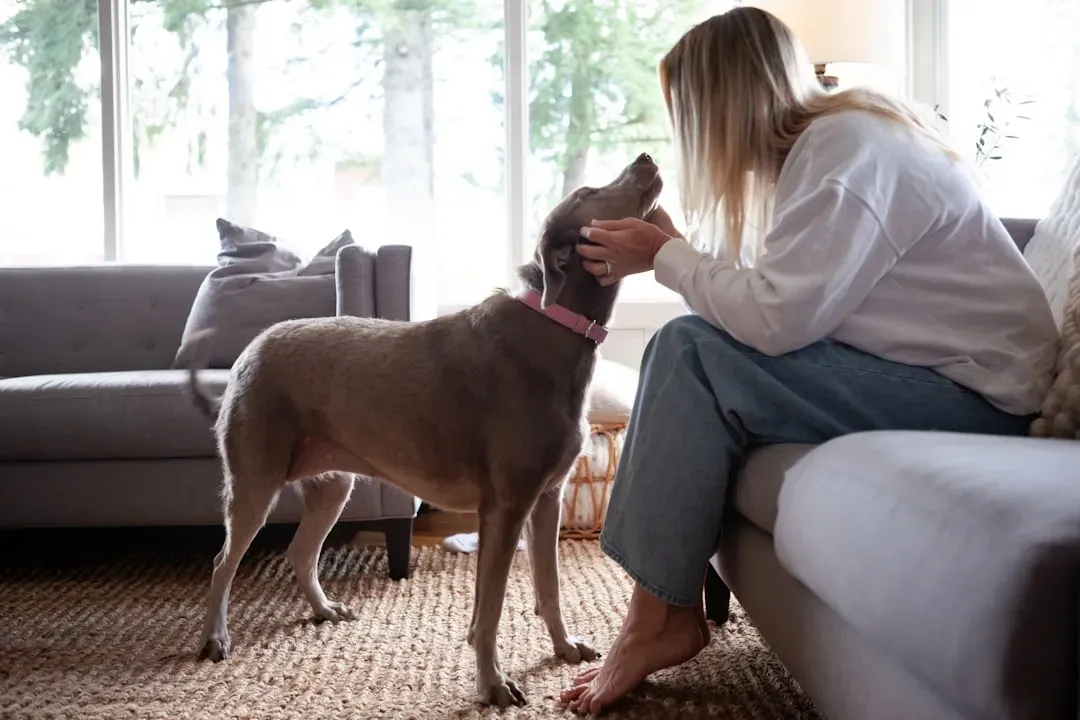
If we are being cautious and honest, we should say that the evidence strongly supports this idea: dogs differentiate between different emotional states in their owners, and what we call “crying from sadness” and “crying from relief” almost certainly look, sound, and smell different enough for them to react in distinct ways. But claiming that dogs fully grasp the intricate story behind those tears is probably giving them a very human kind of credit. They are not tiny therapists with degrees; they are keen observers who learn our patterns better than most people in our lives ever do.
Personally, I think that is even more beautiful. Dogs do not need to understand every nuance of our narratives to show up for us in exactly the moment we need them. They just need to be themselves – attentive, responsive, and unfiltered. The next time you cry, whether in heartbreak or in overwhelming relief, it is fair to assume your dog knows that this moment is different from the last one, and that their presence matters. In a world obsessed with perfect explanations, is there anything more powerful than an animal who simply notices you and chooses to stay?