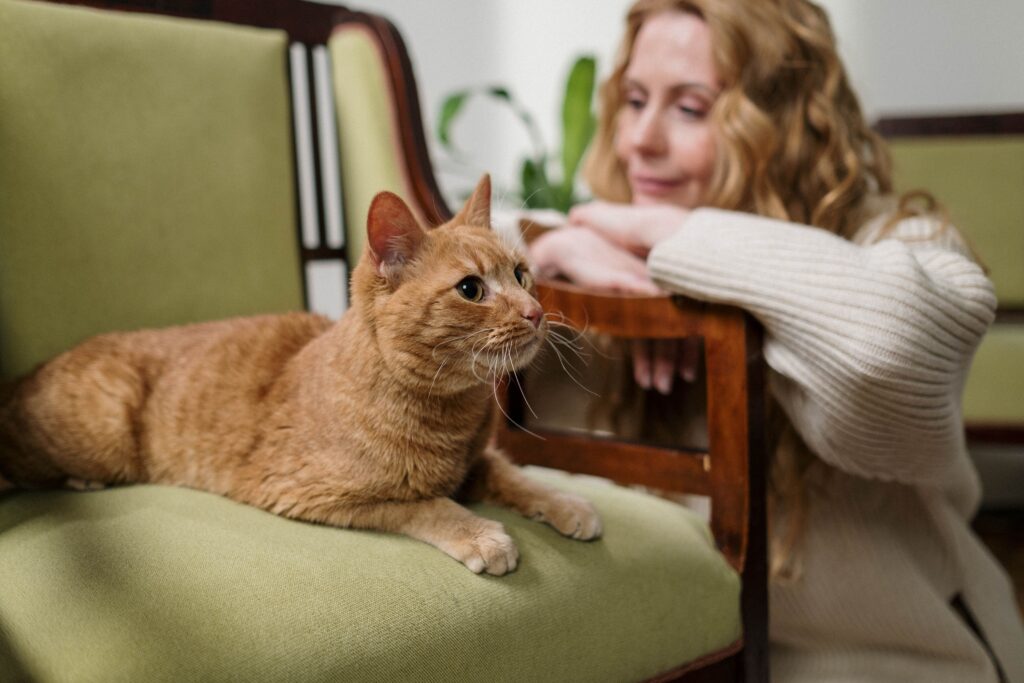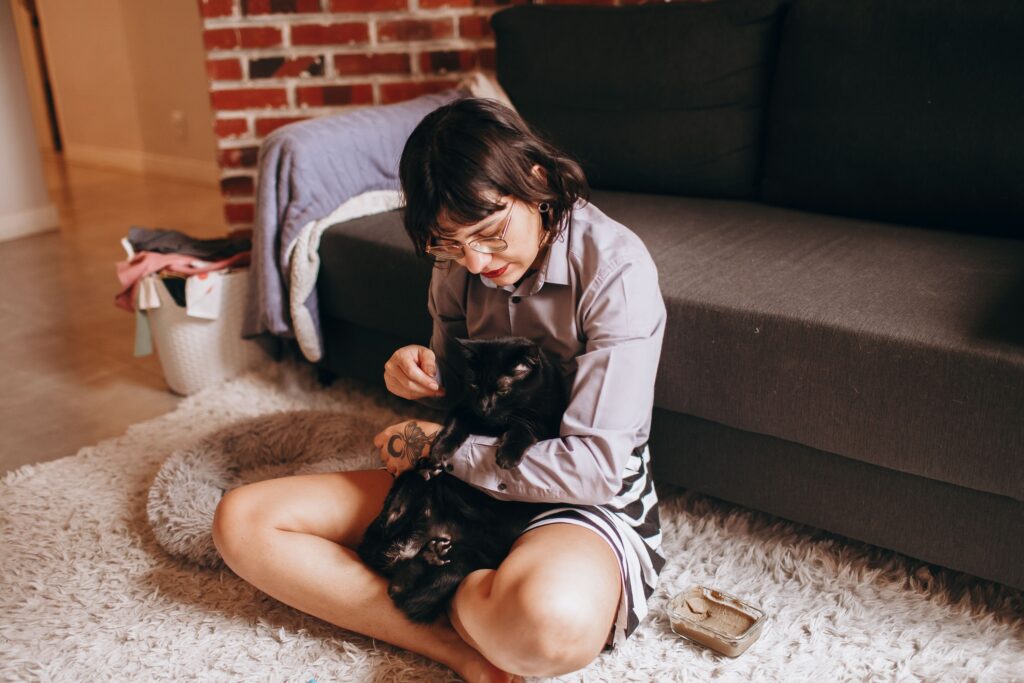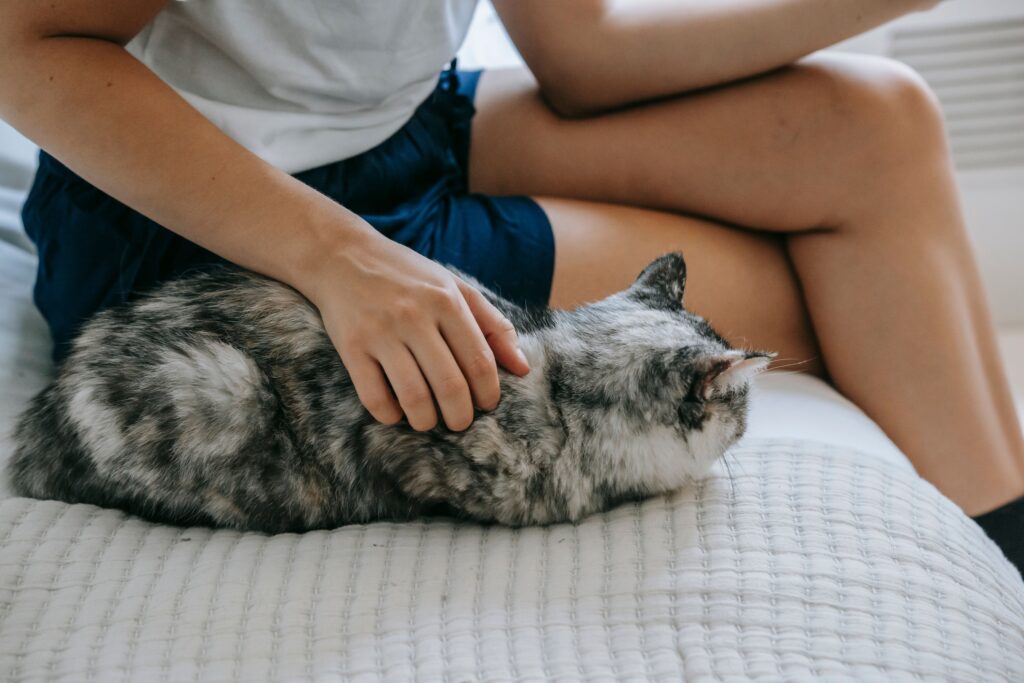

You know that moment when your cat settles down just out of arm’s reach, facing away, tail neatly wrapped – and you quietly wonder if you’ve just been politely rejected? Many people assume that if a cat is not actively snuggling, it must be aloof, indifferent, or only in it for the food. But animal behavior research paints a very different, much more flattering picture of what your cat might really be saying.
In the world of feline psychology, distance is not always a sign of emotional distance. For cats, simply choosing to be nearby can be a powerful social statement. That casual choice to sit a few inches – or a couple of feet – from you can reveal trust, comfort, and a deeper bond than most people realize. Once you understand how cats “speak” in space, posture, and tiny gestures, that not-quite-touching presence starts to look a lot like affection.
The Quiet Language of Feline Proximity
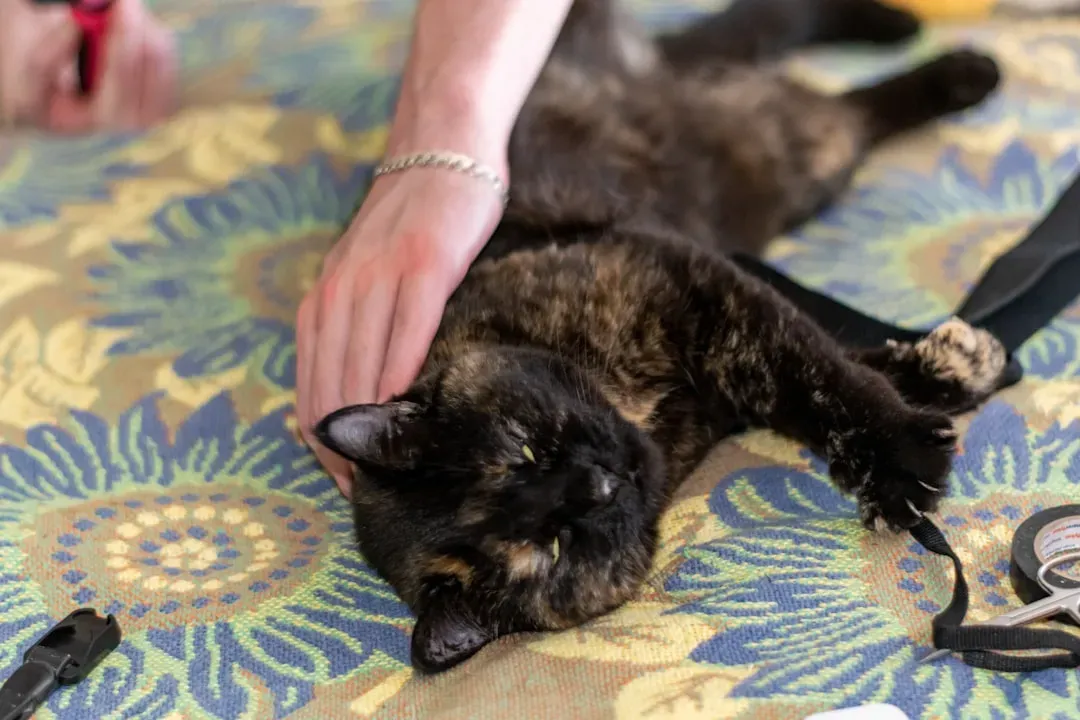
Here’s the surprising part: for many cats, just being in the same room with you is already a big deal. In nature, adult cats do not constantly huddle together the way some other social animals do; they often rest alone or in loose groupings with plenty of personal space. So when a cat repeatedly chooses to rest within a few feet of you, that is a meaningful vote of confidence, even if there is no physical contact.
Behaviorists describe this as voluntary proximity, and it’s one of the most reliable indicators of a positive social relationship in cats. A cat that could hide under the bed, escape to another room, or perch high on a shelf but instead opts to be near you is making a clear choice. It may not look dramatic to a human used to wagging tails and full-body hugs, but in cat terms, that quiet presence is often their version of sitting next to a close friend on a couch – companionable, calm, and secure.
Why Some Cats Love Closeness Without Cuddles
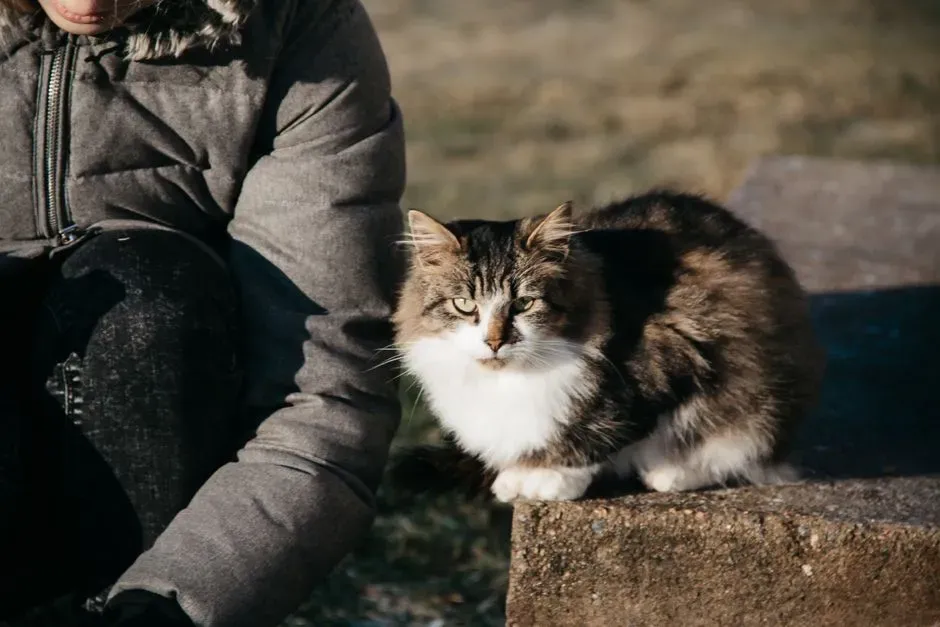
Cats are both social and highly individual, and their early experiences strongly shape how they show affection. Kittens that were gently handled during a key socialization window often grow up more open to petting and physical contact, while others, even in loving homes, can lean more “touch-sensitive” or cautious. That does not mean they care less; it usually means they express caring differently.
For these cats, sitting nearby without touching can be the perfect compromise: they get the comfort of your presence without the stress of intense handling. Think of it as a friend who likes hanging out with you but is not a big fan of hugs. If your cat is consistently choosing to hang out close by – on the same sofa, at the foot of the bed, on a chair next to your desk – that pattern is often a strong sign of attachment rather than ambivalence.
Personal Space: A Built-In Part of Cat Psychology

Unlike many dogs, cats are naturally more sensitive about personal space, even with individuals they like. Their ancestors were solitary hunters that needed to protect themselves, their food, and their resting places, so a built-in respect for distance is basically part of the operating system. That instinct does not just disappear in a cozy living room; it gets repurposed into how they manage closeness with you.
So when your cat sits near you but not on you, it can simply mean they are balancing two needs at once: the need for social connection and the need for a comfortable buffer zone. In this way, choosing a spot “just so” – close enough to see and hear you, far enough to feel entirely in control – can be their way of creating a safe, shared space. Far from being standoffish, this careful spacing can actually show that they trust you enough to relax while still honoring their own boundaries.
How Cats Use Position and Direction to Show Affection

The way your cat positions their body around you can say more than the distance alone. A cat that sits near you with a loose, relaxed posture, eyes half-closed, and paws tucked is broadcasting comfort and safety. If they turn their side or back toward you while staying close, that is not an insult; it is actually a sign they do not feel the need to keep you under constant watch.
Even seemingly tiny details matter. A cat who settles by your feet while you work, or curls at the edge of the couch near your hip, is often choosing those spots because they are close to your scent, your warmth, and your subtle movements. This low-key hovering is a kind of social shadowing – like a friend who quietly chooses the seat next to you at a café. The message is simple: “I want to be where you are, even if we are not touching.”
Signs Your “Distant” Cat Is Actually Deeply Bonded
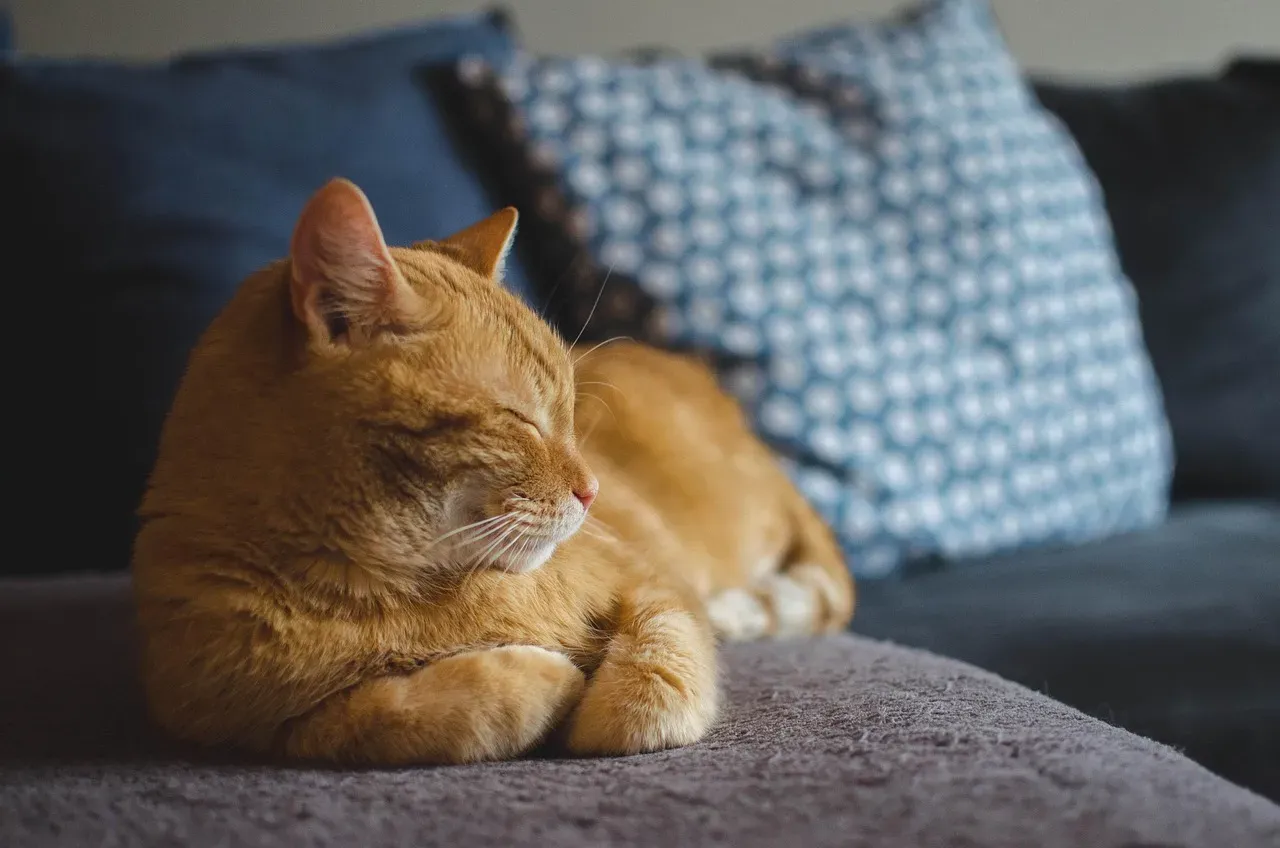
If you only use cuddles as your yardstick for connection, you will probably underestimate how attached your cat really is. Bonded cats often follow their person from room to room, settle nearby when you sit, or show up like clockwork at your bedtime. They may not climb into your lap, but their pattern of choosing proximity over and over again is not random, it is relational.
Other subtle tells can confirm that the bond is strong even without constant contact. Maybe your cat greets you at the door, vocalizes when you talk, sleeps in the same room, or relaxes more easily when you are around. I have lived with a cat who almost never tolerated being held, but who faithfully slept near my feet every single night. On paper she looked “independent,” but in daily life, her quiet loyalty was impossible to miss once I stopped fixating on cuddles as the only proof of love.
The Role of Choice and Control in Feline Relationships
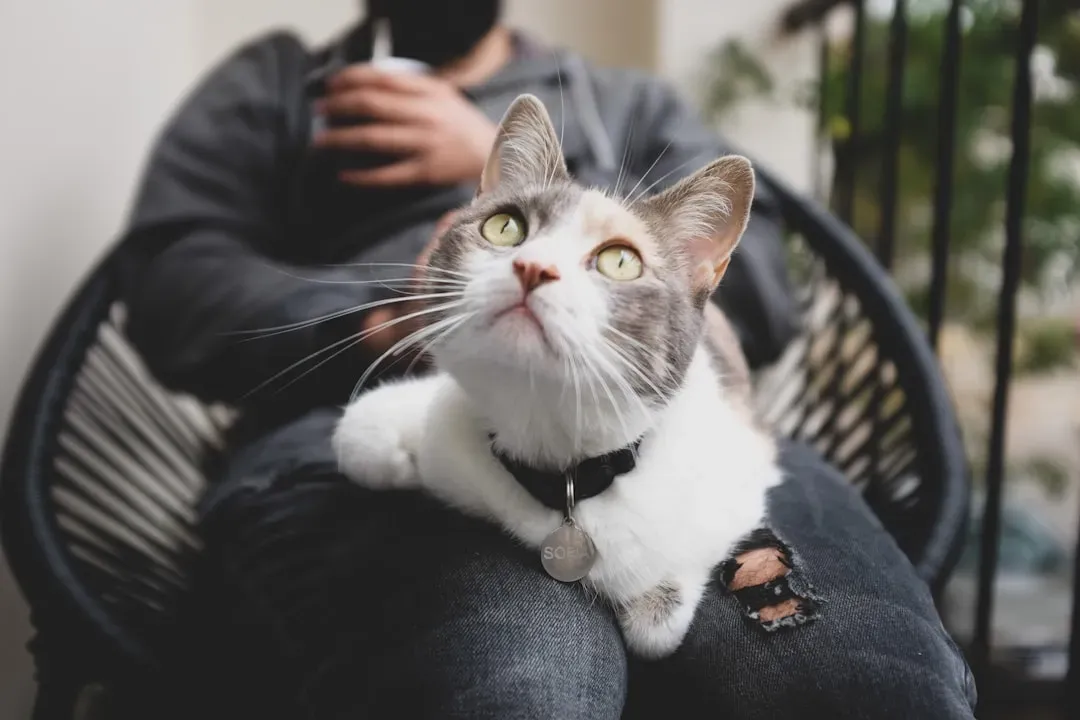
One of the most important ideas in animal psychology is that choice matters – a lot. For many cats, feeling in control of when and how contact happens is key to feeling safe. A cat that sits close without touching often wants the option to either move closer or stay put, depending on their comfort level in that moment. That freedom to choose can actually help deepen trust over time.
When we respect that preference, the relationship usually improves. For example, a cat who knows you will not immediately scoop them up every time they approach is more likely to approach often and stay longer. That might look like them resting a foot away instead of right in your lap, but that pattern is loaded with meaning. In a way, your cat is saying, “I choose to be here with you, on my terms,” and that choice itself is a powerful sign of a secure social bond.
When Sitting Near You Is Comfort-Seeking, Not Just Habit
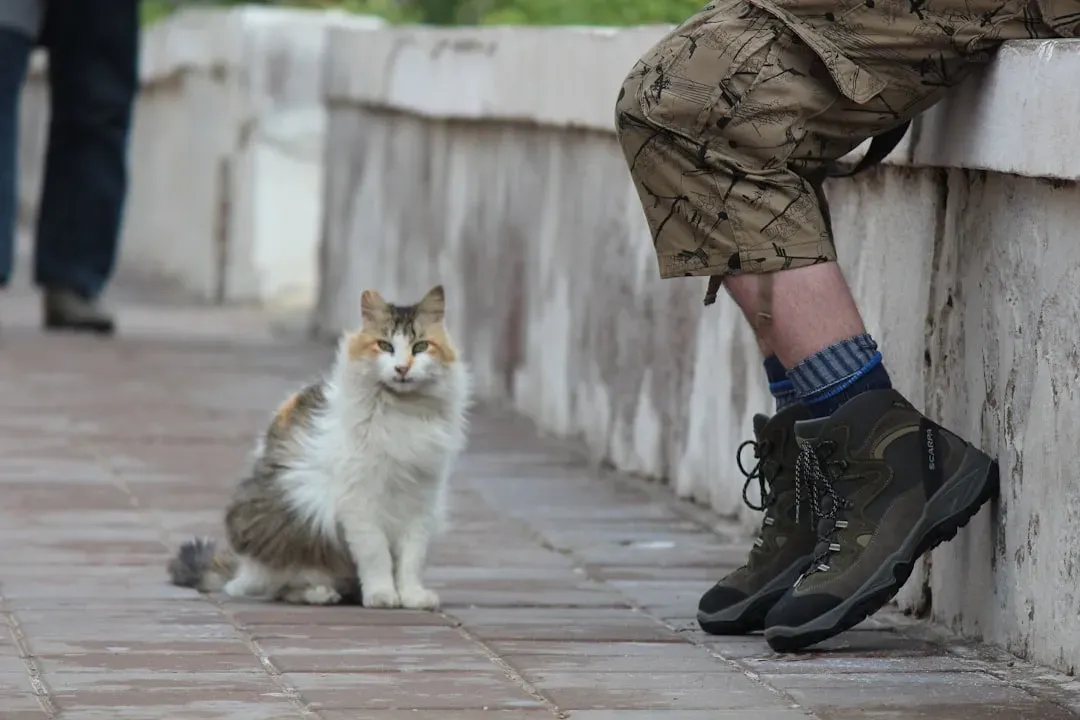
Cats are very good at seeking out what makes them feel safe, and that often includes specific people. In stressful moments – loud noises, visitors, changes in the home – you might notice your cat positioning themselves closer to you than usual, even if they are not climbing into your arms. Hovering nearby can be their way of using you as a social safety anchor, a steady, familiar presence that helps them cope.
Over time, this pattern can turn into a comforting ritual for both cat and human. Your cat learns that being near you feels safe and predictable, and you begin to realize that their quiet presence is not accidental. It is especially telling when a cat chooses you over other humans in the home, or prefers your side of the bed, chair, or sofa. That consistent choice of you as a base of security is one of the clearest signs that the social bond is strong, even if it plays out at arm’s length.
How to Respond When Your Cat Shows “Hands-Off” Affection
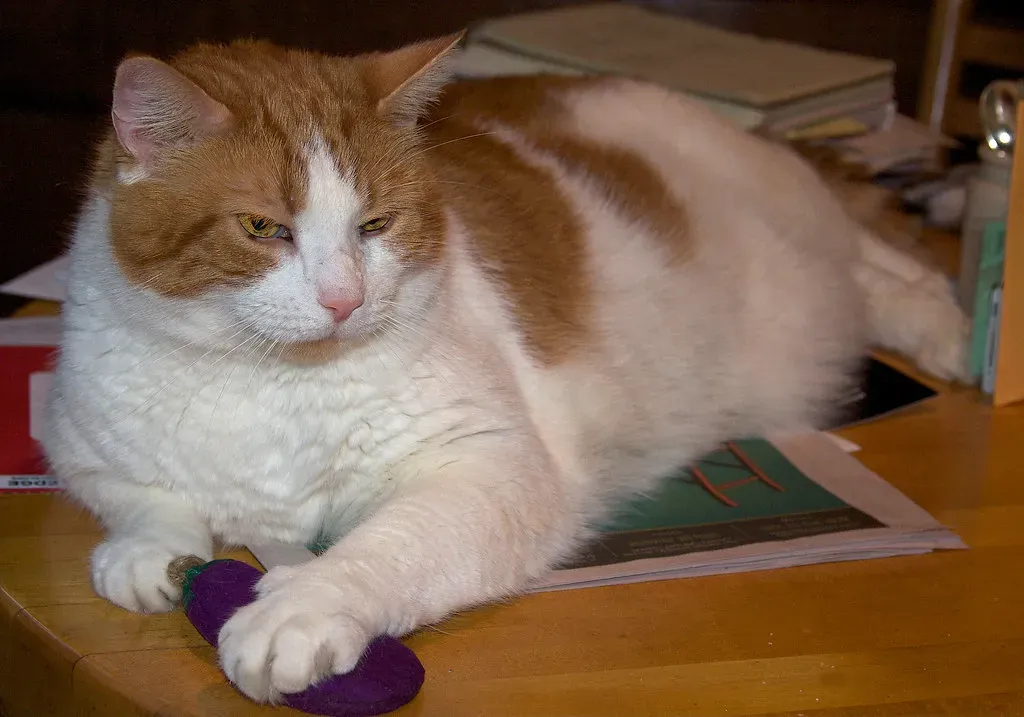
If your cat is a near-but-not-touching type, the best response is to meet them where they are instead of trying to turn them into a lap cat overnight. Offer slow, gentle invitations: extend a hand for a sniff, blink slowly, or give a soft verbal greeting without leaning into their space. If they choose to come closer, great; if not, you have still reinforced that their presence is welcome and safe. Over time, this low-pressure approach often leads to more spontaneous contact.
It can also help to create layouts that let your cat be close while maintaining control, like a cat bed near your workspace, or a cozy spot on the couch right next to where you usually sit. Think of these as “affection lanes” that let them express closeness in their own style. The goal is not to force more touch, but to recognize and support the affection they are already showing – because once you see it clearly, it becomes much harder to label your cat as distant.
Rethinking What a “Loving” Cat Looks Like
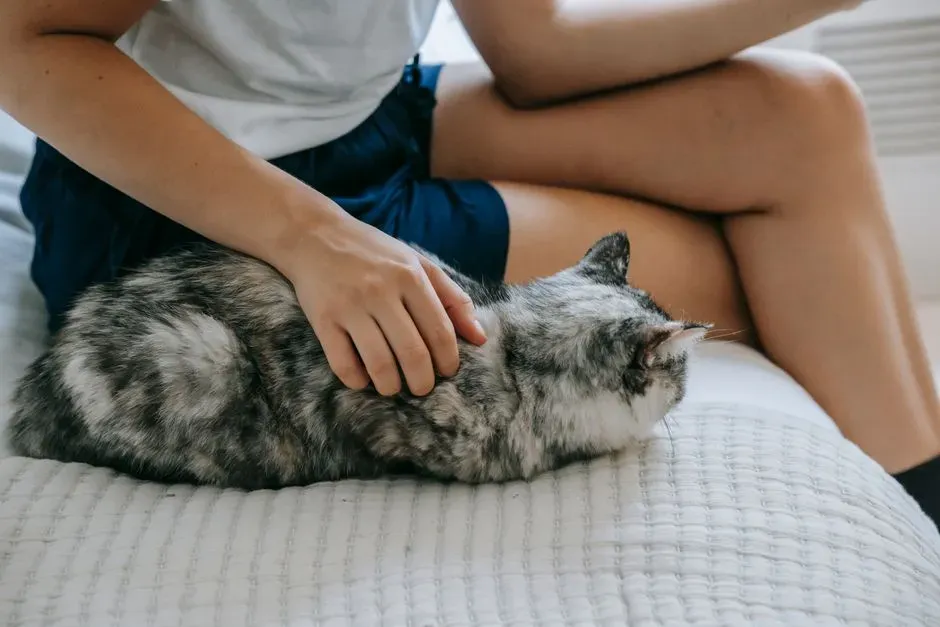
In my view, we have been too quick to measure feline love by dog standards: big gestures, full-body contact, constant physical closeness. That bias makes a lot of deeply attached cats look cold when they are anything but. When a cat repeatedly chooses to sit near you without touching, calmly sharing your space, they are often demonstrating a mature, stable bond rather than a lack of interest.
So instead of asking why your cat will not lie on your chest, start noticing how often they quietly appear beside you, sleep in your room, or watch the world from a spot just within reach. Those are not background behaviors; they are the relationship, expressed in a feline way. Once you accept that their language of love is more about deliberate presence than constant contact, that “distant” cat suddenly looks a lot more devoted. In the end, the real question is not whether your cat is showing love – but whether you are willing to learn how to see it.