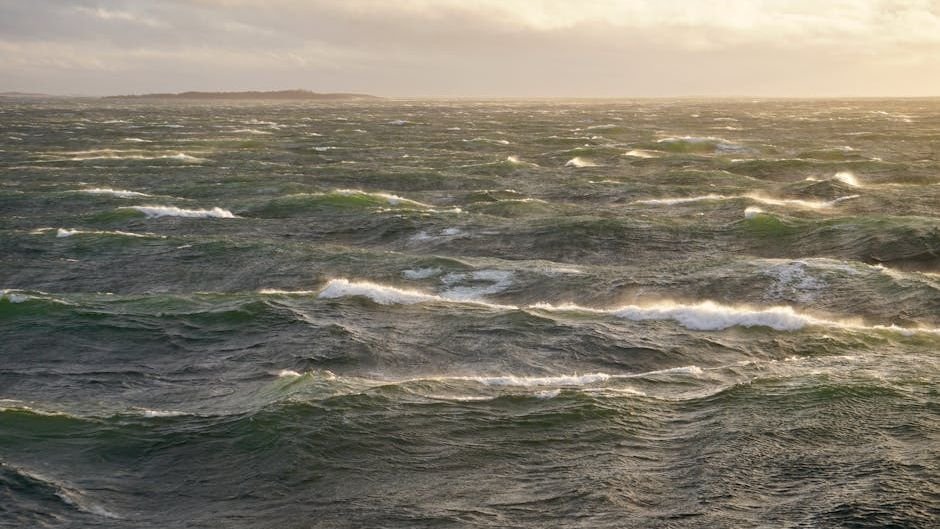
Climate change is a significant and increasing threat to biodiversity worldwide. As temperatures rise, weather patterns shift, and ecosystems are altered, many endangered species find their habitats and food sources compromised. Understanding the intricate connection between climate change and the survival of these species is the first step in devising effective conservation strategies. Scientists and conservationists emphasize the importance of protecting these species not just for their intrinsic value, but also for the essential roles they play in sustaining ecological balance.
The Impact of Habitat Loss
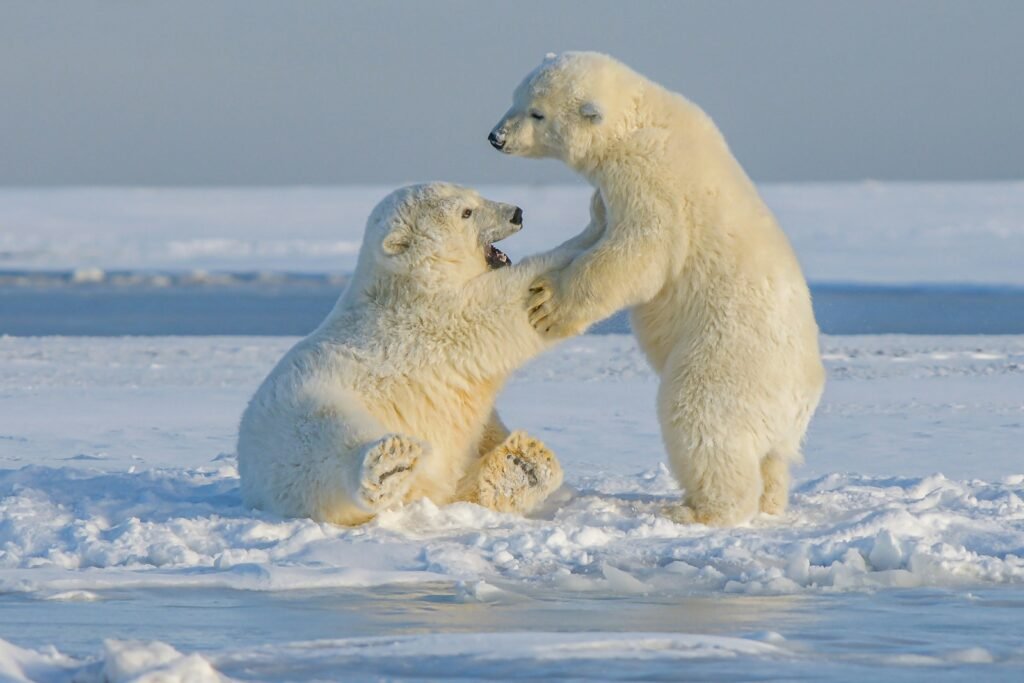
One of the most direct ways climate change endangers species is through habitat loss. As global temperatures increase, many ecosystems such as coral reefs, polar ice caps, and rainforests face destruction or severe alteration. For example, polar bears are losing their hunting grounds as Arctic ice melts, while coral species suffer from bleaching due to warmer ocean temperatures. The loss of these habitats not only affects the species directly but also disrupts the entire food chain within those ecosystems, putting many other species at risk.
Altered Migration Patterns and Timing

Climate change disrupts the natural rhythms of life for many species. Changes in temperature and weather patterns can alter migration routes and timing for animals such as birds, whales, and butterflies. For instance, some bird species might arrive at breeding grounds too early or too late, missing the ideal conditions for food and breeding. These disruptions can lead to mismatches in predator-prey relationships and other ecological dynamics, further endangering the survival of affected species.
Adapting to New Predators and Competition
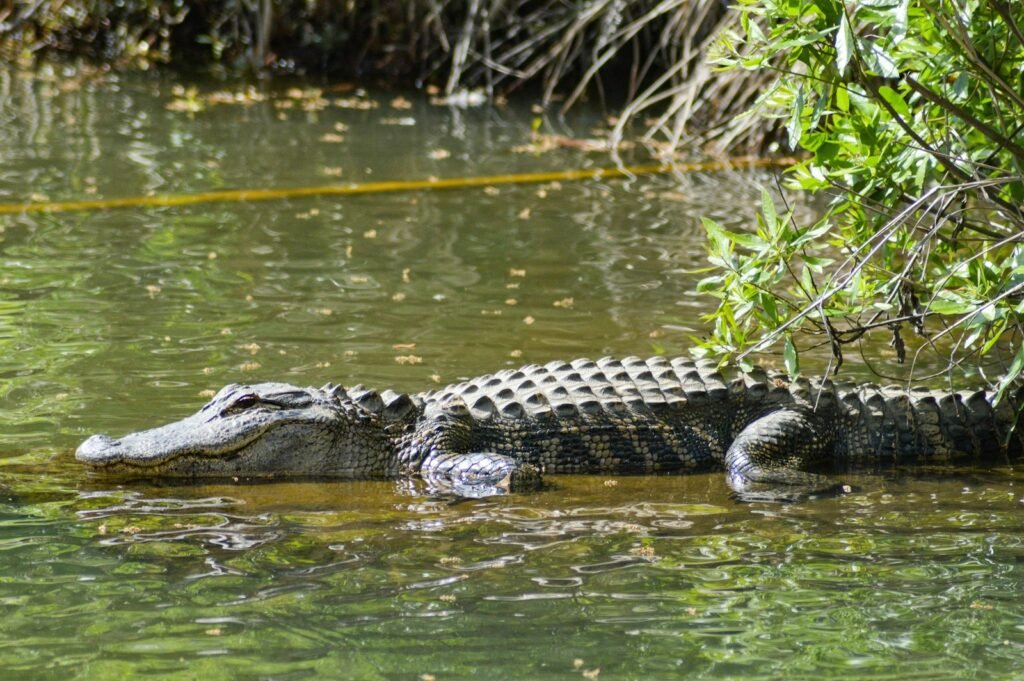
As species migrate to new areas seeking suitable climates, they may encounter new predators and competition for resources. For example, as certain fish species move towards cooler waters, they might face competition from native species, putting additional pressure on their populations. This ecological stress can lead to the decline of both the invasive and native species, impacting biodiversity.
Conservation Strategies in the Face of Climate Change

To protect endangered species from the impacts of climate change, a multifaceted approach is necessary. Conservation efforts include creating protected areas, restoring habitats, and developing wildlife corridors that allow species to migrate safely. Additionally, conservationists work on breeding programs to bolster population numbers, focusing particularly on species unable to adapt quickly enough to changing conditions. Legislation and international agreements, such as the Paris Agreement, play crucial roles in promoting policies to reduce emissions and halt climate change’s progression.
Involving Local Communities and Global Partnerships

Involving local communities in conservation efforts is vital. Educating people about the importance of biodiversity and equipping them with sustainable practices can lead to a more harmonious coexistence between humans and wildlife. Global partnerships are also critical, as climate change and its impacts on endangered species are not confined by geopolitical boundaries. Collaboration between governments, NGOs, and scientific institutions can foster a powerful coalition for change.
The Role of Technology and Innovation

Innovative technologies are increasingly employed to monitor and protect endangered species. Satellite imagery, drones, and climate modeling help scientists track changes in habitats and predict future impacts. Additionally, technologies such as genetic engineering are explored to enhance the resilience of certain species. While controversial, these approaches could offer novel solutions for some species facing imminent threats from climate change.
The Importance of Public Awareness and Education

Raising public awareness about the plight of endangered species due to climate change is essential for generating support and action. Educational campaigns can inform people about how daily actions contribute to global emissions and biodiversity loss, encouraging more sustainable lifestyles. Media, social networks, and educational institutions all play pivotal roles in shaping public understanding and engagement in conservation efforts.
Concluding Thoughts: A Shared Responsibility

The task of protecting endangered species amidst climate change challenges is daunting but not insurmountable. It requires collective action from individuals, communities, governments, and international organizations. By taking strategic steps to mitigate climate impacts, enhance biodiversity conservation, and foster resilient ecosystems, we can help safeguard the future for both endangered species and the global environment.