
Imagine looking out at a sparkling blue ocean, only to realize that beneath the waves, a silent crisis is unfolding. The world’s seas are choking on plastic, with trillions of pieces swirling through every current. It’s a problem so massive and heartbreaking, it sometimes feels like there’s no hope in sight. But what if the solution isn’t a new machine or an expensive cleanup crew, but something far smaller—tiny enzymes with a ravenous appetite for plastic? The idea sounds like science fiction, but it’s quickly becoming science fact. In this article, we’ll dive into the astonishing world of plastic-eating enzymes and explore whether these microscopic miracle workers could truly become the heroes our oceans so desperately need.
The Ocean’s Plastic Crisis: A Looming Catastrophe
Every year, over eight million tons of plastic waste pour into the world’s oceans. That’s about one garbage truck’s worth every single minute. From single-use shopping bags to discarded fishing nets, plastics break down into tiny fragments called microplastics. These particles float everywhere—on the surface, deep below, even inside the bodies of marine creatures. Ocean pollution isn’t just ugly; it’s deadly. Turtles mistake plastic bags for jellyfish and choke. Sea birds fill their stomachs with bottle caps. Even humans aren’t immune, as microplastics have been found in our drinking water and food. The scale of the problem is staggering, and it’s only getting worse.
Why Traditional Cleanup Efforts Fall Short
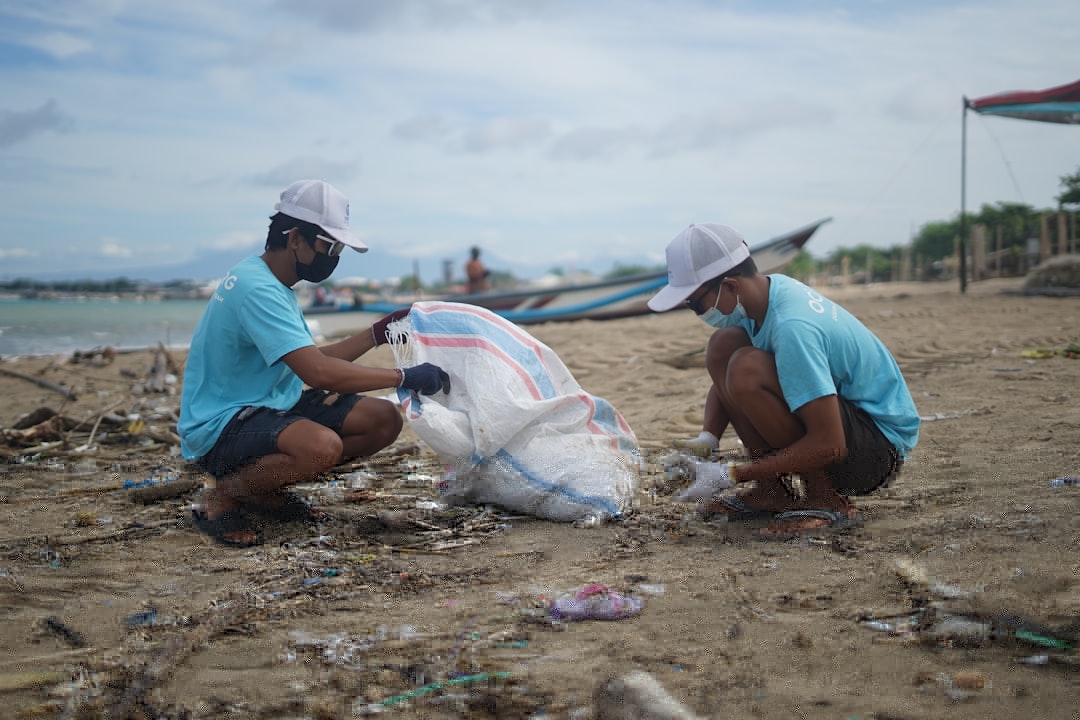
For decades, people have tried to clean up the mess with everything from beach cleanups to giant floating booms. While these efforts are important, they barely scratch the surface. The oceans are vast and constantly moving, making it nearly impossible to scoop up all the plastic. Plus, plastics break into such tiny pieces that catching them becomes like chasing smoke. Worse yet, many cleanup methods can accidentally harm marine life or stir up toxic chemicals. The hard truth is that the old ways just aren’t enough to tackle this relentless tide of trash.
Enter the Enzymes: Nature’s Tiny Decomposers
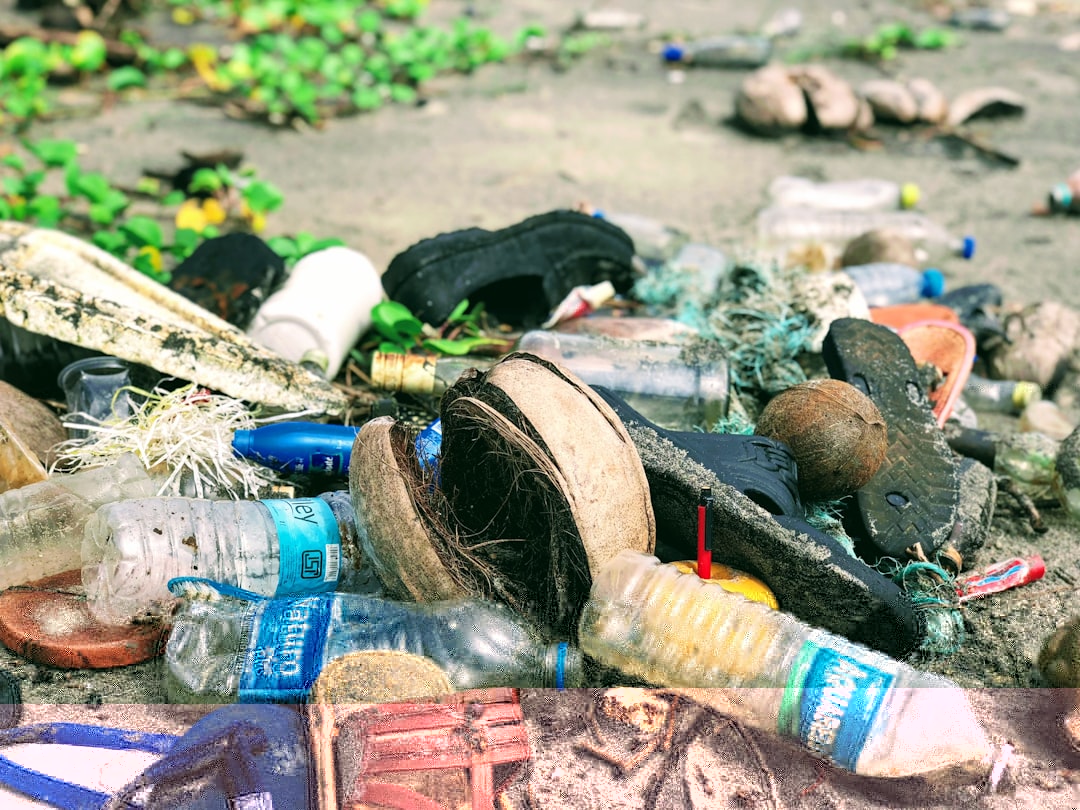
Enzymes are the unsung heroes of biology. These tiny proteins act as catalysts, speeding up chemical reactions inside every living thing. In our bodies, enzymes help us digest food. In forests, they break down fallen leaves. But until recently, no natural enzyme could touch plastics, which are designed to be nearly indestructible. The discovery of plastic-eating enzymes has changed everything. Suddenly, scientists are asking: Can we harness these microscopic tools to chew through mountains of plastic waste?
The Discovery of PETase: A Serendipitous Breakthrough
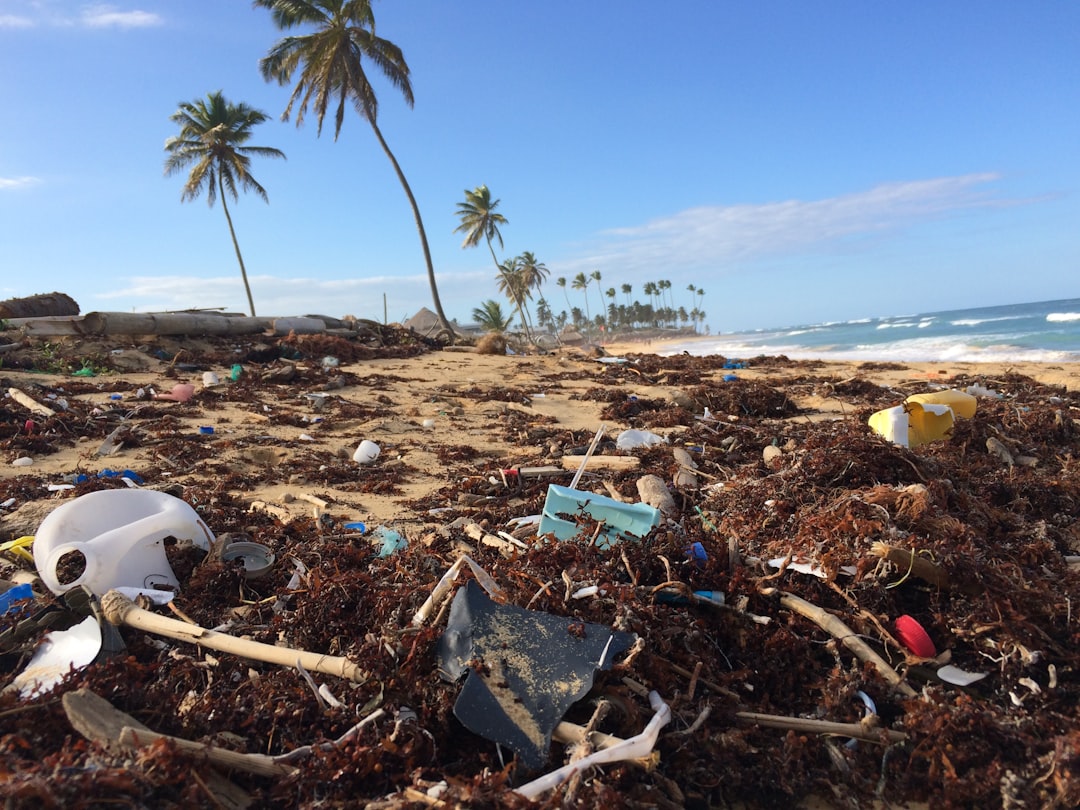
In 2016, researchers in Japan made a stunning find. While studying a trash heap outside a recycling facility, they stumbled upon a bacterium called Ideonella sakaiensis. This humble microbe had evolved an enzyme—now known as PETase—that could break down PET, the plastic used in most water bottles and food containers. It was a jaw-dropping moment in science. For the first time, there was proof that nature could adapt to our plastic pollution. PETase works by snipping apart the long chains in PET plastic, turning it back into its basic building blocks. This discovery opened the floodgates for a whole new field of research.
How Do Plastic-Eating Enzymes Work?
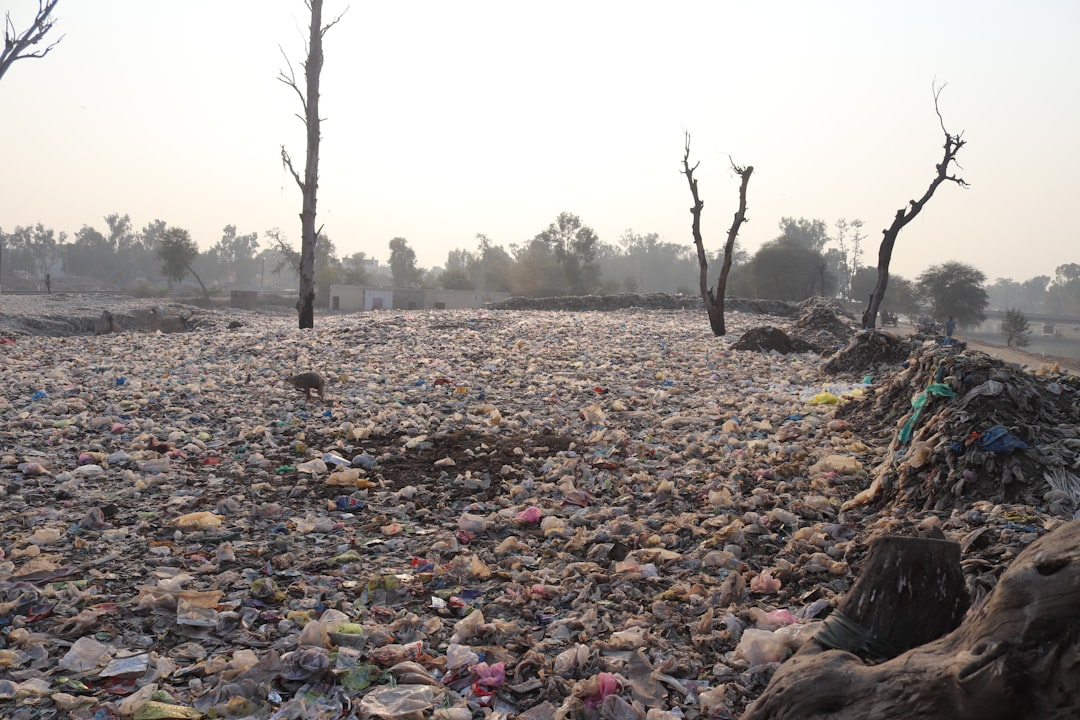
Plastic-eating enzymes are like tiny molecular scissors. They lock onto plastic molecules and slice them into smaller pieces. Think of trying to eat a giant loaf of bread: you’d need to cut it into bite-sized chunks first. That’s exactly what these enzymes do, breaking down stubborn plastics like PET into simpler chemicals that microbes can digest. The process is surprisingly efficient, especially when scientists tweak the enzyme’s structure to make it even faster or more powerful. Some engineered enzymes can break down a plastic bottle in just days, compared to the centuries it would take in the wild.
Engineering Super-Enzymes: The Power of Protein Design
After the discovery of PETase, scientists got to work making it even better. Using techniques like directed evolution and computer modeling, researchers have created “super-enzymes” that work faster and at higher temperatures. These tweaks help the enzymes chew through plastic waste more quickly and efficiently. For instance, a team from the UK combined PETase with another enzyme called MHETase, creating a double act that breaks down plastic even faster. The potential is enormous: these super-enzymes could turn recycling into a much more effective, circular process.
From Lab to Ocean: Real-World Applications
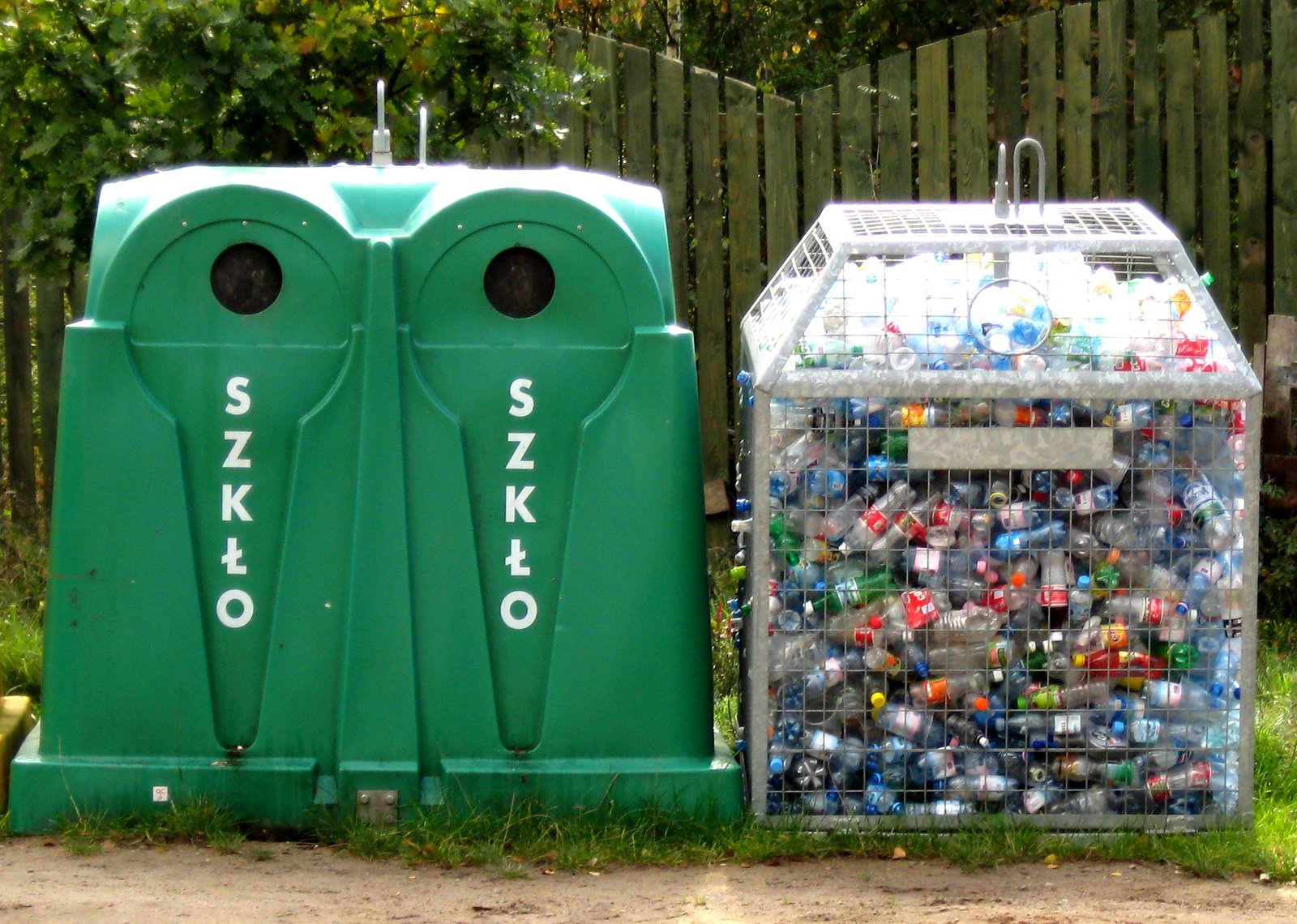
It’s one thing to watch enzymes gobble up plastic in a petri dish, but the real challenge is making it work in the wild. Scientists are developing ways to use these enzymes in massive recycling plants, where they could turn old bottles into new ones again and again. There are also experiments with enzyme-coated materials that could help clean up waterways. Some ambitious projects even imagine releasing specialized microbes into polluted areas, where they could go to work breaking down plastic debris. Each approach comes with its own hurdles, but the race is on to make these ideas a reality.
Challenges and Controversies: Is It Safe?
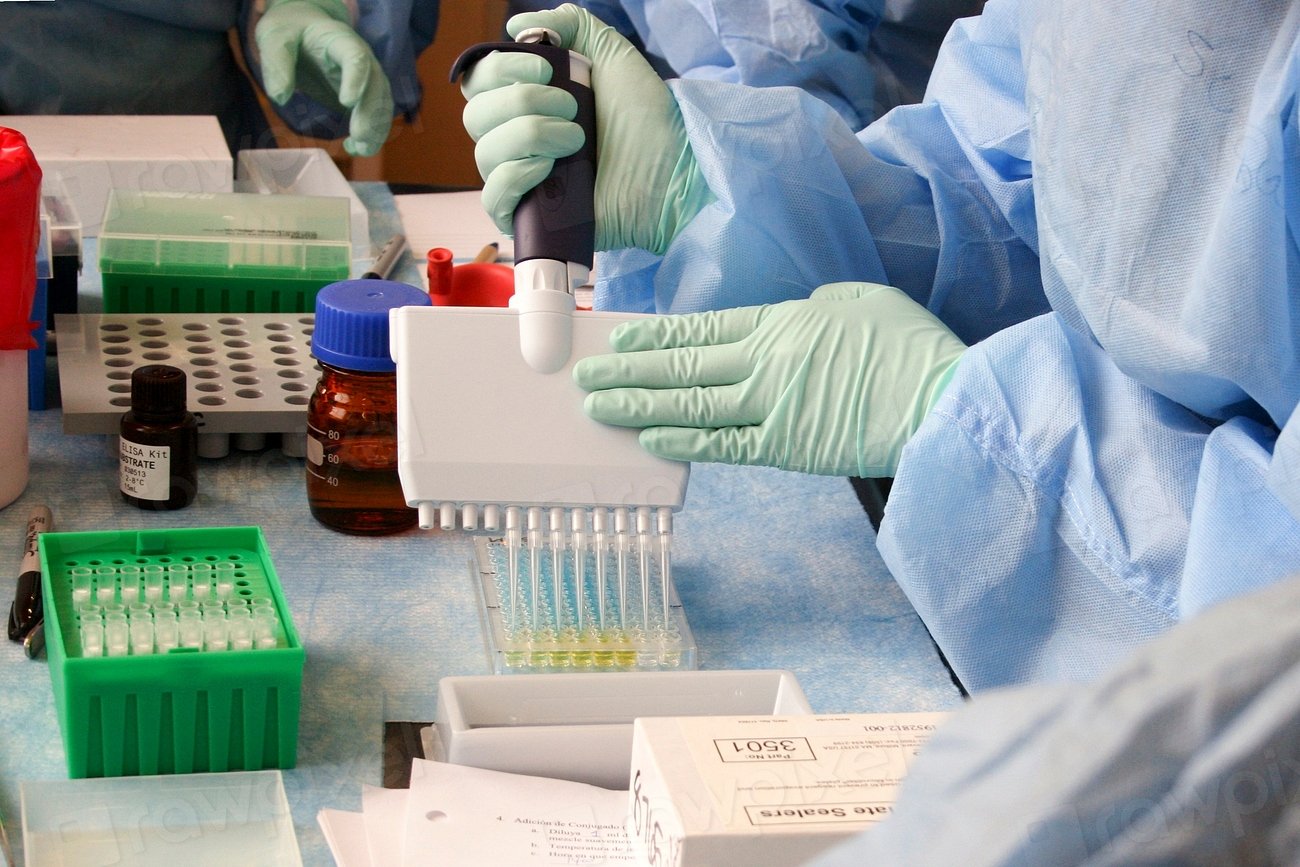
Of course, unleashing powerful new enzymes into the environment raises big questions. Could these enzymes harm wildlife or upset delicate ecosystems? What happens if they break down the wrong materials by accident? There’s also the worry about genetically modified organisms (GMOs) escaping into nature. Scientists are moving cautiously, testing these enzymes in controlled settings and developing safety switches that prevent unwanted side effects. Still, the debate is heated, with some environmentalists urging more research before any widespread use.
Plastic Pollution’s Invisible Toll on Marine Life
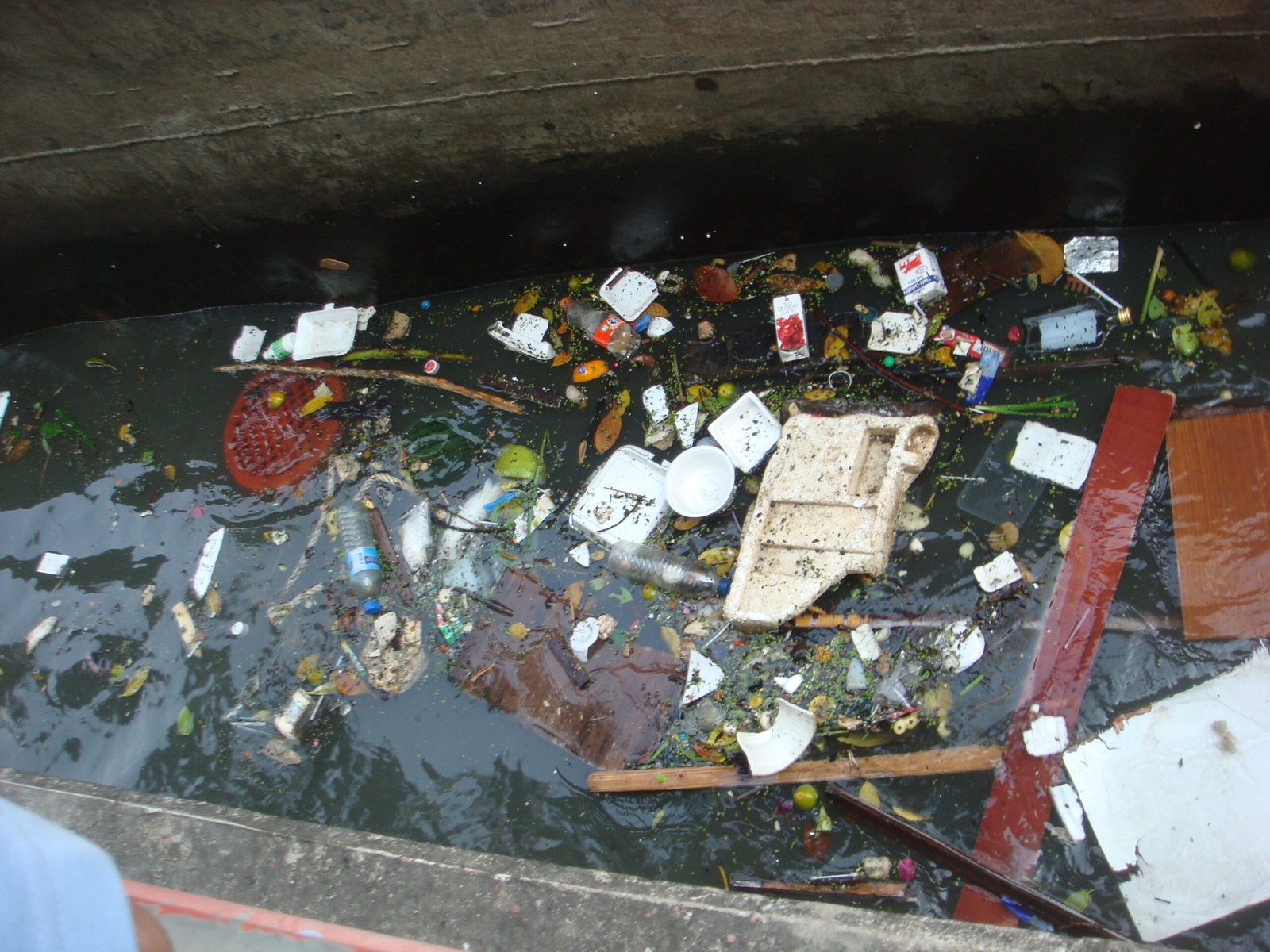
The impact of plastic pollution isn’t always visible. Microplastics have been found in fish, whales, and even plankton—the tiniest creatures at the base of the food chain. These plastics can release toxic chemicals and disrupt hormone systems, leading to disease, stunted growth, and even death. The loss of marine biodiversity is not just sad; it threatens the health of entire ecosystems. Every time a turtle or seabird dies from plastic, it’s a stark reminder that the problem is urgent and deeply personal.
Enzymes Versus Other Biodegradation Solutions
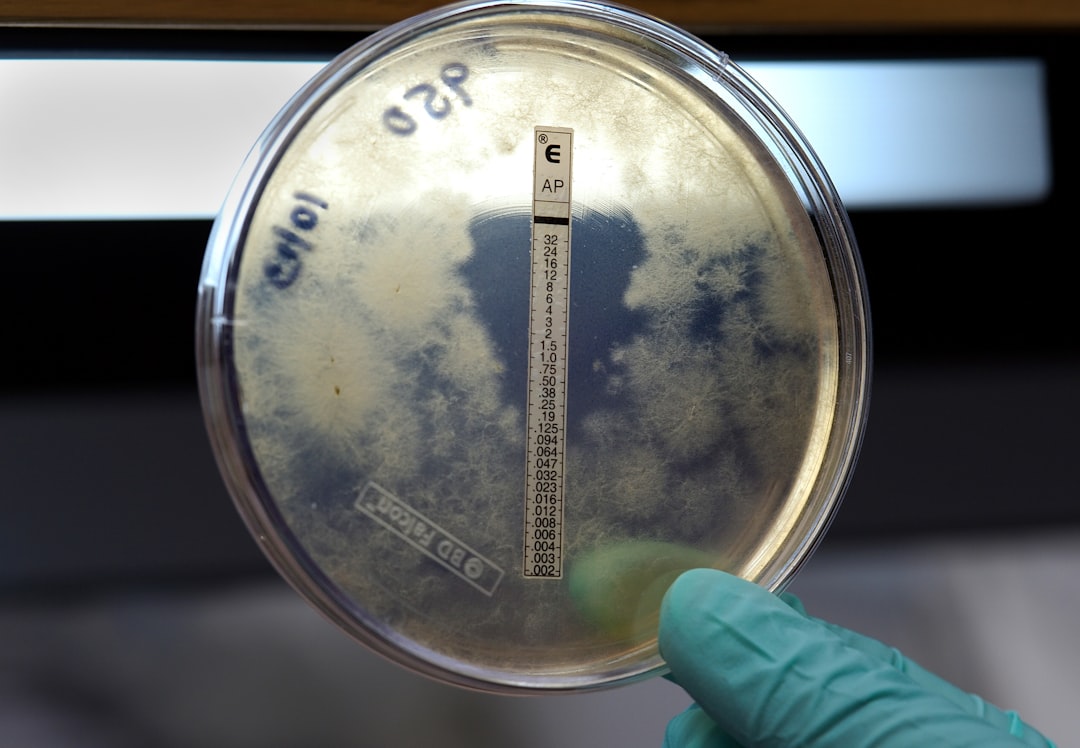
Enzymes aren’t the only hope for breaking down plastics. Some researchers are exploring fungi, algae, and even mealworms that can digest certain types of plastic. While these natural processes show promise, enzymes tend to be faster and easier to control. They can be engineered for specific tasks and scaled up in industrial settings. However, combining multiple biodegradation strategies might be the smartest way forward—think of it as assembling a superhero team, each with their own special powers to tackle the plastic menace.
Scaling Up: Can Enzymes Handle the Global Load?
One of the biggest questions is whether enzyme technology can keep up with the sheer volume of plastic waste. While lab tests are promising, scaling up to handle millions of tons is a daunting challenge. It requires massive bioreactors, reliable sources of enzymes, and efficient systems to collect and sort waste. Some companies are already building pilot plants to test these ideas on a larger scale. If successful, enzyme-based recycling could revolutionize how we deal with plastic—turning it from trash into treasure.
Economic Impact: Turning Waste into Wealth
Plastic pollution isn’t just an environmental crisis; it’s a missed economic opportunity. Every year, billions of dollars’ worth of plastic is thrown away instead of recycled. Enzyme technology could help recover much of this value, creating new industries and jobs in the process. Imagine a world where throwing out a plastic bottle is like tossing away money—because it can be quickly and cheaply turned into something new. Some governments and companies are already investing heavily, betting that enzymes could be the key to a more sustainable, circular economy.
Enzymes and Climate Change: A Surprising Connection
Plastic production is a major driver of climate change, relying heavily on fossil fuels. By breaking plastics down and recycling them more efficiently, enzyme technology could help reduce greenhouse gas emissions. Every ton of plastic that’s recycled instead of burned or buried means less pollution in the air and less oil pulled from the ground. It’s a win-win for the planet—cleaner oceans and a cooler climate.
Global Collaboration: Science Without Borders

The fight against ocean plastic is truly a global battle. Scientists from Japan, the UK, the US, and many other countries are working together to develop better enzymes and smarter solutions. International partnerships and data sharing are speeding up discoveries and helping to avoid duplication of effort. Nonprofits, governments, and companies are all pitching in, each bringing their own expertise and resources. It’s a rare example of the world coming together for a common cause—and the stakes couldn’t be higher.
Public Awareness and Education: The Human Element

For enzyme technology to succeed, public support is crucial. People need to understand how it works, why it matters, and what they can do to help. Schools, documentaries, and social media campaigns are spreading the word, inspiring a new generation of scientists and activists. The more people know about the plastic problem—and the solutions—the more likely we are to see real change. It’s not just about high-tech science; it’s about shifting hearts and minds.
Inspiring Examples: Enzyme Technology in Action
Some companies and research groups are already putting plastic-eating enzymes to work. In France, a startup called Carbios has built a pilot plant that uses engineered enzymes to recycle PET plastics. Their goal is to turn old bottles into brand-new ones, with almost no loss in quality. Meanwhile, researchers in the US are testing enzyme-based recycling on textiles, breaking down old clothes into raw materials for new fabrics. These success stories show that enzyme technology isn’t just a dream—it’s happening right now.
The Road Ahead: Hopes and Hurdles
While the promise of plastic-eating enzymes is exciting, the road ahead isn’t easy. Scientists still need to make the technology faster, safer, and more affordable. Policymakers must create the right incentives for companies to invest in enzyme-based recycling. And the public needs to stay engaged and push for real change. The journey will be long, but every step brings us closer to a cleaner, healthier ocean.
A Call to Action: Everyone Can Make a Difference
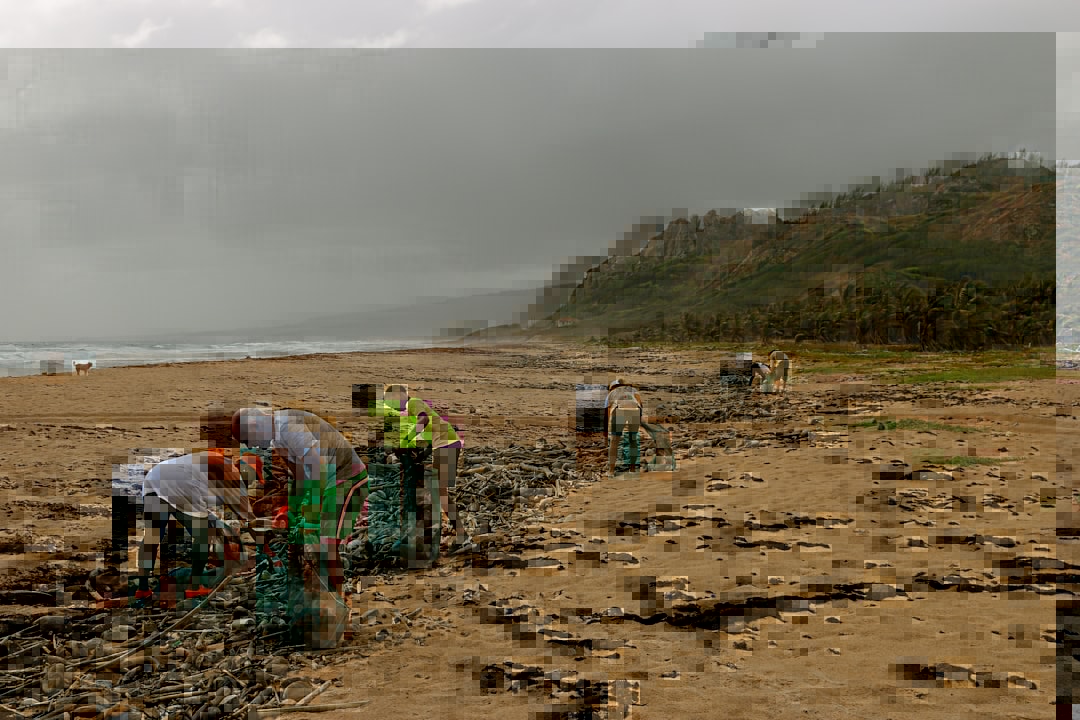
The battle against ocean plastic isn’t just for scientists or governments—it’s for everyone. Simple choices, like using reusable bags or supporting sustainable brands, can make a big difference. Staying informed, sharing knowledge, and demanding better policies all help move the needle. The story of plastic-eating enzymes is still being written, and every one of us has a role to play in shaping its next chapter.
In a world drowning in plastic, it’s easy to feel helpless. But as we’ve seen, even the tiniest tools—enzymes invisible to the naked eye—can spark a revolution. Could science’s next big cleanup crew really be microscopic? The answer just might surprise us all.