
You have probably grown up thinking of plants as beautiful, useful, and completely unaware background characters in your life. They sit in your living room, line the streets, feed you, and quietly photosynthesize while you get on with your day. But once you learn that plants respond to anesthesia in ways that look eerily similar to how animals do, that comfortable picture starts to wobble a bit. You suddenly have to ask yourself a strange question: if a brain is supposed to be the gateway to experience, then what on earth is going on inside a being with no brain that still “goes under” when you give it anesthetic drugs? You are not alone if that thought makes you uneasy. It forces you to think more carefully about what you mean by feeling, awareness, and where you draw your moral lines with the living world around you.
When You Put a Plant “To Sleep” With Anesthesia
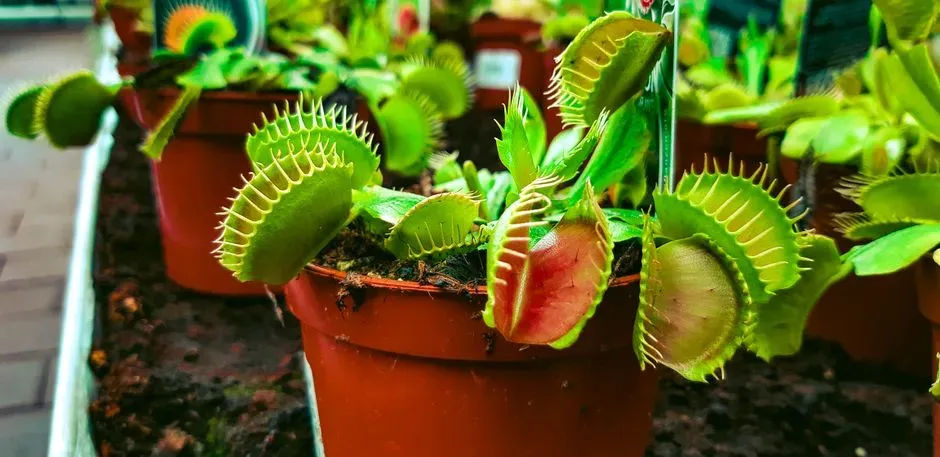
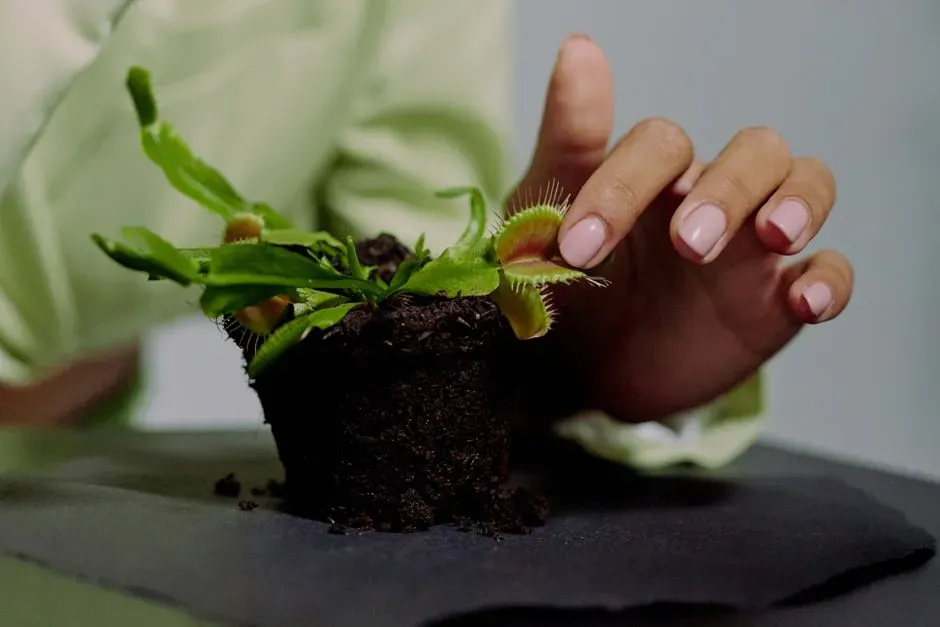
Imagine you take a sensitive plant whose leaves curl up when you touch them. Under normal conditions, you stroke a leaf and it folds in a neat little defensive move, as if you just pushed a hidden button. Now picture giving that same plant an anesthetic gas used in operating rooms and then touching the leaves again. Suddenly, nothing happens. The plant goes still, as if someone hit a biological mute button. You see similar effects with carnivorous plants like Venus flytraps. Normally, when you trigger their tiny hairs, they snap shut around unsuspecting insects. Under anesthesia, you can poke and prod and the trap just sits there, open and unresponsive, then later “wakes up” and starts working again once the anesthetic is gone. To your eyes, this looks uncannily like an organism going under and then coming back out of a reversible, drug-induced silence.
Plants Have Electrical Lives You Were Never Told About

You might think of electricity in biology as something that belongs only to brains and nerves, but plants quietly run on electrical signals too. When you wound a plant leaf, when light levels change, or when a predator starts chewing, the plant sends fast pulses of voltage along its tissues. You can actually measure these impulses with electrodes, and they look like spikes and waves that are surprisingly reminiscent of what you see in animal nerve cells. Now here’s where things get strange for you: those plant electrical signals can be blocked or dampened by the very same anesthetic substances that shut down nerve activity in animals. When you apply anesthetics, the electrical chatter in the plant dies down, complex responses fade, and the organism enters a kind of subdued state. You are suddenly watching a creature with no brain obeying the same “off switch” rules as creatures that do have one.
What Happens to a Plant’s Behavior Under Anesthesia
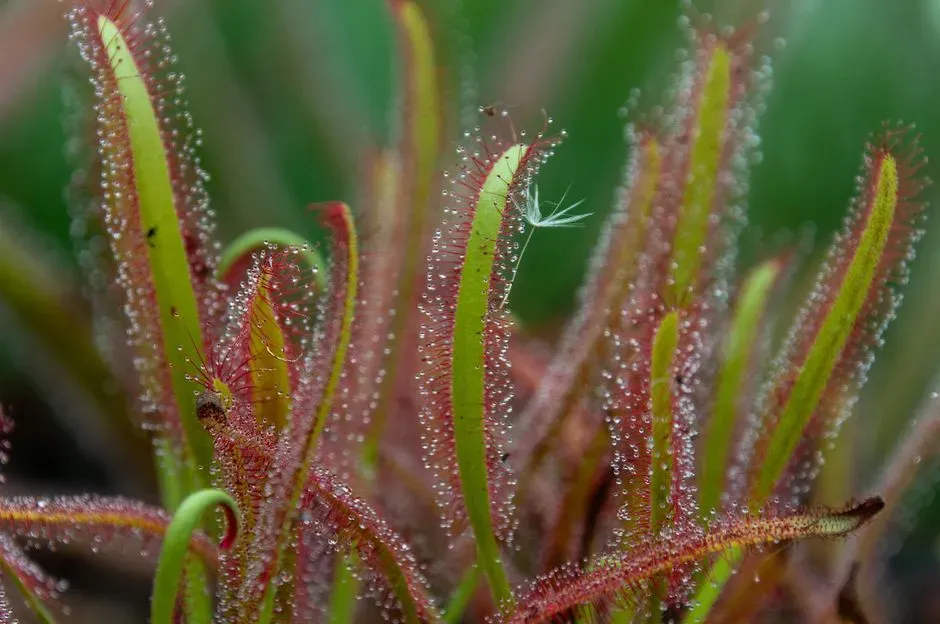
If you have ever seen time-lapse videos of plants, you know they are not as motionless as they look at first glance. Tendrils coil, stomata open and close, roots explore, flowers aim themselves toward or away from light. Many of these movements depend on coordinated internal signaling, chemical gradients, and rhythmic patterns that unfold over minutes to hours. Under anesthesia, a lot of this subtle behavior slows down or stops. The plant’s usual ability to respond to touch, gravity, wounds, or light cues can be reduced or temporarily suspended. When the drug is washed away or the gas is removed, the responses often return, as if you had pressed pause and then play on a hidden behavior track. To you, that feels very much like a system that can be put “offline” and then brought “online” again, which is exactly how you talk about anesthesia in animals.
But Wait – Does That Mean Plants Feel Pain?

This is the question that tends to hit you in the gut. If a plant stops responding under anesthesia the way an animal does, your first instinct might be to assume that plants suffer and feel pain similarly. However, you need to be careful here. In animals, pain is not just a reflex. It is a conscious, emotionally colored experience. So far, you have no solid evidence that plants have anything like a subjective inner life. Plants do react strongly to damage. They send signals from the injured area throughout their bodies, they release chemicals that act as alarms, and they change their growth and defenses in response. From the outside, this can look like a kind of “distress,” but it is better for you to think of it as sophisticated damage control rather than suffering in the human sense. You are watching a biological system that protects itself extremely well, not necessarily one that is silently screaming.
Experience Without a Brain: How Far Can You Stretch the Concept?
The real philosophical bomb for you is that anesthesia seems to work on plants by targeting very basic properties of cells and membranes, not just neurons. Many anesthetics interfere with ion channels, lipid layers, and general physical properties shared across living cells. That means a whole range of organisms, including those with no nervous system, can be pushed into similar inactive states using the same chemicals. If your idea of experience hinges strictly on having a brain and neurons, this is awkward. It suggests that some features you associate with “being present” or “going offline” might show up in organisms built on utterly different architectures. You are forced to ask whether “being knocked out” in a plant is just a convenient metaphor, or whether it hints at some primitive layer of responsiveness that could, at least in principle, be more than mechanical. The honest answer right now is that no one can tell you where that line is yet.
How You Might Rethink Intelligence and Awareness in Nature

Once you start looking at plant behavior more closely, you notice patterns that feel uncomfortably smart. Plants can integrate information from light, moisture, chemicals, and touch to make choices about where to grow. They can “remember” past stress in ways that shape their future responses, and they can communicate with other plants and microbes using chemical messages in the soil and air. You begin to realize you are surrounded by beings that problem‑solve in slow motion. Still, you need to keep your feet on the ground: all of this can be explained, at least for now, in terms of complex biochemistry and distributed signaling, without assuming plants have inner experiences similar to yours. Think of a plant more like a massively parallel, slow, living computer embedded in its environment, rather than a silent, leafy animal. The anesthesia puzzle does not prove that plants are conscious, but it does push you to respect the depth and strangeness of the intelligence they already show.
The Ethical Twinge You Feel Around Your Salad

Learning that plants can be chemically “switched off” like sedated animals can change the way you look at everyday actions. When you chop vegetables, prune a tree, or mow a lawn, you might suddenly feel an odd pang of guilt, even if you know, rationally, that plants are not considered conscious in the same way animals are. That discomfort is telling you something about your values and about how easily you empathize with anything that looks remotely like it might have an inner life. At the same time, you still need to eat, and all known food chains rest on living beings being consumed by others. If future research ever does show that plant experience is richer than you think, your ethical conversations might shift toward minimizing harm in more nuanced ways, not eliminating it altogether. For now, the most balanced stance for you is to treat plants with a bit more respect and curiosity, without pretending you have answers that science genuinely has not found yet.
What This Mystery Really Says About You

In the end, the fact that plants respond to anesthesia in ways that echo animals is less a settled discovery about plant consciousness and more a mirror held up to your own assumptions. You are being forced to admit that you do not fully understand what consciousness is, where it comes from, or how to detect it in unfamiliar forms. The world might be crawling with forms of organization and responsiveness that do not map neatly onto the categories your brain prefers. You can take that as something scary or something quietly awe‑inspiring. You live on a planet where a being with no brain can still react to the same drugs that put you to sleep in an operating room, and you do not yet know what that ultimately means. Maybe the best response for you, right now, is a mix of humility and wonder: to keep asking harder questions, to look more closely at the plants you walk past every day, and to stay open to the possibility that life is far stranger than you expected. When you water a houseplant tonight, will you see it any differently?