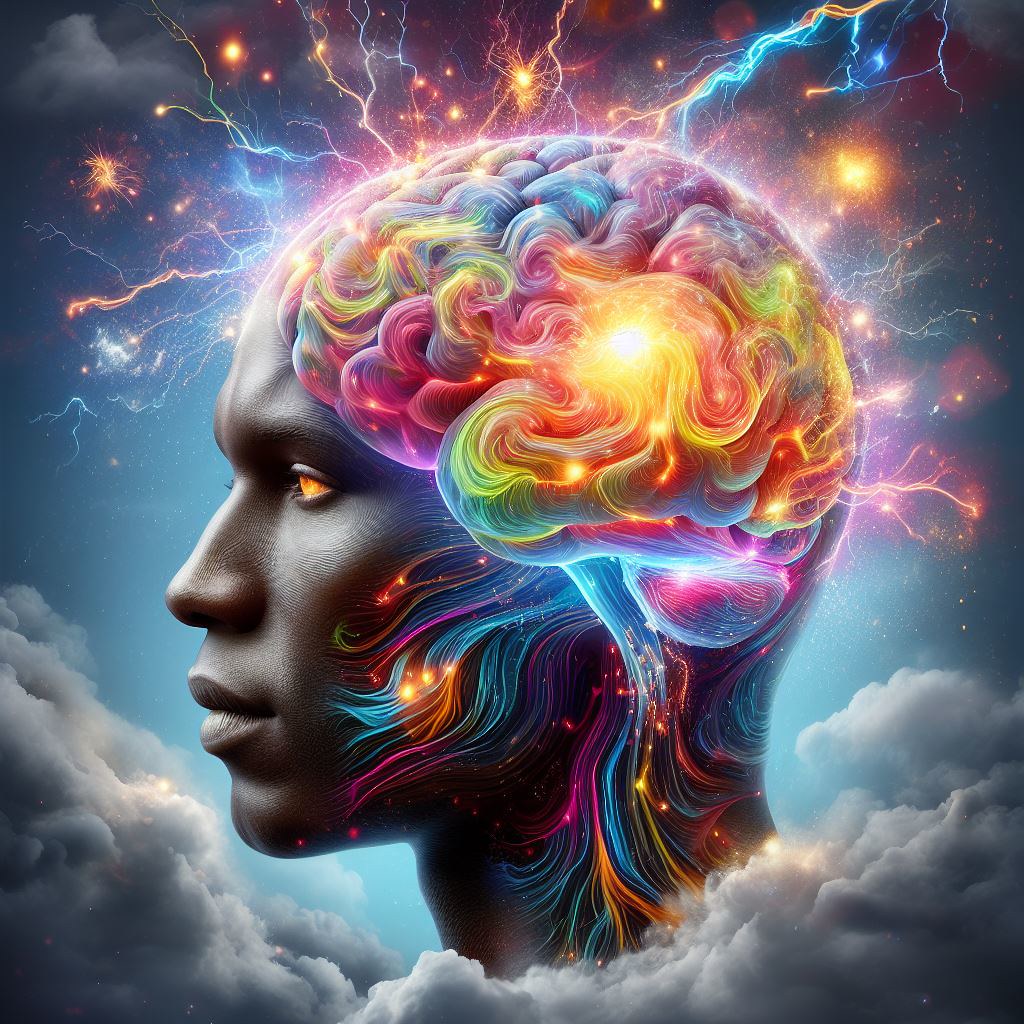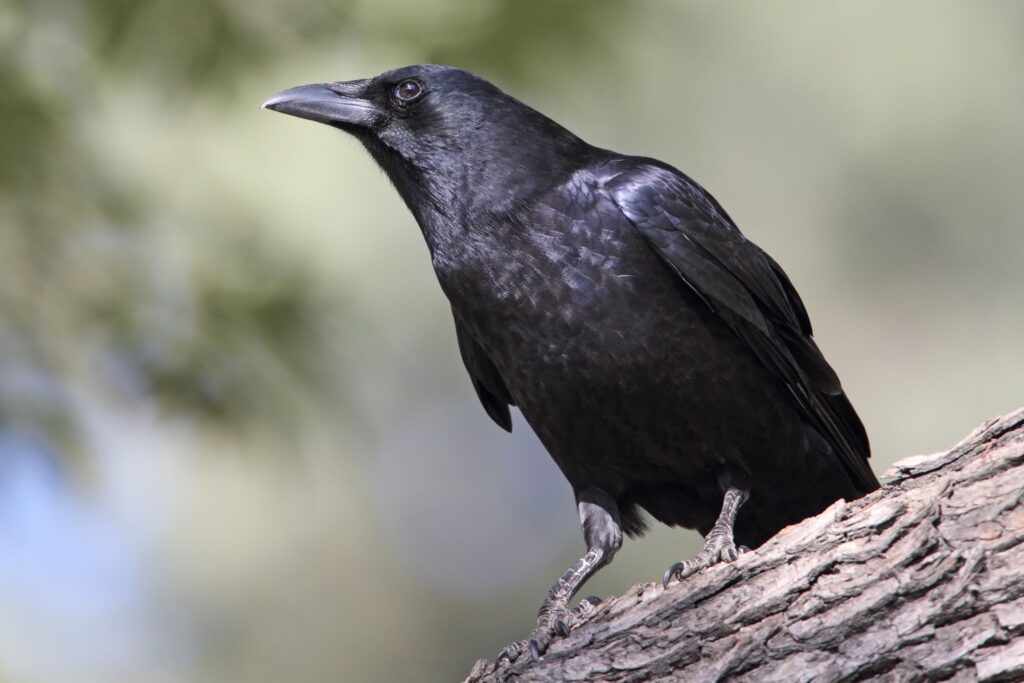

You probably grew up hearing that humans are the only truly rational animals, and that birds just flutter through life on instinct. Then along come crows, quietly watching you from the power line, remembering your face, tracking who keeps promises and who cheats. When you look at what scientists have learned in the past couple of decades, you start to see something unsettling: these birds may be judging your character more carefully than some people you know. If that sounds exaggerated, pause and think about what it really means. You are dealing with a wild animal that can pick your face out of a crowd, recall what you did years ago, adjust its behavior based on how trustworthy you were, and even spread that judgment through its social network. Once you see crows through that lens, you stop thinking of them as background wildlife and start treating them more like the watchful neighbors they really are.
The Crow On The Wire Is Taking Notes On You
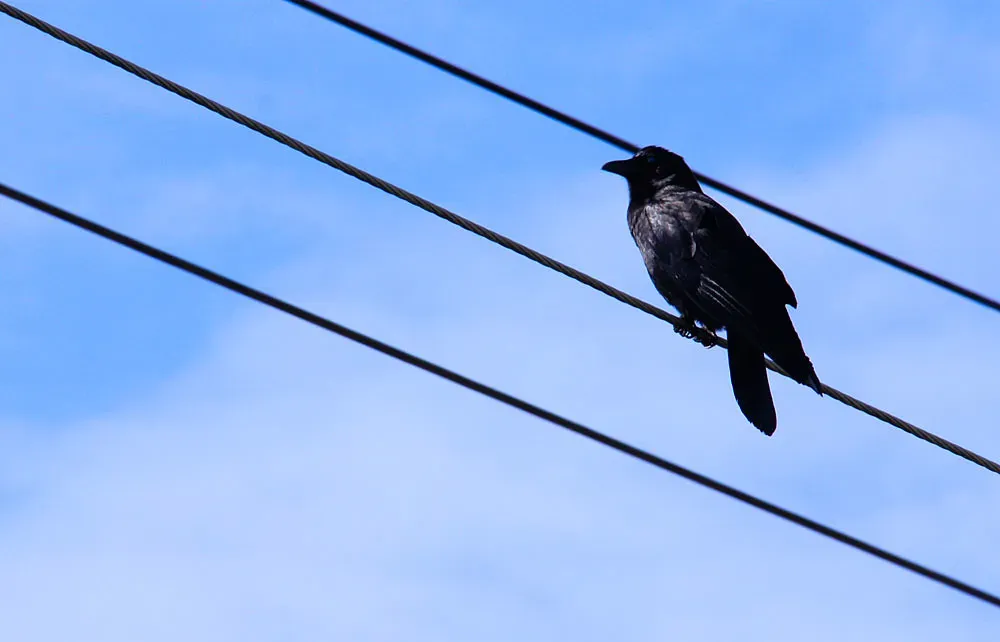
You might assume that to a crow, you’re just another tall, vaguely threatening shape on two legs. But experiments with wild American crows show that they can learn an individual human face from a single bad experience and remember it for years. In one long-running study, crows continued to scold the same “dangerous” masked person more than five years after the original encounter, and new birds that had never been trapped joined in as if they had seen it themselves. From your perspective, that means every big move you make around a crow matters. Chase one for fun, throw a rock, or disturb a nest, and you are not just startling a random bird. You are creating a mental file, tagged with your face, stored in a brain that specializes in long-term social memory. And unlike your own grudges, this one can get shared with an entire neighborhood of birds that now treat you as the villain of the story.
Honest Helper Or Sneaky Thief? Crows Watch What You Actually Do
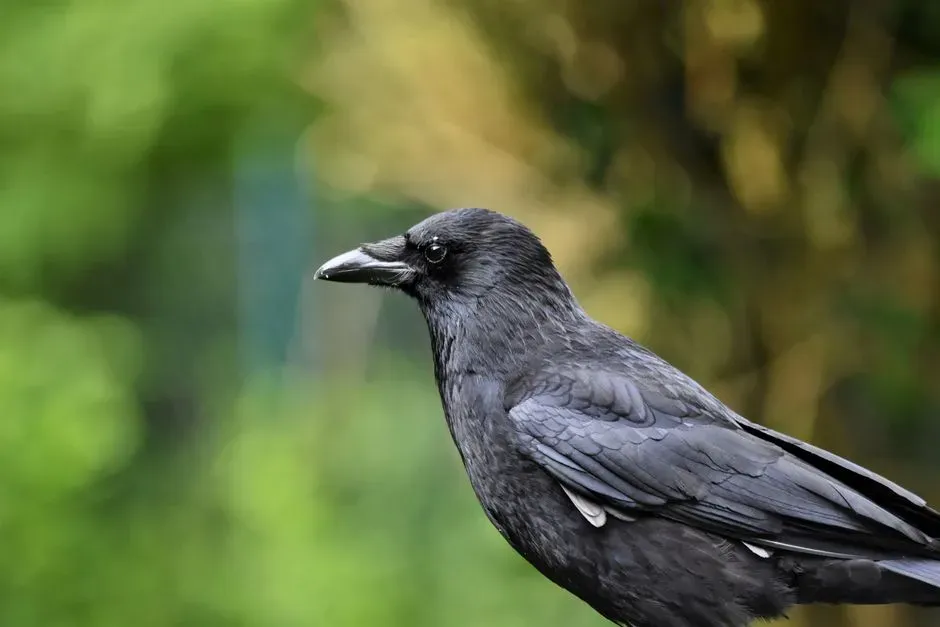
You know how you can tell, pretty quickly, who in your life follows through and who just talks? Crows seem to play a similar game when they watch how individuals behave around valuable resources like food. In closely related ravens, researchers used two human experimenters: one who repeatedly stole cached items and one who simply watched without interfering. The birds quickly adjusted and began caching carefully only around the “honest” observer, while they actively took steps to hide things from the pilferer. Even though those studies used playful objects and food under controlled conditions, the logic carries over into the real world. When you reliably put out food in a predictable way and never suddenly grab at a bird or yank the food away, you act like the honest observer. When you tease, pretend to offer food, then snatch it back, you behave like the thief. Over time, a crow does not just label you as “food source” or “danger.” It seems to track the pattern of your promises versus your betrayals and acts accordingly.
Memory Like A Steel Trap: Faces, Places, And Broken Promises
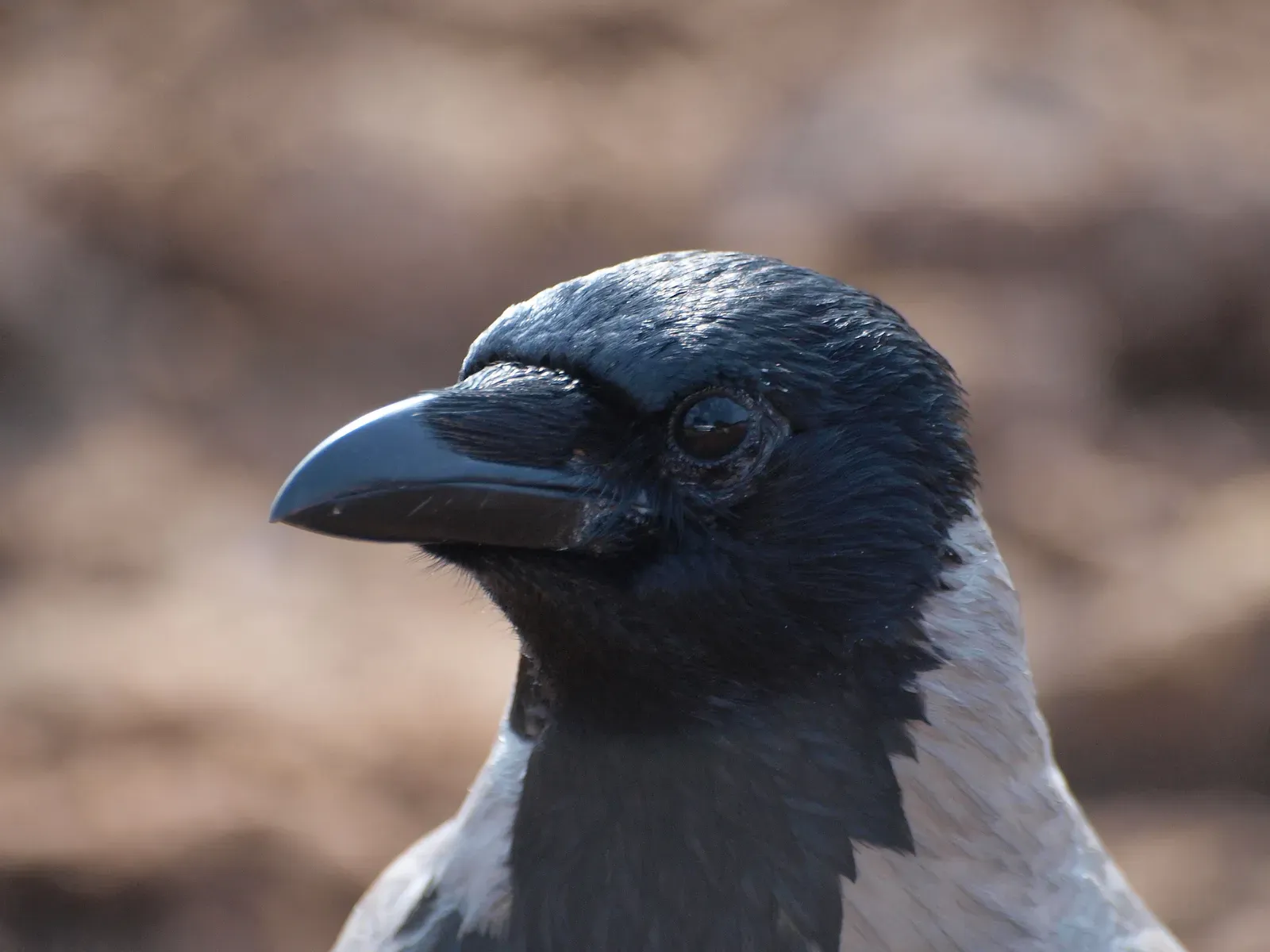
If you have ever forgotten someone you met at a party last month, you might envy a crow’s memory. Members of the crow family have been shown to recall thousands of food cache locations, sometimes months later, and they use similar neural machinery to remember people. Brain imaging work suggests that different regions in a crow’s brain light up when it sees a human associated with care versus a human associated with threat, almost like emotional tags on your contacts list. That kind of memory makes honesty matter more. When you consistently behave in a way that benefits a crow – feeding, keeping a respectful distance, not invading nests – that experience is not washed away the next day. It sits there, layered with each new encounter, building a long narrative about who you are. On the flip side, a single ugly interaction can burn in for years, and no amount of “I was just kidding” will erase that file from a crow’s mental archive.
Social Gossip In Feathers: How Crows Spread Your Reputation
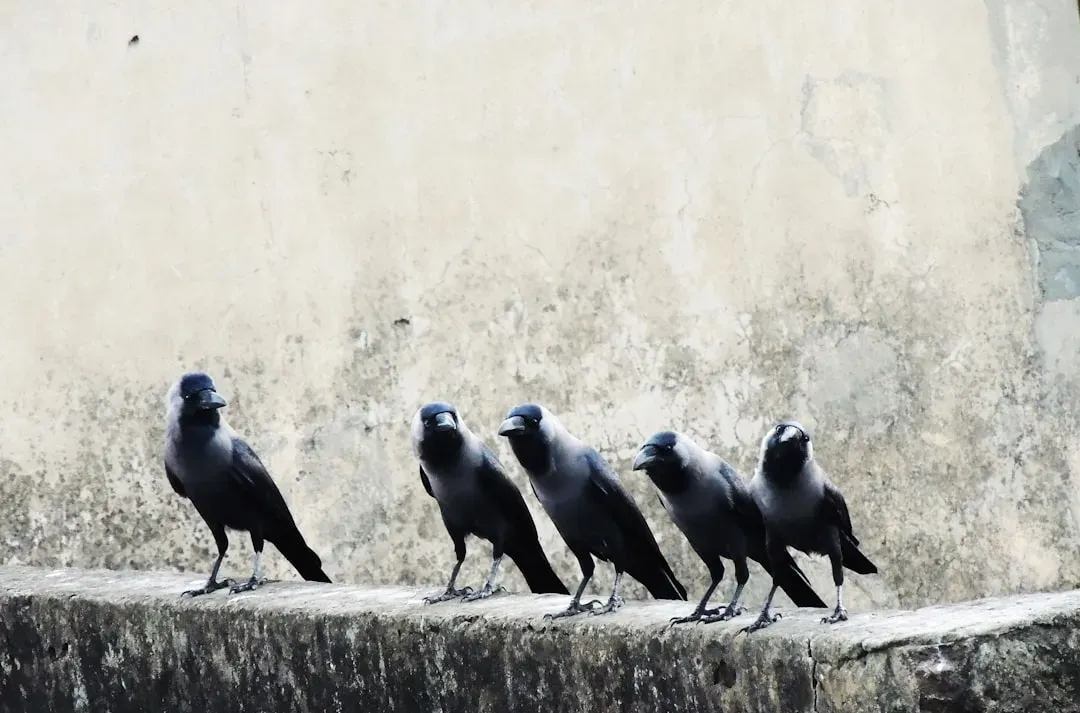
You’re not just dealing with one bird’s opinion; you’re dealing with an entire social network. Crows live in complex family groups, and their alarm calls and mobbing behavior act like a public rating system. When one crow sees you as a threat, it calls loudly, attracting others to join the scolding mob. Young birds and outsiders learn to associate your face with those alarm calls, even if they never saw what you did in the first place. Think of it as the feathered equivalent of a neighborhood group chat. You wrong one crow badly enough, and your “review” gets broadcast: that face is trouble, stay wary. Over years, this kind of social transmission means your reputation outlives the original event. You might move to the other side of a park and still get dive-bombed by birds that only know you as the mask of danger passed down through communal experience.
Reading Your Eyes, Hands, And Hidden Motives
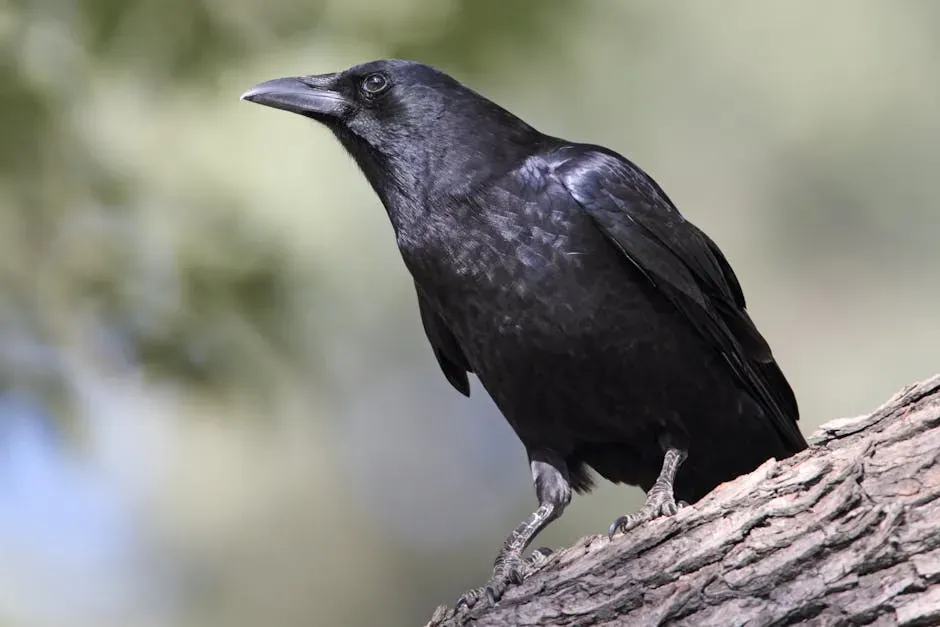
You probably do this without thinking: you watch where someone looks, how they reach, and you guess what they want. Crows and their relatives have shown the ability to use human gaze and body orientation as cues about where food might be or whether a person is paying attention. They can follow your line of sight, notice when you’re watching them closely, and time their actions to avoid your direct focus, especially when they are trying to steal or hide food. That sensitivity to subtle signals is exactly what lets an animal distinguish between honest help and a setup. If you consistently point or look at food and then let the bird actually get it, your signals become reliable. If you lure a crow in with your gaze or a gesture, only to trick or scare it at the last second, you teach the opposite lesson. From the bird’s standpoint, you become the kind of individual whose visible cues cannot be trusted, which is essentially what dishonesty feels like from the outside.
Caching, Deception, And The Roots Of “Lies” In Birds
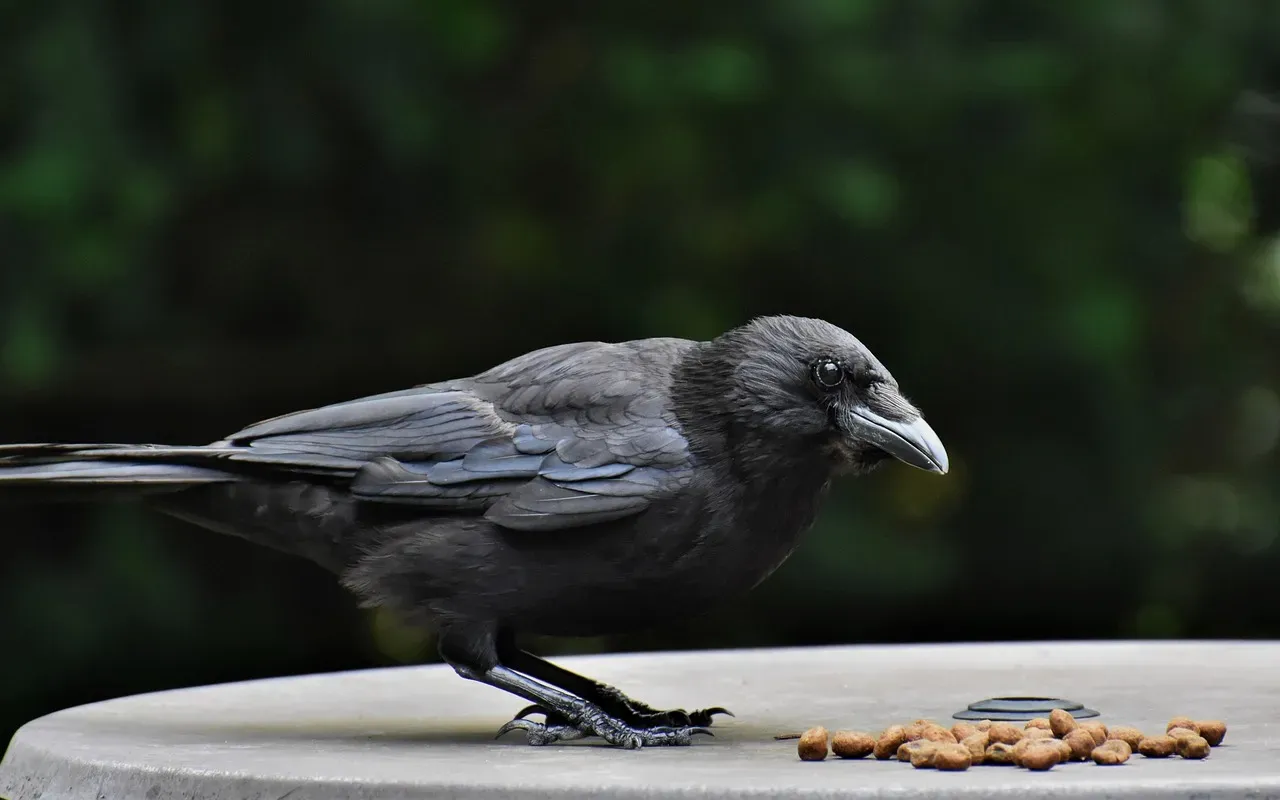
You might wonder how a crow that lies to its own kind about food can still care about honesty. Corvids famously recache food after noticing another bird watching them, or they pretend to hide something in one spot while actually stashing it somewhere else. That is classic deceptive behavior, and it suggests that they have some grasp of the difference between what they know and what another individual thinks is true. Ironically, that same capacity for deception may be what allows them to judge it in others. When a crow experiences you “cheating” – breaking a consistent pattern in a self-serving way – it already lives in a mental world where minds can be tricked. So it shifts you mentally into the category of competitor or unreliable partner, just as it would with an untrustworthy crow. You are not a purely benevolent giant; you are either a cooperative ally or a scheming rival, and your actions decide which file you go in.
How Crows Treat Reliable Humans In Daily Life
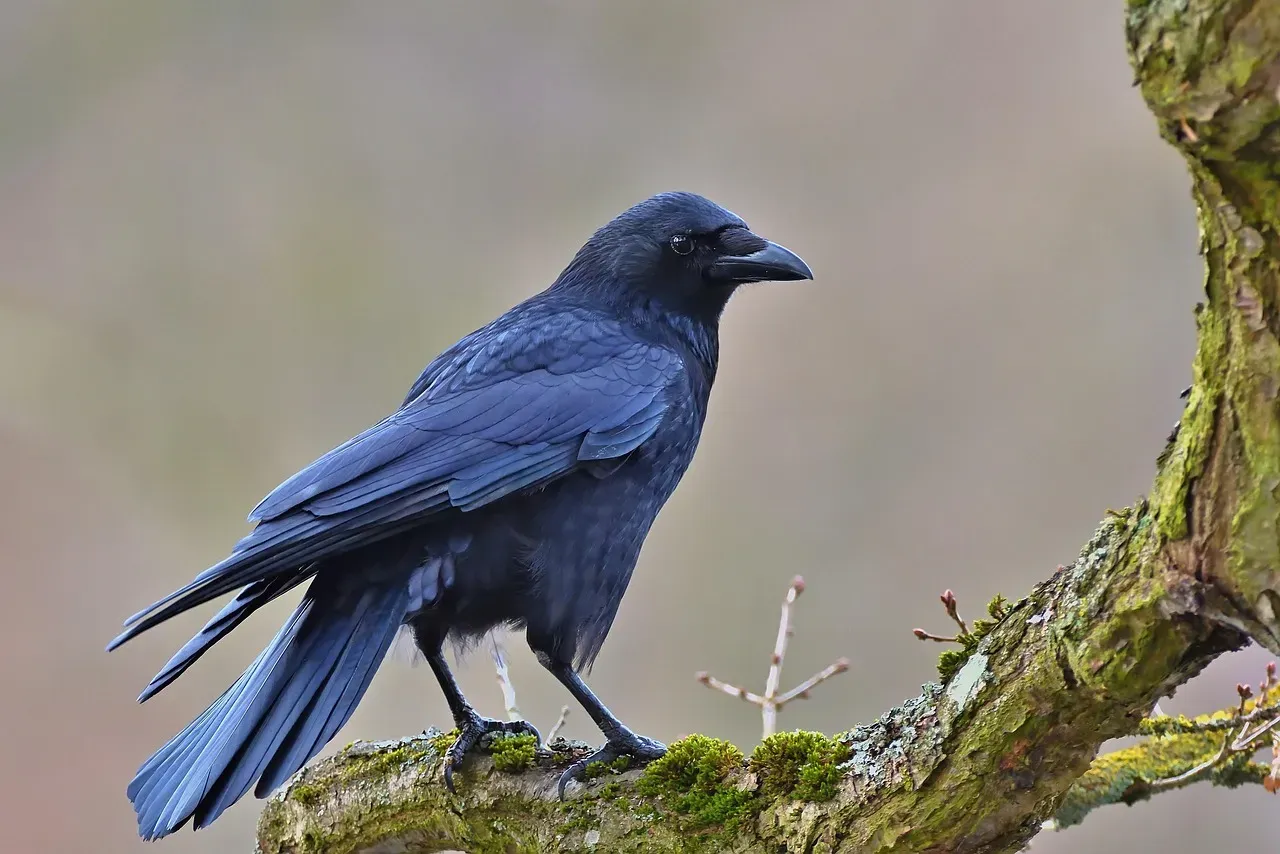
If you have ever fed crows regularly, you may have seen how their behavior changes once they decide you are worth trusting. They start to appear before you show up, watch your route, and call to each other when you arrive. Some will perch closer and closer over time, pushing that invisible boundary of comfort until you are sharing the same space like neighbors on opposite sides of a fence. You do not have to be a professional researcher to build that relationship, but you do have to be consistent. Put food out in similar ways at similar times, never chase them or grab at them, and avoid sudden betrayals like pretending to offer food just to see how close they will come. Over weeks and months, you will notice they test you less. They spend more time relaxed around you, and they may even enclose you in their own mental category of “honest human,” the rare giant who does what they seem to promise.
Why This Changes How You See Animal Minds
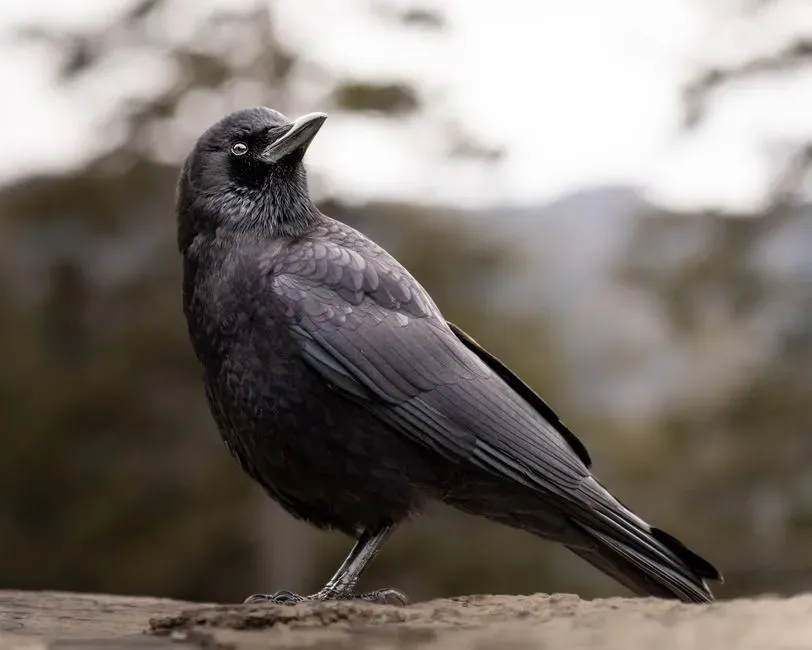
Once you accept that a crow might be assessing your integrity, you are forced to rethink where the line between “instinct” and “judgment” really lies. You are no longer looking at a simple reflex machine that reacts blindly to stimuli. You are dealing with an animal that tracks individual identity, past interactions, and patterns of behavior in a way that starts to feel uncomfortably familiar. For you, that realization can be both humbling and oddly inspiring. Humbling, because you are not as far ahead of other animals as you may have been taught. Inspiring, because it suggests that the world around you is full of minds paying attention, minds capable of holding you to account for your actions. The question quietly shifts from “Are crows smart?” to “How do you choose to behave, knowing that other beings are watching and remembering?”
Conclusion: The Watchers Above Your Street
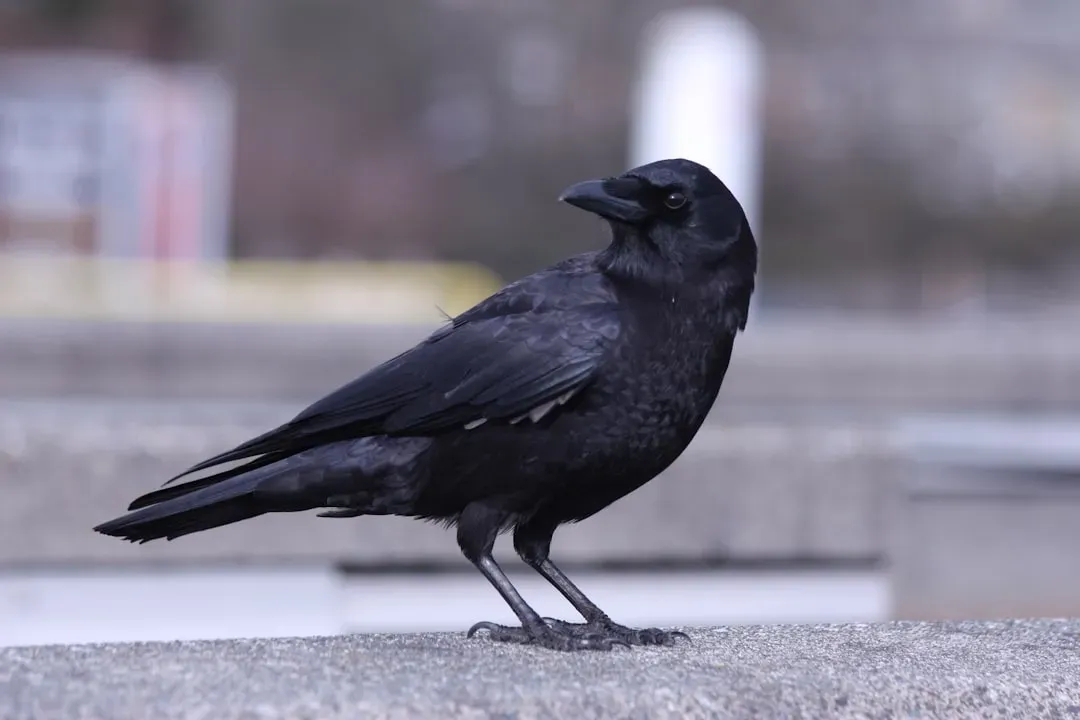
If you walk outside tomorrow and look up at the nearest crow, you might see it differently now. That bird is not just a black shape against the sky; it is a long-lived, socially savvy mind that can recognize your face, weigh your honesty, and share its verdict with others. When you break promises with food, tease, or threaten, you are not just amusing yourself. You are rewriting your entry in a living, feathered ledger of who can be trusted. On the other hand, if you show up with patience, consistency, and genuine respect, you become something rarer in that ledger: an honest giant in a dangerous world. Over time, you may earn softer calls instead of harsh scolds, calm observation instead of dive-bombs, and maybe even a few small gifts left on your railing. Knowing that, how will you choose to behave the next time a crow is watching you from the wires?