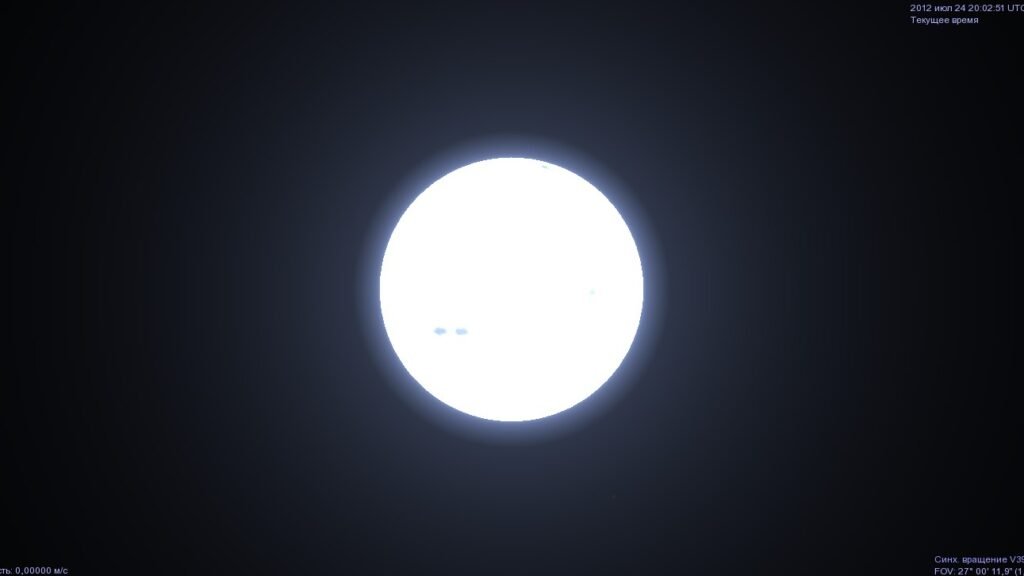
When you look up at the Sun, it feels eternal, almost untouchable, like a fixed backdrop to your entire life. But the truth is more dramatic, and honestly, a little unsettling: the Sun is changing all the time, and one day it will die. Not with a giant, galaxy-shaking explosion, but with a slower, stranger fade into a tiny, ghostly white dwarf. You live in a calm midlife chapter of a story that is far from over.
Once you understand where the Sun is headed, your place in the universe starts to feel very different. You realize that Earth’s pleasant conditions are not permanent, just a temporary window in a long stellar drama. In this article, you’ll walk through the Sun’s life cycle, the physics that will tear apart your familiar solar system, and what that distant future means for you right now. It’s not about scaring you; it’s about giving you front-row seats to the fate of your star.
You Live Beside a Middle‑Aged Star
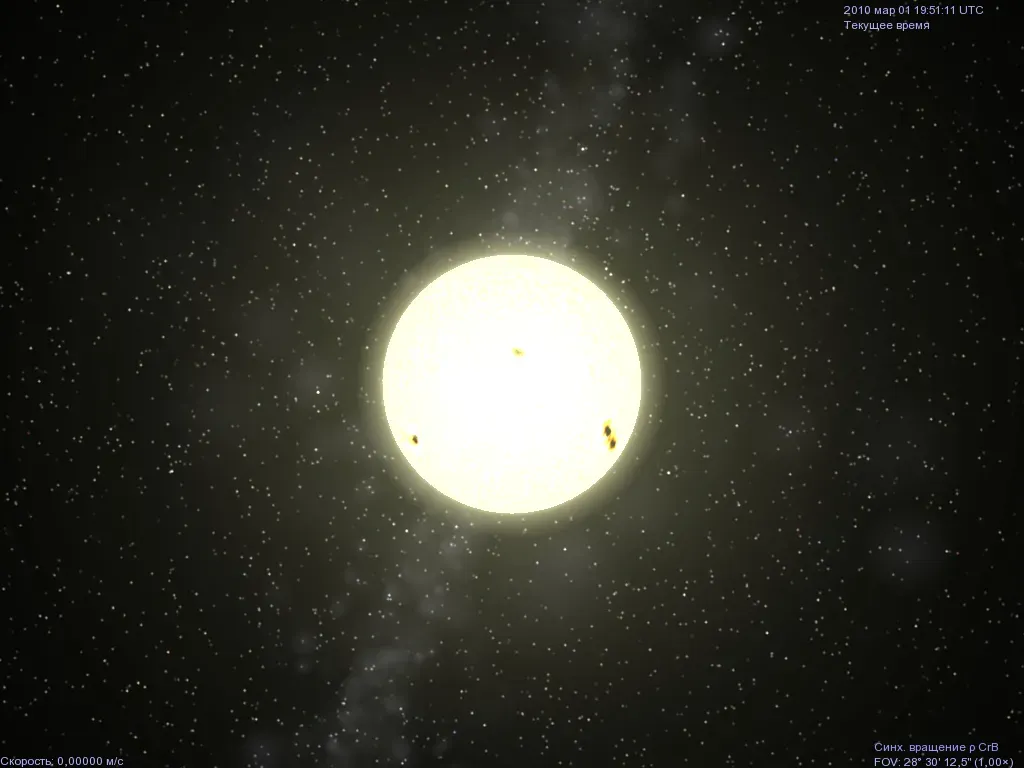
Right now, you’re orbiting a star that is surprisingly ordinary and yet perfectly tuned for your existence. The Sun is a G-type main-sequence star, often just called a yellow dwarf, and it’s roughly about halfway through its stable, hydrogen-burning lifetime. It formed around four and a half billion years ago from a collapsing cloud of gas and dust, and for billions of years it has been quietly fusing hydrogen into helium in its core, turning mass into energy that bathes you in light and warmth.
From your perspective on Earth, this stability feels like a guarantee, but it’s actually a specific phase in a much longer life cycle. The Sun’s current brightness and size are the product of a careful balance between gravity pulling inward and the pressure from fusion pushing outward. You’re lucky enough to exist during this sweet spot, when that balance keeps the Sun calm, relatively steady, and just the right intensity to allow liquid water and complex life on your planet.
How the Sun Shines: Fusion You Can’t See
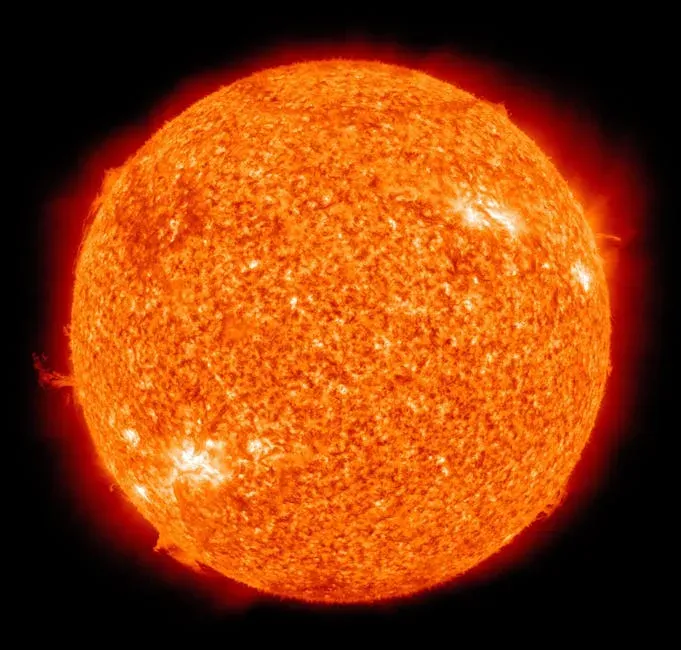
If you could step inside the Sun’s core (you can’t, but imagine it for a second), you’d find temperatures of many millions of degrees and crushing pressures that you can barely comprehend. In that extreme environment, hydrogen nuclei slam together so violently that they fuse into helium, releasing enormous amounts of energy in the process. That energy slowly works its way outward, bouncing around inside the Sun for hundreds of thousands of years before finally reaching space as the sunlight that hits your skin in just eight minutes.
When you stand outside on a clear day, you’re literally feeling the end result of nuclear fusion that began long before any human existed. This process is stunningly efficient and remarkably stable, which is why the Sun’s output doesn’t wildly fluctuate from one year to the next. But fusion is also a slow kind of countdown: every second, the Sun turns vast quantities of hydrogen into helium, and eventually that fuel in the core will run low. The Sun shines because it’s consuming itself, very slowly and very steadily.
The Sun’s Subtle Brightening: A Slow-Burn Problem for Earth
You might think of the Sun as constant, but over geological time it’s been turning up the brightness. Compared to its early days, the Sun is now significantly more luminous, and it will keep getting gradually brighter as more helium accumulates in its core. That helium does not fuse yet at this stage, but it changes the core’s structure: it gets denser and hotter, which makes hydrogen fusion around it more intense and pushes the Sun’s overall energy output higher.
For you personally, over a single lifetime, this change is imperceptible. But if you zoom out to hundreds of millions or billions of years, that slow brightening turns into a serious climate problem for Earth. At some point in the distant future, long before the Sun actually dies, increasing solar output will likely push Earth into a runaway greenhouse state. Oceans will evaporate, and your planet’s surface will become far too hostile for life as you know it, even while the Sun still looks like an ordinary star from afar.
The Red Giant Phase: When Your Star Swells and the Inner Planets Suffer

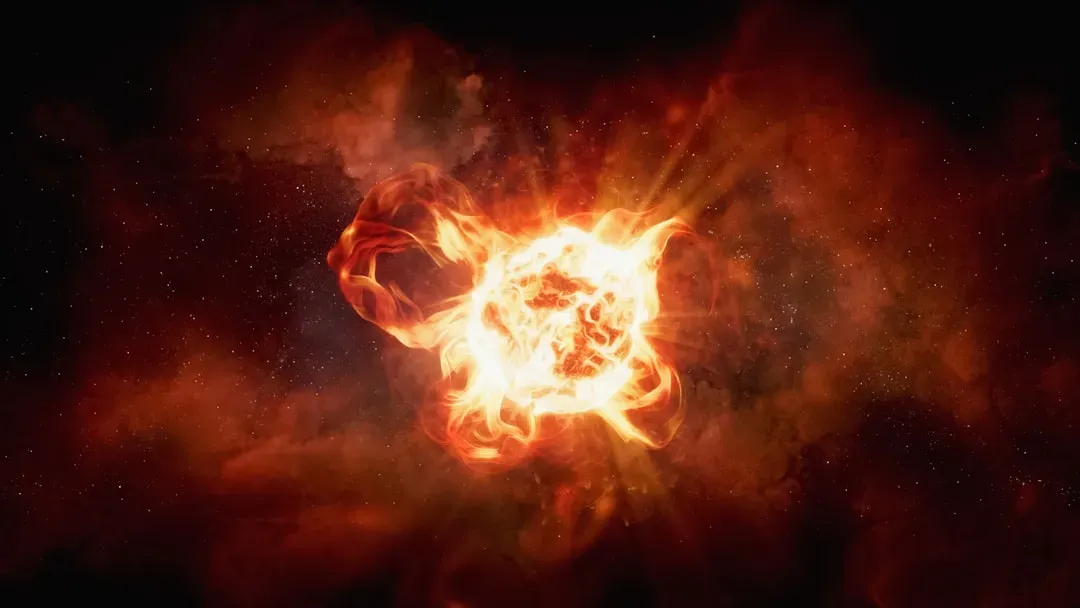
Eventually, the Sun’s core will run out of the hydrogen fuel it can easily fuse, and that’s when its peaceful main-sequence life ends. Without enough fusion in the core to counter gravity, the core will contract and heat up, while the outer layers expand and cool. To you, if you could somehow watch it safely, the Sun would transform into a red giant: enormously larger, cooler on the surface, but vastly more luminous overall. Its outer atmosphere will balloon outward, completely changing the solar system you know.
In this swollen state, the Sun will pose a lethal threat to the inner planets. Mercury and Venus will almost certainly be engulfed or stripped apart. Earth’s fate is more complicated and still actively studied: the Sun’s expansion, combined with intense mass loss and tidal interactions, might drag Earth inward and swallow it, or might leave it as a scorched, airless rock baking just outside the Sun’s expanded surface. Either way, the Earth you know today will not survive this era as a habitable home.
Shedding Layers: The Planetary Nebula Phase
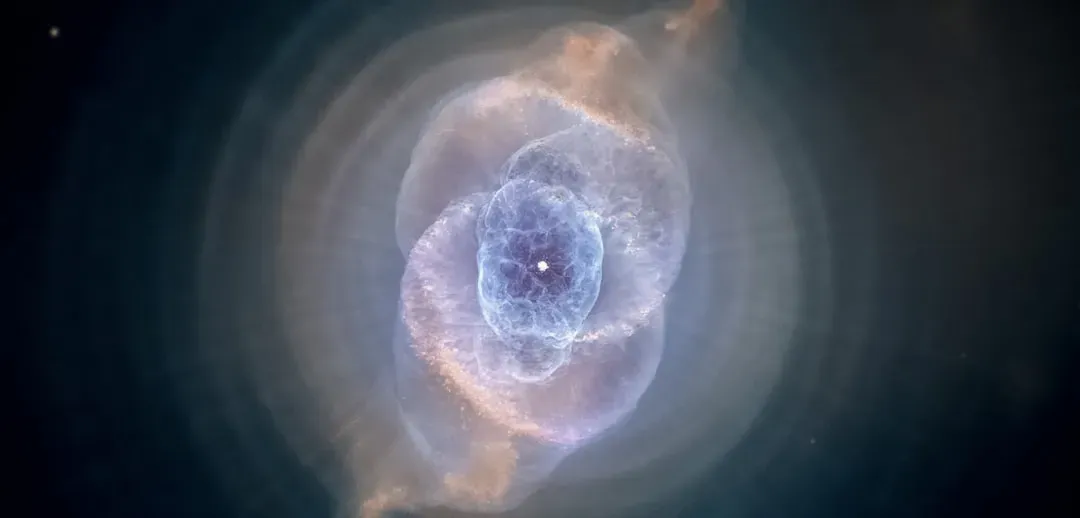
As the red giant Sun struggles to maintain balance, it will start to shed its outer layers into space. You can think of this like your star slowly peeling itself, blowing away huge amounts of gas in a stellar wind. Over time, these lost layers form an expanding shell of ionized gas around the dying core, a structure astronomers call a planetary nebula. Despite the name, it has nothing to do with planets; early observers just thought it looked vaguely planet-like through small telescopes.
If you could watch this unfold from a safe distance, you’d see a beautiful, glowing bubble or ring of gas in space, lit from within by the hot remnant of the Sun. Planetary nebulae come in striking shapes and colors, sculpted by magnetic fields, stellar rotation, and sometimes the presence of companion stars. In the Sun’s case, that drifting cloud will be made of material that once was part of the star that lit your sky and warmed your oceans. The building blocks of your world will be mixed back into interstellar space, ready to be recycled into new stars and planets.
The White Dwarf: A Stellar Corpse That Still Glows
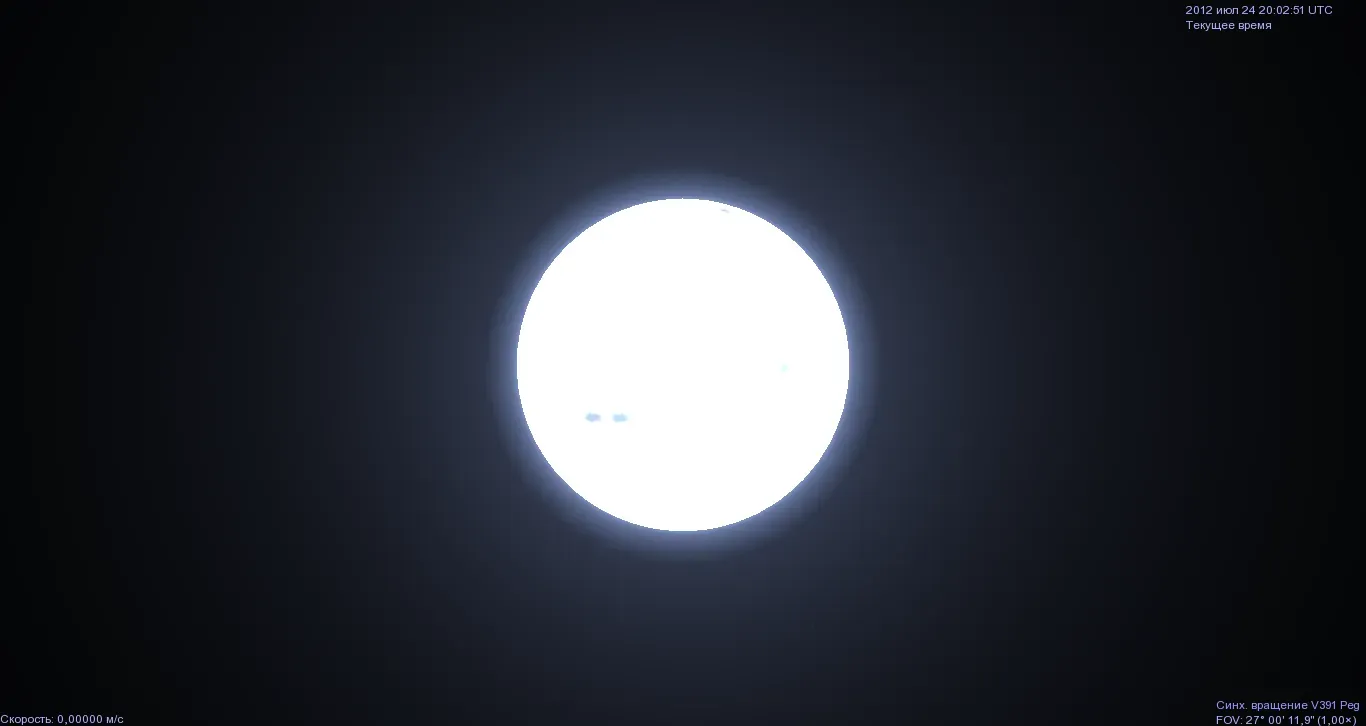
After the Sun casts off its outer layers, what’s left behind will be the exposed core: a white dwarf. This is the stage your star is ultimately headed toward, the quiet end promised in the title. A white dwarf is incredibly compact; you can picture something about the size of Earth but with a mass similar to the Sun’s current mass, squeezed so tight that a spoonful of its matter would outweigh a mountain. It no longer fuses fuel, but it still shines from residual heat, gradually cooling over immense stretches of time.
When your Sun becomes a white dwarf, it will be a faint, hot ember in the sky, nothing like the blazing disk you see today. The planets that remain, likely further out giants and any surviving dwarf planets or asteroids, will circle this tiny, dense star in dark, cold orbits. Over billions more years, the white dwarf will fade further, cooling toward a theoretical black dwarf state that the universe is not old enough to have produced yet. The Sun’s role as an energy source for complex life will be long finished, but its matter will still exist, just in a drastically different form.
What This Future Means for You and Your Place in the Universe
Hearing that your Sun will die and turn into a white dwarf can feel grim at first, but remember the timescales you’re dealing with. You’re talking about changes that unfold over billions of years, far beyond any human planning horizon. Humanity, if it survives that long or evolves into something very different, would have many cosmic deadlines before the Sun’s final transformation forces any dramatic decisions. From your vantage point in 2026, this is more a story about perspective than about immediate risk.
Knowing this future, though, changes how you see the present. You’re living in a narrow, fortunate window where your star is stable and your planet is temperate. The Sun’s eventual fate reminds you that everything around you is temporary, from climate patterns to continents to the very sky itself. That impermanence can feel unsettling, but it can also be strangely freeing, a reminder that you are part of a much larger cosmic story that began long before you and will continue long after.
Conclusion: Living Well Under a Mortal Star
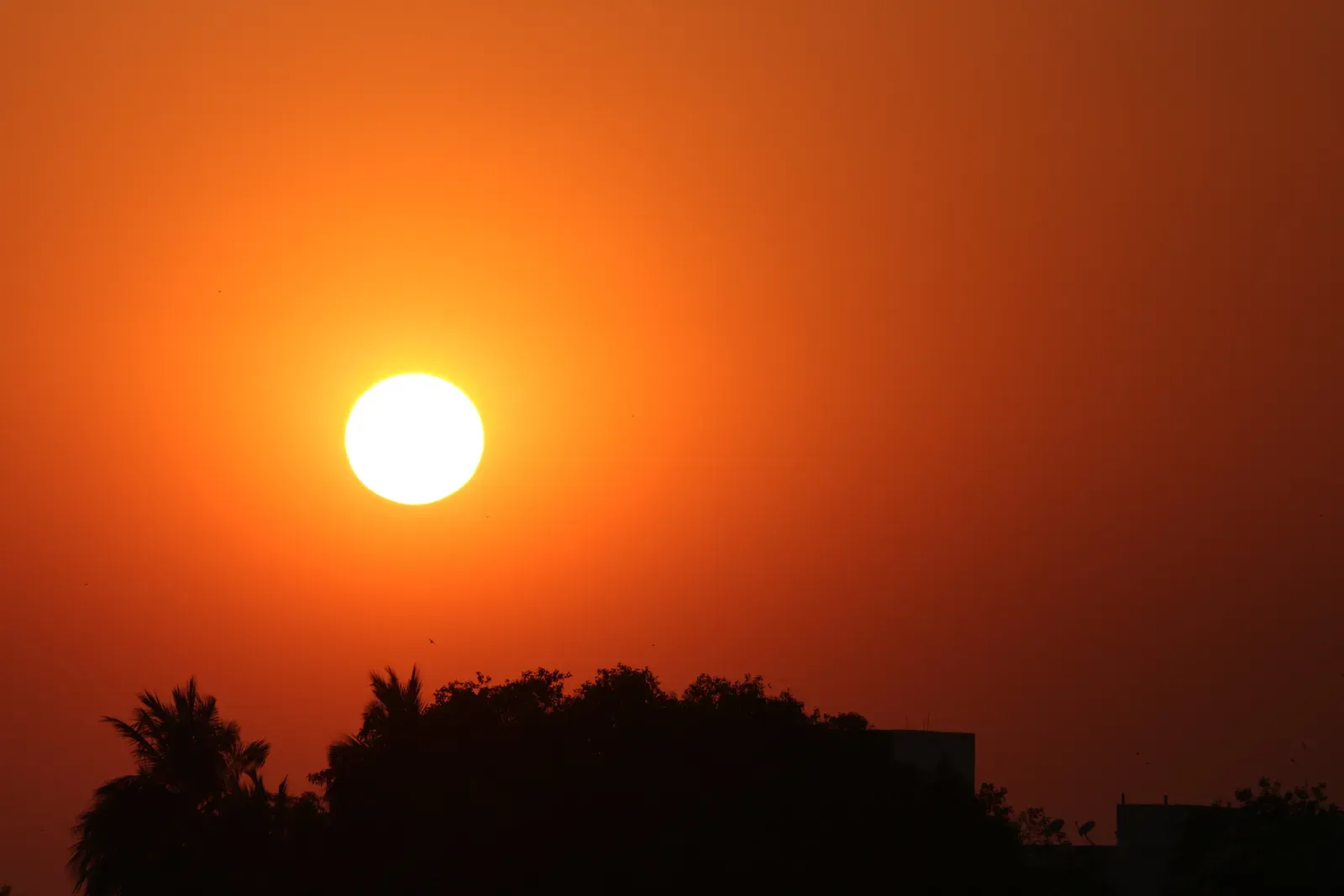
When you step outside and squint up at the Sun, you’re not just looking at a bright ball in the sky; you’re looking at a star halfway through a long, complex life. One day it will swell into a red giant, shed its outer layers, and quietly fade into a white dwarf, leaving behind a transformed solar system. None of that will happen in any human timescale, but it’s already encoded in the physics that power the gentle sunlight you feel every day.
If anything, this knowledge invites you to treat your moment under this particular star as precious. You live during an exceptionally friendly chapter in your Sun’s biography, with liquid oceans, breathable air, and blue skies that will not last forever. Instead of making you anxious, that can push you to protect the conditions you do control, here and now, on this fragile world. When you look up tomorrow, will you see the same familiar Sun, or will you quietly remember the white dwarf it’s destined to become?