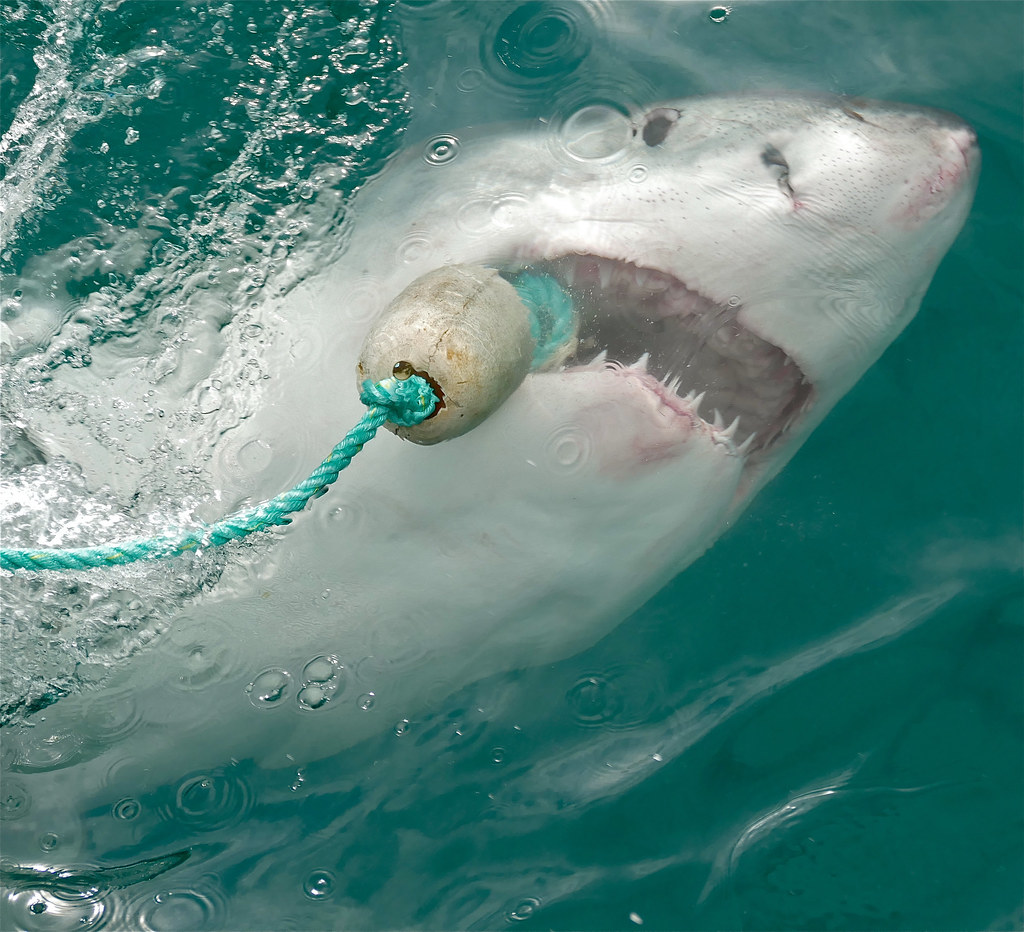

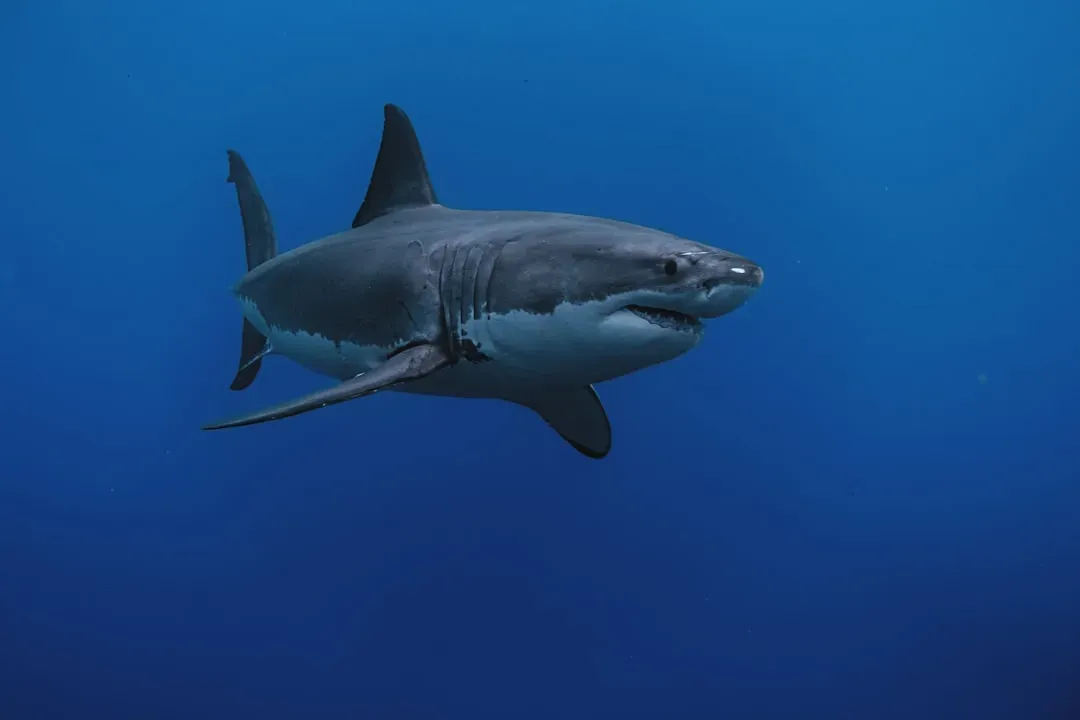
You probably picture great white sharks as ruthless, perfectly tuned predators that only eat seals, fish, and the occasional unlucky turtle. But when biologists actually cut open the stomachs of these animals, what they sometimes find is not a neat menu of marine delicacies. Instead, they uncover a chaotic, almost absurd inventory of objects that make you question how a top predator is really making decisions about what to eat.
When you look closely at those stomach contents, you start to see a creature that is both highly specialized and strangely careless. You see a pattern of precision hunting mixed with what feels like random scavenging. And that tension is where things get fascinating: the bizarre items inside great whites do not just shock you; they quietly rewrite what you think you know about shark behaviour, intelligence, and the way humans are reshaping the ocean without even touching the water.
Hooks, Lines, and Metal: When a Predator Eats the Hunter
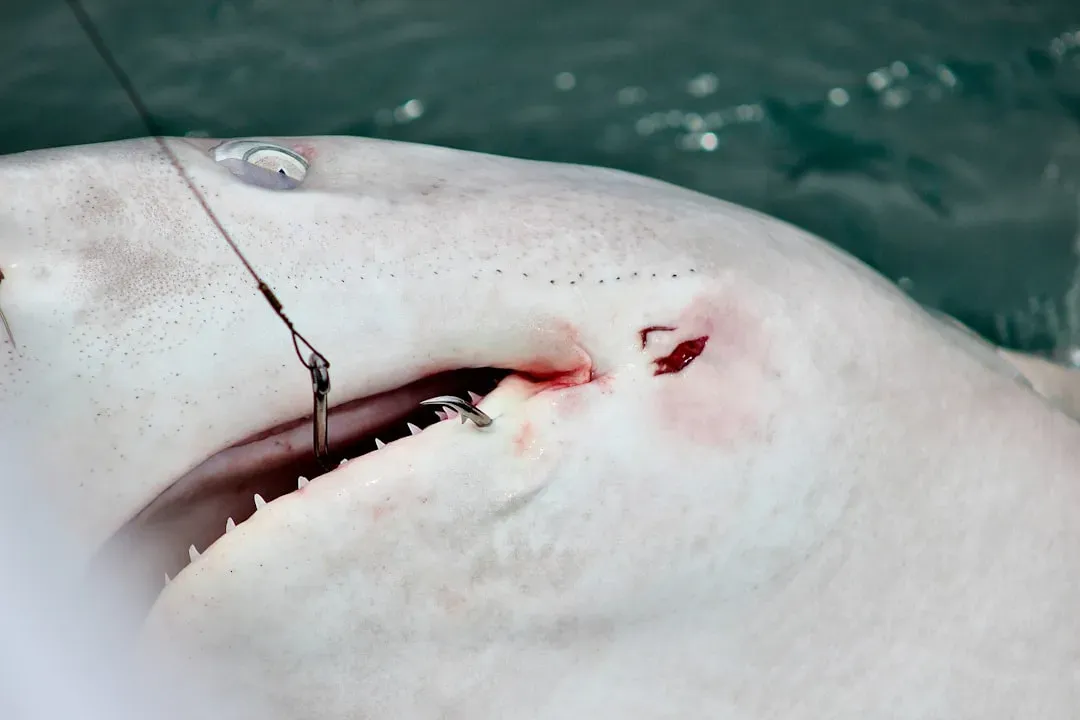
One of the most unnerving things you learn about great white sharks is how often they end up with fishing gear inside them. You would expect a shark to recognize something like a metal hook or a thick line as foreign, but in practice, you see the opposite. Biologists have found embedded hooks, heavy leaders, and pieces of metal tackle lodged in stomach walls or scarred into the mouth area, sometimes surrounded by layers of tissue where the shark has tried to heal around them.
For you, this is a stark reminder that a great white’s world is not just prey and predator; it is also nets, cables, and longlines. The animal is built to strike fast in murky or turbulent water, which means it does not always get the luxury of examining what it bites. When a struggling fish is attached to gear, the shark appears to prioritize movement and scent, not the unnatural hardware hidden in the chaos. In other words, the predator that terrifies you can end up literally swallowing the tools you use to catch it.
Sea Birds and Feathers: Targets That Do Not Fit the Textbook
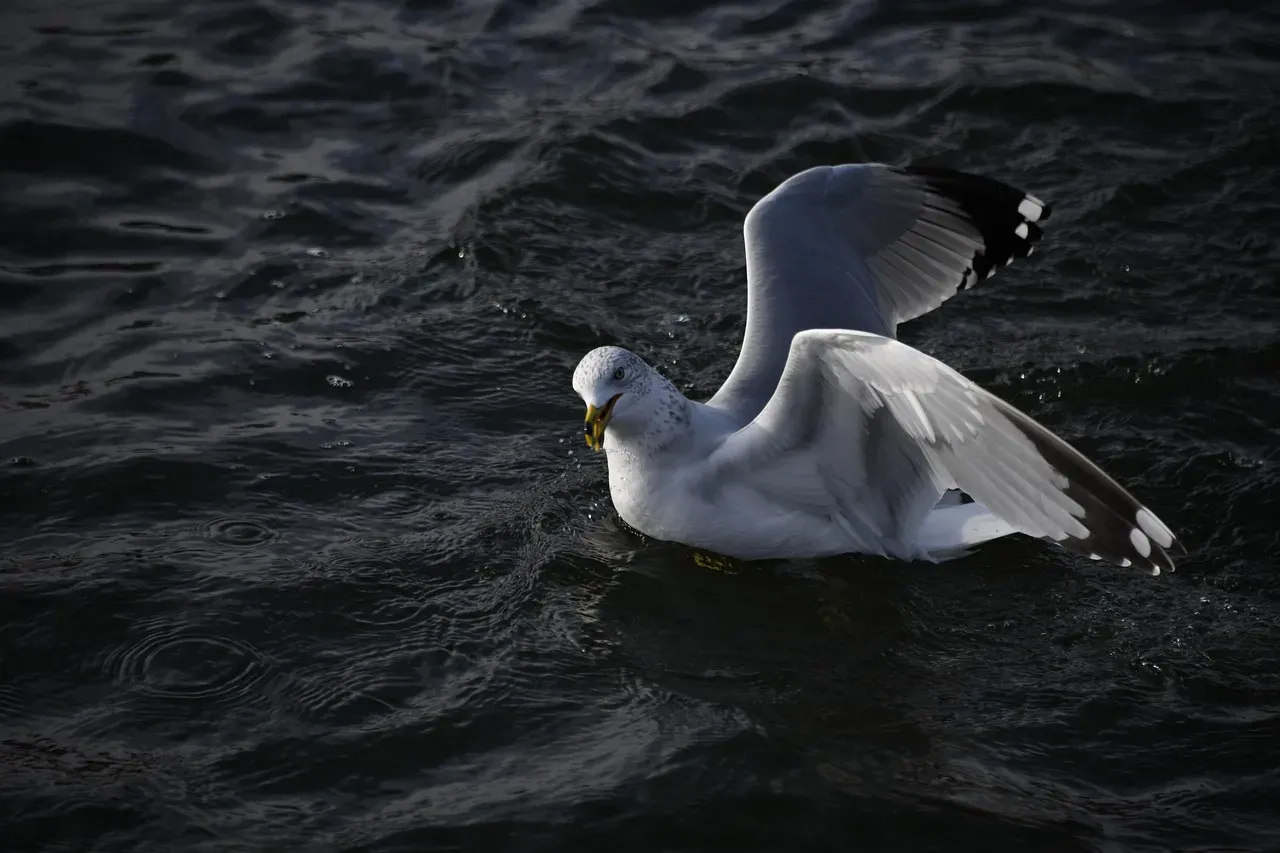
You probably think of great whites as mammal specialists: seals, sea lions, maybe an occasional whale carcass. So it is jarring when necropsies reveal seabirds in their stomachs, including species that do not match the typical profile of sleek, fast-swimming prey. Sometimes you see partly digested feathers and bones from birds that normally stay at or above the surface, which raises an obvious question: why is a deep, powerful predator wasting effort on such awkward, small, and nutritionally modest targets?
When you look at the behaviour more closely, you see how opportunistic you would need to be to survive in an ever-changing ocean. A weakened or injured bird on the surface, a cluster of birds diving frantically for baitfish, or a storm-scattered flock becomes an unplanned buffet. From your perspective, it makes no sense for a massive shark to snack on something feathered and fragile, yet the stomach evidence keeps telling you that if it looks like it might be food and it moves like prey, a great white may simply take the shot.
Sea Turtles and Hard-Shelled Surprises
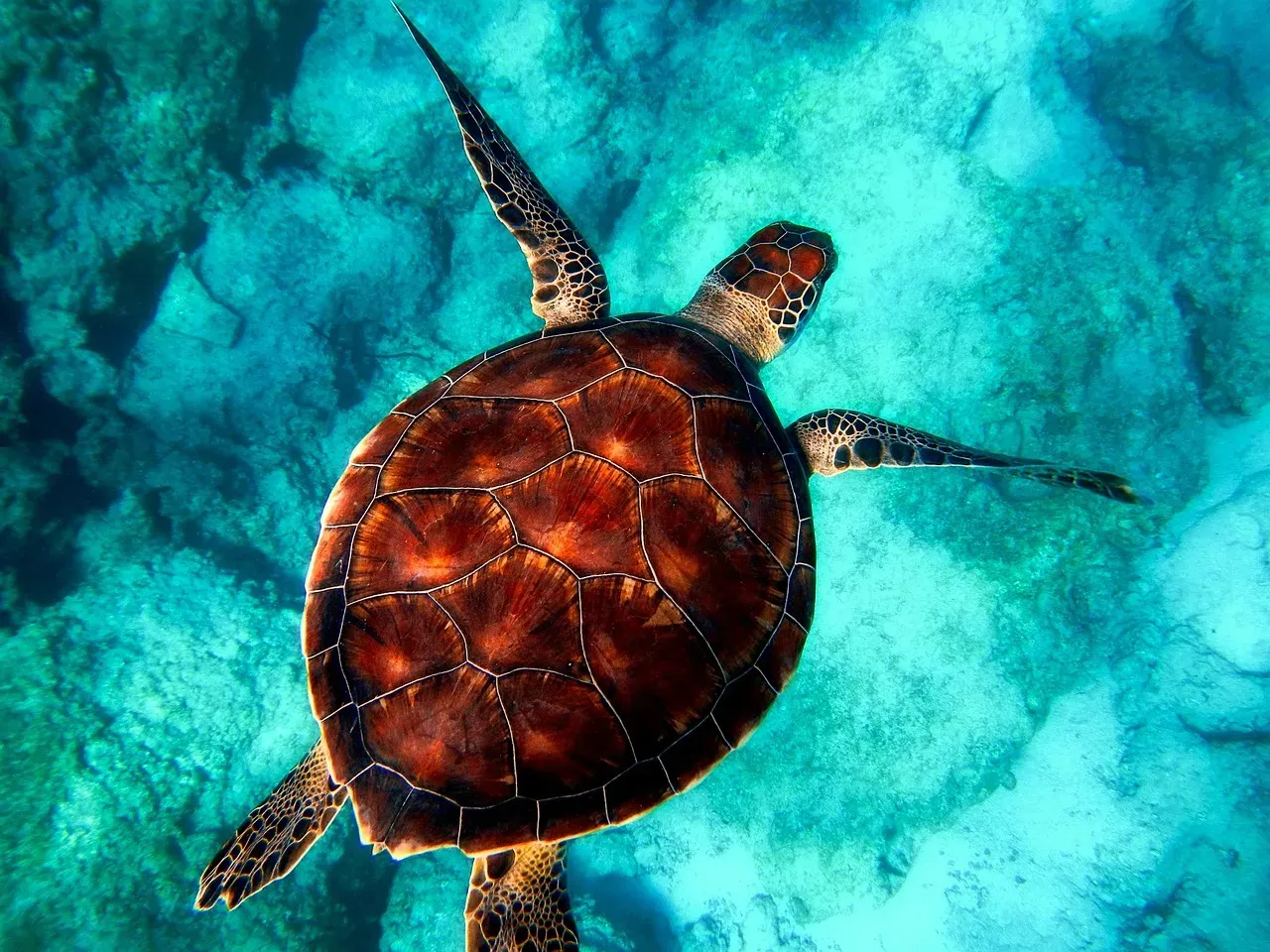
Great white sharks are not usually framed as turtle specialists; you tend to associate turtle predation more with other large sharks or certain killer whale populations. Yet every now and then, a white shark stomach turns up with turtle remains, including fragments of shell that look wildly mismatched with the classic image of a streamlined, mammal-focused hunter. Cracking through that armour takes serious force and may not always be worth the effort in terms of energy gained.
When you picture a white shark chasing fast, fatty prey like seals, a turtle feels like a clunky side quest that contradicts the elegant predator narrative. But what the evidence really shows you is that feeding is often messier and more flexible than any neat diagram suggests. A turtle that is sick, injured, or simply in the wrong place at the wrong time can turn from an unlikely target into a low-risk snack. You are forced to accept that even top predators sometimes behave more like opportunists than specialists, taking what the ocean gives them, shell and all.
Random Fish Species Far Outside Known Ranges
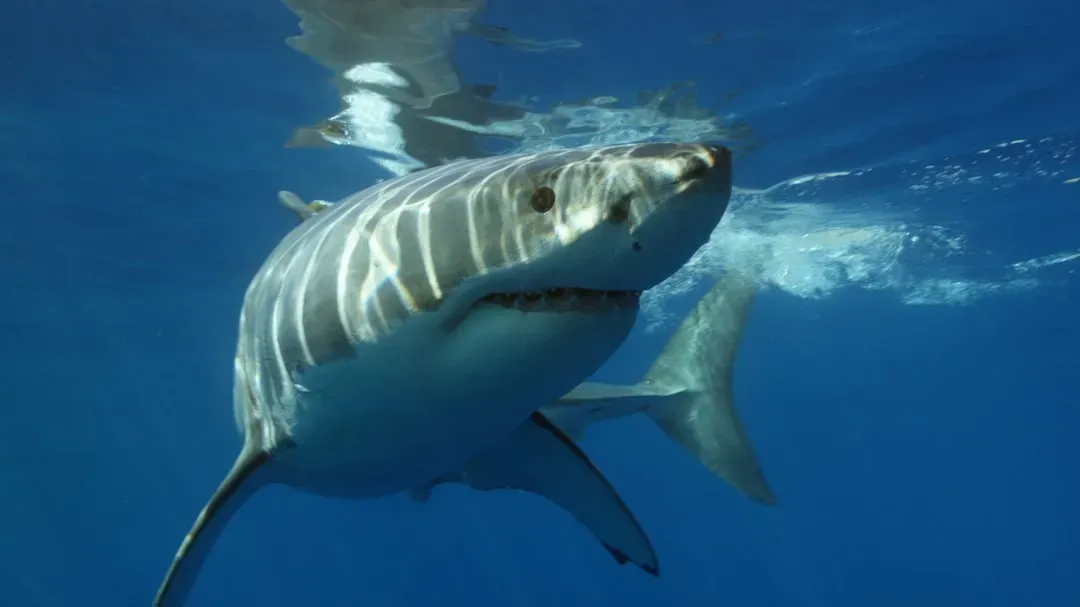
Another quiet shock hiding in shark stomachs is the presence of fish species you would not expect to see in that location at all, let alone inside a great white. Biologists sometimes identify bony fish that are normally found far offshore, in deeper waters, or in regions not typically associated with that particular shark population. When you see those records, they poke holes in the simple maps you hold in your head of who lives where and who eats what.
For you, this means two things. First, great whites may be moving in ways you are still underestimating, following subtle cues like temperature shifts, currents, or prey migrations into places you did not think they frequented. Second, the prey community itself is changing, often driven by warming waters, shifting currents, and human pressure on coastal ecosystems. The odd, out-of-place fish in a shark’s stomach becomes a kind of biological receipt, telling you that the pantry of the open ocean is being rearranged while you are still trying to write the old rulebook.
Marine Mammal Parts That Tell a Darker Story
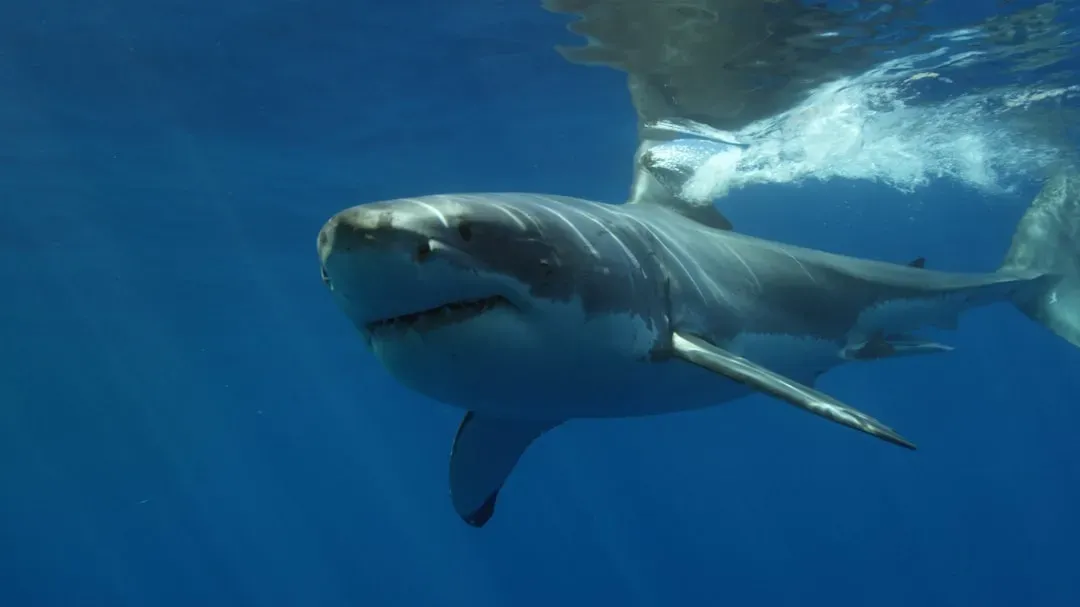
You might expect seals and sea lions in a great white’s stomach, but sometimes the remains do not match neat predation events at all. Instead, you find scraps of whale blubber, fragmented bones, or pieces of dolphins and porpoises that suggest scavenging on carcasses rather than active hunts. This complicates your view of great whites as only sleek, high-speed killers and introduces a grittier truth: these sharks will absolutely feed on the dead when the opportunity arises.
From your perspective, this is a little unsettling and strangely logical at the same time. A floating whale carcass, for instance, is like a drifting warehouse of calories, too valuable for any large predator to ignore. When you see those unexpected mammal parts in a stomach, they tell you that great whites do not just shape the ecosystem by killing; they also help recycle what dies, whether by natural causes or through human impacts like ship strikes. You start to see them not just as hunters, but as moving clean-up crews quietly processing the ocean’s leftovers.
Plastic Debris and Human Trash That Should Never Be There
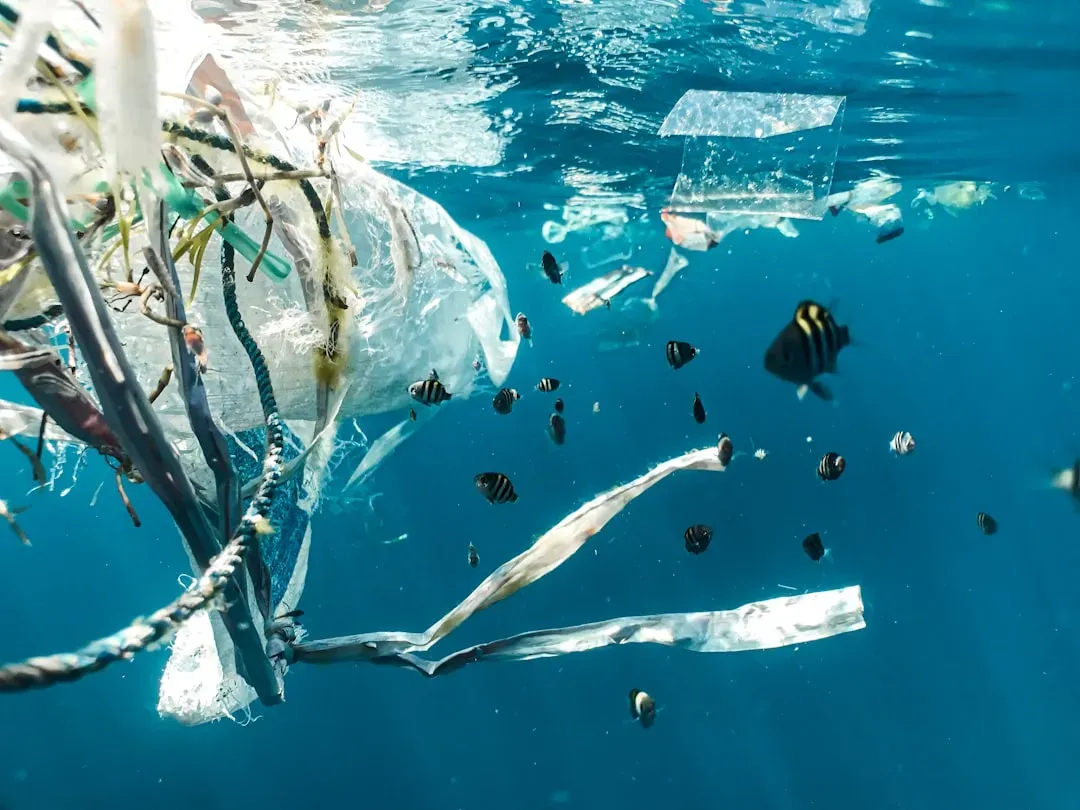
Few discoveries feel as depressing as finding plastic and other trash inside a great white shark. You know these animals hunt by sensing electrical fields, following chemical trails, and reacting to movement, not by visually sorting what is natural from what is not. So when floating bags, fragments of packaging, or small bits of plastic end up inside them, it is often because those objects were wrapped around or mixed with real prey, or simply drifting in the same slick of chum and baitfish.
As you confront that reality, you cannot pretend the problem is rare or accidental anymore. Even if great whites are less prone than some species to deliberately swallowing non-food items, the fact that trash shows up at all tells you how thoroughly you have seeded the water with synthetic debris. You see a predator that has survived tens of millions of years of evolutionary change now forced to navigate a minefield of your disposable culture, and it becomes impossible to keep imagining their world as a pristine, untouched wilderness.
Bizarre Mixed “Stew” Stomachs That Break Every Rule
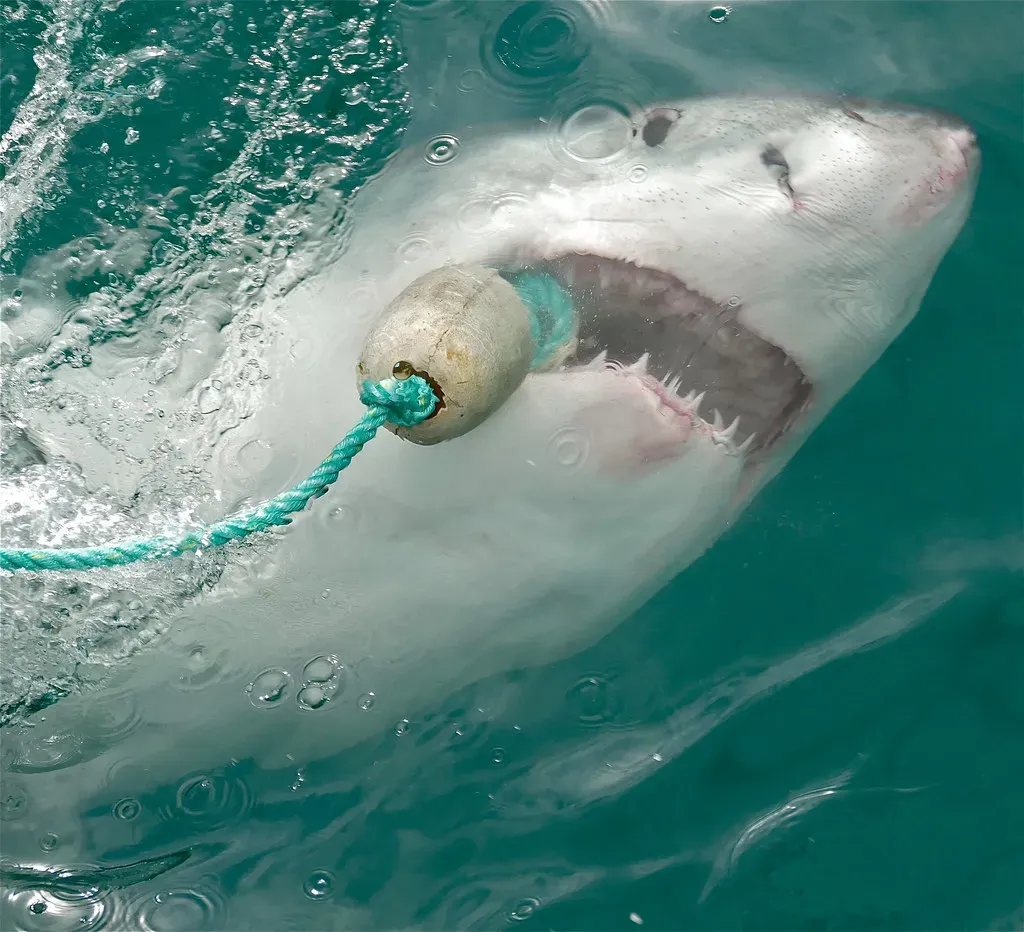
One of the strangest patterns you see is not a single shocking object but the overall chaos of certain stomachs: fish, mammal bits, bird feathers, squid, and random debris all jumbled together in a way that looks less like targeted hunting and more like an uncontrolled feeding frenzy. When you examine that kind of mixture, it does not fit the clean models you are used to, where each predator has a tidy niche and a predictable menu. Instead, it feels like someone shook the entire food web and poured it into a single animal.
For you, these mixed “stew” stomachs are a reminder that feeding in the wild can be frantic, opportunistic, and messy. A shark chasing one prey item might blunder into a cluster of others, or scavenge from multiple carcasses in quick succession, taking mouthfuls of whatever is available. You are left with the humbling sense that the rules you write about diet and behaviour are often just averages laid over a reality that is far more improvisational and emotional than you admit, especially when a huge predator is chasing survival in a noisy, rapidly changing ocean.
Unhealed Wounds and Strange Internal Damage from Ingested Objects
Sometimes the most disturbing discoveries are not the objects themselves, but the damage they cause. Marine biologists have found stomach linings scarred, punctured, or inflamed around hard or sharp items that clearly did not belong there in the first place. Whether it is a metal hook, a jagged bone, or a tough piece of human-made material, you can see the body trying to wall off the invader, fighting a losing battle inside a creature you thought of as almost invulnerable.
When you realize that a great white can be weakened from the inside by something it swallowed in a split-second decision, it changes how you think about their supposed indestructibility. You understand that even a top predator lives right on the edge: every risky bite is a trade-off between getting calories and avoiding harm. For you, these internal stories feel like a quiet warning that power in nature is never absolute, and that the strongest animal in the water can still be undone by a single bad meal.
Conclusion: What These Objects Really Tell You About Great Whites
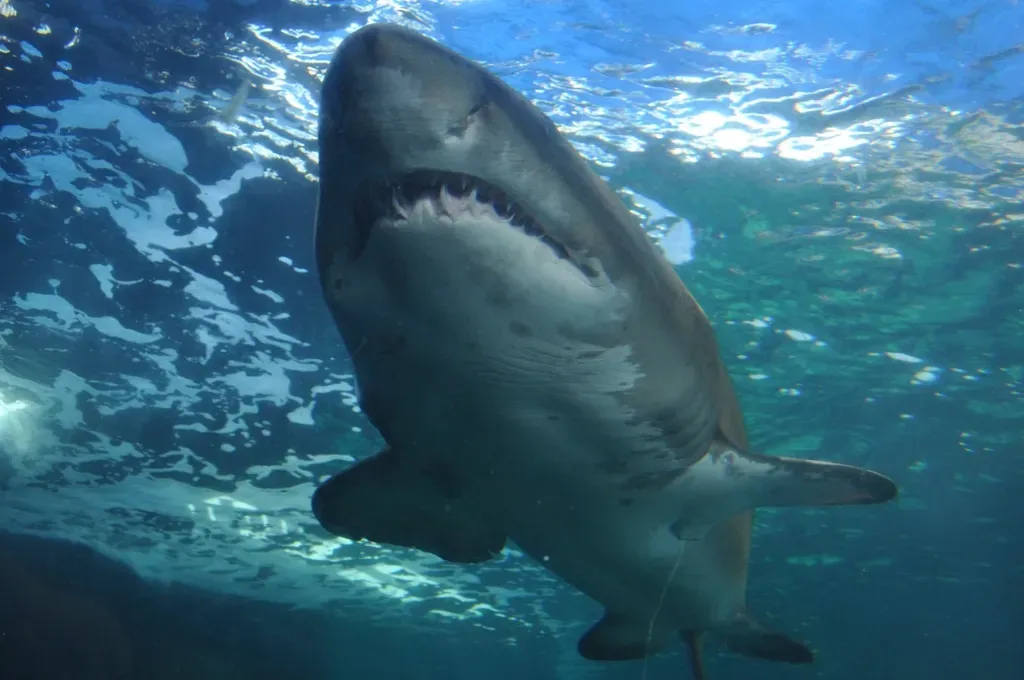
When you step back and look at the full list of strange objects found inside great white sharks, the picture that emerges is both more chaotic and more honest than any simplified portrayal. You see a predator that is not just a perfect seal killer, but an improviser, scavenger, and sometimes victim of the very tools and trash you push into the sea. The bizarre mix of birds, turtles, metal, plastic, and mismatched prey does not mean great whites are confused; it means you have been underestimating how complex and pressured their world really is.
If anything, these stomach contents are like messages from the deep, sent in the only language a shark has: what it was willing to risk eating. They show you that feeding behaviour is not a rigid script but a fluid, living response to hunger, opportunity, and human impact. Next time you picture a great white gliding through the blue, you might also imagine the invisible choices it has to make with every bite. Knowing what you know now, are you still as sure you understand what that shark will decide to swallow next?