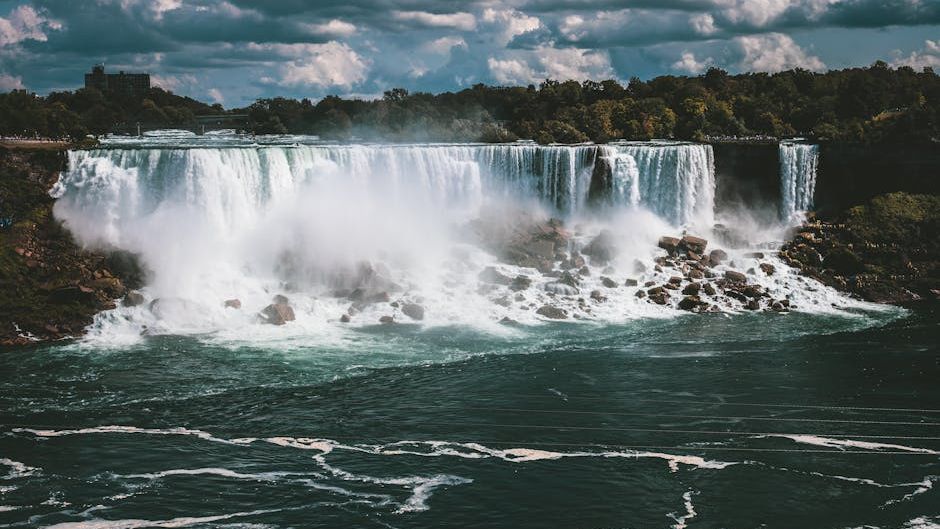

If you have ever stood near Niagara Falls and felt the ground tremble under your feet, it is hard to imagine that anything could drain power from that roaring wall of water. Yet over the past decades, engineers and hydrologists have quietly tracked a surprising reality: the flow over the falls is not as untouchable as it looks. You are not about to see the falls dry up, but a lot of the water you assume is plunging over the brink is actually being steered somewhere else on purpose.
When you look beyond the mist and rainbows, Niagara is less like a wild river and more like a carefully managed machine. Behind the scenes, engineers have been diverting a massive share of the water for electricity, erosion control, and long‑term stability. Once you see how that works, you will never look at those famous cascades the same way again.
The Shocking Truth: Niagara’s Roar Is Turned Down on Purpose
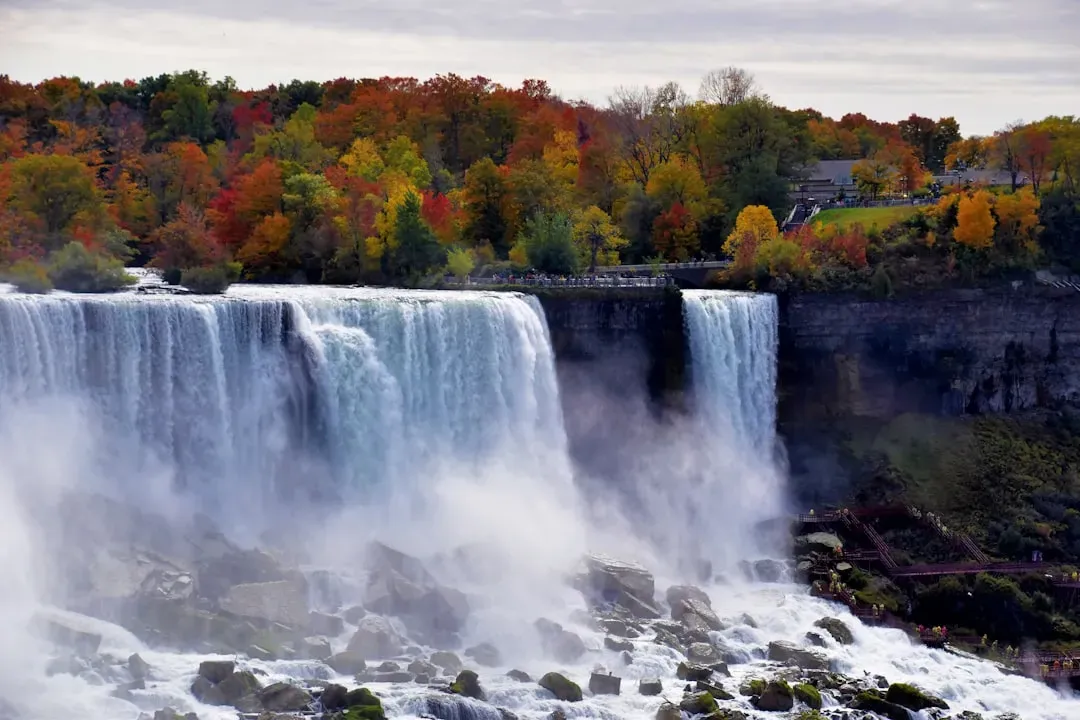
You probably assume that what you see at Niagara Falls is pure nature at full blast, but it is really a controlled performance. International agreements between the United States and Canada allow large amounts of water to be diverted away from the falls and into hydroelectric tunnels and canals. During the day in peak tourist season, more water is left to flow over the brink to keep the spectacle impressive; at night and in the off‑season, more is quietly rerouted.
That means when you are marveling at the Horseshoe or American Falls, you are already looking at a reduced flow by design. Engineers can dial the water up or down within agreed limits, balancing tourism with power generation. So when you hear that Niagara is “losing water,” you are really hearing that more of that water is being pulled into hidden channels rather than letting it thunder straight over the edge.
Where the Water Really Goes: Hidden Power Tunnels and Giant Turbines
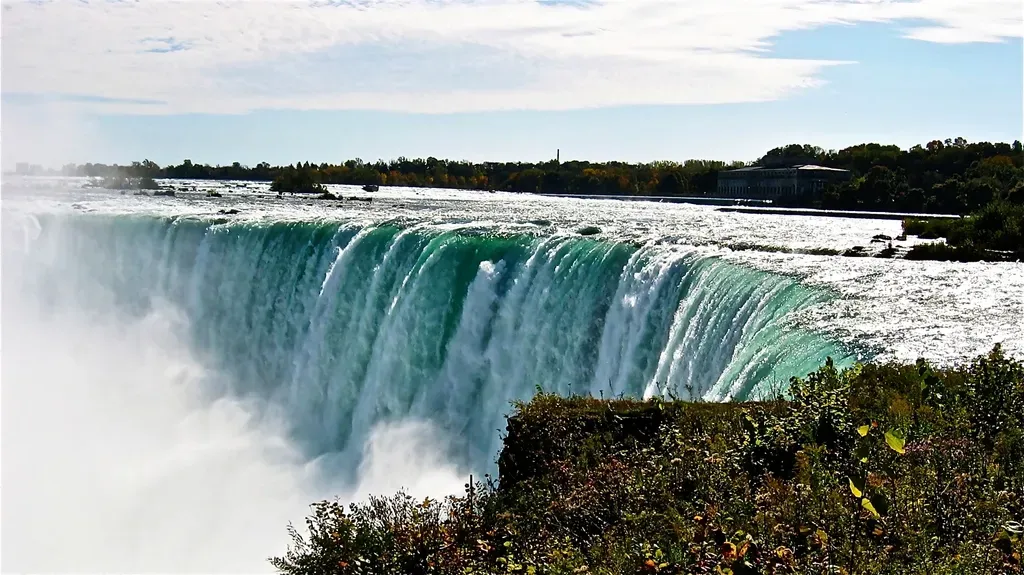
The biggest surprise is that a huge share of Niagara’s water is disappearing underground, but not in a mysterious way. Long intake structures upstream of the falls quietly pull water into tunnels and canals on both the U.S. and Canadian sides, feeding massive hydroelectric stations. Those tunnels run deep beneath the cities you visit, carrying the river to gigantic turbines that spin to generate electricity for millions of people.
From your viewpoint at the railings, you only see the leftover flow that has not been diverted. The rest is essentially “on the job,” driving power plants that keep lights on and industries running across the region. In a sense, when you flip a switch in parts of Ontario or New York, you are borrowing some of Niagara’s water before it ever reaches the brink, then sending it back to the river downstream after the turbines have squeezed energy out of it.
The International Deal That Lets Engineers Steal Some of the Thunder
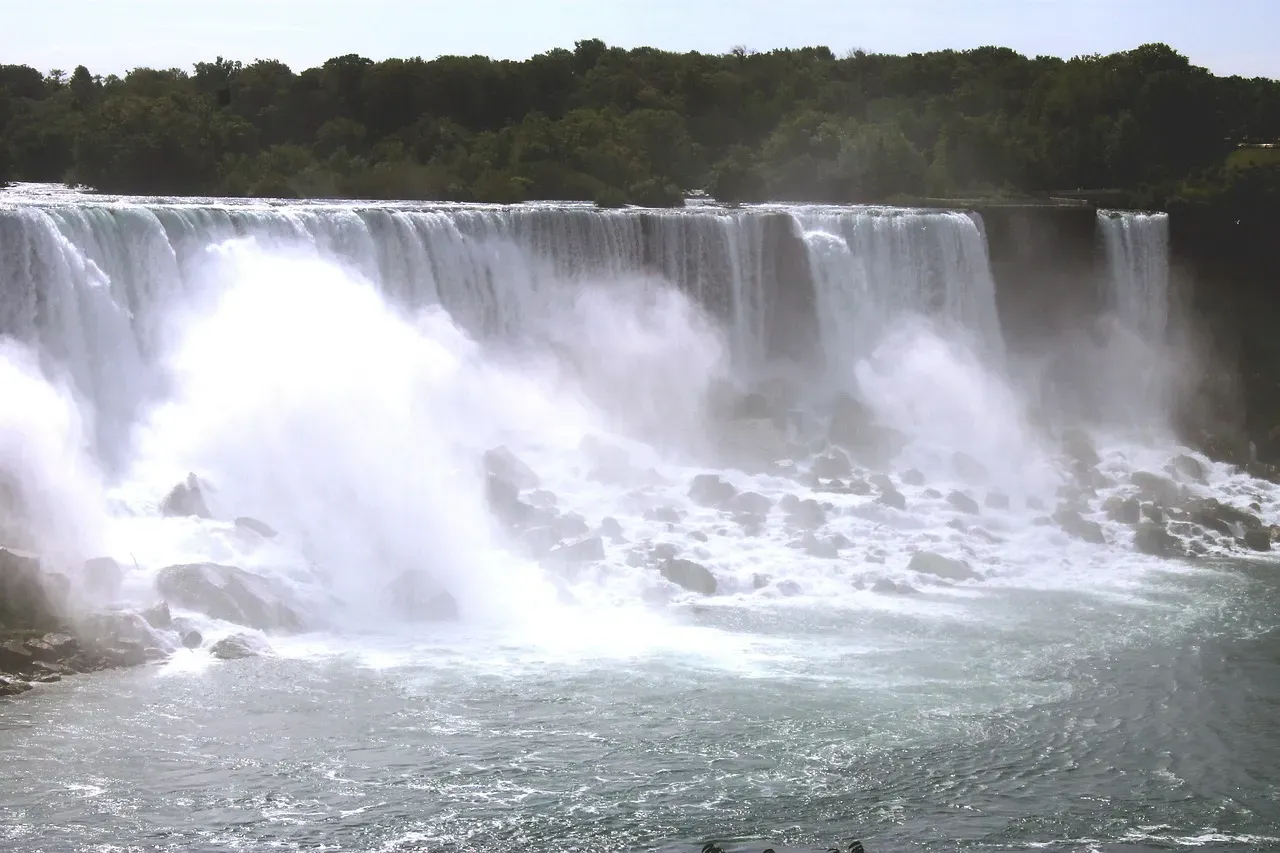
You might wonder how engineers are even allowed to do that to such an iconic natural wonder. The answer lies in formal treaties and regulations that spell out exactly how much water can be taken from the river and when. These rules set minimum visual flow levels over the falls, especially during daylight hours in tourist season, to protect the scenic value that draws visitors from all over the world.
At the same time, the agreements recognize that Niagara is a powerhouse for renewable energy. That is why more water is diverted at night and in winter, when fewer people are watching, so power plants can operate near their capacity without making the falls look anemic. If you time your visit, you are literally seeing the negotiated compromise between natural spectacle and human need play out right in front of you.
Erosion: The Ancient Enemy That Forced Engineers to Intervene
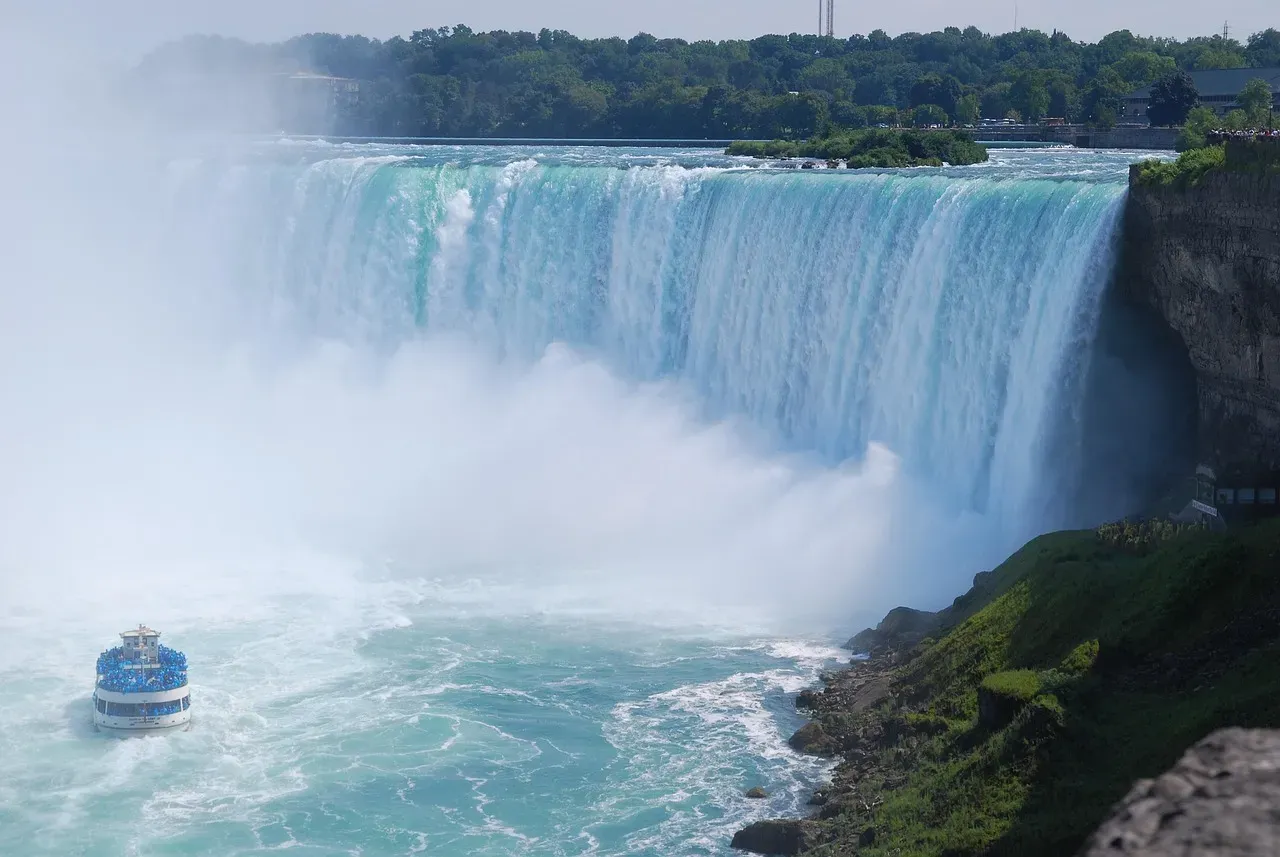
If you roll the clock back thousands of years, Niagara Falls started far downstream from where it is now and slowly carved its way upriver by chewing through rock. In the past, the falls were retreating upstream at a surprisingly fast pace because of relentless erosion. Left completely alone, that process would keep reshaping the gorge and could eventually weaken the falls’ structure over very long time scales.
By reducing and managing the flow, engineers have actually slowed that natural retreat. Diversion for power does not just feed turbines; it also helps control how quickly the rock at the brink is worn away. When you hear that water is being taken from Niagara, part of the story is that you are trading a bit of raw volume today for a more stable, longer‑lasting waterfall that future generations can still recognize.
Climate Change, Droughts, and Why You Should Not Panic Just Yet
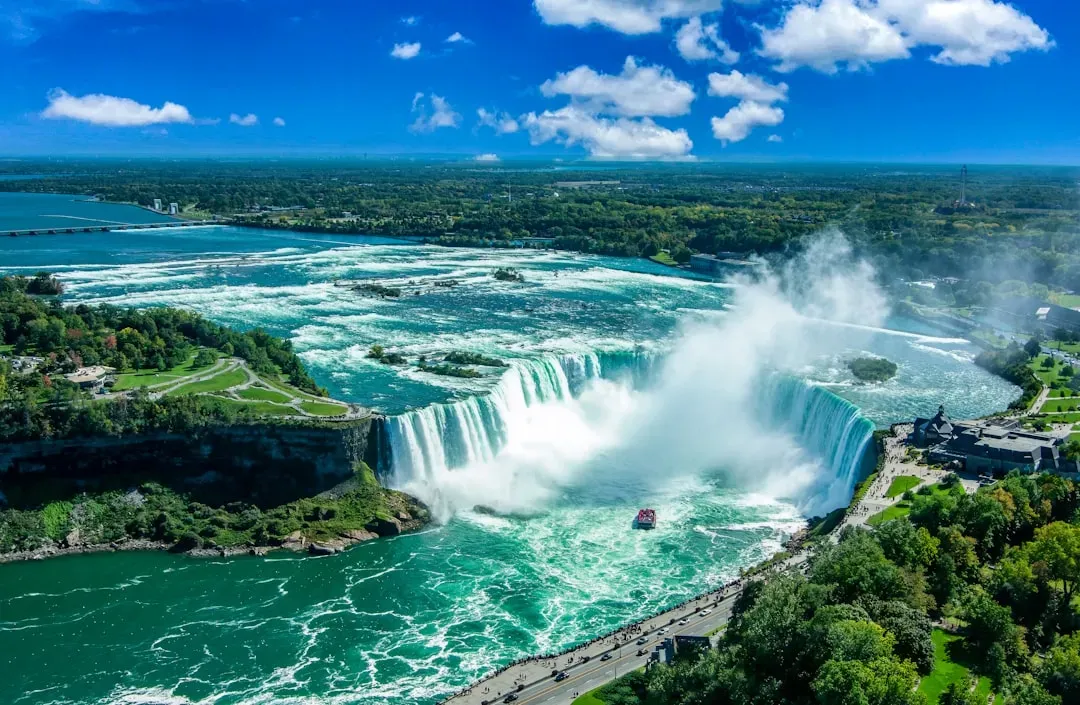
Once you know Niagara’s flow can change, it is easy to start worrying that climate shifts or drought might starve the falls. The reality is more nuanced. The Great Lakes and the Niagara River are part of a massive water system that tends to smooth out short‑term ups and downs, so you are not going to see the falls suddenly switch off in a dry summer the way a small mountain stream might.
That said, long‑term climate patterns can influence lake levels and river flows over time, so engineers and planners keep a close eye on the data. The key takeaway for you is that the most dramatic changes in Niagara’s flow right now are not from climate impacts, but from controlled diversions and operational decisions. Natural variability is in the background; human management is front and center in deciding how much water you actually see going over the edge.
The Optical Illusion: Why Niagara Still Looks Wild and Untamed
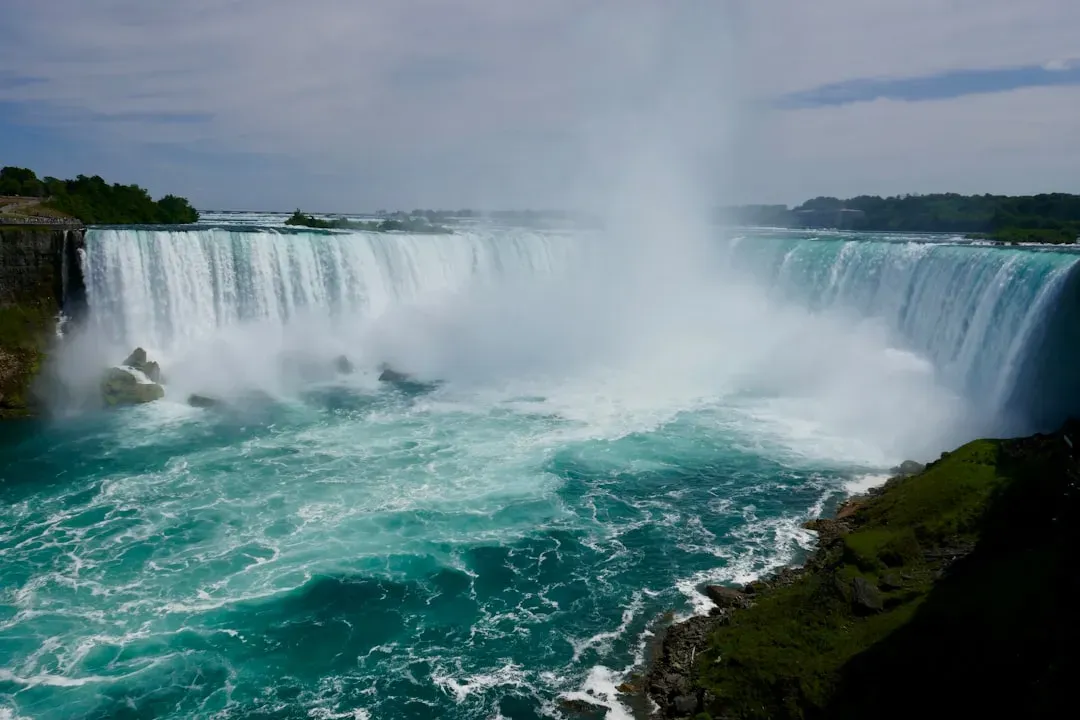
Here is the funny thing: even with a huge chunk of water siphoned away, the falls still look outrageously powerful to your eyes and ears. Human perception is easily overwhelmed once flow crosses a certain threshold; your senses cannot really tell the difference between a heavy flow and an extremely heavy one. The mist, the roar, and the sheer height of the drop do most of the psychological work.
Engineers understand that, so they aim to keep the visible flow comfortably above the level where you would sense something is “off.” That is why carefully managing how the water is shared between the power stations and the brink works so well. You walk away convinced you have seen Niagara at full force, even though a quietly negotiated, technologically managed compromise is what actually filled your camera roll.
How Your Everyday Life Is Tied to Niagara’s Vanishing Water
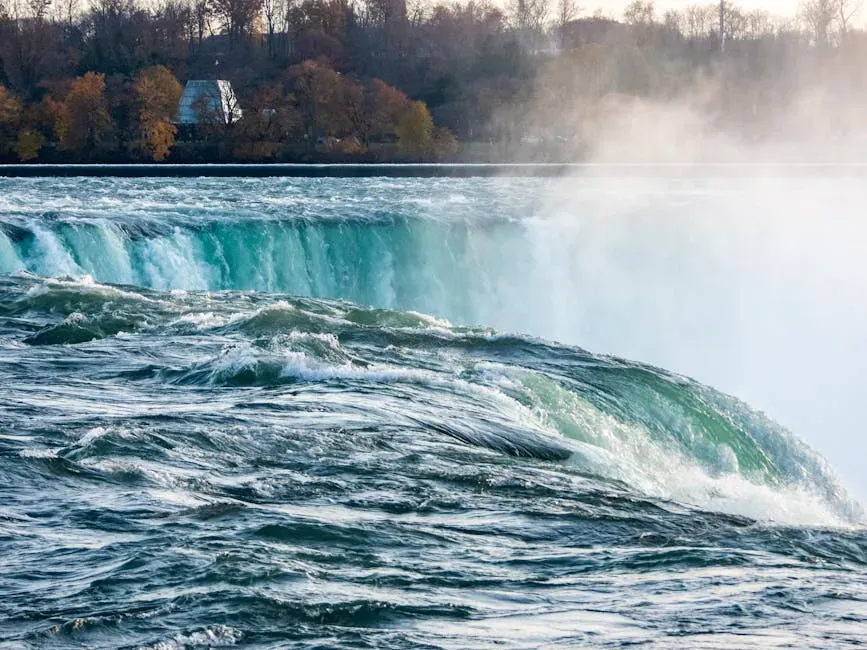
It is easy to think of Niagara as something separate from your daily routine, like a postcard you visit once and then forget. But if you live in parts of Ontario or New York, there is a good chance some of your electricity has roots in that diverted water. Even if you are far away, the power grid is interconnected, and Niagara’s output plays into a bigger regional energy puzzle that supports everything from homes and hospitals to factories and transit.
So when you hear that water is being pulled away from the falls, you can see it as part of a trade‑off you are personally involved in. You enjoy the photos and memories from your trip, and then you go home and expect a reliable, relatively low‑carbon power supply. Niagara’s managed flow is one of the quiet reasons those expectations are easier to meet in a world that is trying to move away from fossil fuels.
What This Means for the Future of Big Natural Wonders
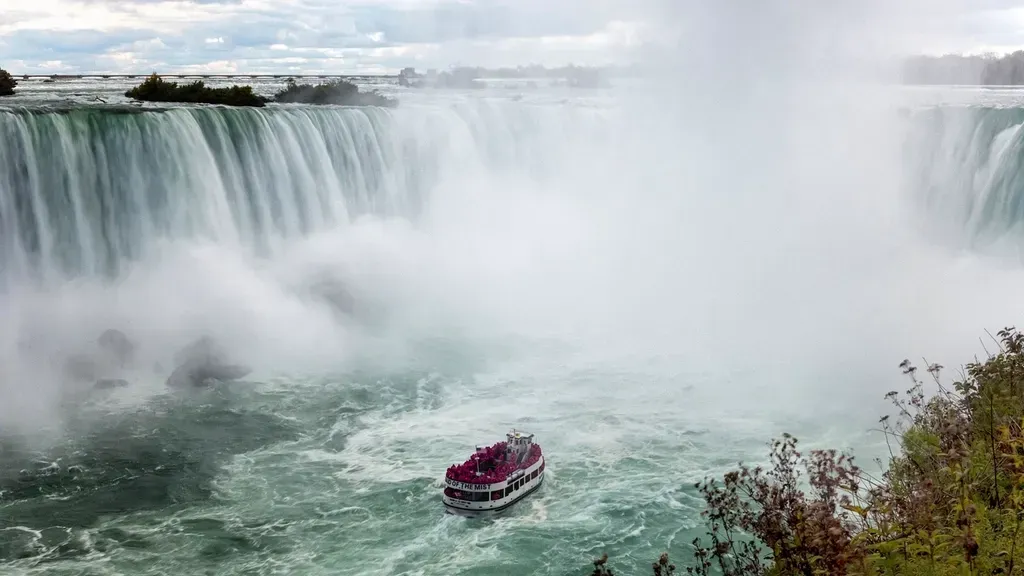
Niagara is not the only place where humans are reshaping what you think of as untouched nature. Around the world, iconic rivers and waterfalls are being harnessed for power, flood control, and navigation, often in ways that are invisible to casual visitors. Niagara just happens to be one of the most famous examples, and it shows you how far engineers are willing to go to blend spectacle with utility.
For you, this raises bigger questions that go beyond one river: how much manipulation are you comfortable with if it supports clean energy, protects infrastructure, or slows erosion? There is no easy answer, but Niagara’s story makes it clear that natural wonders you love are rarely as wild as they look. The real challenge is finding a balance you can live with, where awe and practicality still manage to share the same river.
Conclusion: Next Time You Visit, You Will See More Than Just a Waterfall
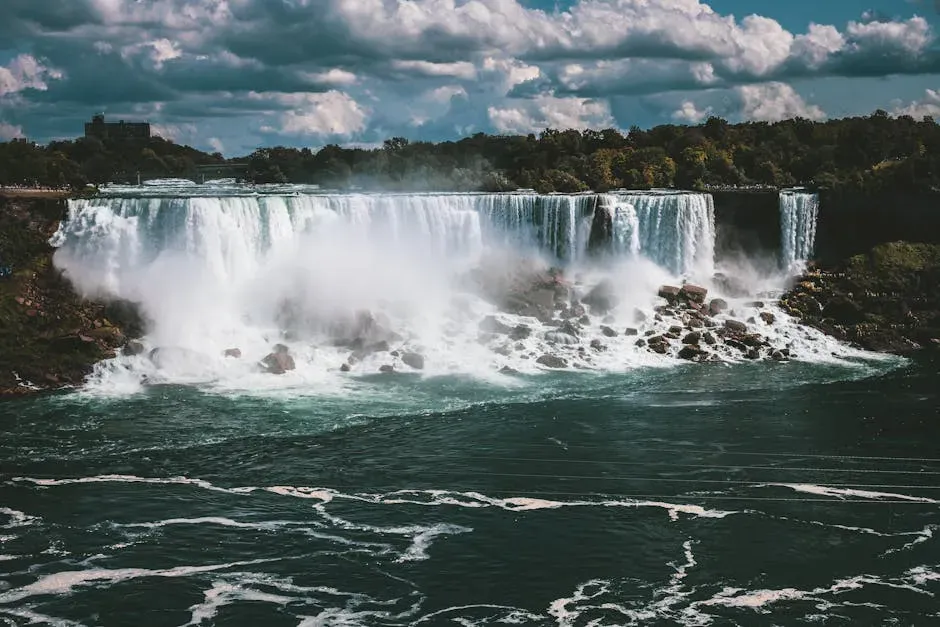
The next time you stand at Niagara’s edge, you will know that a large part of its water is on a hidden detour, rushing through underground tunnels and power plants before quietly rejoining the river downstream. You will also know that this diversion is not a glitch or a tragedy, but a carefully designed system meant to protect the view you love while feeding a huge appetite for clean electricity and slowing the relentless bite of erosion. What looks like lost water is really working overtime behind the scenes.
Once you understand that, the falls stop being just a photo backdrop and start to feel like a living diagram of how your modern world actually works. You are looking at geology, engineering, politics, and energy policy all crashing together in a single sheet of white water. So when you hear that Niagara is losing water and engineers have finally traced where it is going, does it change the way you feel about that thunder in your chest, or does it somehow make the whole thing even more impressive?