
Imagine walking through the dense, misty forests of New Zealand, only to come face-to-knee with a bird taller than most basketball players. The moa, a giant flightless bird that once roamed Aotearoa’s wild landscapes, was every bit as imposing as it sounds. Towering up to nine feet tall, these prehistoric giants weren’t just interesting oddities—they were ecological powerhouses, mysterious survivors, and, as it turns out, absolutely not as chill as their distant ostrich cousins. Their story is one of lost worlds, ancient drama, and the stunning surprises nature can still offer, if only we’re willing to look closer.
Colossal Birds of a Lost World
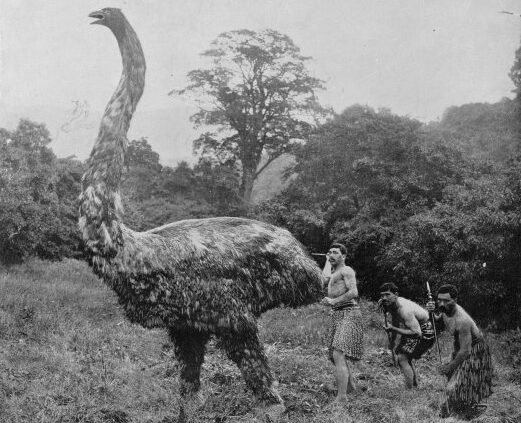
Moa weren’t just big—they were truly gigantic, with the largest species, the South Island giant moa (Dinornis robustus), reaching heights that would dwarf most humans. Even their eggs were enormous, some as big as a rugby ball. Picture a bird that could look an adult in the eye, weigh up to 500 pounds, and stride through forests with thunderous steps. This scale is hard to grasp in our modern world, where the largest bird most of us see is a backyard turkey. But in New Zealand, moas ruled the land, filling ecological roles usually reserved for large mammals elsewhere. Their sheer size made them a dominant force in their environment, shaping the very landscape they inhabited.
The Unexpected Aggression of the Moa

Forget any ideas of gentle giants—moa weren’t the laid-back birds you might imagine. Recent research into their bone structure and behavior suggests they were territorial, aggressive, and anything but docile. Fossil evidence shows scars and injuries that hint at violent clashes, possibly over territory or mates. Their powerful legs, used for running and kicking, could have delivered bone-crushing blows to rivals or threats. Imagine a cross between a giant turkey and a linebacker, only angrier. The idea of a placid, peaceful moa is a myth; these birds were survivors in a wild, competitive world.
Unique Anatomy: Built for Power, Not Flight
Moas didn’t have wings—at all. Unlike ostriches or emus, which still sport vestigial wings, moas had evolved to lose theirs entirely. Their bodies were built for life on the ground, with massive legs and strong, muscular builds. Their long necks allowed them to reach high foliage, much like giraffes. Scientists believe they could run surprisingly fast over short distances, using their size and speed to escape predators or assert dominance. This specialized anatomy set them apart from other flightless birds, making them uniquely adapted to their isolated island home.
Masters of Their Ecosystem
In the absence of large mammals, moas became the giants of New Zealand’s forests and grasslands. They shaped the environment through their feeding habits, trampling vegetation, and spreading seeds. Their diets varied by species: some grazed on grasses, while others browsed on leaves, twigs, and fruit. By doing so, they influenced plant communities and created pathways through dense undergrowth. Their presence was so significant that entire ecosystems adapted around them, relying on their movements and habits for balance. When moas disappeared, the landscape changed dramatically, proving just how crucial they were.
The Fearsome Predator: Haast’s Eagle
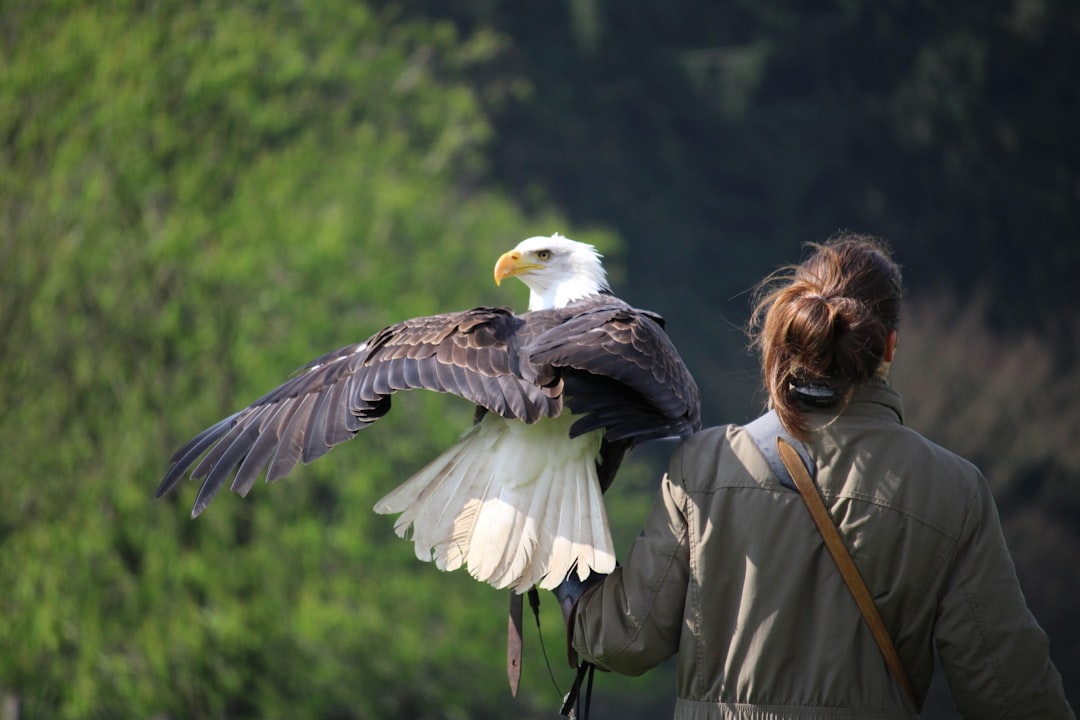
Every giant needs a rival, and for the moa, that was the Haast’s eagle—a raptor with a wingspan up to ten feet and talons as large as a tiger’s claws. Haast’s eagle was the apex predator of New Zealand, specializing in hunting moa. The sight of an eagle swooping down on a nine-foot bird was surely as dramatic as any nature documentary. Fossilized moa bones often show deep puncture marks from eagle attacks. This predator-prey relationship was unique, shaping the evolution of both species and adding an epic dimension to New Zealand’s ancient world.
How Moa Vanished from the Earth
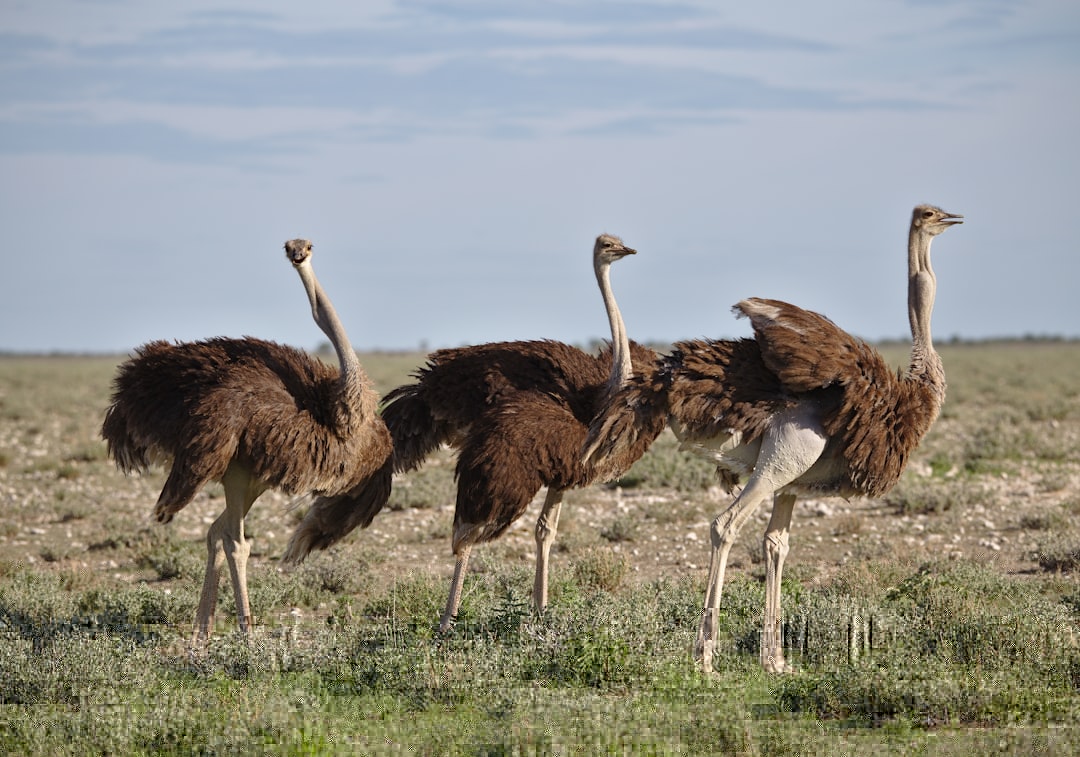
The extinction of the moa is a tragic chapter in natural history. When Polynesian settlers, ancestors of today’s Māori, arrived in New Zealand around 1300 AD, they encountered abundant moa populations. But within just a couple centuries, these birds were gone. Overhunting, habitat destruction, and the introduction of new predators like dogs and rats spelled doom for the moa. Archaeological sites are littered with moa bones, reminders of feasts long past. The loss was swift and total, erasing a lineage that had survived millions of years of isolation.
Myths and Māori Legends
Moa didn’t just leave bones behind—they lingered in the stories and imagination of the Māori people. Ancient legends speak of the mighty birds and the hunting feats required to catch them. In some tales, moa were portrayed as fearsome and powerful, almost mythical in their stature. These oral histories kept the memory of the moa alive long after their physical disappearance. Even today, echoes of these stories shape New Zealand’s cultural identity, reminding people of a time when giants walked their forests.
Surprising Scientific Discoveries

Modern science continues to reveal astonishing secrets about the moa. DNA analysis has uncovered surprising diversity among the species, showing that there were at least nine distinct types. Some were as small as turkeys, while others towered over humans. Recent studies have even reconstructed the color of their feathers, suggesting they ranged from brown to speckled gray, helping them blend into their forest homes. Meanwhile, ancient eggshells have provided clues about their diets and reproductive habits, piecing together a clearer picture of their lives.
Attempts to Find Living Moa: The Persistent Legend
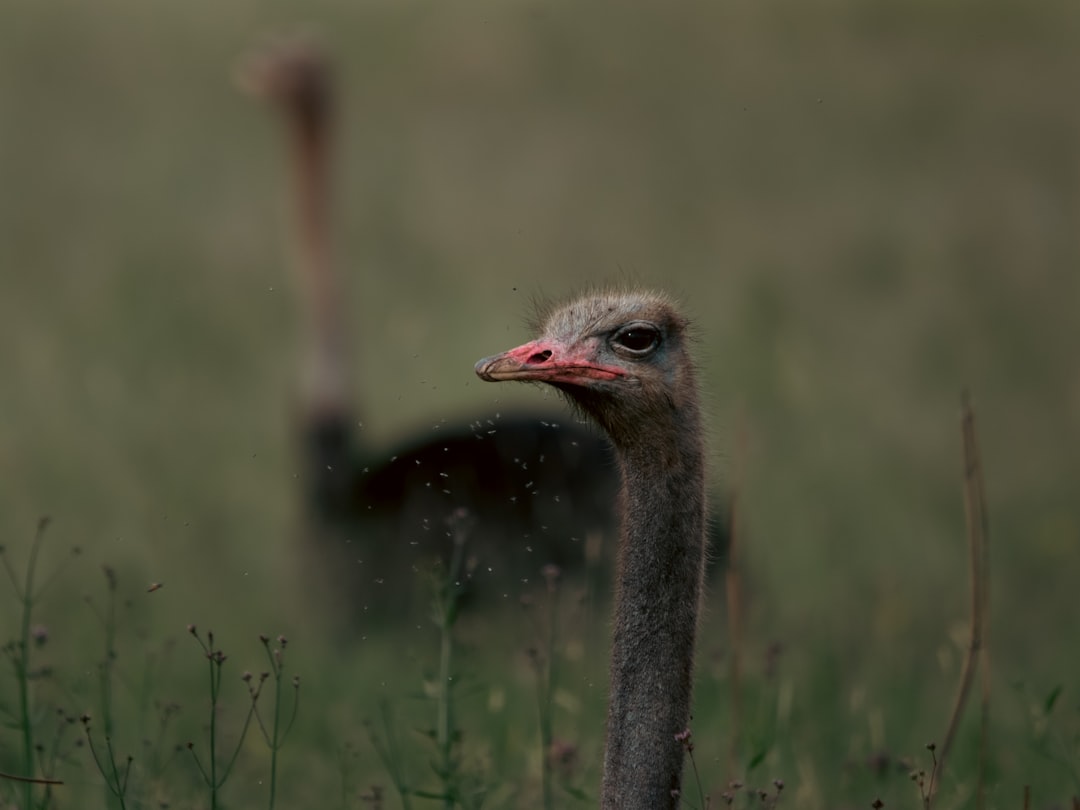
For decades after their extinction, rumors circulated that some moa still walked the remote valleys of New Zealand’s South Island. Explorers and hunters claimed sightings, and mysterious footprints were sometimes found. Though no credible evidence has ever emerged, the idea of a living moa continues to capture imaginations. The possibility of rediscovering such a colossal bird is tantalizing, fueling expeditions and inspiring books and films. These persistent legends speak to the enduring fascination with New Zealand’s lost giants.
Moa in Today’s Culture and Conservation

The legacy of the moa lives on in modern New Zealand, from art and literature to conservation efforts. Museums showcase moa skeletons, marvels that draw crowds from around the world. Artists create striking images of these ancient birds, symbolizing both the wonder and fragility of New Zealand’s wildlife. Conservationists study the moa’s extinction as a cautionary tale, warning of the dangers of habitat destruction and overhunting. The story of the moa continues to inspire efforts to protect the country’s remaining unique species.
The Enduring Mystery and Awe of the Moa
Standing in front of a reconstructed moa skeleton, it’s hard not to feel a sense of awe—and loss. These birds were more than just big; they were a living link to a prehistoric world, a reminder of nature’s ability to surprise and humble us. Their story is a dramatic testament to the power of evolution, the impact of human arrival, and the mysteries that still linger in the wild places of our planet. Would you ever have imagined that an island could hide such giants, or that their legacy would still echo centuries after their last thundering steps?