
You probably know the feeling of waking up from a night indoors and still feeling strangely wired, like your body slept but never really shut down. Then you spend one weekend camping and suddenly you are out cold by 9:30 p.m. and waking up naturally with the sunrise, clear-headed and calm. That shift is not just nostalgia or wishful thinking; it has a lot to do with how your brain’s internal clock responds to real sunlight and darkness once you step away from artificial light and indoor routines. In the last decade, neuroscience and sleep research have been quietly pointing toward a bold idea: your brain is built to time your sleep around the sky, not the ceiling. When you camp outside without screens and electric lights, your circadian system can recalibrate shockingly fast – often within a couple of days – changing when you feel sleepy, how deeply you sleep, and even how you feel during the day. When you understand how that works, wild camping stops being just a fun escape and starts looking more like a powerful, natural reset button for your nervous system.
Why Your Brain’s Clock Listens to the Sky, Not Your Schedule
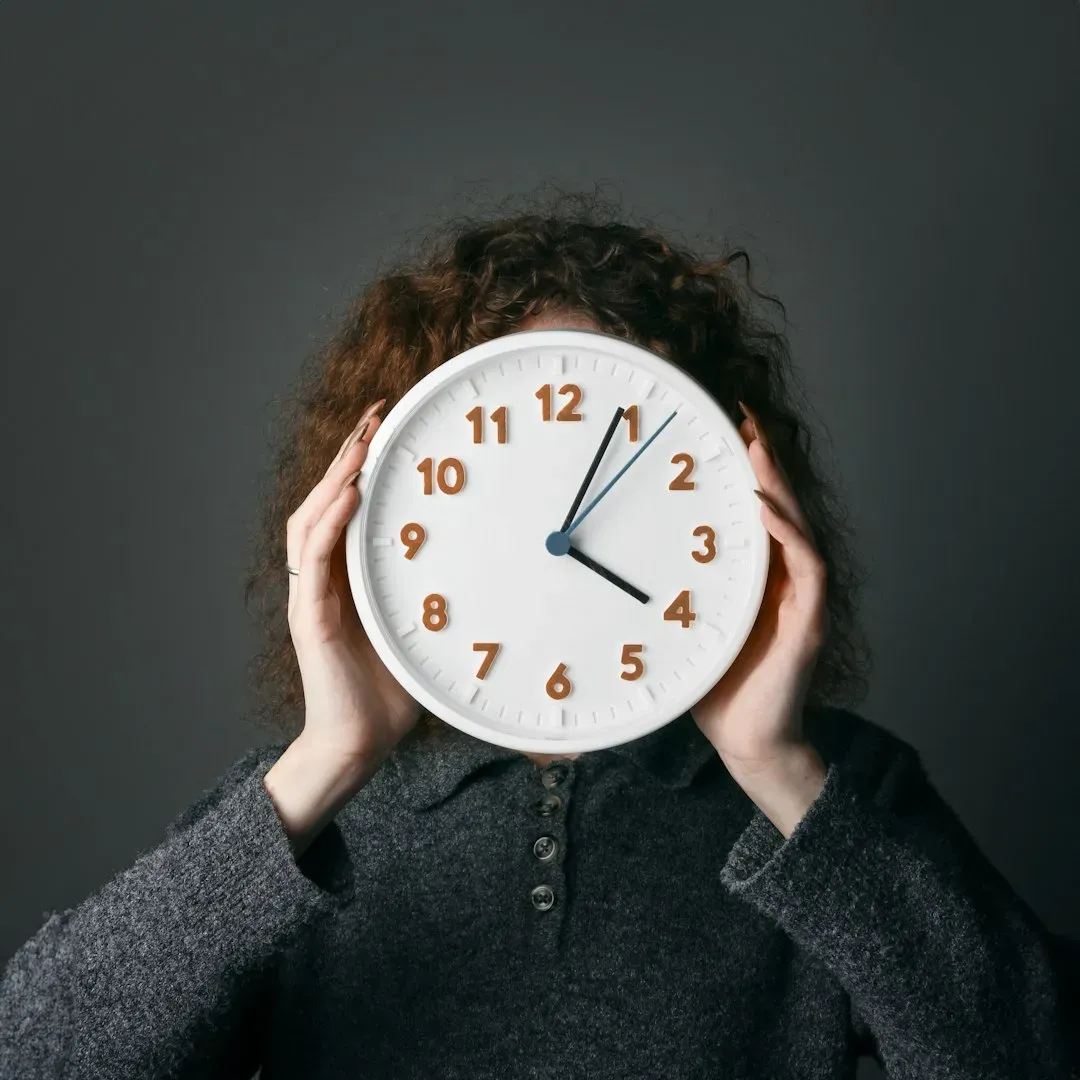
If you strip away alarms, schedules, and screens, your sleep timing is mostly driven by a tiny region in your brain that acts like a master clock. It pays very close attention to light entering your eyes, especially the bright, blue-rich light you get from the sky during the day and the near-total darkness you used to get at night. That clock is designed to sync to the natural cycle of day and night, not the pattern of overhead LEDs, phone screens, or late-night Netflix glow. When you live indoors, that clock gets mixed signals: dim days spent under artificial light that is nowhere near as bright as true daylight, and nights filled with TVs, tablets, and streetlights sneaking through the curtains. Your brain ends up confused about what time it really is, and the signal that should tell your body “it’s night, sleep deeply” gets weaker. Out in the wild, without all the extra light, the signal becomes sharp and unmistakable again.
The Forty-Eight Hour Reboot: How Fast Your Circadian System Can Reset
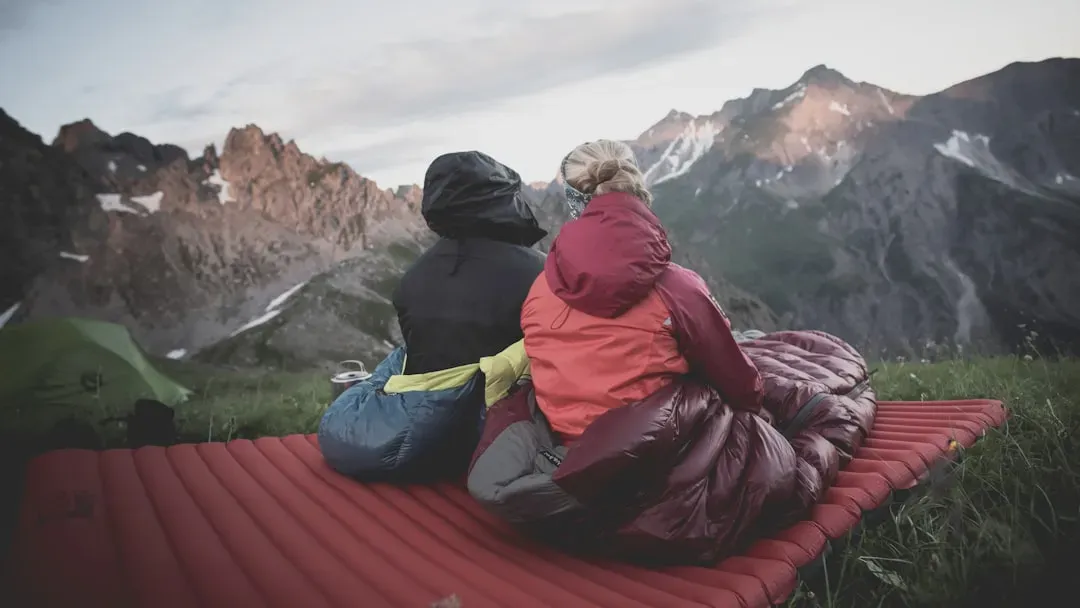
One of the most surprising things you discover when you look at the research is how quickly your body clock can re-align when you camp outside. If you spend even a couple of nights away from artificial light – waking with the sun, going to bed not long after it gets properly dark – your internal timing starts to shift earlier. You begin to feel sleepy closer to true nightfall, and you naturally wake closer to sunrise, without forcing it. That change happens because your brain is suddenly getting a strong, clean pattern of bright light in the morning, a gradual fading of light in the evening, and real darkness at night. Within roughly forty-eight hours, your circadian system can move into a new rhythm that matches the environment around you. You feel it as a quiet sense that your body and the outside world are finally on the same page again.
Melatonin, Darkness, and the Deep-Sleep Switch You Keep Silencing Indoors
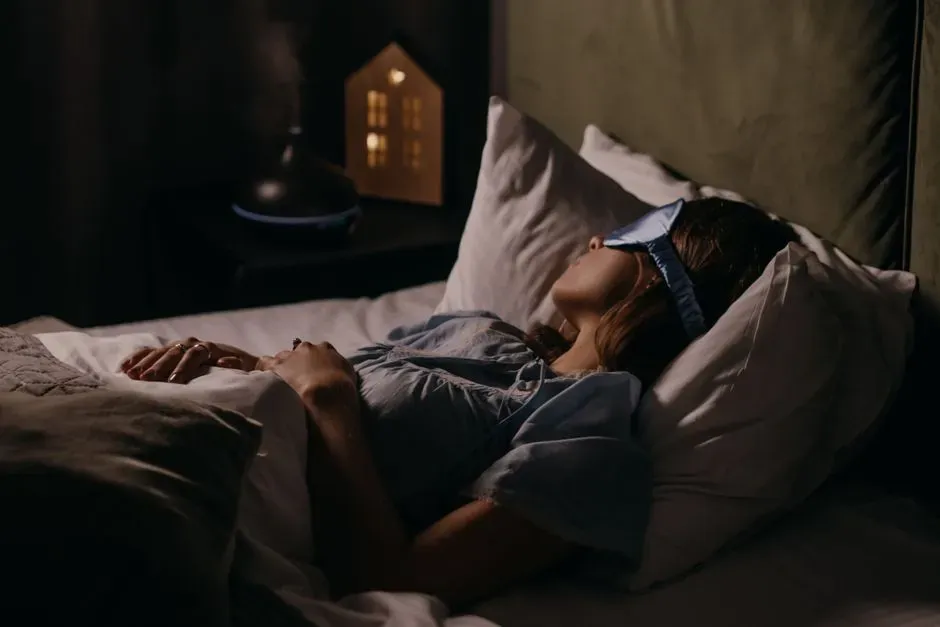
You have a hormone that acts like a biochemical “night mode” for your body, and it is called melatonin. Your brain starts releasing it in the evening when light levels drop enough to signal that night is coming. Melatonin does not knock you out like a sedative, but it changes your brain and body in ways that make deep, restorative sleep more likely and easier to sustain. The more precise that evening rise in melatonin is, the cleaner your transition into the night can be. Indoor life constantly interferes with that signal. Room lights, phone screens, laptops, and TVs all provide enough light – especially in blue wavelengths – to delay or weaken your melatonin release. When you camp wild and let the world get properly dark, that hormone ramp-up becomes stronger and more predictable. You are no longer fighting with light at precisely the hours your brain is trying to set up your deepest sleep.
Natural Light Exposure: Why Daytime Sun Sets Up Your Nighttime Sleep
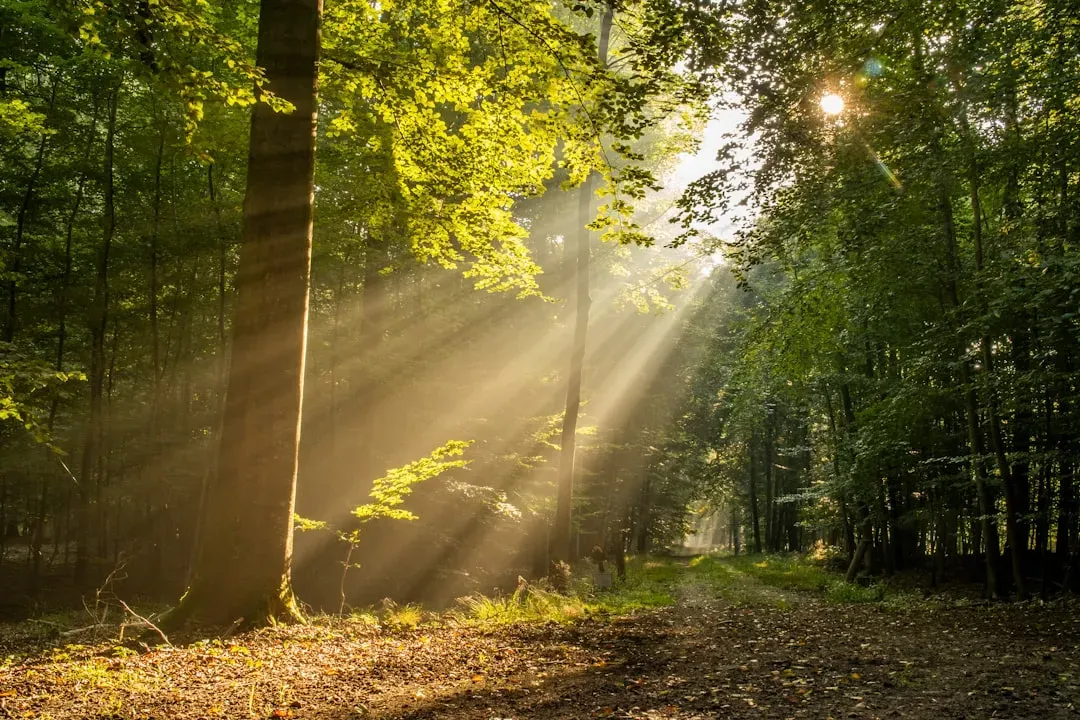
You might think only nighttime darkness matters for sleep, but the light you get early in the day is just as important. When you step outside soon after waking and your eyes are hit with bright, natural light, your internal clock gets a strong signal that “day” has officially started. That sets a timer in your circadian system that influences when, later on, you will feel naturally sleepy. Camping almost forces you into this pattern without trying. You unzip your tent, step into the morning, and your eyes are flooded with far more light than you would ever get in a typical indoor morning. That early exposure makes your brain start a reliable countdown toward sleepiness in the evening, giving you a far smoother glidepath into deep night sleep instead of a sudden crash after a lit-up, overstimulating night.
Sound, Temperature, and Rhythm: How the Outdoors Makes Deep Sleep Easier
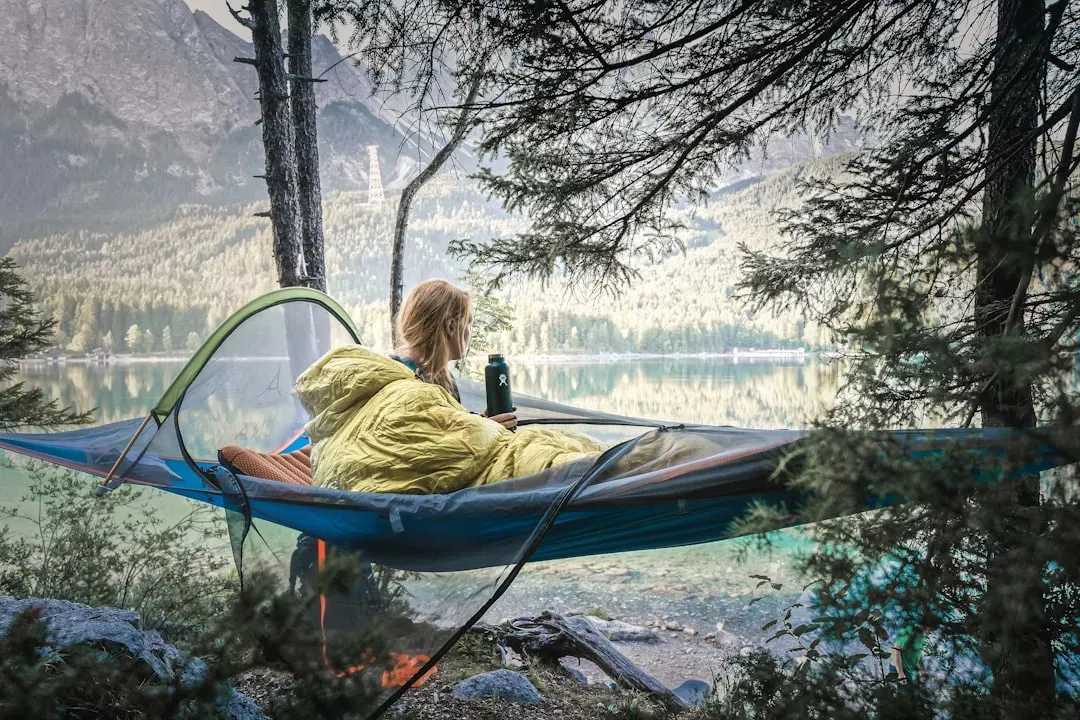
Beyond light, your brain is also tracking subtle environmental cues like sound patterns and temperature. Indoors, the temperature often stays nearly flat across the night, and noises can be unpredictable: sirens, sudden voices, phones buzzing, neighbors slamming doors. Outside, temperatures tend to drop steadily after sunset, and your body is wired to use that cooling as a cue that deeper sleep is appropriate. The soundscape is different, too. Instead of mechanical whirs, traffic, and sudden sharp noises, you hear wind, insects, distant animals, or flowing water – more continuous and rhythmic than jarring. Your nervous system treats these patterns as relatively safe and predictable, so your sleep can cycle more smoothly through deep stages without being constantly nudged toward alertness. You are not just sleeping; you are recovering in a way your physiology recognizes as normal.
What Modern Indoor Environments Quietly Take Away From Your Sleep
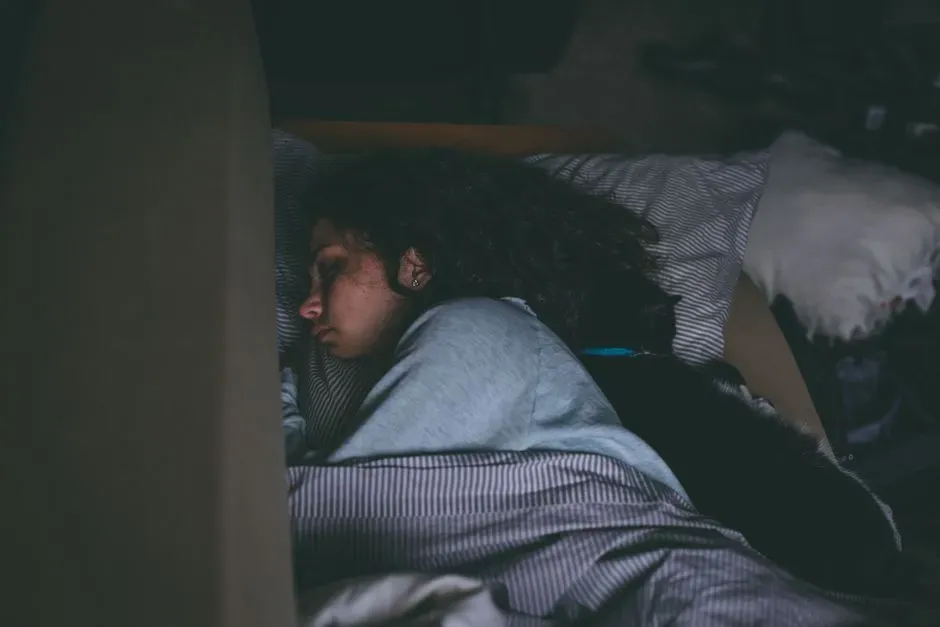
If you zoom out, you can see how modern indoor living systematically strips away the signals your brain uses to create high-quality sleep. You get flatter days with less bright light, evenings that stay brighter longer indoors than they are outside, and nights that are rarely truly dark or quiet. Even if you log enough hours in bed, the timing and depth of your sleep can be blunted by that constant mismatch between your biology and your surroundings. Over time, you may start to think this lighter, more fragmented sleep is just your “normal,” especially if you rely heavily on alarms, caffeine, and screens to push through each day. Wild camping exposes how different your baseline can feel. It shows you that your body is still capable of sinking into heavy, unforced sleep when you put it back into an environment that matches how your circadian system evolved to operate.
How to Borrow the Benefits of Wild Camping Even When You Sleep Indoors
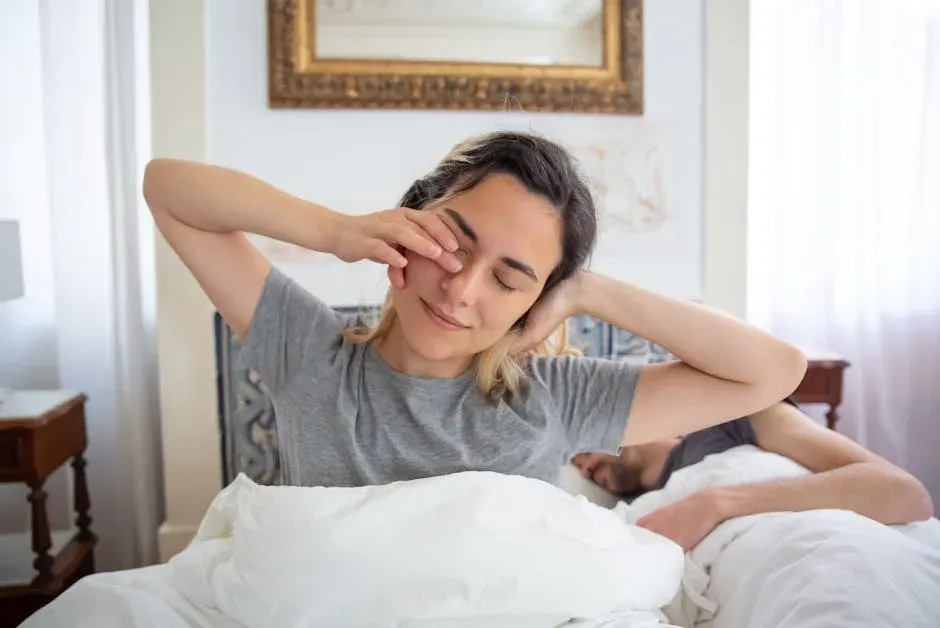
You cannot always pack up and sleep under the stars, but you can import some of the same principles into your daily life. You can start by giving your brain more natural light during the day: get outside soon after you wake, even for a short walk, and avoid spending the entire day under dim indoor lighting. That early light exposure helps shift your body clock earlier and supports a healthier rise-and-fall pattern for your energy. At night, you can deliberately reduce light levels a couple of hours before bed, dim overhead lighting, and keep screens as far away from your eyes as possible when you are winding down. You can also make your bedroom darker and cooler, mirroring what happens naturally when you camp. These changes are not as complete as a wild camping reset, but they move your environment in the same direction your nervous system already prefers.
Using Occasional Wild Camping as a Reset Button for Your Nervous System
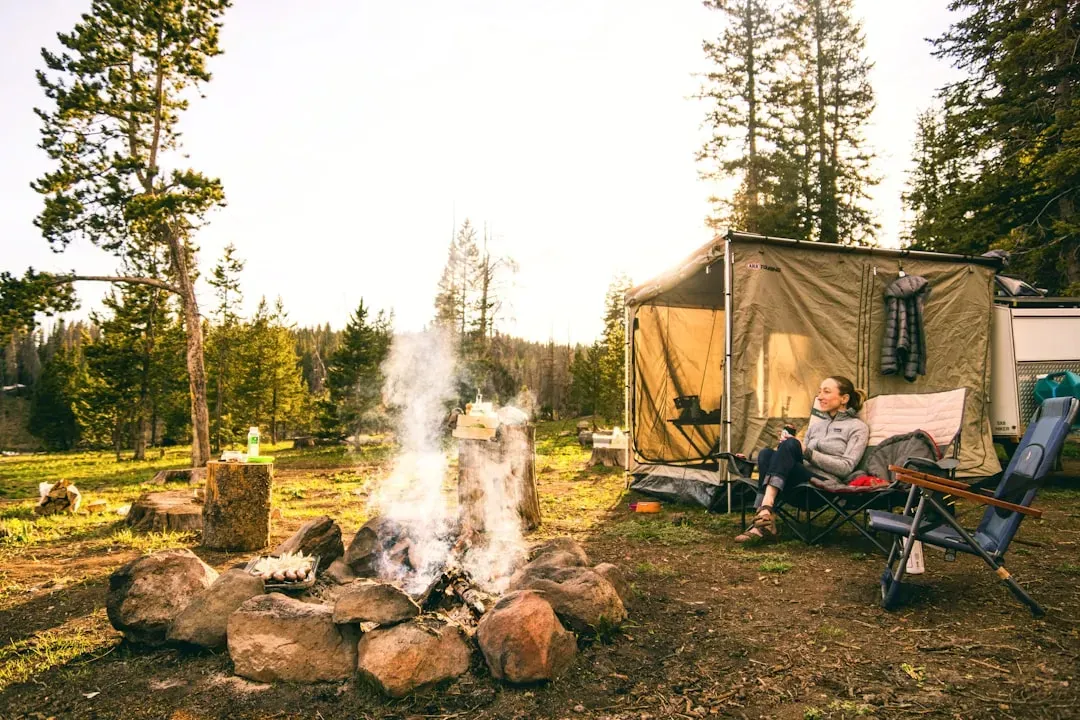
Even if you love your home and your bed, treating wild camping as an occasional reset can be powerful. A long weekend living by real daylight and darkness gives your circadian system a fresh, strong calibration point. When you return to everyday life, you may find it easier to keep healthier sleep timing for at least a while, especially if you protect some of those gains with better light habits. You might also notice more than just better sleep: calmer moods, steadier energy, and a quieter mental background noise level. That is not magic; it is what happens when your brain stops fighting against a mistimed environment and starts working with clear signals again. Over time, you may even begin to see wild camping not only as a recreational escape, but as a kind of maintenance routine for your brain and body.
Conclusion: Relearning How to Sleep Like a Human Animal
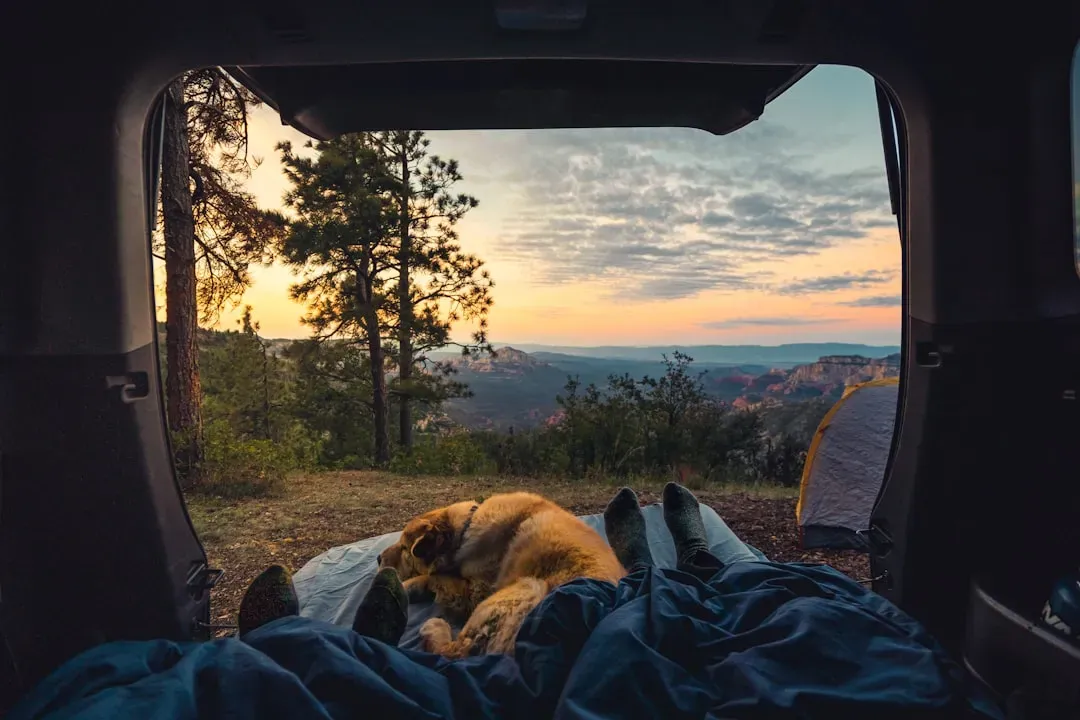
When you camp wild, you are not doing anything exotic; you are simply letting your brain and body operate in conditions they were shaped to understand. Real sunlight, real darkness, rising and falling temperatures, and predictable natural sounds all feed into your circadian system, which then gives you deeper, steadier sleep than most indoor environments allow. Within a couple of days, that system can recalibrate in ways you can feel every morning when you wake up clear instead of foggy. You do not have to reject modern life to reclaim that quality of sleep, but you do need to recognize how much your inner clock still belongs to the sky. If you treat wild camping as both an adventure and a reset, and then bring pieces of that rhythm back home, you give your nervous system a chance to remember what fully restorative sleep actually feels like. The real question is, once you have felt that wild, unforced sleep again, how much are you willing to adjust your everyday environment to keep a piece of it?