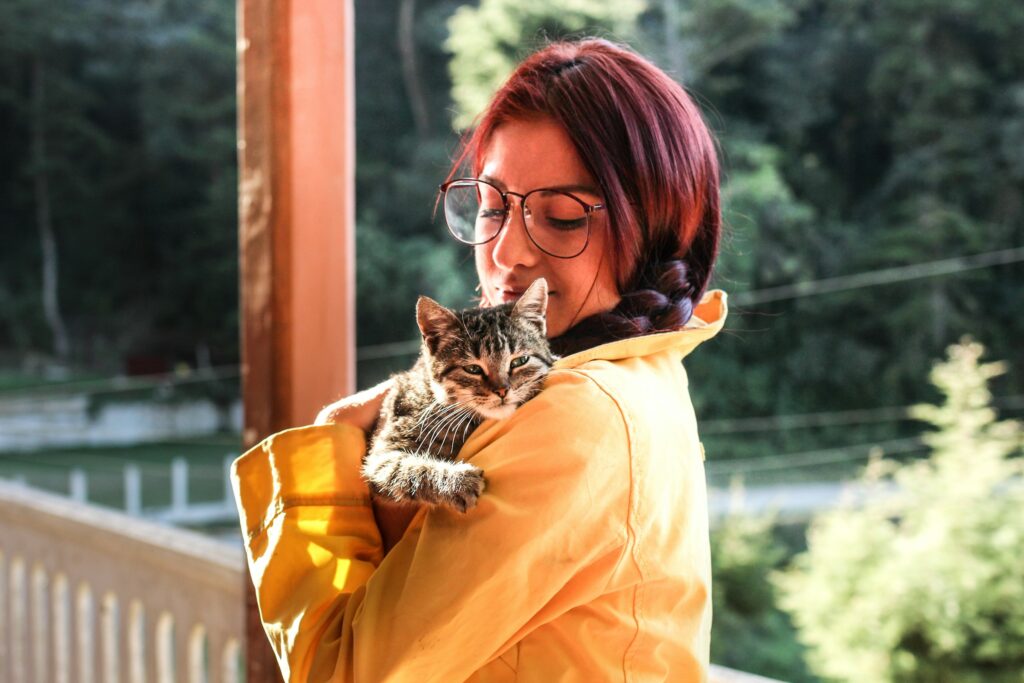

You know that strange, almost magical calm that washes over you when you hold a small animal and feel it relax in your hands? Your shoulders loosen, your breathing slows, and for a moment the world gets quieter. It can feel so soft and subtle that you might assume you’re just imagining it or projecting feelings onto the animal. But what is actually happening inside both of you is far more real, more physical, and more mutual than it appears on the surface. When you cradle a rabbit, a cat, a rat, or a tiny dog against your chest, your nervous system and the animal’s nervous system are not just coexisting in the same space. They’re actively interacting, reading, and reshaping each other’s internal state in real time. You are not only soothing the animal; the animal is also regulating you in a way that does not have a perfect parallel in ordinary human‑to‑human contact. To really understand what you’re feeling, you need to zoom in on how your brain, heart, and hormones respond to that small, warm body in your arms.
Your Heart Rate Really Does Drop – And It’s Measurable

The calm you feel when you hold a small animal is not just a comforting story you tell yourself; it shows up in your physiology in ways scientists can record. When you gently pet or hold an animal, your heart rate tends to slow down, your blood pressure often dips, and your breathing becomes more regular. You might notice that your thoughts feel less frantic and your body feels a little heavier, as if you can finally exhale after holding tension you didn’t even realize was there. If you were hooked up to monitoring equipment during that moment, you’d likely see subtle but clear changes in your autonomic nervous system. Your sympathetic branch, the one that keeps you ready to fight or run, eases off, while your parasympathetic branch, the one that supports rest, digestion, and recovery, becomes more active. You are literally shifting into a calmer internal mode, and that shift tends to track with the warm weight of the creature in your hands and the rhythm of your touch.
The Animal Is Also Calming Down in Response to You
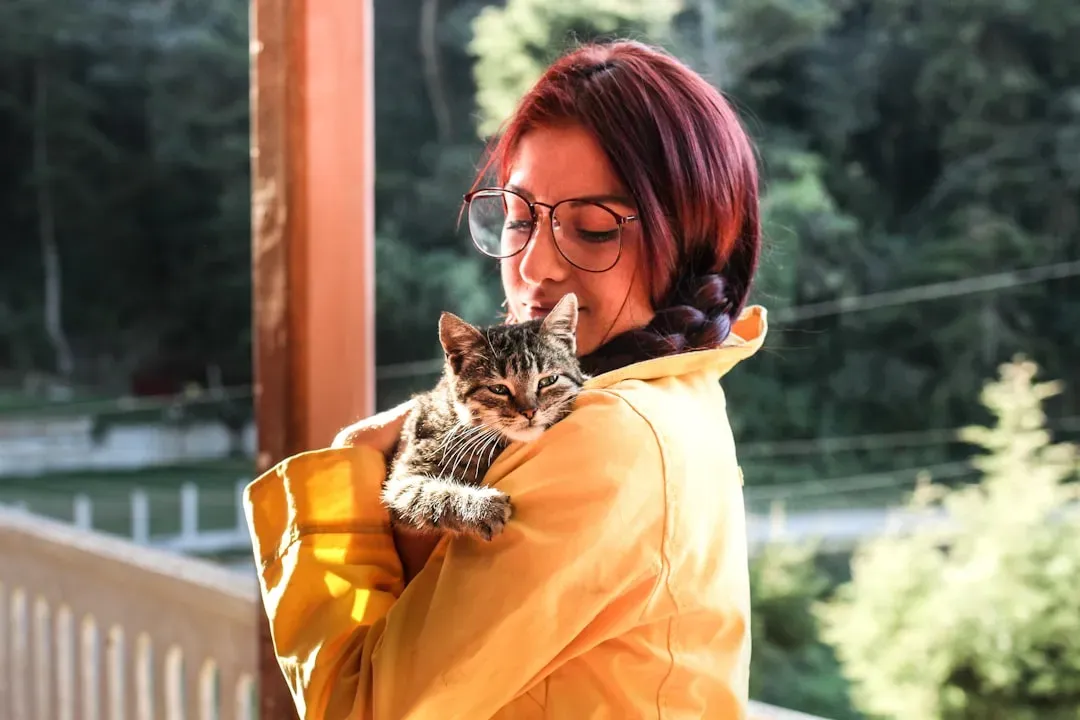
At the same time, that small animal in your arms is not a passive object you are acting upon. Its own heart rate, stress hormones, and muscle tension also change in response to your presence, your scent, and your touch. If you’ve ever felt a small animal start out stiff and wary, then gradually soften and melt into your hands, you have felt that nervous system shift under your fingers. When you offer slow, predictable contact, the animal’s brain begins to treat you less as a possible threat and more as a safe resource. Its stress chemistry dials down, and its body language shifts from guarding and scanning to resting and trusting. In other words, you are not just relaxing near each other; you are actively co‑regulating each other, each nervous system using the other as a signal for whether the world is dangerous or safe in that moment.
Why This Feels Different From Holding Another Human
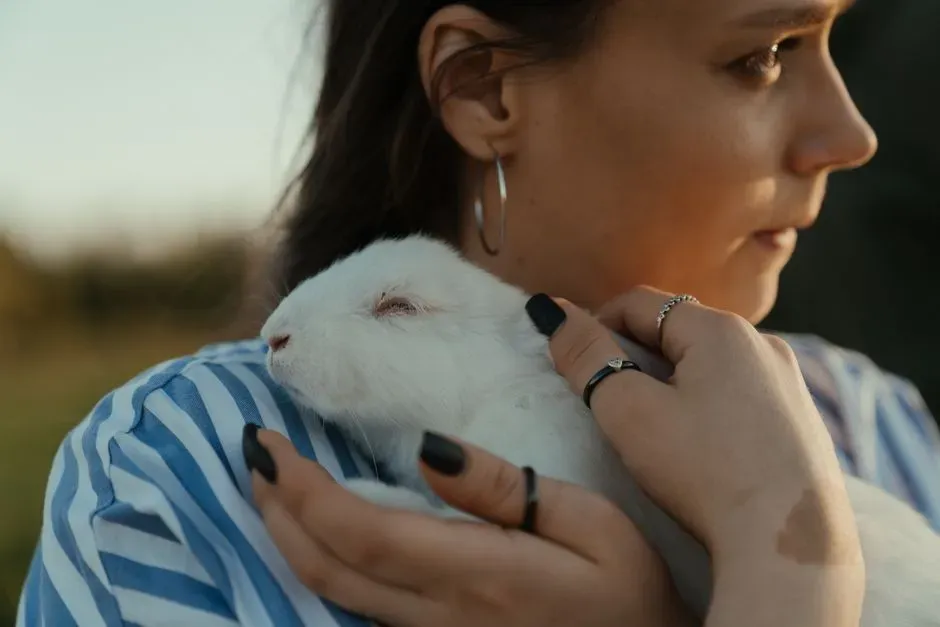
You might wonder why cuddling a small animal often feels subtly different from cuddling another person. After all, you can feel calmer in a partner’s arms too, so what makes this interaction with an animal stand out? Part of the difference is that human‑to‑human contact is layered with language, memory, and social complexity that you simply do not have with an animal. You are usually tracking expectations, history, and unspoken tensions with another person, even when you care deeply about them. With a small animal, the interaction is much more purely sensory and immediate. The animal is not judging you, analyzing your words, or remembering last week’s argument. It is responding to your body heat, your smell, your touch, and your movements in a very direct way. That can make the feedback loop between your nervous system and the animal’s feel unusually clean, simple, and grounding. You are getting a kind of raw, low‑level nervous system conversation that is hard to replicate with another human being.
The Touch Circuit: Skin, Fur, and the Social Calm Pathway

When your hand moves slowly over fur, you’re not just feeling softness; you’re triggering specialized touch sensors in your skin that are tuned for gentle, social contact. These sensors send signals along pathways in your nervous system that are strongly linked to feelings of safety, bonding, and warmth. You might notice your shoulders sinking, your jaw unclenching, and your mind drifting away from constant problem‑solving when you sink into that rhythm of stroking. The animal, in turn, has its own touch system that picks up your slow, predictable contact as a sign that there is no immediate danger. Many mammals, including the small animals you hold, have brains that are wired to interpret slow, gentle stroking as a social safety signal. That signal feeds into circuits that dampen stress responses and promote rest. So with each pass of your hand, you’re not only soothing yourself; you’re reinforcing the animal’s sense that it can let its guard down around you.
Hormones of Trust: Oxytocin, Stress Relief, and Warmth
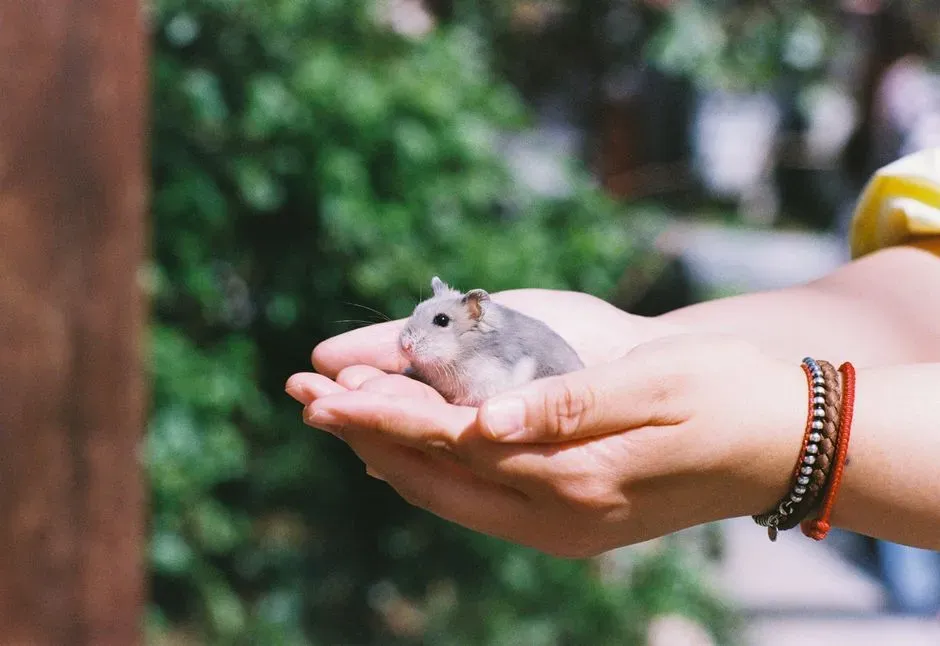
Under the surface of that quiet moment, your body is shifting its chemical mix toward connection and calm. When you engage in affectionate physical contact with an animal you feel safe with, your brain often releases more of the hormone commonly linked with bonding and trust. At the same time, your levels of stress chemicals, which rise when you feel threatened or overwhelmed, tend to move in the opposite direction. The animal’s body is going through a parallel shift. That same combination of pleasant touch, safety, and proximity to a familiar person can boost its own bonding chemistry and ease its internal stress response. Over time, repeated experiences like this can build a kind of learned trust between you and the animal, where both nervous systems more quickly recognize each other as a source of comfort instead of uncertainty.
The Nervous System Conversation You Can’t See
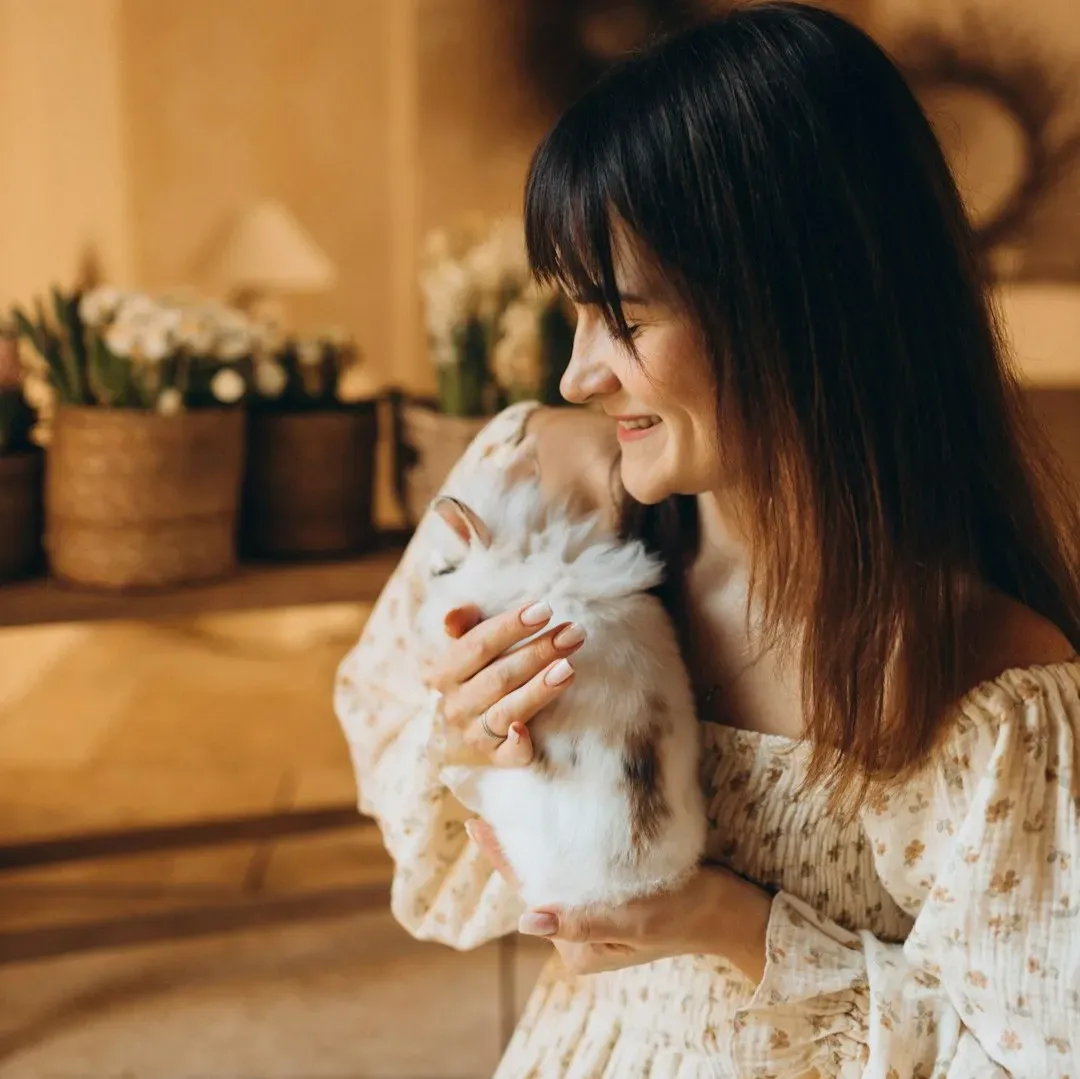
What makes this interaction so fascinating is that much of the communication never reaches your conscious awareness. Your nervous system is constantly scanning subtle cues from the animal: the rhythm of its breathing, the tension in its muscles, the tiny shifts in its posture. The animal is scanning you too, picking up on your movements, your scent, and even tiny changes in how you hold it. Neither of you has to think about this for it to happen; it is an automatic dialogue built into both of your bodies. You might simply notice that when the animal finally sighs, curls in, and stops trying to escape, you immediately feel your own internal noise turn down. That feeling is the end result of a back‑and‑forth adjustment process in which your systems have slowly decided, together, that the situation is safe. In that sense, you and the animal are not just sharing a moment; you are jointly editing the level of threat and calm in each other’s internal world.
Why Your Brain Gives More Weight to an Animal’s Calm
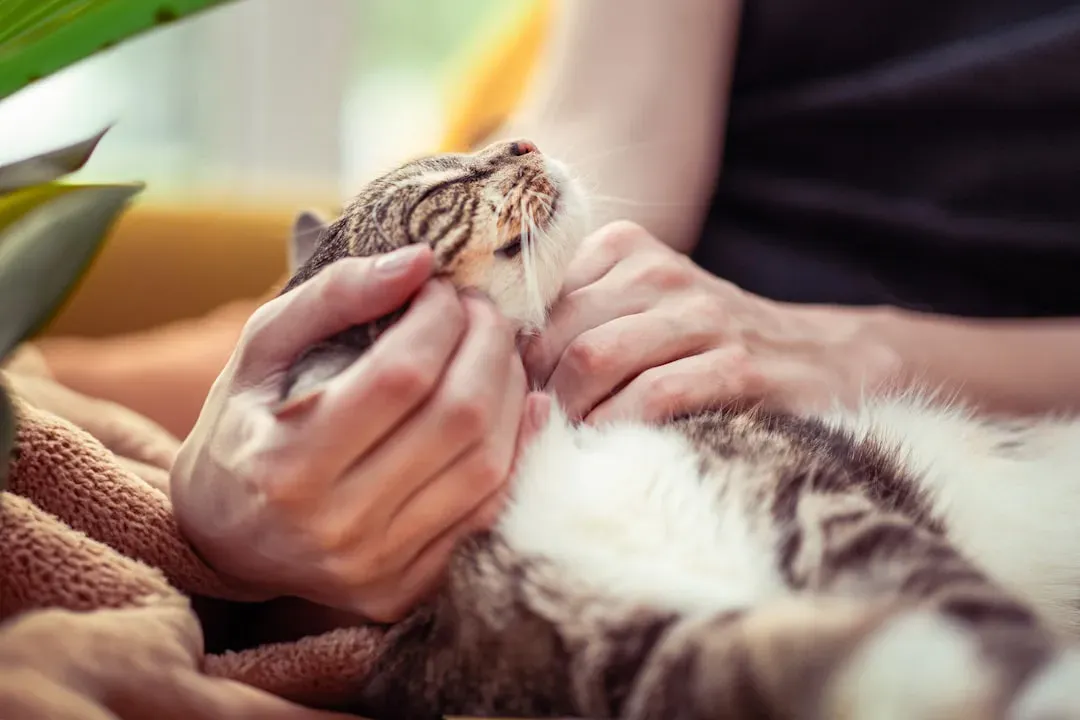
Here’s a subtle twist you might not realize: your brain often treats an animal’s calm as especially trustworthy. Unlike humans, animals are not trying to reassure you with words, politeness, or social scripts. When a small animal is tense, you feel it immediately. When it relaxes, that shift feels honest and unfiltered. Your nervous system knows that this creature is not faking it for your benefit. That honesty can make an animal’s relaxation a powerful safety signal to your own brain. If a prey animal that is naturally cautious decides it is safe enough to relax in your arms, your ancient survival circuits pay attention. You may unconsciously think, if this little creature, who lives by detecting danger, is calm right now, maybe I can let my guard down too. You end up borrowing its sense of safety, and your body updates accordingly.
How You Can Lean Into This Mutual Regulation
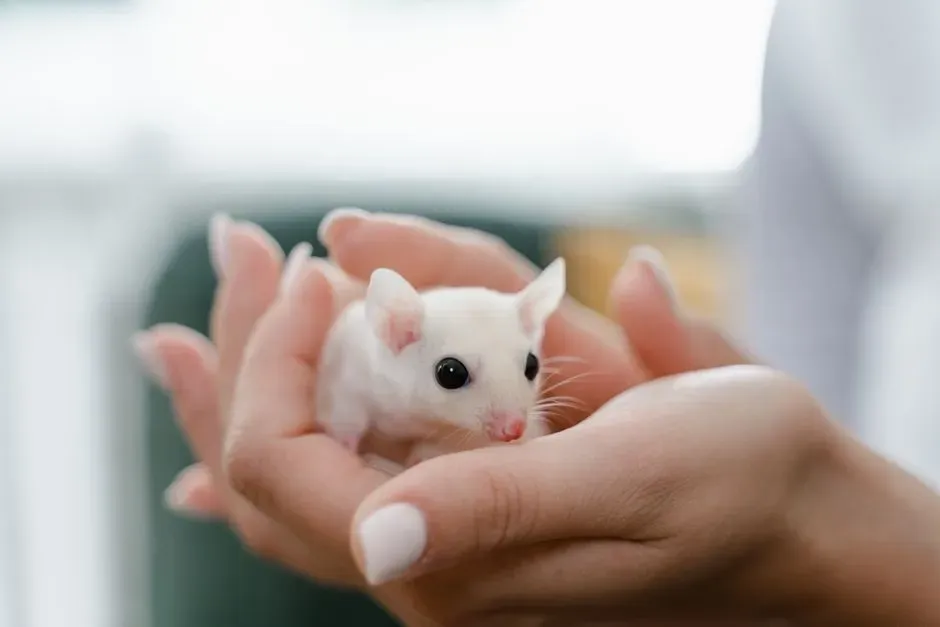
Once you understand that your nervous system and the animal’s nervous system are actively shaping each other, you can be more intentional about how you interact. You can start by paying attention to your own breathing and posture before you pick the animal up. If you slow your breath, soften your muscles, and move more predictably, you’re sending clearer signals of safety right from the beginning, which makes it easier for the animal to calm down. You can also notice and respect the animal’s early signs of discomfort. If you adjust your touch, give it more support, or create a quieter environment, you make it easier for its nervous system to settle. As the animal relaxes, you’ll often feel your own body following along, settling into that shared state. In this way, you turn an ordinary cuddle into a small, intentional practice of co‑regulation for both of you.
This Is Not Magic – But It’s Also Not Just in Your Head
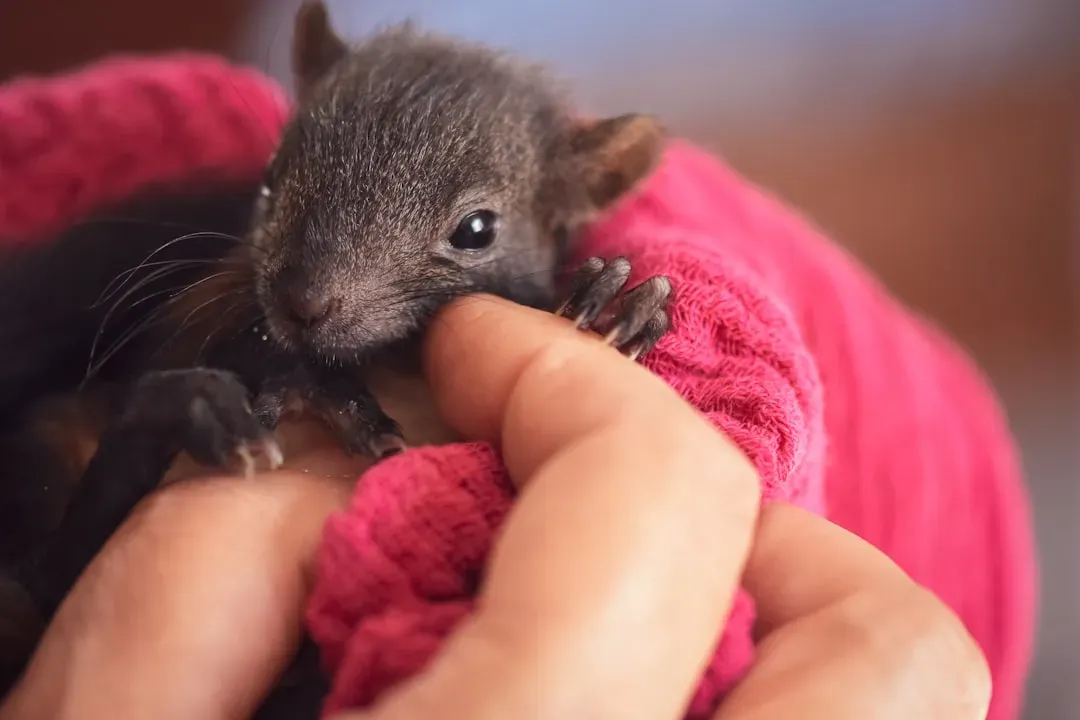
When you hold a small animal and feel your heart rate drop, you are not imagining things or indulging in a sentimental fantasy. You are experiencing a real, physical shift that involves your heart, your hormones, your muscles, and your brain’s deep wiring for connection. The animal is not some passive plush toy in this process; it is an active participant, bringing its own ancient survival systems into the interaction and reshaping your internal state in return. What you feel in those quiet moments is a kind of cross‑species nervous system duet that simply has no perfect human‑to‑human equivalent. You can, of course, feel deeply soothed by another person, but it will always be layered with language, history, and social complexity that animals do not bring. Holding a small animal lets you touch a simpler, more direct form of mutual regulation. The next time you feel that wave of calm wash over you with a tiny heartbeat pressed against your chest, you might ask yourself: did you really calm the animal, or did you both rescue each other for a moment?