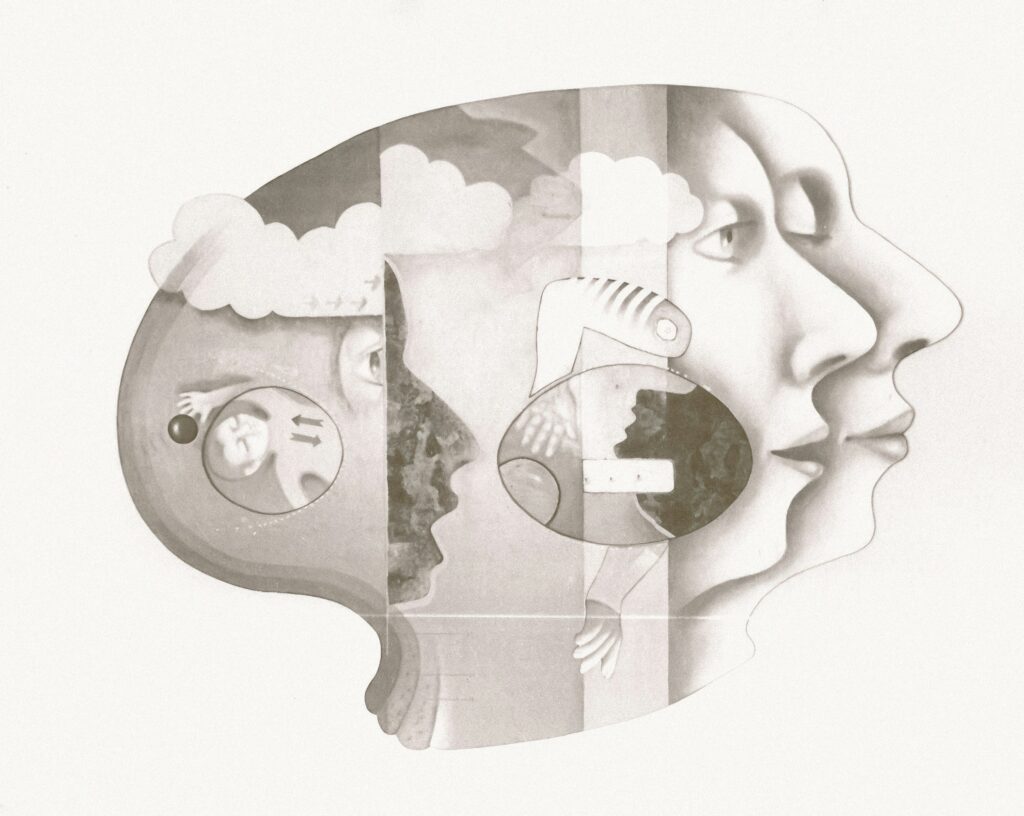

You know that weird moment when you walk into a room and instantly think, Wait… what was I doing? For a second it can feel a bit scary, like your brain just glitched. A lot of people quietly wonder: Is this how dementia starts? Am I losing it? The truth, according to modern neuroscience, is far more interesting and far less terrifying. In many cases, that blank moment is not a sign of failure at all, but a sign that your brain is doing some heavy-duty housekeeping behind the scenes.
Instead of imagining your mind as a filing cabinet that is slowly losing folders, it helps to picture it more like a smart inbox that auto-cleans so you do not drown in useless messages. The human brain is constantly filtering, updating, and sometimes deleting information to keep you focused and safe. That little “why did I come in here?” lapse may actually be your brain preventing cognitive overload, not falling apart. Once you see how this works, those forgetful moments stop feeling like red flags and start looking a lot more like built-in protective features.
The Doorway Effect: Your Brain’s Built‑In Scene Change
Here is a surprising twist: walking through a doorway is one of the most studied “forgetfulness triggers” in everyday life. Researchers have found that crossing from one room to another can prompt your brain to treat it like a new scene, almost like jumping to the next episode of a show. When that happens, information from the previous “scene” can get pushed to the background to make room for what might matter more in the new space. So you walk into the kitchen, your brain quietly files away the bedroom intention, and suddenly your purpose disappears from conscious awareness.
This is sometimes called the doorway effect, and it is not a flaw; it is a feature. Your brain has evolved to rapidly update context when environments change, because different spaces usually mean different threats, tools, and opportunities. A cave, an open field, and a crowded marketplace all demand different priorities. Modern rooms are just the 2026 version of that same ancient problem. When you change rooms, your brain is guessing that what mattered five seconds ago might not be as important now, and it adjusts accordingly. Sometimes it guesses wrong, and you end up staring at the fridge with no clue why you are there.
Memory as a Compression Algorithm, Not a Perfect Recording
We like to believe memory works like a video camera, faithfully recording what happens, ready to be played back on demand. Neuroscience has repeatedly shown that this comforting picture is wrong. Memory behaves more like a clever compression algorithm, storing the gist of what matters and ruthlessly discarding the details that do not. Your brain is less interested in accurate replay and more interested in usable patterns that help you survive, decide, and adapt quickly. That means some things will be blurred, dropped, or reshaped on purpose.
When you forget why you walked into a room, it is often your compression system at work. The specific intention – grab the charger, put clothes in the dryer, check the noise – might be treated as low priority unless it is emotionally charged or tightly tied to a strong cue. If something distracts you on the way, your brain compresses the whole episode into something vague and fuzzy because it predicts that those details do not matter much in the long run. It is annoying in the moment, but from an energy-saving standpoint, it is incredibly efficient.
Your Brain’s “Delete” Button Protects You From Cognitive Overload
Every day, your senses bombard your brain with an absurd amount of information: colors, sounds, notifications, conversations, worries, plans, and random thoughts. If you had to consciously remember all of it, you would never get anything done. Cognitive overload is what happens when the mental inbox gets too full, and the system slows, crashes, or misfires. To prevent this, the brain has evolved powerful filters that constantly trim what reaches your awareness and what sticks in memory. This pruning is not optional; it is essential for staying functional.
In that light, forgetting why you walked into a room is like your brain hitting the delete key on one tiny open tab to keep the entire computer from grinding to a halt. It may feel like a failure, but it is actually part of a bigger strategy to protect your limited attention and working memory. Rather than hoarding every intention, your brain aggressively prioritizes. It keeps the truly important, emotionally meaningful, or repeatedly practiced information, while letting the forgettable stuff fade fast. That is not defective memory – it is defensive memory.
Why Forgetting Little Things Is Not the Same as Early Dementia

Here is the part that eases a lot of anxiety: occasional, context-based forgetfulness is not the same as the pathological changes seen in dementia. In conditions like Alzheimer’s disease, there is progressive damage to brain cells and their connections, especially in regions involved in forming and retrieving new memories and managing complex thinking. People may struggle to remember recent conversations, get lost in familiar places, or find it hard to follow simple steps that used to be automatic. The pattern is persistent, worsening over time, and interferes with daily life in a serious way.
By contrast, walking into a room and blanking, then remembering a minute later – or laughing when retracing your steps jogs your memory – is a normal human glitch. It is often tied to distractions, multitasking, stress, or just being preoccupied with something else. The key difference is that normal forgetfulness is intermittent, usually improves with cues, and does not steadily erode your ability to function. If anything, it reflects a brain that is actively filtering, not one that is globally shutting down. Of course, if memory problems feel constant or alarming, talking with a doctor is wise, but that one lost intention in the hallway is not itself a diagnosis.
Attention, Distraction, and the Price of Modern Multitasking
There is another villain in this story that is easy to overlook: modern life itself. Phones buzz, apps ping, and half the time we are juggling three things in our heads while trying to do a fourth. Neuroscience is very clear that attention is limited. When you divide it, you do not magically run four mental programs at full power; you just keep rapidly switching between them, losing information each time you shift. Walking into a room with your phone in your hand, a podcast playing, and a worry looping in your mind is the perfect recipe for forgetting your original purpose.
In that sense, those little lapses are often the price we pay for chronic distraction, not a sign that aging is steamrolling our brains. When your attention is scattered, the brain never gets a solid chance to encode your intention in the first place. It is like scribbling a note on a fogged-up mirror and expecting it to last. One of the simplest “memory hacks” is really just an attention hack: pause at the doorway, mentally name what you are doing, and give it a full second of focused awareness. You will be surprised how often that tiny moment of attention keeps the thought from being auto-deleted.
Sleep, Stress, and the Brain’s Nightly Housekeeping

Healthy forgetting does not just happen in the moment; a lot of the cleanup occurs while you sleep. During deep sleep, the brain replays, reorganizes, and consolidates memories, deciding what to keep and what to prune. At the same time, physical cleanup processes help clear metabolic waste that builds up in the brain during the day. When sleep is chronically cut short or fragmented, both memory formation and cleanup suffer. You wake up less refreshed, more scattered, and more likely to blank out on small tasks and intentions.
Stress piles on top of that. High, ongoing stress floods the brain with stress hormones that can disrupt areas crucial for memory, like the hippocampus and prefrontal cortex. The result is that everyday forgetfulness feels amplified: names vanish, tasks slip away, and you feel mentally foggy. That does not automatically mean permanent damage; it often reflects a system working far beyond its comfort zone. Getting decent sleep, managing stress with real strategies rather than just powering through, and giving your brain off-duty time are not wellness clichés – they are basic maintenance for a mind that is trying to protect you from overload.
How to Work With Your Brain’s Filters Instead of Fighting Them

If your brain is going to filter and delete anyway, you might as well learn to cooperate with it. One of the most effective ways to do that is to create strong cues and simple external supports. Writing things down, using a small number of consistent reminders, keeping objects in predictable places, and building tiny rituals – like always putting your keys in the same bowl – turns memory into a team effort between your brain and your environment. These strategies reduce the cognitive load, so your mental filters do not feel the need to toss out useful intentions as aggressively.
You can also lean into repetition and meaning. The brain loves patterns and significance: the more emotionally relevant or personally important something feels, and the more often you mentally rehearse it, the more likely it is to persist. Saying your reason out loud as you walk into a room, connecting it to a bigger goal, or imagining yourself completing the task can boost its chances of survival. Instead of demanding that your brain act like a flawless hard drive, you treat it like what it really is: a living, changing, somewhat messy system that does better when you meet it halfway.
When Forgetfulness Is a Red Flag – and When It Truly Is Not

All of this said, there is value in knowing when forgetfulness does deserve attention. Warning signs typically include consistently forgetting important conversations or events, getting lost in familiar settings, struggling to follow simple recipes or instructions you used to handle easily, or loved ones noticing major changes in your memory, mood, or judgment. These patterns go beyond occasionally losing track of why you opened a closet door. They interfere with work, relationships, and independence in a way that feels new and worrying over months, not just days.
On the other hand, normal forgetfulness looks more like misplacing your phone, blanking on a word and then remembering it later, or walking into the bathroom and realizing you have no idea why you are there until you retrace your steps. It might be annoying, but it is sporadic, often tied to being tired, stressed, rushed, or distracted, and it usually resolves with a hint or two. Personally, I have lost count of how many times I have walked into the kitchen, stared into space, and then suddenly remembered my mission only after I walked back out. That experience might feel unsettling in the moment, but science suggests it is closer to a healthy filter at work than a sign your brain is collapsing.
Conclusion: Forgetting the Little Stuff May Be Your Brain’s Smartest Move
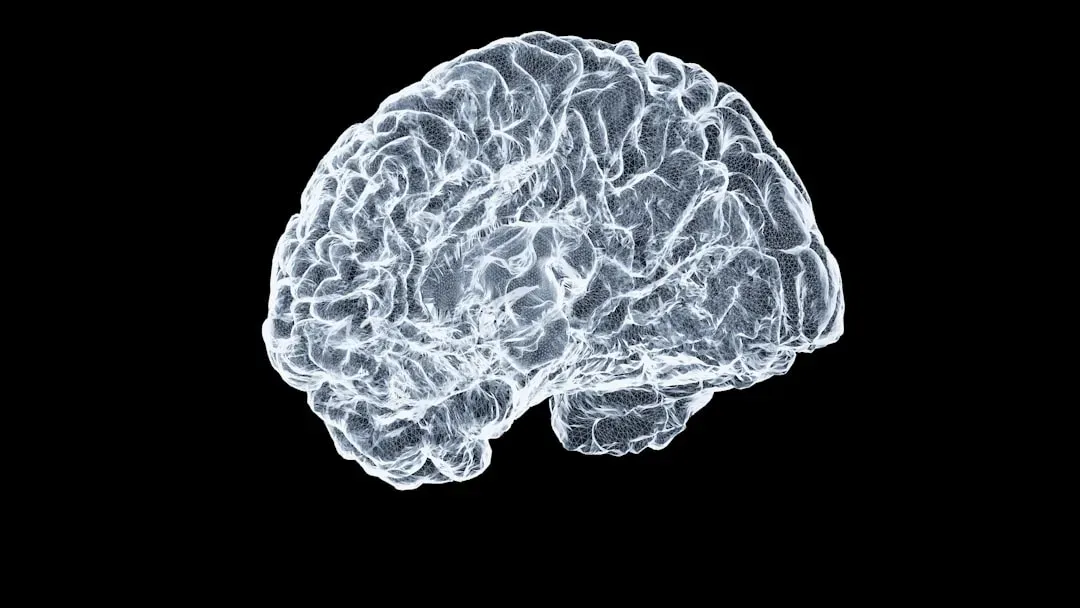
Here is the opinionated truth: we have been way too quick to pathologize ordinary forgetfulness and way too slow to respect the brain’s brutal efficiency. The same system that sometimes makes you pause in a doorway with a blank mind is the system that protects you from drowning in irrelevant noise and mental clutter. Forgetting why you walked into a room, in isolation, is not a preview of early dementia; it is a side effect of a brain that is constantly editing, compressing, and rewriting to keep you functional in a world that throws far too much at you. The real villains are chronic overload, distraction, stress, and lack of rest – not the occasional lost intention.
If anything, those awkward little memory slips are a quiet invitation to treat your brain with more respect, not more fear. They nudge you to slow down, focus on fewer things at once, sleep properly, and create a life that does not demand superhuman recall to function. Instead of panicking every time you walk into a room and forget why, you can see it as a reminder that your mind is busy doing triage on your behalf. The deeper question is not “What is wrong with my brain?” but “How can I make my life less hostile to it?” And honestly, given what your brain does for you every second, does that not seem like the least you can do?