

You know that weird moment when you step into a forest, do nothing special, and somehow your whole body just… shifts? Your shoulders drop, your jaw unclenches, and your breathing goes from rushed and shallow to slow and deep, all before your brain has even caught up. It feels like the forest is doing something to you, and as strange as that sounds, modern neuroscience is basically saying: yes, it is.
We tend to think we relax first and then our breathing changes, as if calm thoughts politely ask our lungs to chill out. But the emerging picture is almost the reverse: your breath often changes first, driven by sensory input from the environment, and that shift in breathing then pulls your nervous system toward relaxation. In a forest, the air itself is part of the trigger, long before you have time to “decide” anything. Once you understand that, a walk in the woods stops feeling like a luxury and starts looking more like a clever hack for your brain and body.
The Forest Changes Your Breathing Before You “Decide” Anything

The surprising thing is that your body starts adapting to a forest within seconds, usually outside of conscious awareness. Light levels drop, temperature shifts, sounds become softer and more irregular, and the air feels thicker and wetter against your skin. Your brainstem, which is always scanning for safety or threat, reads these signals and quietly dials down its threat response when things seem safe enough.
When your brainstem sees “safe,” it often lets the autonomic nervous system loosen its grip, and one of the first places that shows up is in your breathing. In practice, that looks like your exhale getting a bit longer, your breaths becoming slightly deeper, and your overall breathing rate dropping, even if you are not trying to do any technique. So when you notice, a few minutes into a forest walk, that you are breathing differently, what you are really noticing is a process that started a few steps ago without asking for your permission.
Breathing Is Not Just a Symptom of Relaxation – It Is a Switch

Most people think of breathing as a thermometer: it just reports how stressed or calm you are. Neuroscience treats it more like a thermostat: it can change the temperature, not just display it. Regions in the brainstem, especially in and around an area that coordinates breathing rhythms, are directly wired into circuits that control your level of arousal, emotional tone, and even how vigilant you feel.
That means when your breathing spontaneously slows and deepens, it is not simply reflecting a calmer state; it is actively steering your nervous system toward that calmer state. In the forest, your body gets nudged into a breathing pattern that naturally engages the “rest and digest” side of the nervous system. Your mind may think the forest relaxed you and your breath followed, but from the body’s perspective, the breathing change is part of what is doing the relaxing.
Why Slower, Deeper Breaths Signal Safety to the Nervous System

Your body treats breathing patterns like a continuous safety report. Fast, shallow breaths are associated with threat, effort, and pain, so the nervous system pairs them with higher heart rate, more cortisol, and a more anxious state of mind. Slower, deeper breaths, especially with longer exhales, usually show up when an organism is safe enough to recover, digest, or even sleep, so the nervous system has learned to pair that pattern with downshifting stress systems.
This is why practices like breathwork, meditation, and yoga lean heavily on elongating the exhale and slowing the breath: they are deliberately sending “it is safe enough to relax” messages up through the body’s wiring. In a forest, something similar happens involuntarily. Your breath becomes just a bit more like the “safe mode” template, and that shift in rhythm sends feedback to the brain that it can afford to soften vigilance, reduce muscle tension, and let your internal alarms quiet down.
The Vagus Nerve: The Relaxation Highway Your Breath Rides On

If slower breathing is the door, the vagus nerve is the hallway it walks down. The vagus is a major nerve running from the brainstem down through your chest and abdomen, carrying a lot of “status updates” between your organs and your brain. When you extend your exhale and let your diaphragm move fully, you stimulate branches of this nerve, which in turn increases what researchers often call vagal tone, a marker of flexible, resilient calm.
Higher vagal tone is linked to steadier heart rhythms, lower baseline anxiety, better digestion, and a greater capacity to recover from stress. Forest environments, by unconsciously nudging you toward slower, deeper breathing, may be quietly exercising this nerve like a muscle at the gym. You walk the path, your vagus nerve gets a workout, and your whole system feels more grounded, even if your conscious mind is just thinking about how pretty the moss looks on the tree trunks.
Forest Air Is Not Inert: Phytoncides and Plant Compounds in Every Breath
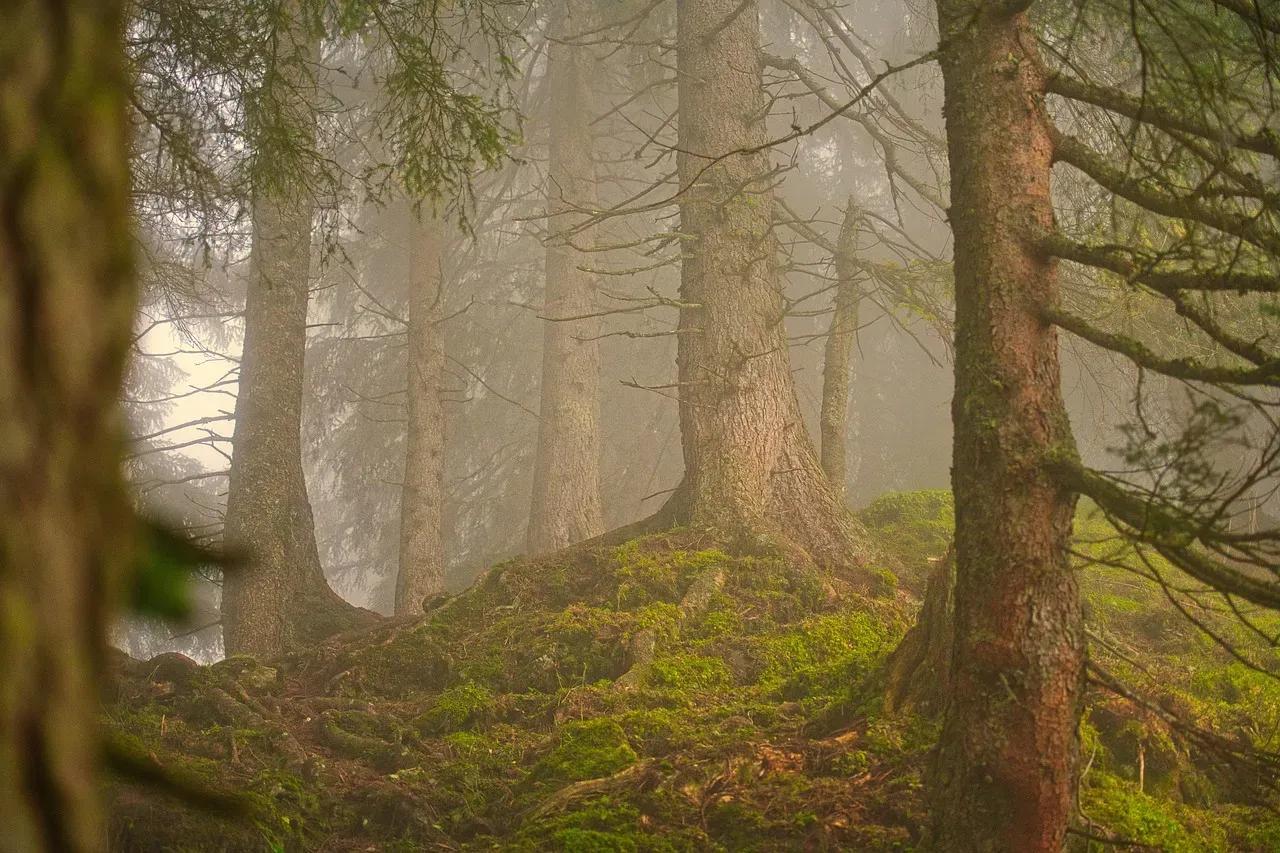
Here is where the forest gets even more interesting: the air is not just cleaner or cooler; it is chemically different. Trees and plants emit volatile organic compounds, often called phytoncides, which are basically aromatic chemicals they use for their own defense and communication. When you smell that deep pine scent or the slightly sweet, earthy aroma of leaves and soil, you are literally inhaling a cloud of bioactive molecules.
Studies on forest bathing suggest that exposure to these compounds is associated with changes in immune markers, such as increases in certain natural killer cell activities, and shifts in stress hormones like cortisol. While the exact pathways are still being mapped out, there is evidence that these plant-derived compounds can influence the nervous and endocrine systems. In other words, the forest is not just a nice backdrop; its chemistry is interacting with your biology, breath by breath.
The Compounds in the Air Likely Nudge Your Body Before Your Mind “Settles”
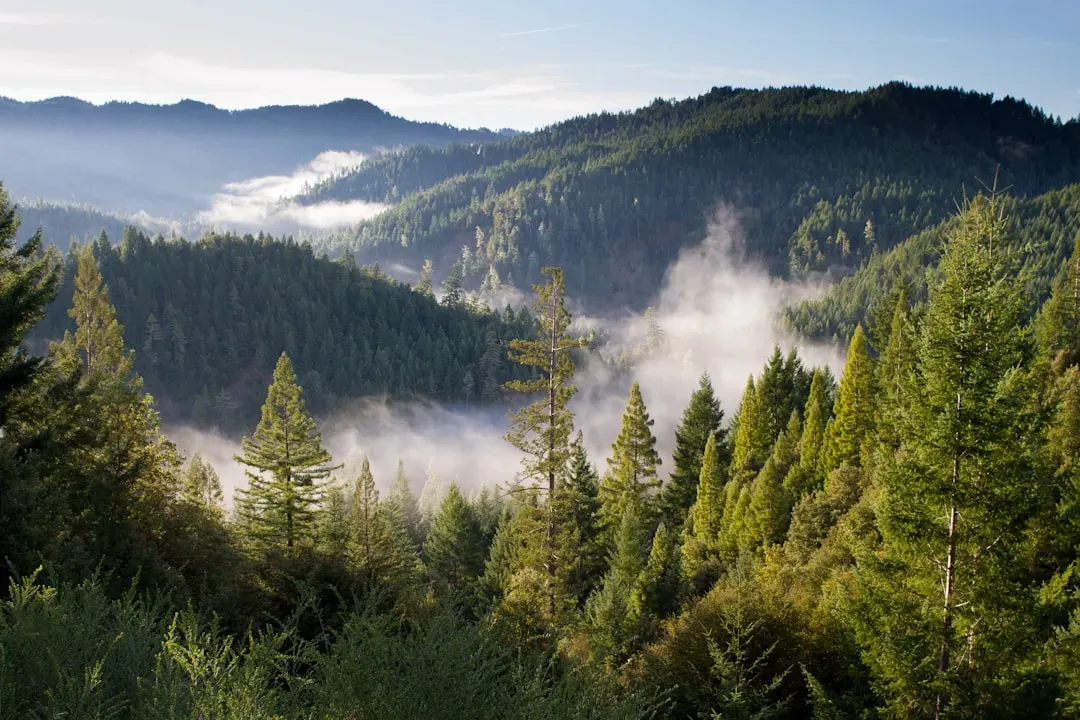
What is fascinating is that many of the effects linked to forest exposure appear before you have spent enough time there to consciously wind down. You do not need to journal, process your thoughts, or even like nature for your physiology to start responding. The moment those plant compounds hit receptors in your nose and lungs, they begin sending signals into your brain and bloodstream, adding another layer of input that often leans in a calming direction.
Your nervous system is constantly integrating visual signals, sounds, smells, temperature, humidity, and internal states like hunger or fatigue. When a forest saturates that input stream with cues of safety and natural chemical signals, the balance of evidence tilts away from “urgent threat” and toward “relative safety.” That shift can alter breathing patterns before your conscious mind has even decided how it feels about the place. So your deeper, slower breaths are not just a side effect of “feeling relaxed”; they may be one of the earliest steps in getting there, sparked by what you are literally inhaling.
More Than Just Pretty Scenery: Sensory Overload vs. Sensory Relief

Urban environments bombard you with hard edges, sudden noises, and constant micro-demands on attention, from traffic to screens to signage. Your brain has to keep its filters on high alert just to function, and that constant background tension often shows up as slightly faster breathing, more muscle tension, and a harder time downshifting into rest. The city, in that sense, is like a never-ending notification bar in your nervous system.
Forests flip that script. Visual input is softer and more fractal, sounds are often rhythmic or gently random, and the overall intensity of stimuli tends to be lower and less threatening. Your sensory systems finally get to lower the volume, which reduces the pressure on your stress circuits. One of the first places that easing shows itself is your breath: your body takes advantage of the relative quiet to explore slower, deeper breathing, and from there, the rest of your physiology can follow suit.
Breathing, Emotion, and the Brain: A Two-Way Street

We often treat thoughts and feelings as if they live entirely in our heads, with the body as a passive passenger. In reality, breathing is one of the main ways your body talks back to your brain about how you are doing. Signals from your lungs, chest wall, and diaphragm travel up to regions involved in emotion and awareness, including areas that help create your conscious sense of mood and self.
That is why intentionally changing your breathing, even in a neutral room, can alter how anxious, sad, or steady you feel. In a forest, you are not intentionally doing anything, but your body is still tweaking the dials. The slower, deeper breaths feed different patterns of input into your emotional brain, which can shift your mood even if your life situation is identical to what it was thirty minutes earlier. It is not magic; it is a feedback loop that happens to be very sensitive to your environment.
How to Let the Forest Do More of the Work (Without Turning It Into a Project)

One of the most powerful things about this whole mechanism is that you do not need to treat it like homework. You do not have to track your breaths, optimize your heart rate, or turn your walk into a self-improvement ritual. In fact, trying too hard can pull you back into your head, which is the opposite of what your nervous system is quietly trying to do for you.
Instead, think of it like getting out of the way of a helpful process that is already built into your biology. Give yourself enough time among trees, move at a pace where you are not out of breath, and let your attention wander without forcing it. Your body is pretty good at detecting safety, adjusting breathing, and using that breathing shift to settle your system, especially when the air is packed with plant compounds that support the same direction. The less you micromanage, the more those invisible levers can do their job.
Conclusion: The Forest Is Not Just a Backdrop, It Is a Co-Author of Your Calm

I am convinced we have been getting this backwards for years. We talk as if we go into a forest, calm ourselves down, and our breathing dutifully follows along like a loyal dog. The science-leaning view looks almost opposite: the forest hits your senses and your chemistry, your breathing quietly responds, and that breathing change drags your mind into a calmer state whether you intended it or not. The forest is not just where you relax; it is actively participating in how you relax.
Does that mean forests are a cure-all or that every walk among trees will erase your anxiety or grief? Of course not, and pretending otherwise would be dishonest. But it does mean that your body has built-in wiring that uses breath as a lever and natural environments as a kind of gentle software update, and it is a mistake to ignore that. Next time you step under a canopy of leaves and notice your breath slowing down uninvited, you might see it not as a side effect, but as the main show – what do you think might change in your life if you treated that shift as a feature to be used, not a coincidence to be overlooked?