

Is it possible that a wagging tail can reach parts of the human brain that human company simply does not touch? Over the last decade, researchers have quietly been gathering evidence that living with a dog, especially for the first time, can reshape how our social brain fires, even when life feels cut off and lonely. The idea sounds almost unfair: you can text friends, jump on video calls, and still feel hollow, but then a muddy-pawed stranger with floppy ears walks in and your brain literally begins to wire itself differently.
What makes this even more fascinating is that the strongest effects often show up in people who have never owned a dog before and who are going through some kind of isolation – physical, emotional, or both. Within weeks, scanners start to pick up changes in brain regions linked to bonding, empathy, and reward. Meanwhile, controlled studies where people increase human contact alone, without an animal, often show smaller or less consistent effects. That does not mean dogs are better than humans, but it does suggest our brains respond to them in a very particular, deeply primal way.
The Social Brain: Why Isolation Hits Harder Than We Think

Humans are wired to connect; our brains treat social connection almost like food or sleep. When we are cut off from others, areas involved in threat detection, stress, and rumination can become overactive, while networks linked to reward and motivation grow sluggish. Neuroscientists sometimes describe prolonged loneliness as a kind of chronic stress that quietly reshapes both brain chemistry and structure over time.
During isolation, this shift is not just emotional; it is biological. Stress hormones rise, sleep quality worsens, and people often become more sensitive to rejection, which makes it even harder to reach out. The result can be a feedback loop: isolation changes the brain in ways that make social interaction feel more draining, which then deepens the isolation. That is partly why simply telling lonely people to “just see friends more” often fails – the brain state that isolation creates is not neutral; it can push people away from exactly what they need.
What Neuroscientists Mean by “Social Connectivity Circuits”
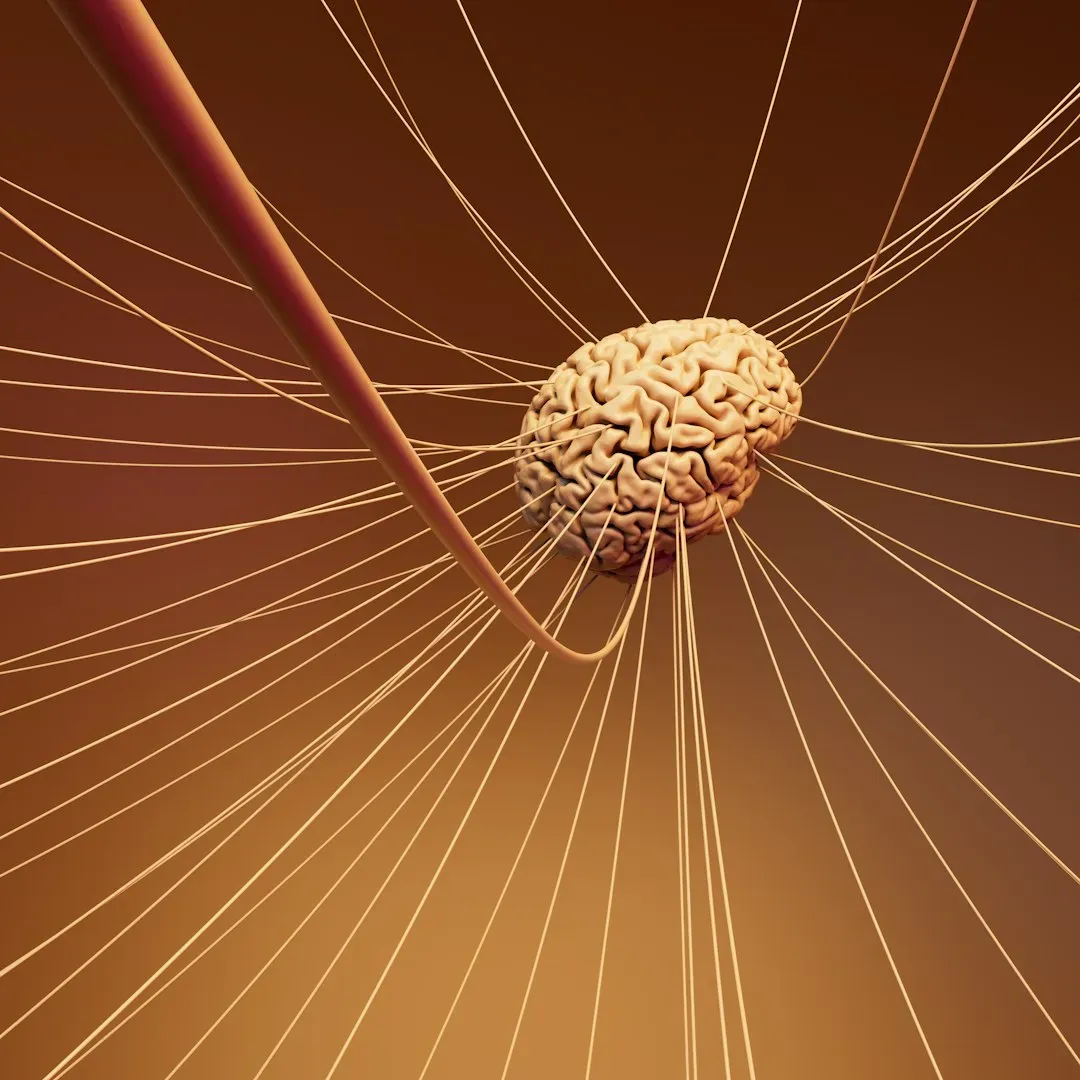
When scientists talk about “social connectivity circuits,” they are not talking about a single button in the brain that flips from lonely to happy. Instead, they are referring to a loose, interconnected network of regions that light up when we recognize faces, read emotions, anticipate reward from connection, or feel safe with someone. This network can include parts of the prefrontal cortex, the amygdala, the anterior cingulate, reward hubs like the nucleus accumbens, and systems using chemicals such as oxytocin and dopamine.
Connectivity in this context means how strongly these areas talk to each other, at rest and during social tasks. In imaging studies, people who feel more socially supported tend to show stronger, more efficient communication in some of these networks. People who feel chronically rejected or isolated often show either blunted responses to social reward or heightened sensitivity to threat, especially in the amygdala. So when researchers say a dog changes social connectivity circuits, they usually mean that the patterns of activity and coordination in these regions shift in ways that look more like a brain that expects warmth and connection, and less like a brain stuck in defense mode.
Why First-Time Dog Ownership Can Hit the Brain Like a Social “Reset”

For people who have never owned a dog, getting one during a lonely stretch can feel like suddenly being dropped into a new social role: caregiver, protector, playmate, translator of barks and tail wags. That jolt of novelty matters. The brain pays special attention to new, emotionally loaded experiences, and first-time dog ownership is both deeply new and deeply emotional. It asks for daily actions that feel meaningful: feeding, walking, training, and just noticing another creature’s needs.
Because of that, the brain’s learning and reward systems are recruited intensely right from the start. Each time the dog responds to a cue, curls up next to you, or races to the door when you come back, circuits involving reward, attention, and social processing fire together. Over weeks, this repeated co-activation can strengthen pathways linked to caregiving and bonding. In plain language: your brain starts to expect that reaching out and engaging with another being actually works, and that expectation is the beginning of emotional reconnection.
Dogs as Emotional Catalysts: Oxytocin, Touch, and Eye Contact
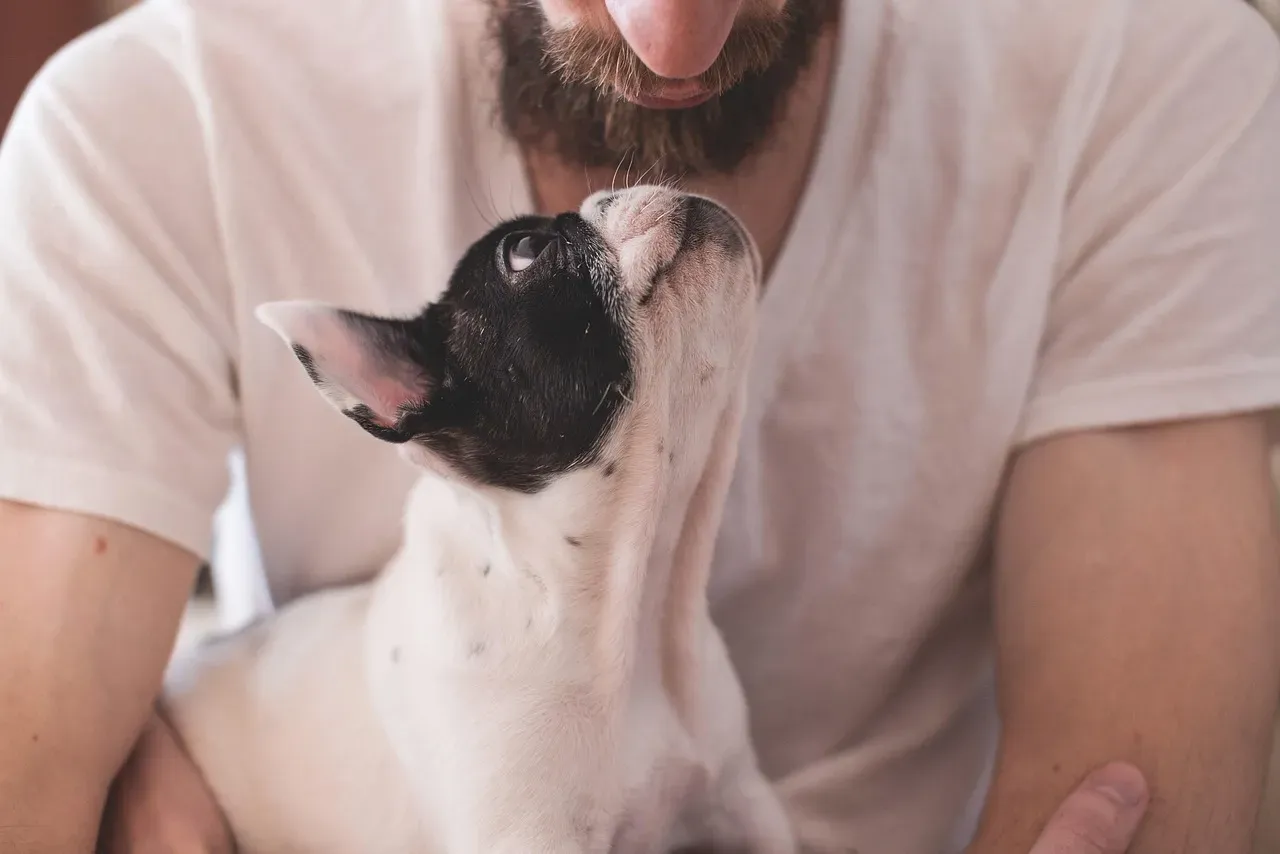
One of the most striking findings in human–dog research is how strongly the body responds to simple interactions like petting or mutual gaze. Gentle stroking of a familiar dog can increase levels of oxytocin, the hormone often associated with bonding and trust, while also lowering physiological markers of stress. When these moments happen repeatedly, especially in an otherwise isolated person, they function like little biochemical nudges toward safety and openness.
Eye contact with a dog adds another layer. When a dog looks up at you, relaxed and expectant, your brain is invited into a loop of attention, emotion reading, and reward. Even if the dog cannot use language, it still offers a clear, nonjudgmental presence that pushes the social brain to practice its skills: recognizing cues, predicting needs, and adjusting behavior. Over time, these micro-interactions can strengthen the same circuits that underlie human empathy and attachment, without the complexity and risk that often come with human relationships.
How Dog Companionship Changes the Isolated Brain Differently Than Human Company
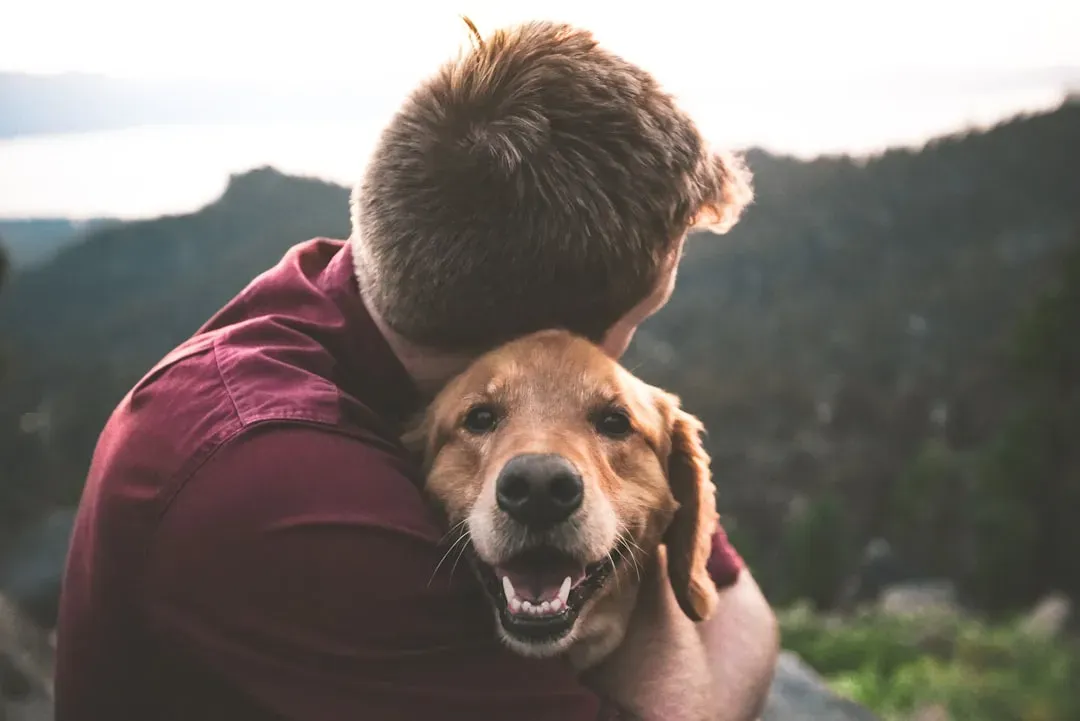
Researchers who compare animal-assisted interactions with increased human contact often find a subtle but important difference: dog-based interactions tend to be more predictable, less cognitively demanding, and less threatening. A dog does not criticize, interrupt, or bring up painful history. For an isolated person whose brain has grown wary of social rejection, this safety can be huge. It lowers the guard of defensive systems that would usually scan for threat during human encounters.
With that guard lowered, reward and bonding circuits get more room to activate. Someone who tenses up around other people may relax effortlessly with a dog on their lap. Imaging studies have found that, in some contexts, animal contact can activate reward centers more robustly than equivalent human-based social tasks in people who are stressed or withdrawn. That does not mean dogs are superior to humans, but it does suggest that, under conditions of isolation or social anxiety, the brain may be more willing to engage and rewire itself through this simpler, safer relational pathway.
The Power of Routine: Walks, Caregiving, and Predictable Reward
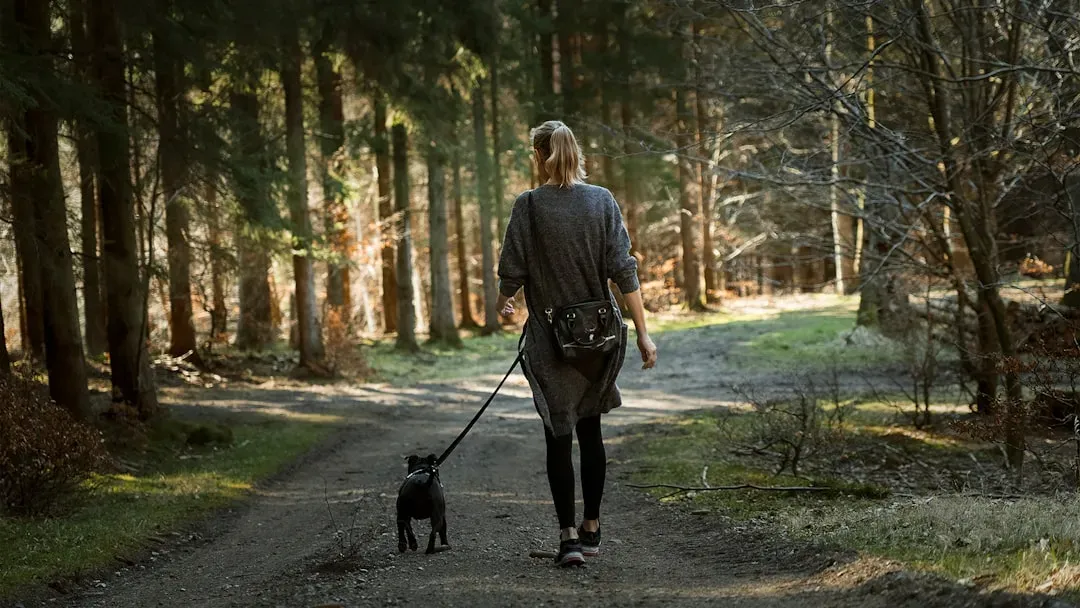
Living with a dog during isolation does something deceptively simple: it forces a daily rhythm. There are walks to take, food bowls to fill, small training moments scattered through the day. Routine is often the first casualty of loneliness, and yet the brain thrives on structured, meaningful activity. When that structure is tied to another living being who visibly responds and benefits, the sense of purpose can grow surprisingly quickly.
Every walk is also a small exposure exercise for the brain. You leave the house, navigate the environment, maybe pass other people, and return with a tiny sense of completion. This cycle of effort and reward feeds into motivation circuits that often go quiet during isolation. Over weeks, the brain learns that engaging with the world leads to predictable, positive outcomes – a dog happily panting by your side, a tail wag at the sound of the leash – and that expectation of reward can spill over into how you approach human connection too.
The Difference Between Digital Humans and a Warm, Breathing Dog
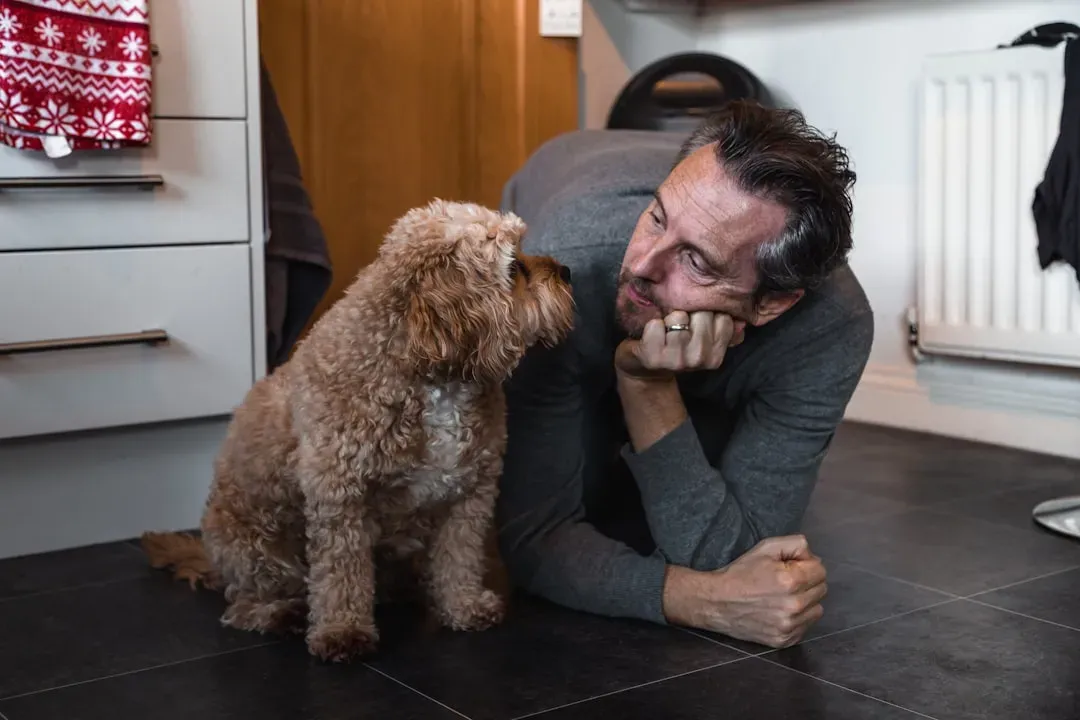
During periods of isolation, many people lean heavily on video calls, messaging, or social media to stay connected. These tools are useful, but they are also strangely disembodied. The brain’s social circuits evolved in the context of touch, shared space, scent, and subtle nonverbal cues that do not fully translate through screens. You can spend hours chatting online and still feel like your body has been left out of the conversation.
A dog, in contrast, is relentlessly physical. You feel the weight against your legs, the warmth of fur, the rhythm of breathing. These sensory details pour into the brain through multiple channels at once, engaging regions that remain largely idle during digital contact. That multisensory richness may explain why, for some isolated people, a dog can produce measurable neural changes where additional human interaction – especially if it is mostly virtual or emotionally complicated – does not move the needle as much. The relationship with the dog is not competing with abstract social expectations; it is anchored in the immediate, tangible here-and-now.
From Dog Bonding Back to Human Connection
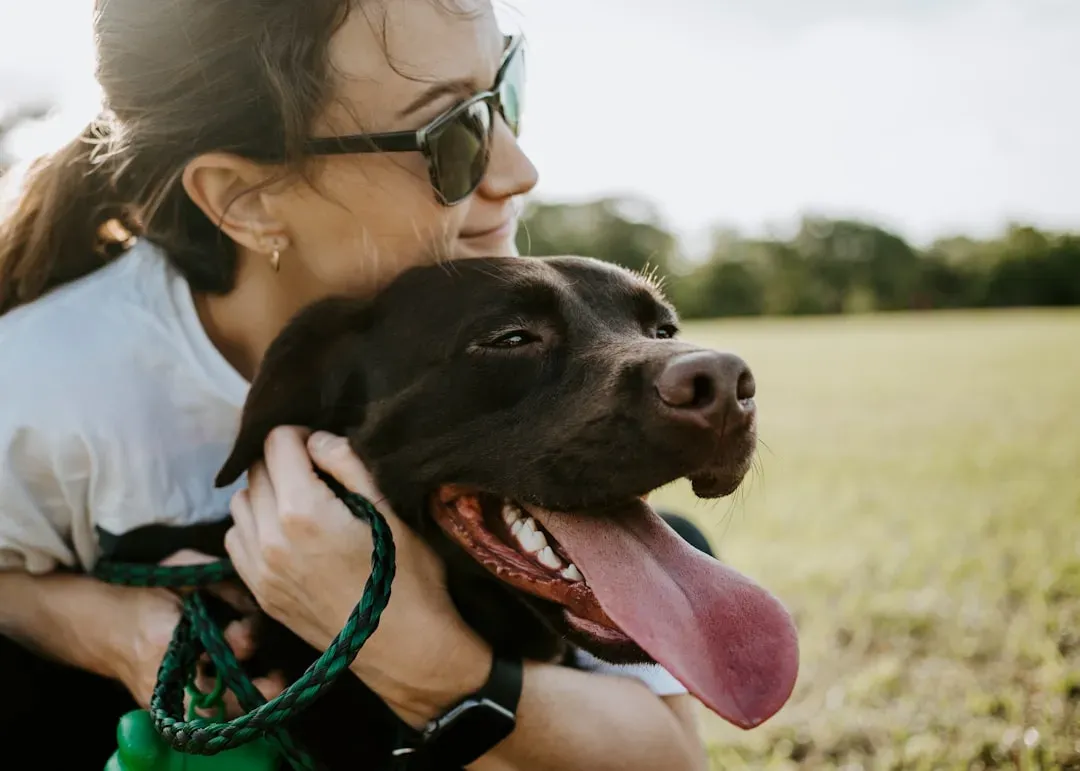
One of the most encouraging aspects of this research is that the changes seen in social connectivity circuits with dog ownership do not seem limited to the animal itself. When a person learns, at a deep neural level, that connection can feel safe and rewarding again, that lesson can generalize. They may find it a little easier to make eye contact with neighbors, to tolerate mild awkwardness, or to show curiosity instead of suspicion in new social situations.
There is a kind of bridge effect at play. The dog becomes the first low-risk, high-reward relationship that gently reopens closed doors in the social brain. Once those doors are cracked open, human connections have a better chance of getting through. In that sense, saying that dogs do what humans cannot is only half right; more accurately, dogs sometimes do what humans cannot do first. They lay the neural groundwork that makes deeper, more complex human relationships possible again.
A Personal Take: Why This Science Feels Deeply Plausible
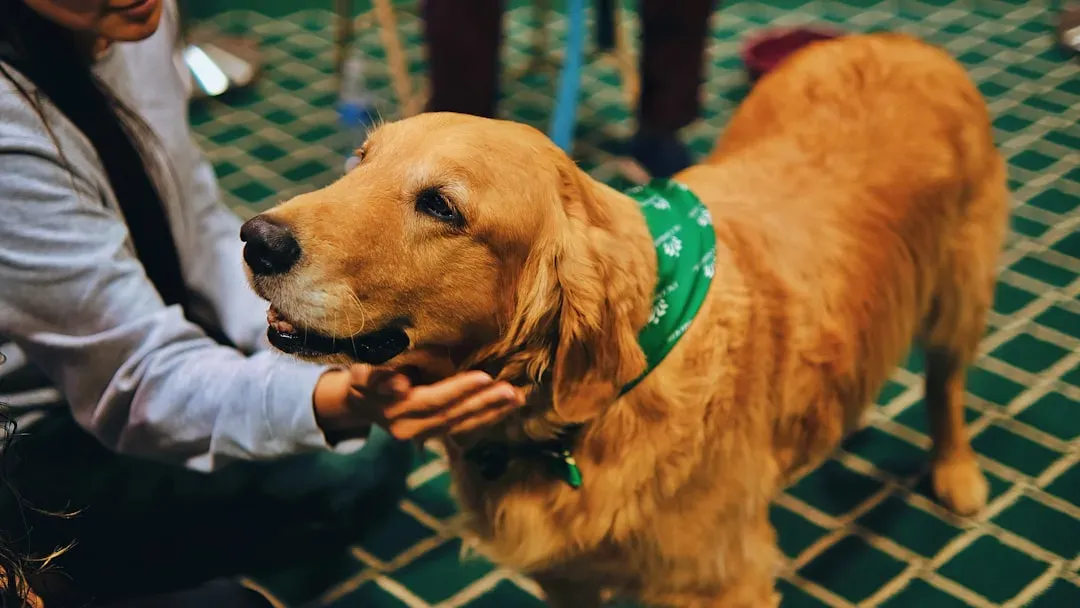
Even without a brain scanner, many people can feel this shift from the inside. I still remember the first time I watched someone who swore they “did not do emotions” melt when a newly adopted dog quietly leaned against their leg during a rough week. Nothing grand happened – no heartfelt speeches, no big breakthroughs – just a steady, wordless presence that made it a little easier for that person to stay with their feelings instead of shutting down. Stories like that do not prove the science, but they echo it in a very human way.
To me, the most compelling part of this research is not that dogs magically fix loneliness, but that they reveal how plastic and hopeful the social brain really is. Even after long stretches of isolation, the right kind of relationship – simple, consistent, embodied – can start to retune circuits that had given up on connection. That is not sentimental; it is a quiet, almost stubborn kind of optimism built into the nervous system itself.
Conclusion: Dogs Are Not a Cure for Loneliness, but They Are a Remarkably Honest Start
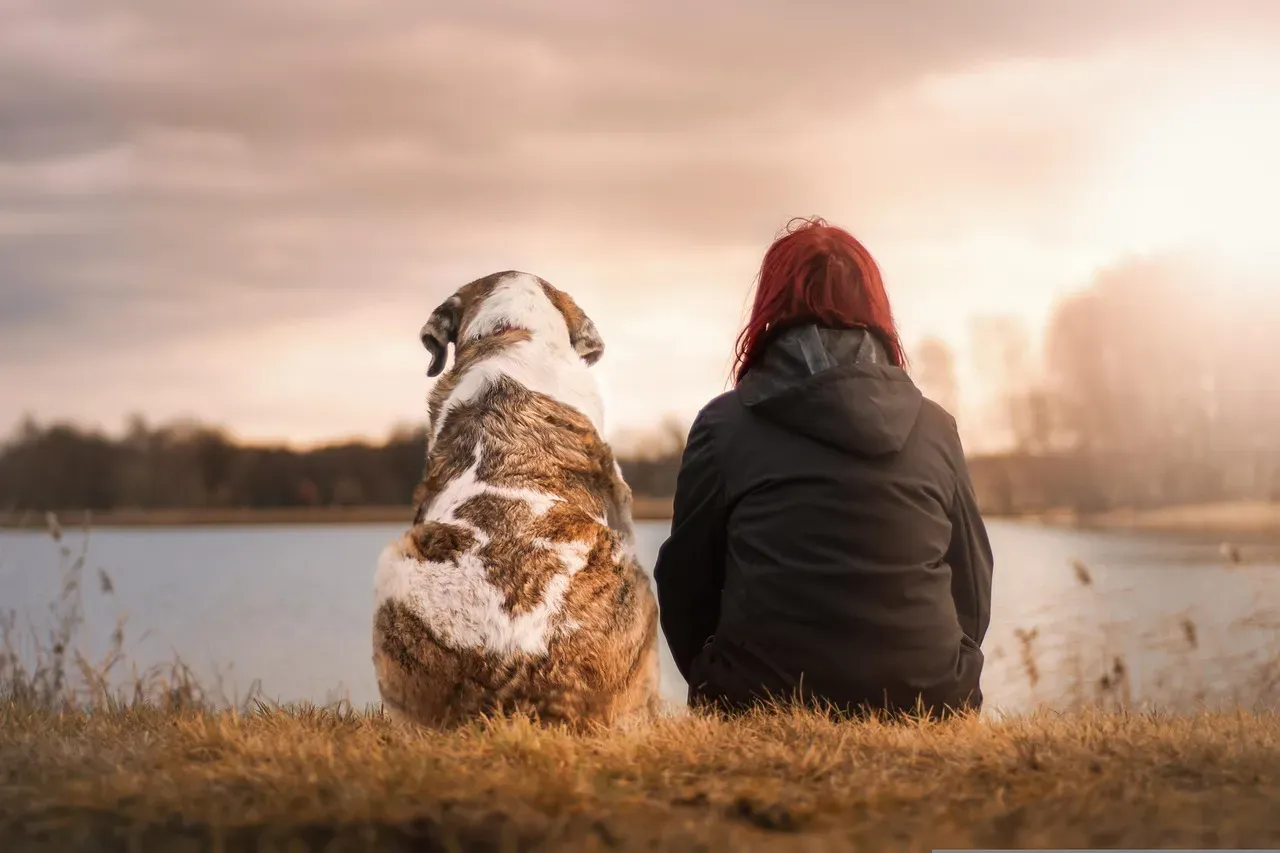
Looking at the evidence, it is fair to say that giving a dog to someone who has never owned one, during a time of isolation, can trigger measurable shifts in the brain’s social connectivity circuits within weeks. It is equally fair to say that comparable increases in human contact, especially when they are digital, strained, or emotionally loaded, often fail to produce the same clean, robust changes. In my view, that does not mean humans are overrated; it means our current ways of “connecting” often leave the body and the deeper social brain out of the picture, while a dog does the opposite by default.
If anything, this line of neuroscience nudges us toward an uncomfortable but necessary opinion: we have underestimated how much our brains still belong to the physical, interspecies world, not just to language and screens. Dogs are not a replacement for people, and they cannot solve structural loneliness or broken relationships. But as living, breathing catalysts, they can reopen neural pathways that isolation has dimmed, making us more capable of both giving and receiving human connection later on. Maybe the real question is not whether a dog changes the brain – it is whether we are willing to let that change ripple out into how we show up for each other. Did you see that coming?