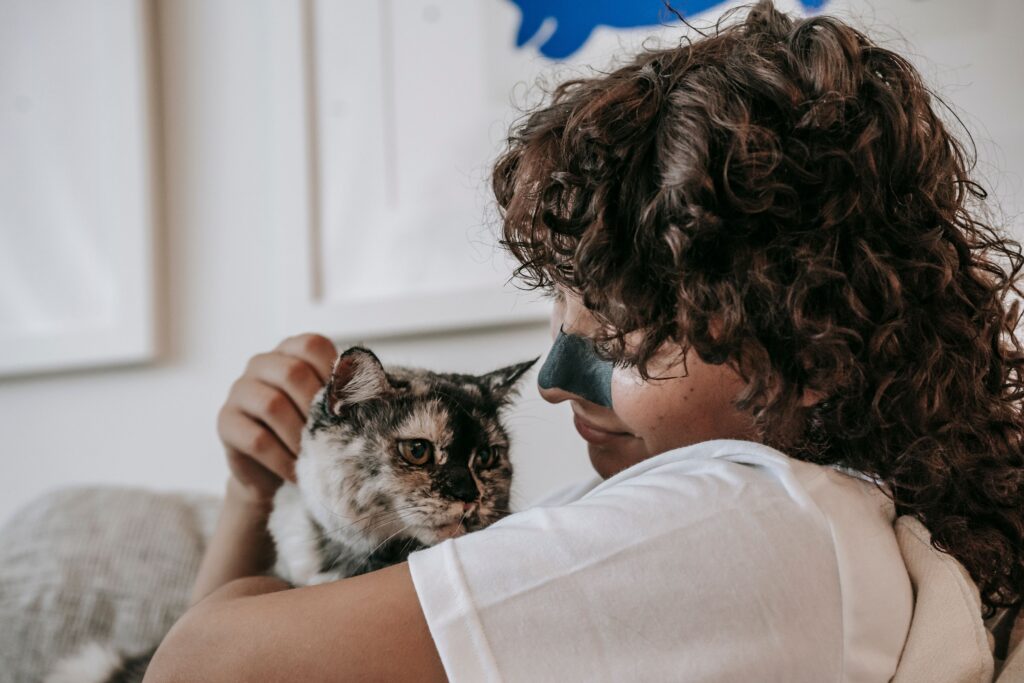

You know that quiet, rumbling vibration when a cat curls up on your chest and purrs? It feels oddly specific, like it’s tuned to something deep inside your body. You might think it is just cute background noise, but neuroscience and veterinary research suggest that those low-frequency vibrations sit in a range that has been linked to bone growth and tissue repair, and that same range overlaps with frequencies known to influence your nervous system and stress response. You are not imagining the way your shoulders drop and your breath slows when a cat settles on you and starts purring. While the internet loves to exaggerate, there is a real, intriguing overlap between what purr frequencies can do in a lab and what you feel in your body in real life. The evidence is not magical and it is not absolute, but it is strong enough to make you look at that warm, vibrating furball in a very different way.
The Science of Purr Frequencies: What Is Actually Going On?
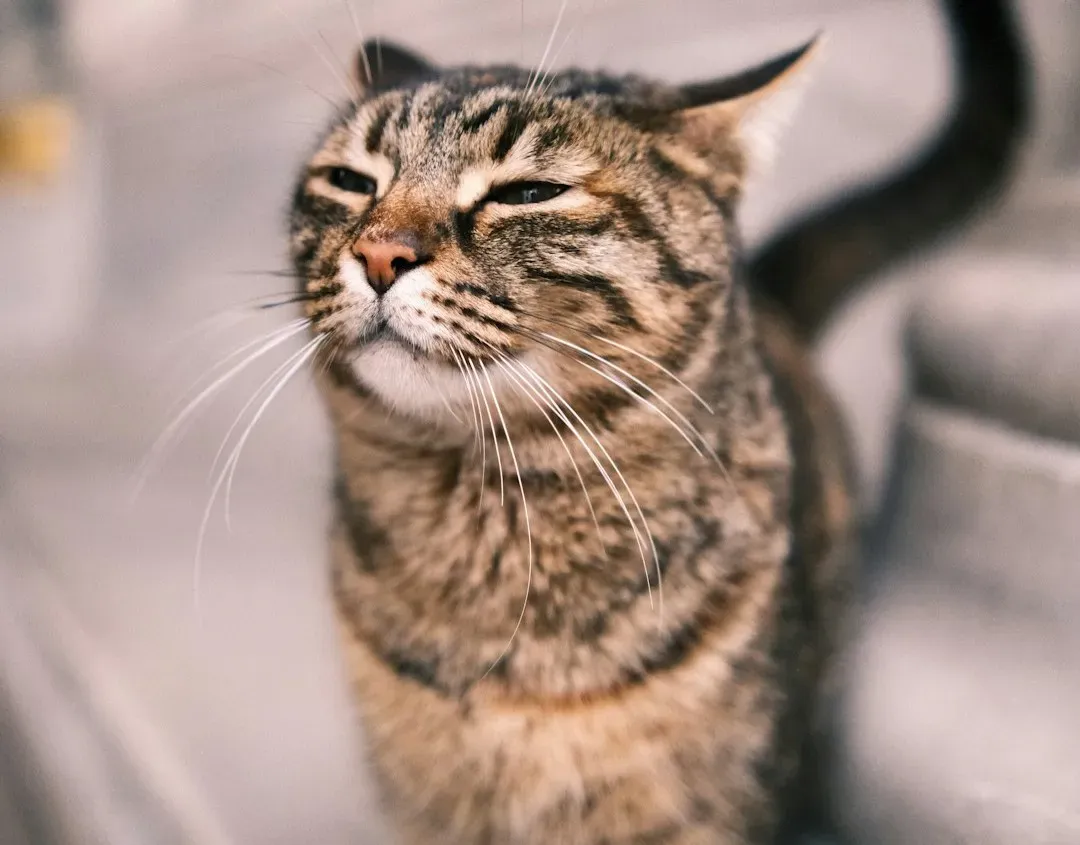
When a cat purrs on your chest, you are feeling a vibration that usually falls in a low-frequency range, roughly between twenty and fifty or so cycles per second. That sits squarely inside the range used in some experimental therapies aimed at stimulating bone cells and soft tissue repair. Researchers have known for a long time that slow, rhythmic mechanical vibrations in this band can nudge certain cells into healing or rebuilding mode, at least under controlled conditions. You can think of it a bit like a massage chair set on a very low, steady hum rather than a fast shaking mode. The subtle pulses move through your ribcage and up into your skull, not dramatically, but enough that your body can register them. Even if you never step into a lab, you are basically lying there while a small biological “vibration device” sits right over your heart and lungs and runs at a frequency your tissues are surprisingly responsive to.
Bone Density and the Curious Case of Low Vibration
You might be surprised to learn that low-level vibration therapy has been tested as a way to help maintain or improve bone density, especially in people who cannot do much weight-bearing exercise. In several studies, standing or lying on platforms that deliver gentle vibrations in that same rough band has been associated with better bone markers or slower loss over time. When your cat purrs on your chest, you are not getting a medical-grade treatment, but you are bathing your bones in a similar kind of mechanical signal. Imagine your ribs, spine, and sternum as a kind of living scaffolding that constantly responds to forces, big and small. Heavy lifting gives your bones a loud, obvious message; gentle vibrations give them many tiny whispers instead. Your cat’s purr is probably closer to the whisper side of the spectrum, but because it can go on for long, relaxed stretches, it delivers a surprisingly persistent, low-key stimulus right where your skeleton wraps around your organs.
Tissue Healing and Why Your Body Loves Rhythmic Stimuli
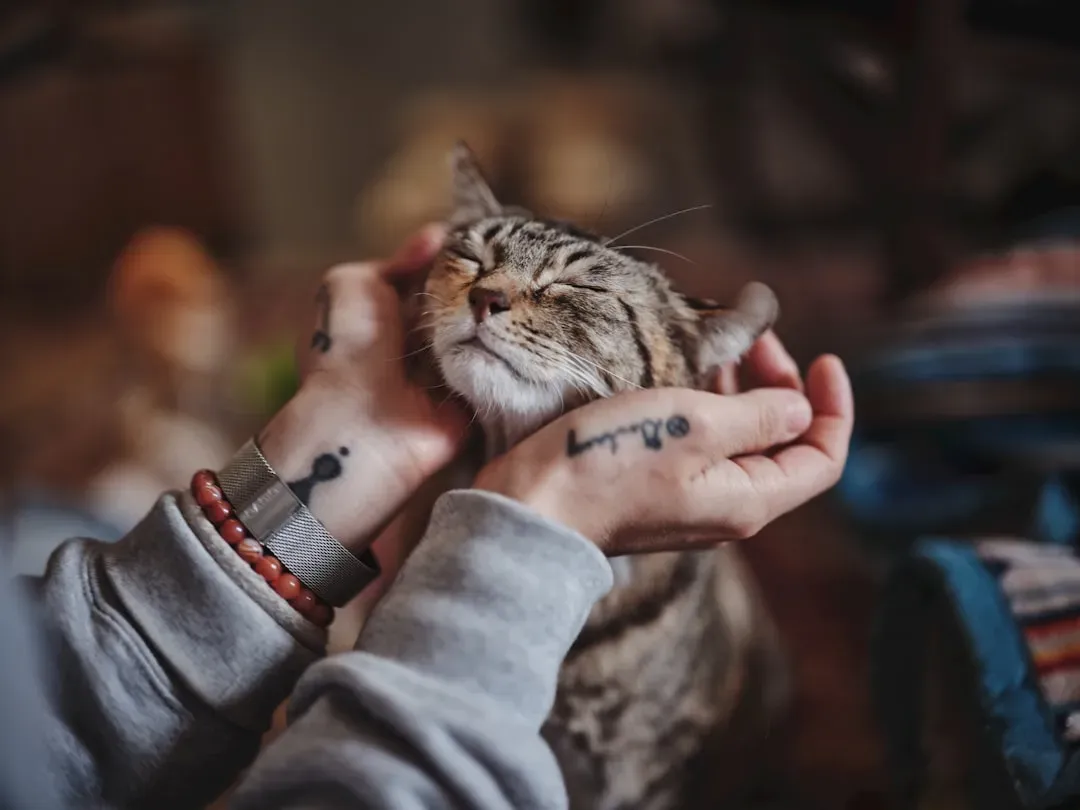
Your body does not just reserve vibration sensitivity for bones; soft tissues like muscles, tendons, and skin also respond to mechanical cues. Experimental work with low-frequency vibration and sound has shown that cells involved in repair and regeneration can change their behavior when exposed to slow, rhythmic inputs. So when you feel your cat purring on your chest after a long day, you are not only enjoying the emotional comfort; your muscles and connective tissue are also quietly responding to those waves. Think about how a gentle, rhythmic rocking can soothe a baby or loosen up your own tight back on a train ride. That same idea of slow, regular movement applies at a microscopic level, where cells sense and interpret the tiniest stretches and compressions. Your cat’s purr does not act like a miracle cure, but it layers another form of subtle mechanical encouragement onto tissues that spend most of their day bracing against gravity and stress.
How Purring Syncs With Your Nervous System

If you pay attention next time a cat curls up on your chest, you will probably notice your breathing starting to match the rhythm of the purr. Your inhalations and exhalations may slow down and deepen almost without effort. That shift in breathing is one of the most direct ways your nervous system can flip from a stressed, fight-or-flight state into a calmer, rest-and-digest mode, and the cat’s steady vibration practically nudges you toward that switch. Your body is wired to sync up with rhythmic cues in your environment, from music to footsteps to a heartbeat heard through a pillow. A purr is like a metronome pressed right against your ribcage, with each subtle buzz reinforcing the message that things are safe enough to slow down. As your breath settles, your heart rate often follows, your muscles start to unclench, and your brain gets the signal that it can ease off the alarm system for a while.
Stress, Cortisol, and the Quiet Power of a Purring Cat
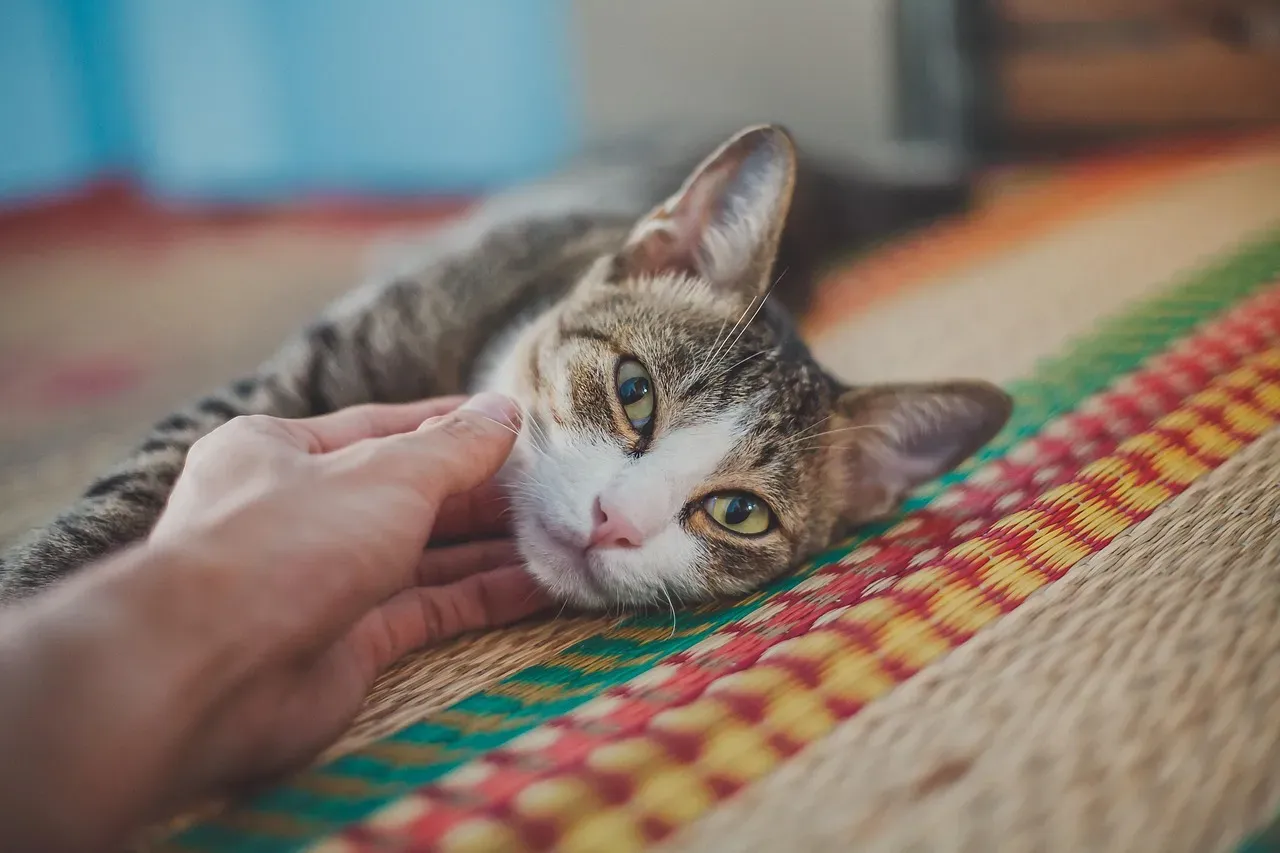
Chronic stress keeps your body soaked in stress hormones, tight muscles, and racing thoughts, and you probably feel that in your neck, your gut, and your sleep. Calm, predictable sensory input is one of the simplest antidotes, and a cat purring on your chest is almost a textbook example of that: warm weight, repetitive sound, steady vibration, and an overall sense of safety. All of those cues help gently nudge your stress chemistry in the right direction. You are also dealing with the emotional side of things. A purring cat often shows trust and contentment, and your brain reads that as a social signal that the immediate environment is not threatening. For many people, that quiet companionship softens feelings of loneliness or anxiety, which in turn can help bring down the internal pressure that keeps stress hormones high. It is not a replacement for therapy or medication, but it can be a surprisingly powerful piece of your daily toolkit.
Why This Overlap Probably Is Not a Coincidence
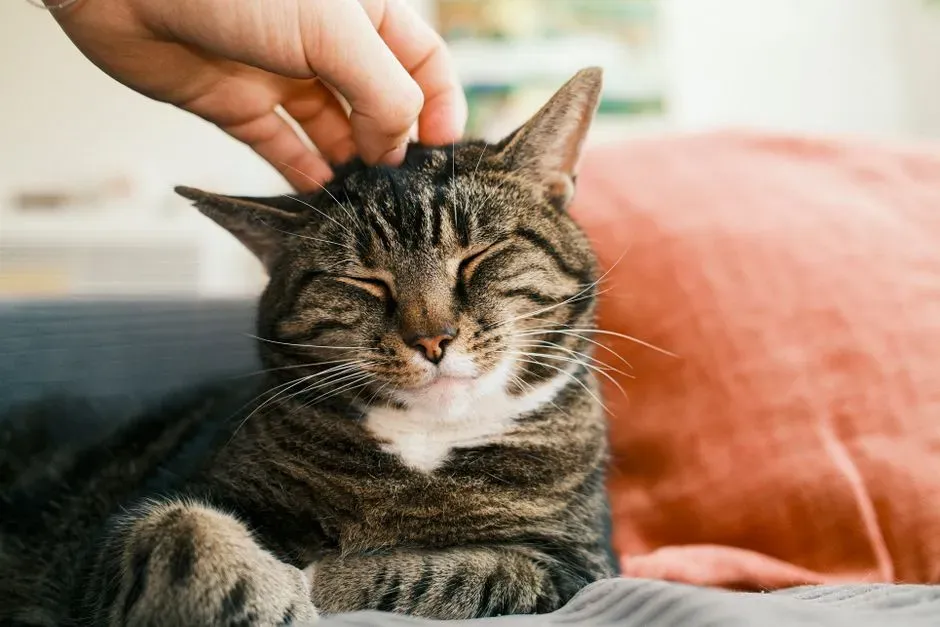
When you step back and look at the big picture, it is hard to ignore how neatly cat purr frequencies line up with ranges that benefit bones, tissues, and the nervous system. Cats are light, agile animals that jump, fall, and land from heights that would be rough on many other species. Having a built-in low-frequency vibration system that may support their own musculoskeletal health gives them a serious evolutionary advantage, and you just happen to be close enough to share in the side effects. From your perspective, that shared benefit feels almost like a tiny natural hack. You provide food, shelter, and safety, and in return your cat offers warmth, bonding, and a vibration pattern that interacts with your biology in ways science is still unpacking. It is less like a magical healing spell and more like a clever alignment between two nervous systems that evolved to thrive on rhythm, touch, and repeated signals of safety.
How You Can Safely Maximize the Benefits of a Purring Cat
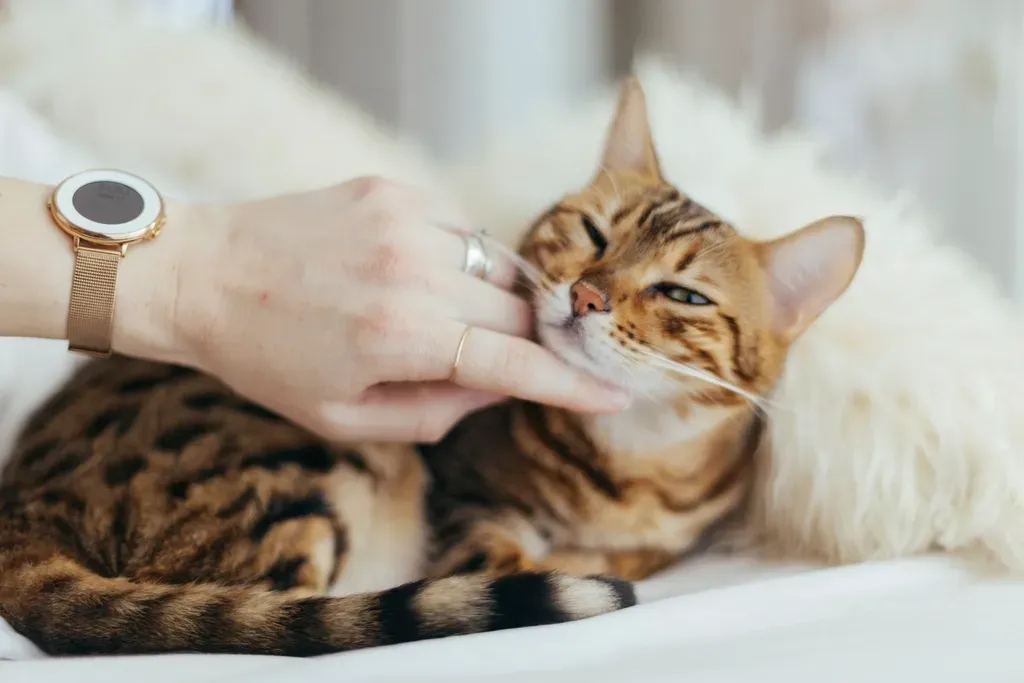
If you want to lean into the potential benefits, you can make simple choices that encourage your cat to relax and purr on or near your chest. Setting aside quiet time, dimming the lights, and sitting or lying in a comfortable position all invite your cat to settle. Letting them choose the spot and not forcing contact builds trust, and over time many cats naturally gravitate toward resting on your torso, especially when they associate it with warmth and calm. You can also treat those purring sessions as a cue for your own breath practice. While your cat vibrates away, try matching your inhales and exhales to a slow, easy rhythm, letting your belly rise and fall under their weight. In doing that, you are stacking several calming signals at once: gentle vibration, slow breathing, comforting touch, and focused attention, which together can make that short session feel surprisingly restorative.
When to Be Cautious and What Not to Expect
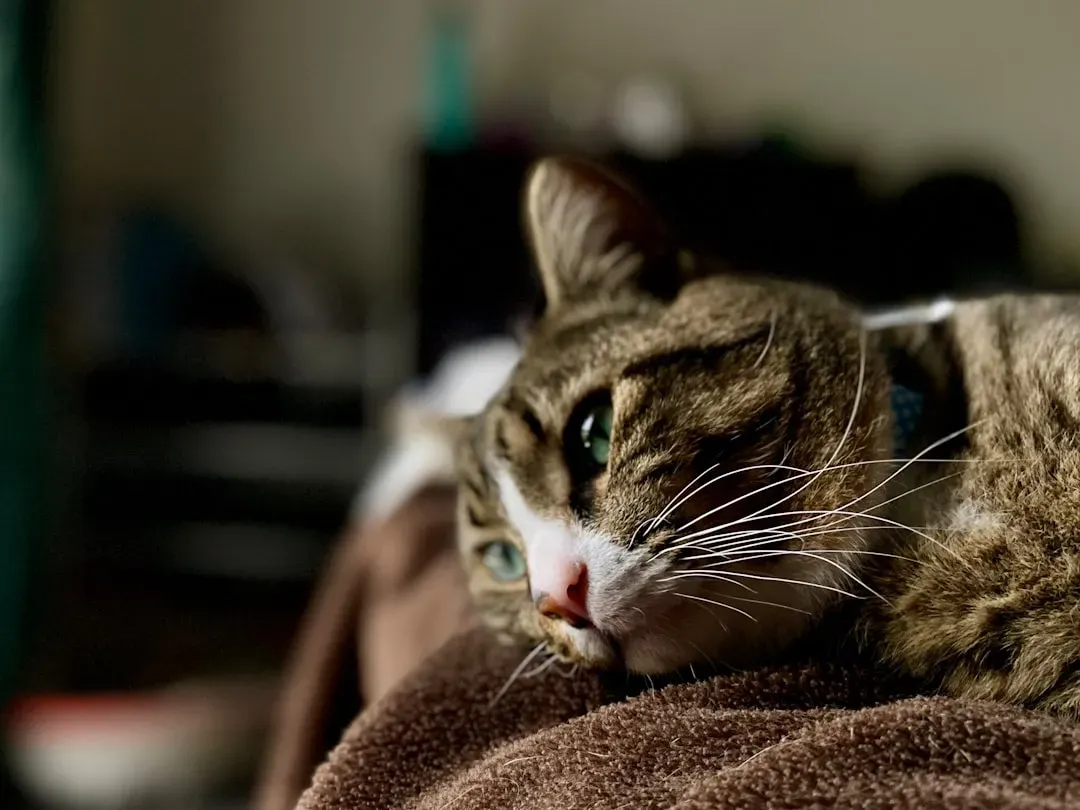
Even though the science around purr frequencies and healing is compelling, you still need to keep your expectations grounded. A cat purring on your chest is not a substitute for medical care, physical therapy, or treatment for serious conditions like osteoporosis or anxiety disorders. You can think of it more as a supportive practice, like stretching or walking, that adds a helpful layer on top of what your doctor or therapist recommends. There are also practical limits. If you have allergies, respiratory issues, or skin sensitivities, letting a cat lie directly on your chest may not be ideal, and your health comes first. In that case, you can still sit nearby, let the cat lie on your lap, or rest your hand on their body to feel the purr without putting your airways or comfort at risk. The goal for you is a sustainable ritual, not a heroic act of cat-induced discomfort.
The Deeper Bond: Emotion, Touch, and Shared Regulation
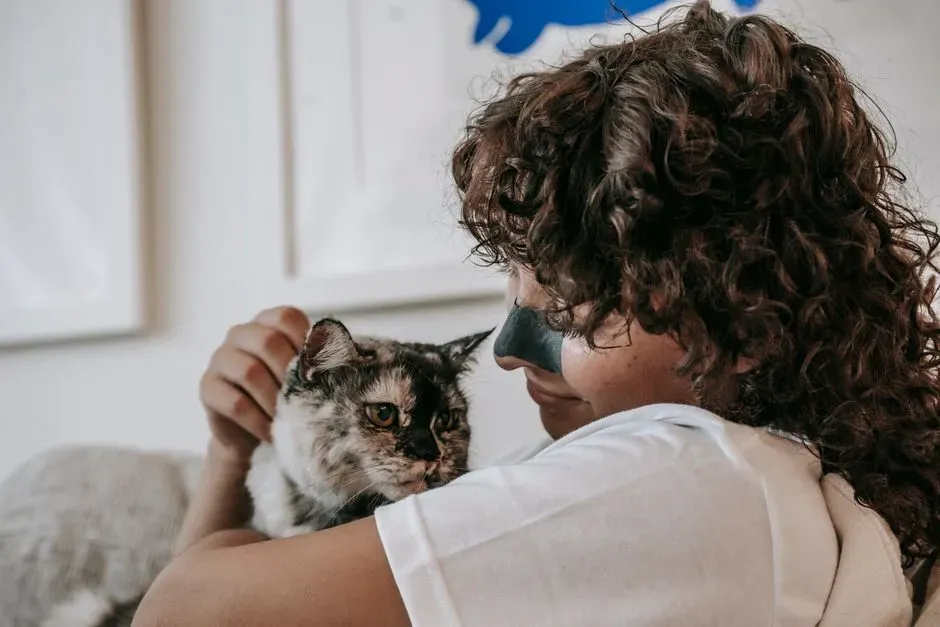
Beyond frequencies and cells, you are also entering something researchers call co-regulation, where two nervous systems help each other settle. When your cat relaxes, purrs, and kneads, their body shifts into a safe, restorative state, and you are right there soaking in the signals that everything is okay. In a world that often feels chaotic, that shared, wordless calm can be incredibly grounding. You might notice that over time, your cat seems to find you when you are anxious or tired, choosing to curl up right where you feel it most: your chest, your lap, or your side. It is as if both of you learn that this shared ritual works. You get a natural, sensory-based reset, and your cat gets contact, warmth, and security. That quiet partnership is probably the most healing part of the whole experience.
Conclusion: The Small, Purring Miracle on Your Chest
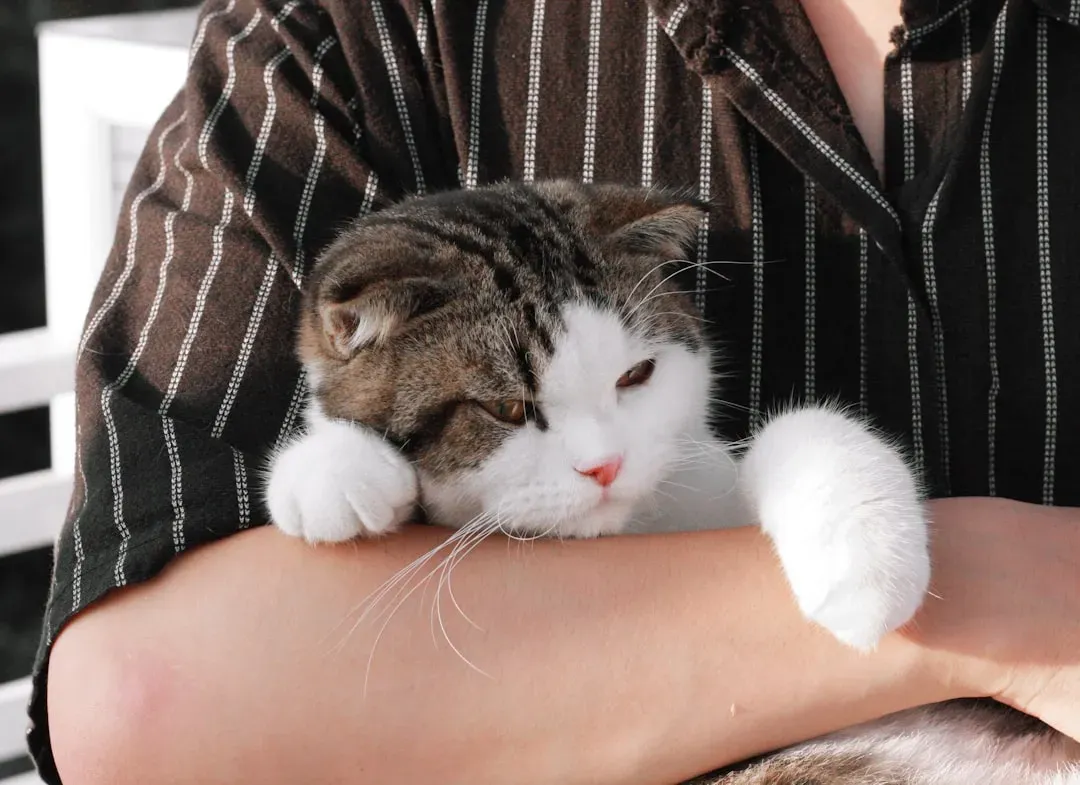
When a cat purrs on your chest, you are not just enjoying a cute moment; you are lying under a living, low-frequency generator tuned to ranges that science links to bone health, tissue repair, and nervous system calm. The fact that it feels so soothing to you is likely tied to the same properties that help cats themselves heal and stay resilient, making it less of a coincidence and more of a shared biological sweet spot. You do not need to turn every cuddle into a research project, but knowing what is happening under the surface can make those quiet minutes feel even more meaningful. Next time you feel that soft weight and steady hum against your ribs, you can smile at the idea that a small, four-legged creature is helping your cells and your mind relax at the same time. Now that you know what might be happening inside your body in those moments, will you ever experience a purr on your chest quite the same way again?