
If you thought medical alert dogs were simply “super smellers,” you’re only seeing the tip of a very strange and fascinating iceberg. What is becoming clear in neuroscience is that these dogs are working off a far richer internal model of you than just what your sweat or breath molecules happen to be doing at the moment.
When you watch a dog warn someone about an oncoming seizure or a dangerous blood sugar crash, it can feel almost supernatural. But underneath that moment is a brain that has spent months or years quietly mapping patterns: your movements, your posture, your breathing, your routine, maybe even your emotional micro-fluctuations. Scent matters, but it is only one part of a multi-sensory, predictive system their brain is running in real time.
The Myth of the “Magic Nose”: Why Scent Alone Is Not the Full Story
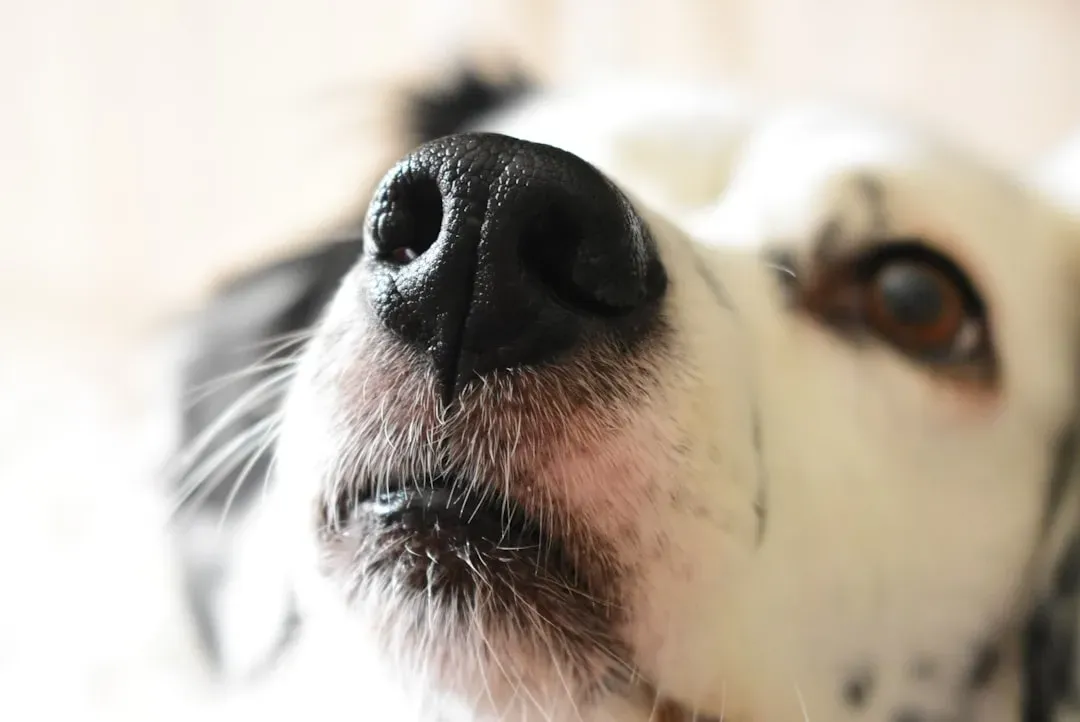
You have probably heard that a dog’s sense of smell is tens of thousands of times more sensitive than yours, and that is broadly true in practical terms. It is why dogs can pick up volatile organic compounds from cancer cells in breath or urine samples, or changes in the scent profile of a person with diabetes. But if you imagine a dog just passively sniffing and reacting to one smell, you are missing how their brain is actually using that information.
In reality, the dog’s nose is part of a bigger prediction machine. Their brain is constantly integrating scent with vision, sound, vibration, and even your daily habits. The medical alert response you see is not a single whiff followed by a simple reflex; it is a recognition of a pattern the dog has experienced over and over, where smell is only one of several key clues. In that way, their “magic nose” is more like one powerful sensor in a tightly coordinated network, not a standalone superpower.
How a Dog’s Brain Builds a Predictive Model of You
Think about how you can sense that a friend is upset before they say a word: their walk is different, their face is tighter, their voice has a strain you recognize. Dogs are doing something similar with you, but with an even richer sensory feed. Their brain is wired to notice micro-patterns in breathing rate, micro-movements, posture shifts, and routine changes that you barely notice in yourself.
Over time, a trained alert dog builds up a kind of internal “map” linking these subtle changes with what happens next: a seizure, a hypoglycemic event, or a panic attack. This is predictive processing in action. The dog is not just reacting when a crisis hits; it is constantly running mental simulations based on your current state and what those patterns usually lead to. That is why, in many cases, you see dogs alert before a measurable event fully registers on a medical device or in your own awareness.
Inside the Canine Brain: Sensory Hubs and Emotional Circuits

When you picture a dog’s brain, it helps to imagine a dense crossroads of highways rather than a set of isolated neighborhoods. The olfactory bulb, which handles smell, is huge relative to a human’s, but it is closely linked to areas involved in memory and emotion. That means a scent is never just a smell; it arrives tied to stored experiences and feelings, like a layered file that can be opened instantly.
On top of that, sensory areas that process sound, vision, and body signals feed into overlapping emotional and decision-making circuits. So when your scent shifts before a seizure, your dog may also be registering subtle changes in your facial expression, your muscle tone, and your movement rhythm. The alert behavior you see is the output of this integrated network, not a simple linear pathway from nose to paw.
Seizure-Alert Dogs: Detecting Brain-State Patterns, Not Just Odors

When it comes to seizure-alert dogs, researchers still do not fully agree on what exact signals the dogs use, and that is important for you to understand. There is some evidence for scent changes related to metabolic shifts, but trainers and owners also report that dogs seem to pick up changes in movement, attention, and behavior that occur minutes before a seizure. You are looking at a complex pre-ictal state, and the dog appears to be reading that whole state, not a single cue.
From a neuroscience perspective, the dog may be building a sensory fingerprint of your “about-to-have-a-seizure” brain state, expressed through your body and environment. They likely notice tiny hesitations, a different way you reach for objects, or a change in how you scan your surroundings. The dog’s brain tags all of this together with what follows, and once that association is strong enough, it acts, often by pawing, nudging, or blocking you, long before you consciously realize what is happening.
Diabetes Alert Dogs: Reading Metabolic and Behavioral Micro-Shifts
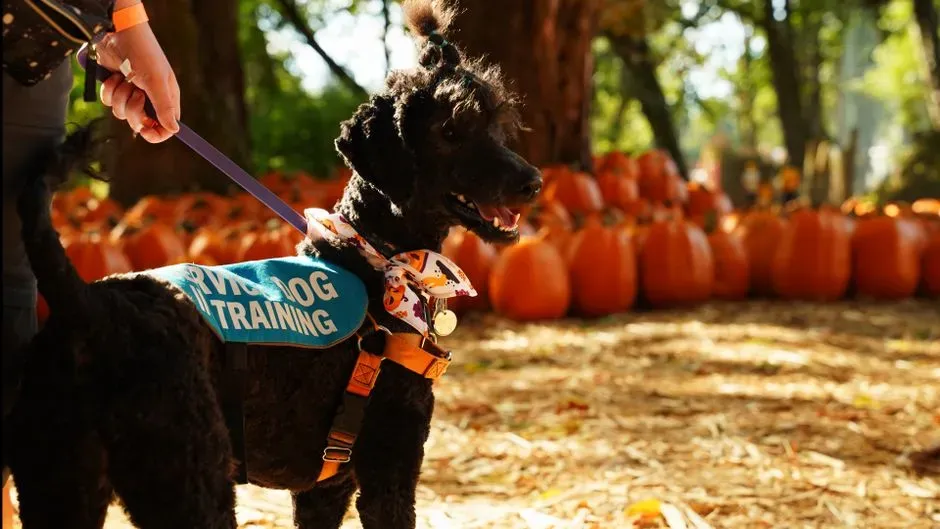
If you live with diabetes, you know how a dangerous low or high can sneak up on you, even with tech like continuous glucose monitors. Diabetic alert dogs are trained to respond when your blood sugar veers into risky territory, and they do seem to detect changes associated with volatile organic compounds in your breath and sweat. But again, they are not smelling in a vacuum; their brain is cross-referencing scent with the way you act and move in those states.
Many handlers describe their dog reacting to subtle signs you might dismiss: a small slump in your shoulders, a slower response time, tiny mistakes in what you are doing, or a slightly unsteady step. Your dog’s brain links those small behavioral shifts with specific scent profiles and with the history of what your glucometer showed after similar patterns. The alert behavior is the dog’s way of saying it has recognized a familiar configuration that has, in its experience, meant “danger is coming for this person.”
Why Training Works: Turning a General Ability Into a Targeted Skill
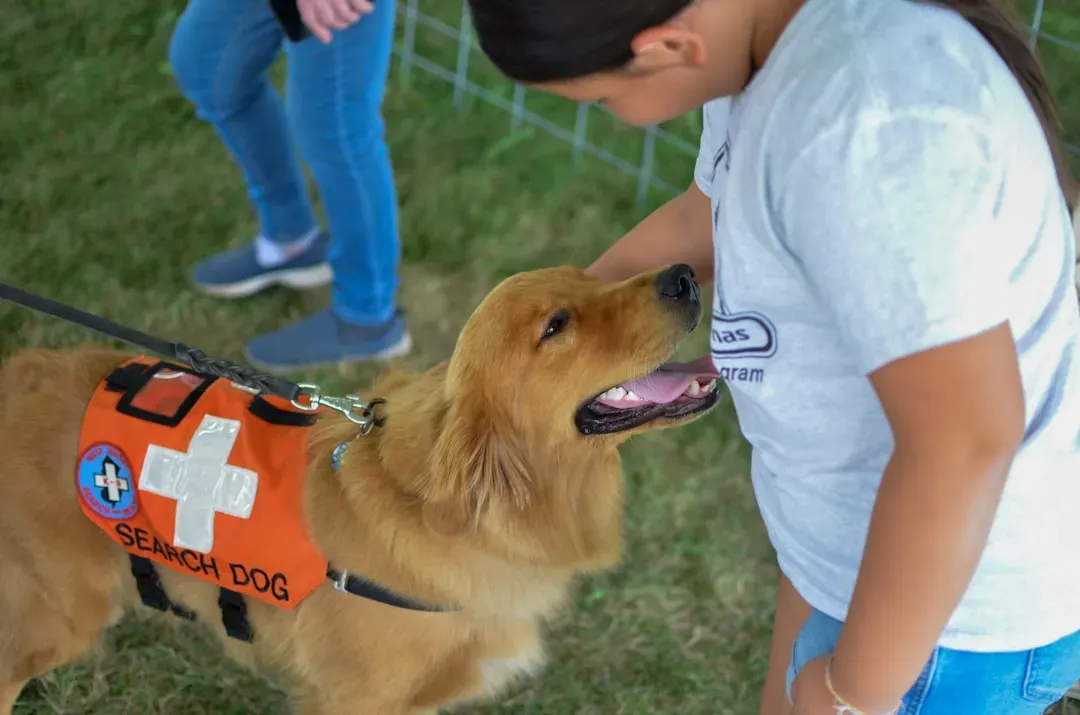
You might wonder why all dogs are not automatically perfect medical alert animals if their brains can do this sort of pattern recognition. The key is that your dog’s general ability to notice and predict needs to be shaped and focused. Training gives the dog repeated, structured experiences that tie a specific pattern of early-warning cues to a clear, rewarded behavior like pawing, staring, or fetching help.
In effect, training tells the dog, “When you sense this combination of changes in scent, movement, and mood, this is exactly what you should do every single time.” Without that structure, a dog might feel uneasy or clingy before an event but never express a clear, reliable alert. So training is not teaching the nose to be stronger; it is teaching the brain how to label and act on what it is already capable of detecting, and reinforcing those neural pathways until they become surprisingly consistent.
Emotion, Bond, and Attachment: The Hidden Engine Behind Detection
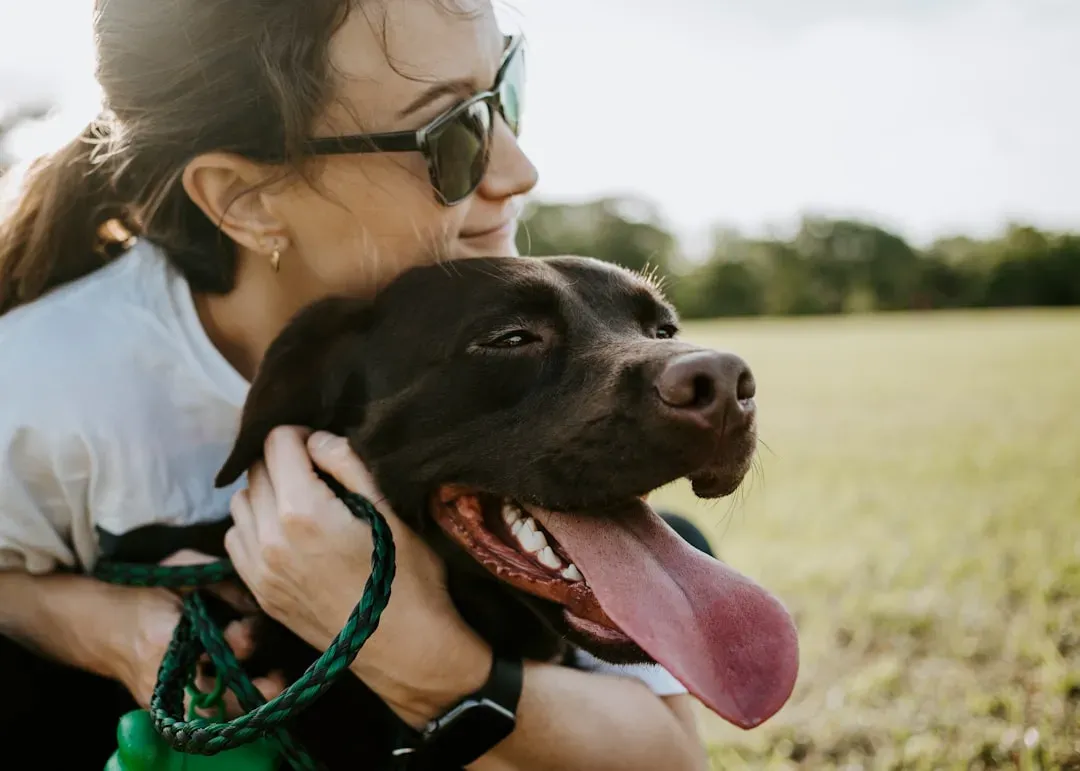
One piece you might underestimate is the emotional connection between you and a working dog. The more closely a dog is bonded with you, the more your internal states become meaningful because their own well-being is tied to yours. From a brain perspective, that bond likely heightens attention to your signals and makes your patterns stand out from the background noise of daily life.
This attachment is not just heartwarming; it is functional. A dog that cares deeply about you is more likely to monitor your breathing when you nap, notice when your energy feels “off,” or react strongly when you behave outside your norm. That emotional investment fuels vigilance and motivates the dog to act when it recognizes dangerous states. In this sense, your bond becomes part of the detection architecture, not just a pleasant side effect of working together.
The Emerging Map: What Scientists Know and What Is Still Unclear
Even with advanced brain imaging and careful behavioral research, scientists are still at the beginning of truly mapping how a dog’s brain encodes these complex human health patterns. You do not yet have a neat diagram that says, “This region detects seizures, that region detects hypoglycemia.” Instead, you have a growing appreciation that many overlapping brain networks handle smell, movement, emotion, memory, and prediction all at once.
For you, that means you should treat strong claims about single-cue detection with caution. The evidence suggests dogs are using a web of information and that different dogs may lean on slightly different cues depending on their training and experience. The science is moving toward understanding this as a flexible, distributed system rather than a simple on–off switch in the nose. As researchers refine their tools, you can expect a more detailed map, but for now, the honest answer is that much of the internal logic behind these abilities is still being uncovered.
What This Means for You and the Future of Medical Detection

Knowing that medical alert dogs are tapping into a rich, multisensory and emotional picture of you changes how you might think about their role. Instead of seeing them as biological sensors that could be easily replaced by gadgets, you can recognize them as living prediction engines that integrate data in ways current devices struggle to match. They respond not only to chemistry but to context, routine, and relationship.
At the same time, the more neuroscientists understand these canine detection circuits, the better they can design tools and training methods that complement what dogs already do well. You might see future technologies that mimic specific canine sensory strategies or that work alongside dogs, giving them feedback or confirming their alerts. In that world, your dog is not competing with machines; it is showing you how a brain can read a body long before something goes wrong.
Conclusion: Beyond Smell, Toward a Deeper Understanding of Dog Minds
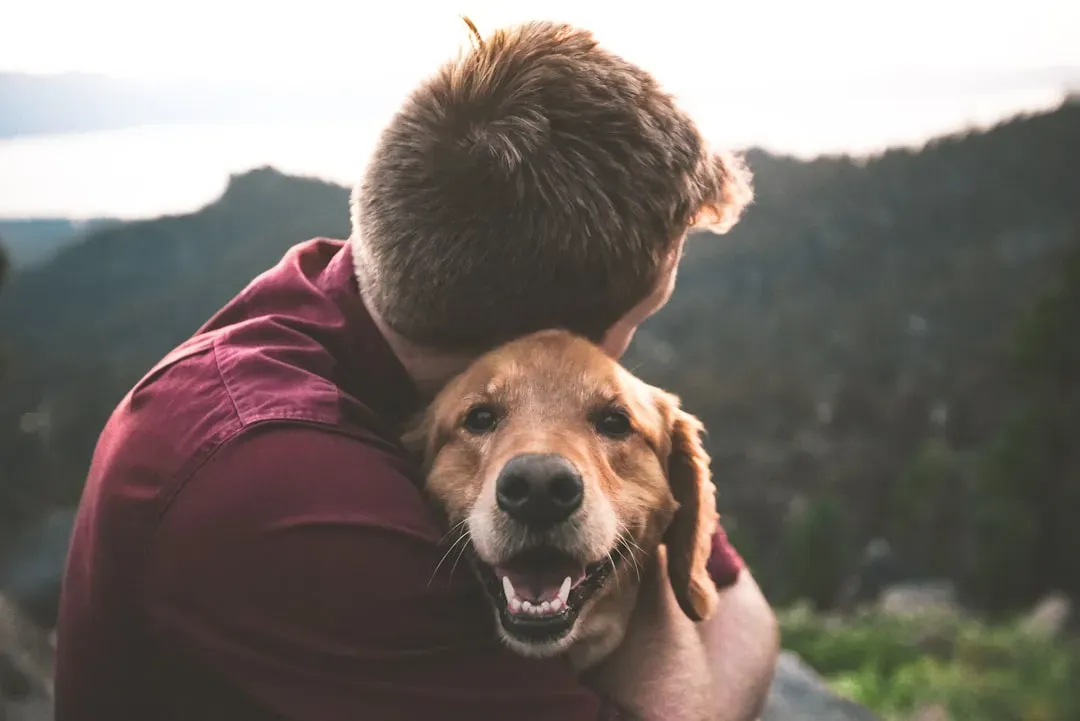
When you step back, the most striking lesson from neuroscience is that medical alert dogs are not just noses on legs; they are complex, emotionally invested brains quietly modeling your body from the inside out. They weave together scent, sight, sound, touch, routine, and relationship into a nuanced sense of when you are safe and when you are not. That makes their alerts less like a fire alarm and more like a close friend saying, “Something about you feels wrong, and I have seen this before.”
As research continues, you are likely to see less talk about “superior scent” and more about predictive brain architecture, attachment, and multi-sensory integration. For now, you can appreciate that the science is catching up to what many handlers already feel in their bones: these dogs are not just smelling illness; they are understanding you in a way that is still only partly mapped. Knowing that, how does it change the way you look at a dog quietly watching you from across the room?