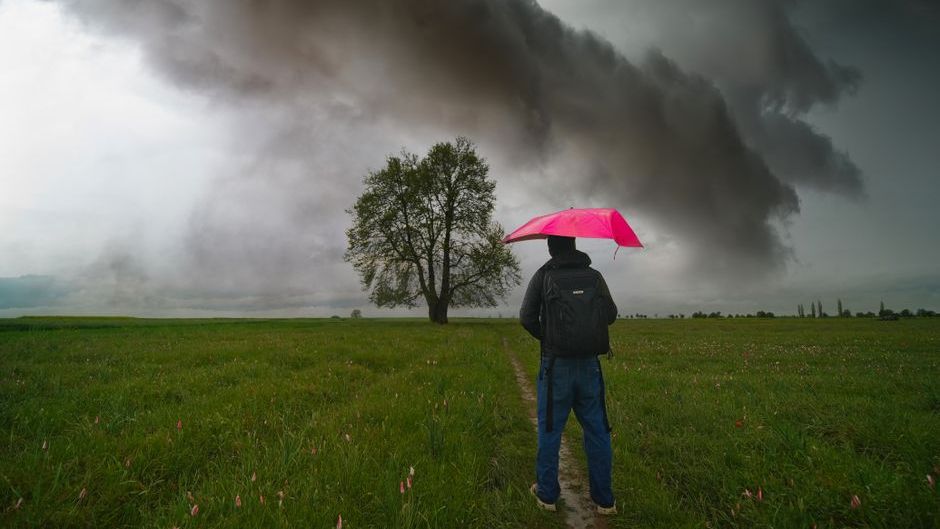
If you secretly light up when the sky turns gray, the wind picks up, and thunder starts to growl in the distance, you might have wondered what that says about you. Most people race toward the sunshine like plants on a windowsill, yet you feel oddly calm, focused, or even energized when the weather looks like a movie’s dramatic turning point. For a long time, that kind of preference was brushed off as just a quirk, a mood, or even a sign that something was wrong emotionally.
But modern neuroscience is starting to paint a more interesting picture. The way we respond to weather is tightly connected to how our brains process dopamine, the neurotransmitter linked with reward, motivation, anticipation, and novelty. People who genuinely prefer storms over sunshine may not just be “weird” or “overly sensitive”; they may be wired to respond differently to environmental cues than the average brain. And while science is still catching up to all the nuances, what we already know about dopamine, mood, light, and sensory processing can explain a surprising amount.
Storm Lovers and the Dopamine Puzzle: Why Your Brain Lights Up When the Sky Goes Dark

On the surface, it seems totally backward: sunny days are supposed to be uplifting and stormy days are supposed to be gloomy. Yet for some people, the exact opposite happens. They feel restless or overstimulated under bright, cloudless skies, but once the clouds roll in, their minds quiet down and they actually feel more alive. That counterintuitive reaction is a big clue that their reward and arousal systems might not be firing in the same pattern as the cultural “default.”
Dopamine is not just the “pleasure chemical”; it is more about anticipation, salience, and what grabs your brain’s attention. If sunshine is the predictable, everyday baseline, then a storm is a dramatic change in sensory input: shifting light, sound, pressure, and smell. For a brain wired to crave novelty and atmospheric drama – or to feel unsafe in overwhelming brightness – those storm cues can feel oddly rewarding. The very same external conditions that drain one person can feel like a deep exhale, or even a powerful reset, for another.
How Weather Talks to Your Brain: Light, Mood, and the Dopamine–Serotonin Dance

Even if you never think about brain chemistry, you’ve probably felt the difference light makes in your mood. Sunlight affects circadian rhythms, sleep quality, and hormones, and it influences neurotransmitters like serotonin and dopamine. For many people, long dark winters can contribute to seasonal depression, while brighter days lift their mood. That’s the standard story. But brains that are more light-sensitive or differently regulated can experience the same conditions through a very different emotional lens.
In people who prefer stormy weather, it may not be that they “hate happiness” or “love being sad,” but that their nervous system finds harsh, intense brightness overstimulating, almost like a constant spotlight. Overexposure to bright light and heat can raise arousal levels in ways that are subtly stressful for them, nudging the dopamine system into a restless, unfocused mode. When the sky darkens and the light softens, the brain’s balance between dopamine, serotonin, and stress hormones may shift into a zone that finally feels manageable, clear, and even pleasurable.
Gray Skies, Deep Focus: Why Stormy Days Can Supercharge Concentration and Creativity
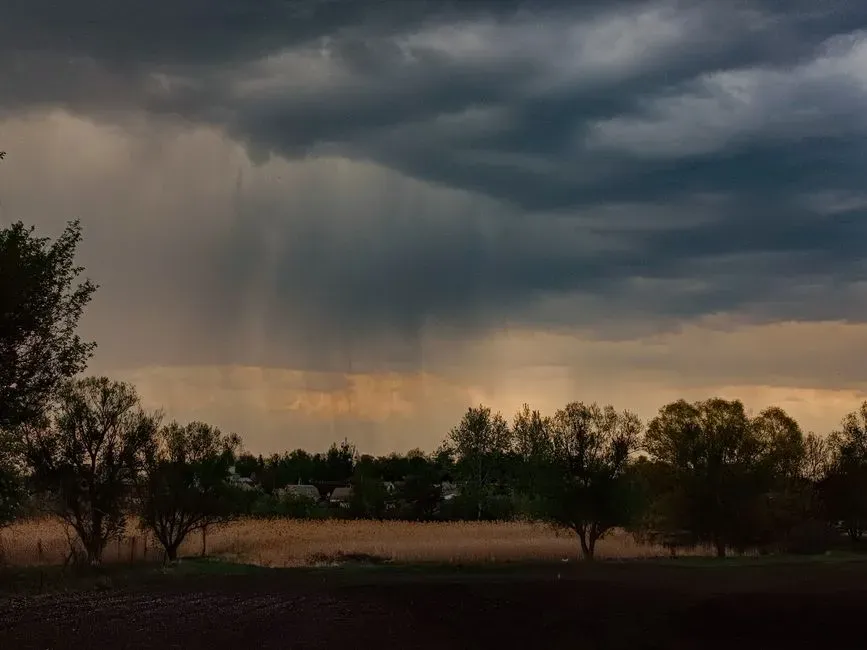
Ask a few storm lovers how they feel during a heavy rain and you’ll hear the same pattern over and over: they can finally concentrate. The white noise of the rain, the muffled world outside, and the sense that life has slowed down can trigger a powerful state of mental focus. From a neuroscience angle, this looks a lot like “optimal arousal” for certain brains – just enough stimulation to stay engaged, but not so much that attention gets scattered in every direction.
Dopamine is heavily involved in attention, working memory, and the ability to stay with a task. On bright, busy, blue-sky days, constant sensory and social cues – glare, crowds, noise, the cultural pressure to “go out and do something fun” – may flood the system. For someone whose dopamine circuits are already sensitive, that can feel like mental static. In contrast, stormy conditions often reduce social activity, visual clutter, and bright light, while introducing rhythmic, predictable sounds. That calmer sensory environment can allow dopamine to support sustained attention and creative flow instead of chasing every new distraction.
Not Just Moodiness: Sensory Sensitivity, Introversion, and the Appeal of Storms
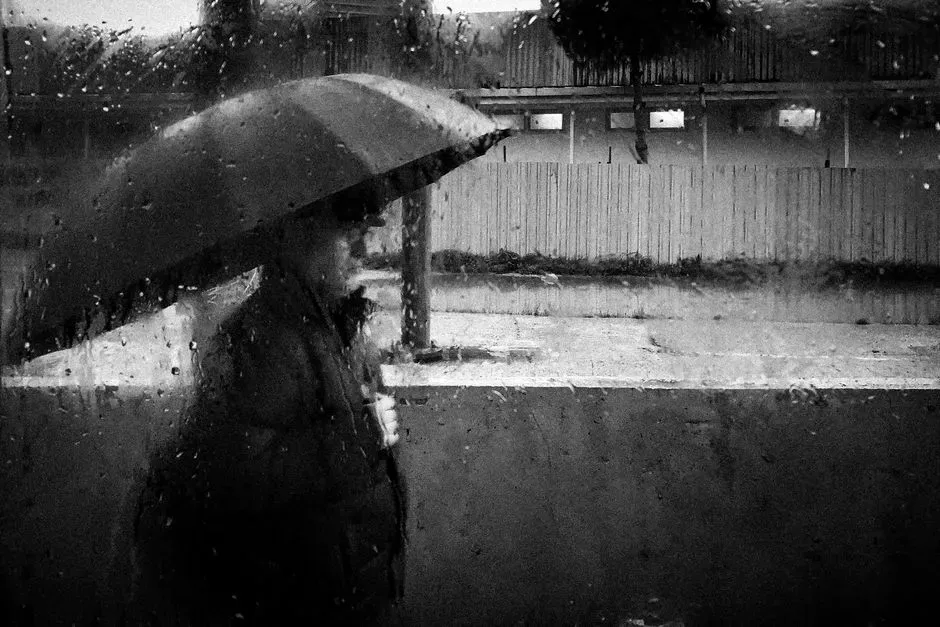
People who genuinely prefer storms over sunshine are often labeled dramatic, moody, or antisocial, but there’s usually a more grounded explanation. Many of them score higher on measures of sensory sensitivity or introversion. Their brains process incoming information more deeply, and they often notice background details that others tune out. When the world is blazing with light and noise, that deep processing can become exhausting, like listening to music with the volume constantly turned up too high.
Stormy weather naturally dampens some of that overload. The light is softer, the colors are muted, the streets are quieter, and social expectations shift toward staying in. For a sensitive or introverted nervous system, that can feel like the world has finally turned its volume down to a human level. The reward is not in the “gloom” itself, but in the relief from bombardment – and that relief is exactly the kind of state the dopamine system can register as soothing and satisfying.
Rain, Risk, and Novelty: Why Some Brains Crave Atmospheric Drama
There is another type of storm lover who is less about calm and more about thrill. For them, thunderstorms feel electric, almost cinematic, like being inside a live-action soundtrack. Their heart rate ticks up, but in an exciting way, and they may head straight to the window or even outside to watch the sky put on a show. This hints at another dopamine-related trait: a higher appetite for novelty, intensity, or controlled risk.
Dopamine circuits are deeply tied to the pursuit of new and surprising stimuli. A thunderstorm is a multi-sensory burst of unpredictability – flashes of lightning, rumbles of thunder, wind gusts, sudden downpours. For some brains, that unpredictability is disturbing and stressful. For others, it is exactly the kind of event that makes the world feel alive. Liking stormy weather in this way does not mean being reckless; it means that your nervous system may derive a sense of reward from environmental drama, the same way some people love roller coasters while others cling to the ground.
When Stormy Weather Comfort Becomes a Red Flag: Anxiety, Depression, and Dopamine Imbalance
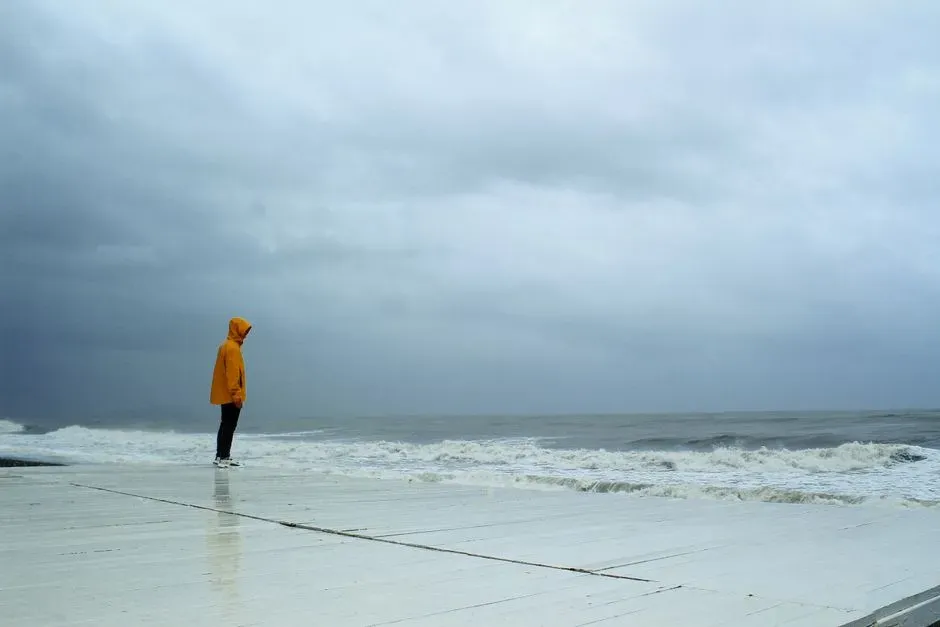
It’s important to be honest: loving storms is not automatically a sign of a special, enlightened brain. In some cases, a strong preference for dark, enclosed, or rainy environments can overlap with anxiety, burnout, or depression. If you only feel safe or functional when the outside world is closed off, that might be more about emotional withdrawal than healthy preference. Dopamine plays a major role in motivation, energy, and pleasure, so long-term imbalances can leave you seeking conditions that allow you to feel as little as possible, not more alive.
Some people report feeling strangely peaceful only on stormy days because regular days feel relentlessly demanding and relentless. They might associate sunshine with social obligations, productivity pressure, or past experiences that made “nice weather” feel unsafe or performative. In that case, stormy weather becomes a psychological shelter. There is nothing wrong with enjoying storms, but if you notice that you cannot function, feel joy, or connect with others unless the sky is gray, it may be a sign to talk to a professional about how your brain is handling stress, reward, and emotional regulation.
Why Being a Storm Person Does Not Make You Broken (Or Specially Magical)

Here is the honest middle ground: preferring stormy weather probably does say something about how your brain handles sensory input, novelty, and dopamine, but it does not place you in a mystical category above or below everyone else. Brains exist on spectrums – of sensitivity, risk tolerance, arousal preference, and reward patterns. Liking gray skies and thunder simply means your nervous system finds comfort, focus, or excitement where many others do not. That difference is real, but it is a variation, not a flaw, and not a superpower that makes you fundamentally separate from humanity.
Personally, I’ve always felt a strange relief when the forecast calls for rain; it feels like the world is finally honest about not being perfect and polished. That feeling used to make me wonder if something was wrong with me, because the cultural script screams that sunny equals happy. Understanding dopamine, sensory processing, and mood taught me a calmer story: my brain is just tuned a bit differently. If storms help you think, create, or finally relax, you are not broken – you are just living at a slightly different setting on the human control panel.
Conclusion: The Secret Weather Channel in Your Brain

If you prefer stormy weather to sunny days, your brain is likely responding to the world in a pattern that most people do not share, especially in how it balances dopamine, arousal, and sensory input. That can mean you focus better when the light softens and the noise drops, or that you feel more alive when thunder rattles the windows. It might also mean you carry a more sensitive nervous system, a stronger appetite for atmospheric drama, or a deeper need for environments that let your thoughts breathe. None of that makes you defective, and none of it makes you a superhero; it just means your inner weather map does not always match the forecast everyone else is cheering for.
My own opinion is that we should take these differences seriously without turning them into identity costumes. It is useful to know that your dopamine system might hum more calmly under gray skies, but it is just as important not to trap yourself in the belief that you can only be okay when it rains. The real power comes from understanding your wiring well enough to design a life that respects it – using sound, light, routine, and environment to create your own version of that storm-day clarity even when the sun is blazing. In the end, maybe the real question is not whether storms or sunshine are better, but whether you are willing to listen to what your brain has been trying to tell you every time the clouds roll in.