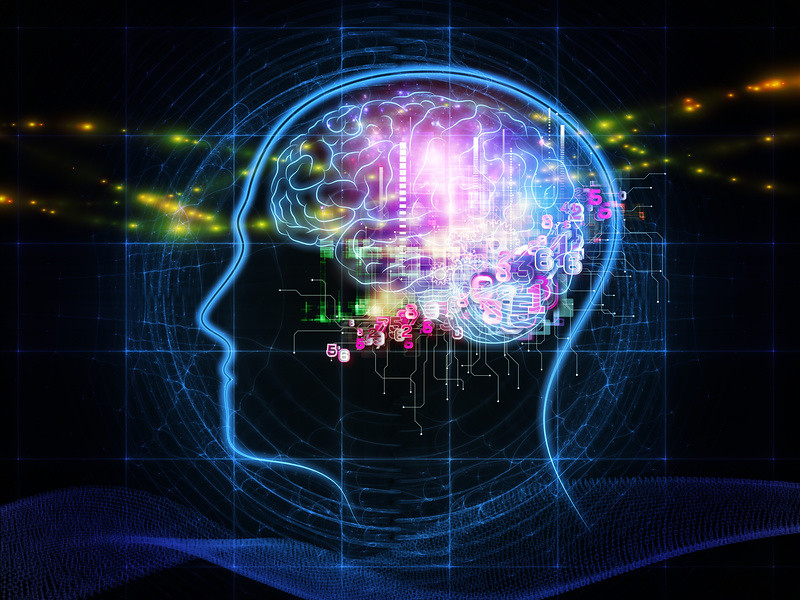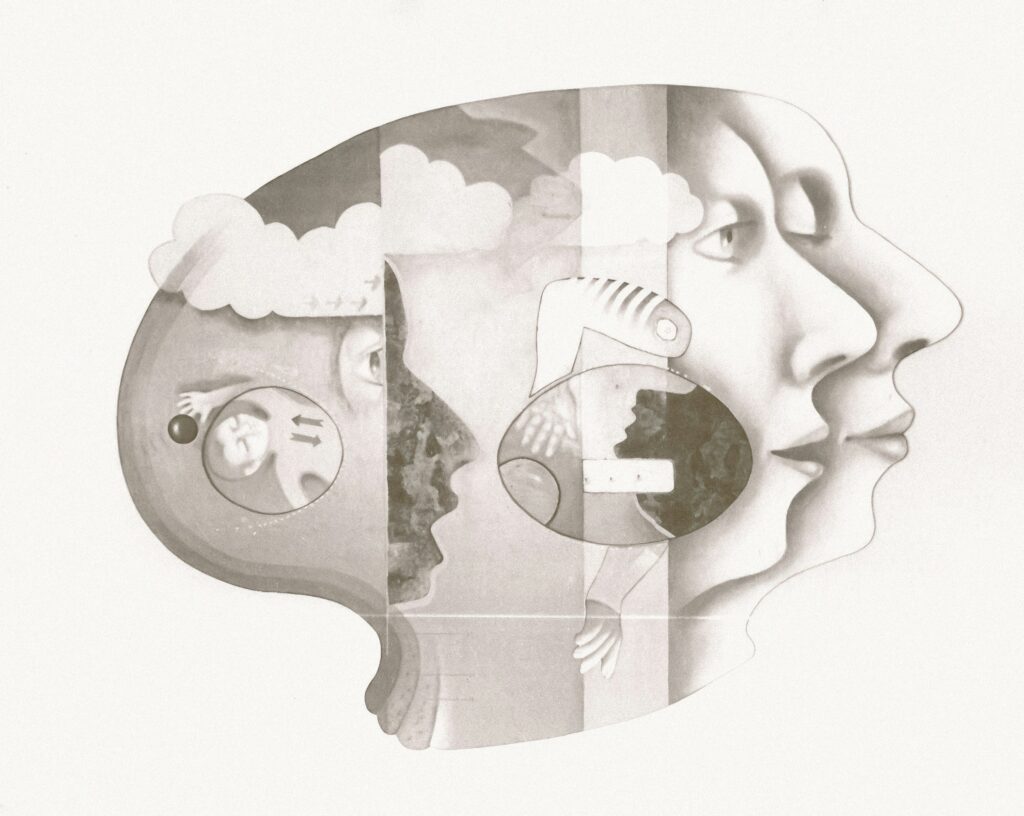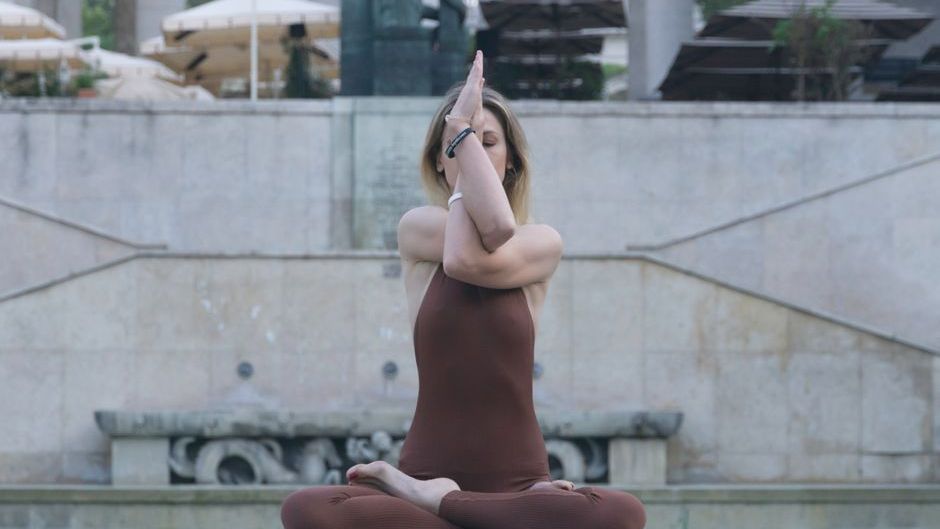

There’s a quietly radical idea emerging from modern brain science: when you’re totally lost in writing, painting, coding, surfing, or even solving a tricky spreadsheet problem, your brain may look surprisingly similar to that of a seasoned meditation master. Not just metaphorically, but in measurable electrical rhythms, blood-flow patterns, and the way the sense of “me, myself, and I” seems to loosen its grip. The old picture of creativity as wild chaos and meditation as serene stillness is giving way to something more intriguing: under the hood, these states may be cousins.
I remember the first time I read a study comparing expert meditators to jazz improvisers; it felt like someone had finally put data to an experience I’d had for years – those rare moments when I was writing so deeply that I forgot the room around me, the clock, and even my own self-consciousness. Neuroscience is now catching up to that lived feeling. The big takeaway is not that creativity and meditation are identical, but that they share a core signature: a quieter ego and a more unified, deeply focused brain. And that has huge implications for how we work, learn, and design our lives.
The Surprising Overlap: Flow State and Monk-Like Brain Patterns
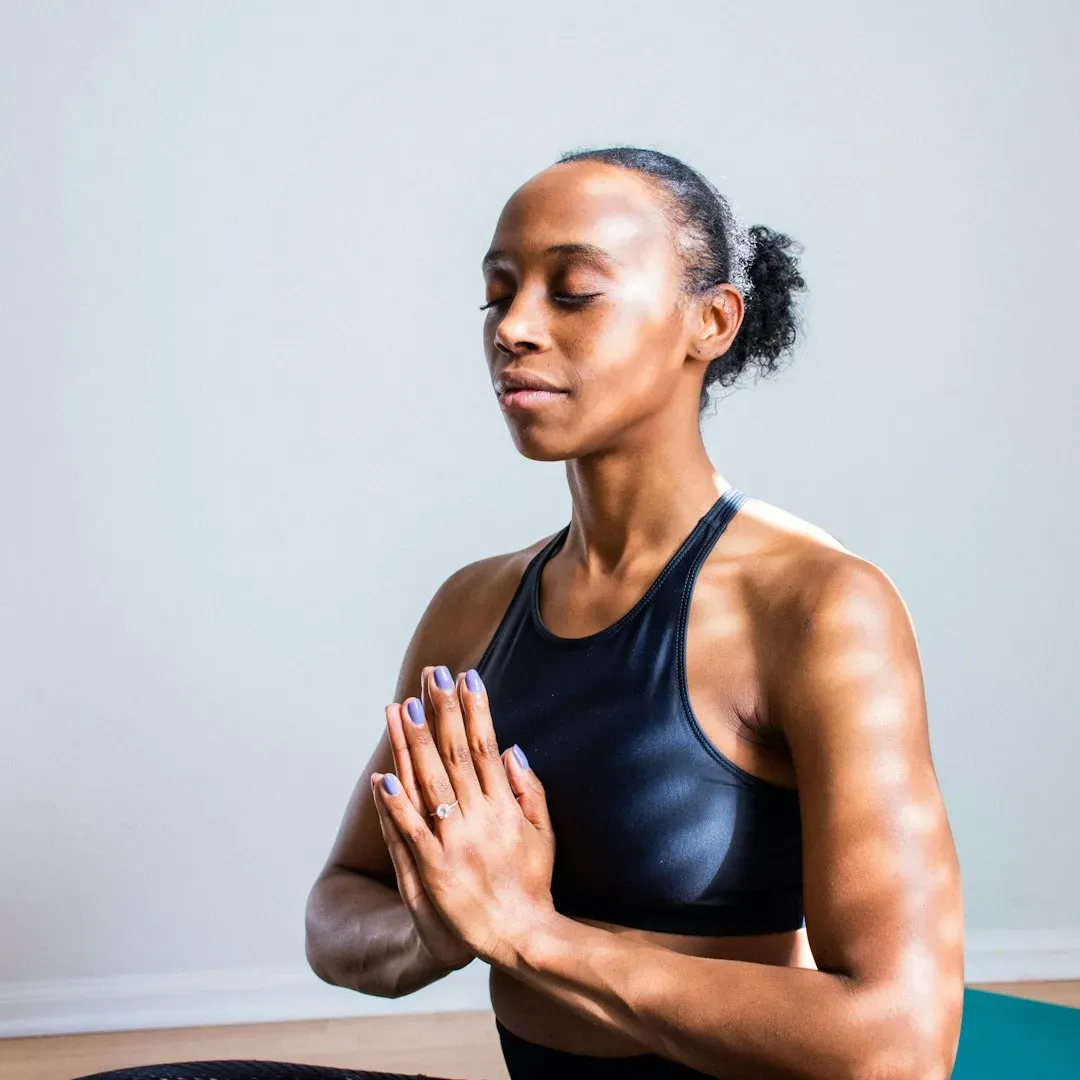
One of the most surprising findings in recent neuroscience is how consistently flow states and advanced meditation show similar changes in the brain’s default mode network, the set of regions tied to self-referential thinking and mind-wandering. When meditators drop into deep states, parts of this network, especially in the medial prefrontal cortex and posterior cingulate cortex, tend to quiet down. Those same areas often dial back when artists, athletes, or programmers report being completely absorbed in what they’re doing. The brain, in a sense, stops obsessing about the self and locks into the task.
At the same time, regions tied to sustained attention and task control, such as areas in the frontal and parietal lobes, show a stable activation pattern in both deep meditation and flow. This combination – less chatter about “me,” more steady focus on “this” – is a powerful recipe for performance and inner calm. It’s why people can describe a peak creative moment and a deep meditation retreat with almost the same language: timelessness, effortlessness, and a sense of being fully there, yet oddly not fixated on themselves.
Alpha and Theta Waves: The Brain’s Ego-Quieting Rhythms
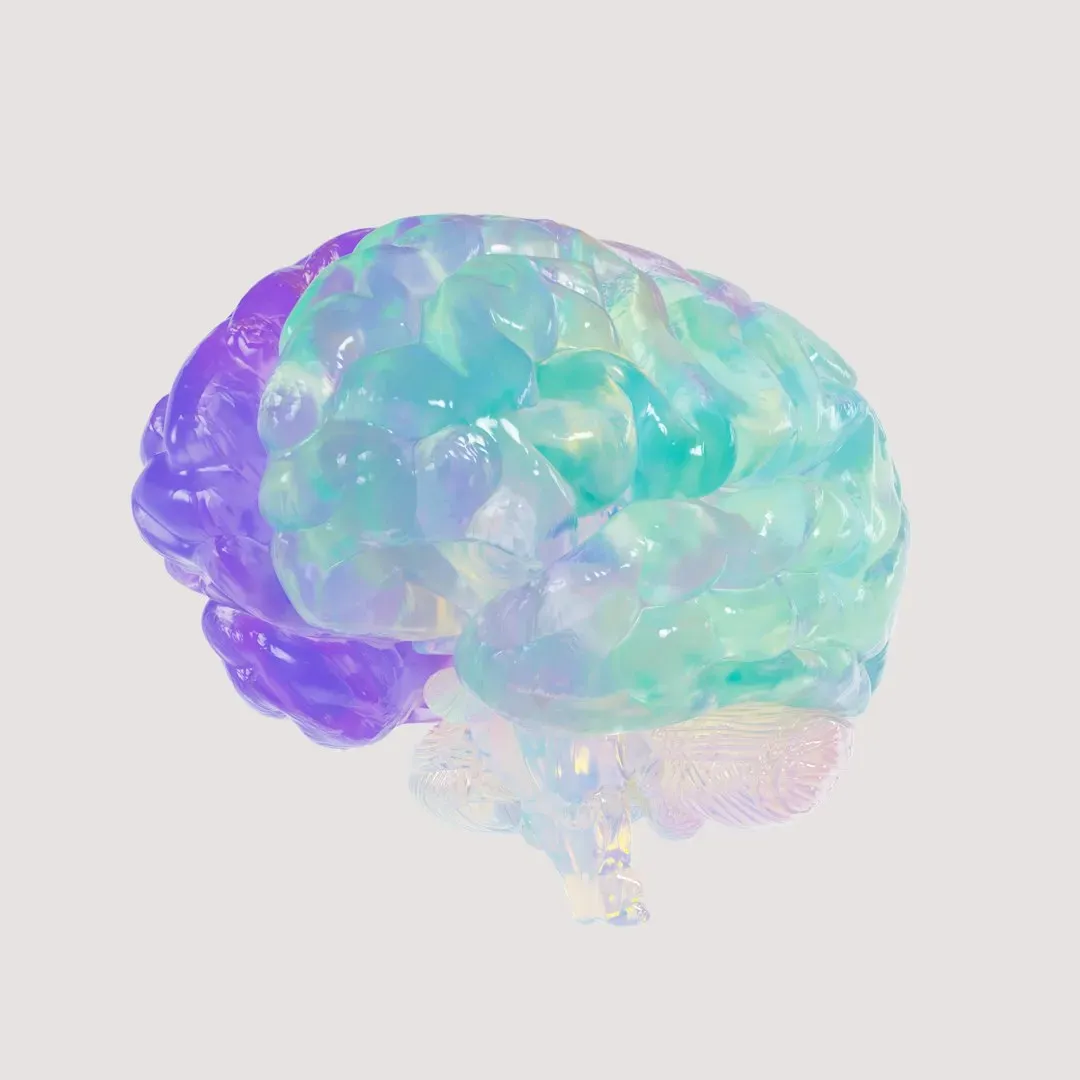
On the surface, alpha and theta waves sound like technical jargon, but they’re really just labels for different speeds of brain activity. In both advanced meditators and people in flow, scientists often see increased alpha rhythms in parts of the cortex associated with filtering distractions, and elevated frontal midline theta, which is linked to internal focus and cognitive control. Put more simply, the brain seems to tune out noise and tune in to what matters, like a DJ cutting the background chatter and bringing up the main track.
This pattern is what researchers sometimes call “relaxed concentration” or “effortful ease” – you’re not drowsy, but you’re not frantically pushing either. When a jazz musician is improvising, or a gamer is locked into a demanding level, similar wave patterns can emerge to those in a monk resting in non-judgmental awareness. It does not mean both experiences feel identical from the inside, but the shared alpha–theta cocktail is a strong clue that both states rely on an ego-light, deeply focused mode of brain function.
Default Mode Network: Turning Down the Inner Narrator
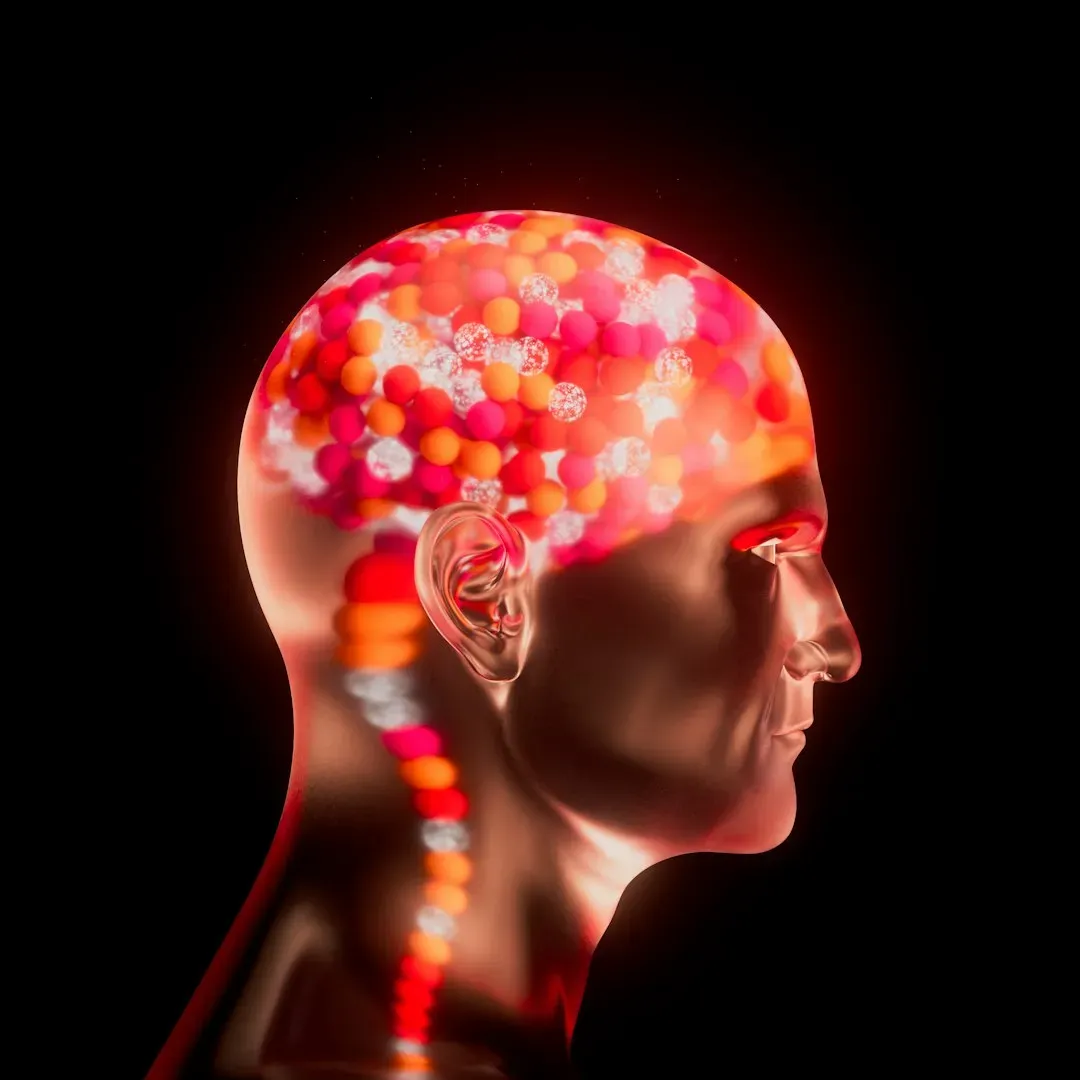
If you’ve ever tried to meditate and immediately been assaulted by a thousand thoughts, you’ve met your default mode network, the brain’s “resting” system that loves to ruminate about the past, worry about the future, and replay old conversations. In advanced meditators, this network tends to become less reactive and less dominant, especially when they enter deeper states of non-judgmental awareness. It’s not that the self vanishes forever; it’s more like the inner narrator stops yelling and starts whispering from another room.
Flow appears to do something very similar, but from a different doorway. When a task is just the right mix of challenge and skill, the brain’s attention systems engage so strongly that the default mode network naturally quiets. You stop thinking about how you look, what others think, or whether you’re “good enough,” and the doing takes over. In both cases, the grip of ego loosens. The science backs up what many people feel firsthand: some of our best moments happen when the voice in our head is finally not running the show.
Dopamine, Reward, and the Sweet Spot of Challenge
Another striking overlap lies in the chemistry of motivation and reward. Flow states are often associated with finely tuned dopamine release, which sharpens focus, increases motivation, and reinforces behavior that hits the sweet spot between boredom and anxiety. When you’re doing something that is just hard enough to be engrossing but not so hard that it crushes you, dopamine helps keep you locked in, rewarding you for each small step of progress.
Advanced meditation also seems to reshape how the brain responds to reward and craving, though in a more subtle way. Rather than chasing little hits of pleasure or novelty, long-term meditators often show more stable activity in regions tied to reward and emotional regulation. In practice, this can feel like less compulsive grasping and more grounded, sustained interest. Flow and deep meditation are not using dopamine in the exact same way, but both move us away from restless, scattered seeking toward a more centered, sustained engagement with the present moment.
Sense of Self: From “I Am Doing This” to “It Is Just Happening”
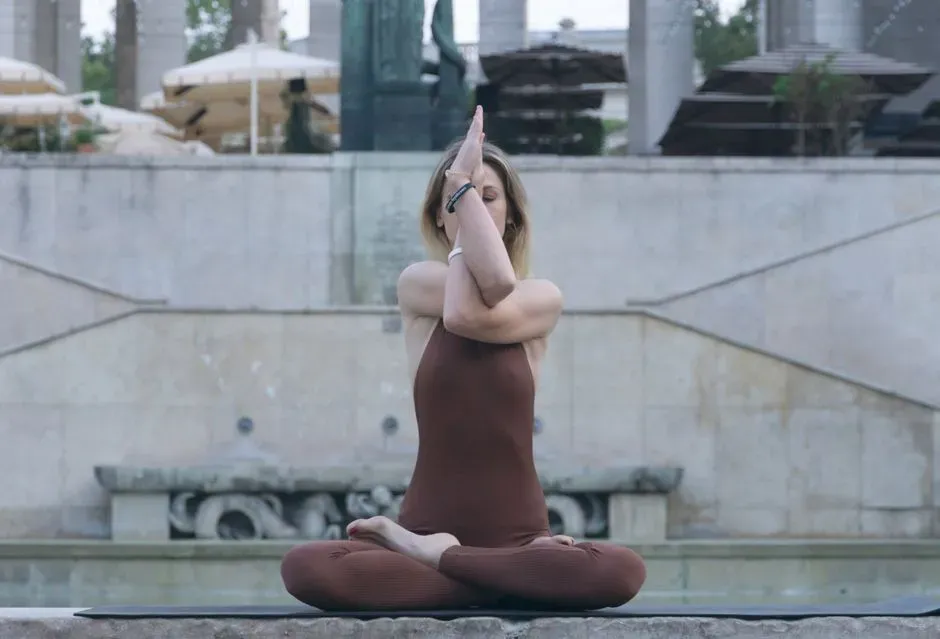
One of the most uncanny similarities between flow and advanced meditation is the shift in how we experience the sense of self. In flow, people often describe feeling as though the writing is writing itself, the surfboard is almost steering itself, or the code is just appearing. There is still a basic awareness, but the heavy feeling of “I, the doer, am forcing this” drops away. Actions feel smoother, reactions quicker, and the usual self-conscious commentary about performance fades into the background.
Experienced meditators report a related shift, though often in a more refined way. As the practice deepens, the usual boundary between “me in here” and “world out there” can feel less rigid, and experiences are noticed more as events simply arising and passing in awareness. From a neuroscientific angle, both states involve changing how various brain networks integrate information about the body, the environment, and inner thoughts. The big picture is that when the brain stops obsessively constructing a solid, separate “me,” both creativity and calm can flourish in ways that are hard to access otherwise.
Training for Flow: What Meditation Practice Teaches Creatives
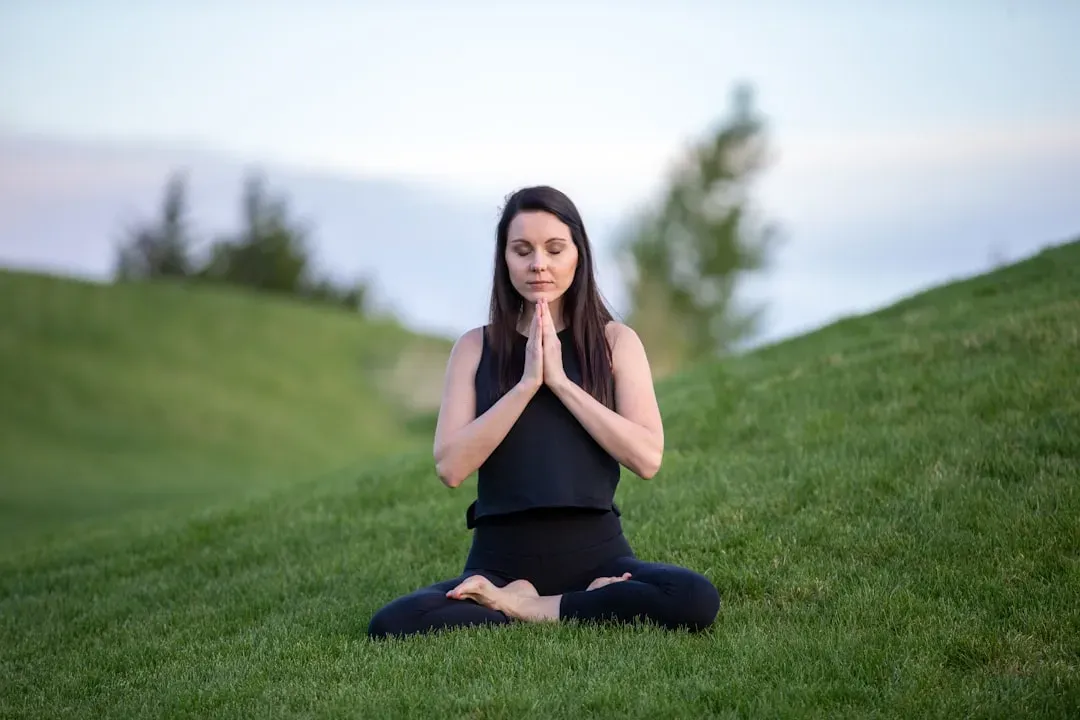
Here’s where things get really practical: the same skills that help people meditate more deeply can actually train the brain to enter flow more reliably. Practices like focusing on the breath, body scanning, or open monitoring strengthen attention and reduce reactivity to distractions. Over time, this can make it easier for a writer to stay with a draft instead of reflexively checking messages, or for a designer to keep exploring a concept instead of spiraling into self-doubt at the first roadblock.
In my own work, I’ve noticed that even a short, consistent mindfulness routine makes it easier to slip into that “hours passed in what felt like minutes” state when I sit down to create. Neuroscience supports this: repeated attention training thickens certain brain regions, increases connectivity, and stabilizes those alpha and theta patterns linked to relaxed focus. Meditation does not guarantee genius, but it undeniably stacks the deck in favor of more frequent and more sustainable flow, especially in a noisy, distraction-heavy world.
Not All Flow Is Holy: The Dark Side of Effortless Absorption
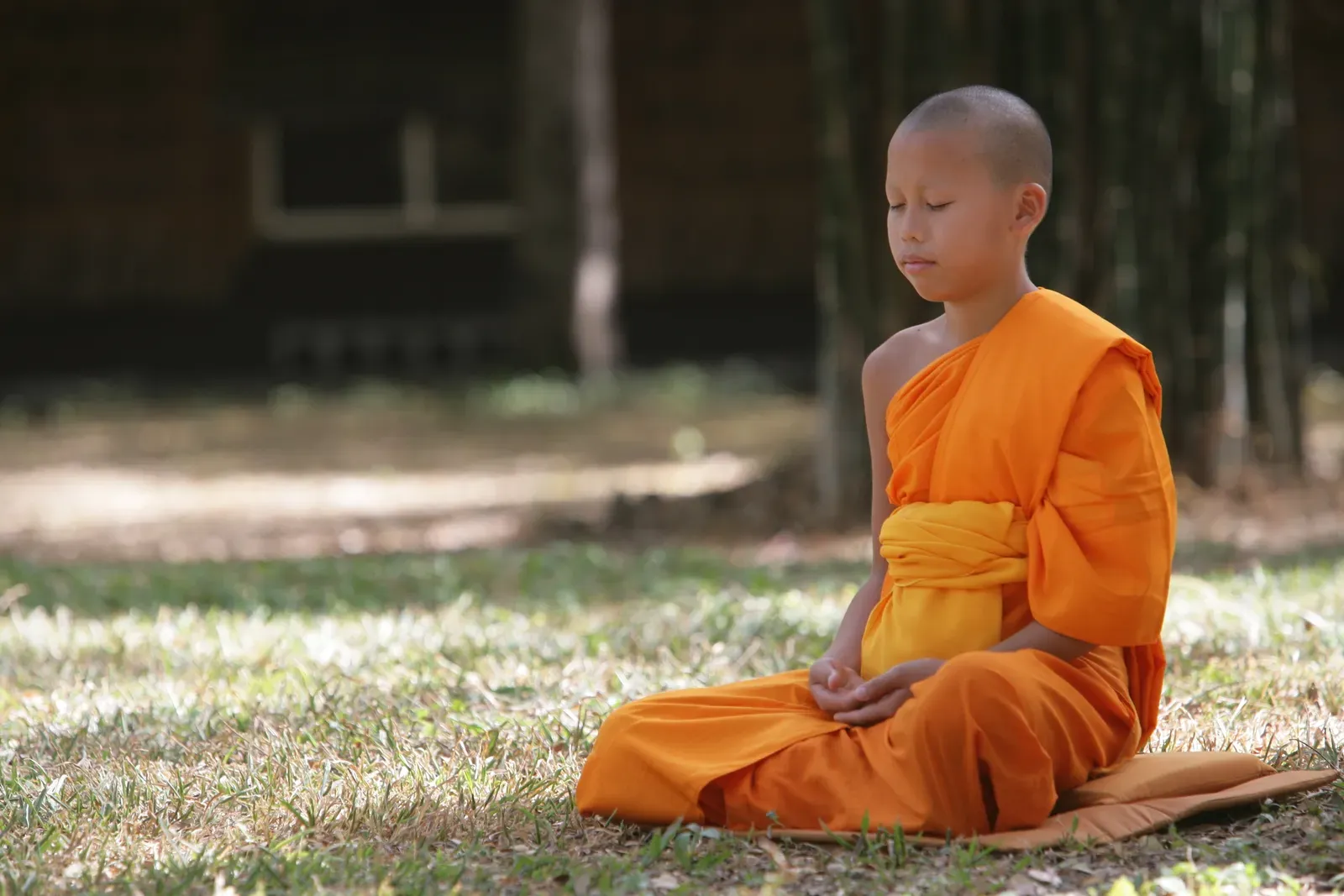
As exciting as the parallels are, it’s important not to romanticize flow as automatically enlightened or morally elevated. Someone can be in deep flow while building a beautiful piece of music or while optimizing an addictive app designed to hijack your attention. Video games, social media, and high-speed trading systems are deliberately engineered to lure people into highly absorbing loops that feel good in the moment but may not serve their long-term well-being. The brain patterns might resemble a monk’s, but the outcomes can be very different.
Advanced meditation, at least in its traditional forms, is usually embedded in ethical frameworks that emphasize compassion, non-harm, and self-understanding. That context shapes how the quieting of ego and deep focus are used. Flow, on the other hand, is value-neutral – it amplifies whatever direction you point it. Neuroscience can show that the states look similar, but it cannot tell us how we ought to use them. That part is on us, and it is why I think we should be honest that cultivating monk-like attention without monk-like ethics is a double-edged sword.
Designing a Monk-Grade Creative Life in a Messy Modern World
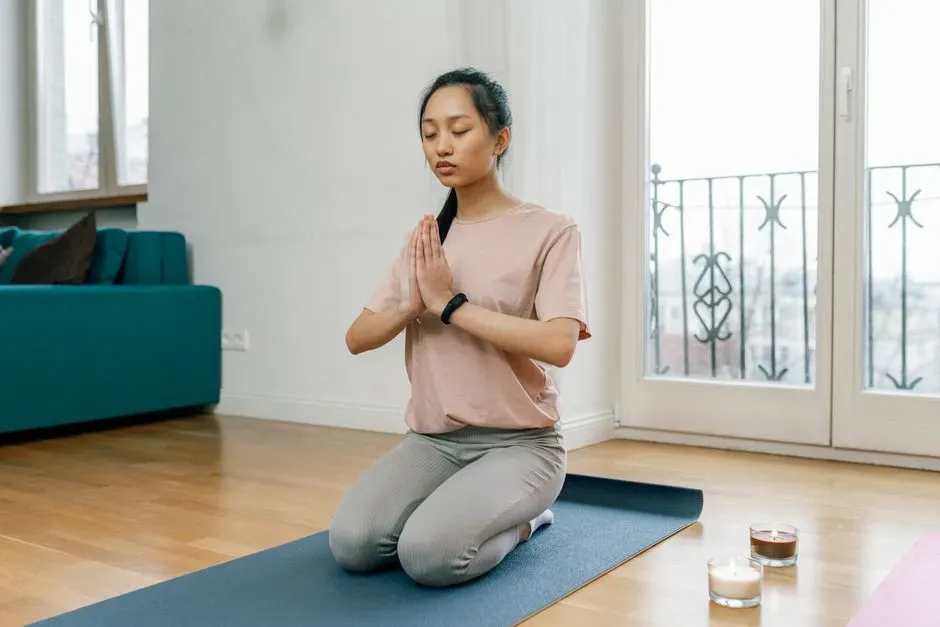
The biggest opportunity in all this research is not to worship monks or glorify workaholic creative binges, but to design daily lives that borrow the best from both worlds. That might mean using short, regular meditation sessions as a warm-up for deep work blocks, protecting time from notifications, and deliberately choosing projects that stretch your skills just beyond their comfort zone. Instead of waiting for inspiration to randomly strike, you can build routines and environments that quietly invite your brain into that ego-light, steady-focus mode more often.
It also means respecting recovery as much as intensity. Both high-level meditators and peak performers understand that you cannot live in flow twenty-four seven without burning out or losing perspective. Alternating focused sprints with genuine rest, play, and social connection lets the brain integrate what it has learned and keeps those beautiful alpha–theta rhythms from becoming another thing you try to force. If there is anything truly monk-like to steal here, it is the long view: you are training a mind and a life, not just chasing the next productive high.
Conclusion: Flow Is Powerful, but It Is Not Automatically Wise
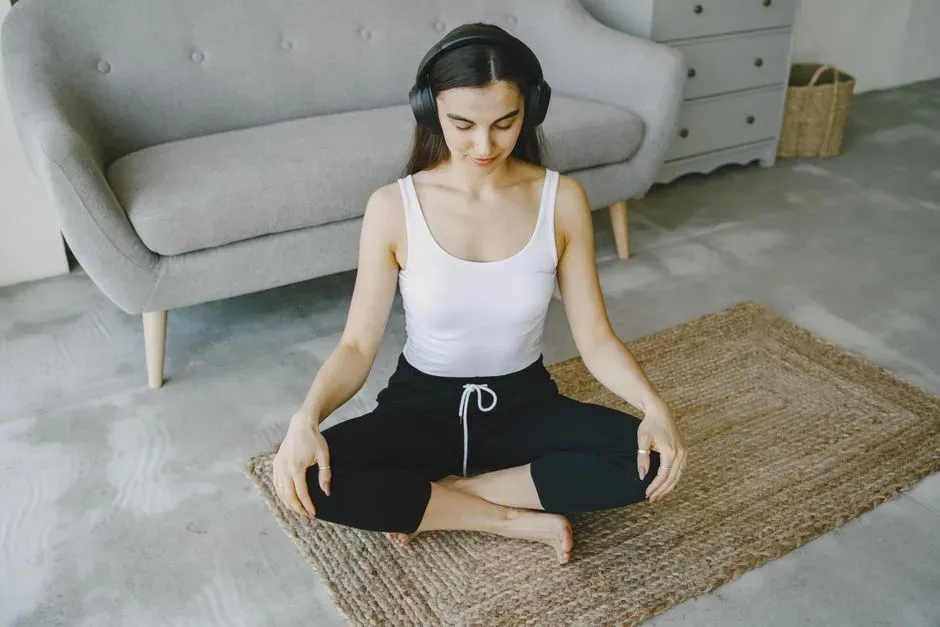
When you zoom out, the neuroscience story is both inspiring and a little sobering. Yes, entering a creative flow state really does light up brain patterns that look a lot like those seen in advanced meditating monks: quieter ego circuitry, stronger sustained attention, and those distinctive waves of relaxed concentration. That should give every artist, coder, athlete, and everyday problem-solver a sense of possibility. You do not have to sit in a monastery for decades to taste what an ego-light, deeply focused mind feels like; you might already glimpse it when you lose yourself in what you love.
But here is my opinionated take: we are making a mistake if we treat flow as just another productivity hack or a drug to squeeze more output from ourselves. Without some reflection and values behind it, monk-like brain patterns can end up serving very un-monk-like goals. The real opportunity is to combine the discipline and ethical orientation of contemplative practice with the energy and invention of modern creative work. If your brain can already do “monk mode” while you are in your craft, the real question is not whether you can get there more often – it is what you will choose to build, heal, or change once you arrive.