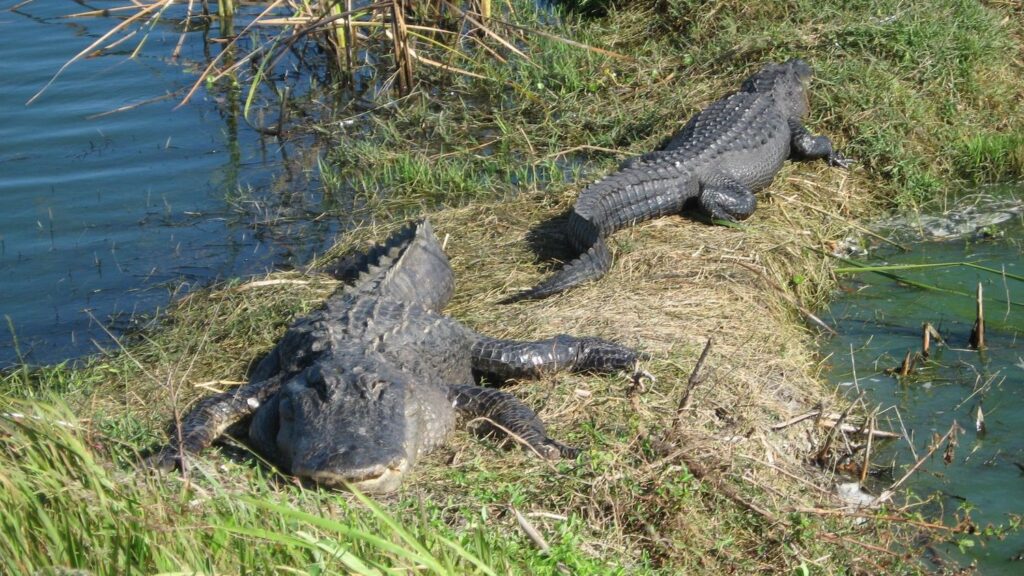

If you grew up thinking of American alligators as mysterious monsters lurking in swampy shadows, the real story unfolding in the Mississippi Delta right now is far more surprising. These armored reptiles have become one of the clearest signs that restoring broken wetlands actually works, turning a once‑endangered icon into a living success story.
What makes this so fascinating is that alligators are not thriving because people left the land alone, but because we actively decided to repair what we damaged. In a time when most wildlife headlines feel bleak, the Mississippi Delta offers a rare twist: when marshes, swamps, and bayous are brought back to life, the gators come roaring back too. The big question is what their comeback really tells us about the future of this battered but essential landscape.
The Mississippi Delta: A Landscape Built for Alligators
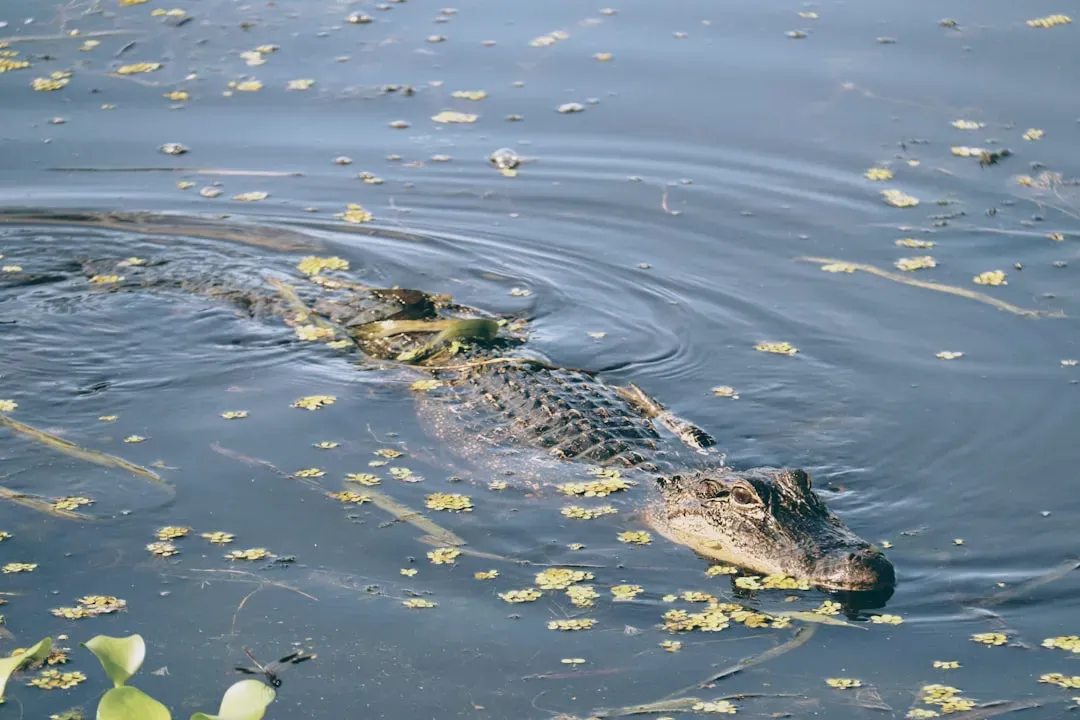
The Mississippi Delta is not just a place on a map; it is a living, shifting patchwork of rivers, backwaters, floodplains, swamps, and marshes that practically seems designed for alligators. Warm, shallow waters, soft muddy banks, and endless places to hide create exactly the kind of habitat that big reptiles need to hunt, bask, and breed. When the river overflows its banks and spreads out across the land, it leaves behind nutrient‑rich areas where fish, birds, and amphibians explode in number, turning the whole region into a buffet.
For alligators, this watery chaos is paradise. They use submerged logs, reeds, and floating vegetation as cover, slipping silently through the brown water in search of prey. Nesting spots are woven into the landscape itself, with females piling up vegetation on slightly higher ground just above the waterline. When the Delta is healthy, it does not just support alligators; it turns them into apex guardians sitting on top of a wildly productive food web.
How We Nearly Lost Alligators in Their Own Stronghold
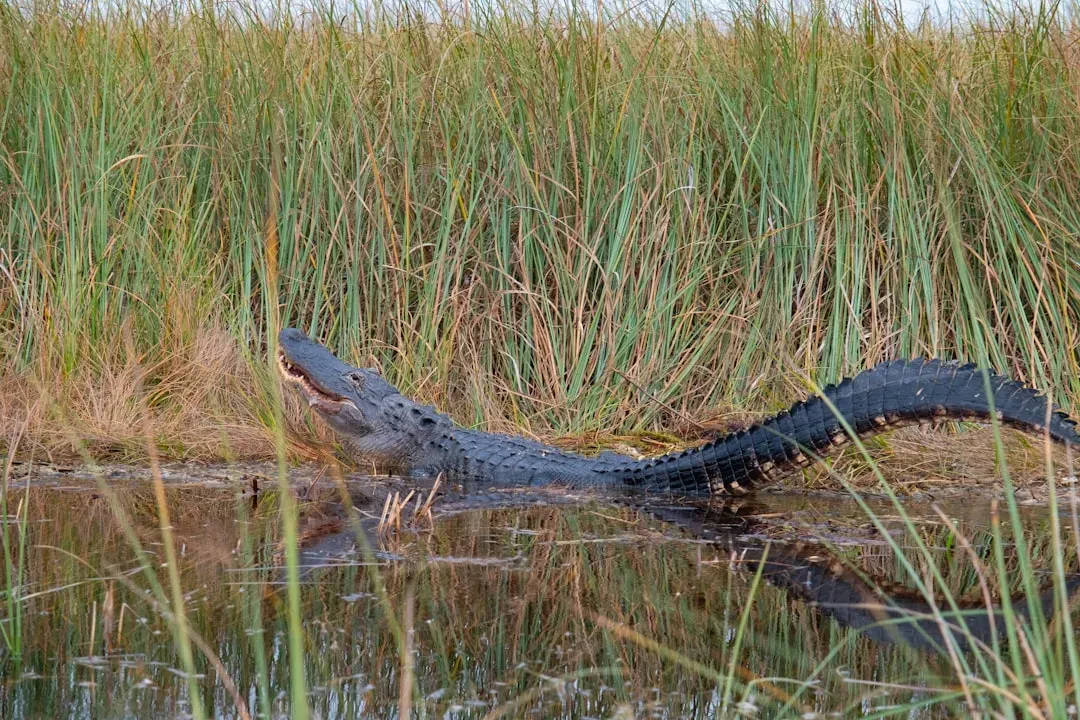
It is easy to look at a powerful, scaly alligator and assume they are untouchable, but not long ago, humans nearly wiped them out in many parts of their range. Heavy hunting pressure, combined with habitat destruction and unregulated trade in skins, pushed populations dangerously low across the southeastern United States in the mid‑twentieth century. Even in strongholds like the Mississippi Delta, these pressures chipped away at a species that had survived for millions of years.
The real danger was not only people shooting gators; it was the gradual loss and fragmentation of wetlands that left fewer places for them to nest, feed, and move safely. As marshes were drained, rivers were straightened, and swamps were cleared, alligators were squeezed into smaller and more isolated patches of habitat. It took legal protection, enforcement, and a shift in public attitudes to pull them back from the brink and give conservationists enough breathing room to focus on restoring the places they depend on.
What Wetland Restoration Actually Looks Like on the Ground
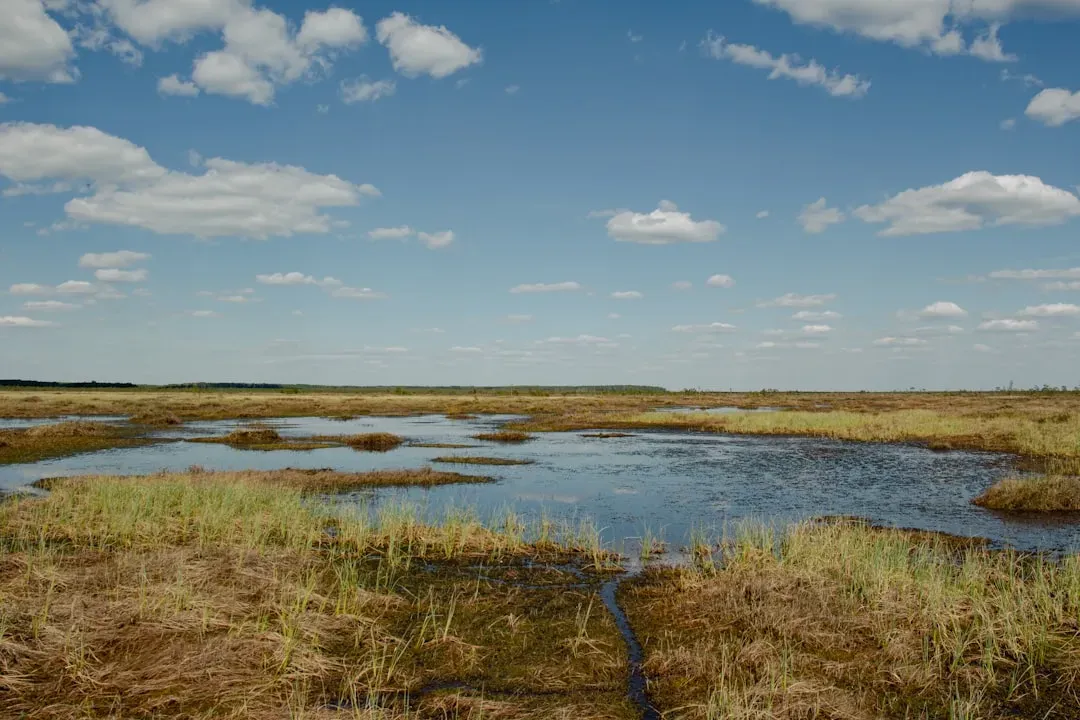
Wetland restoration sounds like a feel‑good buzzword, but in the Mississippi Delta it often means very specific, gritty work. Engineers and ecologists are breaking old habits by reconnecting rivers with their floodplains, breaching or modifying levees in targeted areas, filling artificial drainage ditches, and letting water spread out again instead of rushing straight to the Gulf. In other places, they are replanting native marsh grasses and trees, removing invasive plants, and reshaping banks so that wetlands can naturally flood and drain with the seasons.
None of this is quick or simple, but the ecosystem responds in ways that are surprisingly fast and visible. As water returns and native vegetation thickens, insects, frogs, fish, and wading birds spring back, almost like a time‑lapse of life returning after a storm. The more layers of life come back, the more room there is for predators like alligators to thrive. You can think of restoration as rebuilding the neighborhood first, then watching as the top predator moves back in once the food and shelter are finally there again.
Why Alligators Are Such Powerful Indicators of Wetland Health
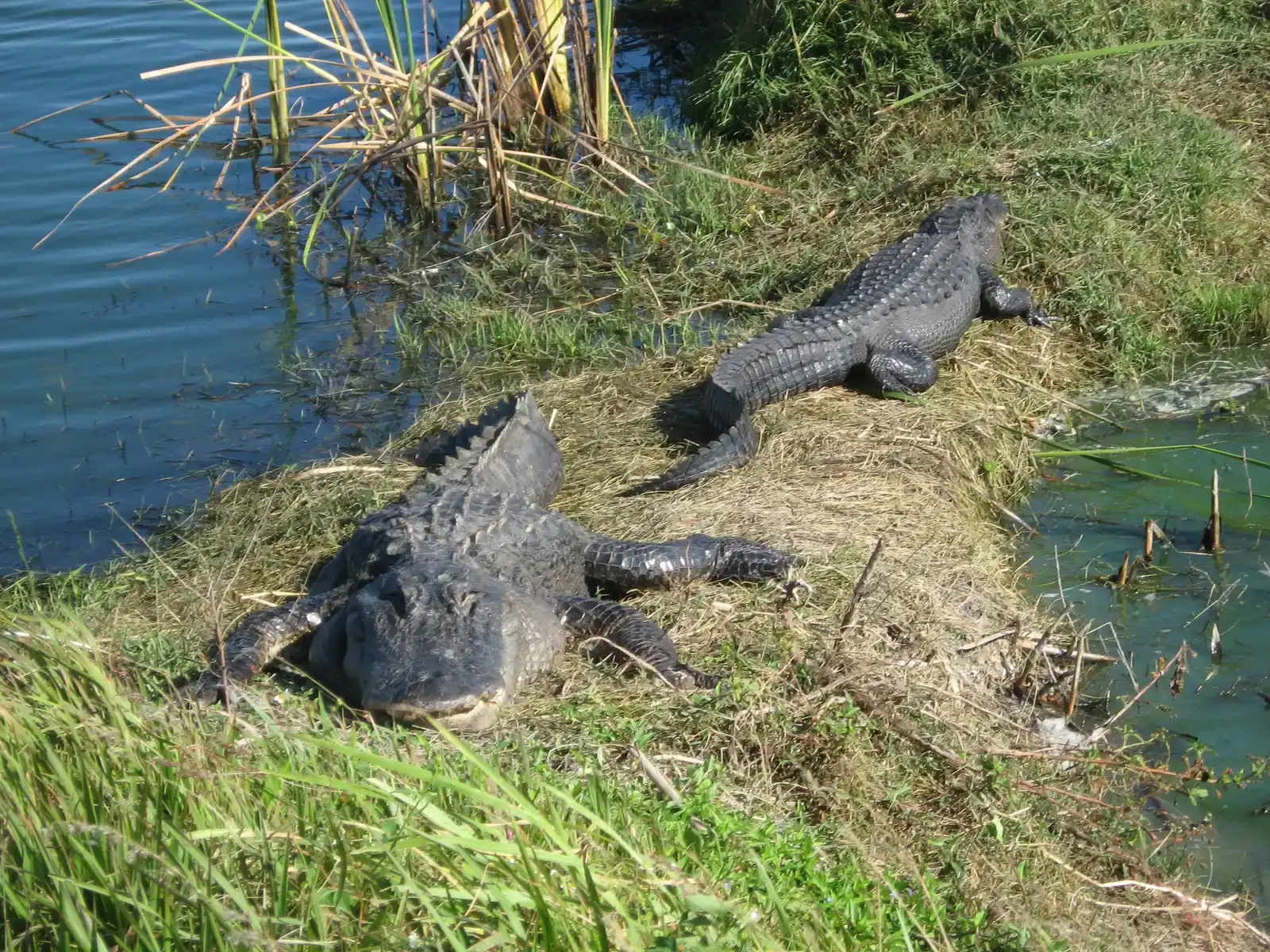
Alligators are more than just dramatic residents of the Delta; they are also remarkably useful indicators of how the whole wetland system is doing. Because they sit high in the food chain and use a wide range of habitats – from deep channels to shallow marshes – changes in their numbers, body condition, and nesting success often mirror deeper trends in the ecosystem. When gators are consistently growing, reproducing, and spreading into restored areas, it usually means that prey species and habitat complexity have rebounded as well.
They also respond to water quality and water levels over time, indirectly reflecting whether management is getting things mostly right or horribly wrong. If contaminants build up in fish and other prey, or if water levels become too unstable for nests to survive, alligators will show signs of stress that biologists can measure. In that sense, they act like rugged, reptilian report cards that summarize the long‑term impact of our choices on the wetlands they patrol.
Engineering Water for Wildlife: Hydrology as the Hidden Hero
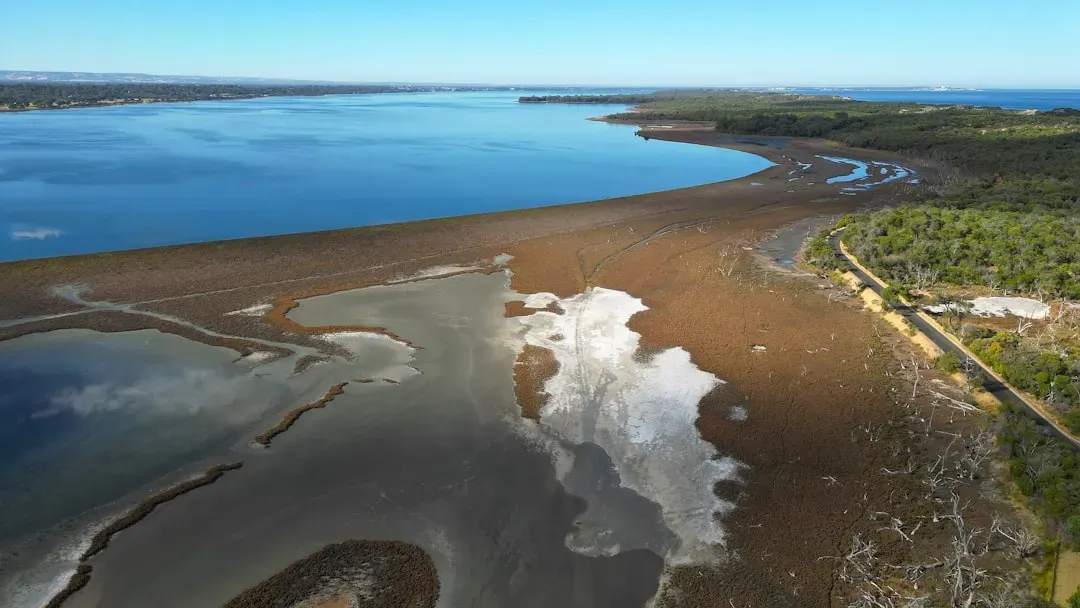
One of the least glamorous but most critical parts of wetland restoration is getting the hydrology right. Alligators depend on a careful dance of wet and dry periods: high enough water to move around and hunt, but not so extreme or unpredictable that nests are flooded out or left high and dry. Restoring old channels, allowing seasonal flooding in controlled zones, and adjusting water control structures can recreate something close to the natural rhythm that built the Mississippi Delta in the first place.
When water moves too fast through straightened, hardened channels, marshes starve, sediments bypass the floodplains, and shallow habitat disappears. By slowing water down, letting it spread and linger in backwaters, and reconnecting oxbows and side channels, managers create the quiet ponds and sloughs that alligators love. It is not just about adding water; it is about restoring the pulse of the river so that life, from tiny invertebrates to giant reptiles, can match their behavior to a more predictable seasonal beat.
Alligator Nests, Nursery Ponds, and the Role of Vegetation
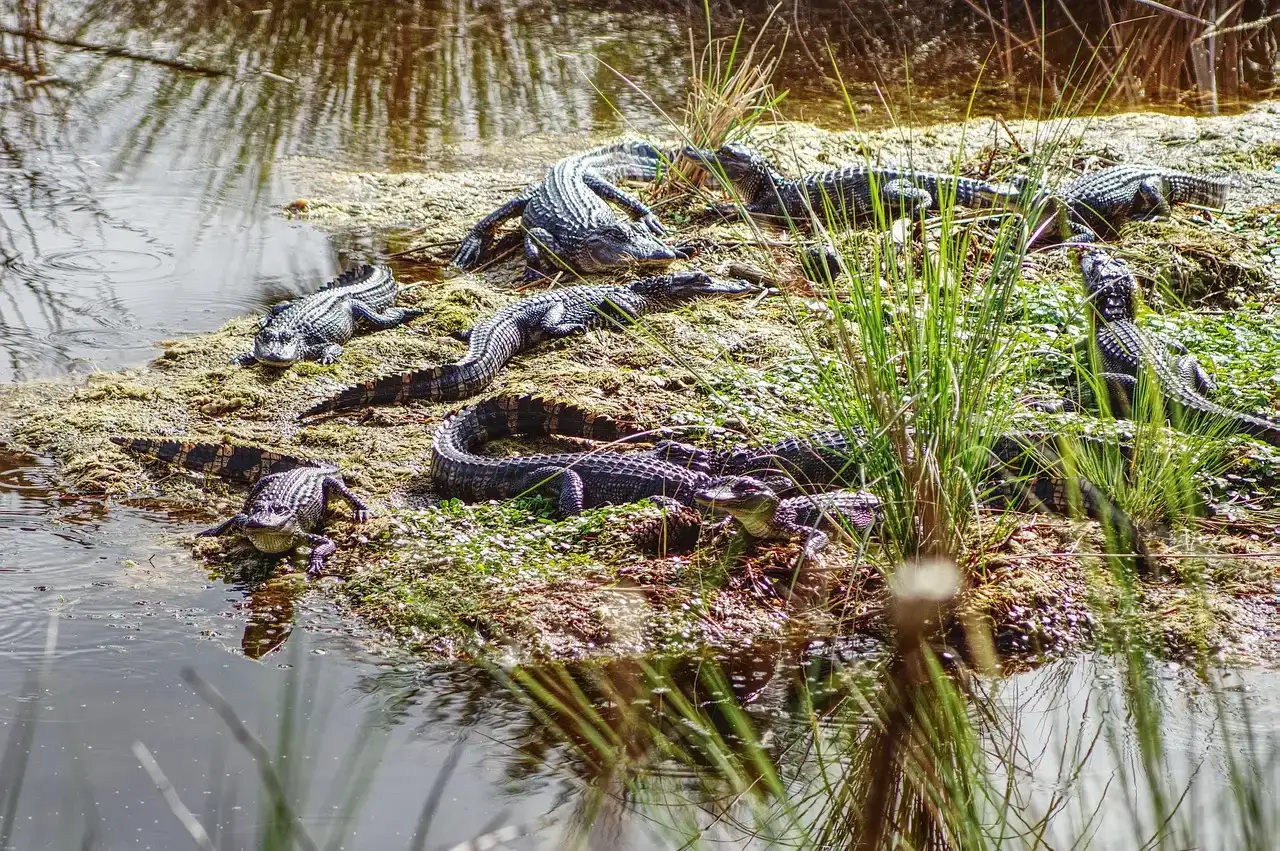
Thriving alligator populations depend heavily on places where females can safely build nests and where hatchlings can grow without being immediately picked off. Restored wetlands often bring back exactly the mix of slightly elevated ground, dense vegetation, and sheltered backwaters that females need to construct their mounded nests. These nests, made of grasses, leaves, and mud, depend on the right vegetation structure and water levels to keep eggs warm and protected until hatching.
Once the young emerge, they gravitate toward shallow nursery areas filled with aquatic plants and cover, where insects, small fish, and amphibians are abundant. Restored marsh edges, floating mats of vegetation, and re‑flooded swales become natural nurseries, giving young gators places to hide from predators and feed without traveling far. When you start seeing more hatchlings and juveniles in these restored corners of the Delta, it is a strong sign that the restoration work is paying off in the most fundamental way possible: new generations are successfully getting their start.
How Thriving Alligators Shape the Rest of the Delta Ecosystem
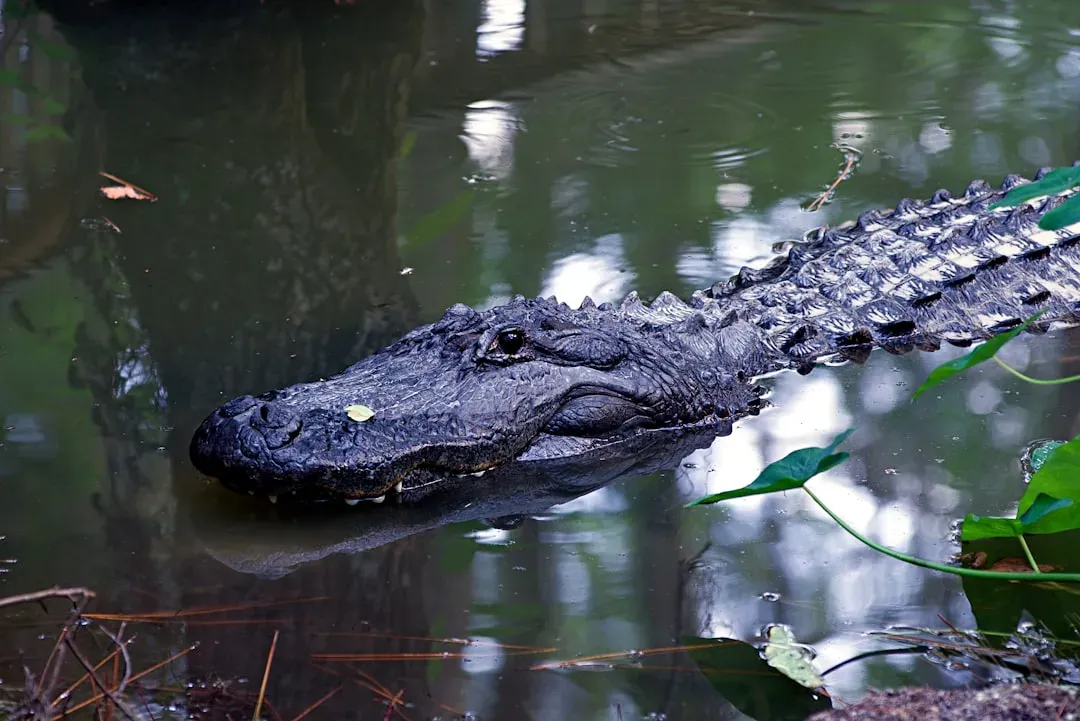
The story does not end with alligators simply enjoying the benefits of restored wetlands; they also shape those wetlands in return. As apex predators, they help balance prey populations, influencing how fish, turtles, and even some bird species behave and where they congregate. By keeping certain prey from becoming too dominant, they help maintain a diverse and dynamic food web rather than allowing a few opportunistic species to take over.
Alligators even alter the physical environment in subtle ways, such as creating “gator holes” or depressions that hold water during dry periods. These small pools become critical refuges for fish, invertebrates, and amphibians when most of the landscape dries out. In that sense, a healthy alligator population is not just a side effect of wetland restoration; it becomes part of the engine that keeps the restored system resilient through changing seasons and occasional droughts.
People, Policy, and the New Relationship with Alligators
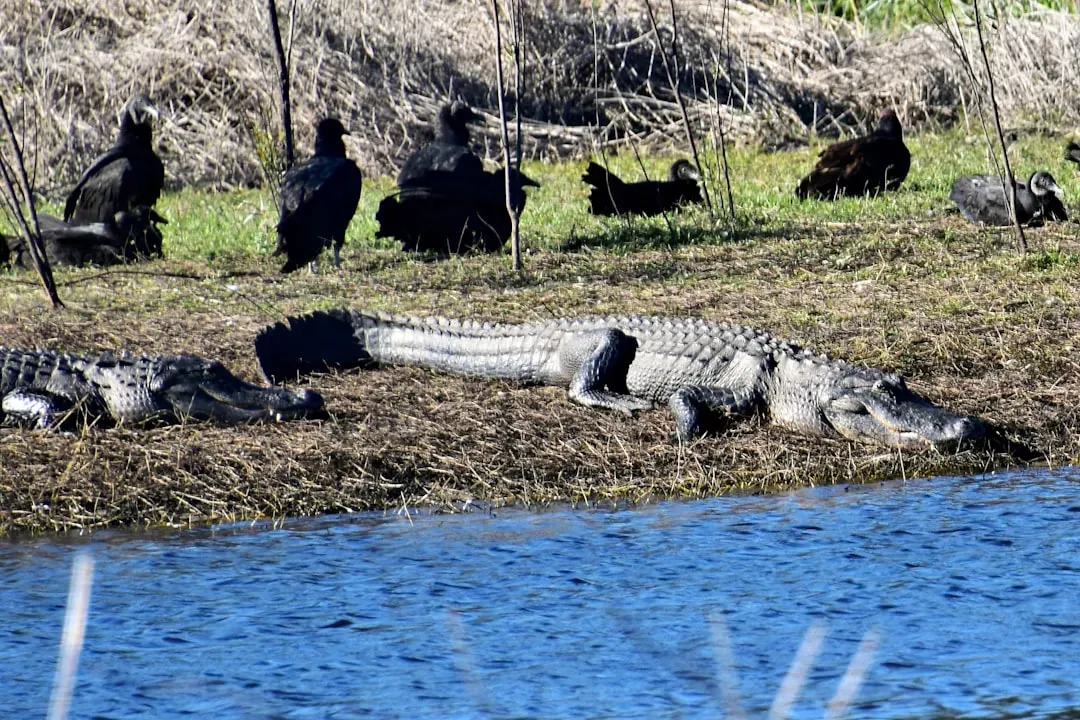
The comeback of alligators in the Mississippi Delta is not purely a biological story; it is also a social and political one. Legal protection, regulated harvest, and habitat conservation programs created the foundation for this recovery, but it required people to accept that sharing space with big predators is part of living in a functioning wetland. Hunting is now managed carefully in many areas, balancing cultural traditions and economic interests with the need to keep populations stable.
Public attitudes have shifted from seeing alligators only as threats or trophies to recognizing them as symbols of a repaired ecosystem. That does not mean people should treat them like pets or Instagram props; they are still powerful wild animals that deserve caution and respect. But as more residents, visitors, and policymakers understand that thriving gators signal thriving wetlands, it becomes politically easier to defend restoration projects, protect critical habitats, and push back against short‑sighted development that would erase these gains.
The Bigger Lesson: Wetland Restoration Works, but Only If We Keep Going
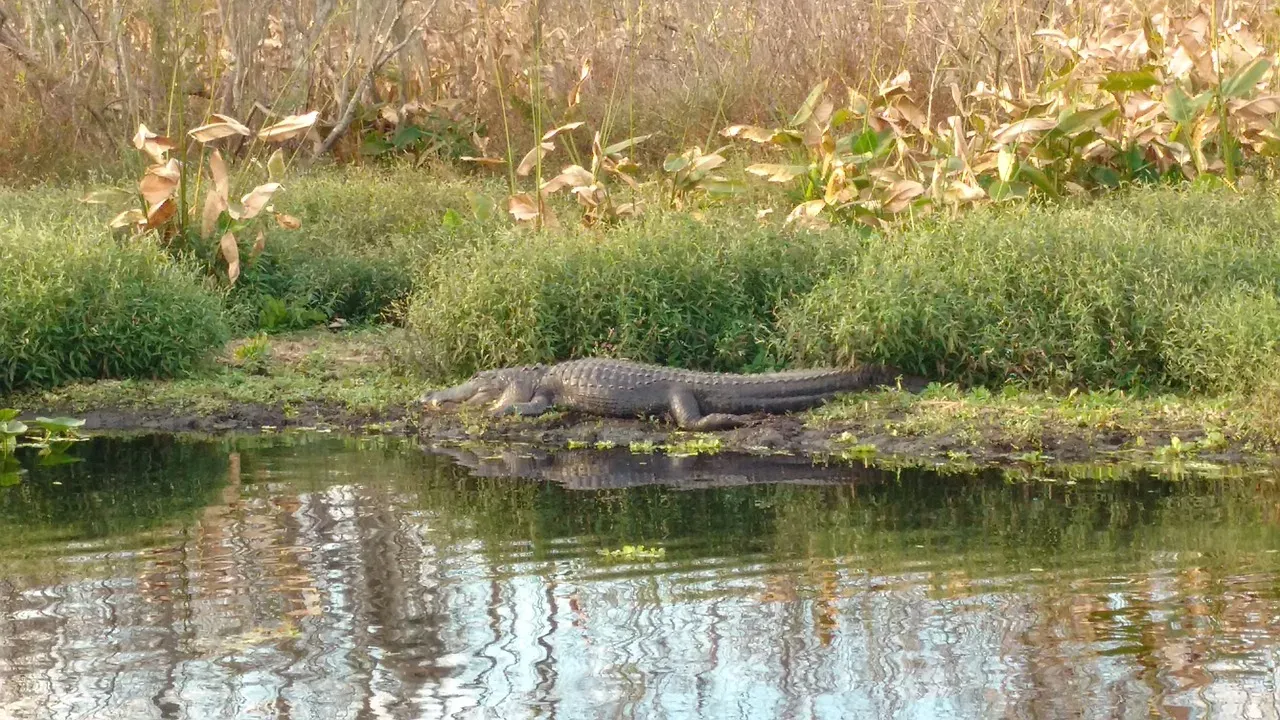
The fact that alligators in the Mississippi Delta are thriving again is not a random bit of good luck; it is evidence that when we restore the foundations of an ecosystem, nature will do the rest. To me, that is the most important and frankly most hopeful part of this story. It proves that decades of policy shifts, science‑driven restoration, and sometimes unpopular land‑use decisions can add up to visible, undeniable success in the form of more nests, more hatchlings, and more full‑grown gators sliding off muddy banks at dusk.
At the same time, it would be naïve to treat this as a finished victory. The Delta still faces threats from sea‑level rise, subsidence, pollution, and continued pressure to drain and develop land that looks “empty” on a map but is bursting with life on the ground. In my view, the thriving alligators are less a happy ending and more a loud warning not to back off now. If repairing wetlands can bring back a giant reptile that once teetered on the edge, what might it do for countless quieter species we rarely notice? And maybe the real question is this: now that we know restoration works, do we have the will to scale it up before the next species slips too far to save?