
You probably grew up hearing at least one story like this: someone’s heart stopped, doctors thought it was over, and then they came back describing a tunnel, a light, a life review, maybe deceased relatives greeting them with overwhelming love. When you start digging, you realize these stories are not rare, not recent, and not limited to a single religion or region. They show up in hospitals, on battlefields, at the scene of accidents – and across continents and centuries. What makes it even more unsettling is how similar the core elements are, even when people have never heard of near‑death experiences (NDEs) before. Neuroscience has tried to explain them away with oxygen loss, brain chemistry, and hallucinations, and those factors almost certainly play a role. But when you look closely at the data, you notice something uncomfortable: the consistency and depth of these experiences are not fully captured by the standard explanations. You are left in a strange place between brain science and mystery, where both sides feel incomplete.
How Near-Death Experiences Usually Unfold
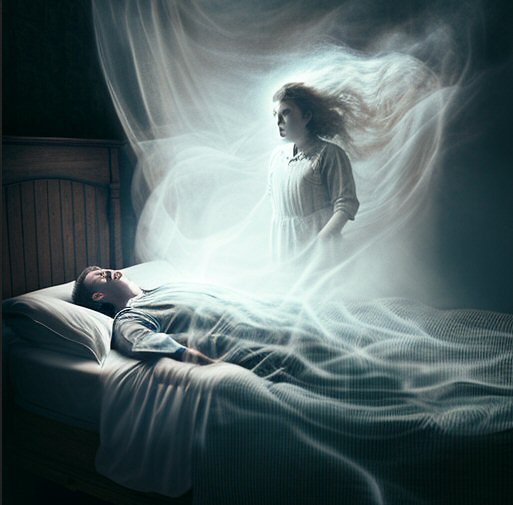
If you’ve ever read or heard a detailed near‑death account, you start to notice a loose pattern. You lose awareness of your body, you feel yourself leaving it, and there’s often a strange calm that seems almost inappropriate for the situation. Instead of panic and terror, people describe an odd sense of peace, as if the volume on fear has been turned down and the volume on curiosity has been turned up. Then come the motifs that keep repeating around the world: a dark tunnel or passage, a bright light that somehow feels personal, a sense of moving very quickly, and an overwhelming feeling of love or acceptance. Sometimes you “meet” deceased relatives or beings that feel wise or compassionate. Sometimes you replay key moments of your life with brutal clarity and emotional detail, seeing how your actions affected others in ways you didn’t fully appreciate at the time.
The Striking Cross‑Cultural Similarities You Can’t Easily Ignore

If NDEs were mainly shaped by religion or culture, you’d expect them to look wildly different from one society to another. Yet when you compare reports from people who grew up in different traditions, you still find recurring features: leaving the body, moving through a passage, encountering a radiant presence, feeling intense peace, and being told or deciding that it’s not yet your time. The labels change, but the structure is oddly familiar. Yes, there are cultural overlays. One person might interpret a presence as an angel, another as an ancestor, another as an abstract being of light. Details like clothing, language, or symbolism often track with what you already know. But underneath that surface layer, there’s a shared skeleton that looks surprisingly stable. You’re left asking yourself: if this is just random neural chaos, why does the chaos keep arranging itself into almost the same story?
What Neuroscience Gets Right – and Where It Starts to Struggle
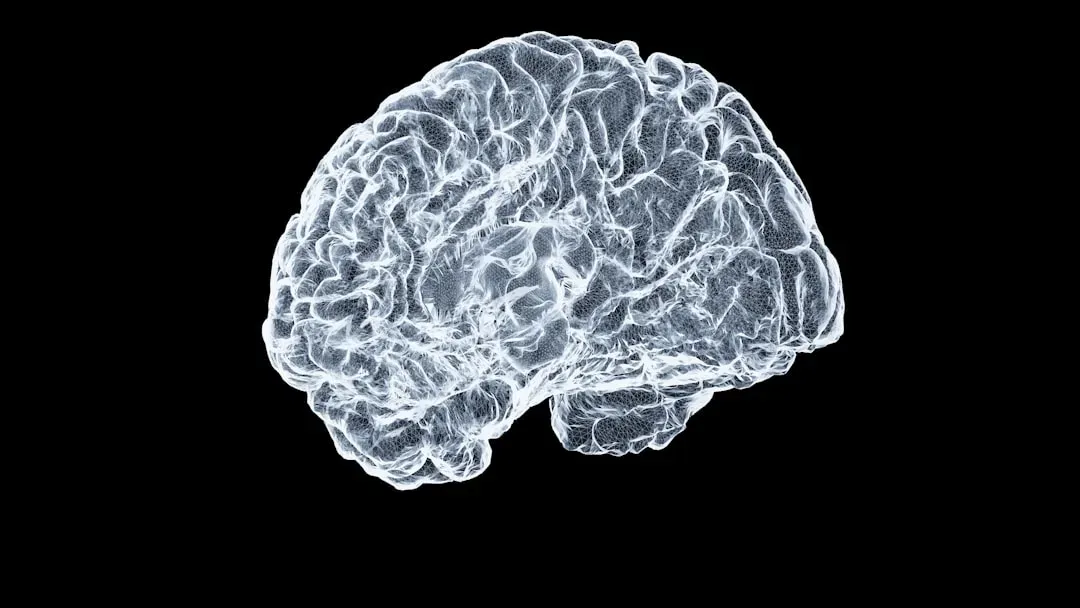
On the scientific side, you can find several plausible ingredients. When the brain is starved of oxygen or blood flow, visual pathways can misfire, potentially creating tunnel‑like effects or bursts of light. Neurotransmitters like endorphins and dopamine can be released in extreme stress, which might explain the sense of peace or euphoria. You also know that the brain is an expert at stitching meaning out of fragmented, confusing signals. Those mechanisms absolutely matter, and you should be suspicious of any explanation that completely ignores them. But they don’t fully explain why so many NDEs are reported as more coherent and structured than ordinary dreams, or why people often insist that the experience felt “more real than real.” Nor do they easily explain why blind individuals, including some blind from birth, have reported richly visual NDEs that match sighted descriptions in eerie detail, raising hard questions about what exactly is being “generated” and from where.
The Out‑of‑Body Perspective and Verifiable Details Problem
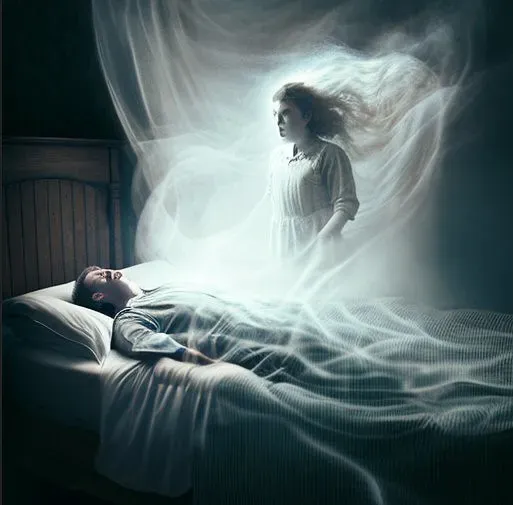
One of the most puzzling parts of NDE reports is the out‑of‑body component. You’ll hear people say they watched medical staff working on them, saw a particular instrument, heard a specific comment, or noticed details in the room that they supposedly couldn’t have perceived with their physical senses at the time. In some cases, those details have later been confirmed by staff or records, which forces you to at least pause before dismissing it all as fantasy. Of course, memory is messy, and you can’t treat every story as a controlled experiment. People may unconsciously fill in gaps, overhear things later, or be influenced by suggestions. But the very fact that researchers have tried placing hidden images or targets in operating rooms – to test whether out‑of‑body perceptions pick them up – tells you the data has been weird enough to justify serious investigation. So far, results are mixed and not strong enough to be definitive, yet not empty enough to close the case either, leaving you in a murky middle zone.
Personality Shifts and Long‑Term Aftereffects You Can’t Easily Shrug Off
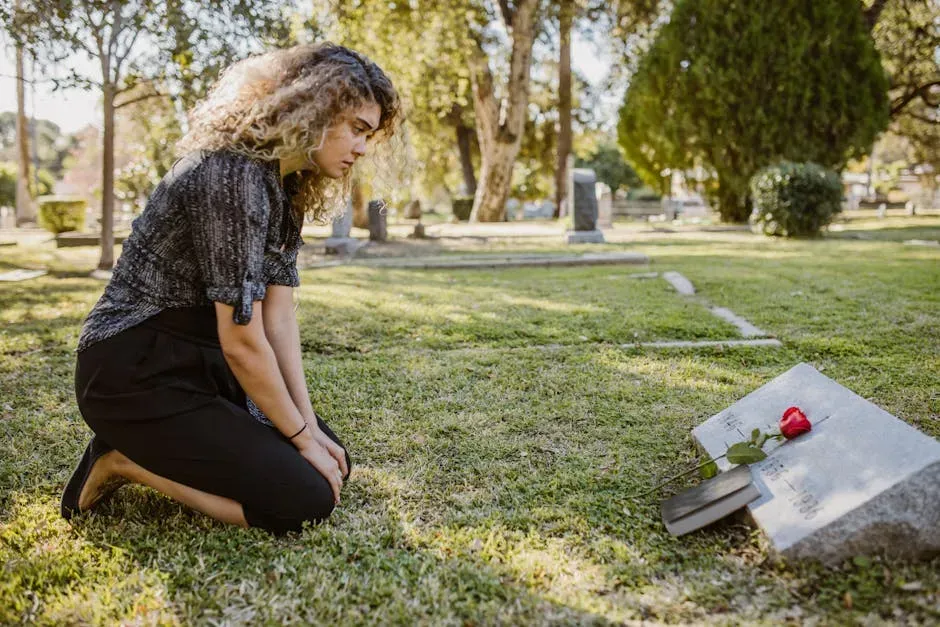
If NDEs were just brief, confused hallucinations, you might expect people to shrug them off after a while, like a strange dream. Instead, many report that the experience fundamentally changes their priorities, beliefs, and behavior for years or even decades. They often become less afraid of death, more focused on relationships, and less obsessed with status, money, or external success. Some talk about a new sense of purpose or responsibility, as if they’ve been given a second chance and don’t want to waste it. What’s noteworthy is that these shifts tend to move in recognizable directions: more compassion, more openness, a stronger desire to be of service. That doesn’t prove anything metaphysical, but it does suggest the experience is psychologically powerful and persistent. You might compare it to a deep trauma or a spiritual awakening – except here, the trigger is a brush with death that your brain presumably shouldn’t even have been able to “record” in normal ways.
Could Your Brain Be a Filter, Not Just a Generator?
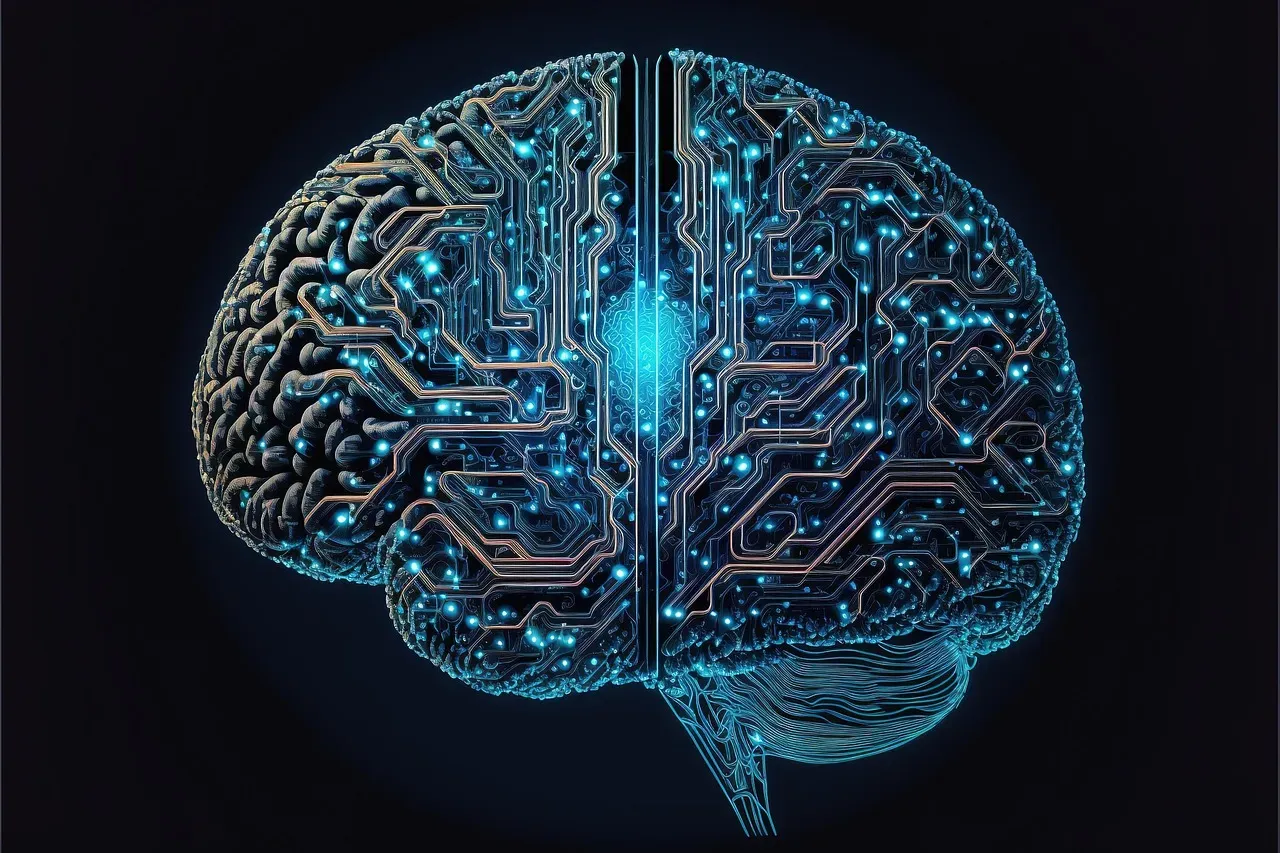
One way people try to reconcile the data is by flipping the usual assumption on its head. Instead of seeing the brain purely as a generator of consciousness, you imagine it as a kind of filter or receiver – like a radio that tunes and shapes a signal rather than creating it from scratch. Under this view, when the brain is severely disrupted, some filtering breaks down, and consciousness might temporarily expand or shift into a different mode that feels larger or less confined. This idea is not proven, and neuroscience still overwhelmingly treats consciousness as brain‑based. But the filter or receiver metaphor helps you understand why experiences near death could feel more vivid, structured, and meaningful rather than just chaotic. You might not need to accept that interpretation to appreciate the question it raises: what if your everyday waking awareness is only a narrow slice of what mind can be, and NDEs are glimpses of something beyond your usual bandwidth?
Staying Sane Between Skepticism and Wonder
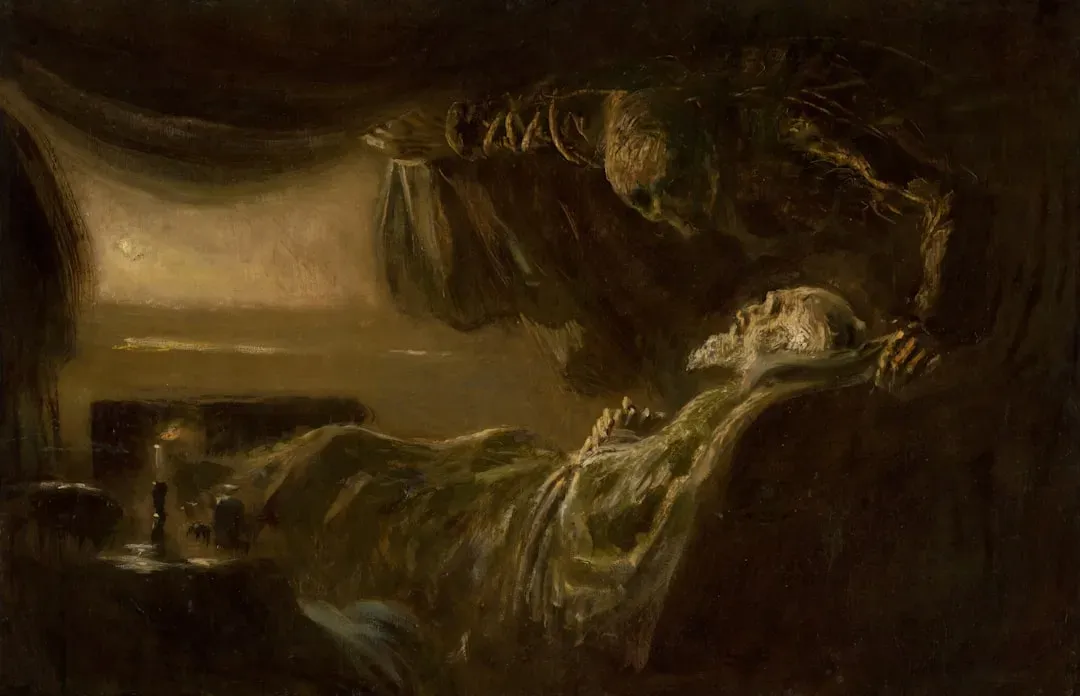
So where does that leave you, practically? If you stay purely on the skeptic side, you can point to physiology, cultural conditioning, and the brain’s talent for storytelling. If you go all‑in on the spiritual side, you may overstate what the current evidence actually shows and start treating moving anecdotes as ironclad proof. The reality is less emotionally satisfying: you’re looking at a body of data that is compelling, partially explainable, and still full of unanswered questions. The most grounded position might be this: you recognize that NDEs happen across cultures, share striking core themes, and deeply affect people’s lives. You also recognize that current neuroscientific models capture some, but not all, of what’s going on. From there, you hold your conclusions lightly, stay curious, and accept that at least for now, you are living with a mystery that touches the most intimate question you can ask: what, if anything, remains when your brain shuts down?
Conclusion: What These Stories Quietly Ask of You
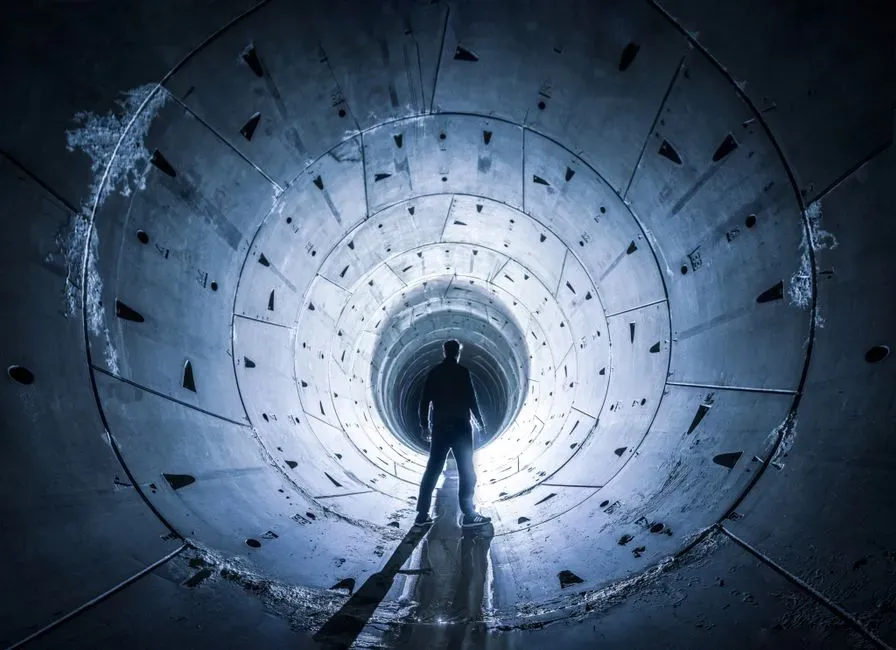
Near‑death experiences sit in that rare category of phenomena that are too common and consistent to brush off, yet too elusive to pin down neatly. They seem to point in two directions at once: back toward the complexity and fragility of your brain, and forward toward the possibility that consciousness might not be as tightly caged in matter as you assume. You do not have to turn them into proof of an afterlife to let them challenge your ideas about what it means to be alive right now. If you take NDEs seriously, even while admitting how much you still do not know, they nudge you toward a simple, uncomfortable, and oddly liberating question: if your time here really is limited and possibly not the whole story, how do you want to live the part you can see?