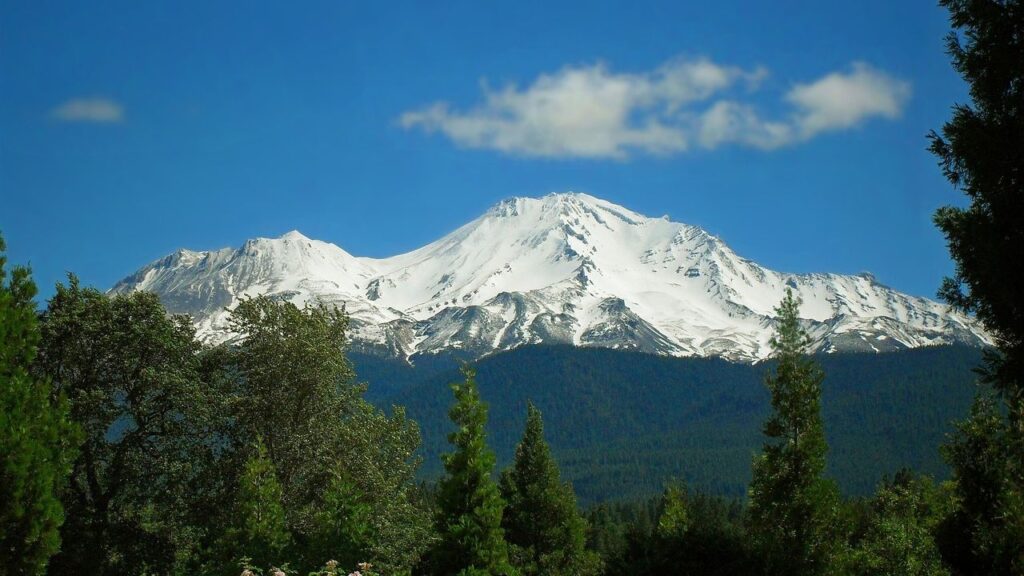

You can stand at the base of Mount Shasta today and feel something you might not have expected: a strange mix of awe and unease. The ice that once seemed timeless is retreating far more quickly than scientists thought likely, and you can actually see the difference in old photos, guidebooks, and the mountain in front of you. When you hear that the ice is melting dramatically faster than climate models predicted, it stops being an abstract headline; it becomes a physical shock, as if someone has peeled back a curtain on a fragile world you thought you understood.
At the same time, what is being exposed beneath that shrinking ice is astonishing. Ancient volcanic formations, long-buried soils, new ecosystems rushing in to claim open ground, and previously hidden hazards are all coming into view. You are watching a mountain rewrite its own story in real time. It is extraordinary, yes – but it is also a warning flare. As you take in what is emerging from beneath the ice, you are forced to ask yourself not just what is happening to Mount Shasta, but what it says about the future you are walking into.
The Shocking Pace Of Melting You Can Actually See
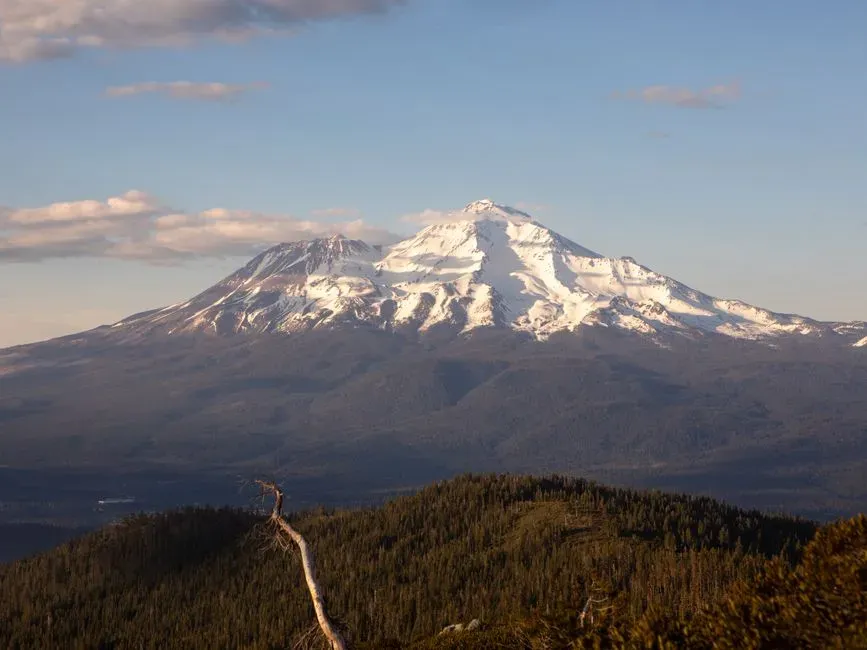
If you have been visiting Mount Shasta for years, you do not need a scientific report to tell you the ice is disappearing faster than anyone expected. The permanent snowfields and small glaciers that once seemed to cling stubbornly to the higher slopes are shrinking, thinning, and in some places breaking apart. When you compare your own memories or old photos to what you see now, you notice bare rock and loose scree where you remember smooth white ice. You are watching change unfold in the span of a single human life, not in some distant geological timescale.
Climate models did anticipate warming and shrinking snowpacks, but the pace at which Mount Shasta’s ice is retreating has outstripped many of the earlier projections. That gap between what models predicted and what your eyes can see is unsettling, because it means some feedbacks – like hotter summers, dust on snow, or shifting storm tracks – are combining in ways you may not have fully appreciated. You are no longer dealing with a slow, linear decline, but with a system that is reacting faster than you were mentally prepared for. That realization changes how you look at every snow-covered peak on the horizon.
What The Disappearing Ice Reveals About Mount Shasta’s Fiery Past
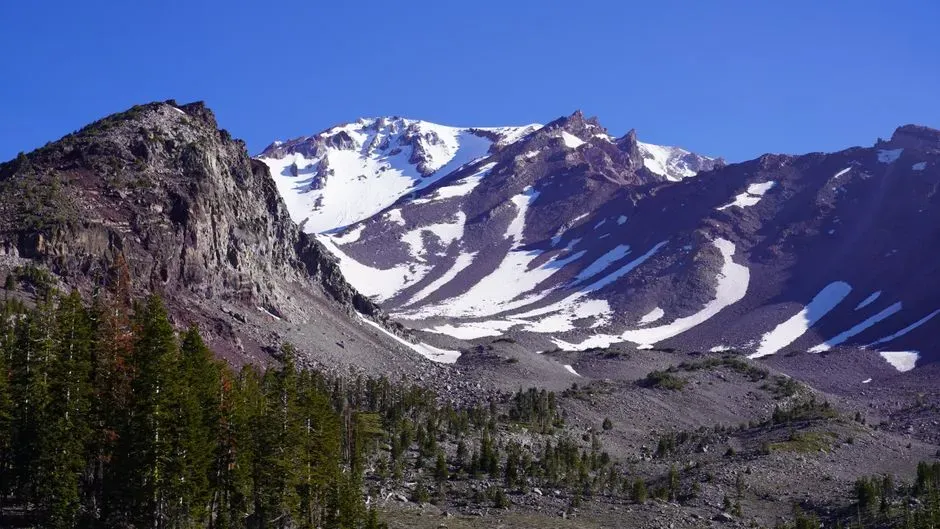
As the ice pulls back, Mount Shasta is starting to show you parts of itself that have not been visible since long before you were born. Newly exposed lava flows, crumbling ridgelines, and oddly sculpted rock faces are appearing, like an old painting that has been hidden behind a sheet for decades. You can trace ancient eruption paths and hardened lava domes with your own eyes, understanding more clearly that the mountain is not just a snowy cone, but a layered archive of fire and ash. You are seeing the scars of past eruptions that shaped the region long before modern maps existed.
This exposure does something subtle to the way you think about the place. The more ice recedes, the more clearly you see that Mount Shasta is a living volcano, not just a picturesque backdrop for photos and hikes. You are reminded that the ice was never the main story – it was a temporary veil pulled over a restless interior. As rock, ash, and old debris fields reveal themselves, you can almost visualize the mountain’s heartbeat: cycles of eruption, cooling, and glaciation playing out over thousands of years. Now you are witnessing one of those cycles speed up, and that acceleration forces you to rethink what “normal” even means here.
New Streams, Sudden Lakes, And A Changing Water Future
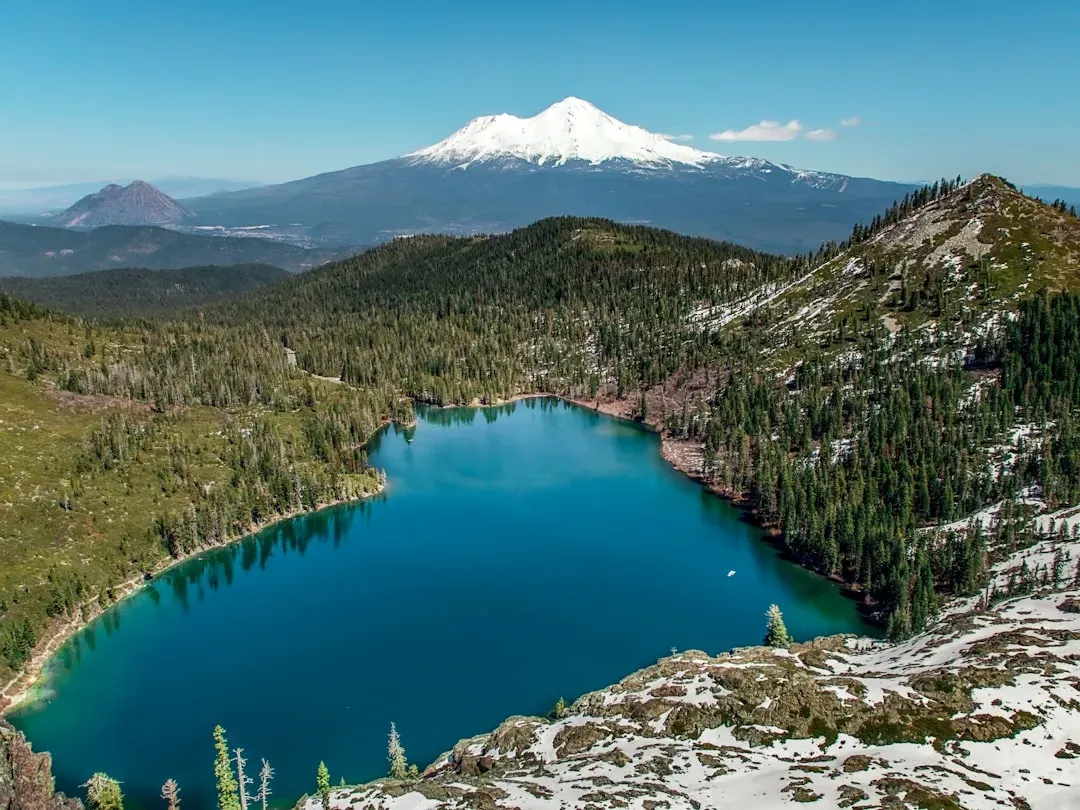
As the mountain’s ice melts faster, you are seeing water appear in surprising new ways. Seasonal streams that used to trickle are now rushing after hot spells, and small ponds are forming where you might remember only bare ice or snow. Temporary meltwater channels carve fresh grooves into loose sediment, creating paths that did not exist even a decade ago. When you walk along these new watercourses, you realize you are literally following the footprints of rapid change as the mountain redirects its own plumbing.
This shift is not just interesting; it directly touches your future. Mount Shasta acts as a natural reservoir for communities, farms, and ecosystems downstream, and the timing of meltwater matters. Faster melting means more water earlier in the season, and often less when you might need it most, like late summer or during extended drought. You are essentially seeing the mountain spend its stored water budget too quickly. That unsettles the old assumption that snow and ice on high peaks will always smooth out the seasons for you. Instead, you are learning that when the ice disappears ahead of schedule, your rivers, wells, and forests can feel the crunch.
Fragile New Ecosystems Racing To Take Hold
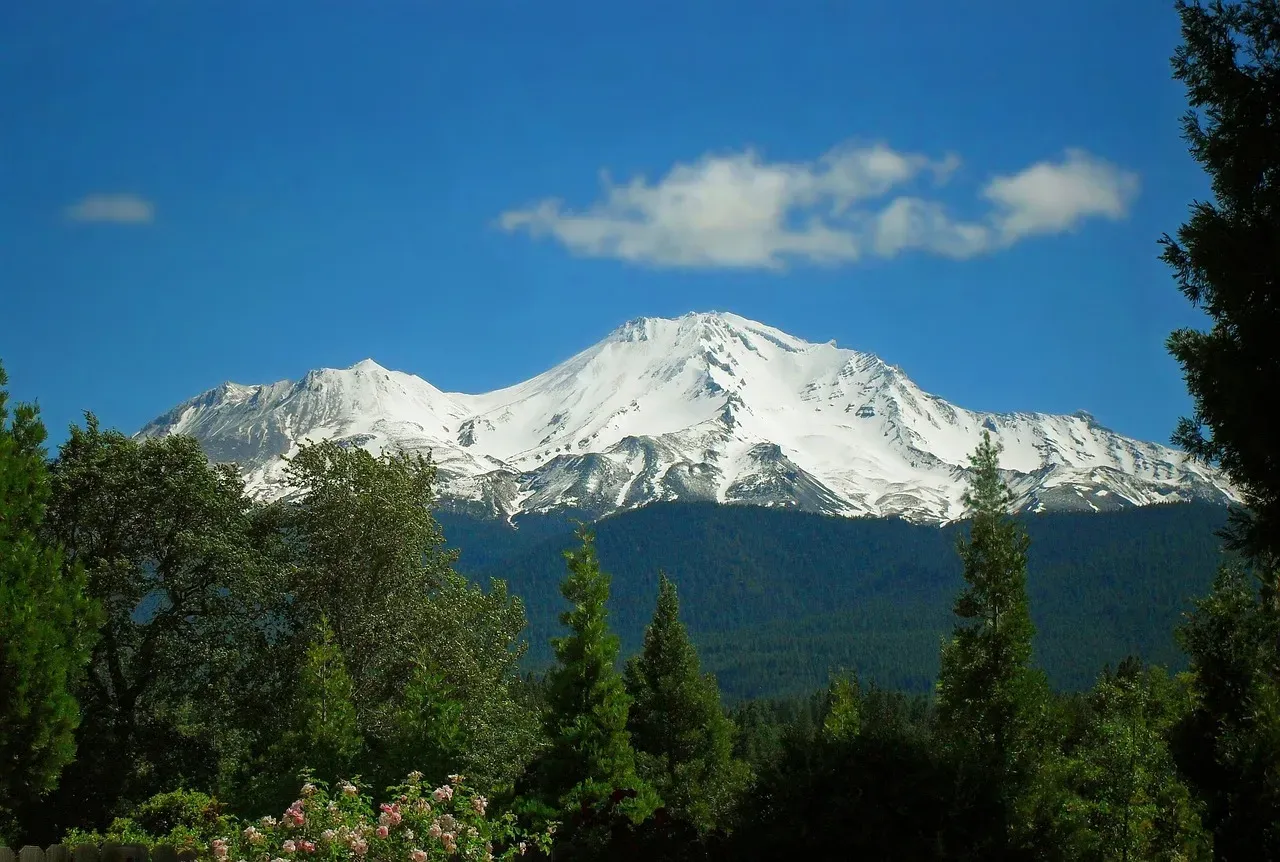
One of the most extraordinary things you see as the ice retreats is life rushing in to fill the gaps. Bare ground that has not seen sunlight in a very long time is suddenly exposed, and within a few seasons you can spot tiny plants, mosses, and hardy flowers beginning to colonize it. You may notice insects exploring the new terrain, followed by birds and small mammals testing these fresh edges. It feels like watching a fast-forward version of ecological succession, where you get to glimpse the very first steps of a new community being built from scratch.
At the same time, you can sense how precarious this new life really is. These young ecosystems are trying to establish themselves on thin, unstable soils that can be washed away by a single heavy storm or buried by rockfall. The species arriving first are usually the tough pioneers, but they are also vulnerable to continued warming, erratic precipitation, and competition from invasive plants hitching a ride on your boots or gear. You are witnessing resilience and fragility at once, a delicate race between life’s determination to adapt and the speed of the changes confronting it. It forces you to realize that every step you take up there has a small but real impact on something just beginning to grow.
Hidden Dangers Emerging Beneath The Retreating Ice
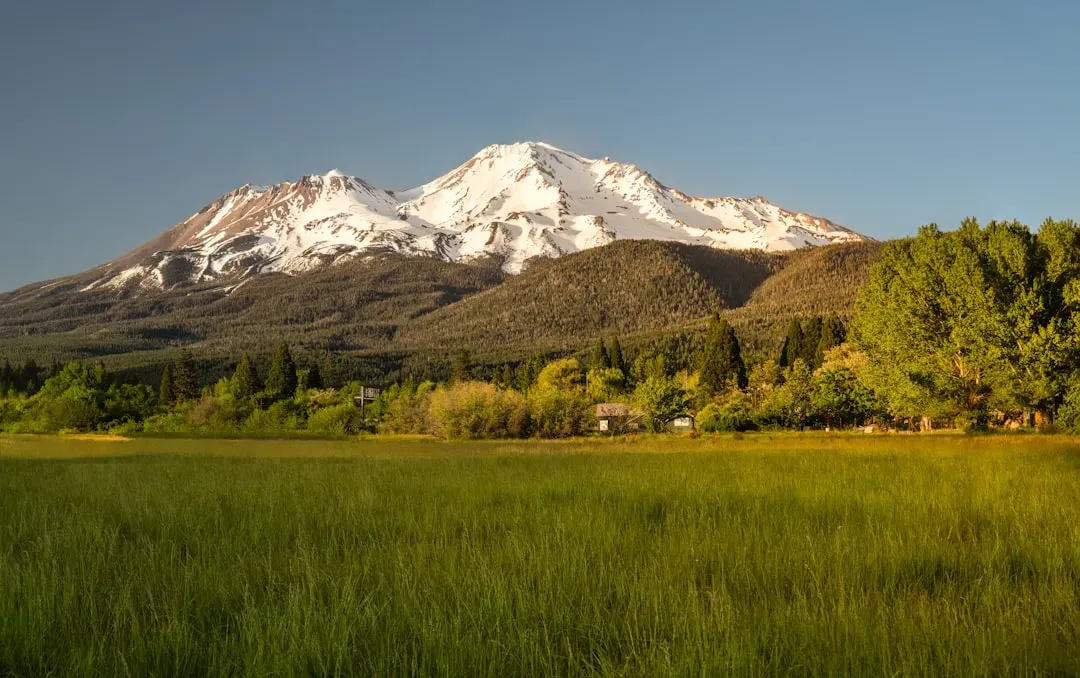
As fascinating as the newly exposed ground can be, you are also seeing hazards appear where you might not expect them. When a glacier or permanent snowfield shrinks, it can leave behind steep, unstable slopes of rock and debris that were previously held in place by ice. You may come across loose moraine walls, sudden sinkholes where ice once supported the surface, or unexpectedly deep crevasses that were hidden under snow cover. The mountain is revealing its weak points at the same time it shows you its secrets, and that combination can be risky if you are not paying attention.
For you as a hiker, climber, or skier, this means your old mental map of safe routes may no longer match reality. A gully that was stable ten years ago might now be prone to rockfall after a hot afternoon, and a seemingly harmless slope could hide icy patches or waterlogged soil underneath. You are learning, sometimes the hard way, that rapid change on a mountain does not just affect scenery; it rewrites the rules of safety. Respecting that means moving with more humility, checking current local guidance, and accepting that the mountain you thought you knew has become more unpredictable beneath your feet.
What Faster-Than-Predicted Melting Says About Climate Models
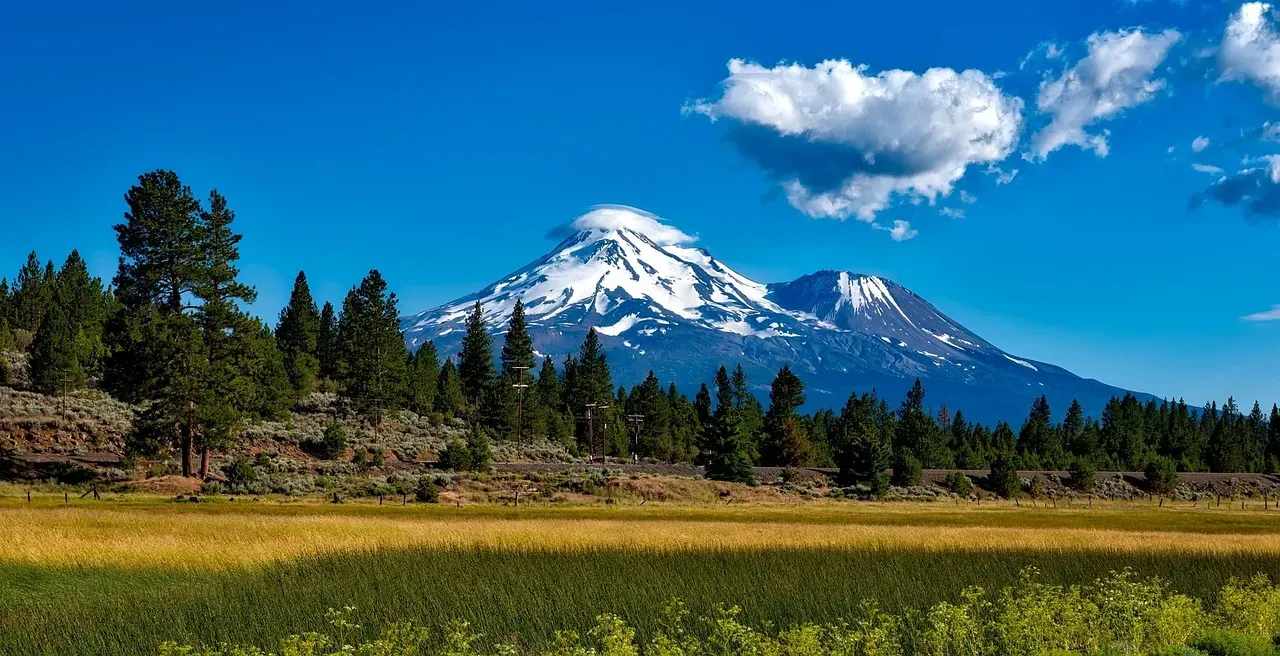
When you hear that Mount Shasta’s ice is melting significantly faster than many climate models anticipated, you might be tempted to think the science was wrong. In reality, what you are seeing is more complicated and revealing. Models are built on assumptions about greenhouse gas emissions, regional weather patterns, and how ice responds to heat, dust, and wind. When actual melting outpaces those projections, it tells you that certain local factors or feedback loops are stronger than expected, not that the basic physics are off. In a way, the mountain is handing you a real-world status update that your worst-case scenarios may be closer than you thought.
For you, this has a sobering implication: if one prominent peak can outrun the predictions, others might be doing the same, and your timelines for change could be shorter than you assumed. It challenges any quiet hope you might have held that models were overestimating the problem. Instead, the evidence on Mount Shasta’s slopes leans the other way. You are being nudged to accept that underestimating risk is far more likely – and far more dangerous – than overestimating it. That understanding can push you to treat climate projections not as distant hypotheticals, but as conservative warnings you are already beginning to see in the real world.
How You Can Visit Responsibly As The Mountain Transforms
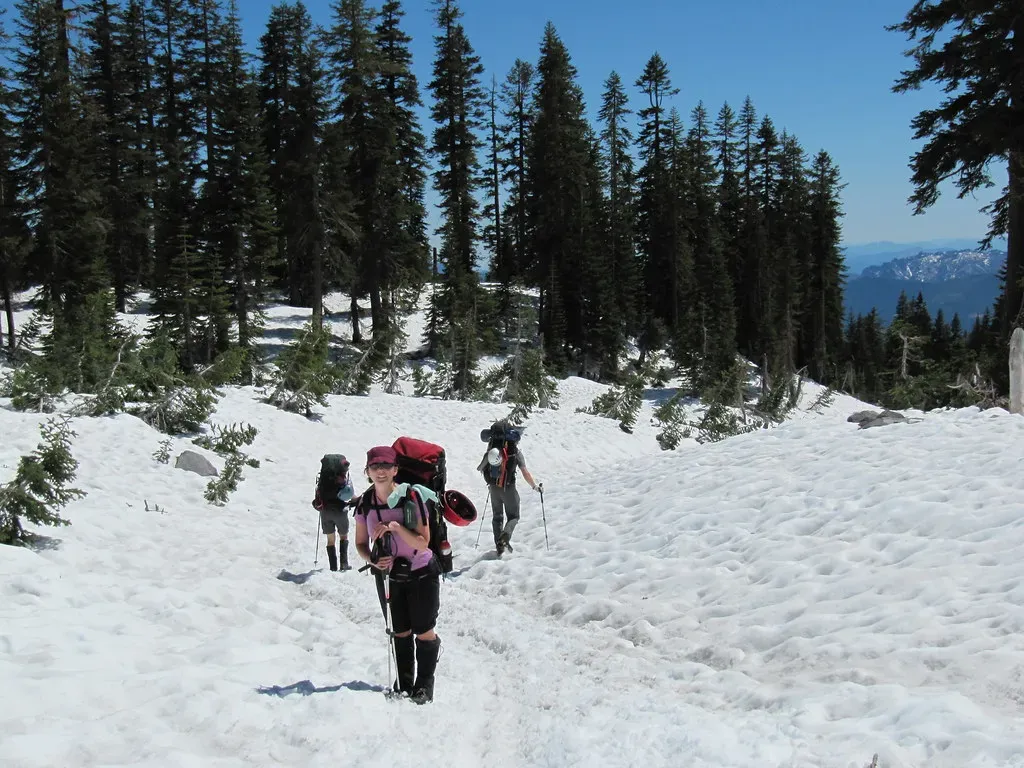
Standing in front of such rapid change, you can feel small and powerless, but you are not without influence. The way you travel to Mount Shasta, move on its trails, and talk about it with others all adds up. You can choose to minimize your own emissions when you visit, share rides, and support local services that take climate seriously. On the mountain itself, you can stay on marked paths where they exist, avoid trampling fresh vegetation on newly exposed ground, and follow seasonal closures meant to protect fragile habitats or unstable areas. These might seem like minor choices, but on a mountain in flux, every small act of care matters.
You also have a role in shaping how others see this transformation. When you bring friends or family, you can help them notice more than just the views – you can point out the receding snowlines, the new rock faces, the young plants, and the altered streams. Instead of treating the melting as background scenery, you can treat it as a story you are all stepping into. Sharing what you learn with your community, supporting science and conservation work in the region, and adding your voice to the broader push for climate action all grow out of that experience. You are not just a visitor; you are a witness who can help decide what happens next.
Why What Happens On Mount Shasta Matters To Your Future
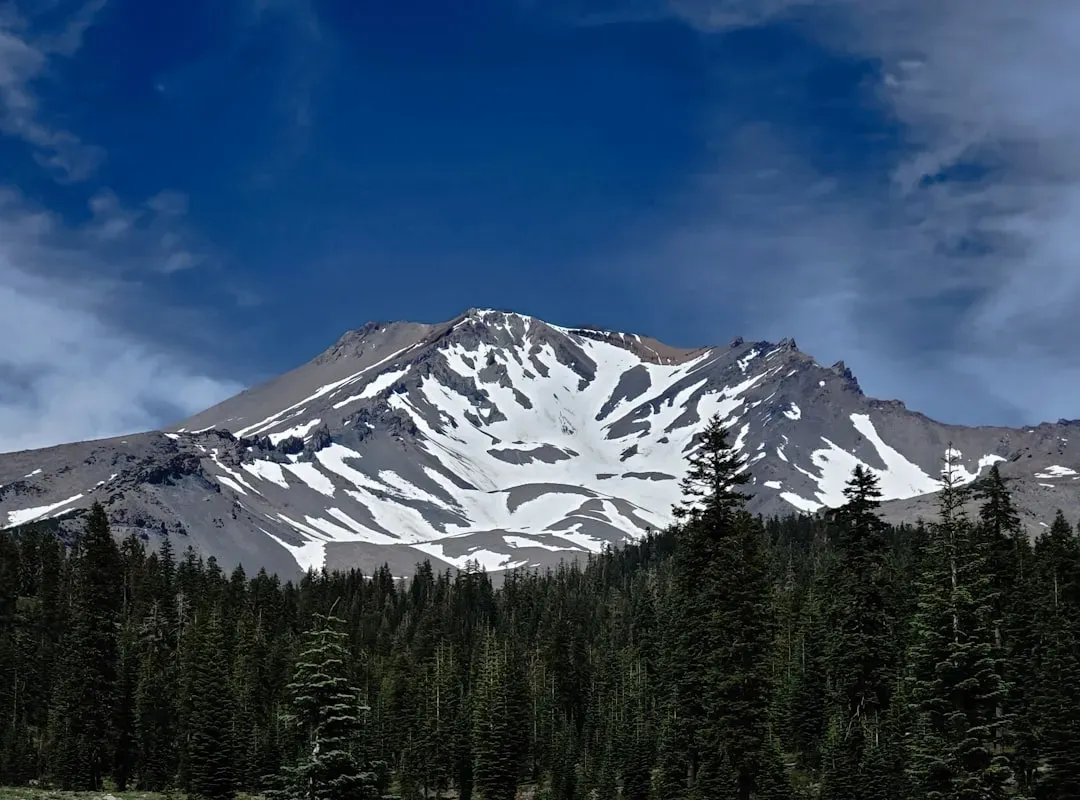
It is easy to think of Mount Shasta as a beautiful but isolated peak, separate from your day-to-day life. Once you understand how quickly its ice is melting, and how that pace outruns past predictions, you start to see it differently. The mountain becomes a kind of early warning system, showing you how fast a familiar landscape can transform when temperatures rise. The water that flows from its slopes, the ecosystems linked to its snowpack, and the communities that rely on its stability all connect, directly or indirectly, to the choices you make about energy, travel, and consumption.
That realization can feel heavy, but it can also be clarifying. When you stand on a ridge and look out over freshly exposed rock bands and retreating snow, you are really looking at a preview of what many other places could experience. The extraordinary features emerging from beneath the ice are both fascinating and unsettling – they are like messages written in stone, telling you that slow, invisible trends have finally become visible. The question is what you do with that knowledge. Do you treat Mount Shasta as just another scenic backdrop, or as a living reminder that your time to change course is limited?
In the end, Mount Shasta is teaching you that a mountain can both dazzle you with new discoveries and confront you with uncomfortable truths at the same time. The ice is disappearing far faster than models once suggested, and what appears beneath it is extraordinary: ancient volcanic structures, newborn ecosystems, unstable hazards, and a brutally honest record of past and present climate. You are being invited to look more closely, to let the shock sink in, and then to carry that awareness back into the decisions you make beyond the trailhead. When you think about the world your future self will walk through, what kind of story do you want mountains like Shasta to be telling you then?