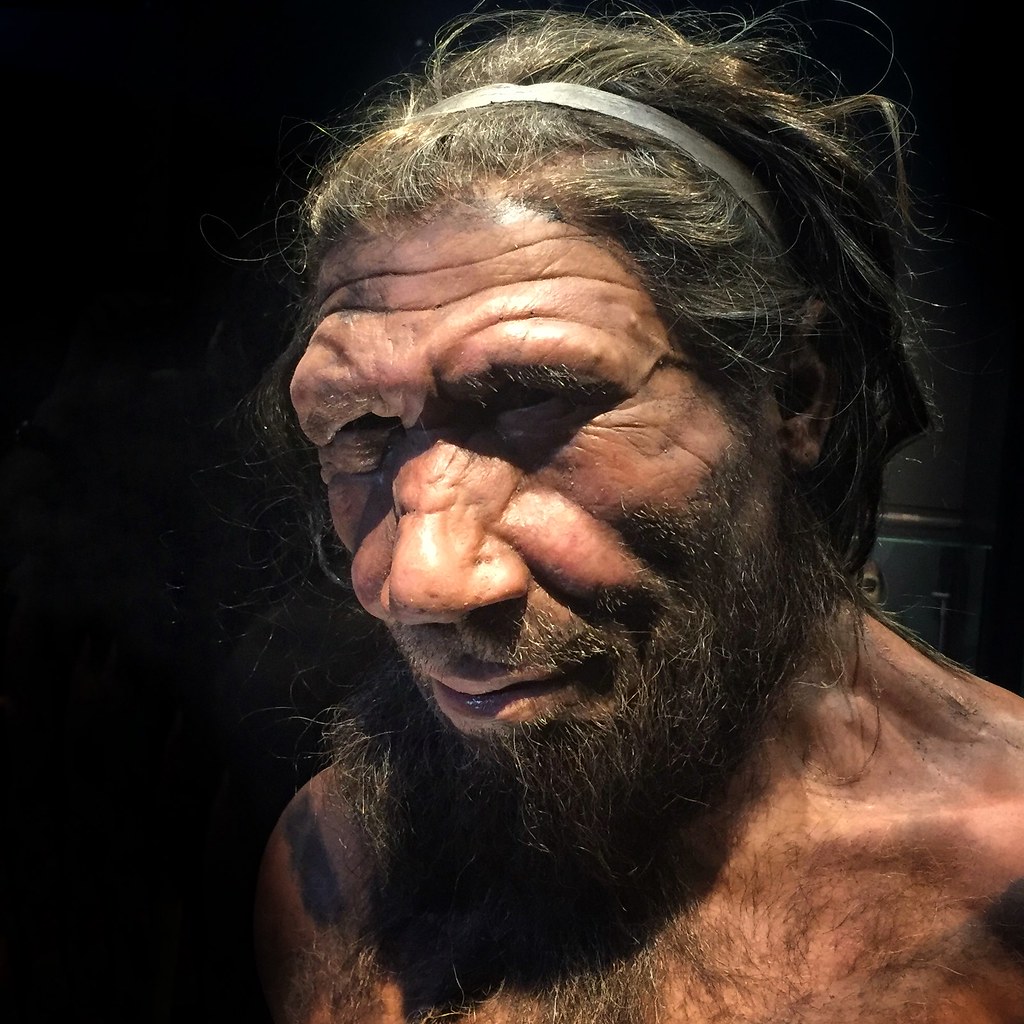

That image survived textbooks, museum dioramas, and a hundred years of casual insults – “Neanderthal” is still slang for stupid. But somewhere in the last decade, without any dramatic announcement, the scientists who actually study these people quietly stopped saying most of what we think we know about them.
Nobody held a press conference to admit they were wrong. That’s not how science works. Instead, old claims just… stopped showing up in papers. New genomes got sequenced, new caves got re-examined, and one by one, at least ten confident statements about Neanderthals got walked back, downgraded, or dropped entirely. Here’s what actually changed – and why it should bother anyone who still thinks “caveman” is an insult.
#10 – “They Were Dumb, Club-Wielding Cavemen”
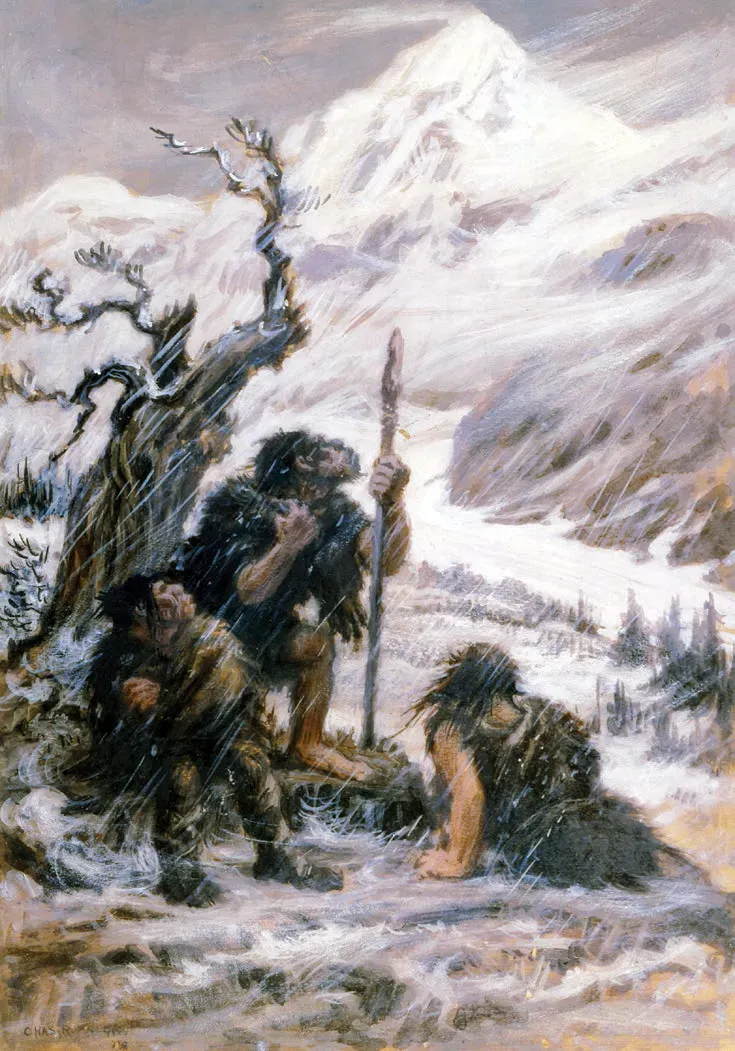
For most of the 20th century, this wasn’t treated as a theory. It was treated as settled fact.
After Neanderthals were first described in 1864 as a distinct hominin, the brutish, gorilla-postured caveman became the default image almost immediately. That framing shaped museum dioramas, textbook illustrations, and decades of assumptions about who “really” invented culture. Then the dig sites started arguing back. Researchers uncovered organized butchery sites and cooperative hunting that required a level of planning most scientists had assumed Neanderthals simply didn’t have. One of the anthropologists behind that shift didn’t mince words about what it meant.
Basically, I am rehabilitating Neanderthals.
That’s not a small walk-back. That’s a scientist openly reversing a half-century of “thick-skulled primitive” thinking, in public, on the record.
#9 – “The Human-Neanderthal Species Line Is Settled Science”
Scientists used to talk about “us” and “them” like the boundary was obvious. It never was.
Even a Nobel Prize winner won’t call this one definitively. Paleogeneticist Svante Pääbo – the scientist most responsible for sequencing the Neanderthal genome in the first place – has called the species-status debate essentially unresolvable, because species concepts themselves get fuzzy and arbitrary at these boundaries. If the person who mapped their DNA can’t say for certain whether Neanderthals were a separate species, the tidy classification most of us learned in school was never as solid as it sounded.
The debate hasn’t faded. It’s intensified. Researchers have been volleying the same question back and forth for more than a century, and some anatomical studies have made Neanderthals look even more human-like than assumed, further blurring a line scientists once drew with confidence. Increasingly, the species label reads less like a hard biological fact and more like a convenient shorthand everyone agreed to use.
#8 – “They Left Behind No Art, No Symbols, No Imagination”
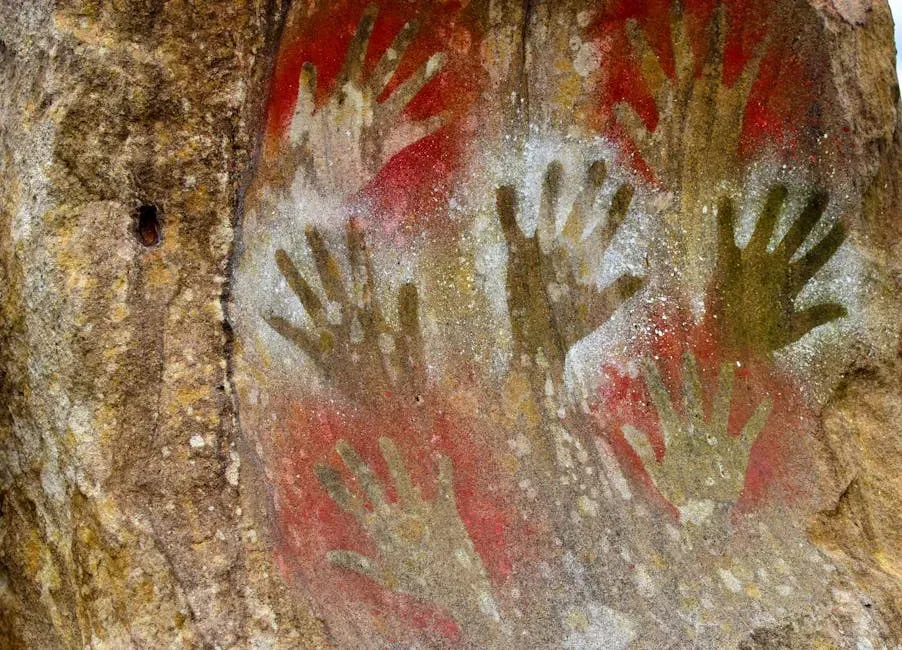
This one collapsed almost overnight once a sealed French cave got a second look.
For decades, symbolic thought – cave art, personal ornaments, abstract marks – was treated as the one line Neanderthals never crossed. That line is gone. Engravings found in a cave at La Roche-Cotard, France, sealed shut for thousands of years, have been confirmed as Neanderthal-made. A sealed cave means there’s no way modern humans snuck in afterward to leave the marks. The math only works one way.
Worth Knowing
- La Roche-Cotard sits in Indre-et-Loire, in the commune of Langeais, along the Loire River, and was first opened up in 1912.
- The engravings have been dated to over 57,000 years old, with stratigraphy suggesting the cave was actually occupied closer to 75,000 years ago.
- Sediment dating showed the cave was sealed at least 57,000 and as long as 75,000 years ago – long before Homo sapiens arrived in this part of Europe.
- Researchers used photogrammetry to create three-dimensional models of the engravings before concluding the marks were deliberate, not accidental.
Smithsonian researchers now describe the shift in blunt terms: recent studies suggest Neanderthals were imaginative enough to carve artful objects and perhaps clever enough to invent a language. That single sentence quietly reverses one of the most repeated claims in anthropology. Add deliberate burial, fire use, and evidence they cared for the sick and elderly, and the “no inner life” theory simply doesn’t survive.
#7 – “African Genomes Are 100% Neanderthal-Free”
This was treated as a genetic certainty for years. Then a 2020 Cell paper blew it up.
The old logic seemed airtight: Neanderthals never lived in Africa, so no contact, no DNA. Earlier studies had found only about 0.02 percent Neanderthal DNA in modern African genomes – close enough to zero that it was treated as statistical noise. Then the numbers stopped being ignorable.
New research in Cell found that people with African ancestry actually carry close to 0.5 percent Neanderthal DNA – roughly 25 times higher than the earlier estimate. The likely explanation is almost as surprising as the finding itself: groups that migrated out of Africa later trickled back in over the last 20,000 years, folding Neanderthal heritage back into the continent’s human genomes. Not everyone is fully convinced – Harvard geneticist David Reich has called the signal “a really weak signal” – but nobody in the field states the old “zero percent” claim with confidence anymore.
#6 – “It Was Just One Steamy Encounter, Long Ago”
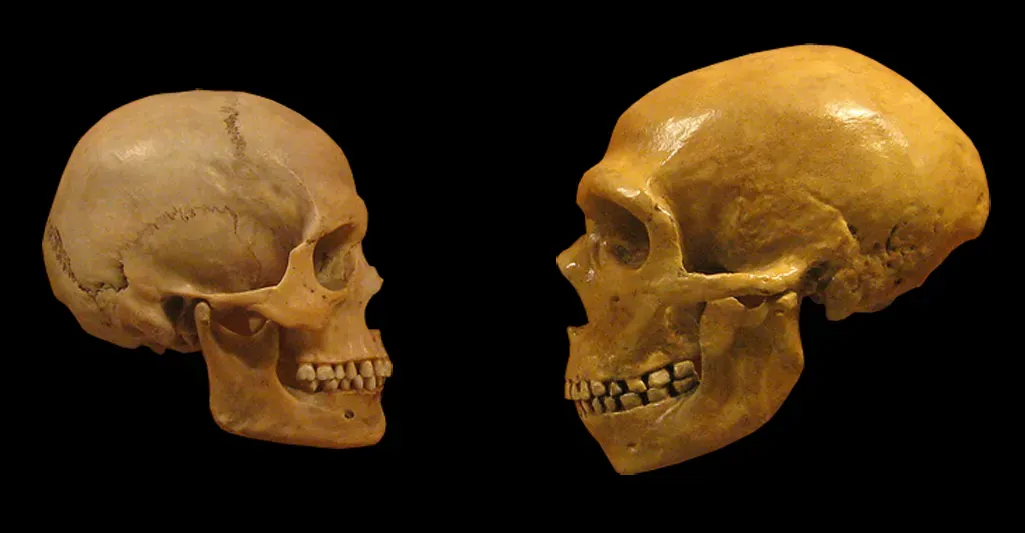
The classic story: humans left Africa, met Neanderthals once, mixed genes, moved on. That’s not remotely what happened.
Princeton geneticists rewrote this timeline using AI-assisted genome modeling, and the results were far messier than the tidy single-event story. Their landmark paper described recurrent gene flow between Neanderthals and modern humans stretching back roughly 200,000 years – not one romantic rendezvous 45,000 years ago, but two hundred millennia of overlapping, repeated contact between populations supposedly going their separate ways.
At a Glance
- Old theory: one brief mixing event around 45,000 years ago, then separate paths forever after.
- New theory: repeated, overlapping contact stretching back roughly 200,000 years.
- Old assumption: every hybrid child’s DNA eventually shows up in living humans.
- New finding: entire waves of hybrid offspring left no genetic trace because they grew up Neanderthal, not human.
The team uncovered something stranger, too: some of that early mixing left no trace in us at all. The offspring of the first waves of Neanderthal-modern matings apparently stayed with the Neanderthals, so their DNA never made it into living humans. There were entire generations of hybrid children whose genetic trail simply vanished from our lineage because they grew up Neanderthal, not human. No single tidy event can explain that.
#5 – “Neanderthals Grunted – They Didn’t Actually Talk”
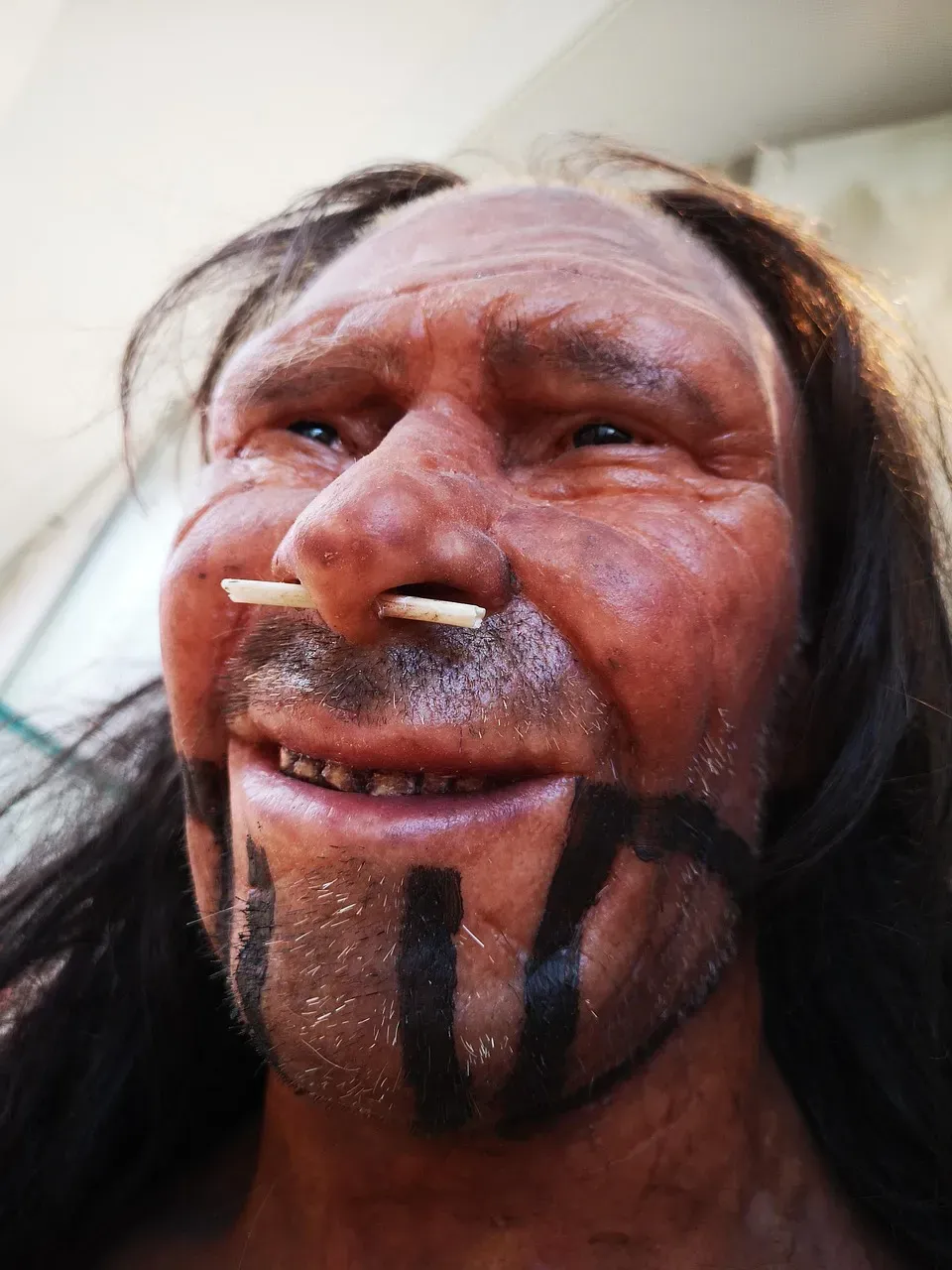
Language was supposed to be the one thing that made Homo sapiens special. That claim is quietly disappearing from serious anthropology.
The “no language” position used to be treated almost as a given, built on assumptions about throat anatomy and brain structure. Newer anatomical and behavioral evidence has chipped away at that certainty piece by piece, to the point that researchers now openly suggest Neanderthals were clever enough to invent a language – a sentence that would have gotten laughed out of an anthropology department twenty years ago.
A comprehensive review of the field goes even further, listing language alongside a whole suite of traits once thought exclusively human: large-scale cooperative hunting, complex stone tools, planning, care for the ill, imagination, and symbolic behavior. That’s not a footnote. That’s an entire skillset once used to define “human uniqueness,” now documented in a species we called subhuman for a hundred years. Try coordinating a multi-hunter ambush without a way to communicate the plan – it’s hard to imagine how that works without language.
#4 – “Smarter Humans Simply Outcompeted Them”
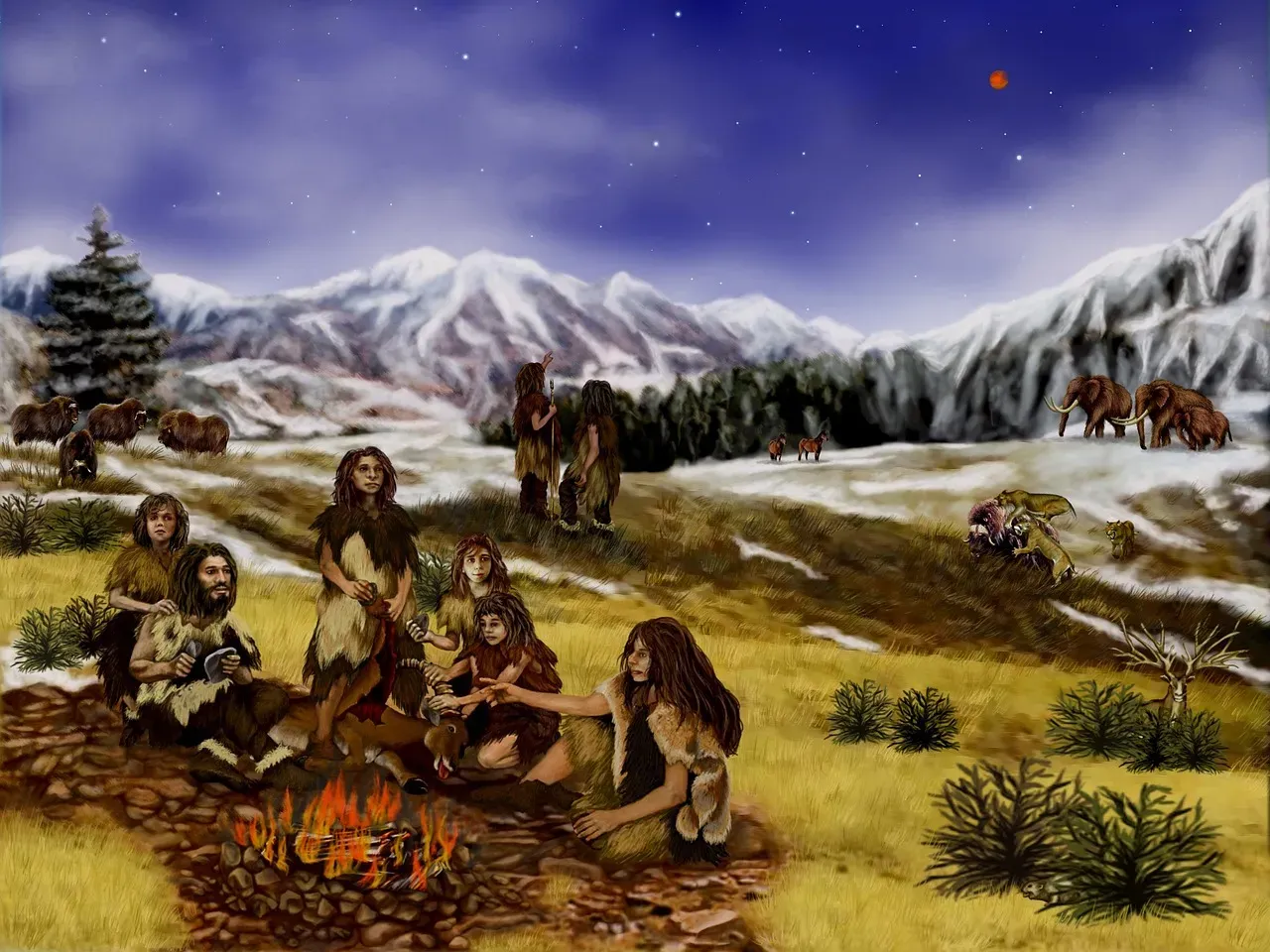
This was the tidy, comforting version of the extinction story: we were better, so we won. New modeling says the real answer is far less flattering to us.
Researchers stopped hunting for a single “superior trait” and started looking at social structure instead. The key difference may have been connectivity: Homo sapiens formed stronger, more flexible networks that helped them absorb environmental shocks, while Neanderthal networks were more fragile and regionally boxed in. That’s a very different claim than “we were smarter.” It suggests comparable intelligence and comparable tools – just a thinner social safety net when the climate turned hostile.
Why It Stands Out
- It swaps a “we were smarter” story for a “we were better connected” story – a much less flattering explanation for our own ancestors.
- The math comes from wildlife ecology, not traditional archaeology – the same modeling used to track endangered species survival.
- It treats Neanderthal intelligence and toolmaking as roughly comparable to early Homo sapiens.
- It shifts the deciding factor from biology to something closer to social infrastructure.
This model came from an unexpected place: wildlife ecology. An anthropology professor adapted extinction models normally used to study endangered plants and animals and applied them to ancient human populations. Borrowing survival math from conservation biology to explain what happened to Neanderthals is an uncomfortable comparison – and exactly the kind of framing that never made it into the old “superior humans won” narrative.
#3 – “Interbreeding Happened, Full Stop – Case Closed”
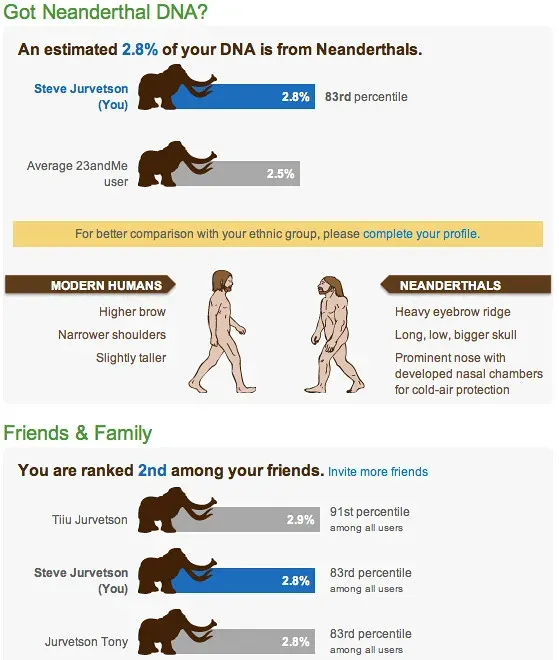
Even the foundational discovery – that humans and Neanderthals interbred at all – is being reexamined at the mathematical level.
Two French population geneticists aren’t disputing that Neanderthal DNA exists in modern genomes. They’re disputing why the genetic patterns look the way they do. In 2024, the pair challenged the foundation of the popular interbreeding theory, proposing an alternative explanation for the same genomic signal – not a small tweak, but a real challenge to whether the standard “one clean mixing event” story is even the right way to run the numbers.
Their argument centers on how simplistic the underlying models have been. “We make a lot of assumptions, and the models we use are very simplistic,” one of the researchers admitted, after building an alternative that swapped one big continent-wide mating pool for many smaller populations linked by occasional migration. If scattered, semi-isolated ancient groups explain the genetic signal better than one grand mixing event, a large chunk of “Neanderthal ancestry” science needs rebuilding from the ground up.
#2 – “Your Neanderthal Percentage Is Rock-Solid Science”
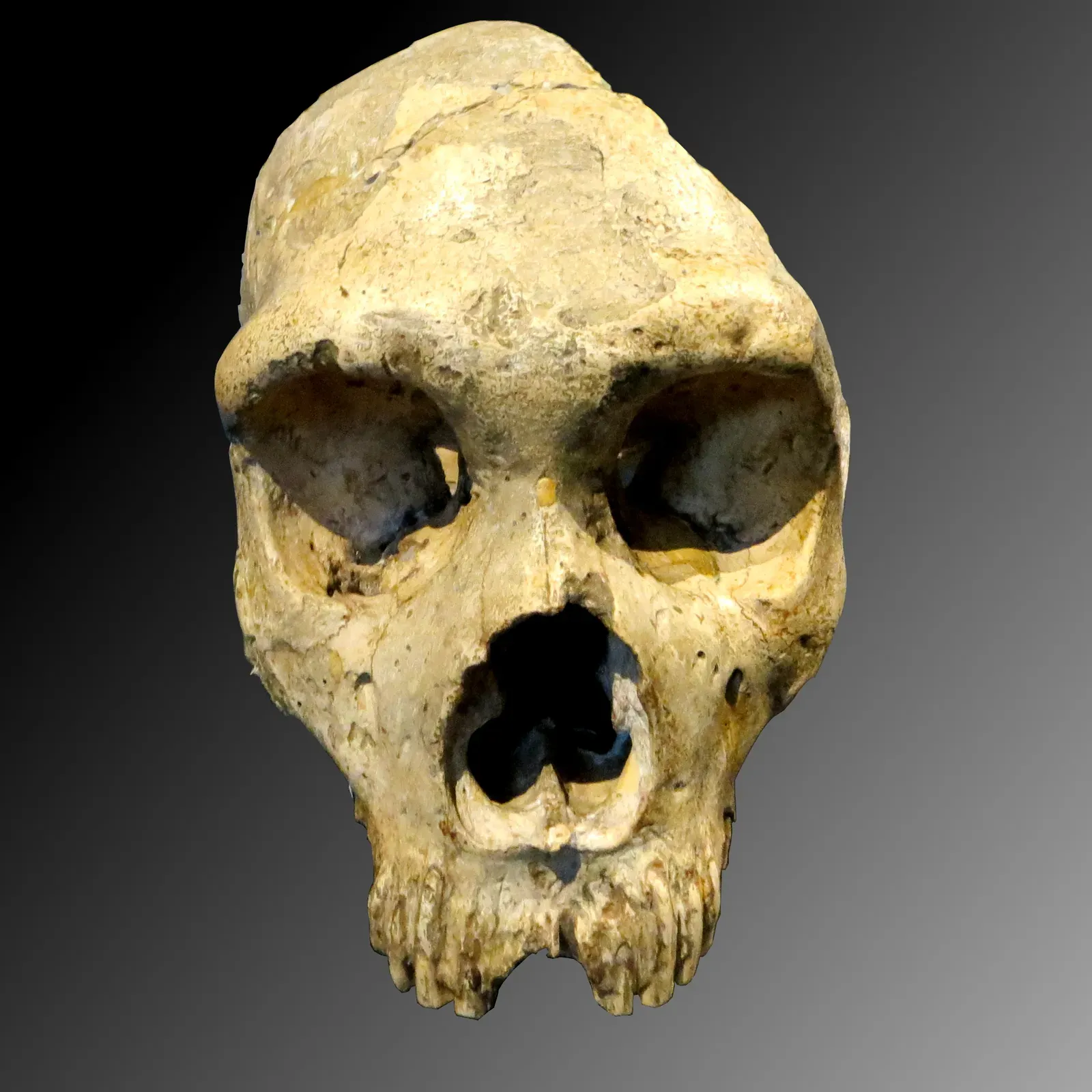
Ancestry reports love to tell you exactly how “Neanderthal” you are. Scientists are getting a lot less comfortable with that number.
The doubt isn’t coming from skeptics outside the field – it’s coming from the geneticists who study this for a living. “There’s still so much uncertainty on so many aspects of the demographic history of Neanderthals and Homo sapiens,” one researcher behind the alternative model admitted. That’s a startling thing to say about a figure that’s been marketed to consumers as a precise, settled percentage for over a decade.
Sex sells, even in science.
That line came from a researcher openly wondering whether certain disease-association studies would even get published without tacking on a Neanderthal DNA angle. None of this means Neanderthal ancestry is fake – it clearly isn’t. It means the tidy percentage on your DNA report is doing a lot more storytelling than the raw science actually supports.
#1 – “Humans Wiped Them Out”
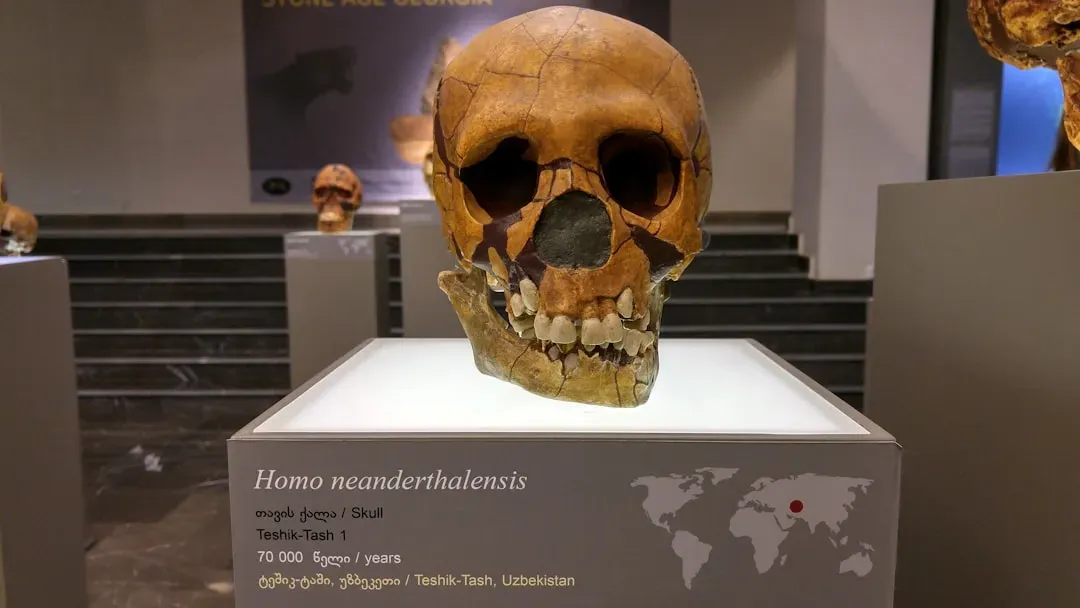
This is the biggest one scientists have gone quiet on – and the replacement theory is darker in a completely different direction.
The old story had a villain: us. The new evidence points somewhere much closer to home for the Neanderthals themselves. Remains found in a cave in southern France support the idea that Neanderthals may have gone extinct partly because of their own antisocial lifestyle – their genomes show heavy inbreeding and a striking lack of genetic diversity. That’s not a conquest story. That’s a story about a population quietly shrinking and isolating itself for generations before modern humans ever became a major factor.
Fast Facts
- The individual behind this finding, nicknamed “Thorin,” was discovered at Grotte Mandrin in southern France back in 2015.
- Thorin belonged to a small group of Neanderthals who lived between 42,000 and 50,000 years ago.
- His lineage is estimated to have separated from the lineage leading to the other late Neanderthals around 105,000 years ago, then stayed isolated for tens of thousands of years afterward.
- The findings were published in the journal Cell Genomics, reshaping how researchers talk about Neanderthal extinction.
The paper behind this finding carries a title that says it all: “Long genetic and social isolation in Neanderthals before their extinction.” Not conflict. Not competition. Isolation. Pair that with the earlier finding about fragile, regionally limited Neanderthal social networks, and a very different extinction story emerges – one where Neanderthals were already fading on their own terms long before the final chapter with Homo sapiens was ever written.
The Bottom Line
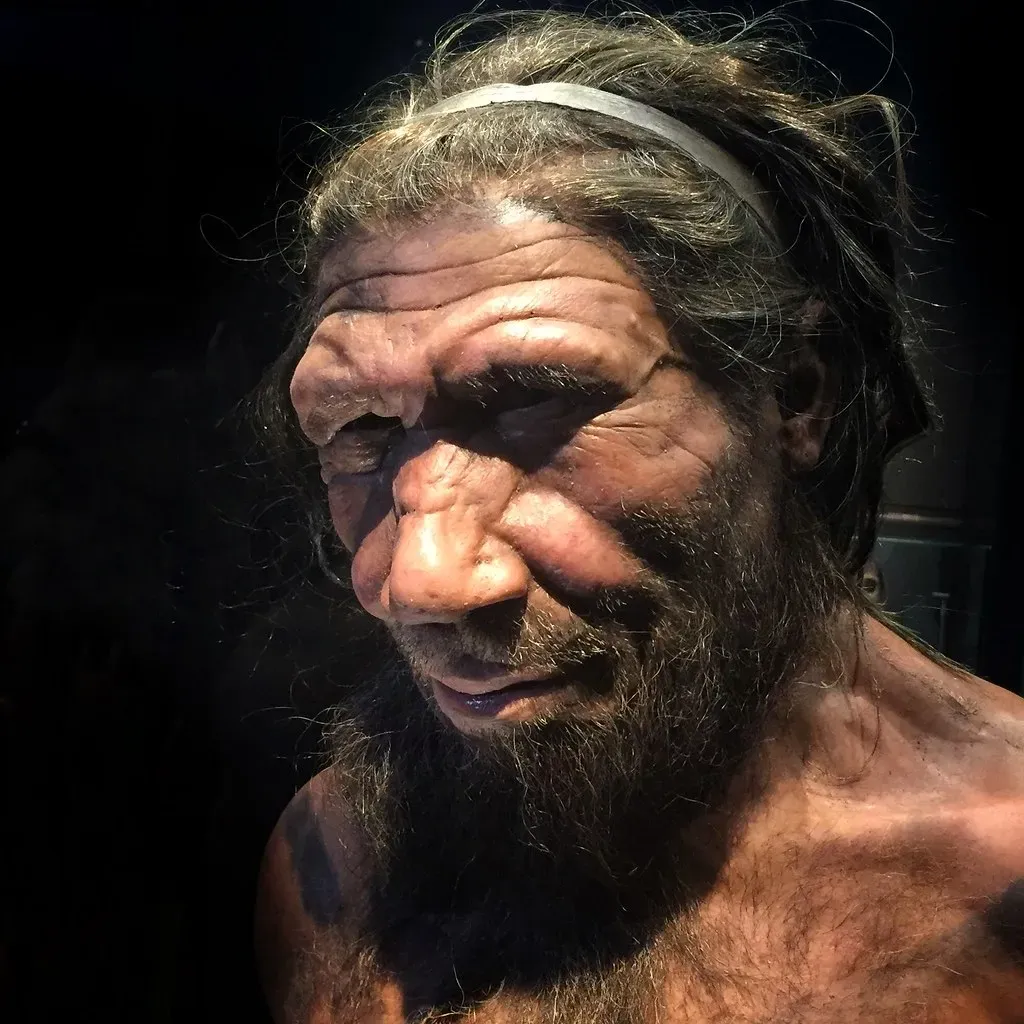
Here’s the uncomfortable truth: almost nothing confidently stated about Neanderthals a generation ago has survived contact with modern genomics unscathed. They weren’t dumb – they made art, may have spoken, and organized hunts. They didn’t lose a clean fight to smarter humans – they interbred with us for roughly 200,000 years, and many likely faded out through isolation and inbreeding long before any decisive “victory” was won. Even the species label and the DNA percentages we treat as settled are still being argued over by the scientists who study them for a living.
I think the real story is more humbling than the old one, not less. We didn’t outsmart Neanderthals – we may have simply out-networked them, then absorbed what was left of them into our own genomes and called it a win. That’s a much stranger ending than the one in the textbooks. Did we miss one of the claims scientists have quietly walked back? Drop it in the comments.