
You spend your entire life inside your own mind, yet consciousness still feels like a magic trick you can’t quite catch in the act. You wake up, and suddenly there’s a world: colors, memories, worries, plans, an ongoing inner voice narrating your day. That familiar feeling of “being you” is so immediate that it’s easy to forget how mysterious it really is.
In the last few decades, scientists, philosophers, clinicians, and technologists have made stunning progress in mapping what’s going on behind that feeling. Brain scanners are getting sharper, theories are getting bolder, and researchers are starting to link the fuzzy experience of “what it’s like” with hard data. You still do not have all the answers, but you’re much closer than you were even one generation ago – and some of what is emerging is as unsettling as it is inspiring.
The Hard Problem: Why Consciousness Feels Like Something
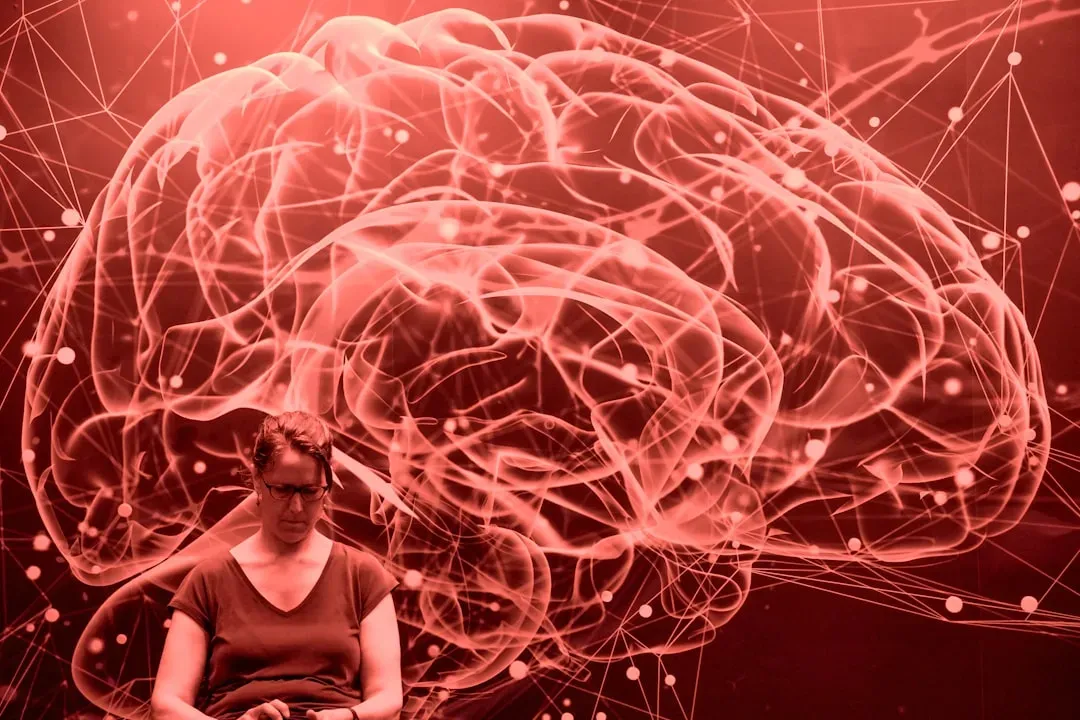
If you pause for a second and notice what it’s like to read this sentence, you immediately bump into what philosophers call the “hard problem” of consciousness. You see black symbols on a bright screen, you recognize words, and there’s a sense of “you” observing all of it. Science can tell you a lot about neurons firing, but it still struggles to explain why all that activity actually feels like something from the inside. That inner glow of experience – pain hurting, music moving you, nostalgia catching you off guard – is at the heart of the puzzle.
You might think that with enough brain data, the mystery would dissolve, but so far it hasn’t. You can map which brain areas light up when you see red, yet that doesn’t quite explain why red has a particular quality that blue does not. This is why researchers distinguish between “easy” problems, like tracking attention or memory, and the truly hard problem: how subjective experience arises at all. Understanding that gap does not just satisfy curiosity; it reshapes how you think about free will, personal identity, and even what counts as a conscious being.
What Your Brain Is Doing When You’re Aware
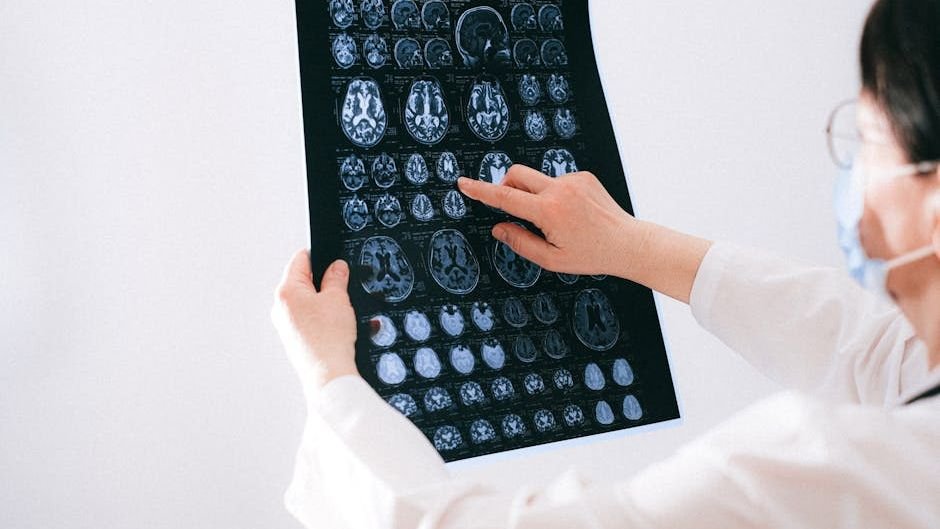
One of the biggest breakthroughs in recent years is the ability to peek into your brain in real time and watch consciousness flicker in and out. Using tools like functional MRI and high-density EEG, researchers can compare what happens when you are awake, dreaming, under anesthesia, or in a deep coma. Again and again, they see that conscious states tend to involve brain activity that is both widespread and highly connected, almost like a city lighting up in a coordinated pattern rather than a few buildings glowing in isolation.
When you consciously perceive something, information in your brain seems to “broadcast” across distant regions, linking perception, memory, language, and decision-making. When you are unconscious, that broadcast collapses into more local, fragmented activity. You can think of it like the difference between a solo musician warming up backstage and the full orchestra playing together on stage. You might not yet know what exactly flips the switch from one to the other, but you now have a much clearer picture of the conditions under which consciousness tends to appear.
Neural Correlates: Pinpointing Conscious Experience
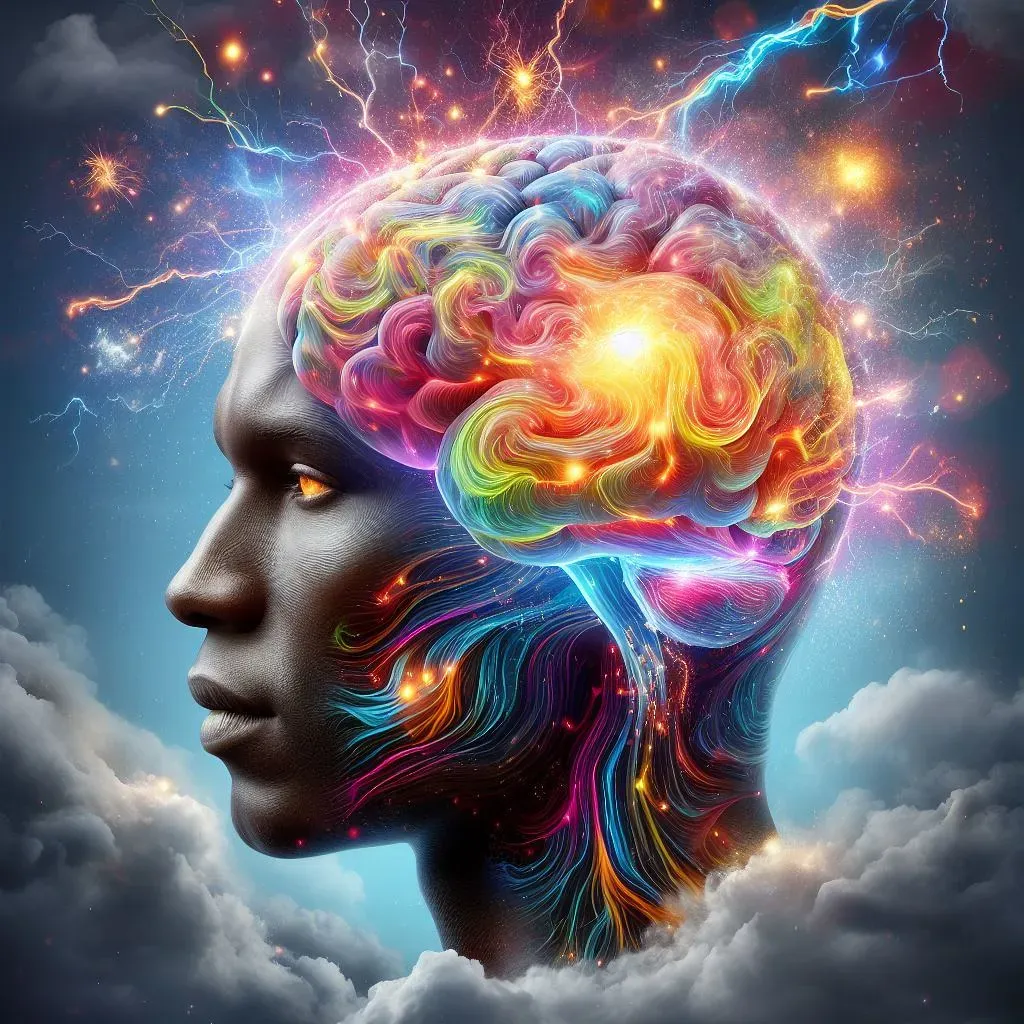
To move from big pictures to specifics, scientists look for what they call “neural correlates of consciousness”: the minimal patterns of brain activity that reliably go along with a specific experience. For example, when you see a face versus a house, distinct regions of your visual cortex fire in different ways, and some of those patterns seem tightly linked to what you actually report seeing. By carefully controlling what you see and what you report, researchers can separate mere processing of information from conscious perception of it.
What’s surprising is that not all brain activity is created equal when it comes to awareness. A huge amount of processing can happen unconsciously – your brain can detect shapes, predict patterns, and even influence your choices without you ever noticing it. Consciousness seems to ride on top of a vast ocean of unnoticed work, appearing only when information meets certain thresholds of integration and relevance. When you realize how much of your life runs on hidden autopilot, your sense of being fully in charge starts to feel a bit like a well-constructed illusion.
Global Workspace and Integrated Information: Competing Theories
Because consciousness is so slippery, you need theories that try to tie all these findings together in a coherent story. One influential idea is the “global workspace” theory, which imagines your brain as a theater. Many unconscious processes are like actors backstage, but when information becomes conscious, it gets pulled onto the main stage under the spotlight, where it can be shared widely with other brain systems. In this view, consciousness is what happens when information gets globally broadcast so that memory, language, decision-making, and emotion can all access it.
Another major theory focuses on how integrated and differentiated your brain’s activity is. According to this view, what matters is not just how active your brain is, but how richly connected and complex those patterns are. A conscious brain is neither perfectly orderly nor totally random; it sits in a sweet spot between the two, like a bustling city with an underlying structure. You do not yet know which theory, if either, will win, and current research sometimes supports one, sometimes the other. For now, you can treat them more as complementary lenses than as final answers.
Consciousness on the Edge: Sleep, Anesthesia, and Coma

If you really want to understand something, you study what happens when it breaks. Consciousness is no different. By examining what goes on in your brain when you fall asleep, go under anesthesia, or survive a severe brain injury, scientists can see what is essential and what is optional. During deep, dreamless sleep, your brain still hums with activity, but the large-scale connectivity seen in wakefulness drops dramatically, and your memories of that time vanish. Under anesthesia, certain networks are disconnected or dampened, and your awareness shuts down while basic functions remain intact.
Perhaps the most emotionally charged area of research involves people in vegetative or minimally conscious states. In some cases, brain scans reveal surprisingly preserved patterns of response, even when the person cannot move or speak. Researchers have even used mental imagery tasks – like imagining playing tennis – to let some patients answer yes-or-no questions through brain activity alone. For families and doctors, these findings raise profound ethical questions: how do you decide who is “still there” when behavior alone can mislead you?
Self, Identity, and the Illusion of a Single “You”

When you think of consciousness, you probably think of a unified “self” sitting in the driver’s seat, making choices and observing the world. But modern neuroscience paints a messier, more fascinating picture. Different networks track your body, your memories, your emotions, and your social roles, and these systems don’t always agree. In some neurological conditions, people can lose awareness of half their visual field or deny that a paralyzed limb belongs to them, yet still feel like the same person in other ways. These cases show you just how constructed your sense of self really is.
Even in everyday life, your identity is more flexible than you might admit. Your mood, your environment, and even the story you tell yourself about your past can shift how “you” feel from one day to the next. Some researchers argue that the self is best understood as a narrative your brain keeps updating, rather than a fixed thing you can point to. That might sound unsettling, but it can also be liberating: if the self is a story, you have more room than you think to rewrite parts of it, especially when you understand how your brain generates that story in the first place.
Can Machines Become Conscious?

As artificial intelligence systems become more powerful and more conversational, you might catch yourself wondering: could a machine like this one ever truly be conscious, or is it just simulating mind-like behavior? Right now, even the most advanced models operate by processing patterns in data without any evidence of subjective experience. They do not feel pain, boredom, or joy; they simply generate outputs based on inputs and learned relationships. Still, the closer these systems get to human-like performance, the harder it becomes to ignore the question.
Some researchers argue that if you could replicate the right sort of complex, integrated information processing in silicon, you might eventually cross a threshold where consciousness emerges. Others think that something crucial about biological brains – perhaps their chemistry or their embodiment in a living body – is non-negotiable. For you, this debate is not just theoretical. It affects how you might treat advanced AI in the future, what rights you might grant synthetic beings, and how you distinguish real understanding from clever imitation. Your answers will say as much about your values as about your science.
Altering Consciousness: Psychedelics, Meditation, and Brain Stimulation

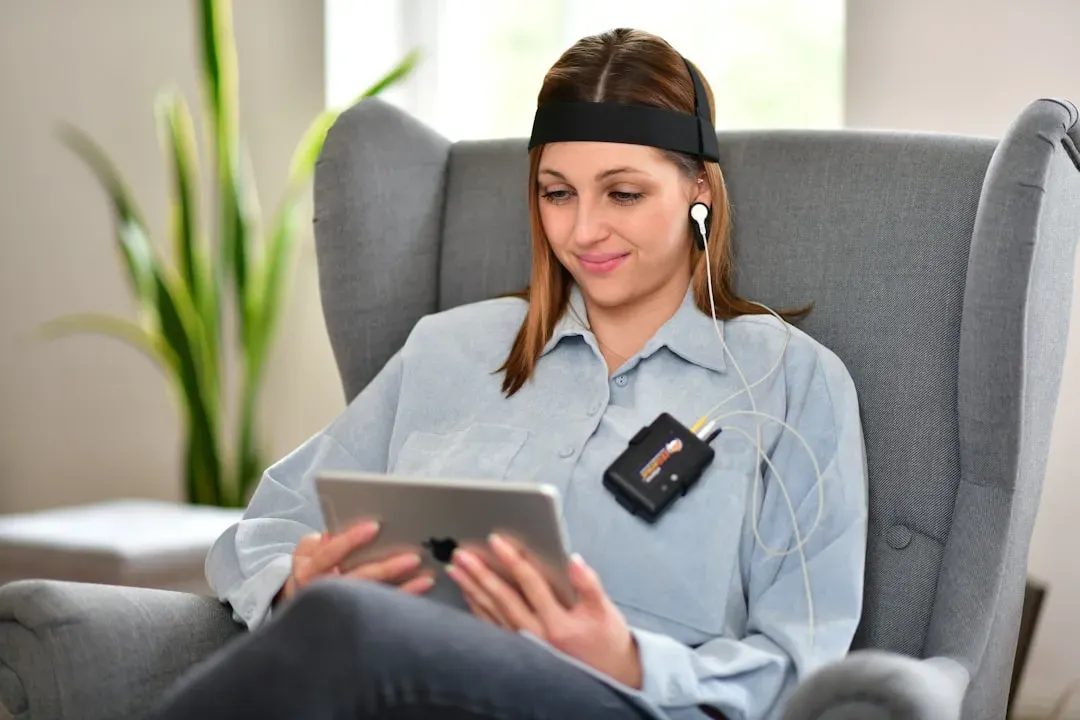
One of the most intriguing ways to study consciousness is to deliberately change it. Substances like psychedelics, practices like deep meditation, and technologies like transcranial brain stimulation can all shift how you experience yourself and the world. Brain imaging studies suggest that some of these methods temporarily disrupt or reorganize key networks, especially those involved in your sense of being a separate, solid self. People often report expanded awareness, unusual perceptions, or a dissolving of the boundary between “me” and “everything else.”
From a scientific point of view, these altered states are like stress tests for the normal model of consciousness. By seeing which circuits loosen and which patterns emerge, you can infer what is stabilizing your everyday awareness. From a personal point of view, they raise big questions about what counts as “real.” If a pill, a practice, or a device can radically transform how the world appears, it challenges your confidence that your usual state is the only valid one. Used carefully and ethically, these tools might not only help treat conditions like depression or addiction, but also give you a richer map of the possible ways a mind can be.
Why Understanding Consciousness Matters for You
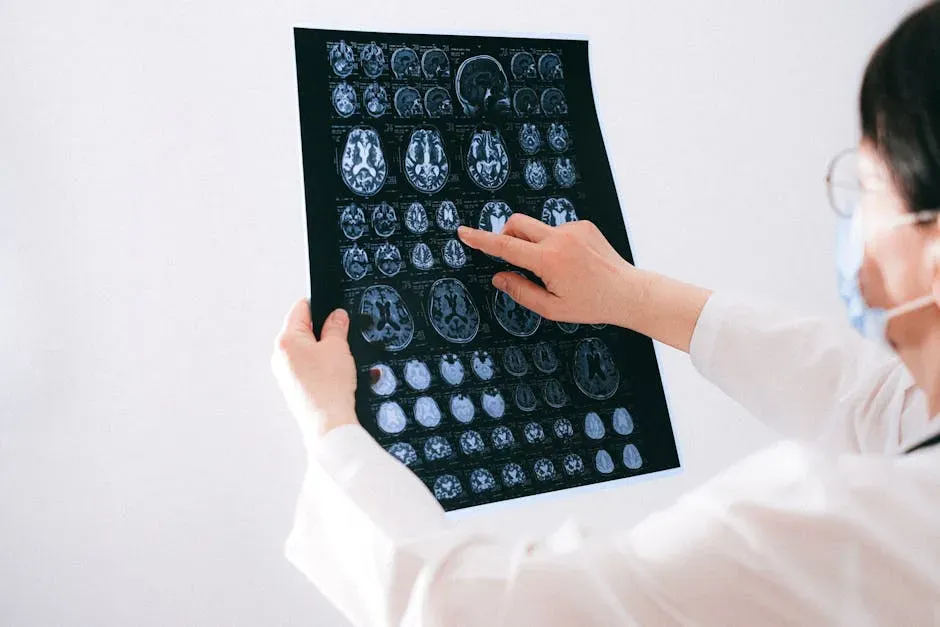
It might be tempting to treat consciousness research as an interesting but abstract topic, something for philosophers and lab-coated scientists to argue about. In reality, it touches your life everywhere: in medical decisions about life support, in legal debates about responsibility, in technology that may soon blur the line between human and machine, and in how you understand your own mental health. When you see consciousness as a fragile, emergent process rather than a magical essence, you start to appreciate how things like sleep, stress, trauma, and environment can shape who you feel yourself to be.
On a more personal level, learning how your mind stitches together your experience can give you a little distance from your thoughts and feelings. When you realize that the angry story racing through your head is one possible construction among many, not an unquestionable truth, you gain a bit more freedom to respond instead of just react. You may never fully solve the hard problem, but you can use what you already know to live with a bit more curiosity, humility, and compassion – for your own mind and for the minds of others, human or otherwise.
In the end, mapping the mind is not just about decoding a biological machine; it is about understanding what it means for you to exist at all. Every breakthrough pulls back the curtain a little more, revealing both the staggering complexity of your brain and the fragile, luminous quality of your inner life. You are, in a very real sense, the universe waking up to look at itself and ask how this is even possible. As you follow the science in the years ahead, you might want to keep asking yourself: what kind of mind do you want to cultivate, now that you know a bit more about how it’s made?