You grow up hearing about the Egyptians, Greeks, and Romans, but the Americas have their own roster of great civilizations that rose, thrived, and then seemed to just…disappear. When you walk through these stories, you start to realize how fragile complex societies really are. Drought, disease, war, politics, and even chance can take a city of tens of thousands and leave nothing but eerie ruins and silence. As you explore these five lost civilizations, you’re not just looking backward. You’re also getting a quiet warning about your own world. None of these people thought their cities would become puzzles for future archaeologists, yet here you are, trying to piece together what went wrong from broken pottery, abandoned pyramids, and the faintest traces of DNA in ancient trash.
Teotihuacan: The City of the Gods That No One Can Claim
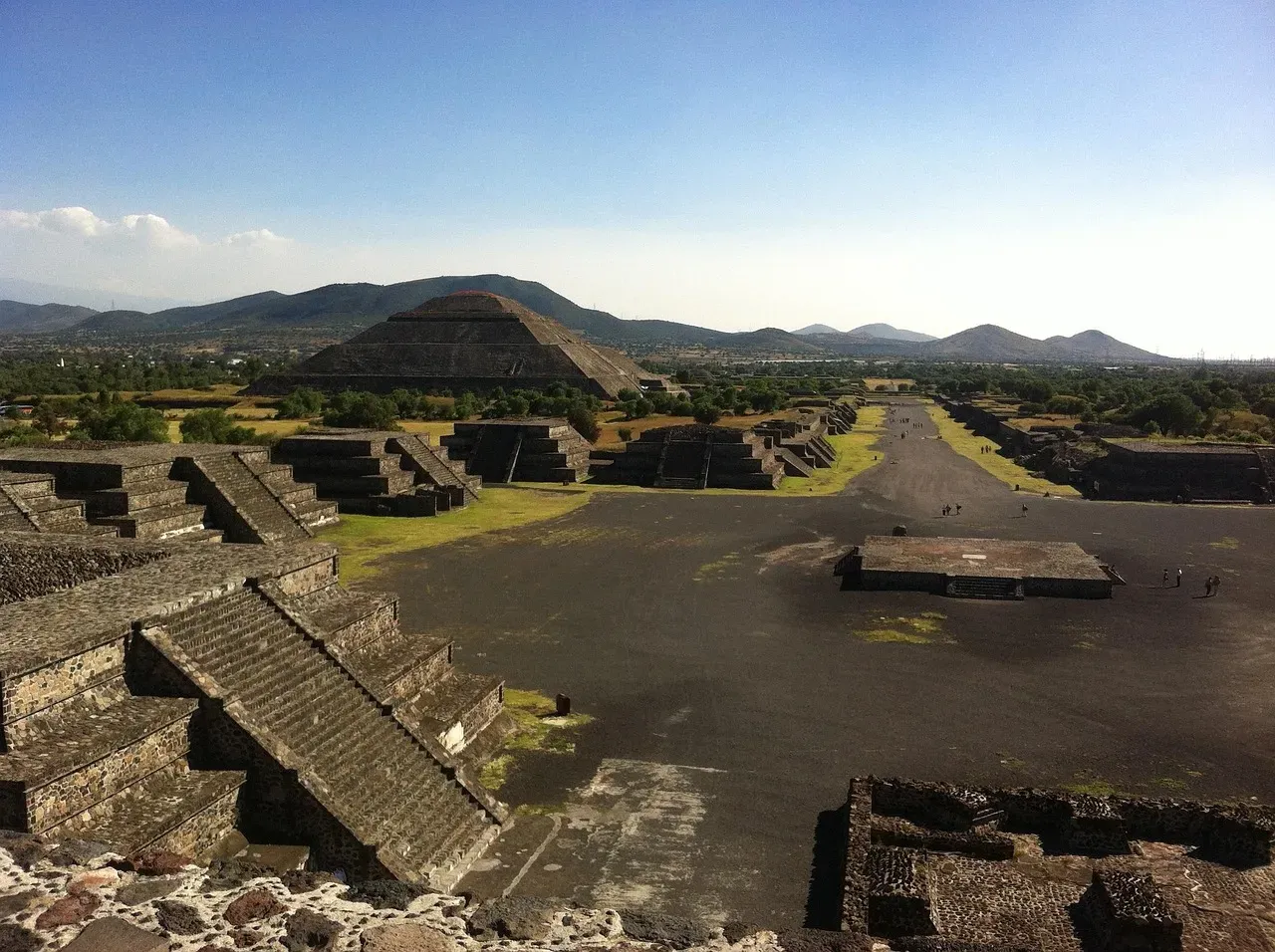
Imagine walking into a city so massive that it was once one of the largest in the entire world, and you have no idea who built it. That is exactly what you’re dealing with at Teotihuacan in central Mexico, a metropolis that flourished roughly between the first and seventh centuries of our era. When the later Aztecs arrived centuries after its fall, they were so awed that they named it the “place where gods are made” and claimed no authorship over it. You see grand avenues, pyramids bigger than anything you’d expect outside Egypt, carefully planned neighborhoods, and yet the identity of the founders is maddeningly unclear. As you look closer, you notice signs of people from many regions of Mesoamerica living there: barrios with art styles and pottery that hint at immigrants from faraway Maya cities, the Gulf Coast, and beyond. Then you hit the central mystery: sometime around the sixth century, the city begins to falter; key buildings show deliberate burning; elites seem to lose control; and over the next century or two, the population plummets. Scholars debate whether drought, internal revolt, changing trade networks, or some deadly mix of all three caused the collapse, but no single clean answer appears. You are left with the feeling that Teotihuacan didn’t fall to one dramatic event; it unraveled from within, and its people faded into other cultures, leaving their city behind like an abandoned stage set.
The Moche of Peru: Masters of Metal and Blood Who Simply Stopped Building
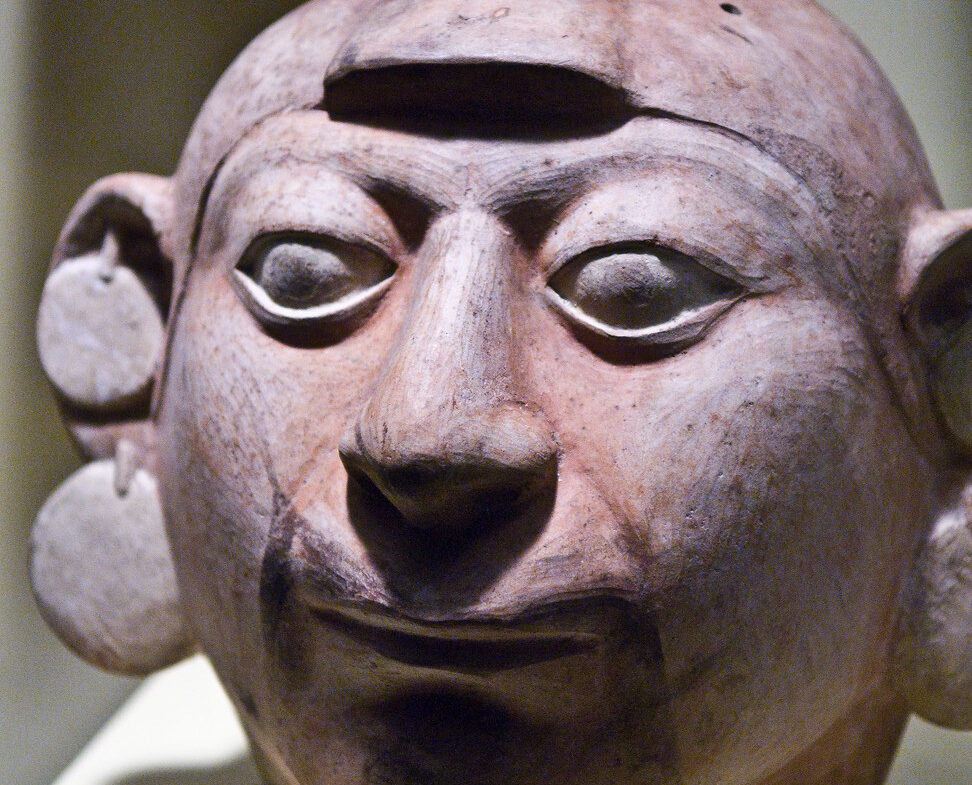
If you travel to Peru’s northern coast in your mind, you step into the harsh desert valleys where the Moche thrived from about the first to the eighth century. You see them as masters of irrigation, channeling rivers to coax harvests out of bone-dry landscapes, and as brilliant metalworkers and potters whose art pulls no punches. Their ceramics show warriors, prisoners, rulers, rituals, and even medical scenes with astonishing realism, almost like a graphic novel burned into clay. When you climb the massive mud-brick pyramids like Huaca del Sol and Huaca de la Luna, you can picture processions of elites, sacrifices, and ceremonies that tied politics, warfare, and religion tightly together. Then, you have to confront the strange way it all ends. There’s no single smoking gun, but the evidence hints at repeated climate shocks: cycles of heavy El Niño floods followed by crushing droughts. Archaeological layers show damaged irrigation canals, buried fields, and hurried rebuilding, as if you’re watching a society lurch from disaster to disaster. At some sites, elites seem to lose their grip, artwork changes, and once-central temples are abandoned or repurposed. You do not find neat records explaining where the Moche “went”; instead, you see their traditions morph and mingle into later cultures on the coast, while their old centers slowly crumble back into the desert, turning a once-dominant people into a ghostly chapter beneath your feet.
Cahokia and the Mississippian Metropolis: North America’s Forgotten City
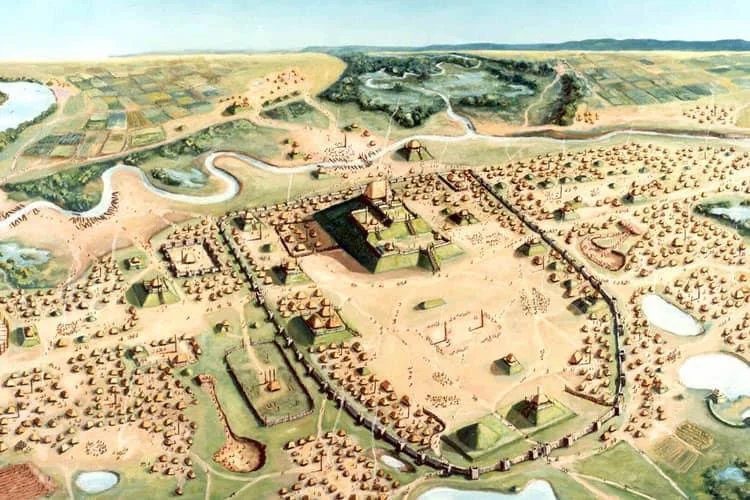
If you think big cities in North America started with European colonization, Cahokia hits you like a jolt. Near present-day St. Louis, along the Mississippi River, you would have found a true pre-Columbian city that peaked between roughly the eleventh and thirteenth centuries. Tens of thousands of people lived there, organizing their lives around enormous earthen mounds, including Monks Mound, a massive platform larger in base area than the Great Pyramid of Giza. You’re looking at a political and religious hub for what archaeologists call Mississippian culture, with complex agriculture, long-distance trade, and social hierarchies that could mobilize huge labor forces. Yet by around the fourteenth century, this city is effectively empty. You see signs of environmental stress: evidence of major river floods in some studies, possible drought in others, deforestation to fuel construction and fires, and soil exhaustion in heavily farmed fields. Health data from skeletons hints at more disease and malnutrition over time, suggesting the city pushed its landscape and population too hard. At the same time, you see fortifications, mass burials, and hints of political tension, which make you wonder about internal conflict. What you do not see is a single catastrophic conquest or sudden annihilation; instead, people gradually move away, new villages pop up downriver, and political power disperses. The civilization does not vanish as a people; the huge central experiment in city life collapses, leaving you with green, silent mounds and a nagging sense that this could happen to any city that overreaches.
The “Anasazi” (Ancestral Puebloans): Cliff Palaces Left Hanging in the Desert Air
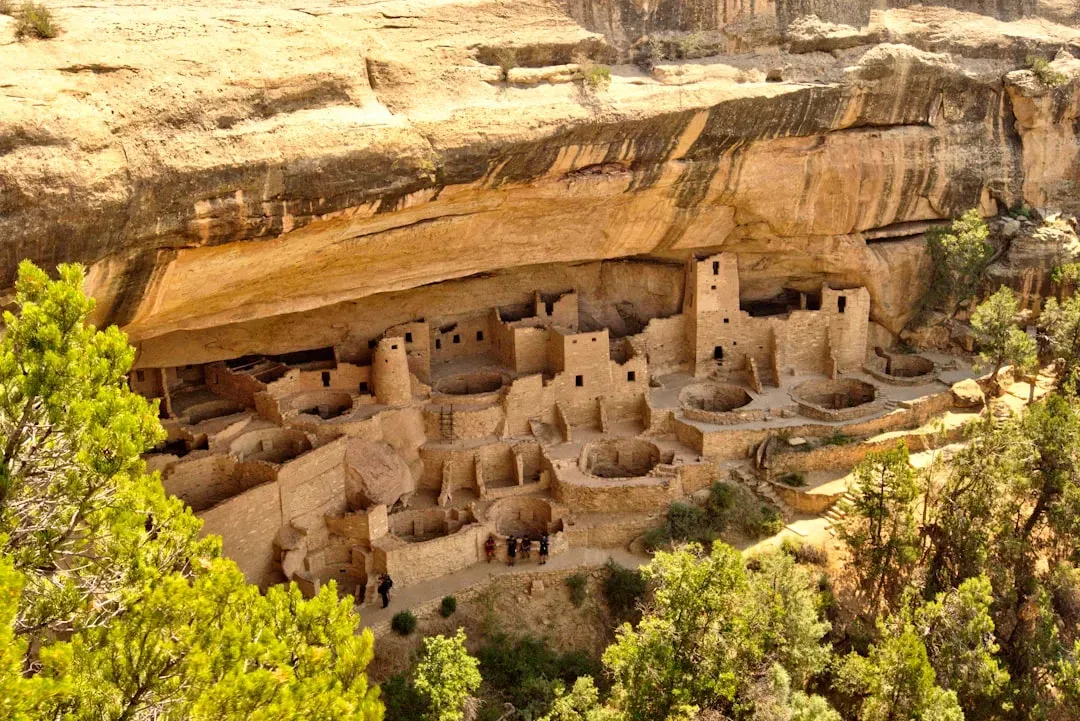
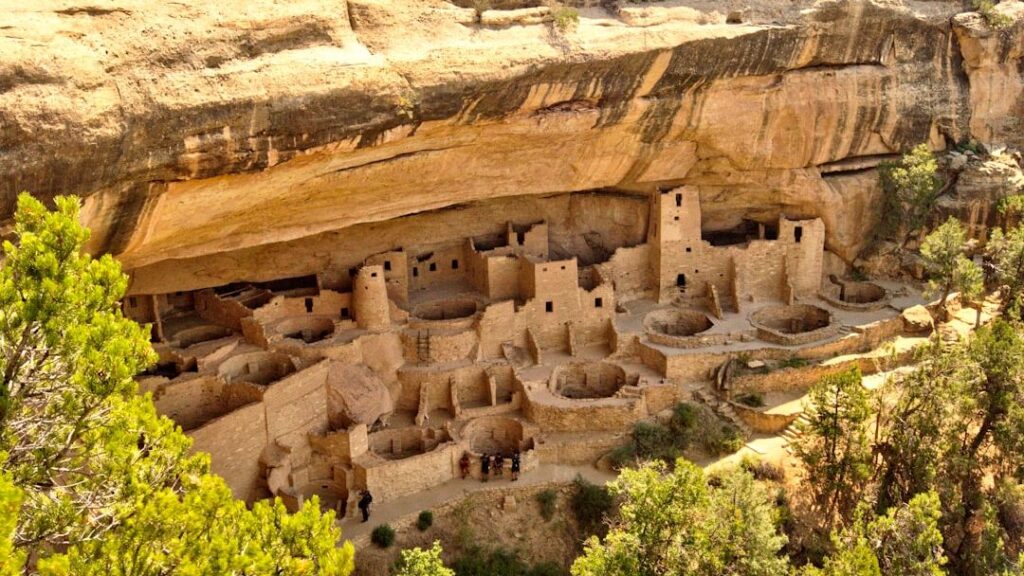
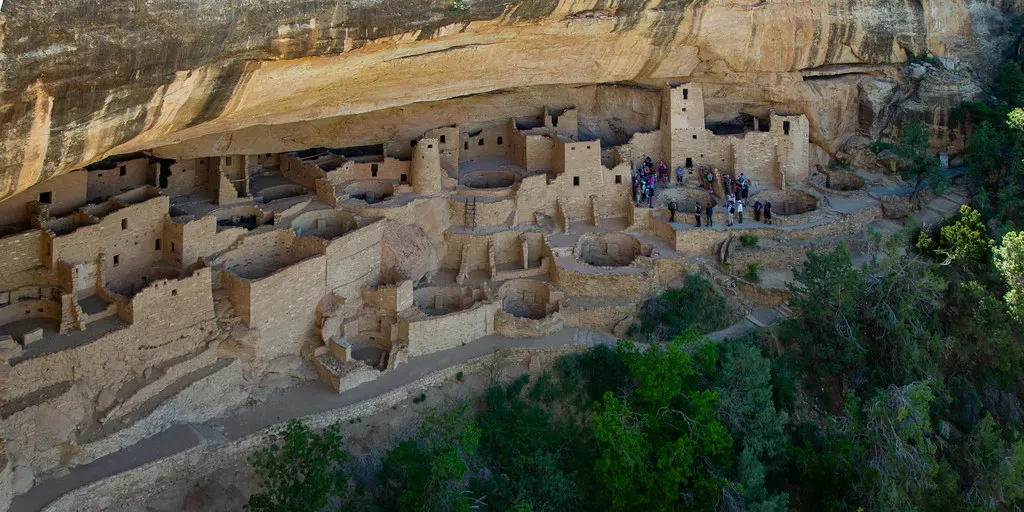
When you picture the American Southwest, there is a good chance you see cliff dwellings like those at Mesa Verde: whole villages tucked into rock alcoves, stacked with rooms, kivas, and ladders clinging to the canyon walls. These are the legacy of the Ancestral Puebloans, a term you use instead of the older label “Anasazi,” who built sophisticated communities across what is now the Four Corners region. For centuries, they experimented with different forms of settlement: great houses at Chaco Canyon arranged along astronomical lines, sprawling farming villages, and those dramatic cliff palaces that look almost impossible to reach. You’re seeing a society deeply in tune with its landscape, tracking the sun and stars, managing scarce water, and weaving a culture that still lives on in modern Pueblo peoples. Then, around the late thirteenth century, you watch a rapid shift. Tree-ring data and other climate records point to severe, prolonged droughts that must have made dry farming brutally hard. In some areas you see signs of conflict: fortified settlements, burned structures, and scattered evidence of violence. People begin to leave the central Four Corners region and resettle further south and east, coalescing into pueblos along the Rio Grande and in what is now Arizona and New Mexico. From your perspective, the cliff dwellings look as if their inhabitants simply walked away one season and never came back, but in reality, they moved, regrouped, and changed. The “vanishing” here is more about places than people: you are looking at abandoned homes rather than a lost bloodline, and the ruins become haunting reminders of how quickly a harsh environment can force you to start over.
The Olmec: America’s First Great Enigma
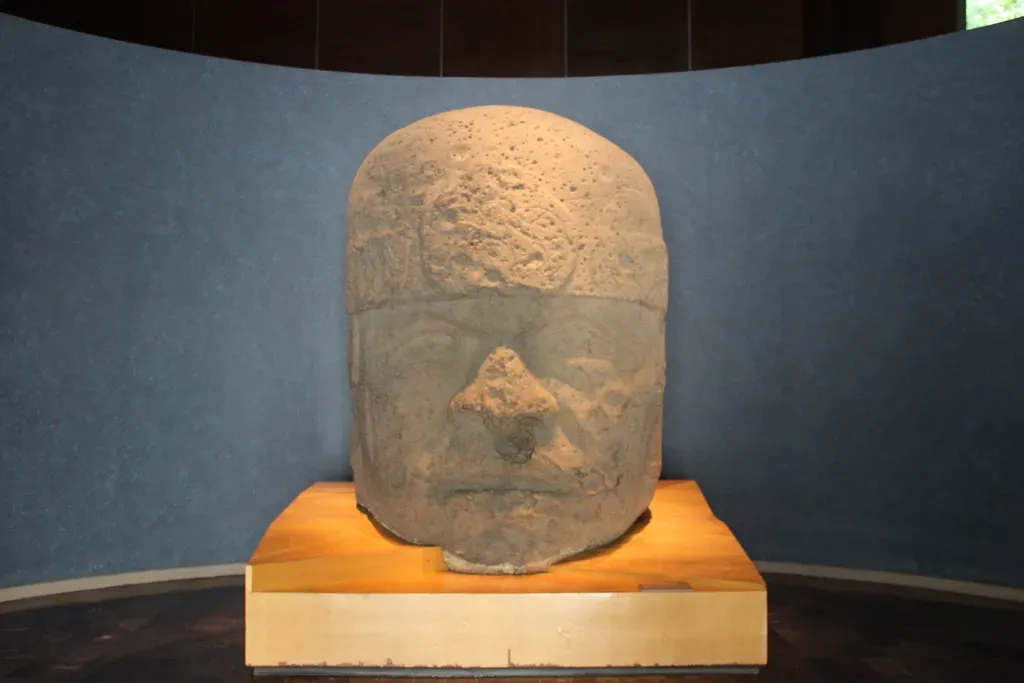
Long before the Maya raised their classic temples or the Aztecs built Tenochtitlan, you meet the Olmec along the steamy Gulf Coast lowlands of what is now Mexico. You recognize them instantly from the colossal stone heads, each carved with a distinct human face and weighing many tons. Between roughly the second millennium and the early first millennium before our era, these people created planned centers with massive earth platforms, carved jade artwork, and early symbols that may brush up against writing. When you look at later Mesoamerican cultures, you keep spotting Olmec fingerprints: ideas in religious iconography, ballgames, and perhaps even calendar concepts. Yet for a civilization so influential, the Olmec slip away without a clear goodbye. Major centers like San Lorenzo and La Venta rise, dominate, and then are abandoned or decline, with political power seemingly shifting elsewhere. Environmental factors probably played a role: river courses changed, wetlands shifted, and farming conditions may have deteriorated in some areas, putting pressure on settlements built in floodplains. You also have to consider internal changes – rival elites, shifting trade routes, or social tensions – that don’t leave obvious scars in the soil. By the time later cultures are writing more clearly about their world, the Olmec as a distinct political force are gone, leaving you to reverse-engineer their story from scattered monuments and artifacts that feel like messages from an older, half-remembered world.
The Classic Lowland Maya: Cities Swallowed by Jungle, People Who Never Truly Disappeared

When you think of lost civilizations in the Americas, the Classic Maya lowland cities are probably the first that come to mind. From about the third to the ninth centuries, you see towering pyramids, intricate hieroglyphic texts, elaborate calendars, and competing kingdoms scattered through what is now Guatemala, Belize, Honduras, and southern Mexico. These cities were not primitive; they were literate, scientific, and deeply political, constantly negotiating alliances and wars, all while building monuments that still dominate their forested skylines. If you walk through Tikal or Copán in your imagination, you can almost hear the bustle of markets and the echo of ritual drums under the canopy. Then, between roughly the eighth and tenth centuries, something dramatic shifts in many of the southern lowland centers. Monument building slows, stelae stop being carved with new dates, dynasties end, and populations fall. Droughts show up in lake sediments and cave formations, hinting at repeated climate stress; over-farming and deforestation likely made things worse, thinning soils and drying local environments. Warfare intensifies in the written record near the end, suggesting that rivalries turned more desperate as resources tightened. From a distance, you might be tempted to say the Maya “vanished,” but when you step closer, you see that Maya people and culture never go away – they move, reorganize in the northern lowlands and highlands, and survive through conquest, disease, and colonization. What really disappears are particular political systems and urban centers, swallowed back into the jungle so completely that you could walk within a few hundred meters and never know a city was there.
Conclusion: What These Vanished Cities Really Tell You
When you put these five stories side by side, you start to see patterns that feel uncomfortably familiar. You watch cities pushing their environments hard, relying on complex trade networks, concentrating power in elites, and often layering spiritual meaning onto every major decision. Then you see them run into climate shocks, political fractures, or ecological limits, and suddenly the whole system becomes fragile. None of these civilizations were doomed from the start; they were sophisticated responses to their particular landscapes, and for centuries they worked brilliantly – until they did not. If you listen carefully, the ruins are telling you something. They are reminding you that “disappearance” is rarely a magic trick where people vanish into thin air; it is usually a messy chain of migrations, adaptations, and cultural transformations that later observers simply do not bother to trace. They are also nudging you to look at your own world with a bit more humility, to see how quickly comfort can turn into strain when you push resources or stability too far. When you imagine future visitors puzzling over the remains of today’s cities, you have to ask yourself: what story would they tell about why your civilization faltered – and would it surprise you as much as these lost American worlds once did?